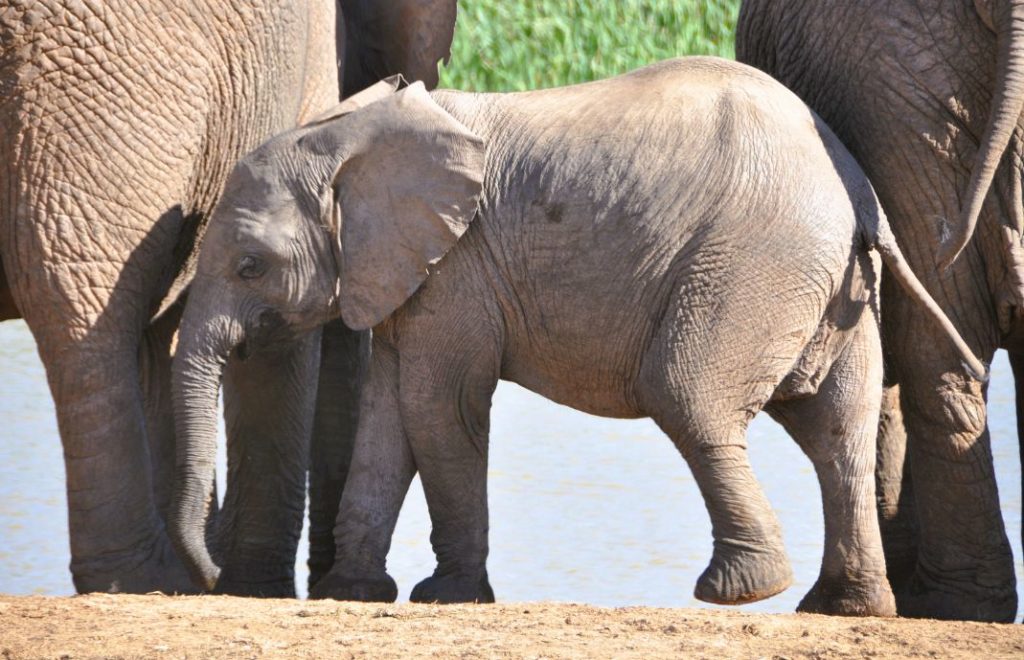
You’re up before the rest of the world. The darkness slowly retreats as the sun begins its steady ascent over the African savanna. Silence surrounds you as you walk toward your 4×4 – this early morning is more beautiful than any you’ve known. The wilderness begins to stir: birdsong fills the air, a lion’s roar echoes faintly in the distance, and something rustles softly in the nearby bush.
Welcome to a realm of endless possibility – and thrilling surprises.
Southern Africa is a dreamland for self-drive safaris, offering an incredible range of experiences for everyone from first-time adventurers to seasoned safari-goers. Whether you’re after an easy introduction to the bush or a wild, off-the-grid expedition, this part of the world delivers.
Across the region, a collection of stunning national parks beckons. From the legendary Kruger National Park to the lesser-known, otherworldly Namib-Naukluft Park, each destination holds its own unique charm and ecological wonder.
Some parks – like Chobe National Park in Botswana – are renowned for their immense elephant herds, while others – such as Etosha National Park in Namibia – captivate with surreal salt pans and life-filled waterholes straight from a nature documentary.
So, buckle up, start the engine, and head out into the wild – Africa’s national parks are calling.
Here’s your guide to nine spectacular parks where you can experience the freedom of a self-drive safari. Each profile offers insight into what makes the park special, the best time to visit, and practical tips to help you make the most of your journey into the untamed heart of Africa.
Kruger National Park, South Africa
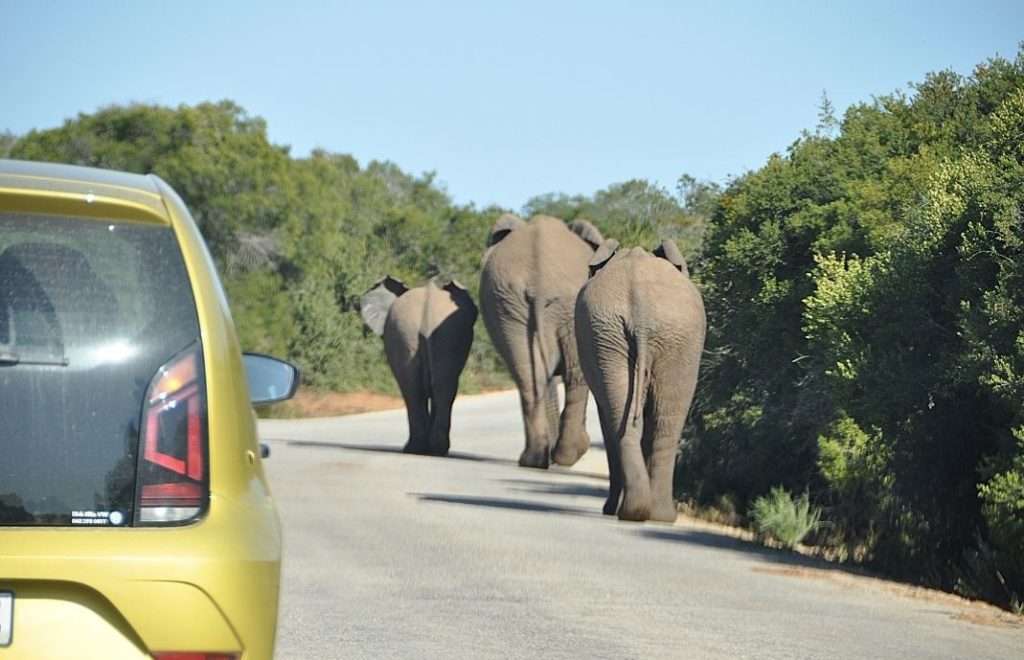
The crown jewel of South Africa’s national parks – and one of the most iconic wildlife sanctuaries on Earth -Kruger National Park stretches across a staggering 20,000 square kilometers, a vast playground for safari lovers and nature seekers alike.
South Africa’s most visited national park invites you into a world where the Big Five (elephant, lion, rhino, buffalo, and leopard) roam freely. But the real magic? You never know what, or who, might appear around the next bend.
What makes Kruger unique
Kruger boasts one of the richest biodiversities in Africa. The park is home to 147 mammal species, over 500 bird species, and a kaleidoscope of flora and fauna that shifts with the seasons.
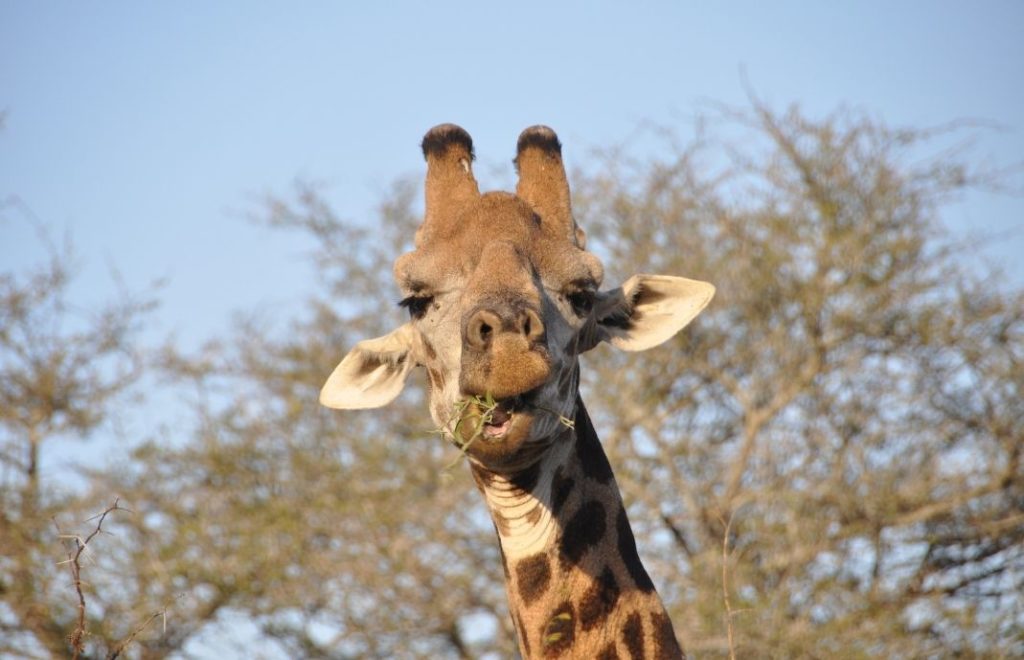
Yes, spotting the Big Five is a real possibility here, but there’s so much more. Picture vast herds of zebras grazing peacefully in the morning light, impalas resting on golden savannas, hippos bobbing in muddy pools, and giraffes stretching their long necks to nibble from acacia trees.
Kruger isn’t just a destination – it’s an experience.
Each safari brings new sounds, sights, and sensations. No two days are ever alike in this living, breathing wilderness.
Location
Kruger lies in the northeastern corner of South Africa, easily reached by car from Johannesburg in about 4 to 5 hours.
The most popular entry points are in the southern section: Numbi Gate, Phabeni Gate, and Paul Kruger Gate.
Alternatively, you can fly directly into Kruger Mpumalanga International Airport near Nelspruit for quick access to the park.
Good to know
- Best time to visit:
The dry winter months (May to September) offer the best wildlife viewing, as animals gather around waterholes and vegetation is sparse.
The summer months (October to April) bring lush greenery, dramatic skies, and exceptional birdwatching -but also higher temperatures and afternoon showers. - What to pack:
Bring binoculars, a camera with zoom, sunscreen, insect repellent, plenty of water, and a detailed park map (GPS isn’t always reliable in the bush). - Recommended routes:
The southern region of the park is known for its high animal density.
More inspiration to visit Kruger National Park
Rules and Tips for a Self-Drive Safari in Kruger National Park
Addo Elephant National Park, South Africa
As its name suggests, Addo is an elephant lover’s paradise. A lesser-known gem compared to its famous sibling, Kruger, this national park offers a more intimate, crowd-free safari experience—where giants roam and the wild still feels untouched.
Established in 1931, Addo Elephant National Park is South Africa’s third-largest game reserve and a sanctuary for wildlife of all sizes, though it’s the majestic grey colossi that steal the show.
What makes Addo special
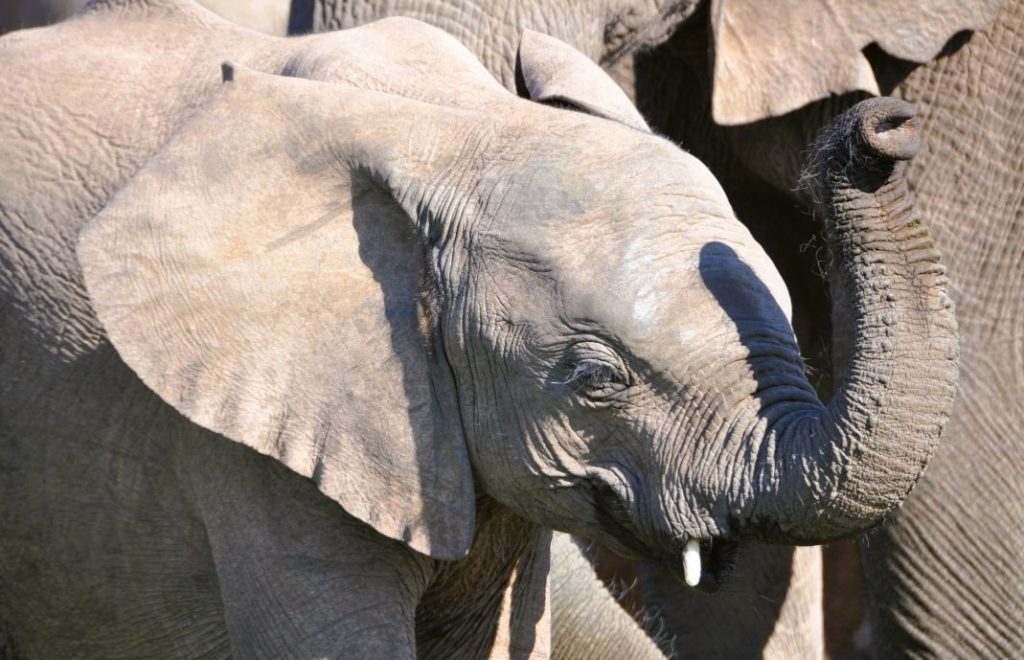
Addo is home to more than 600 elephants, making sightings practically guaranteed. Watching these gentle giants in their natural habitat – mud-bathing, foraging, or moving silently through the bush—is nothing short of awe-inspiring.
Location
Addo is located in South Africa’s Eastern Cape province, about an hour’s drive from Port Elizabeth.
You can enter the park via two main gates:
From Port Elizabeth via the R335, leading to the Addo Main Gate
Or via the N2, to the Matholweni Entrance Gate
These gates are connected by a single road through the park, meaning you can enter through one and exit through the other – ideal for a full, immersive drive.
Good to know:
- Best time to visit:
Addo is a year-round destination, but the dry season (June to September) is ideal for wildlife viewing, as animals congregate at waterholes.
The summer months (December to February) are warmer and lusher, perfect for soaking in the park’s vibrant scenery. - What to pack:
Bring binoculars, a camera with a quality zoom lens, sunscreen, insect repellent, water, and a detailed park map. - Recommended routes:
Begin at the Addo Main Gate and drive through to the Matholweni Entrance Gate (or the reverse).
Hapoor Dam is a top spot for elephant sightings – don’t miss it.
For scenic detours, head to the Zuurberg section, with its lush hills and forests.
The Woody Cape area offers excellent hiking for those who want to stretch their legs and explore on foot.
More inspiration to visit Addo Elephant National Park:
Guide to Addo Elephant National Park
Elephantastic in Addo
Hluhluwe-iMfolozi Park, South Africa
One of South Africa’s oldest and most storied wildlife reserves, Hluhluwe-iMfolozi Park is a pioneer of African conservation and a soulful escape into the heart of Zululand. Here, you’ll find a rich blend of wildlife, history, biodiversity, and sweeping landscapes – all wrapped in the raw authenticity of a true African safari.
This is where wildlife preservation began, and today, visitors are rewarded with a park that not only protects some of the continent’s most iconic species but also offers deeply immersive experiences.
Hluhluwe-iMfolozi Park is where conservation meets adventure – where centuries-old landscapes breathe life into unforgettable safari moments. If you seek a place where nature’s spirit is both wild and deeply protected, this is it.
What makes Hluhluwe-iMfolozi qnique
Divided into two regions – Hluhluwe in the north and iMfolozi in the south.
The park’s terrain ranges from rolling green hills and thick forest to vast open plains, offering an ever-changing canvas for wildlife viewing.
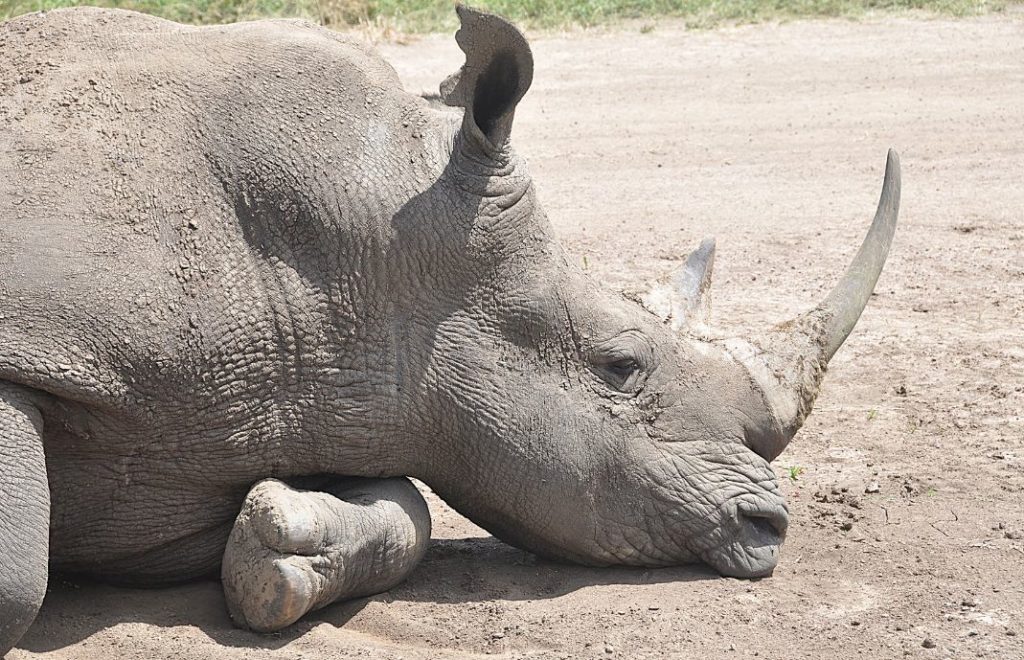
It’s one of the best places on Earth to see white rhinos, thanks to its groundbreaking conservation efforts, and is also a vital haven for the endangered African wild dog. Alongside the Big Five, you’ll find giraffes, zebras, and over 340 species of birds soaring, calling, and nesting across the park.
Hluhluwe-iMfolozi is more than a wildlife reserve – it’s a living testament to Africa’s wild beauty and the resilience of its creatures. Rooted in history, rich in diversity, and powered by a legacy of protection, this park delivers an unforgettable safari steeped in purpose and wonder.
Location
Located roughly 2.5 hours’ drive north of Durban, Hluhluwe-iMfolozi is easily accessible by road.
Enter via the Memorial Gate in the north or the Nyalazi Gate in the south.
Flying in? Land at King Shaka International Airport in Durban, pick up a rental car, and drive into the wilderness.
Good to know:
- Best time to visit:
The dry season (May to September) is ideal for game viewing. Animals gather around waterholes and the thinner vegetation makes them easier to spot.
The wet summer months (October to April) bring lush greenery and are fantastic for birdwatching, though conditions can be hot and humid. - What to pack:
Bring binoculars, a zoom-lens camera, sunscreen, insect repellent, and plenty of drinking water.
A detailed park map and a wildlife guidebook will greatly enhance your experience. - Recommended routes:
Start your safari at the Memorial Gate in northern Hluhluwe, known for its scenic drives and dense bushveld.
The Hilltop Loop offers stunning panoramic views and great wildlife opportunities.
In southern iMfolozi, head for Mpila Camp and the Sontuli Loop, both renowned for up-close rhino sightings and exceptional game encounters.
Pilanesberg National Park, South Africa
Set within the ancient crater of a long-extinct volcano, Pilanesberg National Park offers a striking fusion of dramatic geology and thriving wildlife.
This remarkable setting, rich in natural wonder and free of malaria risk, makes it one of South Africa’s most accessible – and enchanting – safari destinations.
Ideal for both first-time safari-goers and seasoned adventurers.
Pilanesberg combines convenience with unforgettable game-viewing in a landscape that feels worlds away from the city – yet is just a short drive from Johannesburg.
What makes Pilanesberg unique
Pilanesberg’s terrain is simply breathtaking. From rocky outcrops and golden grasslands to tree-lined valleys, its scenery is layered and complex – thanks to the volcanic origins that shaped this spectacular amphitheater of wildlife.
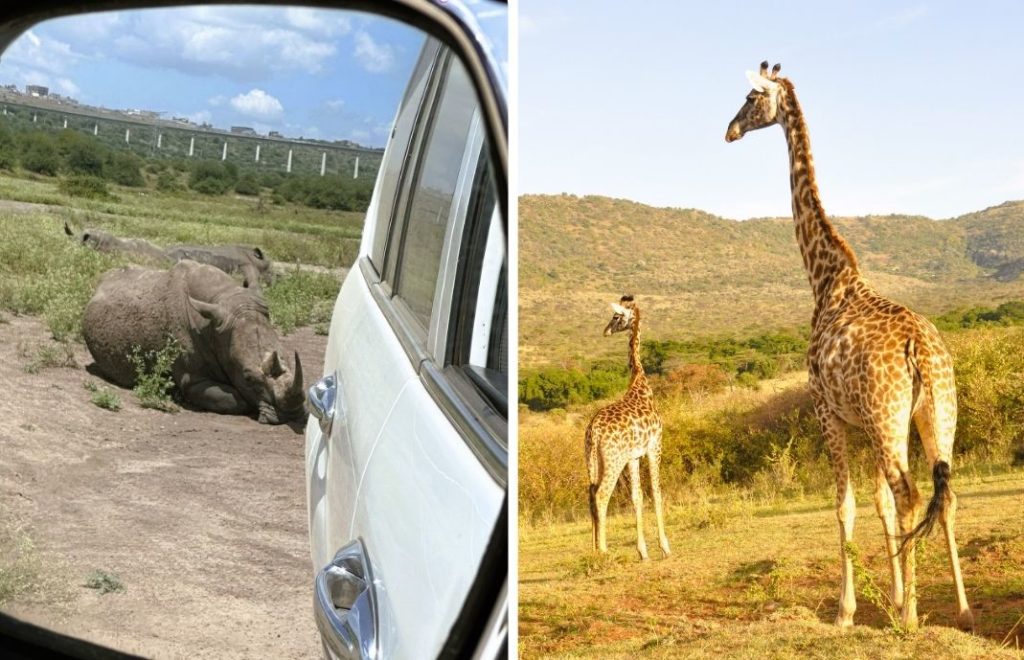
The park is home to the Big Five, along with cheetahs, hippos, and more than 300 species of birds. Whether you’re driving across sun-drenched savannas or pausing at a quiet waterhole, each moment offers something to marvel at – an ever-changing gallery of nature at its finest.
Location
Pilanesberg is located in the North West Province, approximately 2.5 hours by car from Johannesburg.
The roads to the park are well-maintained and clearly signposted, making it easy to reach by self-drive.
If you’re flying in, the closest major airport is O.R. Tambo International Airport in Johannesburg, where you can rent a car for the short journey into the bush.
Good to know:
- Best time to visit:
Pilanesberg is a year-round destination, but the dry winter months (May to September) are best for wildlife viewing, as animals congregate around water sources.
The summer months (October to April) offer lush green landscapes and superb birdwatching opportunities, though temperatures can be higher and the occasional rain shower is common. - What to pack:
Essentials include binoculars, a camera with a powerful zoom, sunscreen, insect repellent, and plenty of water.
A detailed park map and wildlife guidebook will greatly enhance your journey. - Recommended routes:
Begin your drive at Manyane Gate, the park’s main entrance.
Don’t miss the Hippo Loop and Mankwe Dam, both renowned for regular and diverse wildlife sightings.
The Tshukudu Dam is another excellent spot to witness animals gathering for a drink at dawn or dusk.
Etosha National Park, Namibia
The crown jewel of Namibia’s protected wilderness, Etosha National Park stands as the country’s premier safari destination – and one of the most extraordinary parks in all of Africa.
Its allure lies not just in the wildlife, but in the otherworldly beauty of its landscapes, headlined by a salt pan so vast it’s visible from space.
Etosha is a dream for self-drive adventurers. Here, you’ll navigate a raw and untamed terrain teeming with wildlife, framed by stark horizons and shimmering mirages.
But this isn’t just a safari – it’s an immersive encounter with nature at its most epic.
What makes Etosha unique
At the heart of the park lies the Etosha Pan, a colossal salt flat that transforms with the seasons. In the dry months, it glows a haunting white under the African sun. But after the rains, it turns into a shallow lake, attracting thousands of flamingos and a kaleidoscope of birdlife.
Etosha’s magic is concentrated around its legendary waterholes – lifelines that draw elephants, rhinos, lions, and more to drink, bathe, and interact.
When night falls, the park reveals a different rhythm: leopards, hyenas, and other nocturnal predators become the stars of the show during after-dark game drives.
Location
Etosha is located in northern Namibia, roughly a 5-hour drive from the capital, Windhoek.
There are several entrance gates, but Anderson’s Gate is the most popular, providing easy access to the central region of the park.
Roads inside are well maintained, so a 4×4 is not strictly necessary, though it’s highly recommended for added comfort and versatility.
Good to know:
- Best time to visit:
The dry season (May to October) is ideal for game viewing, as animals gather predictably at the park’s many waterholes.
The wet season (November to April) transforms the landscape into a lush, green haven—perfect for birdwatching and dramatic photography. - What to pack:
Bring a high-quality pair of binoculars, a zoom-lens camera, sunscreen, insect repellent, plenty of water, and a detailed park map. - Recommended routes:
Enter via Anderson’s Gate and make your way to Okaukuejo, famous for its floodlit waterhole, where wildlife dramas unfold well into the night.
Continue on to Halali, then to Namutoni, each offering different habitats and wildlife densities for a rich and varied safari experience.
More inspiration to visit Etosha:
A guide to Etosha National Park

Namib-Naukluft National Park, Namibia
A safari like no other – Namib-Naukluft National Park is where the desert meets the wild in a surreal and staggering union of color, silence, and ancient landscapes.
Spanning an astonishing 50,000 square kilometers, it’s one of the largest national parks in Africa and a sanctuary for travelers seeking something truly extraordinary.
Here, nature doesn’t whisper – it commands. Towering dunes, fossilized trees, and hardy desert-adapted animals define a setting so dramatic it feels pulled from the pages of a fantasy novel. For the adventurous soul, this is raw beauty at its most spellbinding.
What makes Namib-Naukluft unique
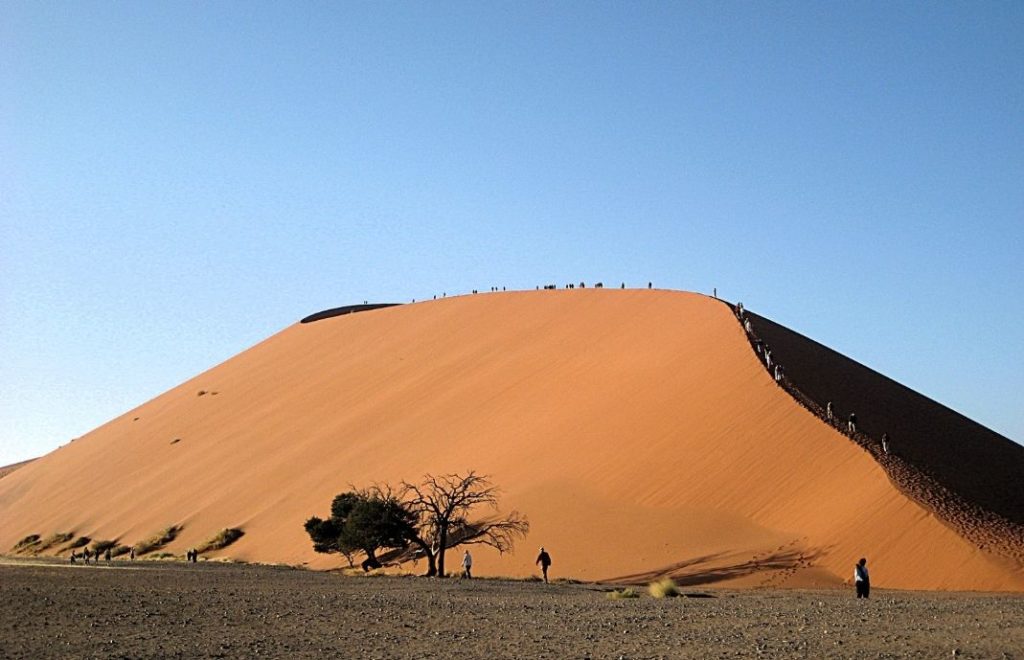
This is home to some of the most iconic desert landscapes on Earth. The famous Sossusvlei region – with its blazing red dunes and cracked white clay pans – is a highlight.
Climb the sharply sculpted Dune 45 or tackle the towering Big Daddy for a sunrise view like no other.
Visit the hauntingly beautiful Deadvlei, where ancient, blackened trees stand frozen in time – like shadows on a canvas of white salt and rust-colored sand. It’s a place so otherworldly, it looks like a scene from another planet.
Wildlife here has adapted to the extreme: look out for oryx, springbok, and the rare Hartmann’s mountain zebra roaming across the dunes and gravel plains – proof that even the harshest environments can sustain life
Location
Namib-Naukluft National Park lies in southwestern Namibia, with Sesriem Gate serving as the main entry point to Sossusvlei and the central desert region.
From Windhoek, the capital, it’s a 5-6 hour drive to Sesriem. Roads are generally in good condition, but a 4×4 vehicle is recommended to navigate gravel stretches and sandy trails with confidence.
Good to know:
- Best time to visit:
The cooler months from April to October are ideal, offering pleasant morning temperatures and golden light perfect for photography. This is when the landscape is at its most majestic and exploration is most comfortable. - What to pack:
Carry plenty of water, high-SPF sunscreen, a wide-brimmed hat, polarized sunglasses, and a camera with a strong zoom.
A binocular is helpful for spotting desert wildlife, and a detailed map is essential in this vast terrain. - Recommended routes:
Begin your journey at Sesriem Gate, then head toward Sossusvlei.
Hike up Dune 45 for a jaw-dropping sunrise.
Continue to Big Daddy and Deadvlei for Namibia’s most iconic views.
With extra time, venture into the Naukluft Mountains, which offer scenic hiking trails, rugged beauty, and sweeping desert vistas.
Chobe National Park, Botswana
Imagine waking up with the knowledge that your day will be spent exploring Chobe National Park – one of the most beautiful and wildlife-rich corners of Botswana.
Chobe National Park is a symphony of landscapes and life – a place where rivers pulse with hippos, plains shimmer with elephants, and sunsets fall like embers over untamed Africa. Whether you’re behind the wheel or drifting silently on the water, Chobe delivers safari magic in every direction.
A nature lover’s dream – especially if you’re captivated by elephants – Chobe is where water and wilderness meet.
With sapphire skies, glowing sunsets, warm breezes, and the ribbon of life known as the Chobe River, this is a destination that envelops you in Africa’s raw essence – gentle, yet intense.
Chobe is a dynamic and diverse park, offering fantastic experiences, both on land and at sea.
Whether you’re cruising along the river or navigating the dirt tracks by 4×4, the park promises an experience that is as varied as it is unforgettable.
What makes Chobe unique
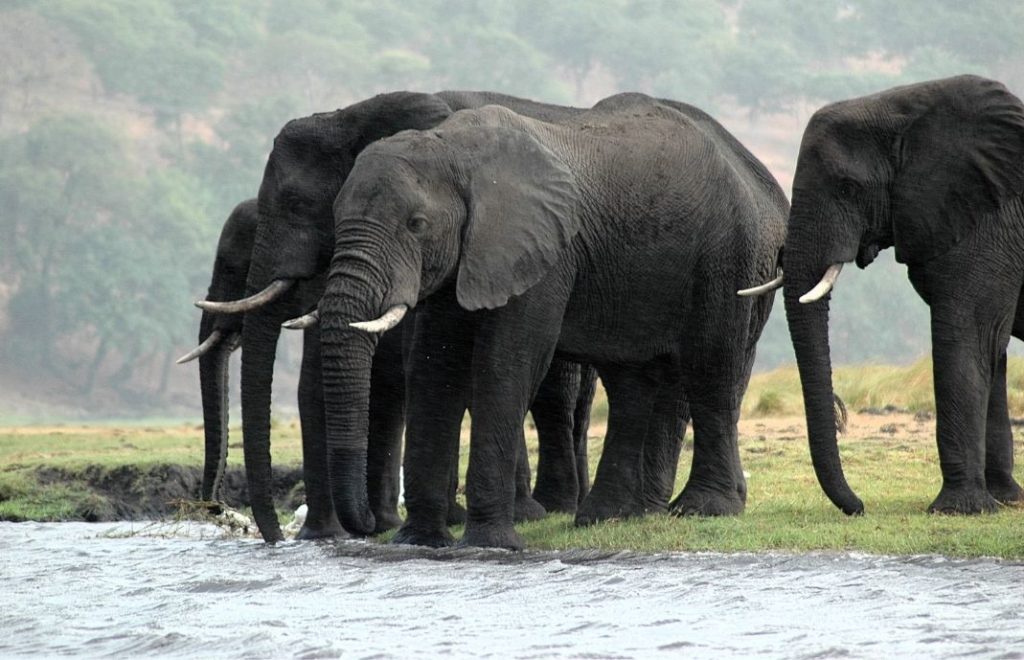
The park’s star attraction is the Chobe Riverfront, a haven of breathtaking views and dense concentrations of wildlife. During the dry season, the river becomes a magnet for animals, particularly elephants, buffalo, and hippos, offering front-row seats to spectacular wildlife moments.
Boat safaris on the Chobe River are a signature experience – giving you an up-close and serene perspective you won’t find on land. Picture drifting just meters from a pod of hippos or watching elephants wade in for a drink as the sun dips below the horizon.
Chobe is also home to apex predators like lions and leopards, while birders will be thrilled by the park’s 450+ bird species, from African fish eagles to vibrant bee-eaters.
Location
Chobe National Park lies in northern Botswana, with the town of Kasane serving as the primary gateway.
Kasane sits just a short drive from the borders of Zimbabwe, Zambia, and Namibia, making Chobe an ideal part of a multi-country adventure.
From Victoria Falls, it’s only a 1.5-hour drive to the park’s entrance.
If flying in, the nearest airport is Kasane Airport, offering easy access to this wild wonderland.
Good to know:
- Best time to visit:
The dry season (May to October) is ideal for viewing wildlife, especially large elephant herds as they gather around the river.
The wet season (November to April) transforms the landscape into a lush green paradise and is prime time for birdwatching and baby animal sightings. - What to pack:
Bring binoculars, a high-zoom camera, sunscreen, insect repellent, plenty of water, and a detailed map of the park. - Recommended routes:
Drive along the Chobe Riverfront, starting at Sedudu Gate near Kasane, for some of the most impressive wildlife viewing in southern Africa.
For the full experience, combine self-driving with a boat safari – the blend of perspectives will give you a deeper, richer Chobe adventure.
More inspiration to visit Chobe:
Guide to Chobe National Park
Safari in Chobe National Park
Moremi Game Reserve, Botswana
Tucked within the emerald embrace of the Okavango Delta, Moremi Game Reserve is a wilderness jewel -untamed, awe-inspiring, and rich in life.
A place where the drama of the African bush unfolds against a backdrop of shifting ecosystems, Moremi delivers a safari experience that is raw, intimate, and deeply immersive.
Here, nature reigns supreme. The sights, sounds, and silences of this reserve create a rhythm that pulls you into a world where every moment brims with possibility.
Moremi Game Reserve is not about chasing checklists. It’s about surrendering to the wild. With every track in the sand and rustle in the reeds, it tells a story of a land shaped by water, wind, and time. For the adventurer who craves authenticity and the rhythm of the real, Moremi is pure safari magic.
What makes Moremi unique
Few reserves boast the ecological diversity of Moremi. Its landscape blends floodplains, lagoons, savannas, and woodlands into a seamless wilderness mosaic – home to an astounding range of species.
Expect encounters with elephants, buffalo, lions, leopards, and, if you’re lucky, the elusive and endangered African wild dog. The variation in terrain attracts a rich cast of wildlife throughout the year, offering endless chances for memorable sightings.
This is a place where the safari feels pure – where you’re not just observing the wild, you’re part of it.
Location
Moremi lies in the northeastern region of the Okavango Delta, one of the most iconic wetlands on Earth.
The nearest town is Maun, often called the gateway to the delta. Maun is easily accessible by road and air, with daily flights from Johannesburg and other major African cities.
From Maun, it’s a 4–5 hour drive to reach the reserve, depending on conditions.
A 4×4 vehicle is essential – the terrain is rugged, and river crossings are part of the adventure.
Good to know:
- Best time to visit:
The dry season (May to October) offers the best wildlife viewing, as vegetation is sparse and animals gather around remaining water sources.
Water levels are also optimal for exploring the reserve’s wetter areas during this time. - What to pack:
Bring a strong pair of binoculars, a zoom-lens camera, high-SPF sunscreen, insect repellent, and plenty of water.
A GPS unit and a detailed map are essential. Navigation here requires careful planning. - Recommended routes:
Begin at South Gate, then head toward Third Bridge, a hotspot for wildlife activity and classic Okavango beauty.
For a more remote, wild encounter, venture into the Khwai region, where vast landscapes and thrilling animal sightings await.
Hwange National Park, Zimbabwe
Welcome to Zimbabwe’s largest and oldest national park – a vast expanse of wilderness where elephants reign supreme and safari-goers find themselves face-to-face with the untamed soul of Africa.
Spanning 14,651 square kilometers, Hwange National Park is a true stronghold for wildlife and one of the continent’s most rewarding safari secrets – offering raw beauty without the bustle of big crowds.
This is the kind of place where the silence roars, the dust tells stories, and nature puts on a show for those bold enough to venture off the beaten path.
Hwange National Park is a safari of substance. A place where sightings are hard-earned and deeply satisfying, where the land feels ancient, and the wildlife still rules. If you’re searching for authentic Africa -wild, vast, and unforgettable – Hwange is calling.
What makes Hwange unique
Hwange is famed for its enormous elephant herds, often seen clustered around waterholes during the dry season. It’s also one of the few places in Africa where you have a real chance of seeing the elusive and endangered African wild dog, a thrill for any seasoned safari enthusiast.
With over 100 mammal species and nearly 400 species of birds, the park delivers a rich, all-encompassing wildlife experience.
The varied terrain, ranging from semi-arid plains to wooded bushveld and lush grasslands, offers a changing canvas with every game drive.
Location
Hwange lies in the northwestern corner of Zimbabwe, about a 2-hour drive from Victoria Falls, making it an ideal extension to a visit to the world-famous waterfall.
The park’s main entrance is at Main Camp, easily reached and clearly signposted from the main road.
Flying in? Victoria Falls Airport is the closest major airport, offering domestic and international connections.
Good to know:
- Best time to visit:
The dry season (June to October) is the prime time for wildlife viewing, as animals gather at waterholes and visibility is high.
The green season (November to May) brings lush landscapes, baby animals, and superb birdwatching, though wildlife can be more spread out. - What to pack:
Don’t forget binoculars, a telephoto camera lens, high-SPF sunscreen, insect repellent, plenty of drinking water, and a detailed map of the park. - Recommended routes:
Begin your adventure at Main Camp and explore nearby waterholes such as Nyamandhlovu Pan, a hotspot for elephants and plains game.
The drive from Main Camp to Sinamatella and back offers a diverse mix of scenery and excellent wildlife viewing.