
Ask any Pole, and they’ll tell you – with pride in their voice and a raised glass in hand – that vodka is a Polish invention.
While the origins of vodka are still hotly debated between Poland and Russia, one thing is certain: vodka has deep and storied roots in Polish culture, with written mentions appearing in Polish texts as early as the 1500s.
The Polish word wódka is derived from the Russian word voda, meaning “water.” But in Poland, it’s more than just wódka. The drink also goes by the name gorzalka, loosely translating to “burning water.”
And that fiery nickname makes perfect sense – after your first sip, when the warmth rises in your throat or chest, rest assured: that’s exactly how it’s supposed to feel.
More than just a beverage, Polish vodka is a symbol of tradition, hospitality, and national pride – often shared during celebrations, family gatherings, or toasts to friendship. Whether served ice-cold and neat, or infused with herbs, honey, or fruits, vodka in Poland is both a cultural ritual and a craft perfected over centuries.

The origins of Polish Vodka
Polish vodka has a surprisingly versatile history – and it wasn’t always just for drinking. In the Middle Ages, vodka was primarily used as a medicinal remedy to treat ailments and disinfect wounds. It was even applied to treat acne and used as an ingredient in early cosmetics and perfumes.
That all began to change in the 16th century.
In 1546, King Jan Olbracht of Poland granted every city-dweller the right to produce and sell alcohol. By around 1560, this freedom was tempered by the introduction of state taxes on vodka distillation and on the sale and purchase of distilling equipment.
Vodka production quickly escalated. By 1570, exclusive rights to produce and sell alcohol were given to wealthy citizens. The aristocracy, in particular, profited enormously – so much so that they could legally force their peasants to drink vodka at taverns they themselves owned. Vodka sales became a significant source of income for both landowners and the royal treasury.
Production surged even further. By the late 1600s, large volumes of vodka were being distilled in Kraków, and by the 18th century, distilleries were thriving in Poznań, Kalisz, Łęczyca, and Gdańsk.
The industrial revolution of the 19th century allowed vodka to be produced on an even grander scale. At that time, nearly every noble family owned a vodka distillery. It became customary to serve guests a shot of vodka upon arrival, and often, they were sent home with a bottle as a parting gift.
In the 20th century, vodka production became so widespread that prices dropped significantly, and it was common for farmers to buy vodka on credit.
By 1925, the Polish government stepped in, demanding a state monopoly on vodka production. Following land reform policies, all privately owned distilleries were nationalized.
From ancient medicine to royal taxes to nationalized industry, the story of Polish vodka is deeply woven into the country’s history, economy, and identity – and its legacy lives on in every shot glass raised today.
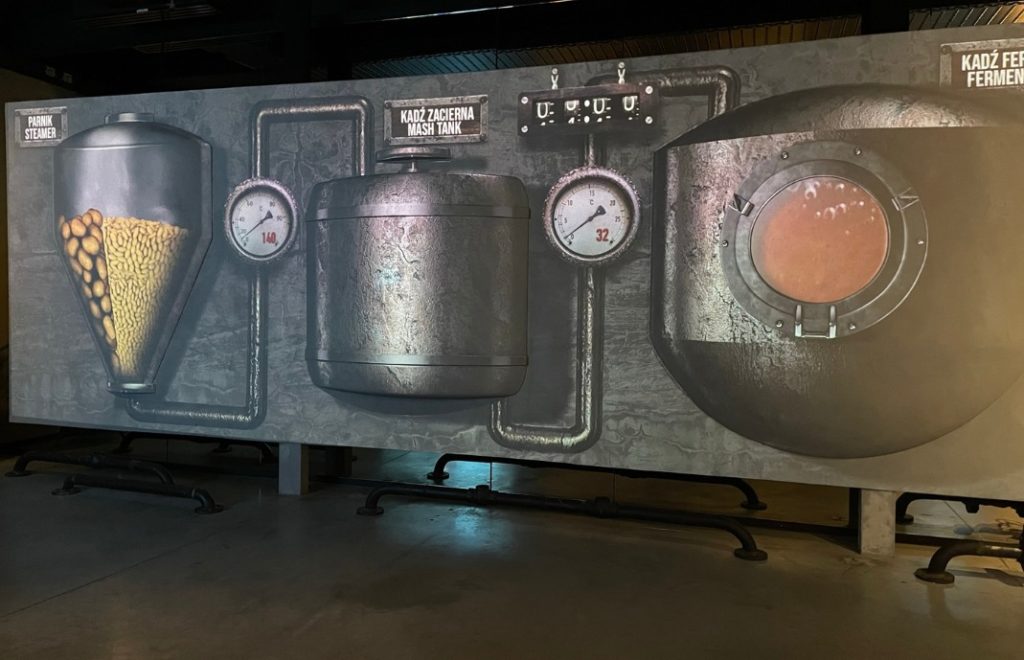
The raw ingredients of Polish Vodka
To be officially recognized as “Polska Wódka” (Polish Vodka), a spirit must meet strict production criteria – a matter of both national pride and legal protection.
Firstly, it must be made exclusively from one of five grains:
- Rye
- Wheat
- Triticale (a hybrid of wheat and rye)
- Oats
- Barley
Alternatively, potatoes are also accepted as a traditional base.
But perhaps most importantly: all raw ingredients must be grown on Polish soil. From field to bottle, every step of the process must happen within Poland’s borders to qualify as authentic Polish vodka.
Historically, when vodka production began in the Middle Ages, rye was the primary ingredient – though at the time, vodka was a luxury only a few could afford to produce. In the 19th century, cheaper ingredients like potatoes and sugar beets gained popularity, making vodka more accessible to the masses. But in recent decades, top producers have returned to the original rye base, prized for its full, peppery flavor and silky mouthfeel.
Polish Vodka quality categories
Today, Polish vodka is classified into three main quality levels, based on purity and refinement:
- Zwykly – Standard
The most basic and often used for mixing or in mass production. - Wybrowy – Premium
A step up in quality, smoother and more refined. Great for sipping or cocktails. - Luksusowy – Deluxe
The highest grade, characterized by exceptional purity, smoothness, and flavor complexity.
If you appreciate subtle aromas, flavors, and smooth finishes, Premium (Wybrowy) is a great place to start. One of the best-known vodkas in this category is the iconic Wyborowa – a brand synonymous with Polish heritage and craftsmanship.
From humble rye fields to elegant glass bottles, Polish vodka isn’t just a drink – it’s a centuries-old expression of land, tradition, and national character.

Wódka Wyborowa – The essence of Polish rye
Wódka Wyborowa is more than just a vodka. It’s a celebration of Polish heritage, marrying centuries-old distilling traditions with modern precision and purity. It’s also one of the few globally recognized vodka brands that remains true to its rye origins, preserving the full character of the grain in every drop.
What sets Wyborowa apart isn’t just its smoothness or clarity, but its commitment to honoring the essence of rye, the same grain that has been used in Polish vodka-making since the Middle Ages.
From field to bottle – The art of Wyborowa
The story begins in the Poznań region of northwest Poland, where the rye is carefully selected. Wyborowa uses only autumn-sown rye, known for its richness and complexity. Before it’s used, the grain is triple-cleaned to remove any impurities.
The first stage of distillation takes place in small, traditional farm distilleries. These stills, shaped like onions and made of copper, preserve the aromatic and flavor-rich oils of the rye. The initial distillate, or surówka, reaches between 60% and 91% alcohol by volume.
This base spirit is then transported to Poznań’s modern distilleries, where it undergoes double rectification. This is a sophisticated distillation process that enriches the vapor through continuous contact with condensed liquid in specially designed columns, enhancing purity without stripping the vodka of its character.
A secret formula, closely guarded by Wyborowa, guides the final steps to ensure consistency and authenticity.
The “Three Times Three” process
Wyborowa is crafted using a method known as “three times three”:
- Triple-cleaned rye
- Triple distillation
- Triple filtration
The vodka is then diluted to 37.5% ABV, before undergoing a final, ultra-refined filtration using reverse osmosis – a process said to “breathe life” into the spirit.
The result
What you get is a crystal-clear vodka that is pure, smooth, and unmistakably rye-forward. Its flavor carries subtle earthy notes, with a gentle warmth and a clean finish, while the aroma retains hints of the grain’s natural essence.
Wódka Wyborowa isn’t just a spirit – it’s a distilled expression of Polish soil, tradition, and craftsmanship. Whether you sip it neat or use it in a refined cocktail, it offers a genuine taste of Poland in every glass.
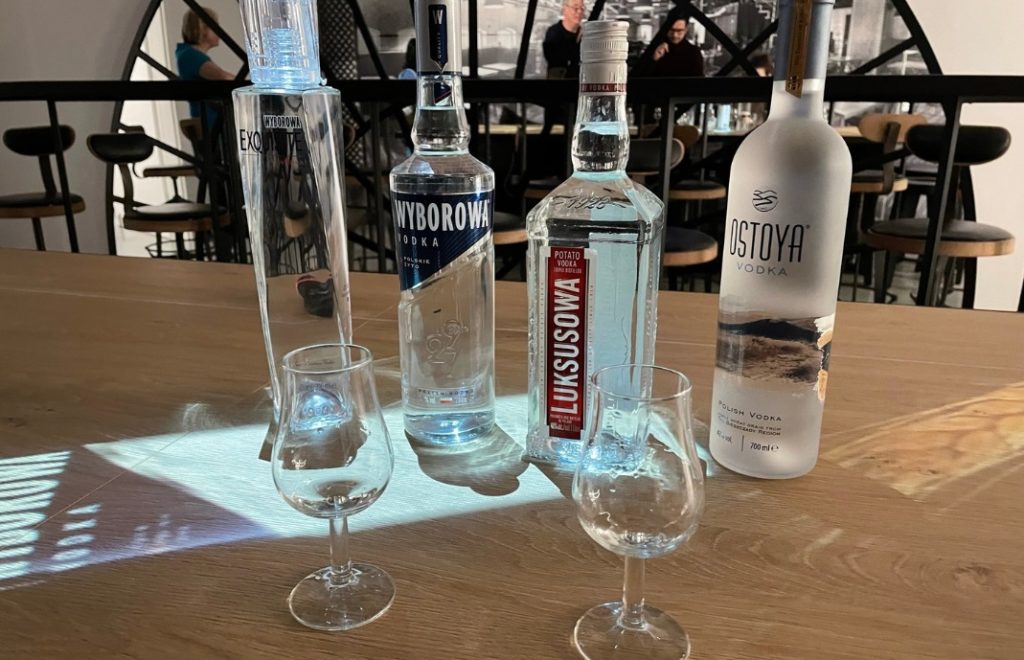
Raise a glass – The Polish Vodka toast
In Poland, vodka is more than a drink. It’s a ritual, a tradition, and a symbol of hospitality. And when the glass is raised for a toast, it’s done with pride.
Polish vodka is most often enjoyed neat, served in small shot glasses straight from the freezer. The ideal temperature, according to expert distillers, is around 3°C – and never over 10. Icy cold, it goes down smoothly and leaves that signature warmth in your chest.
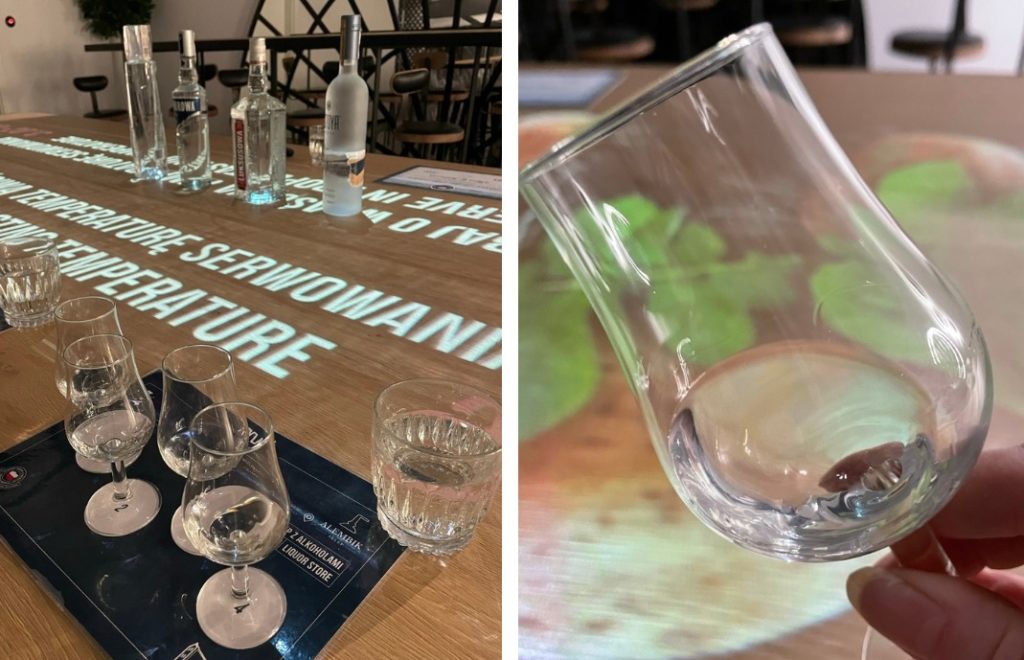
But if you’re more interested in exploring aroma and flavor, then try your vodka at room temperature, served in a tulip-shaped glass that helps concentrate the scent and elevate the tasting experience.
On chilly days, warm up with a shot of hot honey vodka – a traditional favorite that soothes and satisfies with its comforting, spiced sweetness.
At Wyborowa and other Polish brands, you’ll also find a delightful range of flavored vodkas – from lemon, melon, orange, pear, and pineapple to the bold surprise of pepper-infused vodka. Each one offers a new layer of taste and a playful twist on a classic.
So next time someone offers you a glass of Polish vodka – don’t say no.
Instead, swirl, sniff, sip – and savor.
In that moment, you’re not just enjoying a drink.
You’re sharing in centuries of Polish history and culture – one sip at a time. Na zdrowie!
Party drink idea – Poznań Cooler
Looking to impress your guests at your next celebration? Skip the usual cocktails and serve a drink with Polish flair – the refreshing and fruity Poznań Cooler!
Poznań Cooler recipe
Ingredients (1 serving):
- 5 cl Wódka Wyborowa
- 6 cl fresh apple juice
- 2 cl passion fruit syrup
Instructions:
- Fill a highball glass with ice.
- Pour in the vodka, apple juice, and passion fruit syrup.
- Stir well to combine and chill the drink evenly.
- Garnish with a wedge of lime for a zesty finish.
The preparation takes just five minutes, and the result is a vibrant, slightly tangy cocktail that’s both elegant and easy to love. It’s perfect for summer evenings, festive toasts, or simply adding a splash of sophistication to your party lineup.
Na zdrowie!
More inspiration to Poland’s culinary side:
How to make Polish pierogi
Cafés in Szczecin you shouldn’t miss
