
Malaysia is like a living adventure – a land where tropical islands meet vibrant modern cities, where the mystery of the jungle stands side by side with glittering temples and markets bursting with color and spice. You might find yourself trekking through the rainforests of Borneo in search of wild orangutans, basking on the paradise beaches of Langkawi or the Perhentian Islands, or feeling the pulse of Kuala Lumpur’s urban energy.
But as in all tropical destinations, the weather sets the stage for your journey. Monsoons, sun-soaked seasons, and the contrast between the east and west coasts mean that timing your trip can define which side of Malaysia you’ll experience at its very best. Whether you dream of diving into crystal-clear waters, joining vibrant cultural festivals, or simply soaking up the tropical sun, there’s an ideal time waiting for your adventure.
Keep in mind that this guide is for inspiration, and recommendations may shift with the seasons.

The climate of Malaysia – Tropical, lush, and unpredictable
Lying close to the equator, Malaysia offers a climate as tropical as the country is diverse. Here, you won’t find harsh winters or dramatic seasonal shifts. Instead, the rhythm of the year is defined by warm temperatures, high humidity, and sudden tropical downpours that keep the landscape intensely green. With temperatures hovering between 25 and 32 degrees celsius year-round, Malaysia promises sunshine and warmth no matter when you choose to travel.
Yet the climate varies across the country. On the west coast, destinations like Penang and Langkawi enjoy some of the most stable conditions, with long stretches of sun-filled days. The east coast, however, is more dramatic, especially during the monsoon from November to February, when heavy rains can shape daily life. This contrast adds to Malaysia’s allure – lush jungles in Borneo thrive under the rains, while the west coast offers idyllic beach days beneath cloudless skies.
Malaysia’s climate is both predictable and unpredictable at once. You can always count on the heat, but nature has its own agenda – and that’s exactly what makes the country feel so vibrant and exhilarating to explore.
Malaysia’s monsoon seasons – When to go where
Like much of Southeast Asia, Malaysia is shaped by the rhythm of the monsoons. These seasonal winds carry moist ocean air, bringing heavy rains during certain times of the year – and with them, a landscape that comes alive in every shade of green.
Malaysia has two main monsoon seasons:
- The Northeast monsoon: November to March
- The Southwest monsoon: May to September
When planning your journey, it’s worth keeping the monsoons in mind. While Malaysia offers warmth and sunshine year-round, conditions vary between regions. Here’s a simple guide to help you choose the perfect place and time for your adventure:
West Coast (Langkawi, Penang, Pangkor)
This is the country’s most reliable region for sunshine, with stable, dry weather almost all year. If you’re looking to guarantee beach days and comfortable conditions, the west coast is your safest bet.
East Coast (Perhentian Islands, Redang, Tioman)
From November to February, the northeast monsoon sweeps across the east coast, bringing heavy rainfall, rough seas, and the temporary closure of many resorts. The best time to visit is from March to October, when the waters are calm and clear – perfect for diving, snorkeling, and soaking up island life.
Borneo (Sabah & Sarawak)
On Borneo, the climate remains humid and tropical year-round, but rainfall is more evenly spread than on the mainland. Showers are frequent but often short-lived, leaving the jungles greener, wilder, and even more enchanting.
Weather across Malaysia’s regions
The weather in Malaysia is never dull. Sunshine and rain go hand in hand, creating the tropical rhythm that makes the country so vibrant – and ensures unforgettable experiences no matter when you travel.
Many visitors prefer the seasons when the skies are clearer, the days more stable, and rainfall is lighter. While showers can occur throughout the year, there are distinct periods with less rain, which naturally makes them the most popular times to visit. Yet traveling during the wetter months has its own rewards, from fewer crowds to lush landscapes at their most alive.
Here’s an overview of the best times to explore Malaysia’s regions if you’re seeking the most favorable weather for your journey.
When is the best time to visit Malaysia’s West Coast?
The west coast of Malaysia – home to gems like Langkawi, Penang, and Pangkor – is celebrated for its stable, sun-drenched climate. This region offers some of the country’s finest conditions for beach life, cultural exploration, and sightseeing, making it an excellent choice almost any time of year.
The prime season runs from November to April, when days are warm and dry, and the sea is calm and inviting. It’s the perfect time to bask on golden beaches, dive into crystal-clear waters, or wander through colonial towns and vibrant food markets without worrying about heavy rains.
Even outside this peak season, the west coast remains a great option, as the monsoon affects the east coast far more dramatically. From May to October you may encounter brief afternoon showers, but these are usually short-lived and leave the air feeling fresh and pleasant.
While the west coast is a year-round destination, November to April offers the very best conditions for sun, sea, and adventure.

When is the best time to visit Malaysia’s East Coast?
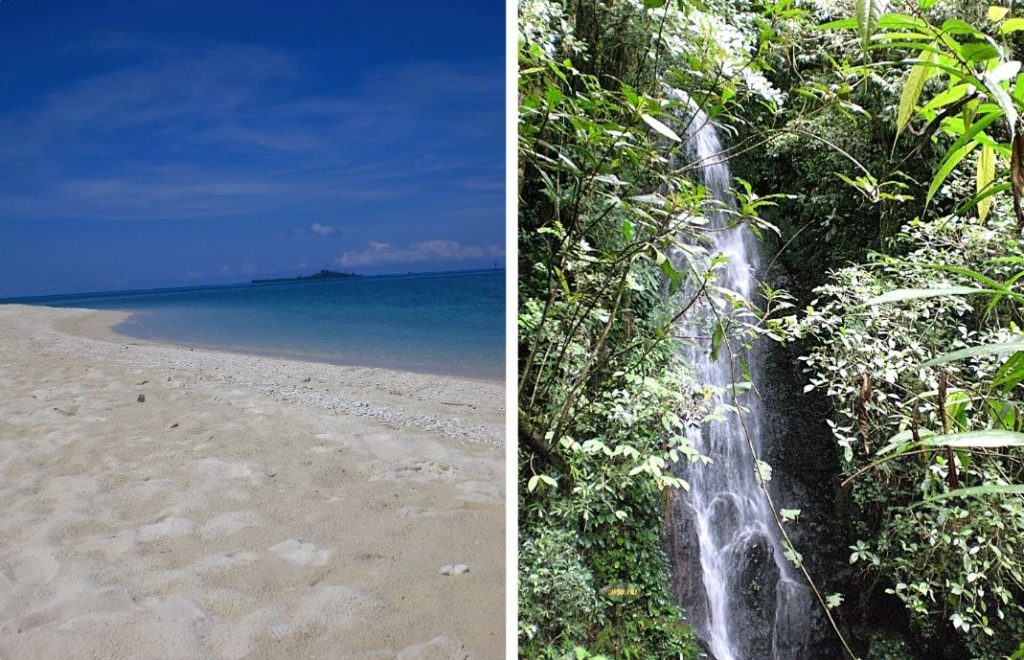
The east coast of Malaysia is a tropical paradise, home to islands like the Perhentians, Redang, and Tioman – renowned for their powdery white beaches, crystal-clear waters, and some of Southeast Asia’s most spectacular snorkeling and diving. Yet here, the seasons play a defining role in shaping your experience.
The best time to visit is from March to October, when the seas are calm, the sun is shining, and conditions are perfect for island-hopping, underwater adventures, and blissful days beneath the palms. This is the season to dive among vibrant coral reefs, explore hidden coves, and embrace the laid-back rhythm of island life.
From November to February, the northeast monsoon sweeps across the region, bringing heavy rains, rough seas, and the temporary closure of many resorts. While less suitable for a beach escape, this dramatic season breathes life into the mainland, transforming it into lush, emerald-green landscapes.
For travelers dreaming of pristine beaches and world-class diving, the months between March and October are the perfect time to experience Malaysia’s enchanting east coast.
Weather in Kuala Lumpur and Melaka – Tropical warmth all year round
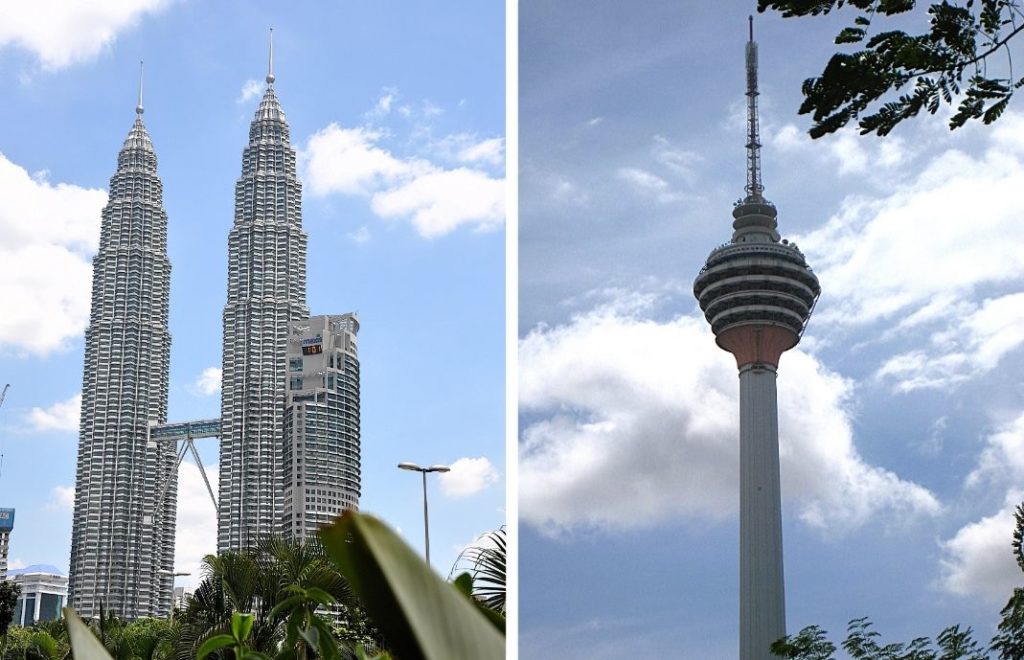
At the heart of Malaysia lies Kuala Lumpur, the country’s vibrant capital, and just to the south, the historic gem of Melaka. Both share a classic equatorial climate: year-round sunshine, high humidity, and consistently warm temperatures, often between 27°C and 33°C during the day.
Here, you won’t find the distinct seasons familiar in Europe. Instead, the rhythm is set by sunlit days punctuated by tropical downpours, usually arriving in the afternoon or evening. These showers bring a dramatic contrast to the bustle of the city, yet they’re often brief, leaving the air refreshed and the streets glistening.
Kuala Lumpur and Melaka can be enjoyed at any time of year, though rainfall is heavier during the monsoon periods – from April to May and again from September to November. Even then, the rain rarely halts the experience; you can simply retreat to a cozy café, a bustling shopping mall, or a museum while waiting for the skies to clear.
In Kuala Lumpur and Melaka, you can always count on warmth and a tropical atmosphere. The rain showers only add to the mood, ensuring the cities remain lush, vibrant, and full of life throughout the year.
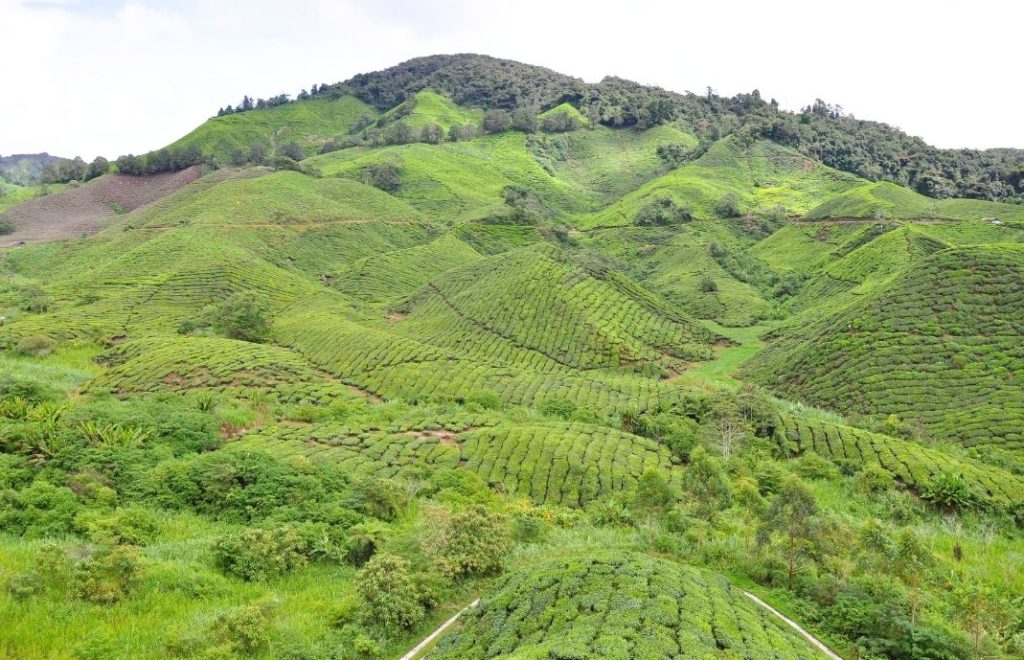
Weather in the Cameron Highlands – A cool breath in Malaysia
High in the hills, far from the tropical heat, lies the Cameron Highlands – one of Malaysia’s most beloved highland retreats. Perched at around 1,500 meters above sea level, this region enjoys a climate dramatically different from the rest of the country. Days are pleasantly mild, rarely climbing above 25°C, while nights can dip to a refreshingly cool 14-15°C.
The steady, temperate climate makes the area perfect for tea plantations, strawberry farms, and lush gardens. Afternoon showers are common, keeping the landscape green and vibrant, though the driest and sunniest stretch usually runs from February to April. In truth, however, the Cameron Highlands can be visited year-round.
The rain here adds to the atmosphere – blanketing tea fields in soft mist and casting an almost fairytale quality over the rolling hills. It’s part of the charm, a reminder that this region feels like another world altogether, far removed from Malaysia’s tropical coastlines and bustling cities.
Cool, green, and refreshingly different, the Cameron Highlands offer the perfect contrast to the rest of Malaysia.
Weather in Borneo – Tropical diversity all year round
Borneo, the world’s third-largest island – shared by Malaysia, Indonesia, and Brunei – offers a climate as rich and varied as its landscapes. In the Malaysian states of Sabah and Sarawak, you can expect a classic tropical climate with warm temperatures hovering between 27°C and 32°C almost year-round.
What sets Borneo apart from the rest of Malaysia is the rain. There’s no clear “dry season” here – showers can arrive at any time, though they’re often brief, leaving the rainforest even greener and more alive. The heaviest rainfall typically occurs between November and February, yet humidity remains high throughout the year. It’s this abundance of moisture that keeps the jungle lush and makes the island a true haven for wildlife.
On Borneo, the weather is part of the adventure. Rain weaves a mystical atmosphere through the rainforest, mist curls over peaks like Mount Kinabalu, and rivers swell with life after each tropical downpour. While conditions can be humid, this is a destination to visit year-round – no two experiences are ever the same.
Warm, wet, and wonderfully unpredictable, Borneo’s weather is precisely what gives the island its magic, its diversity, and its lush, untamed charm.

Best time to visit Malaysia
Here’s a quick overview of when the weather is usually at its best across Malaysia’s diverse regions:
West Coast (Langkawi, Penang)
Best months: December – March
Weather: Dry, sunny, with lower humidity.
East Coast (Tioman Island, Perhentian Islands)
Best months: March – September
Weather: Less rain, ideal beach conditions.
Kuala Lumpur & Melaka
Best months: January – February and June – September
Weather: Relatively dry, though still expect tropical showers.
Cameron Highlands
Best months: January – February and June – September
Weather: Cooler temperatures, lighter rainfall.
Borneo (Sabah & Sarawak)
Best months: April – September
Weather: Less rain, excellent for trekking and wildlife experiences.
Keep in mind: Malaysia’s tropical climate means short, heavy downpours can happen anytime—even during the drier months. It’s all part of the adventure.

The advantages of traveling in the rainy season
Many travelers hesitate to plan a trip during the rainy season, but in reality, this period often offers unique benefits – and sometimes an even more authentic travel experience.
Greener, more lush landscapes
Rain breathes new life into the jungle. The scenery turns greener, flowers bloom more vividly, and waterfalls thunder with renewed energy – perfect for nature lovers and photographers.
Showers rarely last all day
In tropical regions, rain usually falls in short, dramatic bursts in the afternoon or evening. The rest of the day often brings sunshine and blue skies.
Fewer tourists
With fewer visitors, you can enjoy sights, beaches, and cultural experiences in calmer surroundings, free from the peak-season crowds.
Lower prices
Hotels, flights, and tours are often more affordable outside the high season, making the rainy season a budget-friendly time to travel.
Wildlife at its most active
Many animals thrive when rain brings the forest to life. On Borneo, for instance, the rainy season is an excellent time to witness the rainforest’s wildlife in full swing.
Atmospheric experiences
A tropical downpour can be magical in itself – the sound, the scent of wet earth, and the cool breeze that follows set a mood that’s unforgettable.
The rainy season doesn’t have to be a drawback – on the contrary, it can offer you a greener, quieter, and more affordable journey, filled with a beauty all its own.

More inspiration to Malaysia:
Face to face with Borneo’s wild souls
Trekking Mount Kinabalu
Kuching – The city of cats
The magical Turtle Island