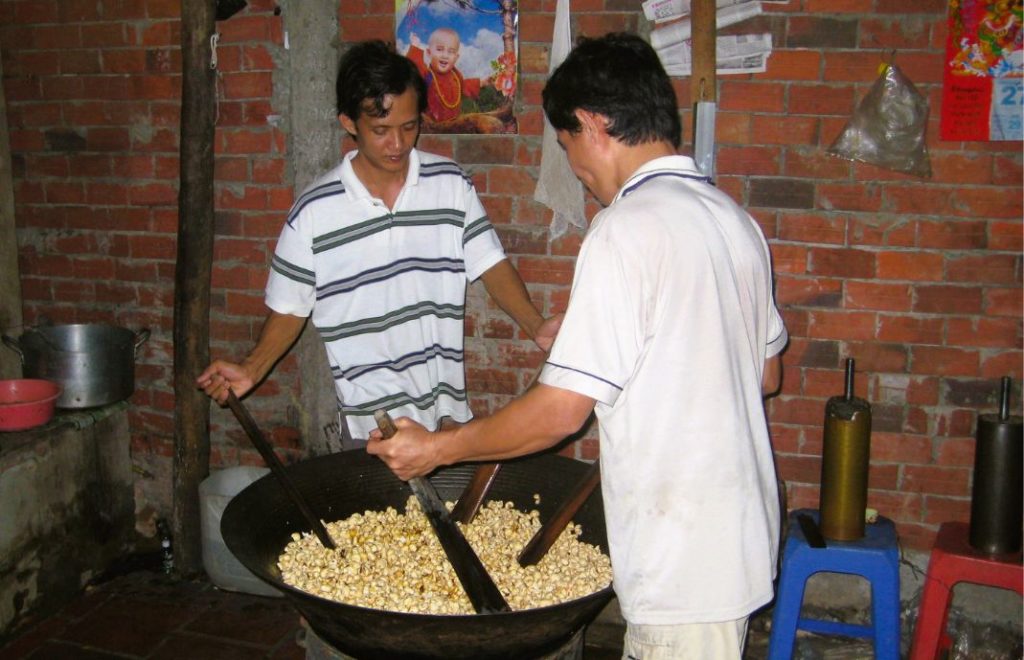
Traveling through Asia isn’t just about exploring exotic temples, colorful markets, and mouthwatering street food – it’s also about mastering the age-old art of bargaining. From the buzzing bazaars of Bangkok to the lively markets of Bali, haggling is a natural part of daily trade, and in many places, it’s expected.
For first-time travelers, bargaining can feel a little daunting or even uncomfortable. But with the right mindset and a bit of know-how, it quickly becomes an enjoyable and social part of the journey. Bargaining isn’t simply about saving money – it’s about connecting with locals, getting a glimpse into cultural traditions, and often walking away with both a good deal and a genuine smile.
In this guide, you’ll discover practical tips and helpful advice on how to bargain respectfully, effectively, and with a sense of fun as you travel through Asia.
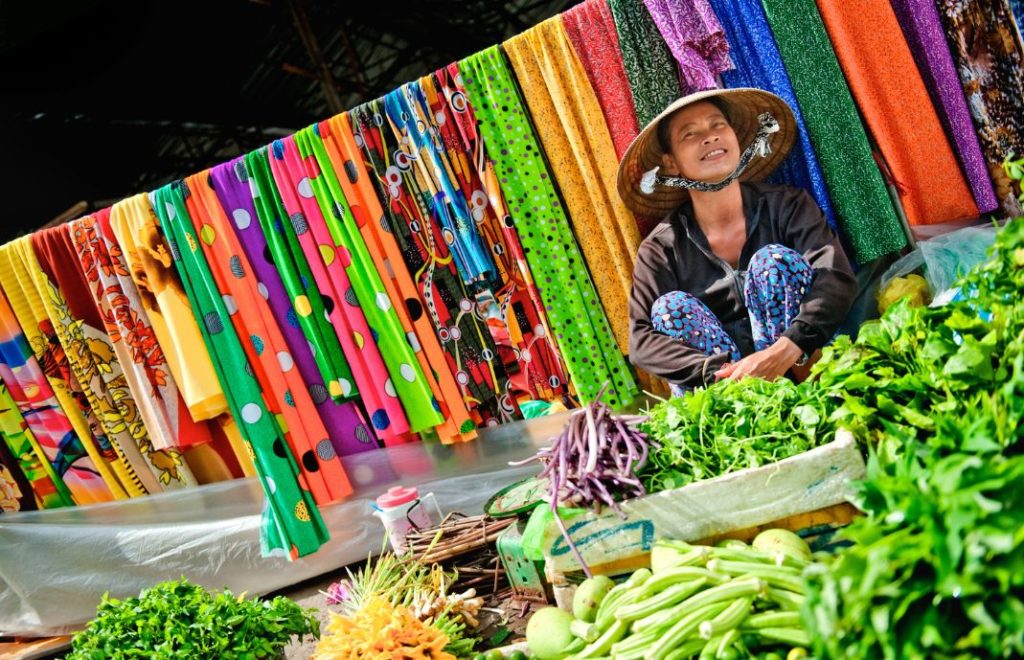
Tips for bargaining in Asia
Start with a smile
Bargaining should feel lighthearted and friendly. A smile and a friendly tone instantly create a better atmosphere, and sellers are often more open to negotiating when the mood is positive.
Don’t show too much interest right away
If you appear overly eager to buy, you lose your leverage. Ask questions, admire the item, but hold back a little – you’ll have more room to negotiate.
Never make the first offer
Once you’ve found something you want, always ask the seller for their price first. If you name a number before they do, you risk limiting the negotiation. Your offer might be so low that you’re worlds apart, killing the deal, or so high that you end up paying far more than the seller would have accepted.
Don’t go below 50% of the asking price
A common strategy is to counter with about half of the initial price, then work your way toward the middle. Offering less than 50% can come across as offensive and may shut down the conversation entirely.
Respect the seller
For many vendors, this is their livelihood. Don’t push so hard that the deal becomes unfair. The goal is a price both of you can be happy with.
Bundle items for a better deal
If you want a lower price, try buying several items together. Sellers often offer discounts for larger purchases – for example, four souvenirs for the price of three. It’s a win-win.
Be ready to walk away
If you can’t agree, thank the seller and start to leave. More often than not, they’ll call you back with a new offer. And if not, chances are you’ll find the same item at another stall.
Know local prices
Do a little research beforehand or observe what others are paying. This keeps you from offering too much – or pushing unrealistically low.
Carry small bills
Even if you’ve agreed on a fair price, handing over a large bill can sour the moment if the seller can’t give change back. Small bills make the transaction smoother and friendlier.
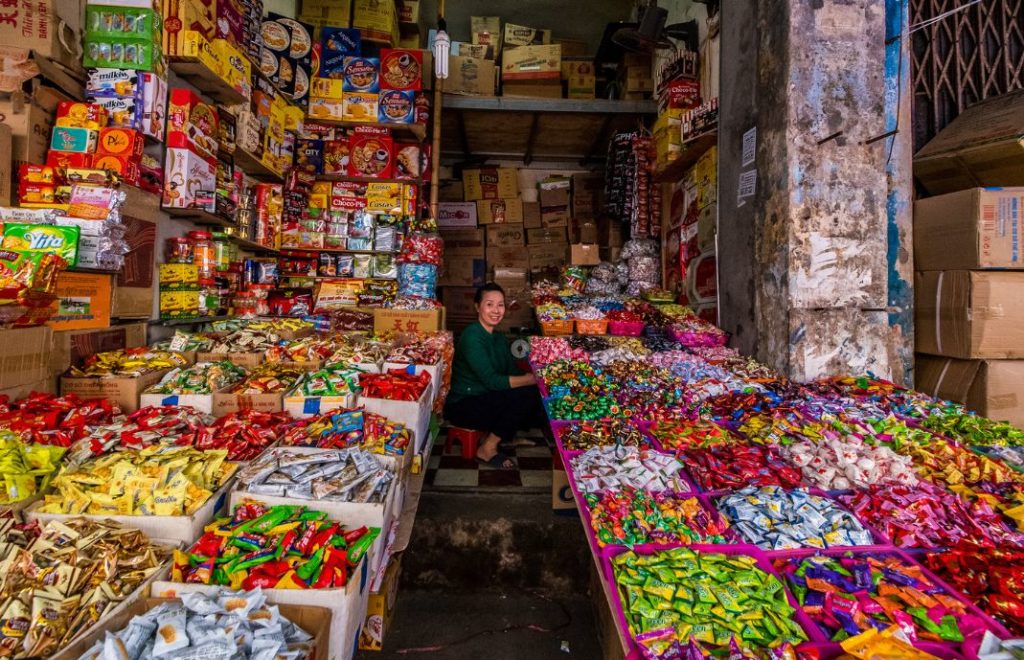
Common mistakes when bargaining in Asia
Getting aggressive
Bargaining is meant to be a playful exchange, not a battle. Raising your voice, showing anger, or making demands can put the seller on the defensive and ruin the experience for both sides.
Starting far too low
While it’s normal to counter below the asking price, going too low can come across as disrespectful. Push too hard, and you risk losing the seller’s interest and ending the negotiation before it even begins.
Not knowing when to stop
Many travelers try to drive the price down to the very last cent, forgetting that a few extra coins may mean little to them but much more to the seller. If you’ve already secured a good deal, seal it with a smile and shake hands.
Bargaining without real intent to buy
Engaging in negotiations signals serious interest. If you don’t actually plan to purchase, it’s better not to start haggling at all – it wastes the seller’s time and shows a lack of respect.
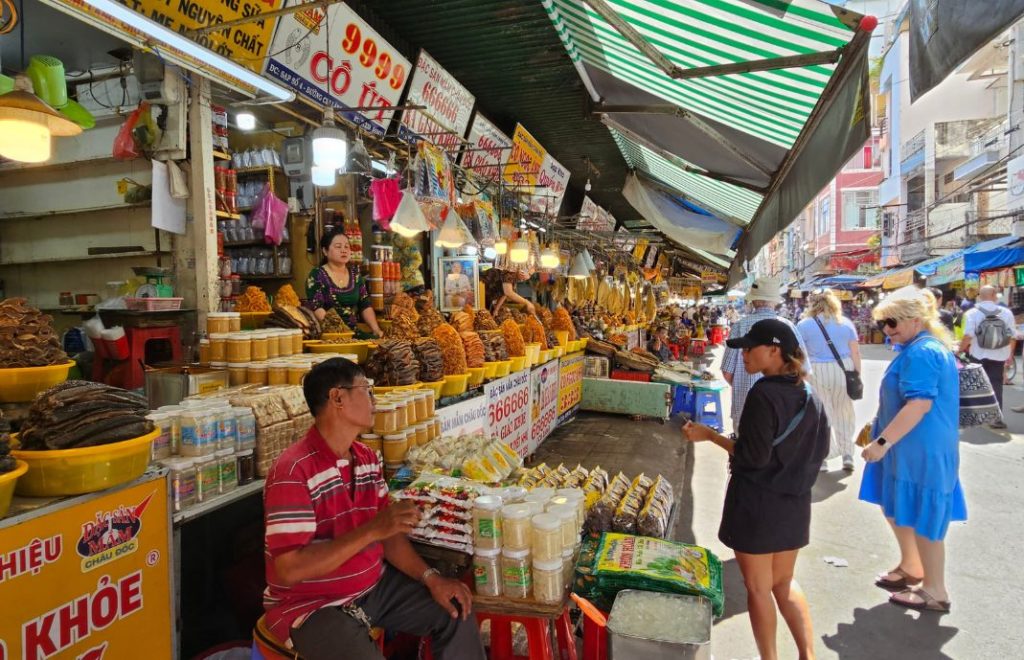
Where you can’t bargain
It’s important to remember that not every purchase in Asia is open to negotiation.
Street food stalls
Prices at local food stands are already very low, and trying to haggle over a bowl of noodles or skewers is generally unnecessary – and might even seem rude.
Shops and shopping malls
In fixed-price stores and modern shopping centers, bargaining is not part of the culture. Here, haggling will usually be considered inappropriate.
The key is to read the atmosphere. Bustling markets, bazaars, and souvenir stalls often invite negotiation, while established shops and eateries typically do not.
Bargaining is part of the journey
In Asia, bargaining is far more than a way to lower the price – it’s a cultural tradition and a social experience. When you approach the seller with respect, curiosity, and a smile, the transaction becomes a story in itself. You might walk away with a unique souvenir, but more importantly, you’ll carry with you the memory of laughter, connection, and a glimpse into local life.
Remember, the goal isn’t to “win” but to find a price both sides are happy with. That’s when you leave the market not only with a good deal but also with an experience that lasts far longer than the item in your bag.
So next time you wander through a vibrant market in Bangkok, Delhi, or Hanoi – don’t shy away from bargaining. It may just become one of the most unforgettable moments of your journey.