
There’s a side of Oman most travelers never imagine – and it comes alive in Salalah. Think emerald-green hills in the heart of the Arabian Peninsula and cloud-draped cliffs rolling into the sea. You will find creamy beaches that feel untouched by time, and a culture shaped by ancient frankincense routes and monsoon magic.
Salalah isn’t just a destination; it’s a sensory shift, the kind of place that resets your idea of what the Middle East can look and feel like.
What makes Salalah even more captivating is its rhythm. In summer, the Khareef monsoon transforms the region into a cool, misty paradise that feels worlds apart from the desert heat found elsewhere in Oman. Outside the monsoon season, you’ll find calm turquoise waters, warm breezes, and golden landscapes that invite slow exploration.
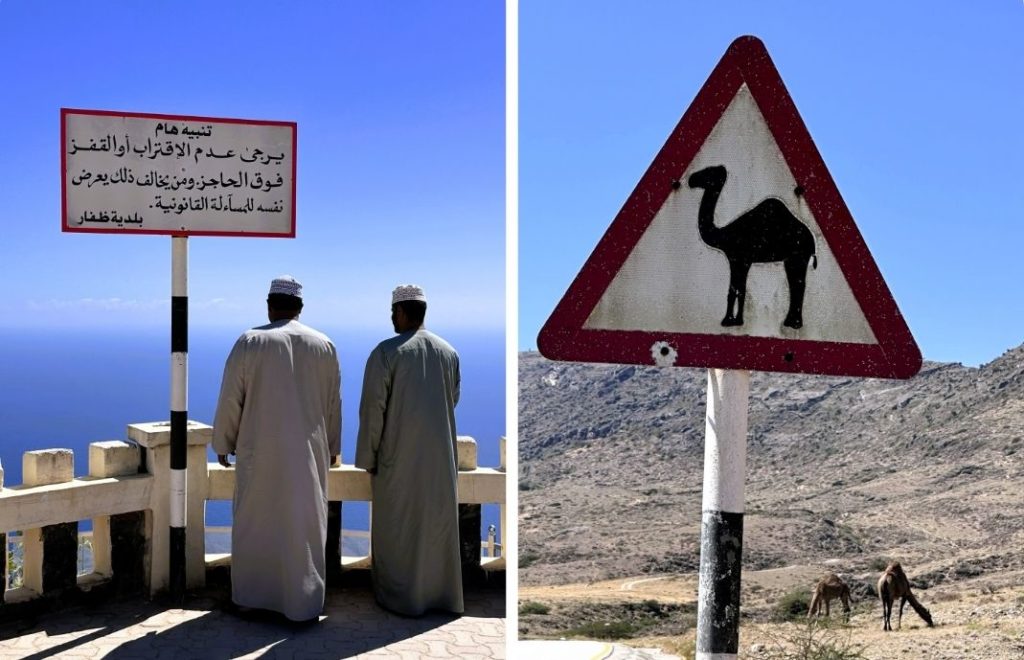
Add in welcoming locals, fresh coconut stands, and a laid-back coastal vibe, and you get a destination that surprises even seasoned travelers. Oh, and don’t forget the camels that you’ll find everywhere. These impressive animals are also the cause of a (few) traffic jams as they consider the roads as theirs.
If you’re dreaming of somewhere fresh, surprising, and deeply beautiful, here are nine standout reasons to put Salalah at the top of your must-visit list.
1. The Khareef: Salalah’s magical monsoon season
Salalah’s biggest surprise – and its most unforgettable trademark – is the Khareef, a monsoon season that blankets the region in cool mist and vibrant greenery from June to September. While much of the Arabian Peninsula swelters in extreme heat, Salalah transforms into a lush escape where temperatures drop, waterfalls roar back to life, and rolling hills turn a deep, cinematic green.
During Khareef, the landscape feels almost otherworldly. Fog drifts across mountain roads like soft silk, wildflowers bloom along cliff edges, and viewpoints vanish and reappear as clouds sweep past. It’s the perfect time for scenic drives through the mountains of Dhofar, hiking through misty valleys, and discovering seasonal lakes and waterfalls that appear as if by magic.
For many travelers, experiencing the Khareef is the moment they fall in love with Salalah – a natural spectacle that feels both serene and exhilarating, offering a refreshing contrast to the typical Middle Eastern climate.
2. Pristine beaches that feel almost secret
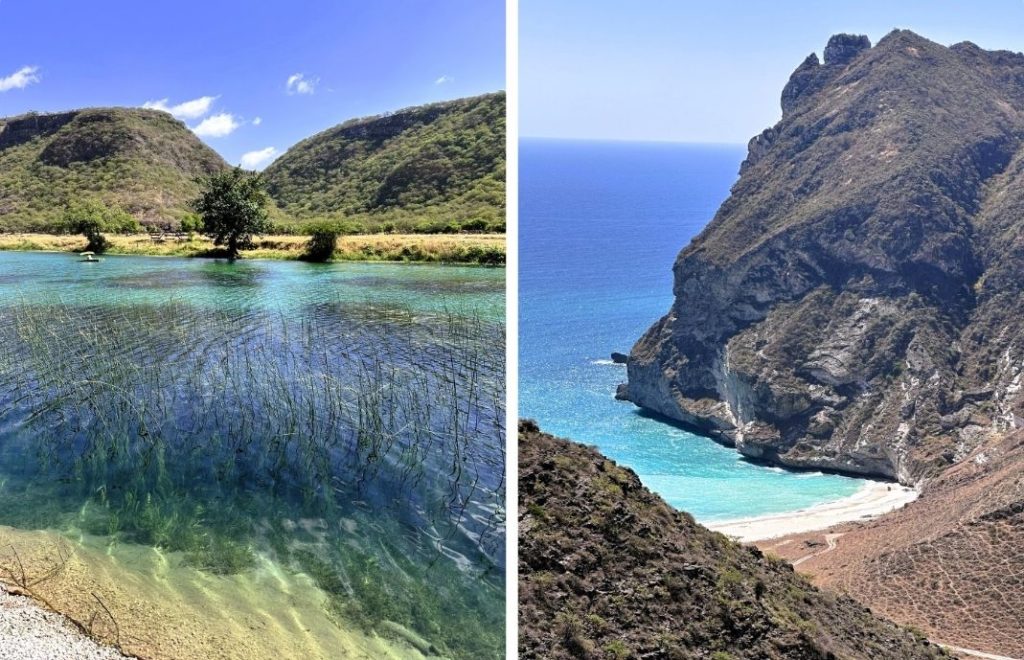
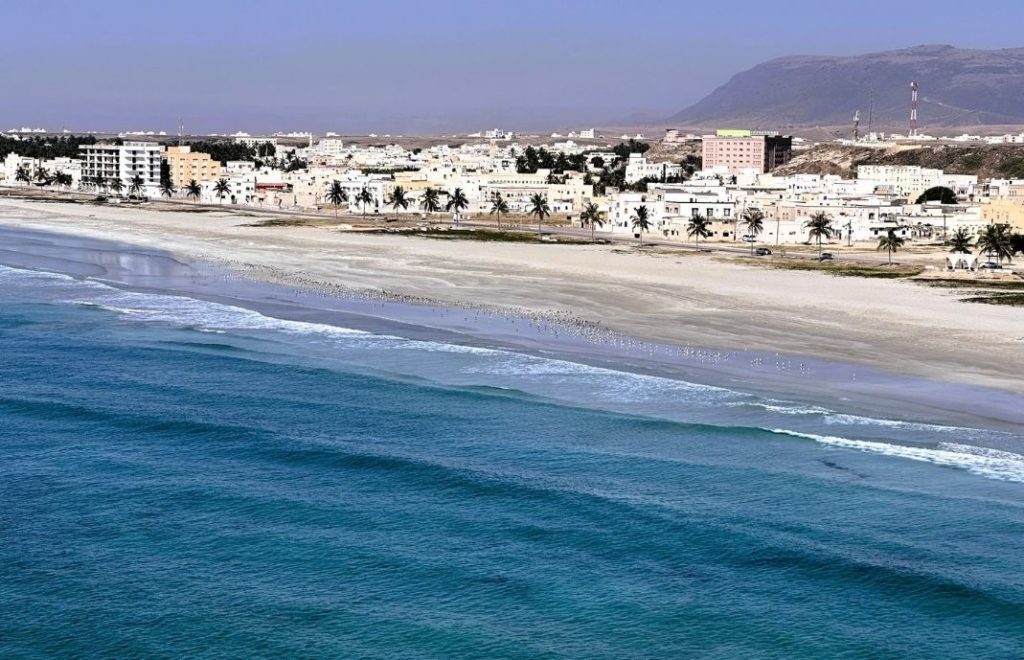
Salalah is home to some of the most breathtaking – and criminally underrated – beaches in the region. Stretching for miles along Oman’s southern coastline, these shores offer a rare mix of turquoise waters, powdery sand, and a sense of solitude that’s increasingly hard to find in today’s world of crowded beach destinations.
From the endless arc of Al Mughsail Beach, framed by dramatic cliffs and blowholes erupting with salty spray, to the secluded white sands of Fazayah Beach tucked beneath rugged mountains, each stretch of coastline feels like its own private discovery. Here, the ocean shifts from soft pastel blues to deep sapphire, and the only soundtrack is the rhythm of waves and distant seabirds.
Whether you want to sunbathe in total tranquility, explore hidden coves, or simply watch the sunset paint the horizon in shades of gold and rose, Salalah’s beaches offer a kind of peaceful beauty that invites you to slow down and breathe. It’s coastal bliss with a wild, untouched edge – exactly the kind of place that stays with you long after you’ve left.
3. A living legacy of frankincense
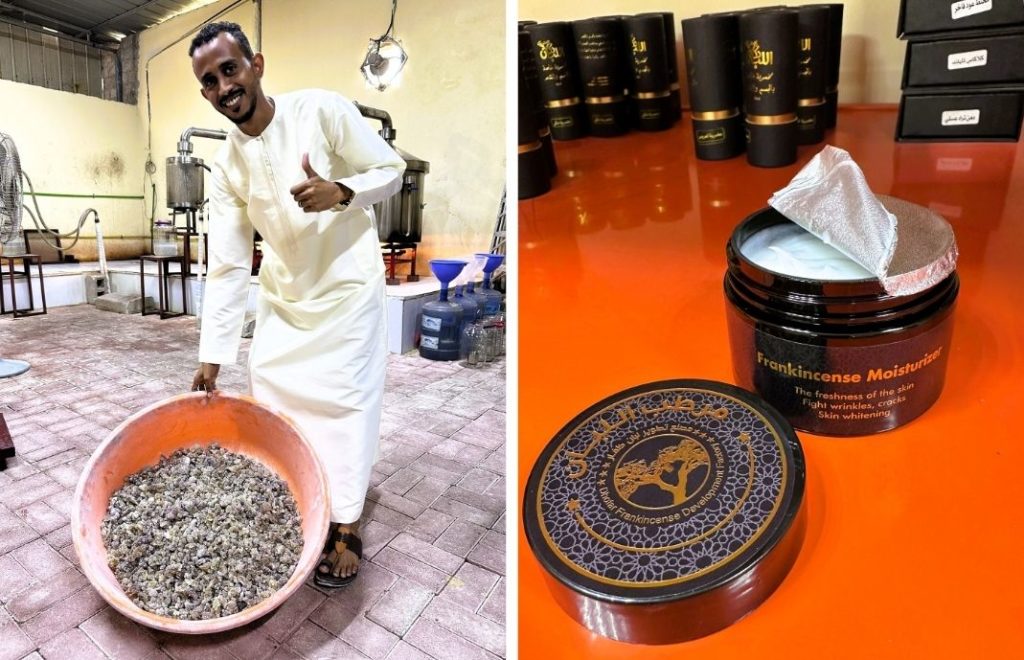
Long before Salalah became known for its monsoon-kissed landscapes, it was famous for something far more precious: frankincense. This ancient resin shaped trade routes, enriched empires, and connected Arabia with distant civilizations – from Rome and Egypt to India and beyond. Today, Salalah remains the heart of the world’s finest frankincense, and its legacy is woven into the region’s culture, landscapes, and daily life.
In the Dhofar Mountains, centuries-old frankincense trees still cling to rocky slopes, their pale bark and delicate branches thriving in an environment few other trees could withstand. Wander through the Wadi Dawkah Frankincense Park, a UNESCO World Heritage Site, and you’ll be standing in the same groves that supplied pharaohs and ancient caravans. Nearby, the Al Baleed Archaeological Park showcases the remains of a once-thriving port city that fueled the global incense trade.
You can even explore bustling souqs filled with fragrant resins, oils, and perfumes – each variety with its own aroma and story. For many travelers, learning about Salalah’s frankincense heritage adds a deeper layer to their journey, connecting them to a tradition that spans thousands of years. It’s history you can touch, smell, and bring home as a piece of this remarkable region.
4. Dramatic landscapes made for adventure
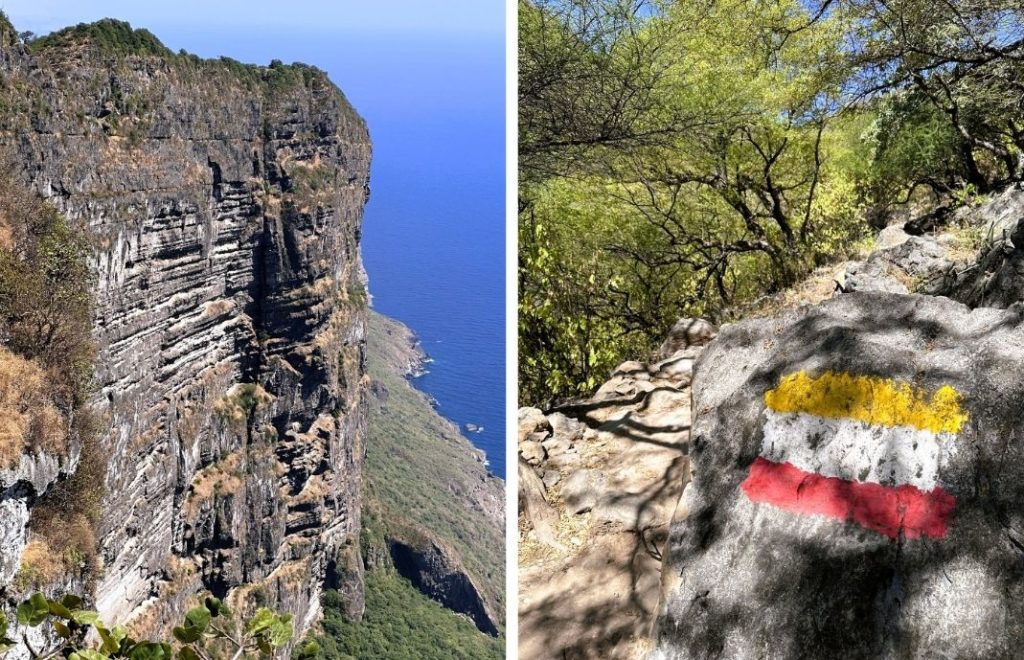
Salalah’s beauty isn’t limited to its beaches and monsoon mist – its landscapes deliver a stunning variety that feels almost unreal within a single region. Here, rugged mountains plunge suddenly into the sea, vast plains stretch beneath endless skies, and deep wadis carve out hidden pockets of greenery and freshwater pools.
One of the most striking areas is Wadi Darbat, a serene valley where grazing camels wander past rivers, waterfalls, and mirror-like lakes. In the Khareef, the valley transforms into a lush oasis straight out of a fantasy novel, while outside the monsoon season, it remains a peaceful escape for picnics, boat rides, and leisurely walks along the water’s edge.
Then there’s Jebel Samhan, a mountain plateau that offers jaw-dropping views over sheer cliffs dropping into the Arabian Sea. Sunrise and sunset here are unforgettable – golden light spilling across jagged rock formations and swirling clouds far below.
Whether you’re into hiking, photography, or simply chasing landscapes that feel larger than life, Salalah delivers adventure without the crowds. It’s a playground for nature lovers, where every turn of the road reveals something new, dramatic, and wildly beautiful.
5. A laid-back culture rooted in warm hospitality
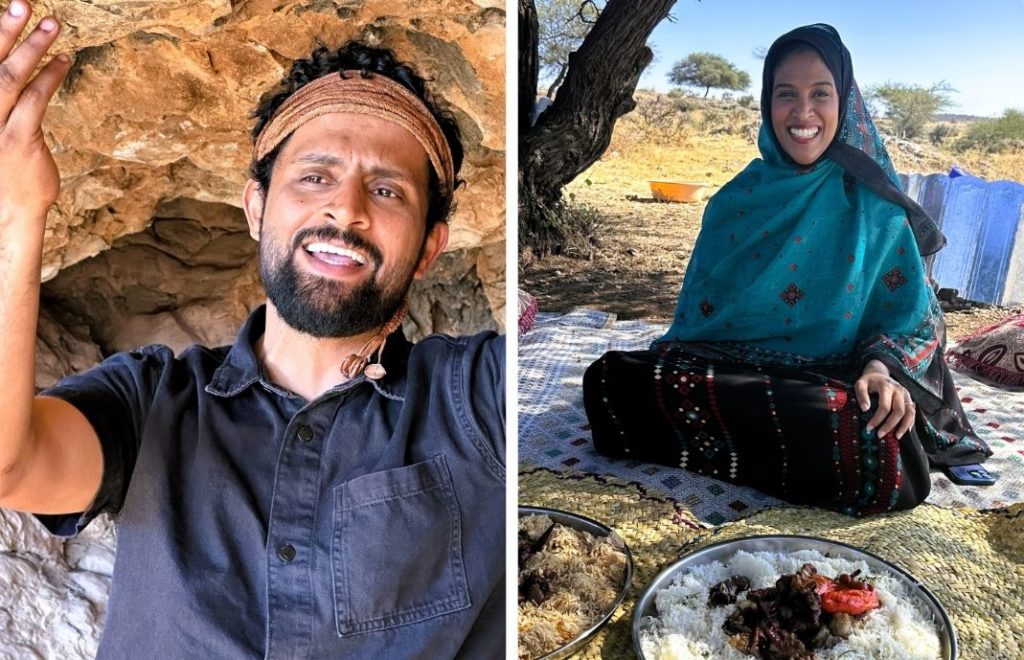
Salalah may be blessed with extraordinary landscapes, but what truly elevates the experience is its people. The Dhofari culture is wonderfully relaxed, welcoming, and deeply connected to local traditions – something you feel the moment you arrive. There’s an easygoing rhythm here, shaped by coastal living, ancient caravan routes, and the gentle pace of everyday life.
Stroll through Salalah’s Haffa Souq, and you’ll find friendly vendors offering frankincense, handwoven textiles, and fragrant perfumes – all while greeting you with genuine warmth. Stop by a beachside coconut stand, and chances are you’ll end up chatting with locals. They are eager to share stories about the city, the Khareef, or their favorite hidden spots around Dhofar.
Hospitality is woven into the culture. Whether you’re invited to sip Omani coffee flavored with cardamom, share a traditional lunch, or simply join a conversation overlooking the sea, you’ll quickly feel the sense of community that makes this region so special.
In a world where many destinations feel rushed or overrun, Salalah offers something refreshingly different: a chance to slow down, feel welcome, and immerse yourself in a culture that values kindness, connection, and authenticity.
6. Wildlife encounters in their natural habitat
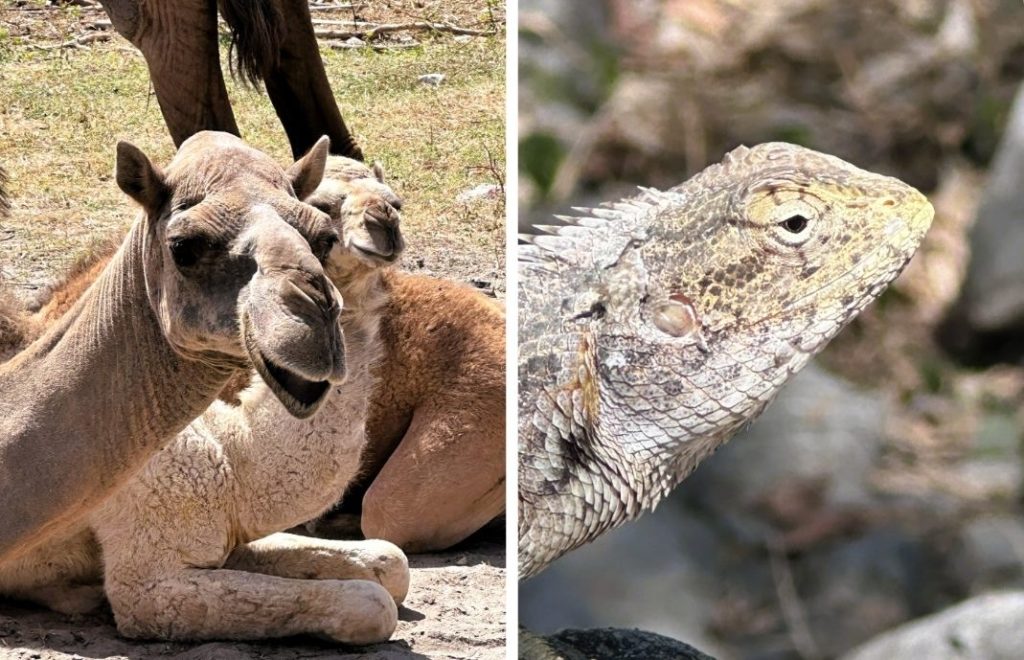
Salalah is one of the rare places in the Arabian Peninsula where wildlife still thrives in landscapes that feel raw and untouched. The region’s unique mix of mountains, coastlines, and desert plains creates habitats for an impressive variety of animals – many of which you can spot with just a bit of patience and a curious eye.
Along the coastline, keep watch for Arabian humpback whales, one of the world’s only non-migratory humpback populations. Dolphins often skim the waves close to shore, especially around Taqah and Mirbat, turning an ordinary beach day into a wildlife spectacle. Venture inland, and you may come across camels wandering freely, ibex scaling rocky slopes, or flocks of migratory birds stopping over during seasonal journeys.
For a truly special experience, head to the Khawr lagoons, where calm waters attract flamingos, herons, and other graceful birdlife. These lagoons – part of a protected ecosystem – offer peaceful nature walks and a glimpse of Dhofar’s quiet biodiversity.
Salalah isn’t a zoo or a safari park; it’s a place where wildlife still moves to ancient rhythms, sharing the land with travelers who take the time to look. For nature lovers, these authentic encounters add depth and magic to any trip.
7. A gateway to Oman’s most authentic experiences
While Salalah offers breathtaking scenery and memorable attractions, its greatest charm lies in how effortlessly it connects travelers to the authentic heart of Oman. This is a region where traditions are still practiced with pride, where life moves at a gentler pace, and where every experience feels refreshingly genuine.
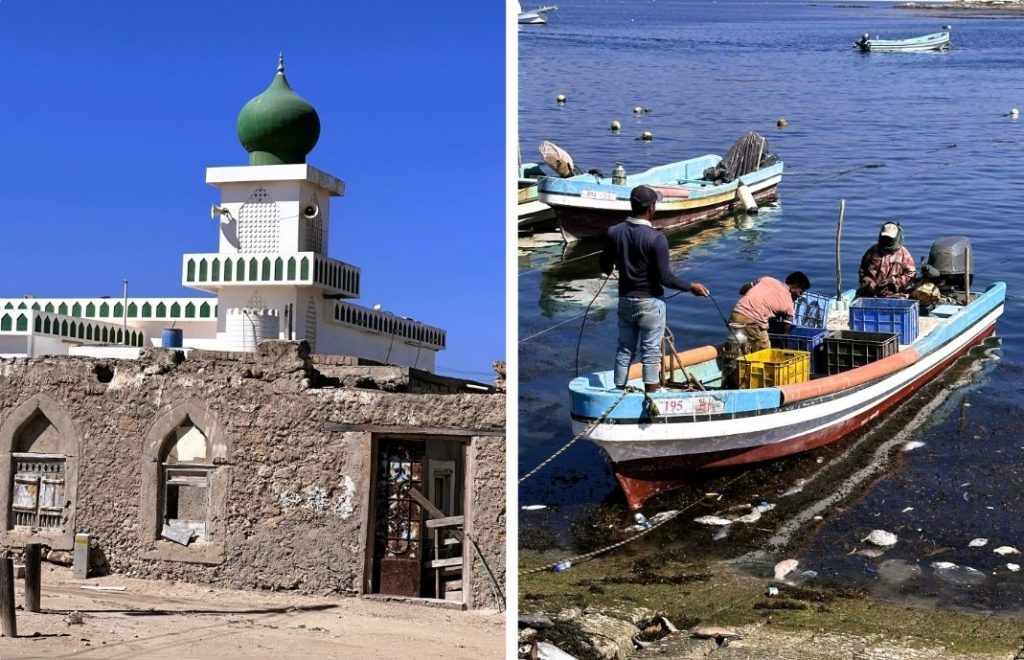
Visit the ancient town of Mirbat, once a bustling port on the frankincense trail, and wander through stone houses that whisper stories of merchants and sailors. Explore small coastal villages where fishermen bring in their daily catch, and you’ll witness a way of life that hasn’t changed for generations.
Even a simple road trip through Dhofar’s countryside reveals glimpses of everyday Omani culture – families picnicking under frankincense trees, women weaving colorful textiles, and farmers tending to banana, coconut, and papaya plantations.
What makes these experiences so memorable is their authenticity. Nothing feels staged or hurried. Instead, you’re invited to observe, learn, and connect with a region that remains deeply rooted in its heritage. For travelers seeking meaning beyond photo-perfect views, Salalah offers the rare gift of cultural immersion that feels honest, warm, and wonderfully human.
8. Flavorful Dhofari cuisine and fresh coastal delights
Salalah’s food scene is an experience in itself – comforting, aromatic, and deeply tied to the region’s landscape and culture. Here, meals are shaped by the ocean, the monsoon-fed farmlands, and centuries of trade that brought spices from across the Indian Ocean.
Start with Mashuai, a local favorite featuring tender roasted kingfish served over fragrant rice with a tangy lemon sauce. Seafood lovers will be in heaven: from grilled snapper to coconut-infused curries, the coast delivers incredibly fresh catch-of-the-day dishes. Try a seafood platter in Mirbat or a beachside grill in Taqah, and you’ll taste the difference that comes from proximity to the water.
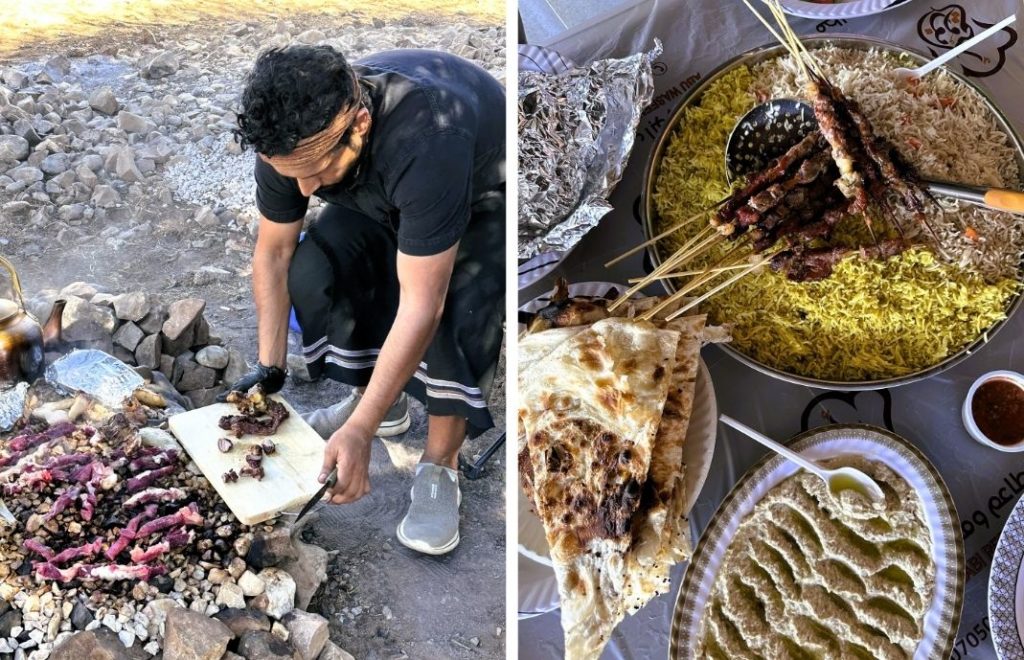
Dhofari cuisine also shines in its slow-cooked meats and spice-rich flavors. Madhbi – grilled meat cooked over hot stones – is smoky and irresistible, while Mandi and Zurbian bring together fragrant rice, tender chicken or lamb, and a medley of spices that reflect centuries of culinary influence from Yemen, India, and East Africa.
And then there’s the fruit. Thanks to Salalah’s fertile climate, you’ll find fresh coconuts, bananas, papayas, sugarcane juice, and pineapples sold at roadside stalls. Sipping a chilled coconut or sugarcane juice as you explore the coastline or countryside becomes a small but unforgettable ritual.
Whether you’re indulging in traditional dishes, sampling tropical fruit straight from the farm, or exploring local cafés and coastal grills, Salalah’s food culture feels warm, authentic, and incredibly satisfying.
9. Fascinating historic sites that bring Oman’s past to life
Salalah isn’t just a place of natural beauty – it’s a region shaped by millennia of trade, religion, and cultural exchange. Its historic sites offer a window into ancient Arabia, where caravans once crossed the desert loaded with frankincense, and coastal ports connected Oman with Africa, India, and the Mediterranean world.
Begin with the Al Baleed Archaeological Park, a UNESCO World Heritage Site that preserves the ruins of the ancient port city of Zafar. Once a thriving center of the frankincense trade, it offers atmospheric walkways, crumbling stone walls, and a superb museum showcasing artifacts, maritime history, and Omani culture. Watching the sun set over its quiet lagoons feels like stepping back in time.
Just outside Salalah lies Sumhuram Archaeological Park in Khor Rori, another UNESCO-listed treasure. These cliffside ruins overlook a serene lagoon that once served as a major trading port frequented by merchants sailing across the Indian Ocean. The site’s elevated views and ancient foundations help you imagine the lively commercial crossroads this place used to be.
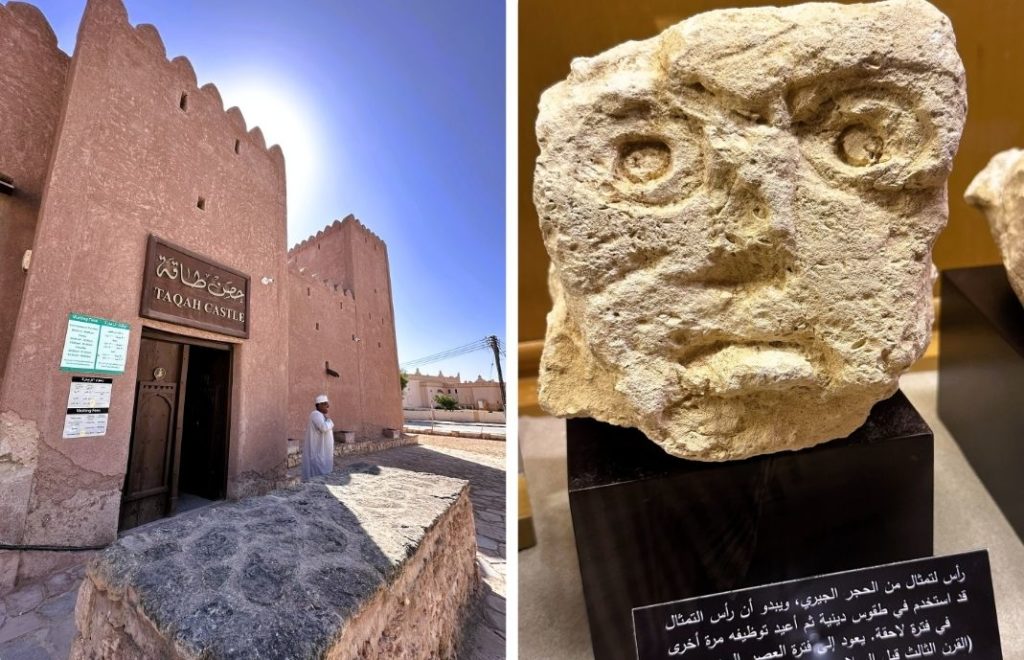
History lovers will also appreciate Taqah Castle, a beautifully restored coastal fortress that offers insight into traditional Dhofari architecture and daily life. Wander through its courtyards, kitchens, and watchtowers, and you’ll get a tactile sense of how communities lived and defended themselves in centuries past.
Together, these historic sites reveal Salalah as not just a natural wonder, but a cultural crossroads shaped by trade, belief, and human ingenuity. It’s a captivating blend of heritage and storytelling that enriches any visit.
A warm thank you and much appreciation to Experience Oman and United Spirit Nordic for inviting me Salalah. My flights, accommodation, transportation, activities and food were covered. There were no requirements from the partners regarding posts or promotion on social media. Opinions and photos are, as always, entirely my own.
