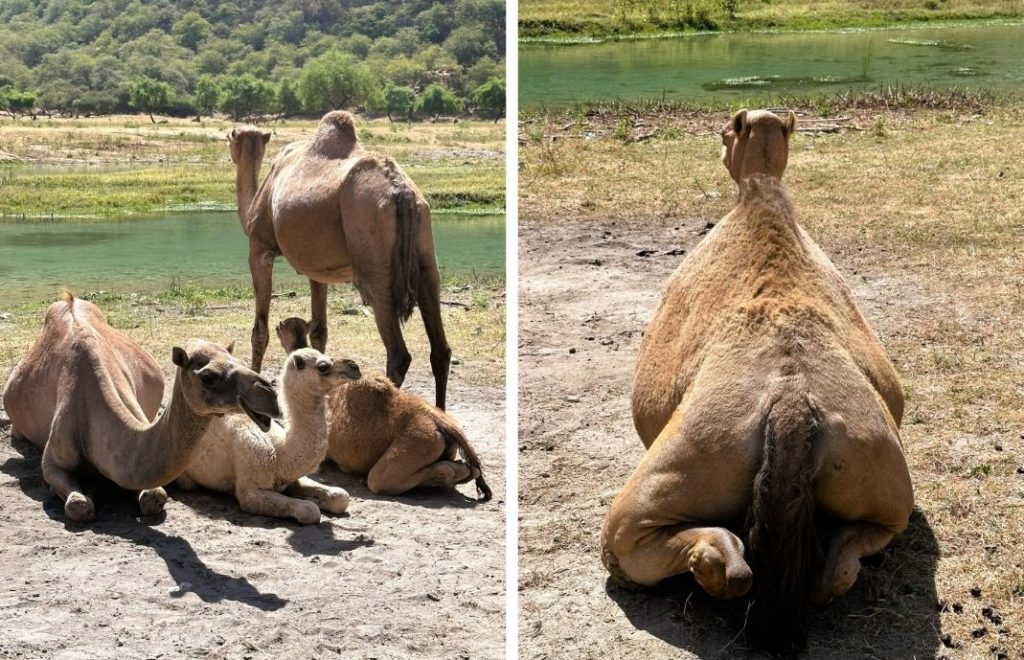
Camels have wandered alongside human civilization for thousands of years, carrying stories, spices, and secrets across some of the world’s harshest landscapes. From the sweeping Sahara to the silent steppes of Central Asia, these remarkable animals have shaped cultures, powered trade routes, and inspired legends. Yet despite their iconic silhouette on the horizon, there’s far more to camels than their trademark humps.
These ten intriguing facts about camels will take you beyond the hump. They reveal the resilience, intelligence, and surprising quirks of these desert nomads – perfect companions for a journey into the heart of the world’s wildest places.
1. Camels don’t store water in their humps
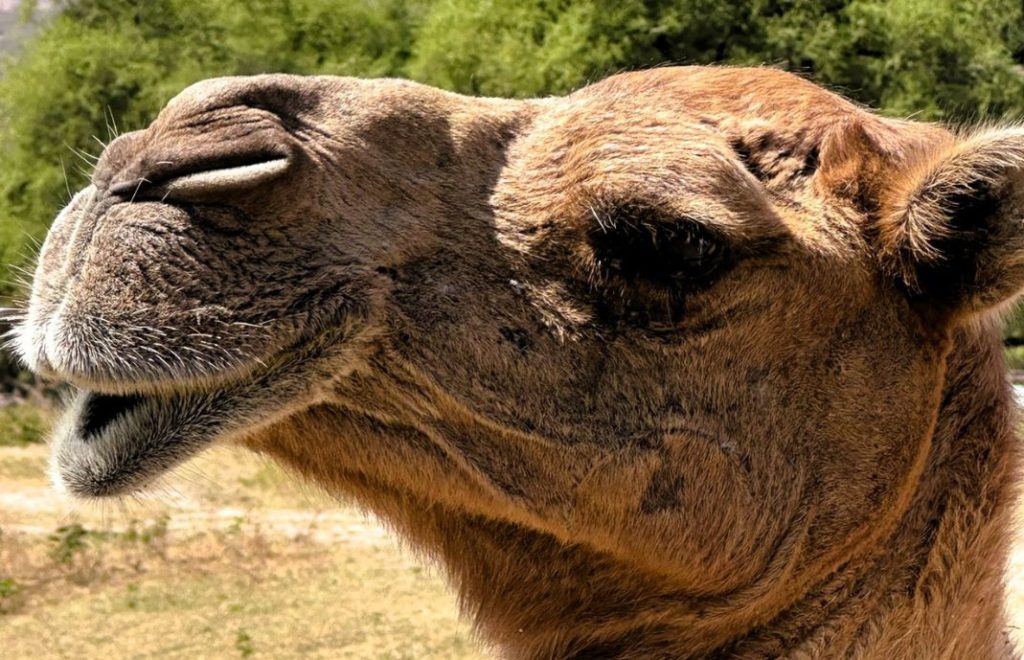
Despite the popular myth, camels aren’t hauling around giant water tanks on their backs. Their humps are actually made of fat, a clever biological adaptation that allows camels to survive long journeys across unforgiving deserts. By storing fat in one concentrated place, their bodies stay cooler and more efficient in blistering heat.
Even more impressive? When food is scarce, camels can metabolize this stored fat into both energy and water, helping them endure days – even weeks – without a proper meal. As their fat reserves are used up, the humps can actually shrink and lean to one side, a visible reminder of the desert’s harsh demands.

2. They can drink an astonishing amount of water in minutes
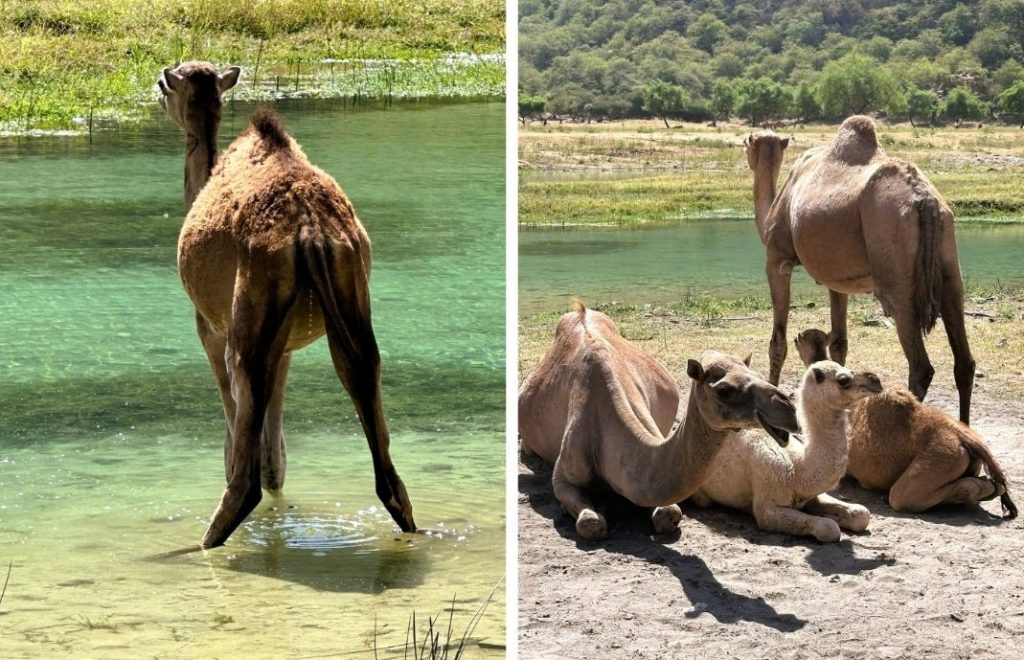
When camels finally reach water after days of drought, they don’t sip delicately – they refuel like champions. A thirsty camel can drink up to 150 liters (40 gallons) of water in one go, often within just a few minutes.
But what makes this truly extraordinary is the way their bodies handle it. Camels have uniquely elastic red blood cells – the only mammals with this trait – allowing their cells to swell without bursting as massive amounts of water rush back into their system. This biological superpower helps them recover from dehydration faster than almost any other animal on Earth.
3. Camels can close their nostrils to keep out sand
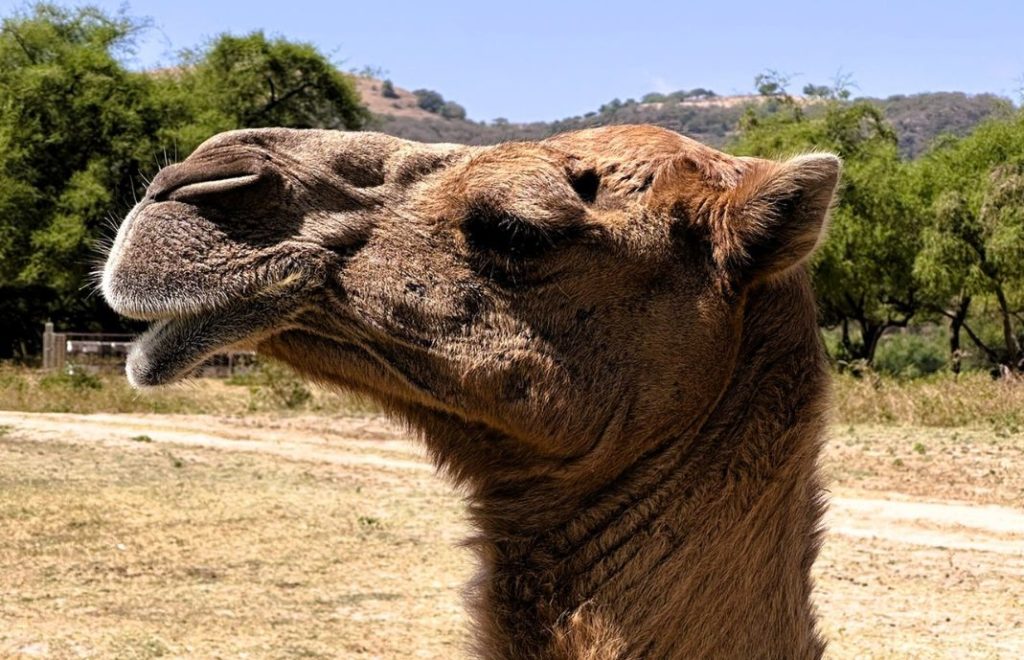
Surviving a sandstorm requires more than toughness – it demands clever engineering. Camels come equipped with muscular, sealable nostrils that can clamp shut during fierce desert winds, protecting their airways from blowing sand and dust.
Combined with their double rows of long eyelashes and bushy eyebrows, these adaptable nostrils act as a natural defense system. This allows camels to navigate some of the world’s most extreme environments with calm, unbothered elegance. While other animals seek shelter, camels simply lower their heads, close their nostrils, and push on through the storm.
4. Their feet are designed like natural snowshoes for sand
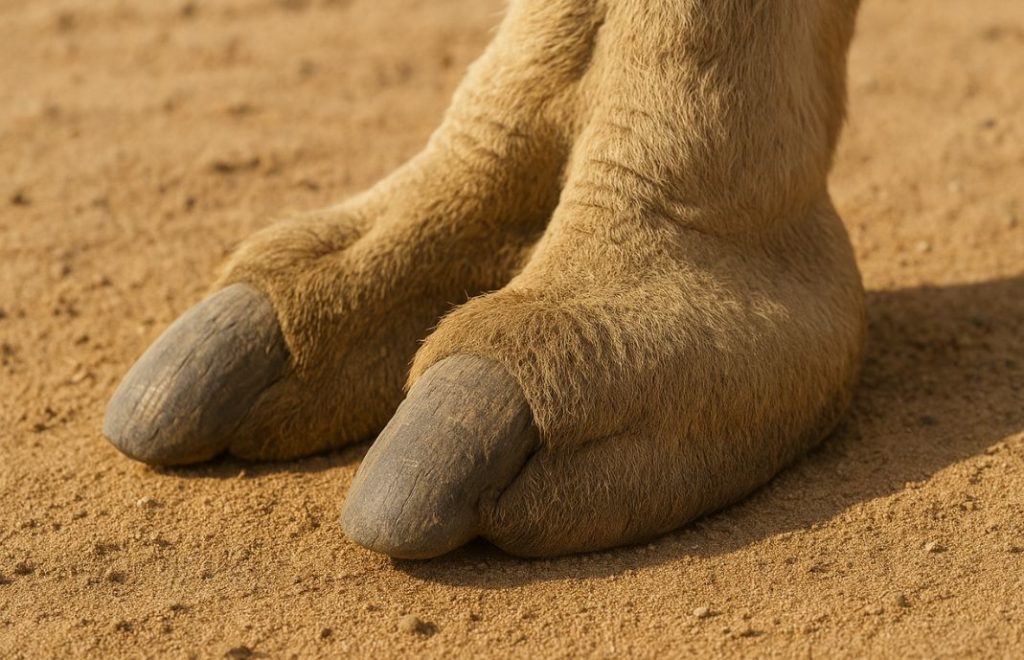
Walking across loose desert sand is no easy task – unless you’re a camel. Their broad, padded feet act like built-in sandshoes, spreading their weight over a larger surface area so they don’t sink with every step.
Each foot has two large toes connected by tough, flexible skin, creating a soft yet stable platform that grips the shifting terrain. This unique anatomy allows camels to glide across dunes with a smooth, almost effortless stride – an evolutionary masterpiece perfectly crafted for life in the desert.
5. Camels can withstand extreme temperature swings
Deserts are lands of extremes – scorching during the day and unexpectedly cold at night. Camels navigate these dramatic shifts with remarkable physiological control. Their bodies can safely fluctuate by up to 6°C (11°F) without suffering the stress most mammals would experience.
By allowing their internal temperature to rise during the day, they avoid sweating and conserve precious water. At night, their bodies naturally cool, releasing the stored heat. This flexible thermostat makes camels one of the few animals perfectly adapted to endure both blazing heat and surprising desert chill – all in a single day.
6. They can carry heavy loads for incredible distances
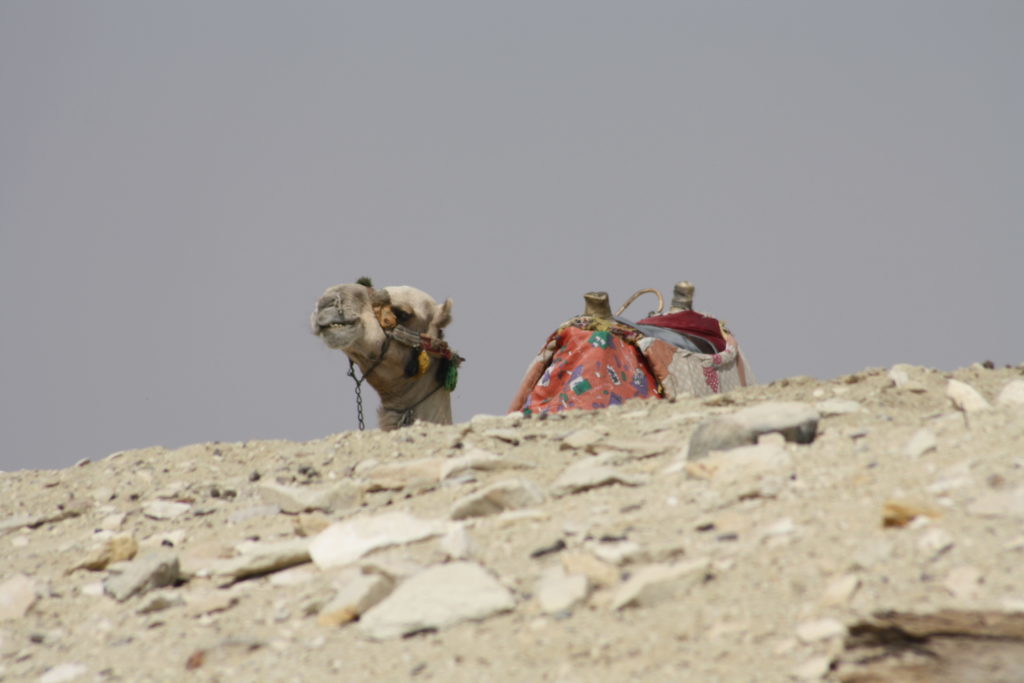
For centuries, camels have been the silent engines of desert trade – patient, powerful, and unwavering. A healthy dromedary camel can carry up to 200–300 kilograms (440–660 pounds) across vast stretches of sand, rock, and barren plains.
What makes them exceptional isn’t just their strength, but their endurance. Camels can travel for days with minimal food and water, moving steadily through landscapes where few animals – and even fewer humans – could survive. This unmatched stamina is why they were once called the “ships of the desert,” transporting caravans along ancient trade routes from Arabia to the Silk Road.
7. Camels have three sets of eyelids and double-layered eyelashes
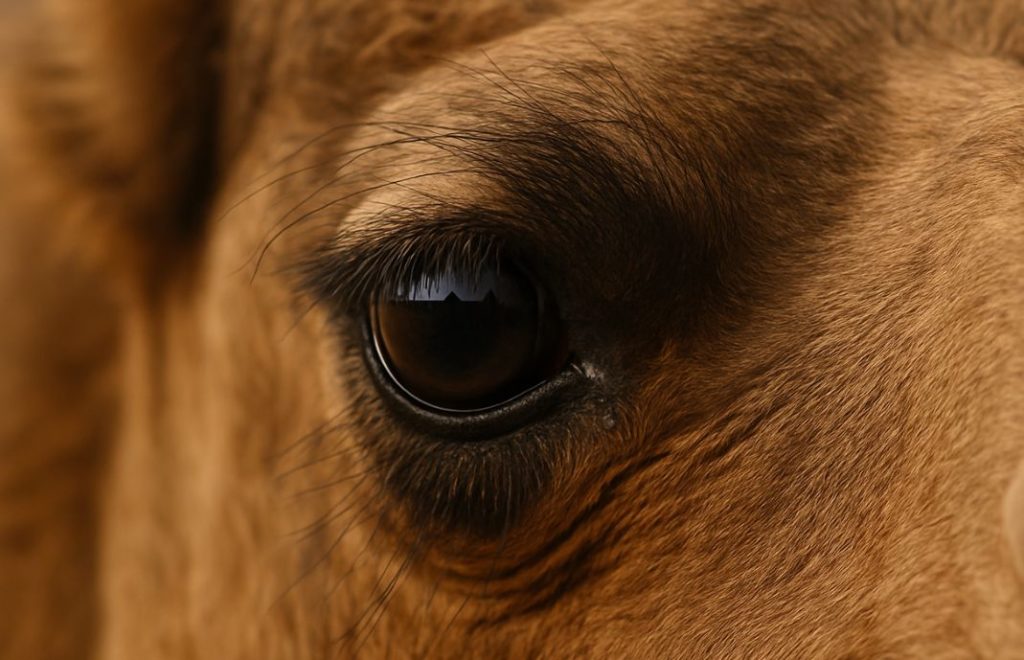
Desert winds can be merciless, carrying fine grains of sand that sting, scratch, and blind. Camels, however, are built like biological fortresses. They have three eyelids on each eye – the third being a thin, transparent membrane that acts like natural goggles, sweeping across the eye to remove debris while still allowing them to see.
Their eyelashes are equally impressive: two full layers of long, thick lashes that interlock like a shield, blocking sand and harsh sunlight. Together, these features create one of the most sophisticated eye-protection systems in the animal kingdom – perfect for life where sandstorms can appear without warning.
8. Camels can survive weeks without food or water
Camels aren’t just drought-resistant – they’re masters of survival in environments where resources vanish for long stretches. Thanks to their fat-storing humps, efficient metabolism, and extraordinary water conservation abilities, a camel can survive up to several weeks without food and nearly two weeks without water, depending on conditions.
Their bodies minimize water loss with every breath, every movement, and even through their concentrated urine and dry droppings. This finely tuned efficiency allows camels to roam barren landscapes that would challenge most living creatures, turning them into the true endurance athletes of the animal world.
9. They have remarkably gentle personalities
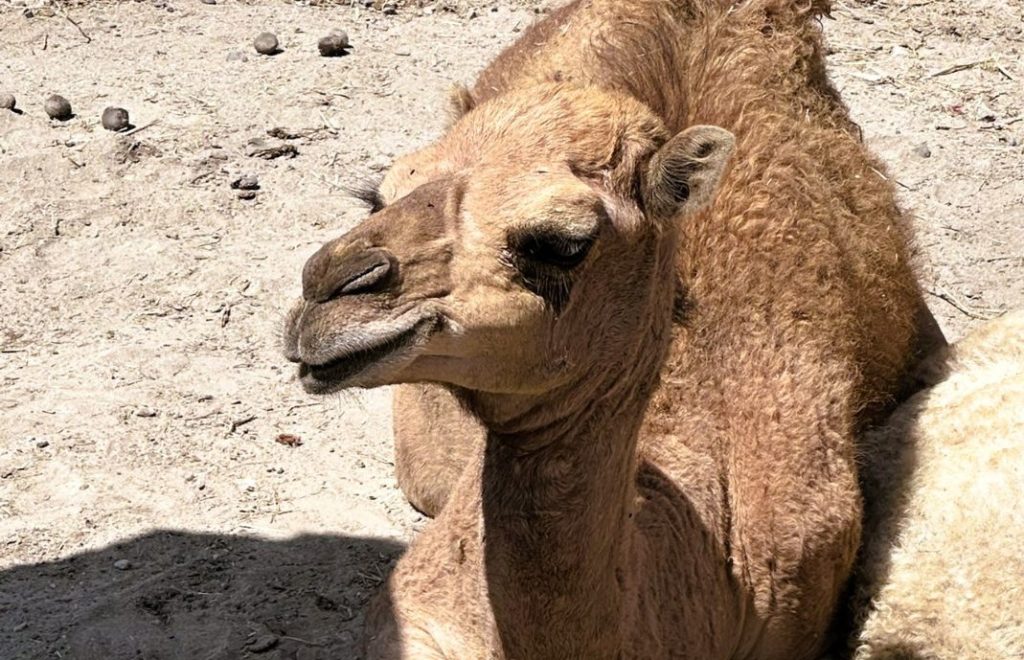
Despite their reputation for being grumpy or stubborn, camels are surprisingly gentle, intelligent, and social animals. They recognize human voices, respond to affection, and often form strong bonds with their caretakers and other camels.
In the wild and in domesticated herds, camels communicate with a rich range of sounds – grumbles, moans, bellows, and even playful snorts. They also show empathy and cooperation, especially during long caravan journeys where teamwork and trust are essential.
Spend time with them, and you’ll quickly discover that behind the imposing stature and desert-hardiness lies a creature that is calm, curious, and quietly affectionate.
10. Camels sleep somewhat unusually
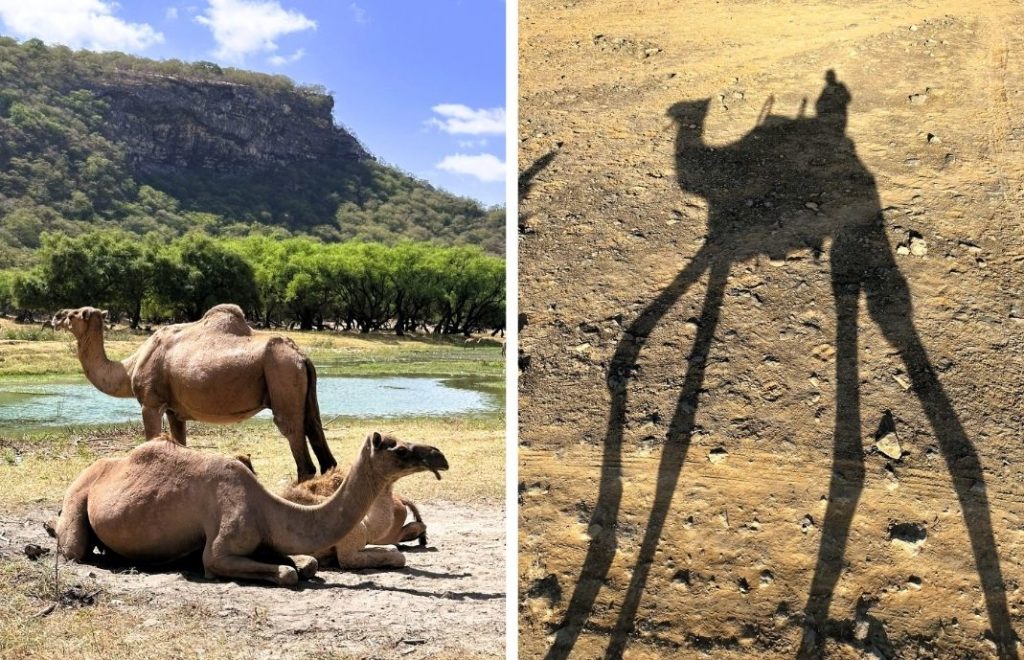
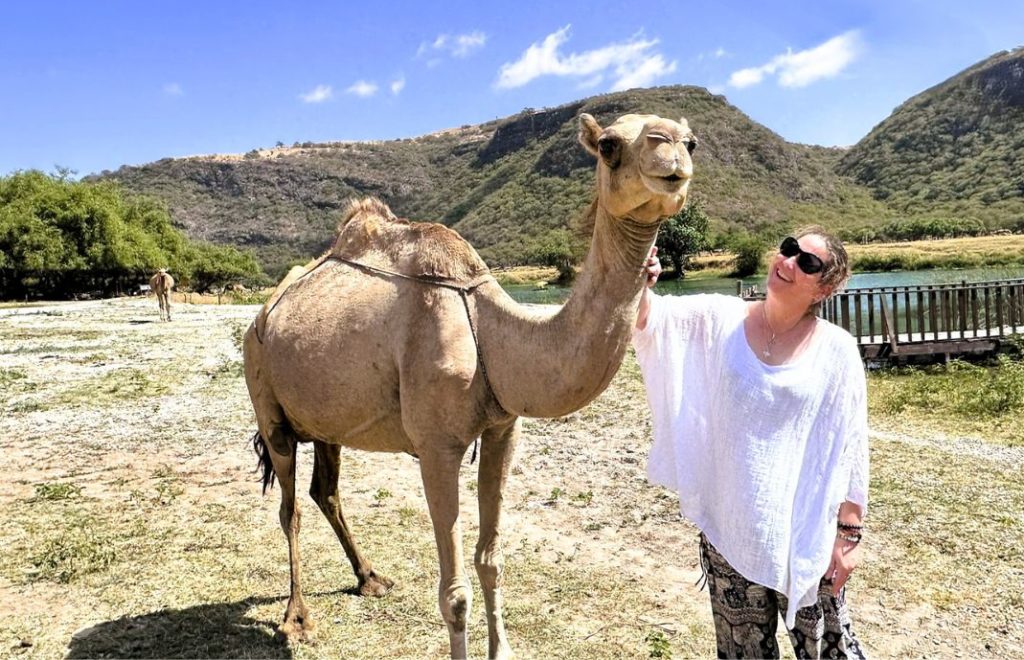
Camels have a surprisingly flexible approach to sleep, shaped by the harsh landscapes they call home. Like many large herd animals, they can doze while standing, locking their legs in place to stay stable and alert to potential danger. These light naps help them conserve energy during long desert crossings.
But when camels feel safe – typically at night or in familiar company – they settle down on the ground, folding their legs beneath their bodies in a distinctive seated position. In this relaxed posture, they enter deeper sleep cycles, sometimes even stretching out fully on their sides. Their ability to alternate between standing naps and restful lying-down sleep is another clever adaptation to a world where comfort and safety are never guaranteed.