
England’s landscape is scattered with places where history feels startlingly alive. Ancient stone circles stand in open fields, medieval strongholds rise above dramatic cliffs, and grand estates whisper stories of royalty, rebellion, and everyday life through the centuries. From the windswept shores of Cornwall to the quiet green valleys of the north, these heritage sites offer a journey through more than two thousand years of human ambition, conflict, artistry, and imagination.
During your visit to England, you can explore numerous remarkable sites that reveal the depth and diversity of England’s past. You’ll walk among the mysteries of prehistoric builders, wander through fortresses that once guarded the realm, discover lavish royal retreats, and stand on the very ground where pivotal battles shaped the nation’s identity.
Each location opens a door to a different chapter of history – inviting you to step inside and experience England in a way that is vivid, textured, and unforgettable.
1. Stonehenge – England’s most enigmatic ancient monument
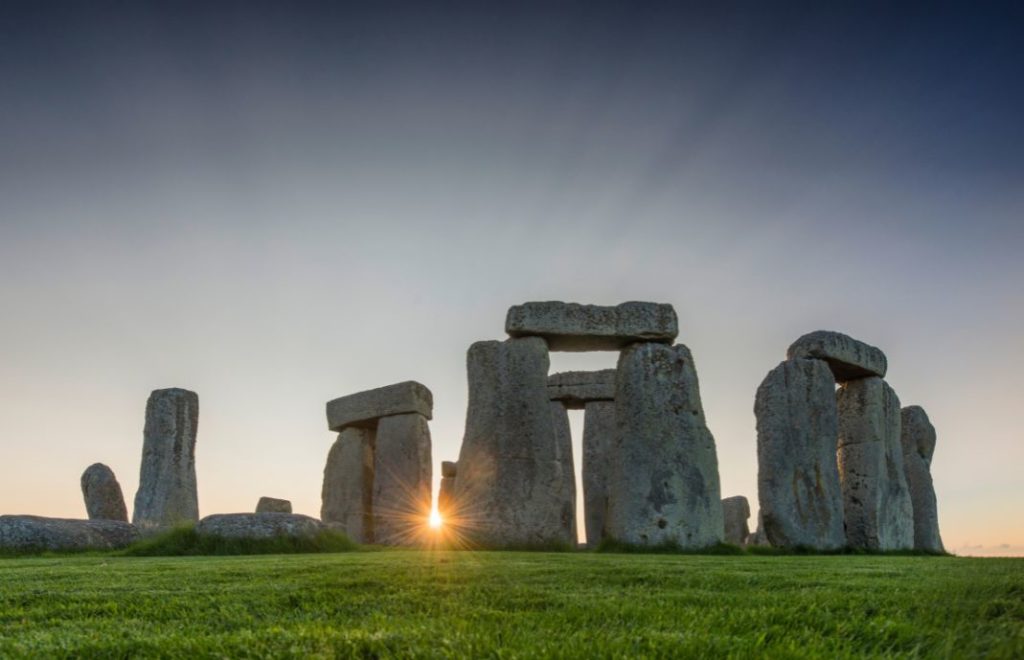
Rising against the wide, windswept plains of Salisbury, Stonehenge remains one of the world’s most captivating archaeological mysteries. These towering stones – weathered by more than 4,500 years of sun, rain, and ritual – carry an atmosphere that feels both ancient and sacred.
As you walk the perimeter of the circle, it’s impossible not to wonder how prehistoric communities transported these massive sarsen blocks across such great distances, or what precise purpose the monument once served.
Was Stonehenge a celestial calendar aligned to the movements of the sun? A ceremonial gathering place? A sacred site of healing? Perhaps it was all of this at once. What we do know is that generations of Neolithic builders shaped this site with astonishing skill and devotion, creating a monument that continues to spark awe, curiosity, and reflection.
Visiting Stonehenge today connects you not only to England’s deep past, but to the enduring human impulse to build, celebrate, and understand the universe.
2. Dover Castle – The great protector of England’s coast
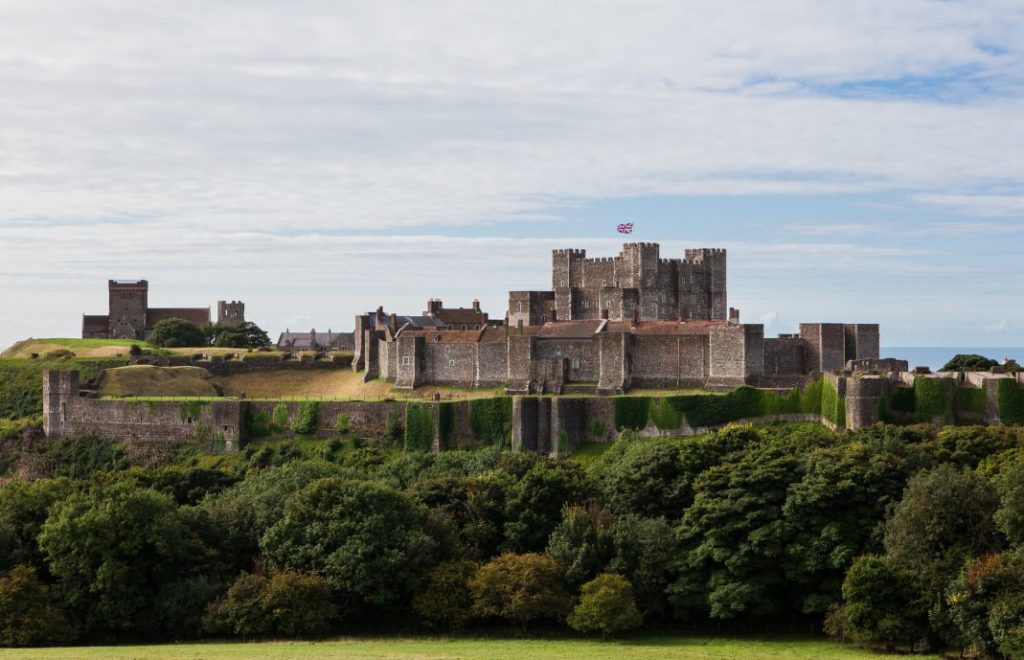
Perched high on the chalk cliffs that watch over the English Channel, Dover Castle has guarded the gateway to England for nearly a thousand years. Its imposing walls and commanding position earned it the title “the Key to England.” It is a fortress that has witnessed centuries of conflict, diplomacy, and strategic brilliance. As you approach its mighty keep, the scale of the stronghold becomes clear – this was not just a castle, but a symbol of royal authority and national defense.
Inside, medieval tunnels wind beneath the surface, echoing with stories from every era: from the days of Henry II to the tense operations of the Second World War, when military command centers were carved deep into the cliffs. Walk along the battlements and you’re met with sweeping views across the Channel. These are the same waters once watched by medieval soldiers, Tudor guards, and wartime intelligence officers.
Dover Castle is more than a monument; it is a living timeline of England’s resilience and its long, complex relationship with the sea.
3. Osborne House – Queen Victoria’s seaside sanctuary
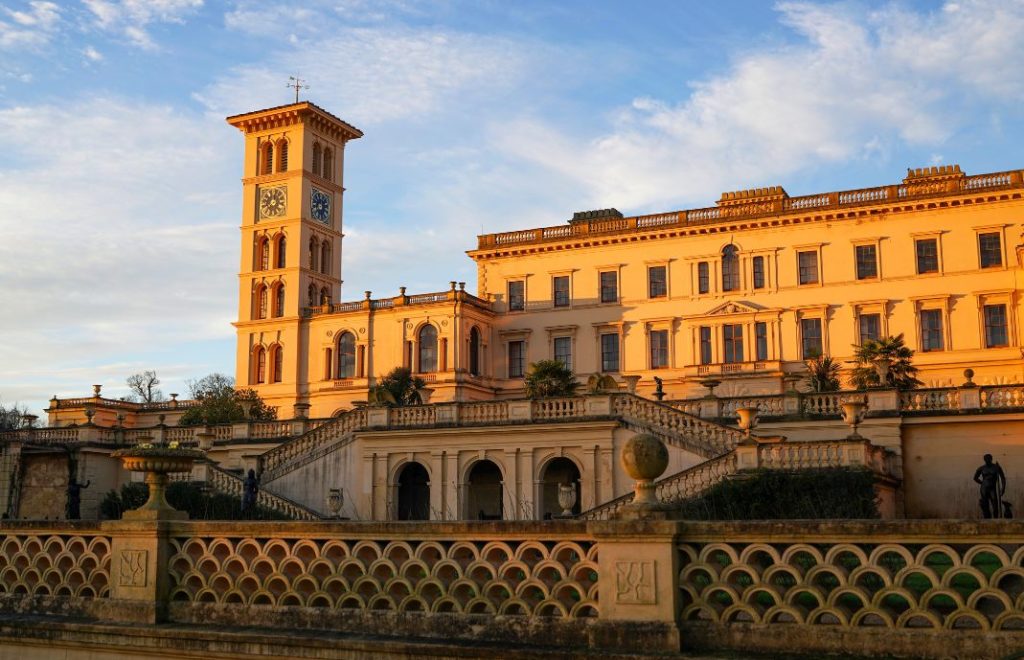
Set on the gentle shores of the Isle of Wight, Osborne House offers a rare glimpse into the private world of Queen Victoria and Prince Albert. Far from the formality of London’s royal palaces, this Italianate retreat was designed as a place of comfort, family life, and creative inspiration. Its warm ochre facade, grand terraces, and sweeping sea views evoke the charm of a Mediterranean villa – an atmosphere the royal couple cherished deeply.
Inside, the rooms reveal a home filled with personal touches: Albert’s taste for classical design, Victoria’s love of vibrant colors, and the playful energy of their nine children. Wander through the exquisite Durbar Room, a masterpiece of Indian-inspired craftsmanship, or stroll down to the royal beach where the family once bathed and learned to swim.
Osborne House feels less like a museum and more like a window into a quieter, more intimate chapter of royal history – a place where an empire’s most powerful figures escaped to so they could simply be a family.
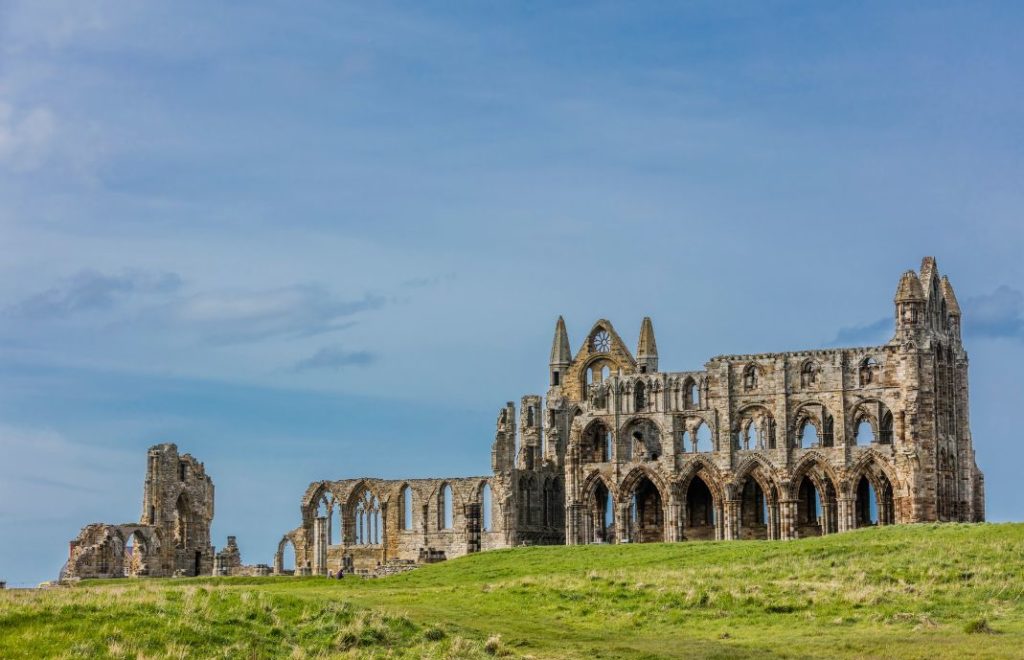
4. Whitby Abbey – A gothic ruin above the wild North Sea
High on a rugged headland overlooking the crashing waves of the North Sea, Whitby Abbey rises like a haunting silhouette against the sky. Its skeletal arches and weathered stone columns are all that remain of a once-mighty medieval monastery. Yet this dramatic ruin has lost none of its power to inspire. The abbey has stood watch over Whitby for more than 1,500 years, surviving Viking raids, royal reforms, and centuries of coastal winds that have shaped its character into something unforgettable.
It was here that one of England’s most important early church councils took place in 664 AD, helping to define the future of Christianity in Britain. Centuries later, the abbey’s brooding presence would capture the imagination of Bram Stoker, who used it as a setting in Dracula, forever tying Whitby to Gothic legend. Climb the famous 199 steps from the harbor, and you’ll be rewarded with sweeping views, salt-laced air, and a ruin that feels both ancient and strangely alive.
Whitby Abbey is more than a historic site – it’s an experience steeped in myth, mood, and the wild spirit of the Yorkshire coast.
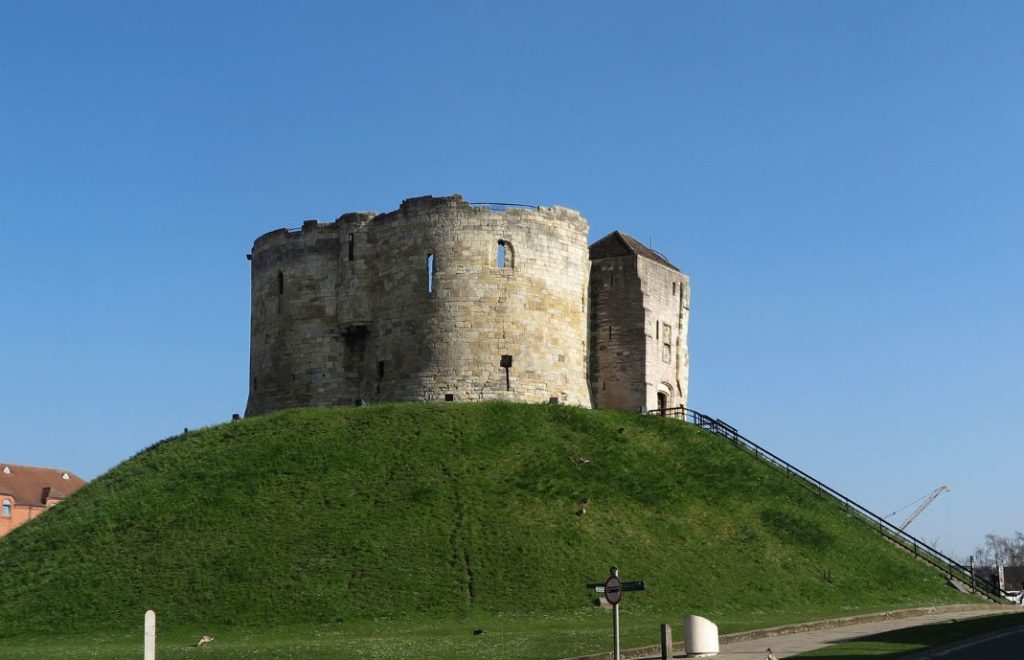
5. Clifford’s Tower – A striking survivor in the heart of York
Rising on a grassy mound above the medieval streets of York, Clifford’s Tower is a powerful reminder of the city’s turbulent past. Once the central stronghold of York Castle, the tower has witnessed moments of triumph and tragedy, resilience and reinvention. Its distinctive curved walls glow golden in the sunlight, a stark contrast to the darker chapters of history that unfolded within its grounds.
From its Norman beginnings under William the Conqueror to its role as a royal treasury, prison, and symbol of authority, Clifford’s Tower stands as one of York’s most enduring landmarks. Today, visitors climb its spiral stairs to reach the open-air rooftop. Here, panoramic views stretch across the ancient city walls, the spires of York Minster, and the winding Ouse River.
Clifford’s Tower is a place where the layers of York’s past come into focus – quiet, contemplative, and beautifully connected to the city below.
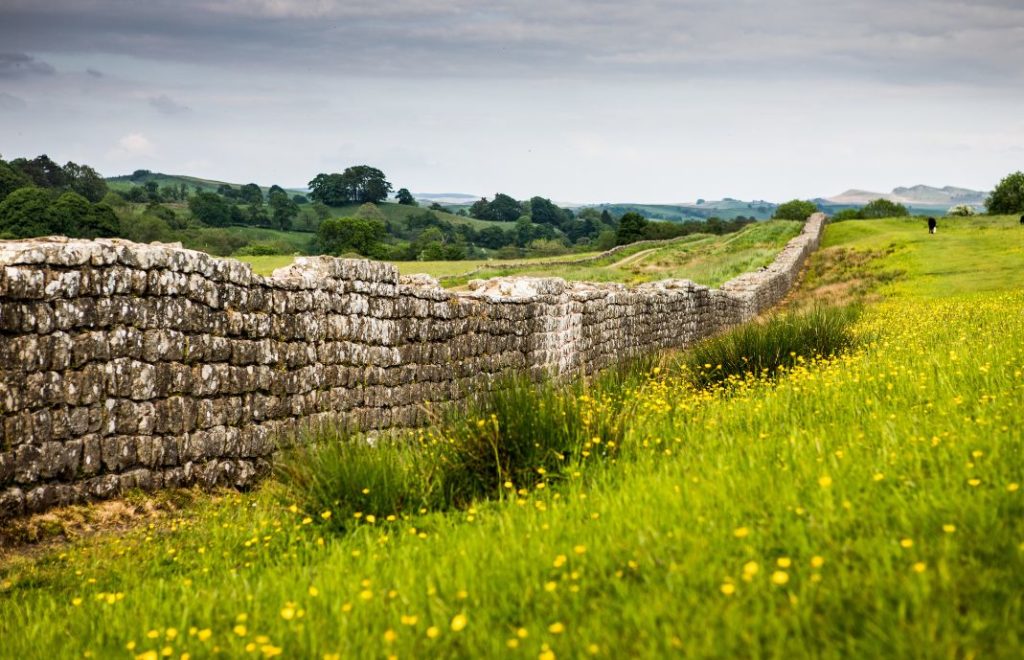
6. Hadrian’s Wall – The edge of an ancient empire
Stretching across the sweeping landscapes of northern England, Hadrian’s Wall marks one of the most evocative frontiers of the ancient world. Built by the Romans nearly two millennia ago, this monumental barrier once stood at the northern edge of the empire. It was a line drawn between Roman civilisation and the untamed lands beyond. Today, its remains wind over hills, crags, and open moorland, creating one of the most atmospheric walks in Britain.
As you follow the trail beside the surviving stones, it’s easy to imagine the legionaries who once patrolled this remote outpost, braving fierce weather and vast solitude in service of the empire. Forts, milecastles, and watchtowers dot the route, each offering a glimpse into daily life at the empire’s farthest reach.
Whether you explore a short section or embark on a longer hike, Hadrian’s Wall delivers a rare blend of drama, history, and wild northern beauty – a place where ancient footsteps still seem close beneath your own.
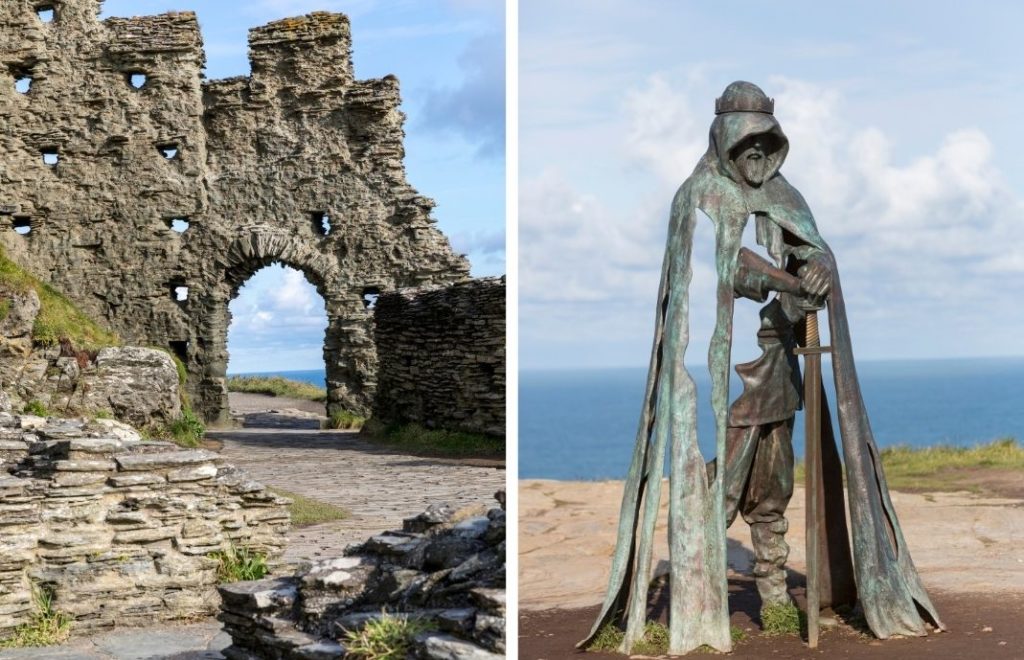
7. Tintagel Castle – A legendary fortress on Cornwall’s wild coast
Clinging to the dramatic cliffs of Cornwall’s north coast, Tintagel Castle is a place where history and legend blend so seamlessly that the boundaries between them begin to fade. The ruins themselves are stark and beautiful. Its crumbled stone walls scattered across a windswept headland, divided by a deep chasm and connected today by a sweeping footbridge that feels almost as mythical as the stories it accompanies.
This is the site long associated with the tales of King Arthur, a landscape where medieval chroniclers imagined royal births, hidden caves, and heroic destinies. Whether or not the legends hold truth, Tintagel’s real history is no less compelling: a medieval stronghold with roots stretching back to the Dark Ages, shaped by trade, power, and the strategic importance of this rugged coastline.
Standing here, surrounded by the crash of Atlantic waves and the cries of seabirds, it’s easy to understand why this place has inspired storytellers for centuries. Tintagel isn’t just a castle – it’s a dramatic encounter with England’s mythic heart, where imagination and archaeology stand side by side on the edge of the sea.
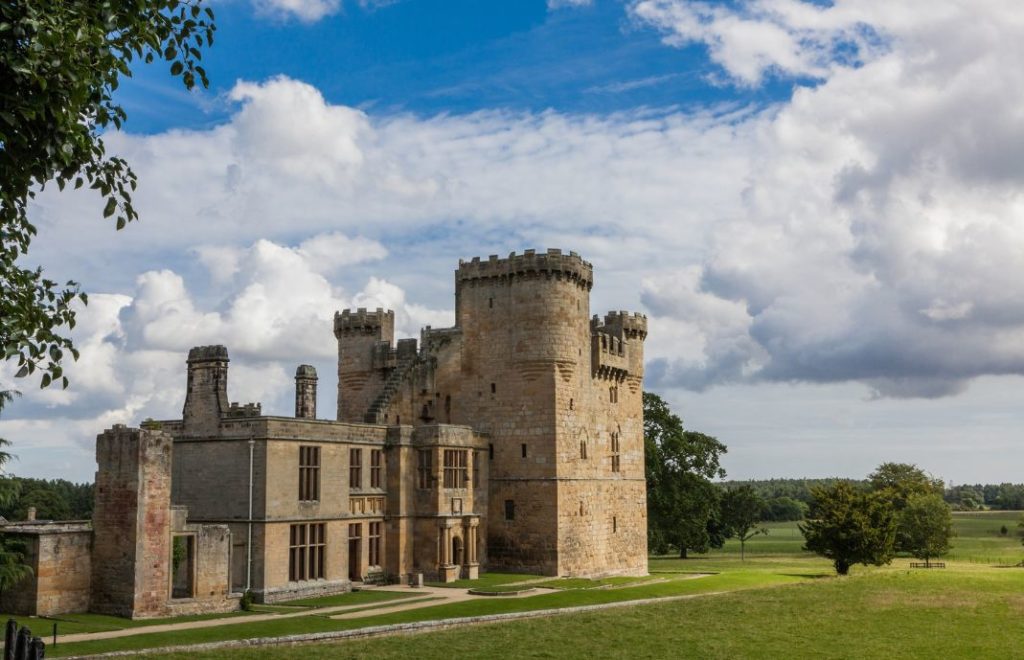
8. Belsay Hall, Castle and Gardens – A journey through centuries of style
Belsay is one of those rare places where time seems to layer itself gracefully. At its heart stands the elegant Belsay Hall, a striking Grecian-style mansion inspired by classical architecture and filled with the quiet grandeur of the early 19th century. Step inside and you’ll find rooms flooded with natural light, their clean lines and minimal ornamentation offering a serene contrast to the historic landscape beyond.
A short walk away, the medieval castle rises in weathered stone, its sturdy tower house echoing tales of border conflicts and noble families who once sought refuge within its thick walls. But the true enchantment of Belsay lies between these buildings, in the extraordinary Quarry Garden. Carved directly from the rock, its deep pathways are lined with exotic plants, mossy walls, and microclimates that transform the space into a hidden, almost otherworldly sanctuary.
Wandering through Belsay is like travelling through different eras and environments in a single afternoon – a celebration of architecture, landscape, and imagination.
9. Eltham Palace – Where medieval majesty meets art deco glamour
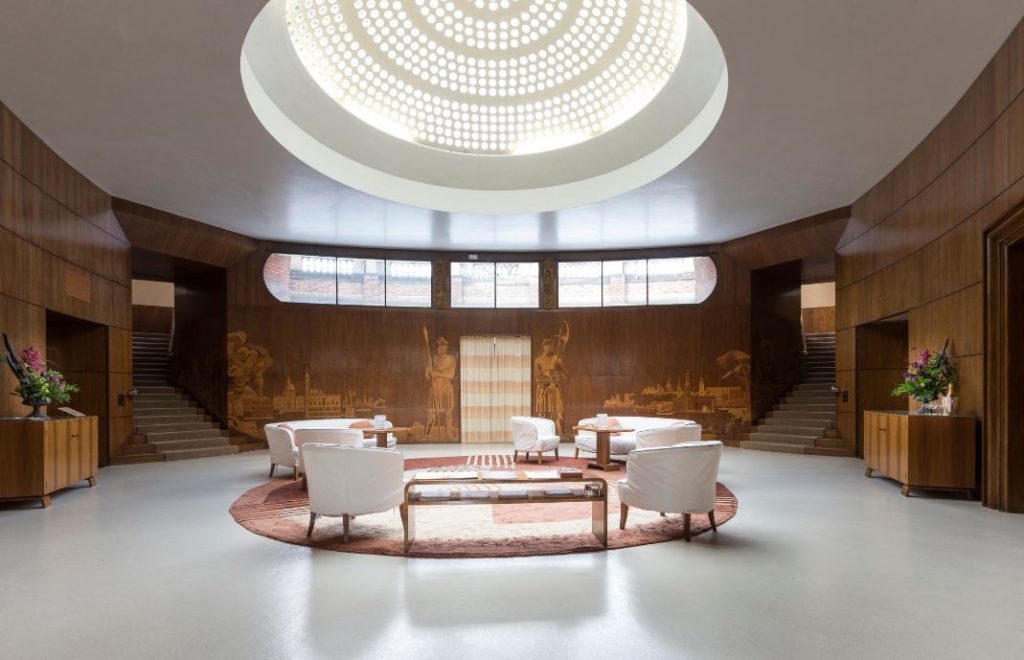
Few places in England blend eras as dramatically as Eltham Palace. Once a favored royal residence in the medieval period, it later became one of the most stylish homes of the 1930s – transformed by the Courtauld family into a masterpiece of Art Deco design. The result is a rare fusion of medieval grandeur and modern elegance, where centuries-old stonework sits alongside sleek lines, rich woods, and bold geometric patterns.
Inside, every room radiates the optimism and glamour of the early 20th century. The circular entrance hall glows with warm light and sweeping curves, while the dining room and bedrooms showcase luxurious materials and impeccable craftsmanship. Step outside and the medieval Great Hall – a striking reminder of Eltham’s royal past – looms beside manicured gardens and peaceful moats.
Wandering through Eltham Palace feels like moving through time itself, from kings and courtiers to cocktail parties and creative innovation.
10. Audley End – A grand country house with stories in every room
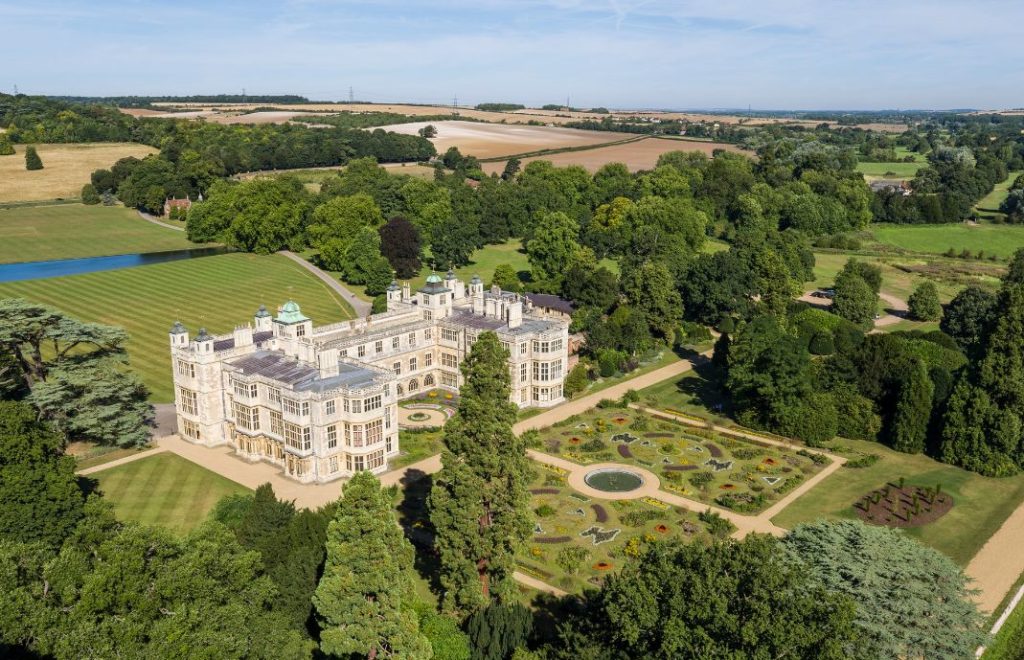
Set within rolling parkland in the Essex countryside, Audley End is one of England’s most impressive Jacobean mansions – a home that once rivalled the finest palaces in Europe. Its sweeping facade, ornate ceilings, and lavishly decorated rooms reveal the ambitions of the 17th-century aristocracy, who built estates not just for comfort but as statements of power and prestige.
Inside, the house feels like a living time capsule. From the richly furnished state apartments to the beautifully restored Victorian service wing, every space brings a different chapter of history to life. The gardens, shaped by the legendary landscape designer Capability Brown, offer peaceful water features, expansive lawns, and gentle woodland walks.
With its blend of grandeur, charm, and attention to detail, Audley End invites visitors to linger – to imagine the bustle of carriages, the whispers of servants’ quarters, and the grandeur of country life in centuries past.
11. 1066 Battle of Hastings – Where England’s future was decided
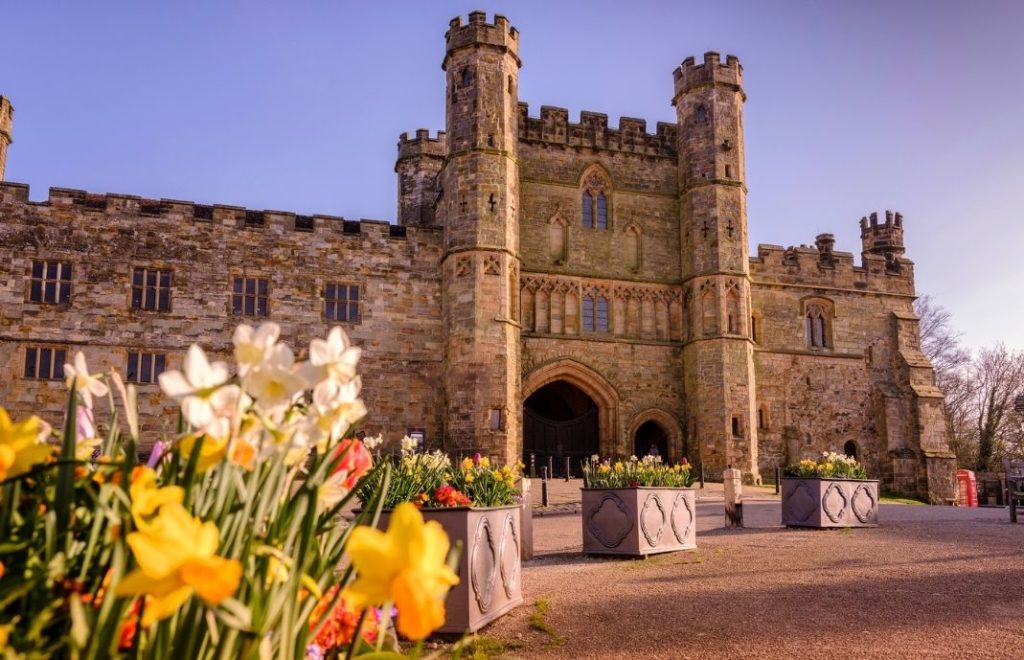
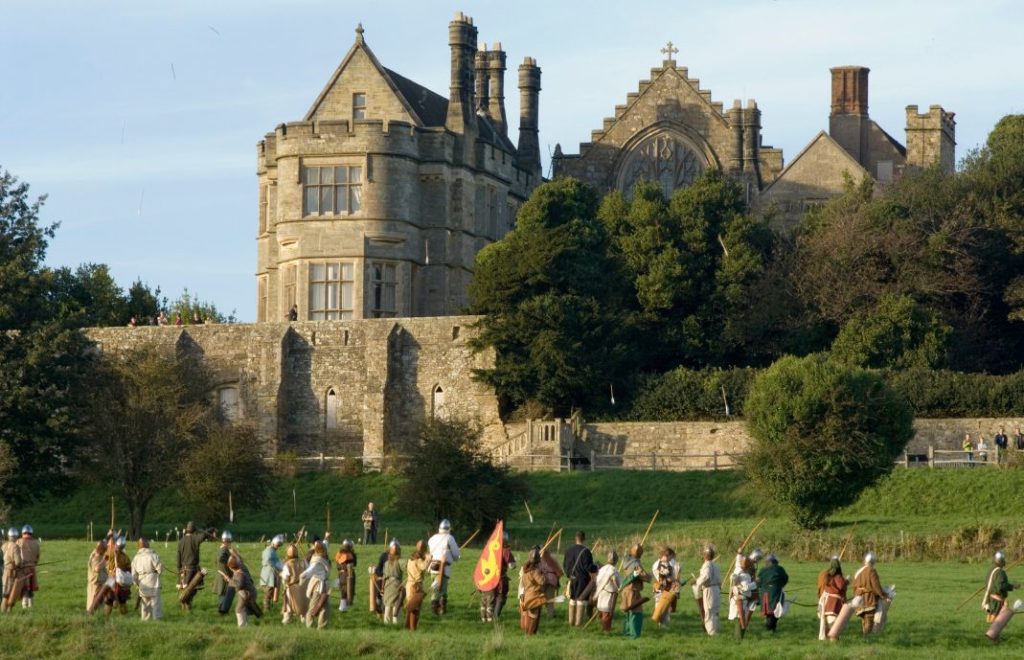
Few places in England feel as charged with significance as the battlefield at Hastings, where the clash between William of Normandy and King Harold in 1066 forever altered the course of the nation’s history. Walking the quiet fields today, it’s almost impossible to imagine the thunder of hooves, the shouting of shield walls, and the moment that reshaped England’s language, culture, and identity. Yet the landscape still holds a palpable sense of momentous change.
Overlooking the site stands the atmospheric Battle Abbey, founded by William the Conqueror as both a symbol of victory and an act of penance. Its ruins frame sweeping views across the surrounding countryside, inviting visitors to reflect on the events that unfolded here nearly a thousand years ago.
With its blend of storytelling trails, evocative architecture, and immersive sense of place, the 1066 battlefield remains one of England’s most compelling historic landscapes – a place where the past feels vivid enough to touch.
Read more: 8 things you did not know about 1066
History in every footstep: A final reflection
Exploring England’s heritage sites is like stepping into a living tapestry of stories – each place offering its own window into the nation’s past. From ancient stone circles and windswept coastal ruins to lavish palaces and formidable fortresses, these landmarks reveal the layers of history, culture, and imagination that have shaped England for centuries. Together, they form a journey through time that is as varied as it is unforgettable.
Whether you find yourself tracing Roman footsteps along a remote frontier, standing where kings once made fateful decisions, or wandering gardens carved from rock and tradition, each site brings history into the present with remarkable clarity. England’s heritage isn’t confined to museums or textbooks – it’s written into the land itself, waiting for curious travelers to uncover it, one evocative landscape at a time.
This post is a collaboration with English Heritage. Thanks for a great cooperation!
Main photo: English Heritage
