Often overlooked and quietly confident, Moldova rewards travelers who are willing to slow down and look closer. This is a country shaped by vineyards, monasteries, village life, and a strong sense of hospitality. A country where traditions are lived rather than displayed, and experiences unfold without spectacle.
A four-day journey through Moldova is not about rushing between highlights, but about understanding rhythm and place. From its understated capital to rural landscapes and historic wine cellars, Moldova offers a kind of travel that feels refreshingly human. It’s an invitation to explore a part of Europe that values depth over polish. It’s about experiencing a country that leaves a lasting impression precisely because it asks so little in return.
Day 1: Chisinau and wine
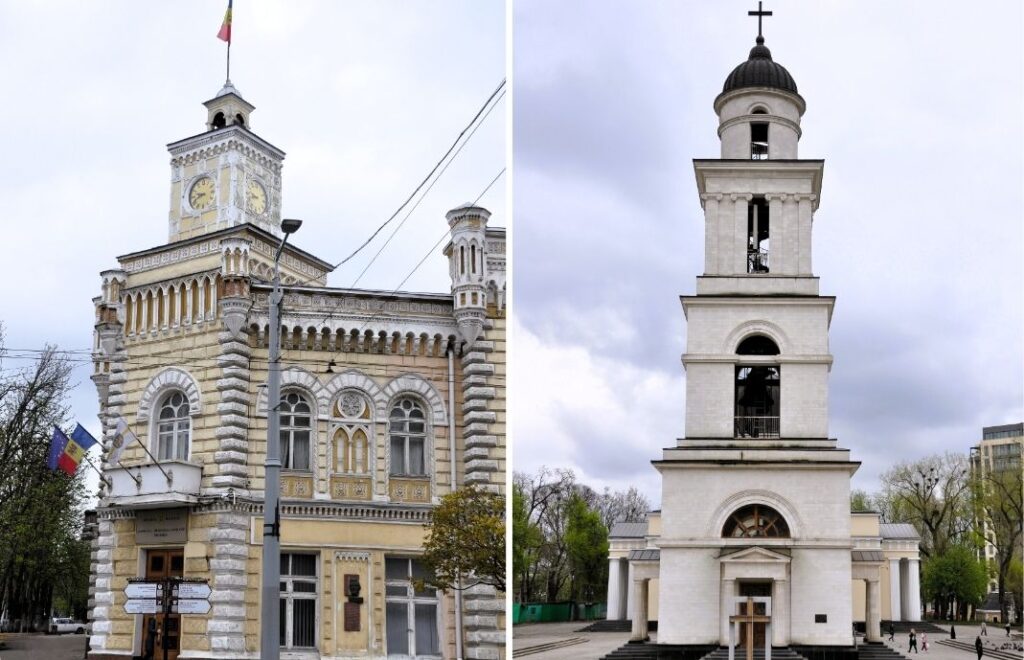
Begin your journey in Chișinău with a walk that introduces Moldova through its capital’s quiet contrasts. The city doesn’t reveal itself instantly; instead, it unfolds through leafy boulevards, Soviet-era architecture, Orthodox churches, and pockets of everyday life that feel lived-in rather than curated. A city tour here is less about landmarks and more about context.
As you move through central neighborhoods, you’ll notice how Chișinău balances its past and present without trying to resolve them. Wide avenues coexist with small parks, grand government buildings sit near modest cafés, and public spaces feel calm rather than crowded. The pace encourages observation – how people gather, how the city breathes, how history lingers without dominating.
Highlights not to be missed:
- Stefan cel Mare
- Central Cathedral
- Parliament building
- The alley of the literature classics in the park of Stefan cel Mare
The National Museum of Ethnography and Natural History
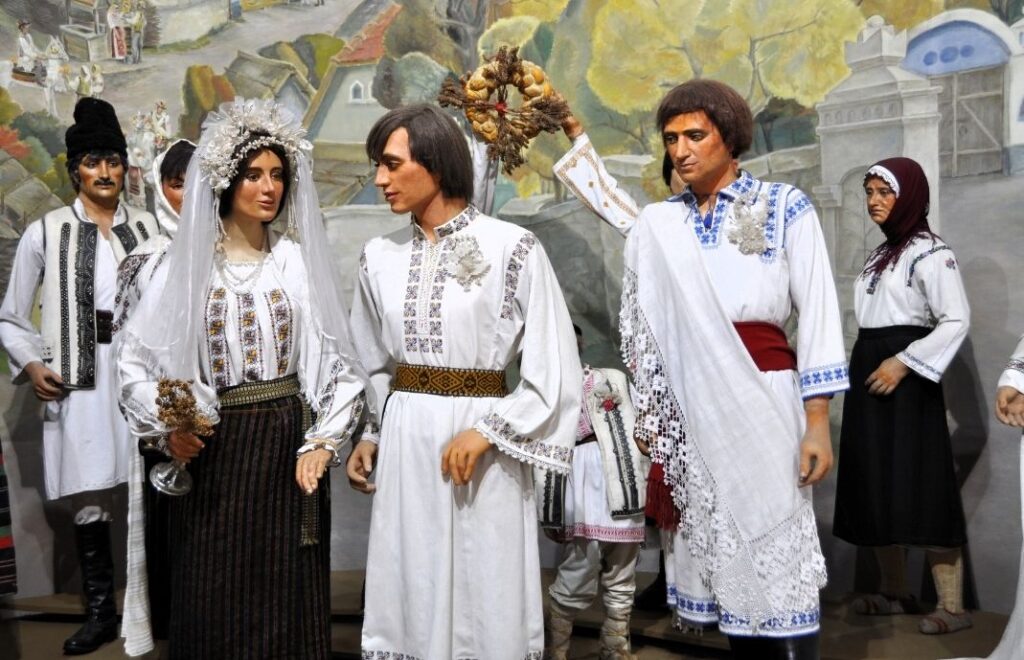
The National Museum of Ethnography and Natural History offers essential context for understanding Moldova beyond its capital. Housed in one of Chișinău’s most distinctive historic buildings, the museum explores how landscape, tradition, and daily life have shaped the country over centuries.
Inside, exhibitions trace rural customs, traditional clothing, crafts, and agricultural life, alongside sections dedicated to Moldova’s natural environment. Rather than presenting folklore as something frozen in time, the museum shows how traditions evolved out of necessity and continue to influence modern life.
Visiting the museum early in the itinerary adds depth to everything that follows. It provides a cultural framework for village visits, wine regions, and monasteries later in the journey, grounding your experiences in a clearer understanding of Moldova’s identity and sense of place.
Asconi Winery
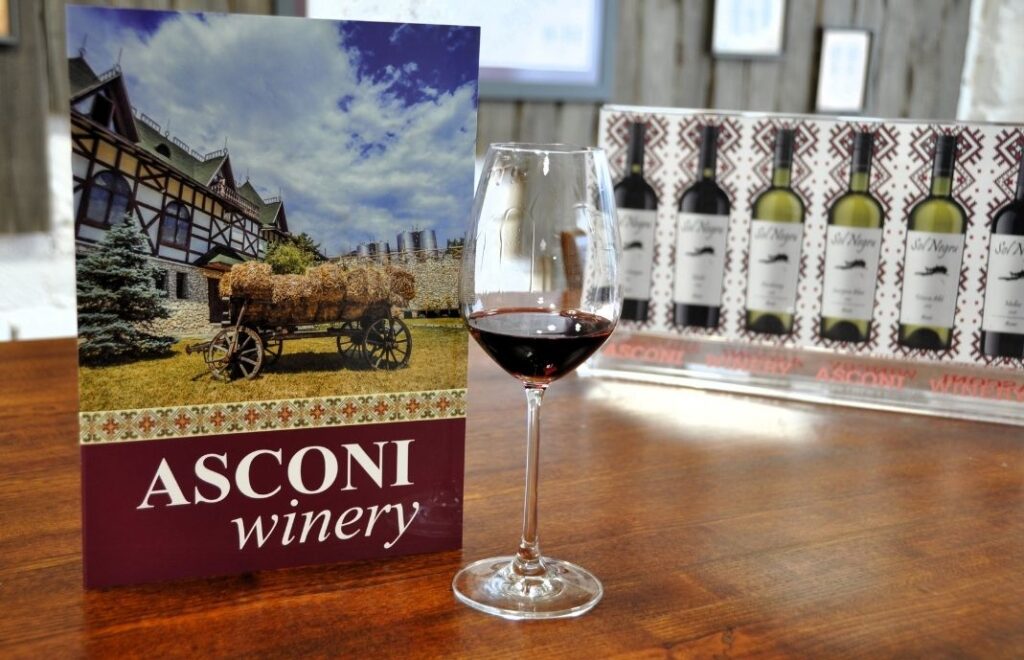
A visit to Asconi Winery offers a first taste of Moldova’s deep-rooted wine culture, just a short drive from the capital. Set among rolling countryside, the winery combines modern production with a strong connection to tradition, reflecting how winemaking here is both heritage and everyday life.
Walking through the vineyards and cellars reveals how closely wine is tied to the land. Tastings focus on local grape varieties as well as familiar styles, offering insight into Moldova’s quiet confidence as a wine-producing country. The experience feels personal rather than commercial, shaped by storytelling and pride rather than presentation.
This is also a perfect place to have lunch.
Including Asconi Winery on the first day creates a natural transition from city to countryside. It introduces one of Moldova’s defining cultural elements early on, setting the tone for a journey where hospitality, landscape, and tradition are closely intertwined.
Day 2: Village life and borderland stories
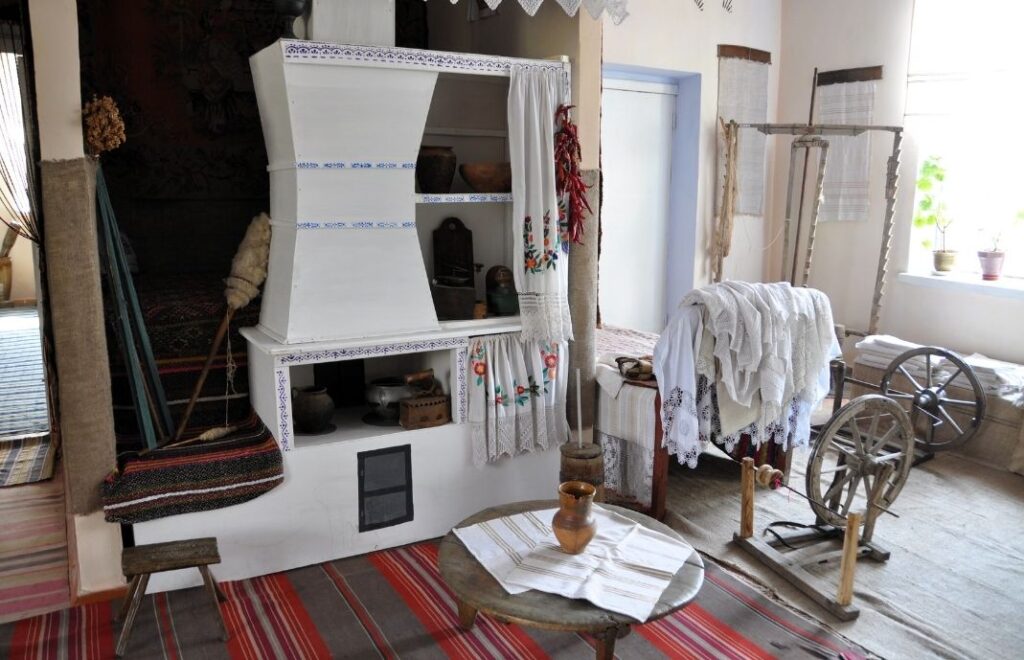
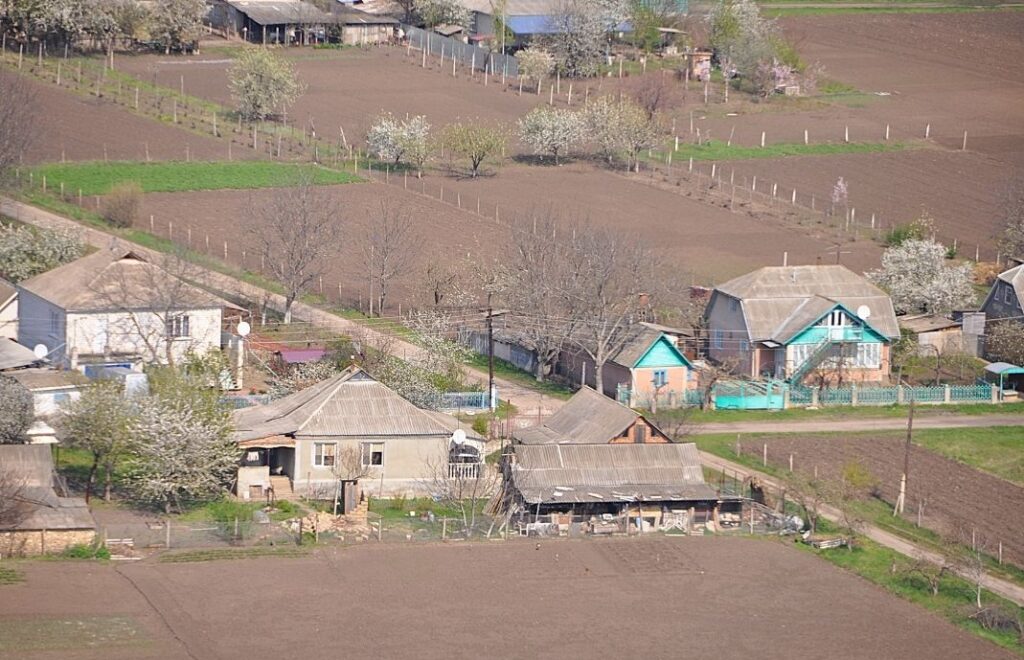
Today’s adventure begins in the village of Clișova Nouă, where Moldova’s traditions feel close, tangible, and quietly preserved. A visit to the local Handicraft Museum of Clișova Nouă offers an intimate look into rural life. A life shaped by skill, patience, and generational knowledge.
The museum focuses on traditional crafts such as weaving, embroidery, woodwork, and household tools. Objects created not for decoration, but for daily use. What makes the experience special is its human scale. Stories are personal, techniques are explained with care, and traditions are presented as living practices rather than distant heritage.
Starting the day here grounds the journey in Moldova’s rural identity. It highlights how culture is maintained through hands-on work and community memory. The visit offers a meaningful contrast to the capital. It also offers a deeper understanding of the landscapes and people you’ll encounter throughout your journey.
Soroca
From Clișova Nouă, the journey continues north to Soroca, a town where Moldova’s history and symbolism come sharply into focus. Set along the Dniester River, Soroca has long been a strategic and cultural crossroads, and its landmarks reflect that layered role.
With a great selection of restaurants, it’s a good place to have lunch.
Soroca Fortress
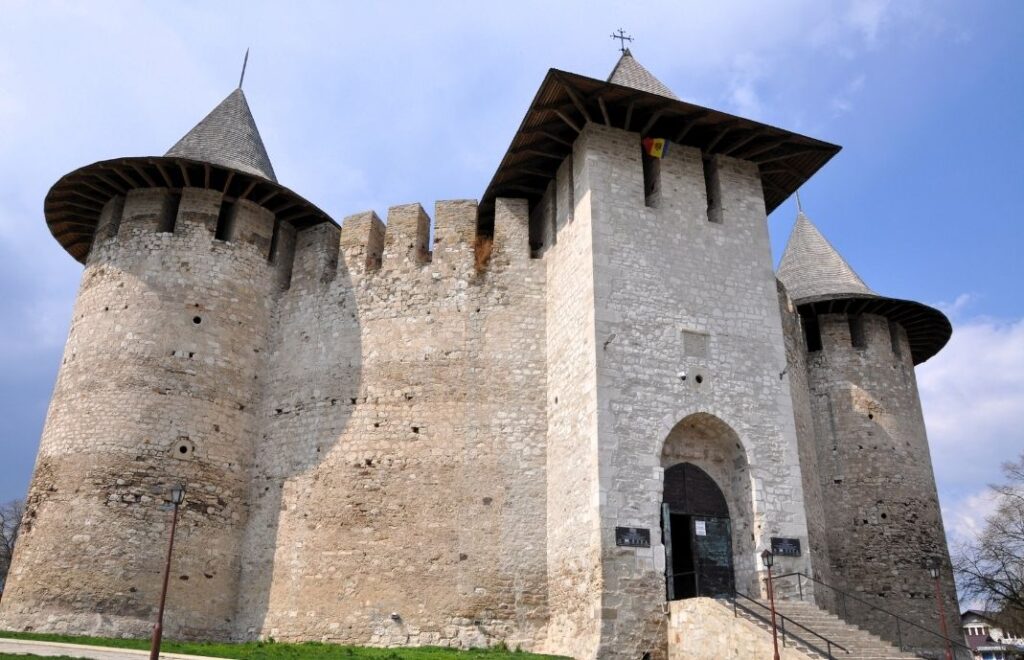
The Soroca Fortress stands as one of the country’s most impressive historical structures. Built in the 15th century and later reinforced in stone, the fortress once guarded important trade routes and borders. Its circular design and thick walls convey both strength and precision, offering insight into Moldova’s defensive past and its position between larger powers.
Candle of Gratitude
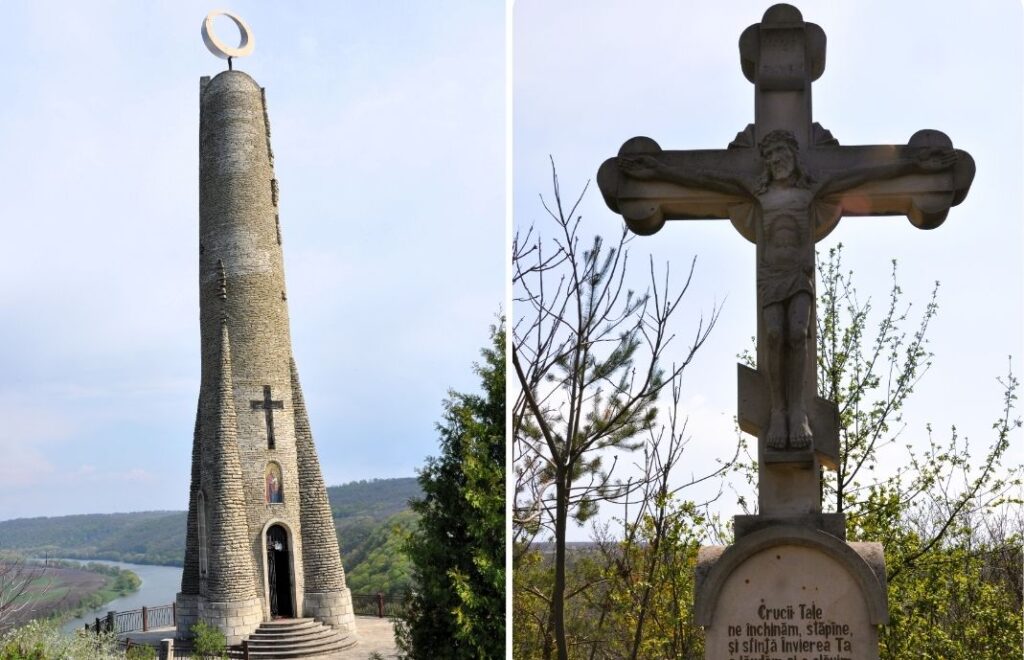
Above the town rises the Candle of Gratitude, a striking white structure dedicated to culture, learning, and spiritual heritage. Reaching it requires a climb, but the reward is both symbolic and literal: sweeping views over the river and surrounding landscape.
Together, these two sites balance history and reflection, making Soroca a meaningful and memorable stop.
Day 3: Underground cellars and ancient valleys
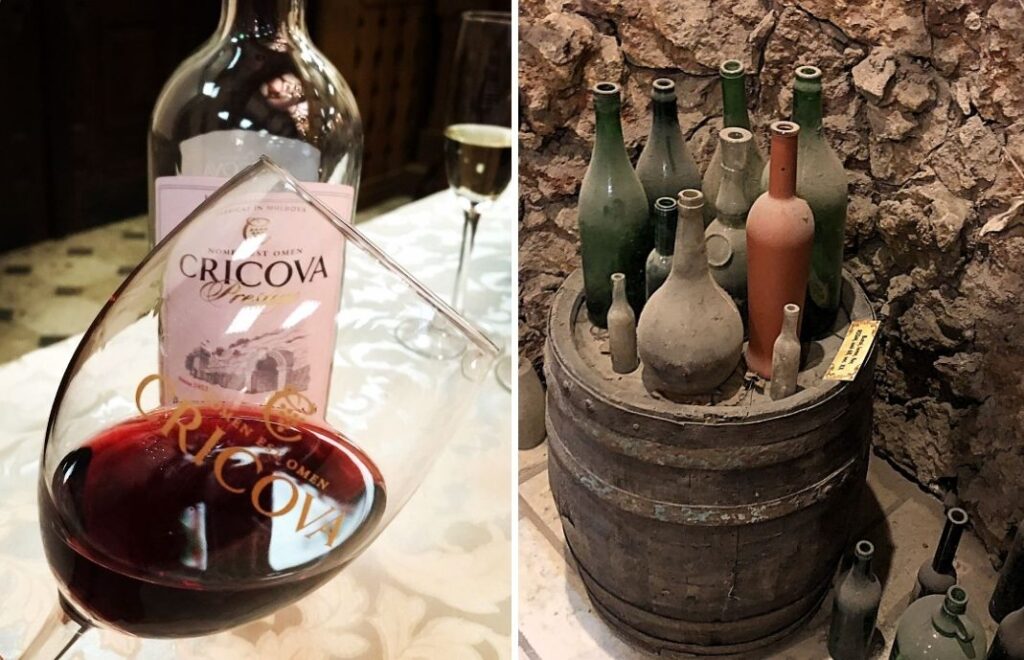
Your day begins beneath the surface, in one of Moldova’s most extraordinary wine cellars. Cricova is not a traditional winery in the open countryside, but an underground city carved into limestone. Here, kilometers of tunnels store and age wine in cool, constant conditions. Entering the cellars feels like stepping into a parallel world shaped entirely by wine.
Get on the small electric train and head underground for the first part of the tour. After seeing a short video about Cricova’s history, you will explore the cellars on foot.
The scale is immediately striking, yet the experience remains surprisingly calm. Long corridors lined with bottles stretch into the distance, each section organized like streets, reflecting the importance of wine in Moldovan culture. The focus here is not spectacle, but continuity – how generations have used this space to preserve craft, tradition, and patience.
The tour ends (of course) with wine tasting in an amazingly beautiful room.
Visiting Cricova adds a deeper layer to understanding Moldova’s wine identity. It shows how winemaking here is not just agricultural, but architectural and cultural, embedded into the land itself.
Orheiul Vechi
From Cricova, the journey continues to Orheiul Vechi, one of Moldova’s most evocative and spiritually charged landscapes. Set within a dramatic limestone gorge shaped by the Răut River, this archaeological complex feels both remote and deeply rooted in time. The setting alone signals a shift – from cultivated cellars to open land shaped by centuries of human presence.
Orheiul Vechi is a layered landscape where traces of ancient settlements, medieval fortifications, and Orthodox monastic life coexist. Cave monasteries carved directly into the rock remain active today, blending spiritual continuity with striking natural surroundings. The atmosphere encourages quiet movement and reflection rather than explanation.
Visiting Orheiul Vechi offers a sense of Moldova beyond borders and timelines. It’s a place where history, faith, and landscape are inseparable, and where the country’s identity feels most elemental.
Start your visit here with lunch at a local guesthouse, where dishes made from local products are on the menu.
The Cave Monastery
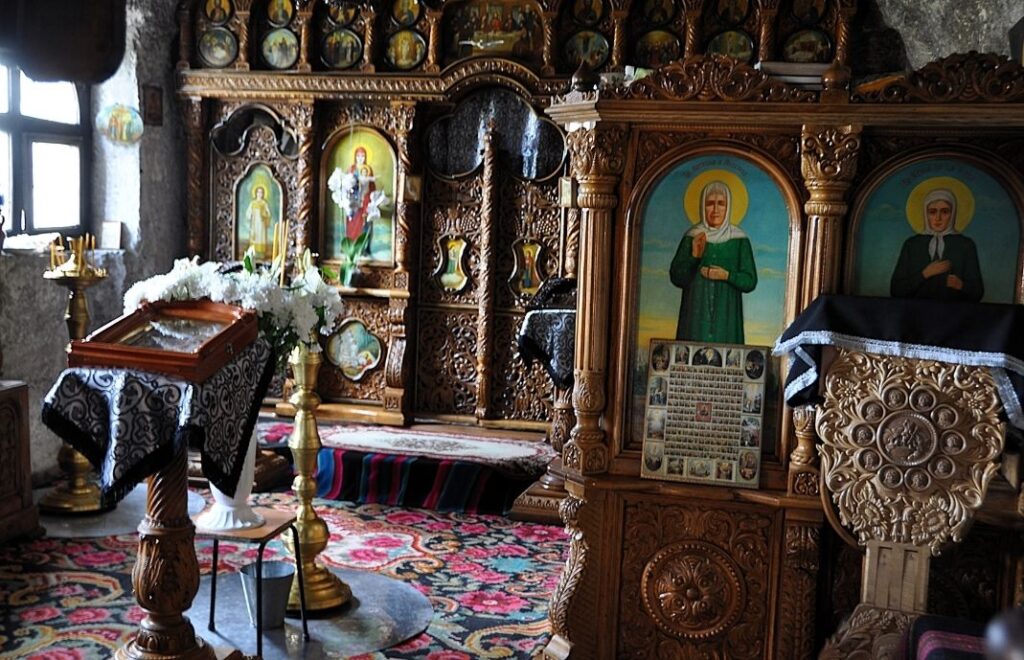
The cave monastery at Orheiul Vechi is one of Moldova’s most quietly powerful places. Carved directly into the limestone cliffs overlooking the Răut River, it feels inseparable from the landscape itself. The approach is simple, almost understated, but the moment you step inside, the sense of time changes.
These caves have served as places of worship and refuge for centuries. Narrow passages lead to small chapels and cells, where stone walls bear the marks of devotion rather than decoration. Light enters sparingly, shaping an atmosphere of calm and restraint that encourages stillness and reflection. Simplicity is intentional – faith here is expressed through endurance and presence rather than grandeur.
What makes the cave monastery especially moving is its continuity. Monastic life has persisted here despite political shifts, invasions, and changing borders. Standing within the rock, looking out across the valley, it becomes clear why this place was chosen. The monastery doesn’t dominate its surroundings; it belongs to them, offering a rare sense of harmony between spirituality, history, and nature.
Curchi Monastery
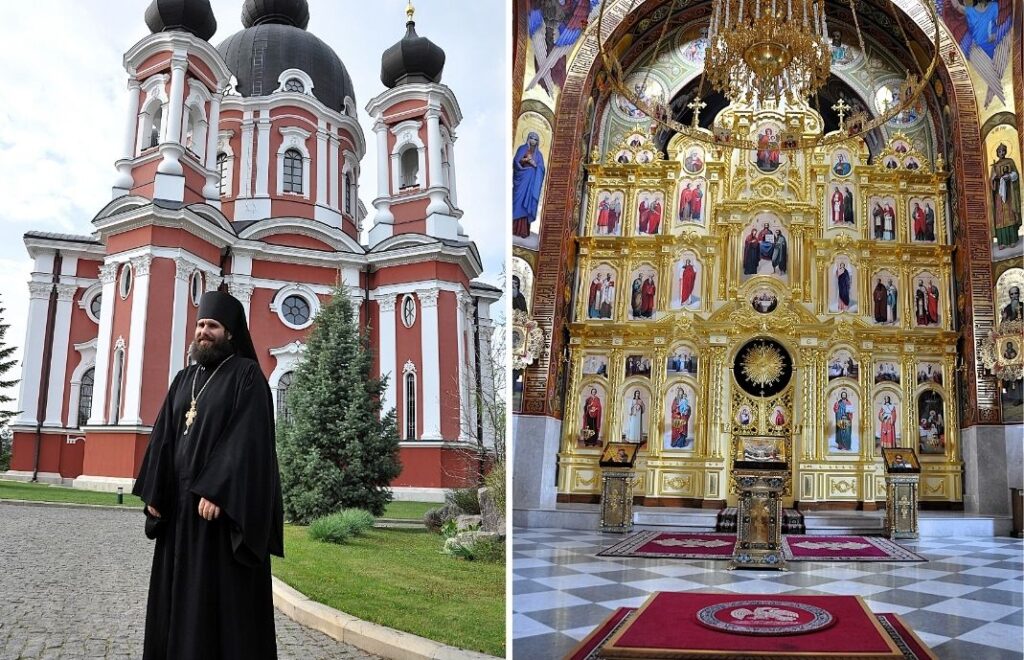
Curchi Monastery is one of Moldova’s most elegant and historically significant religious sites, set within a quiet valley surrounded by forested hills. Unlike the raw, carved simplicity of Orheiul Vechi, Curchi feels formal and architectural, its white walls and domes rising with a sense of calm authority. The setting immediately creates a feeling of separation from everyday life.
Founded in the 18th century, the monastery has endured periods of prosperity, decline, and restoration. Its buildings reflect a blend of Orthodox and Baroque influences, offering insight into how faith, culture, and regional identity intersected over time. Walking through the grounds, the atmosphere is peaceful rather than imposing, shaped by symmetry, space, and silence.
Visiting Curchi Monastery adds balance to the itinerary. It shows a different expression of Moldovan spirituality- One rooted in structure, ritual, and continuity.
More inspiration: The monk who got me drunk
Day 4: The country that does not exist
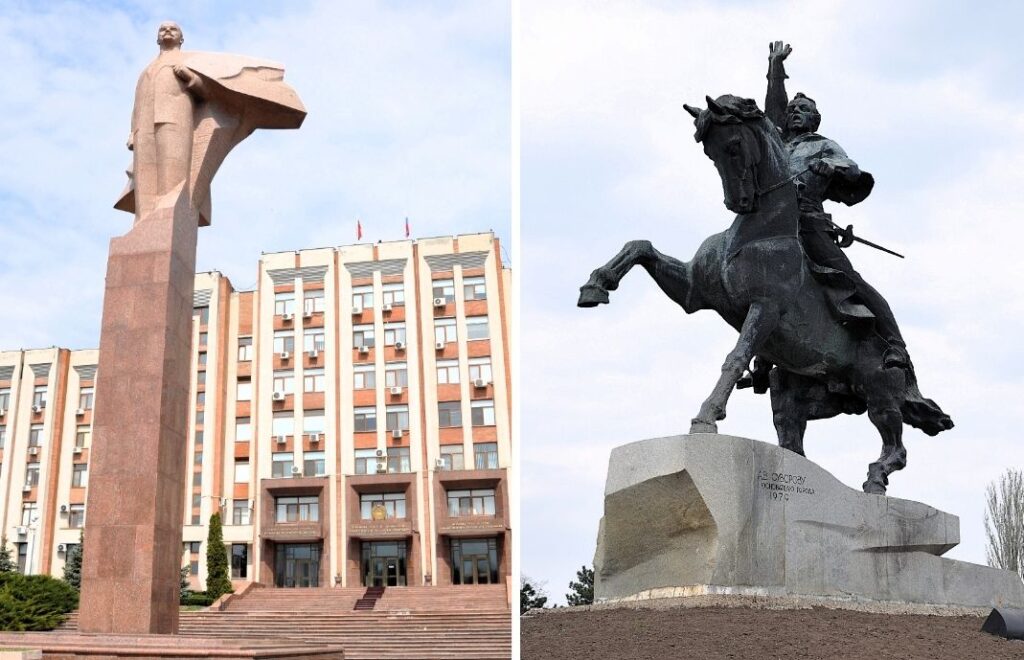
Your last day takes you into Transnistria, a region that feels unlike anywhere else in Europe. Crossing into this self-declared republic is less about distance and more about atmosphere. The symbols, architecture, and language shift quickly, creating the sense of entering a place paused in time.
Cities and towns here reflect a strong Soviet legacy. Statues, murals, and wide boulevards remain largely unchanged, offering a rare glimpse into how everyday life once looked across much of Eastern Europe. The experience isn’t theatrical or curated; it feels lived-in, shaped by routine rather than nostalgia.
This final day adds contrast to the itinerary, highlighting Moldova’s layered identity and the region’s unresolved history.
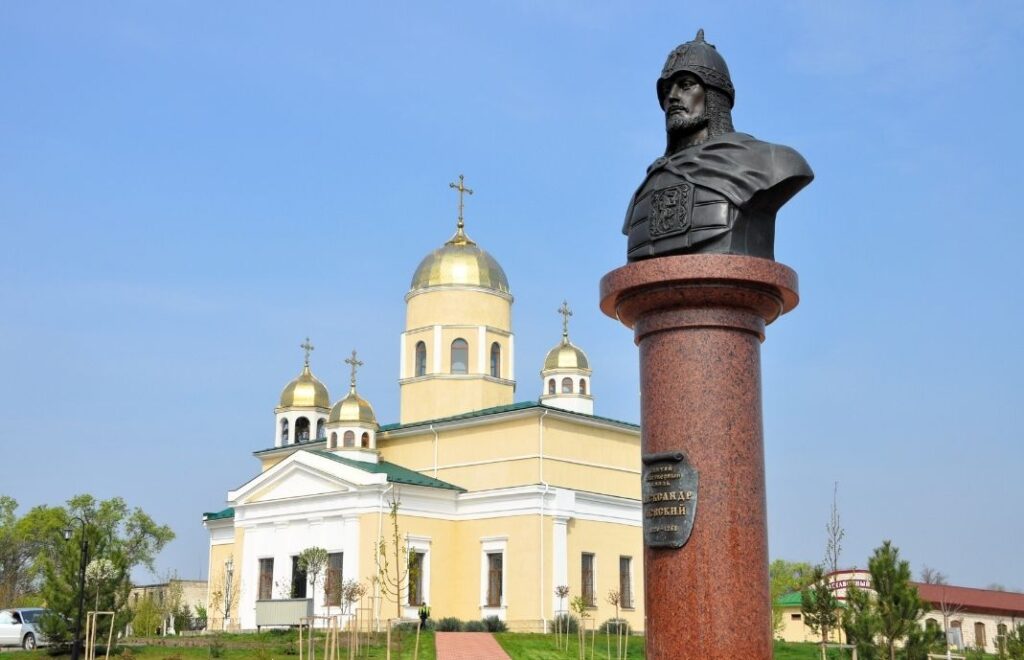
Tighina Fortress
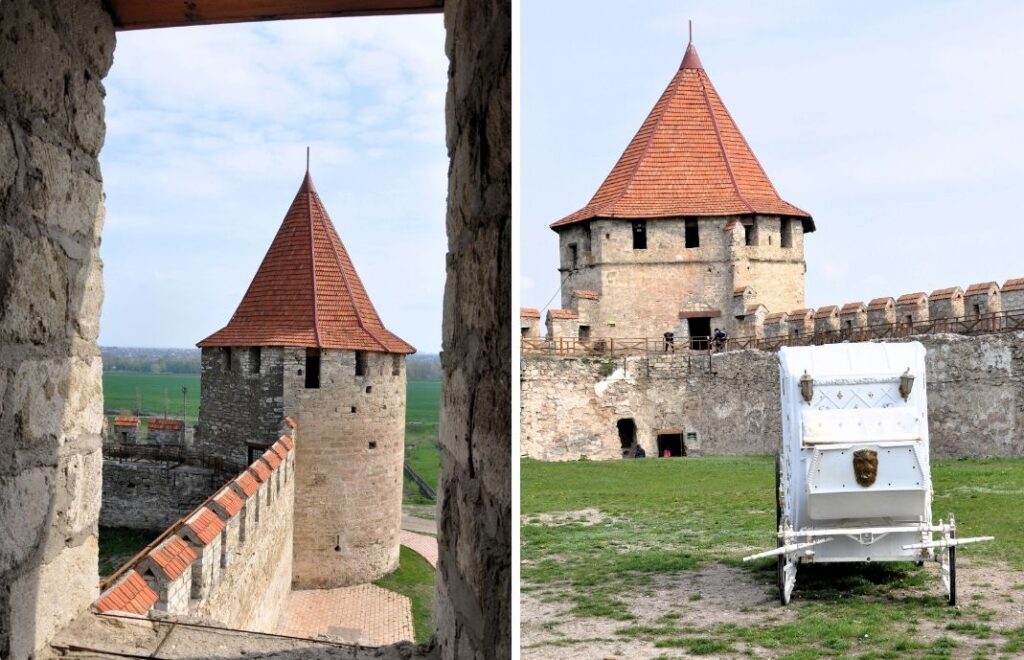
Tighina Fortress stands as one of the most imposing reminders of the region’s contested past. Positioned strategically along the Dniester River, the fortress has changed hands many times over the centuries, reflecting the shifting powers that have shaped this borderland. Its thick walls and angular bastions speak of defense, control, and endurance rather than elegance.
Walking through the grounds, the layers of history feel tangible. Ottoman, Russian, and regional influences overlap, creating a structure that tells multiple stories at once. The setting is quiet, almost austere, allowing the scale and purpose of the fortress to stand on its own without embellishment.
As part of a visit to Transnistria, Tighina Fortress offers important context. It helps explain why this region has long been strategically significant and why questions of identity and sovereignty remain unresolved.
Tiraspol
Transnistria’s capital, Tiraspol, feels like a city existing slightly outside of time. It presents a version of urban life shaped strongly by Soviet-era identity, where symbols, language, and public spaces reflect continuity rather than change. Walking through the city is less about sightseeing and more about observation.
Wide boulevards, government buildings, and monuments define the cityscape, creating an atmosphere that feels formal yet unhurried. Everyday life unfolds quietly. People going about routines, cafés serving locals, public transport moving steadily through the city. There is little attempt to reinterpret or modernize the past, which makes the experience feel authentic rather than staged.
Visiting Tiraspol offers insight into how history can remain present in daily life. It challenges expectations and invites reflection on identity, memory, and political complexity. Tiraspol serves as a thoughtful conclusion to your journey. One that emphasizes understanding over explanation and leaves space for curiosity rather than clear answers.
More inspiration: Transnistria – The country that doesn’t exist