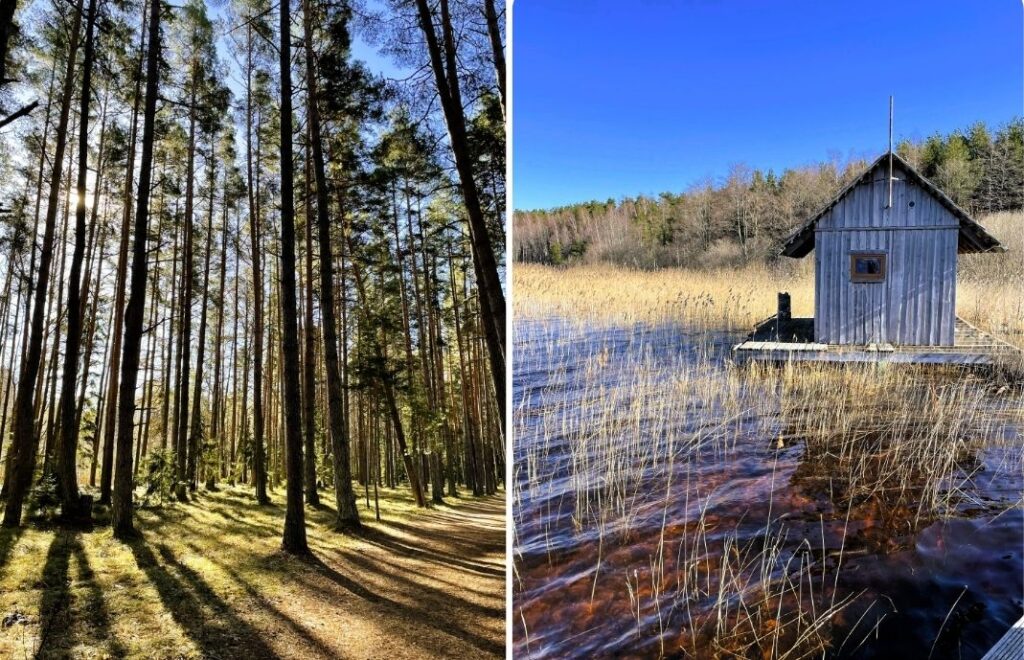
The Baltic countries – Lithuania, Latvia, and Estonia – are often described as Europe’s hidden corner. Yet those who venture north quickly discover a region bursting with character: medieval old towns, wild coastlines, deep forests, creative cities, and a cultural identity that feels both quietly proud and refreshingly authentic.
But when is the best time to visit the Baltics?
The answer depends on what kind of experience you’re looking for. Long summer evenings filled with festivals and golden light? Crisp autumn walks through amber-colored forests? Snow-covered medieval streets that feel like a fairytale? Or the calm beauty of spring, when nature slowly reawakens and the crowds haven’t yet arrived?
The Baltic countries offer four distinct seasons – and each one tells a different story. In this guide, let’s explore what to expect throughout the year, so you can choose the season that matches your travel style and make the most of your journey to Northern Europe’s most underrated trio.
Baltic summers (May to September)
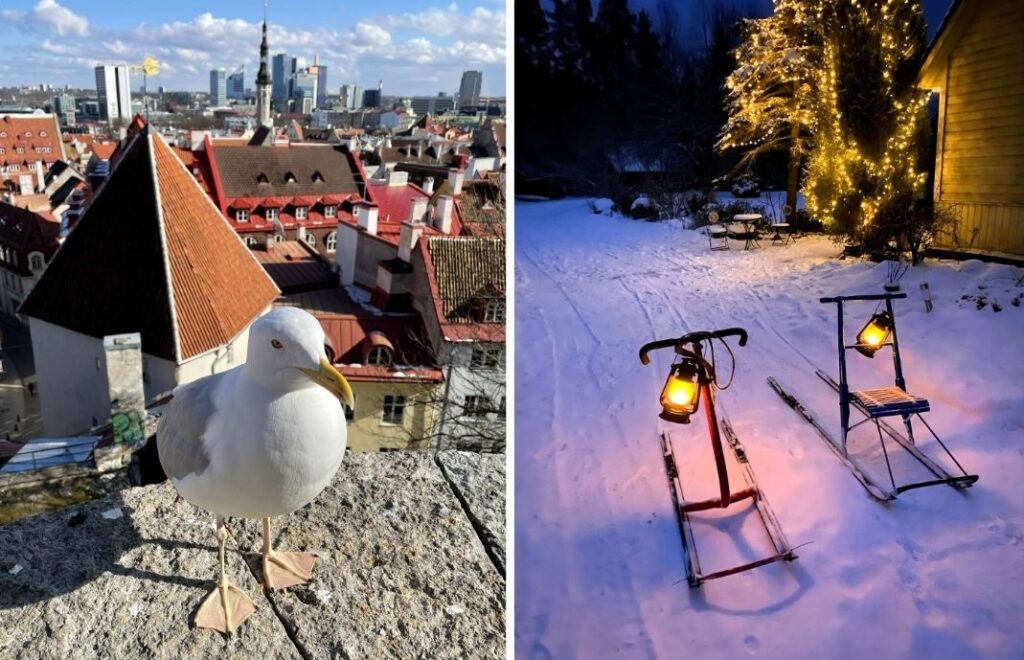
If you’re chasing long days, vibrant city life, and the warmest weather of the year, summer is the Baltic season that truly shines. From May to September, Lithuania, Latvia, and Estonia come alive – and so do their visitors.
By late May, the region begins to stretch toward its famous Nordic light. In June and July, daylight lingers well into the evening, especially in Estonia, where the sky barely darkens around the summer solstice. Outdoor cafés spill into cobbled streets, parks fill with locals, and the Baltic coastline transforms into a laid-back summer retreat.
Temperatures are generally pleasant rather than scorching, typically ranging between 18–25°C (64–77°F), though heatwaves do occasionally push higher. This makes summer ideal for exploring medieval old towns, cycling along forest trails, or spending slow afternoons by the sea. The white sand beaches of the Baltic coast – whether along Lithuania’s Curonian Spit, Latvia’s Gulf of Riga, or Estonia’s island-dotted shoreline – feel surprisingly spacious and unspoiled compared to southern Europe.
Summer is also festival season. From open-air concerts and food festivals to traditional midsummer celebrations, the cultural calendar is at its busiest. Cities like Vilnius, Riga, and Tallinn buzz with energy, yet they rarely feel overwhelmingly crowded. The Baltics still offer space – space to wander, breathe, and discover at your own pace.
July and August are peak travel months, with higher accommodation prices and more visitors, especially in the capitals. If you want the best balance between lively atmosphere and fewer crowds, late May, early June, or September can be particularly rewarding.
For many travelers, summer is the easiest and most comfortable introduction to the Baltic countries. It’s when everything feels open, accessible, and alive – and when you’ll understand why locals treasure these fleeting, light-filled months so deeply.
Festive winter celebrations (December to early January)
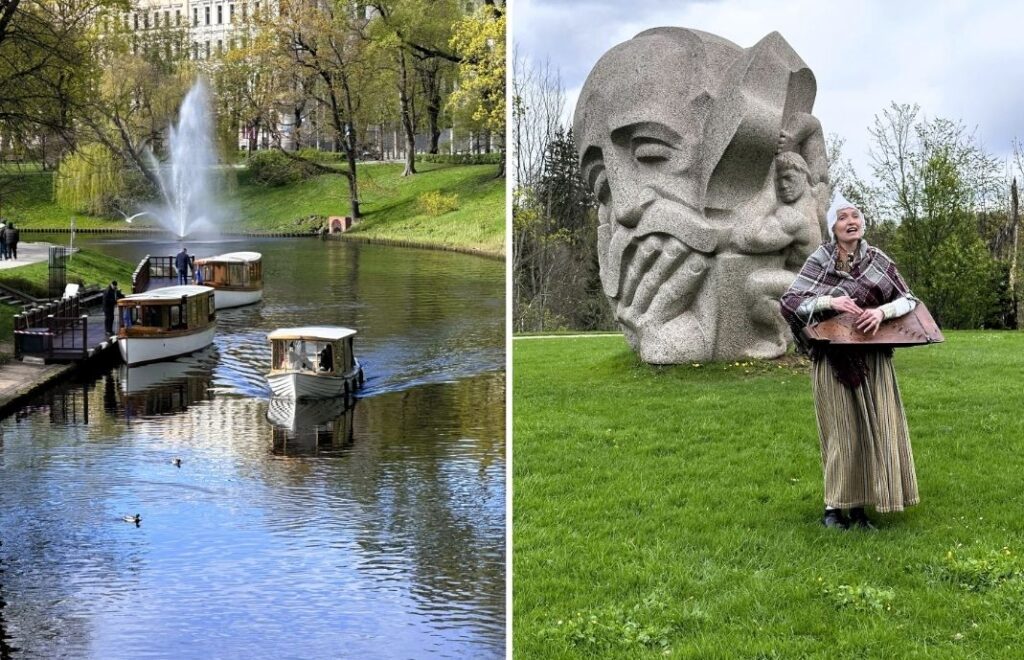
If summer in the Baltics is about light, winter is about atmosphere. From December through early January, Lithuania, Latvia, and Estonia transform into a scene straight out of a storybook. Imagine medieval squares glowing with fairy lights, the scent of mulled wine drifting through the air, and church bells echoing across snow-dusted rooftops.
This is the season when the region feels at its most magical.
The Christmas markets in Vilnius, Riga, and Tallinn are the heart of it all. Wooden stalls fill historic town squares, selling handmade crafts, woolen mittens, traditional pastries, and warm drinks that keep the Baltic chill at bay. Tallinn’s market, set against its perfectly preserved medieval Old Town, feels especially enchanting – a place where cobbled streets and Gothic spires seem made for winter.
Temperatures often drop below freezing, typically ranging from -10°C to 2°C (14–36°F), and snowfall adds to the charm – though it’s never guaranteed. Even without snow, the festive lights and decorations create warmth in contrast to the dark Nordic afternoons. With only a few hours of daylight in December, evenings arrive early, but that simply makes the candlelit cafés, and cozy restaurants feel even more inviting.
Beyond the markets, winter is also a time of tradition. Families gather, churches fill on Christmas Eve, and New Year’s celebrations bring fireworks to city skylines and castle backdrops. It’s a season deeply rooted in culture – intimate, atmospheric, and authentic.
Travel during this period means fewer tourists compared to summer, though holiday weeks can book up quickly. It’s ideal for travelers who appreciate mood over movement – who don’t mind bundling up and slowing down to enjoy architecture, museums, and long, hearty dinners.
Festive winter in the Baltics isn’t about beach days or long hikes. It’s about stepping into a fairytale setting and embracing the quiet beauty of Northern Europe at its most atmospheric.

Winter wonders (November to March)
If you’re drawn to raw landscapes, peaceful cities, and a more local rhythm of life, winter in the Baltics offers a completely different kind of beauty. From November to March, Lithuania, Latvia, and Estonia settle into their quiet season – colder, darker, and undeniably atmospheric.
This is when the crowds disappear and the region feels almost entirely yours.
Temperatures often hover around freezing, though deeper winter months can dip well below 0°C (32°F), especially inland. Snow is common between January and February, transforming forests, national parks, and medieval old towns into crisp white landscapes. Even on grey days, there’s a certain Nordic elegance to the scenery – frozen lakes, frost-covered trees, and a sky that feels vast and dramatic.
Winter is ideal for travelers who prefer culture over crowds. Museums, galleries, cafés, and historic sites remain open, offering a warm escape from the cold. You can wander through quiet cobbled streets without tour groups, enjoy uninterrupted views from castle towers, and settle into cozy restaurants where hearty Baltic dishes taste even better after a brisk walk.
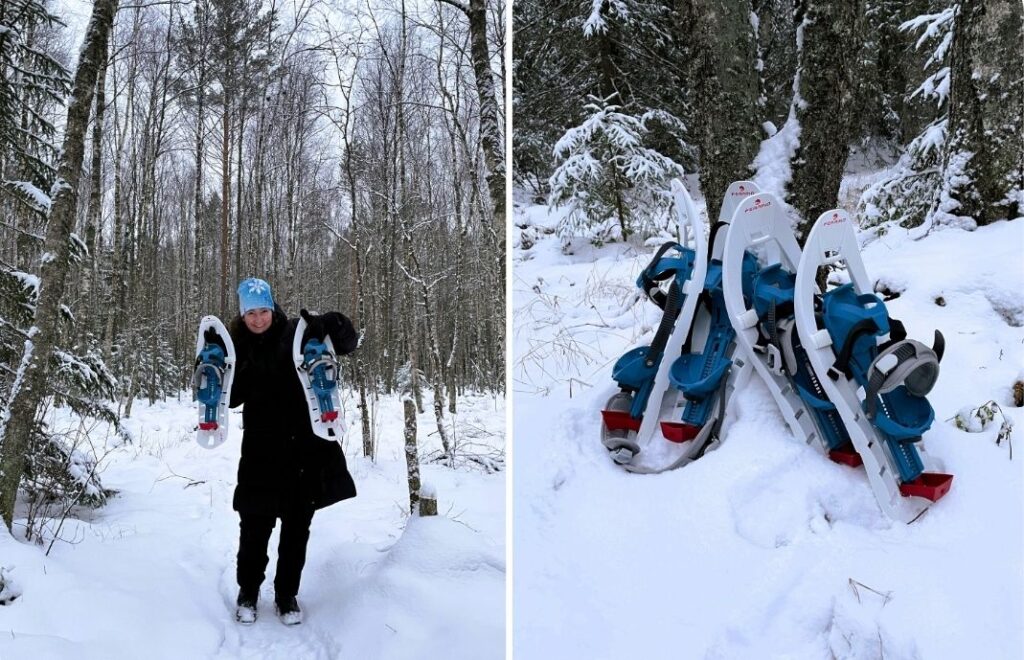
For the more adventurous, winter activities are also possible. Cross-country skiing, ice skating, and winter hikes in national parks reveal a side of the Baltics that many summer visitors never see. Estonia and Latvia, in particular, embrace outdoor winter life – and locals don’t let the cold keep them indoors.
November and March are transitional months. Early November can feel moody and misty, while March begins to hint at spring, with longer days and brighter skies. If you don’t mind shorter daylight hours – especially in December and January – winter rewards you with tranquility and authenticity.
Winter in the Baltics isn’t flashy. It’s subtle, calm, and deeply atmospheric. It invites you to slow down, dress warmly, and experience Northern Europe in its most understated and genuine form.
Off-peak exploration (April and October)
If you’re looking for balance – fewer tourists, softer light, and a more relaxed pace – April and October are the Baltic countries’ quiet sweet spots.
These shoulder-season months sit gently between extremes. The festive buzz of winter has faded, and the high-energy rhythm of summer hasn’t yet arrived (or has just passed). What remains is space – space to explore, reflect, and experience Lithuania, Latvia, and Estonia in a calmer, more intimate way.
In April, spring slowly unfolds. Parks begin to bloom, outdoor terraces reopen, and the days grow noticeably longer. Temperatures are still fresh, often ranging between 8–15°C (46–59°F), but the sense of renewal is unmistakable. It’s a wonderful time to explore historic old towns without crowds, wander through emerging green landscapes, and enjoy lower accommodation prices before the summer surge.
October, on the other hand, wraps the Baltics in warm autumn tones. Forests turn golden and amber – a fitting color in a region historically connected to the Baltic Sea’s treasured stone. Crisp air makes city walks especially enjoyable, and cafés feel extra inviting as evenings grow cooler. With temperatures typically between 7–14°C (45–57°F), it’s comfortable for sightseeing, hiking, and coastal strolls.
Both months offer better value, easier reservations, and a more local atmosphere. Attractions remain open, but lines are rare. Photography lovers will appreciate the soft light and dramatic skies, while travelers who prefer a slower pace will enjoy how accessible everything feels.
Off-peak travel in the Baltics isn’t about chasing extremes. It’s about experiencing the region without rushing – hearing your footsteps echo in a medieval alley, lingering longer at a viewpoint, or discovering a café that feels like it’s yours alone.
Sometimes, the best time to visit isn’t the busiest season. It’s the one that gives you room to truly experience the journey.