
If there is one thing Americans love, it’s candy.
American candy is bold, colorful, and unapologetically fun – just like the country itself. From chocolate bars and chewy gummies to sour treats and nostalgic classics, the United States offers a huge variety of sweets that appeal to every taste.
What makes American candy especially unique is its creativity. Expect unexpected flavor combinations, playful packaging, and a mix of textures that range from melt-in-your-mouth smooth to satisfyingly crunchy. Whether it’s iconic brands you’ve seen in movies or regional favorites you’ve never heard of, exploring American candy is a delicious way to experience a different side of American culture.
Here are 7 iconic American candies that you MUST try (and their fascinating stories):

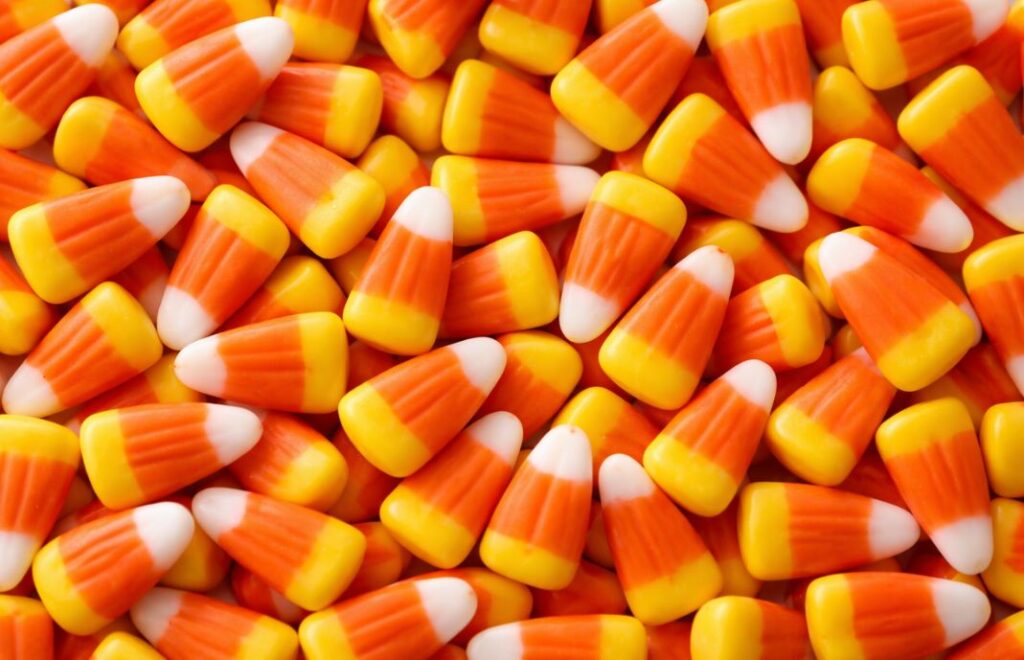
1. Candy corn / 1880s
In the 1880s, about half of the U.S. labor force was comprised of farmers. Many confectioners tried to market sweets by molding mellowcreme (a mix of corn syrup, sugar, gelatin, fondant and coloring) into the shapes of pumpkins, turnips and other agricultural products.
Candy corn followed suit. It was reportedly invented by George Renninger of the Wunderle Candy Company. But before World War I, corn as seen as cheap, and coarse foodstuff was meant for pigs and chickens rather than humans. So, the Goelitz Candy Company cribbed the recipe from Wunderle and began marketing the sweet as “chicken feed”.
By the 1950s candy corn had become America’s most highly advertised Halloween treat.
Today, the tricolor candy sells more than 15 875 733 kilos (35 million pounds) in America annually.
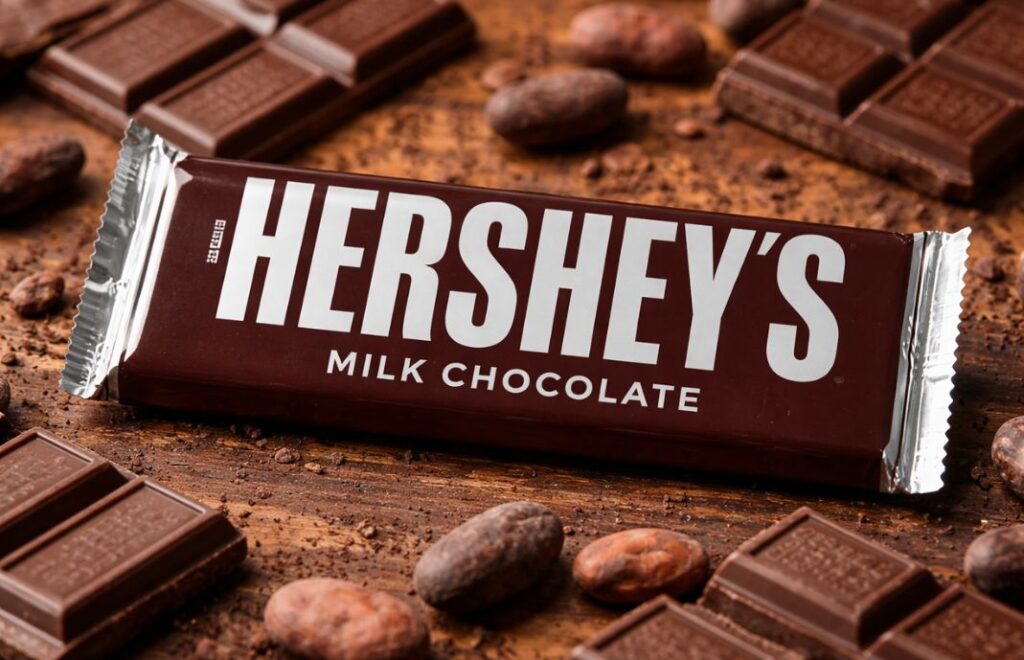
2. Hershey’s Milk Chocolate Bar / 1900
Everyone knows this famous chocolate bar but surprisingly enough, Hershey’s most popular candy is not the milky bar. That honor goes to Reese’s Pieces. However, Hershey’s milk chocolate bar is often recognized as America’s first iconic candy bar.
After being inspired by the German chocolate-making machinery exhibit at the 1893 World’s Colombian Exposition, American businessman Milton Hershey decided to enter the chocolate business himself. By 1899, his company had developed the first process for mass-producing chocolate in the U.S.
His first milk chocolate candy bar debuted in 1900. It was tailored specifically to the American palate, which did not favor darker European chocolate flavors. At a time when consumer markets were beginning to expand from regional to national, Hershey savvily branded the confection as the “Great American Chocolate Bar”.
It didn’t stop there. Hershey kept building on that national identity. During World War II, the company formed a partnership with the U.S. Army. They mass-produced millions of chocolate bar meant to fuel American troops to victory.
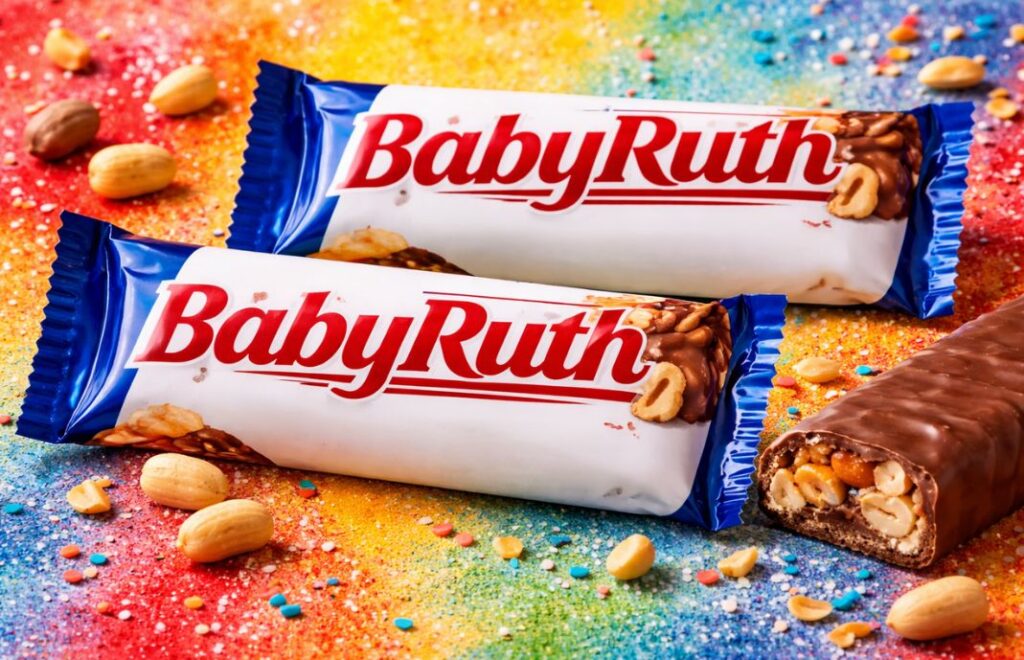
3. Baby Ruth / 1921
The Baby Ruth candy bar has a rather bizarre story behind it. A wonky story that involves baseball, a superstar athlete, a U.S. President’s daughter and a federal patent lawsuit.
In 1921, Otto Schnering’s Curtiss Candy Company in Chicago was struggling. He wanted desperately to revive it. So, he reformulated and rebranded its flagship “Kandy Kake” confection into a peanut, caramel and nougat-filled candy bar.
Otto also came up with a new name: Baby Ruth.
The name was conspicuously close to that of Babe Ruth, the era’s top sports superstar.
After some savvy marketing, the bar took off. By 1926, sales totaled $1 million a month, and the company’s candy-making facilities became the largest in the world.
That same year, Ruth (the baseball player) decided to create his own branded candy bar. But when the beloved slugger tried to register “Ruth’s Home Run Candy” with the U.S. Patent and Trademark Office, Curtiss sued him for copyright infringement.
The company also claimed it named their candy bar after Ruth Cleveland, daughter of former U.S. President Clover Cleveland. Not after the baseball star. Because “Baby Ruth”, as she had been nicknamed, wasn’t a pop culture figure and had died 17 years before the candy bar was invented, this was an odd explanation. Still, the court bought the argument and ruled against Babe Ruth.
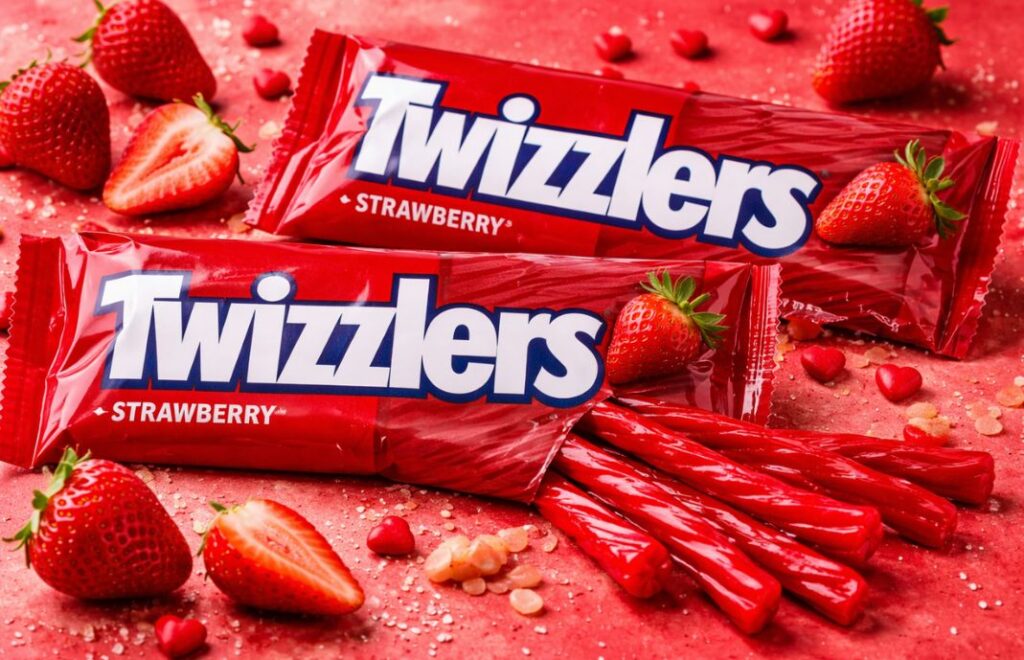
4. Twizzlers / 1929
Young & Smylie Confectionary Company is one America’s oldest candy producers. Since 1845 they have been known for their licorice treats. Their spiraled licorice whips debuted under the “Twizzlers” trademark in 1929. After the candy really took off in the 1960s, the Hersey Company acquired its maker, then called Y&S Candies, in 1977.
Not only have Twizzlers become a beloved American movie snack, but they are also likely one of the only candies in history credited with helping facilitate a complicated nuclear agreement. In 2015, negotiators from Iran, the U.S. and five other world powers reportedly consumed some 4,5 kilos (10 pounds) of strawberry Twizzlers during their tense, 19-day nuclear reduction talks. The famous candy was part of a comfort food diet that also included string cheese, Rice Krispie treats and more.
5. M&Ms /1941
After observing soldiers in the Spanish Civil War eating chocolate pellets covered in candy shell (which prevented melting), chocolatier Forrest Mars came up with the idea to create and sell a similar confection. He patented his manufacturing process and the protective coating, and debuted M&Ms in 1941.
Soon after, Mars entered into an exclusive partnership with the U.S. military. During World War II he was to supply American G.I.s M&Ms as part of their ration packages.
But M&Ms durability made them a boon beyond the battlefield. In 1981, they became the first candy to launch into space after being requested by the crew of Colombia, NASA’s first space shuttle.
Filmmakers originally intended to use M&Ms to lure E.T. in the 1982 film, but manufacturer Mars Inc. turned down the product placement offer. They feared the alien might scare children and rejected the proposal. Hershey’s then agreed to use Reese’s Pieces instead, leading to a massive increase in sales.

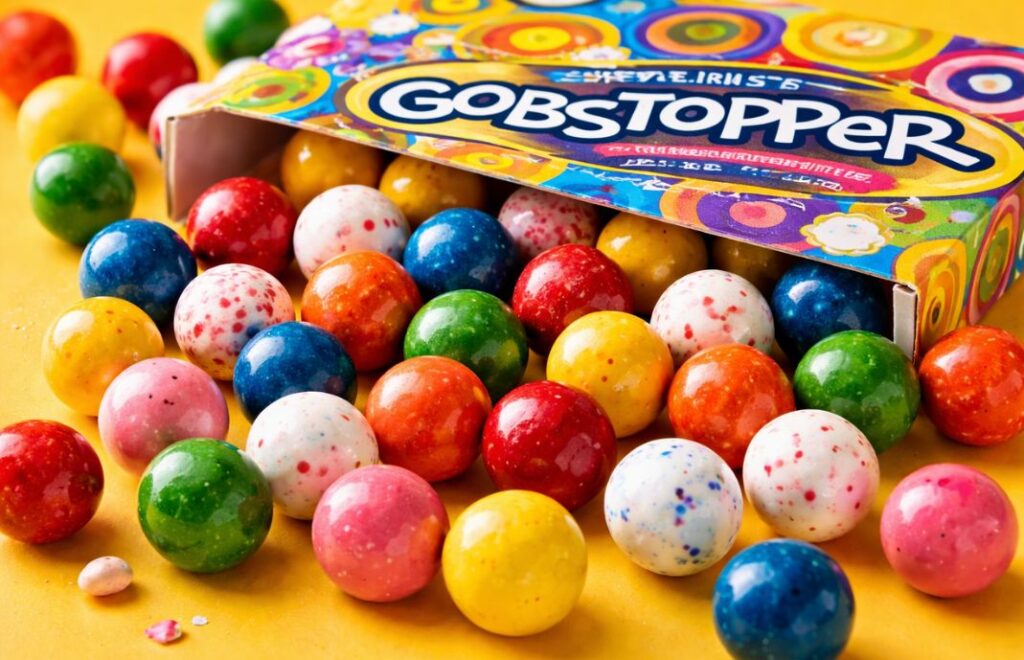
6. Gobstoppers / 1976
The everlasting Gobstopper may have originated as a fictional sweet treat in Roald Dahl’s novel Charlie and the Chocolate Factory (1964). But the colorful jawbreakers became a reality after breakfast cereal manufacturer Quaker Oats decided to expand into the confection business. With a few hiccups.
Their initial plan? Back a movie version of the book and sell Wonka-themed candy tie-ins like Peanut Butter Oompas and Super Skrunch chocolate bars, produced by affiliate company Breaker Confections.
Willy Wonka and the Chocolate Factory (1971), the first film financed by the food company, splashed Dahl’s candy fantasia on screen, complete with a chocolate river, giant gummy bear trees, cream-filled toadstools and more. But Wonka boomed colossally at the box office and the Wonka candies flopped. Gobstoppers didn’t hit the market for another five years.
Over time, as the film achieved cult-classic status, the colorful, multi-layered and multi-flavored Gobstoppers grew in popularity. It helped moved the candy market away from plain chocolate bars and etching their own spot in American candy love.
7. Sour Patch Kids / 1970s
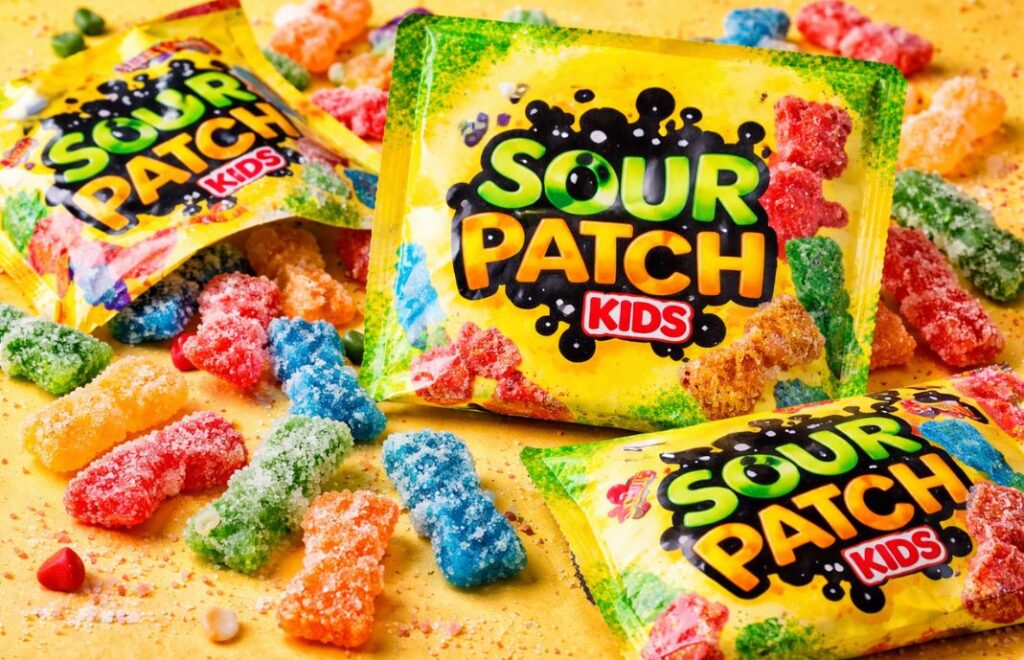
This mouth-puckering, sweet-and-sour candy was invented by Canadian marketer Frank Galatolie for the import company Janet International. The treats were a branding play meant to capitalize on America’s obsession with all things outer space. Back then, the treats were called Mars Men.
But in 1985, when they were brought over the border to be sold in the U.S., another craze, Cabbage Patch Kids dolls, inspired an iconic rebrand. Ditching the martian-shaped jellies, the company rebranded the candy into a more friendly human shape. They also changed its name to Sout Patch Kids. The rebrand worked, and Sour Patch Kids became the top-selling jelly candy in America.
Fun facts
Every piece of American candy is more than just flavors. Her are some fun and surprising facts, and a glimpse of a cultur with a taste for the sweet life.
- The U.S. confection industry (chocolate, caramels, gummies, hard candy and more) stands as a $13 billion annual behemoth.
- On Halloween alone, Americans spend some $3 billion on sweets.
- Candies have also played an important role in U.S. history. They’ve bolstered the economy at home and fueled the soldiers at war.
- Sweets have inspired and defined American pop culture, set legal precedent and even helped ease tensions during diplomatic standoffs.
So, I don’t see any reasons why you should not keep enjoying these iconic American candies!
Source: History.com
