
Imagine a picturesque city that dates to medieval times, where the smell of gingerbread lingers in the air. A city where beautiful buildings whisper stories from the past and time slows down. It’s a city forever associated with the famous Velká pardubická steeplechase. Horses are so important to the city that it even has a (halved) horse in its emblem. Here, fairytale-looking buildings are waiting to reveal their secrets, and your palate will be thrilled by the local flavors.
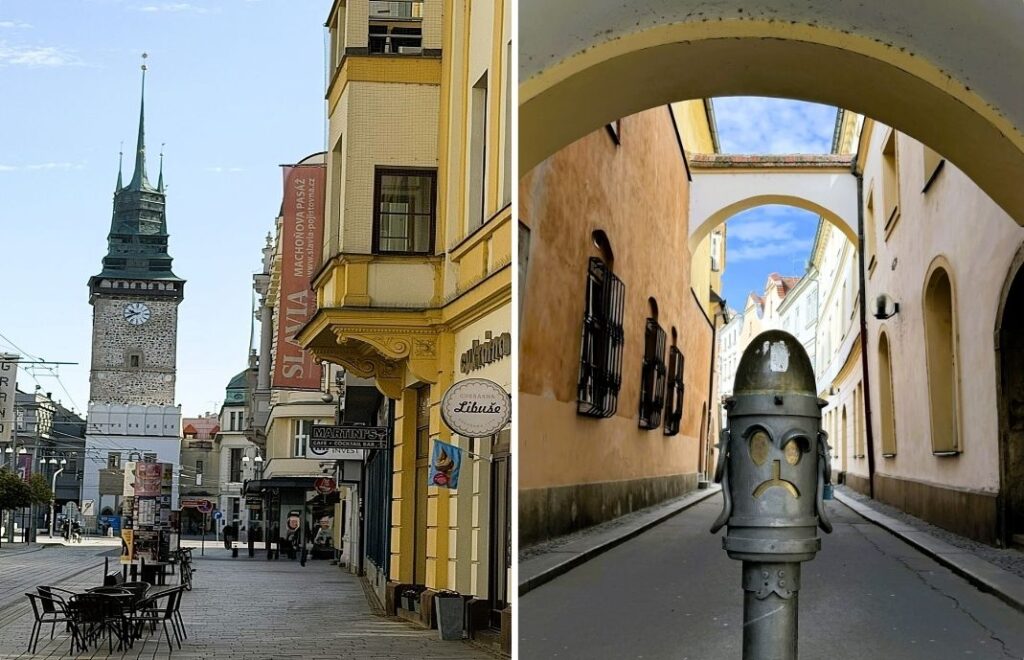
Pardubice lies on the Labe lowlands, surrounded by a landscape marked with meadows, deciduous forests and historic canals reminiscent of a big chateau park. This charming city is one of those overlooked places in the Czech Republic, a perfect option for a day trip from Prague. However, there is plenty to see and do, so I recommend you stay at least one night.
In Pardubice, every pastel façade and quiet square feels like a page half-forgotten in a storybook -waiting for you to step in and finish the tale.
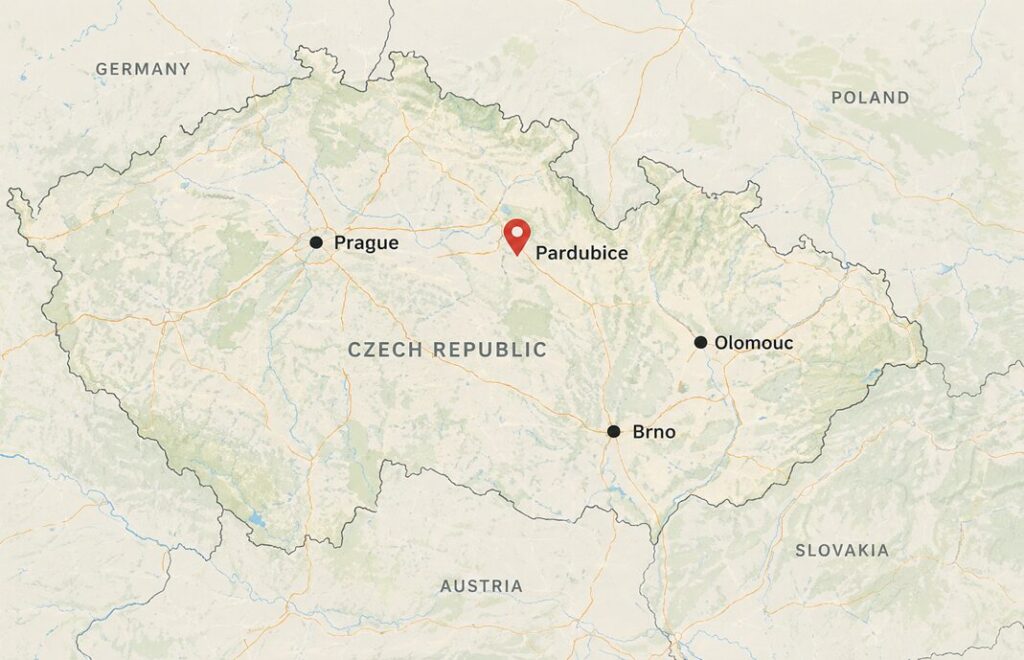
Where is Pardubice?
This beautiful city is located in East Bohemia and lies at the confluence of the Elbe and Chrudimka rivers. With a population of a little more than 90,000 inhabitants, Pardubice is the 9th largest city in the Czech Republic.
It is located 104 kilometers east of Prague. Olomouc is 140 kilometers away and Brno is 150 kilometers away. This makes Pardubice an easy trip from the most popular places in the country, well connected by rail.
The history of Pardubice
Pardubice dates to medieval times, and was first mentioned in 1295. It boomed after 1491, when the city was bought by the mightiest nobleman and steward of the Czech Kingdom – Vilem of Pernstein. He chose Pardubice as the center of his manor and started to build a town which corresponded to his status.
As you stroll through the city, make sure you thank the Pernstein family for the beautiful historical center, with its Renaissance square, which has been a conservation area since 1964. The Pernstein family is also responsible for turning the former castle into a comfortable palace, surrounded by a massive fort.
Another important milestone came in 1845 when a train passed through Pardubice for the first time. The town became an important an important railway junction. With that came the development of agriculture, engineering, and chemical industries. This brought with it the development of social and culture life. In 1874, the world-famous horse race, The Great Pardubice Steeplechase, took place here for the first time.
Today, Pardubice is proud not only of its long tradition of horse racing and gingerbread making, but also of the Golden Helmet speedway race.
A horse cut in half
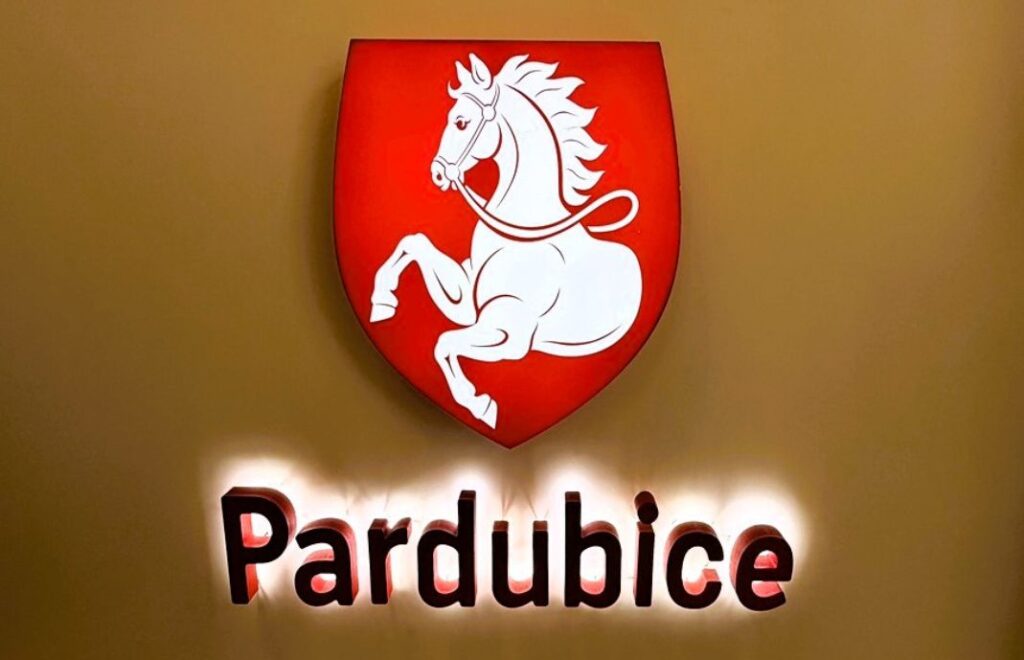
Pardubice is famous for its horse races, so it makes perfect sense that there is a horse in its coat of arms. But why is the horse cut in half?
In 1158 Ješek of Pardubice was fighting in the campaign waged by Emperor Frederick Barbarossa. He managed to escape the enemy besieging Milan, but when Ješek was riding through the city gate, the iron portcullis cut his horse in half, right through the middle. However, the brave warrior didn’t want to leave the horse that had served him faithfully through many years at the mercy of the enemy, and he dragged his horse away with all his might.
After this courageous deed Ješek was made an aristocrat and became the legendary founder of the Lords of Pardubice, whose coat of arms was adopted by the town of Pardubice.
Things to do in Pardubice
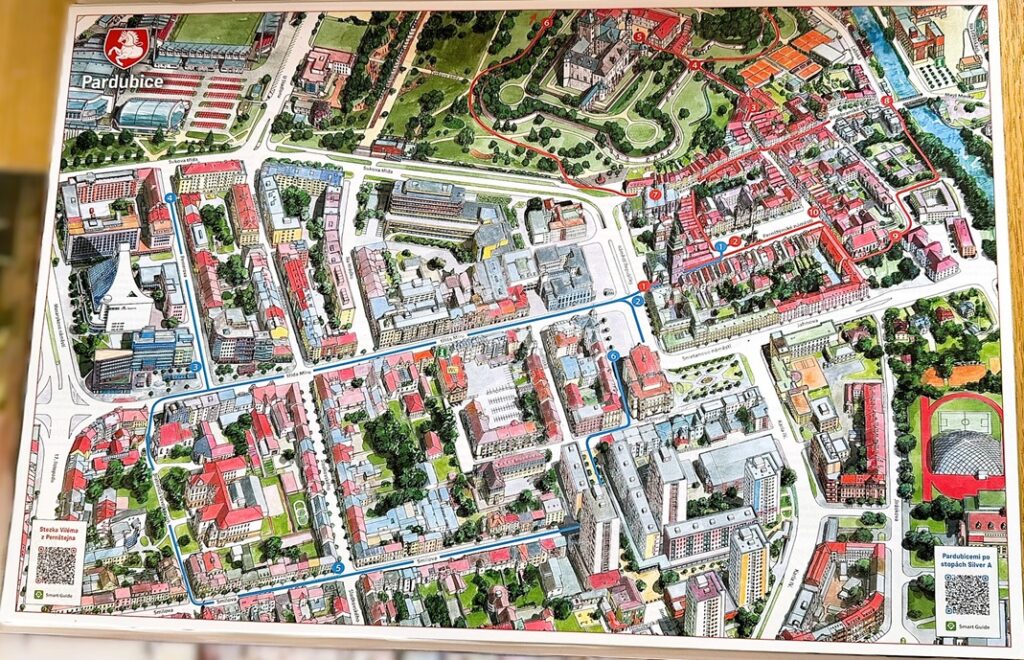
In Pardubice, the rhythm of the town reveals itself slowly. The city is best felt wandering through its arcaded squares, where Renaissance façades glow softly in the afternoon light.
Start in the historic heart, where elegant buildings frame peaceful streets, inviting you to linger a little longer than planned. Step inside Pardubice Castle, a striking blend of fortress and Renaissance residence. Here, it is easy to imagine centuries of stories unfolding behind its walls.
Climb the iconic Green Gate for sweeping views over terracotta rooftops, then wander down again to discover the town’s sweeter side. Pardubice is famous for its gingerbread, a tradition that lingers in the scent of local bakeries.
Follow the riverside paths along the Elbe, where the locals cycle and stroll, or time your visit with the legendary Velká Pardubická – a thrilling glimpse into one of the Czech Republic’s most storied traditions.
Pernštýnské Square
This is the beating heart of Pardubice’s historic center. It is a quiet, elegant space where time seems to soften around the edges.
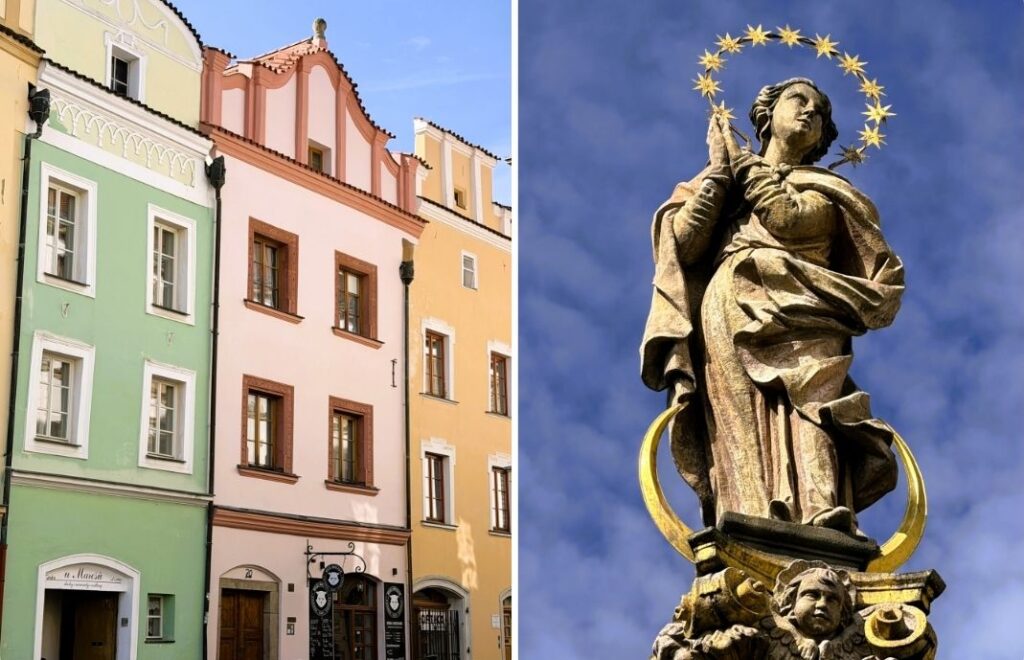
The square is surrounded by pastel-colored townhouses and graceful arcades, and it invites you to wander around at a slow pace, admiring the thirty historic houses. Here, you can see several architectural periods represented, from late Gothic to Renaissance, Baroque, and Classicism.
In the middle of the square you will see the Trinity Column, a commemoration for those who lost their lives during the plague in the 17th century. The column also asks for grace for the city and its inhabitants.
It is also home to the city hall, the House of Jonah, as well as a library, cafes, small shops, and restaurants. Throughout the year, the square hosts festivals, concerts, Christmas markets, and other traditional events.
The Pardubice City Hall
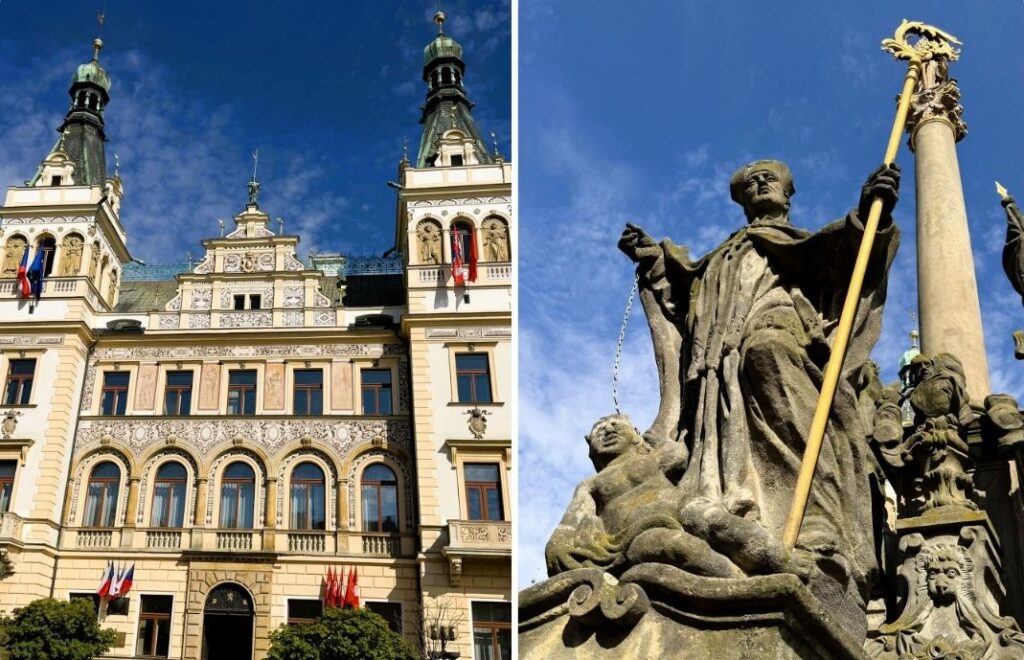
This impressive building was built between 1892 and 1894 and is one of the most distinctive buildings on Pernštýnské Square. It was designed by architect Jan Wejrych and is a large Neo-Renaissance complex.
Above the façade stands a statue of a knight, the symbolic guardian of the city. The façade is also decorated with medallions of Czech kings, including Charles IV, George of Poděbrady and Rudolf II.
When you step inside, you will find decorative frescoes by Karel Klusáček, representing four virtues associated with good city governance.
The Green Gate
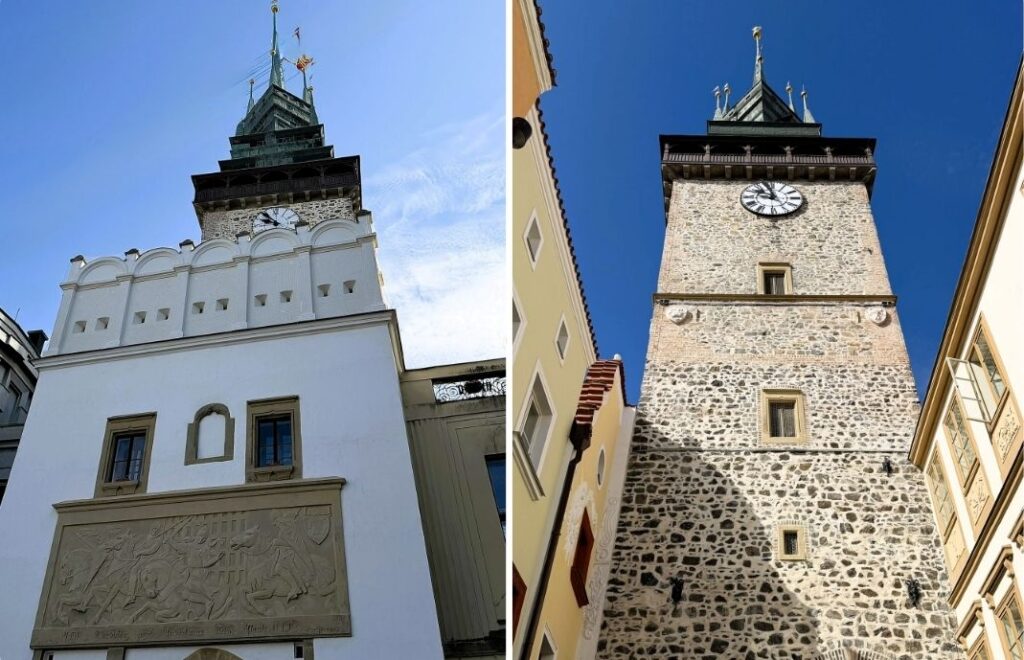
This is one of Pardubice’s most recognizable landmarks and marks the entrance to the historic center. Rising to nearly 60 meters, it dominates the skyline and is a proud reminder of Pardubice’s history and ambition. Climb to the top, and you’ll be rewarded with a breathtaking view of the historic center.
The Green Gate actually consists of two parts – the gateway and the tower – but it is perceived as a single monument. Its story is closely tied to the town’s fortifications, but its earliest history remains a mystery.
Originally known as the Prague Gate, it marked the road leading towards the capital. After a devasting fire in 1538, the gate was rebuilt in Renaissance style. A tall tower was added, crowned with an ornate roof of turrets and a central spire. It was once covered in shining copper, glittering in the sun. Time passed and gave it its characteristic green patina – and its present-day name.
As you explore the Green Gate, you will be transformed back in time. It is easy to picture the watchmen keeping guard from above, hear the trumpeters playing, and listen to the tower signaling the evening curfew.
The Green Gate is a survivor. It has experienced fires, structural strain, and even plans for demolition. Being a beloved symbol, demolition was stopped thanks to public protests.
Pardubice Castle
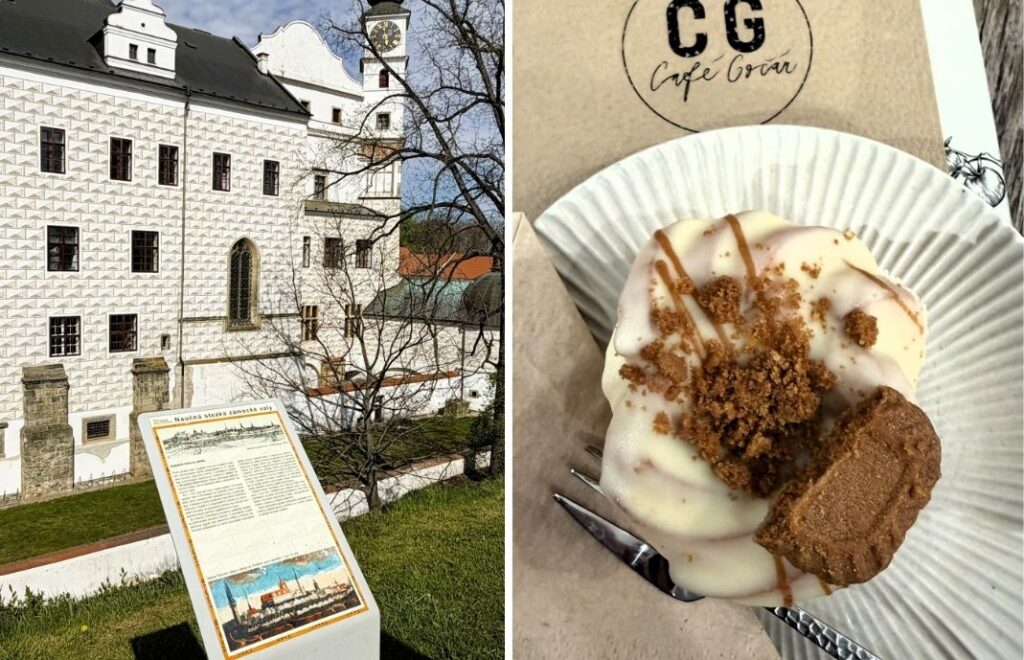
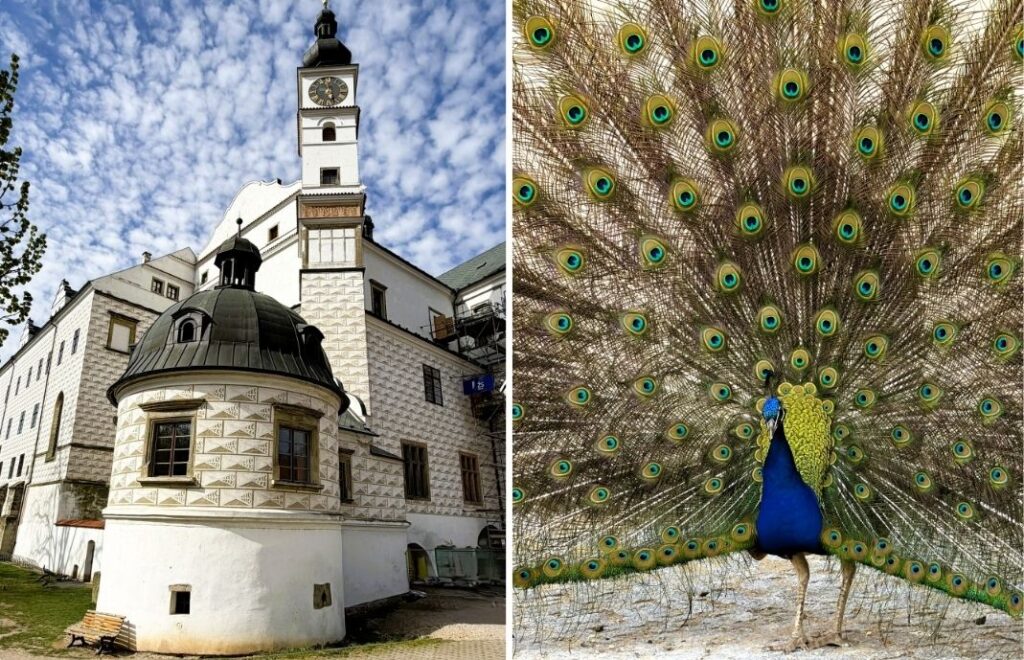
Set just beyond the town’s gentle bustle, Pardubice Castle feels like a place caught between eras – part medieval fortress, part refined Renaissance residence. Its sturdy walls and decorative sgraffito hint at both strength and elegance, while the quiet courtyards invite you to slow down and take it all in. There’s a certain calm here, as if the castle has long outgrown its need for defense and now simply stands as a graceful keeper of the town’s history.
The castle is closely associated with the noble Pernštejn family, who played a key role in shaping the city’s history.
Start your visit by wandering along the castle ramparts or climbing the castle tower. Don’t be alarmed if you hear a loud, piercing, and harsh cry during your walk. It is not a ghost or a human in need. Instead, the “may-awe” or shrill “bu-girk” are made by the castle’s many peacocks, who strut around the property. These amazing creatures scream to sound alarm and call to other peacocks. Or maybe they just want your attention so you can take a picture of them while displaying their feathers.
Visitors can explore the impressive Knight’s Hall, the Chapel of the Three Kings, and a Civil Defense Shelter, offering insight into the Cold War period. Pardubice Castle is also home to the remarkable wall painting Fortuna Volubilis (The Fickle Fortune), considered the oldest painted nude in the Czech Republic.
The East Bohemian Museum, located within the castle, presents a diverse range of exhibitions focused on regional history, art and nature.
Automatic Mills
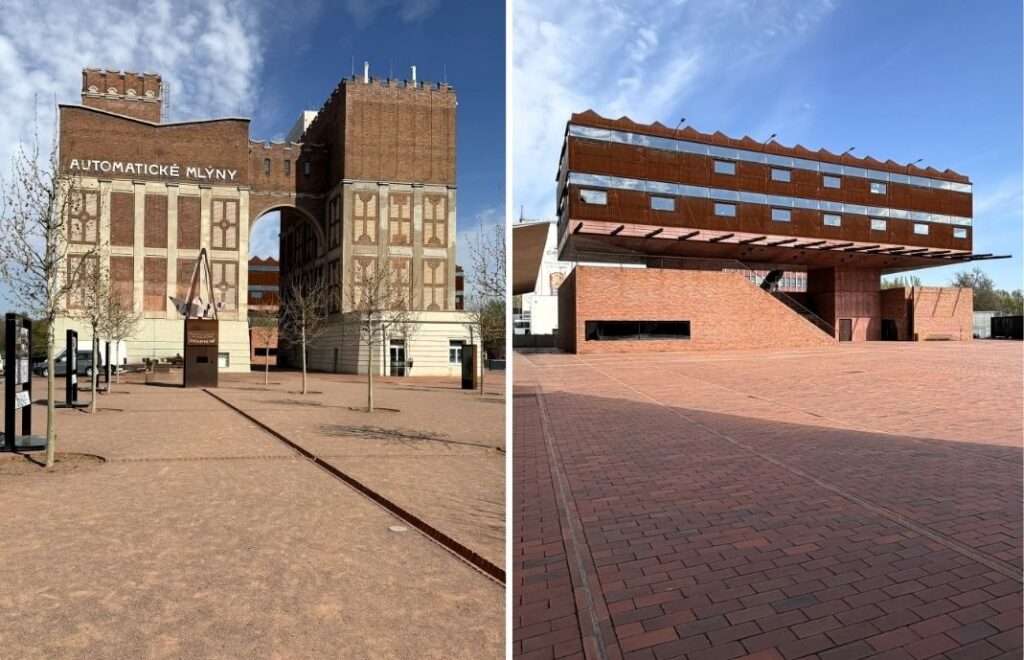
Rising along the Chrudimka River, at the edge of Pardubice’s historic center, stands the striking building of the Automatic Mills. It tells a different story – one of bold architectural and reinvention.
Once a working industrial site, its striking design now feels almost sculptural, blending history with creative, modern energy. As you wander through the revitalized spaces, it’s easy to sense how the past has been carefully reimagined rather than erased, giving the area a quietly compelling edge.
The complex was built in 1910 based on a design by architect Josef Gočár for the Winternitz brothers. At the time, it represented a technologically advanced operation powered by electricity from a nearby hydroelectric plant.
After more than one hundred years of continuous operation, the mills closed in 2013. It did not take long before it was declared a National Cultural Monument. Since 2016, the former industrial site has been gradually transformed into a vibrant cultural and social district.
Today, the area is home to several key institutions, and hosts exhibitions, markets, concerts, and theater performances.
What you can experience:
- Gočár Gallery
- GAMPA – Gallery of the City of Pardubice
- Sféra – an innovative educational center
- Silo – Automatic Mills Foundation
The sweet tradition of gingerbread
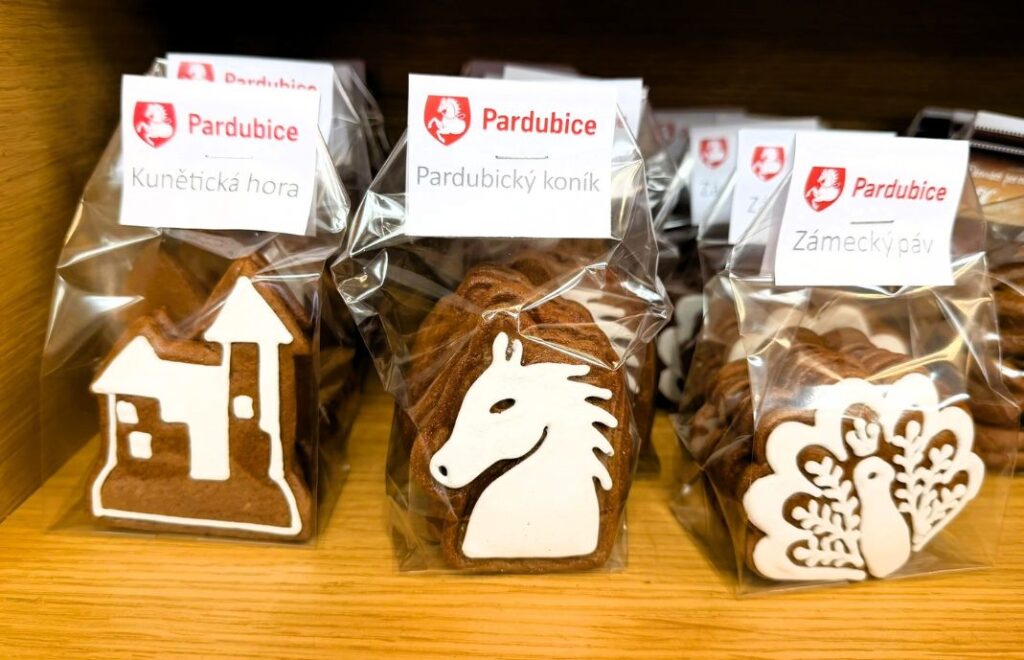
In Pardubice, gingerbread is more than a sweet treat. It’s a centuries-old craft woven into the town’s identity. Known locally as Pardubický perník, the tradition of gingerbread making dates to the 16th century. But the main boom in production did not come until the turn of the 20th century.
The bakers of Pardubice use special ingredients that are strictly kept secret. The original recipe included honey, flour, and pepper. The last ingredient gave the product its Czech name – a mix called “pepernik” (later “Pernik”).
The gingerbread dough is cut into various shapes, the heart being the most popular shape. They can also be round or shaped like various figures. These delicately spiced creations are decorated with remarkable care, turning simple ingredients into edible works of art.
Gingerbread from Pardubice is famous for its quality. The manual production guarantees that it does not go bad or turn rancid, and the shape and decoration can last for years. It might harden, but that’s not a problem either.
The tradition lingers in the air of local bakeries, where the scent of honey and spices feels like a warm invitation to taste a piece of Pardubice’s history.
You can learn more about this tasty tradition at the Gingerbread Cottage and Gingerbread Museum (near Kunětická hora Castle) or during the annual Gingerbread Festival held at Pardubice Castle.
National Stud at Kladruby nad Labem
Just a short journey (30 minutes by car) from Pardubice, is a magical place called the National Stud at Kladruby nad Labem. It unfolds across a serene landscape shaped as much by history as by nature.
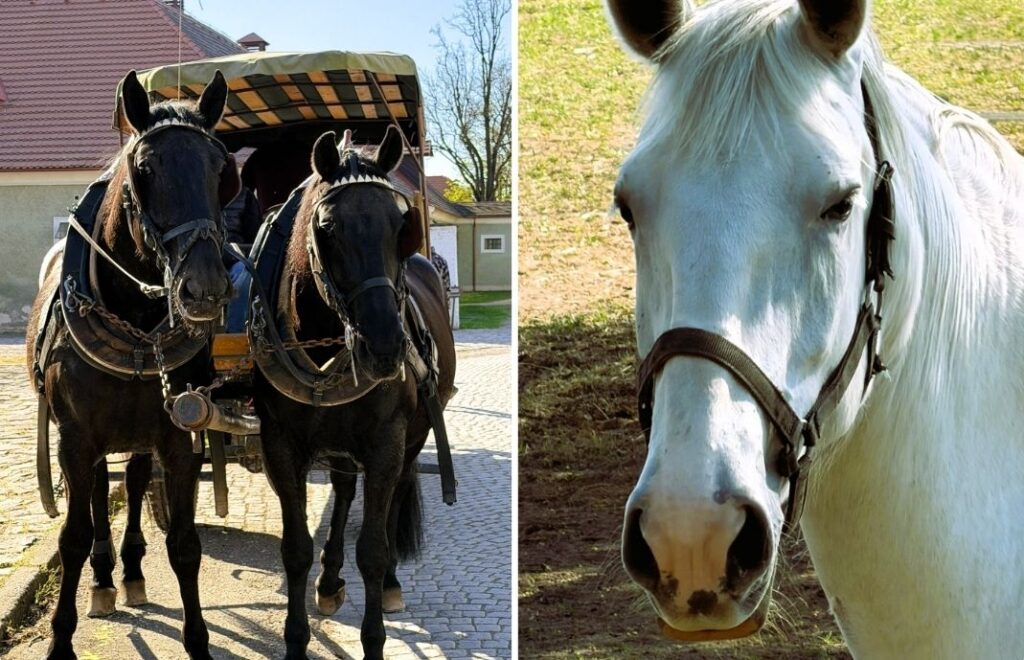
In addition to being amongst the oldest establishments of its kind in the world, the stud is home to the oldest indigenous Czech horse breed – the Kladruber. It’s a horse breed that was selectively bred (probably as the only breed in the world) specifically for ceremonial purposes. The tradition goes back at least to the 14th century.
This UNESCO-listed site is well worth a visit, and there’s something quietly majestic about watching the horses move through the open pastures. The National Stud keeps around 500 Kladruber horses in two color variations: 250 grey and 250 black.
What you can do:
- Take a ride on a coach drawn by Kladrubers.
- A guided tour of the stables, the coach room with the Kladruber Horse Exhibit, and of the Chateau.
- Take a tour of the forester’s lodge.
- Climb up a hill with a viewing tower offering a unique view of the stud and its surroundings.
Here, at the National Stud at Kladruby nad Labem, the entire setting feels almost timeless. It’s a place where grand tradition, careful breeding, and the rhythm of the countryside come together in perfect harmony.
My warmest gratitude to Czech Tourism for inviting me. My flights, accommodation, meals, transportation, and activities were covered. There were no requirements from the partners regarding posts on social media or promotion. Options and photos (unless otherwise stated) are entirely my own.
