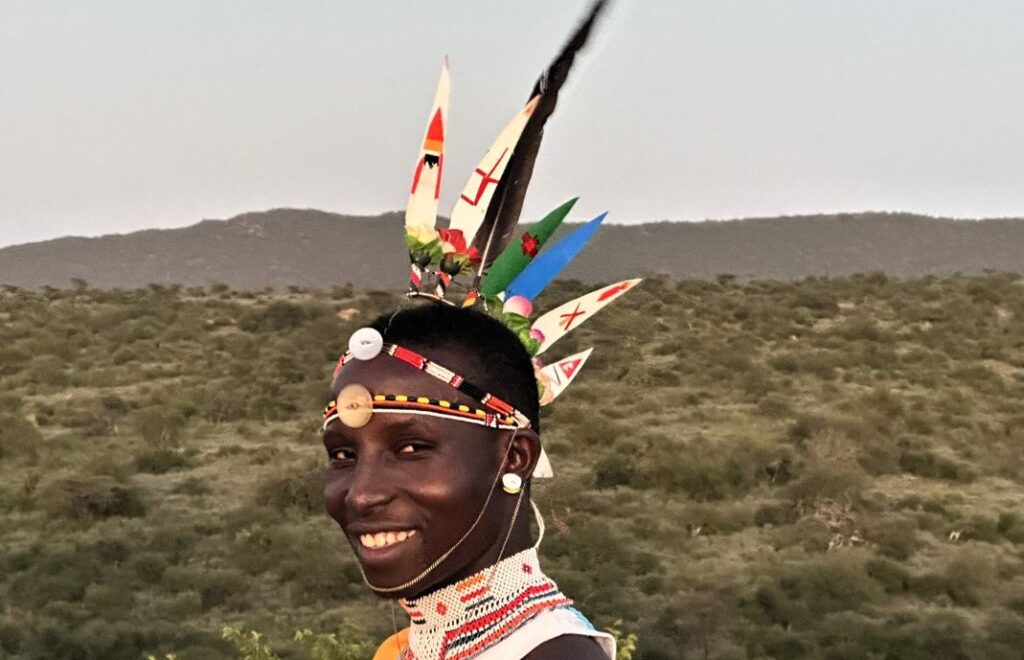
Safari travel comes with its own language. It’s a world of game drives, sundowners, bush breakfasts, Big Five sightings, hides, trackers, conservancies, and tented camps. At first, some of these words may sound confusing, but they are part of what makes the safari experience so rich and exciting.
Understanding common safari terms helps you feel more prepared before you go. It makes it easier to read itineraries, compare lodges, understand what is included, and know what to expect once you arrive in the bush.
This safari glossary is a simple guide to the words and phrases you are most likely to hear before and during your trip – from wildlife and guiding terms to lodging life, conservation, and classic safari traditions.
General safari words
Binos
Short for binoculars, which is an essential part of your safari. Although animals can get close to the vehicle, a high-quality pair of binoculars are a necessary tool for great wildlife viewing. Binos are especially important if you are birdwatching.
Boma
Your luxury safari is not complete unless you enjoy a dinner in a boma. Imagine sitting in a traditional enclosure, with a roaring fire, under the stars and enjoying a tasty meal. A perfect open-air venue and a memorable meal for sure.
Braai
This is a popular South African pastime. A braai is when meat is cooked over an open fire, which remains lit for the duration of the braai.
Bush
It’s a loose term used to describe any savanna or grassland inhabited by big game. It is commonly used all over Africa.
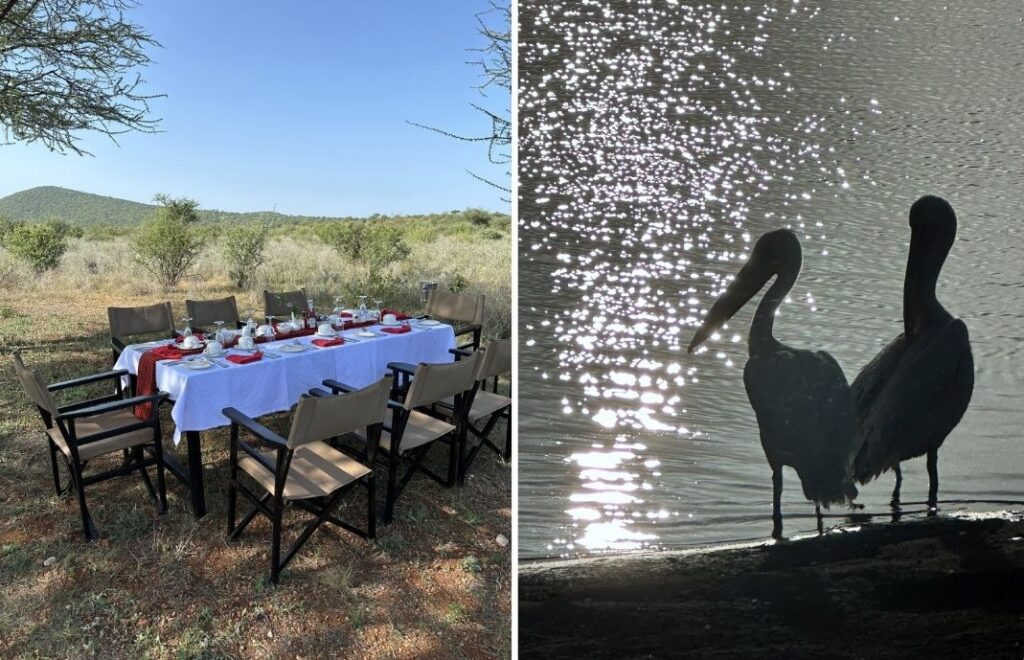
Bush breakfast
This is a unique (and tasty) way to start your day whilst on safari. You will walk or drive to a specially selected, idyllic place in the wilderness where everything is prepared and waiting for you.
Charter flight
It’s a light aircraft that is scheduled just for your or a small group. These small planes make for a unique experience as you soar over the untamed wilderness. The view is picturesque and magnificent. Charter flights are also used to connect you to the most remote destinations in Africa.
Conservancy
These are designated areas of a national park or other public reserves that are privately maintained to manage and preserve wildlife and the environment.
Dry season
In safari terms, dry season refers to the dry winter months of a destination where animals seek out and congregate in their masses around waterholes and rivers to drink. This makes it easier to find the animals. Dry season is also known as peak or high season and is considered the best time to go on a safari as vegetation also thins out.
Endemic
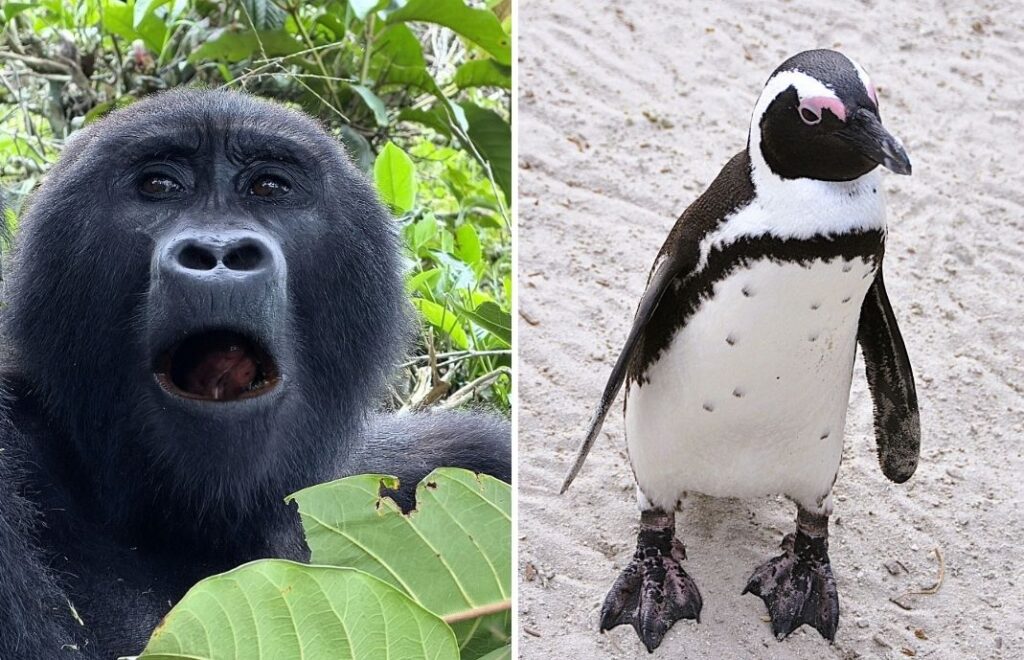
Plants and animals that are native and restricted to a certain place. A few animals that are endemic to Africa include giraffes, gorillas, hippos, ostrich, Grevy’s zebra, Hartebeest, and African penguins.
Game drive
You have not been to Africa is you haven’t done at least one game drive. It’s an excursion to find some of Africa’s most iconic and elusive wildlife. A game drive is led by a guide who is familiar with the terrain and can lead to the most amazing sightings. On some game drives you can also have a tracker, who specializes in reading natural signs to find the animals.
Game Ranger
This is the person responsible for the management of wildlife reserves or national parks. A game ranger’s duties include the continued well-being of wildlife, population management, game capture and introductions, and environmental education. They can also form part of anti-poaching units, which is a vital part of conservation.
Game reserve
These are large areas of land set aside as a protected area for wildlife. A game reserve is also known as a wildlife reserve or game park.
Some of the biggest and most famous game reserves in Africa include Serengeti National Park (Tanzania), Kruger National Park (South Africa), and Masai Mara National Reserve (Kenya).
Gin & Tonic
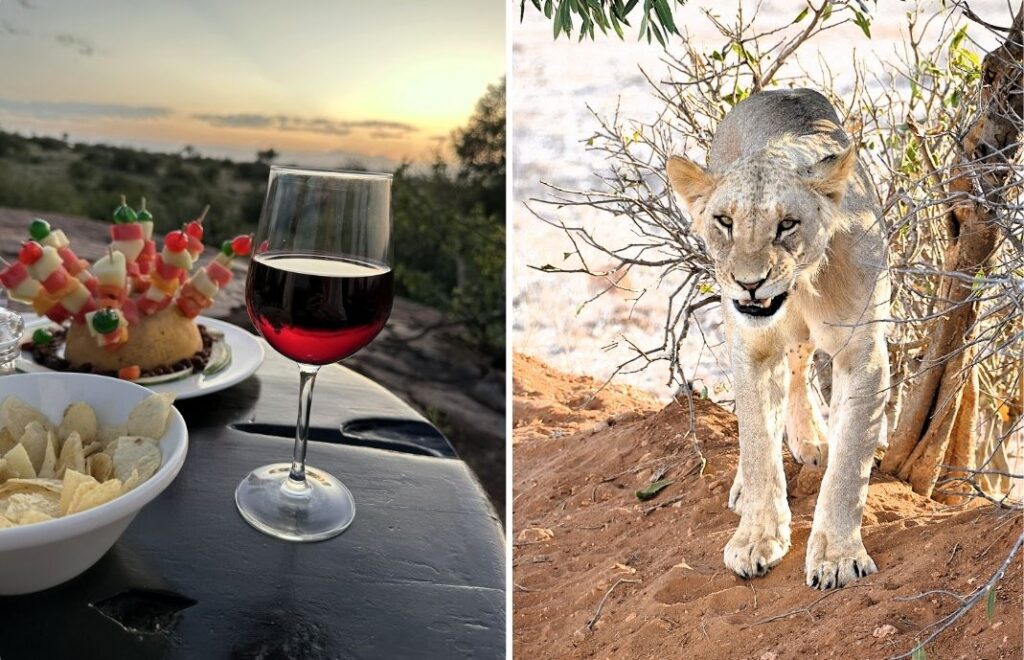
G&T is arguable the most popular drink on safari. The highball cocktail, comprising gin and tonic water poured over a large amount of ice, is the perfect sundowner at the end of an incredible day.
Green season
It refers to a specific period in Africa that falls within the warm, rainy months. The green season is a well-kept secret and is the perfect time to explore a country at its greenest and quietest. This is when nature is in its fullest bloom.
Green season is considered a low period for safari as wildlife may be harder to spot among the abundance of new leaves and tall grass. The advantage is less visitors and lower rates at the lodges.
Guide
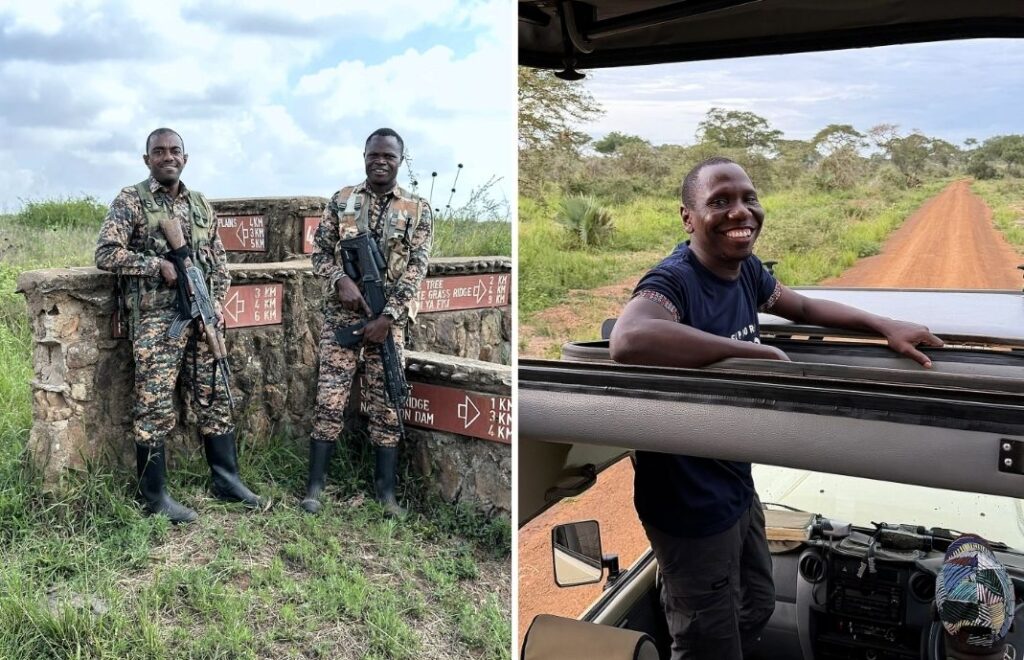
A knowledgeable guide is essential and adds extra value to your safari. They provide interesting and educational insights into all the elements of nature and wildlife. He or she will be a great addition to your safari, whether you are looking for wildlife on foot or from the vehicle.
Hides
Safari lodges and camps use hides as camouflage or semi-subterranean shelter that provides a closer look at the wildlife passing by or stopping at a waterhole. A hide is a great way to get that perfect photo.
High season
It is also known as peak or dry season and refers to the best time for safaris. Wildlife sighting is at its best, but keep in mind that you will not be alone in the park. Visitor numbers are high and rates at lodges/camps increase as well.
Indigenous
Animals, plants, and people originating or occurring naturally in a particular place. Pangolins, hyenas, hyrax, puff adders, and Cape buffalo are all animals that are indigenous to Africa.
Kopje
This Dutch word translates to ‘little head’ and is often used to refer to small hills or rocky islands jutting out of the plain. The word is mostly heard when you are in Serengeti National Park (Tanzania).
Lodge
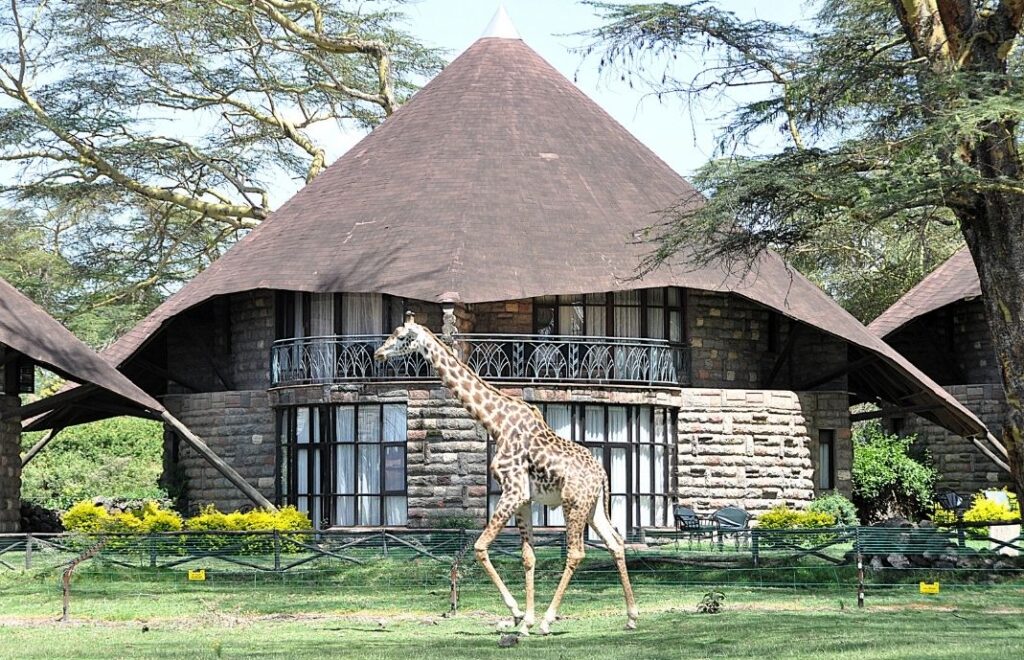
Any safari accommodation that consists of permanent concrete stone or wood buildings and structures. They also tend to be bigger and provide more amenities than safari camps.
Long rains
This is the time of year when Africa experiences heavy downpours and prolonged periods of rain. The long rain usually occurs before and after peak seasons.
Low season
It refers to the time when Africa sees the lowest number of visitors on safari. It is also known as green season.
Midden
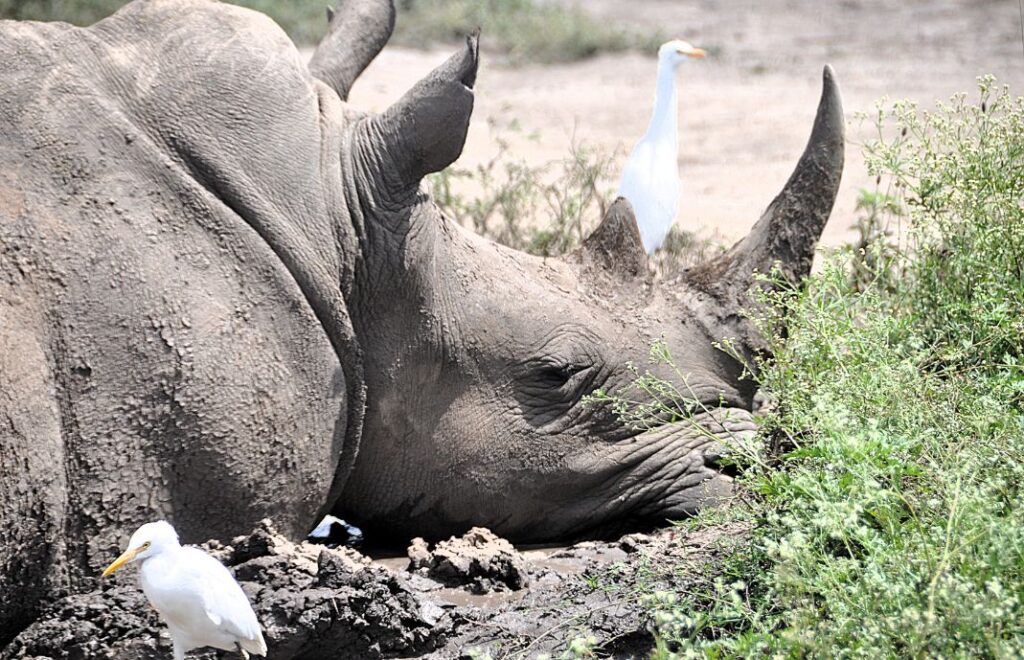
It’s an animal dung heap or area of communal defection. White rhinos are known to make use of middens, which can be over three meters wide.
Mobile camp
These are lavish, tented affairs with all the comforts of a lodge and the added advantages of moving as you explore. They are semi-permanent or mobile-tented accommodation and take inspiration from the vintage-style camps used by early European explorers.
Mobile camps operate according to the seasons and/or follow the movement of wildlife. They are common in Serengeti and Masai Mara where they follow the Great Migration.
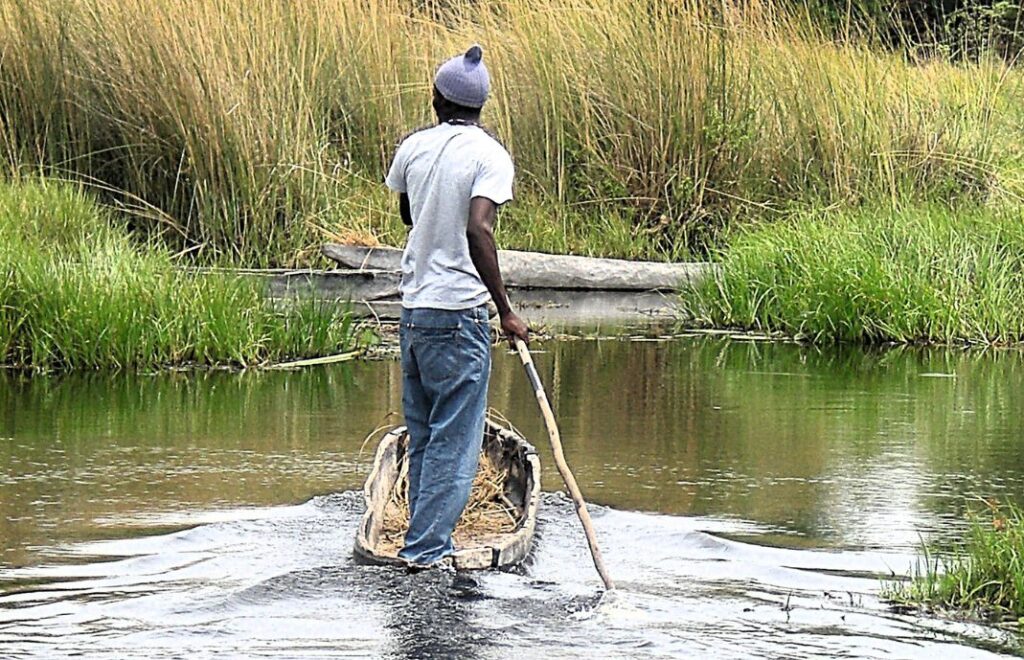
Mokoro
A traditional dugout canoe that are propelled by pushing a pole from the stern of the boat. Mokoros are commonly used in the Okavango Delta (Botswana) and on the Chobe River (Botswana).
National Park
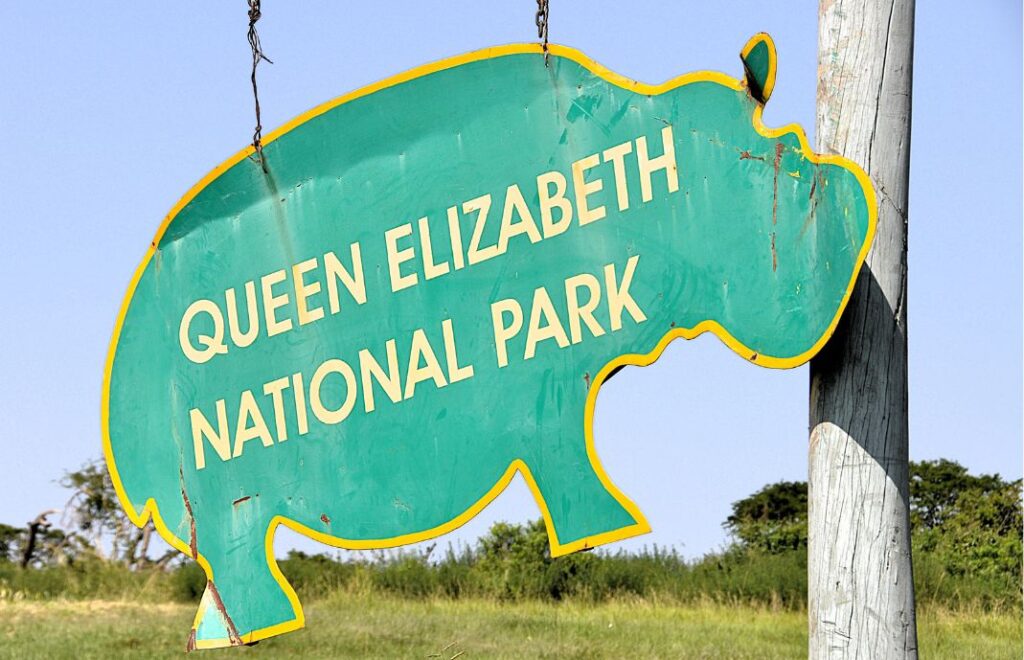
A dedicated area set aside by a national government for the preservation of the natural environment and the wildlife that inhabits it.
Nature reserve
These are designated tracts of land managed by a national government or private entity to preserve flora, fauna and keeping the environment pristine.
Nature walks
This is a perfect way to connect with the African bush. It is an active thrill that goes beyond a game drive vehicle and takes to closer to nature. You head out with a guide and your feet tread in the tracks of wildlife – and all your senses are heightened.
Night game drive
A game drive in a 4×4 vehicle that takes you into the bush after dark. The guide uses a powerful spotlight to observe Africa’s nocturnal creatures, such as leopards, bush babies, and honey badges.
Open borders
This refers to private reserves that share an unfenced boundary with a larger national park or game reserve, allowing wildlife to move freely between the two areas.
Pap
A traditional maize-based porridge and a staple food in Southern Africa. It is also known as mieliepap.
Private concessions
These are specific areas of a national park or other public reserves that are leased to or owned by a safari operator, lodge, or camp for private use. They are run independently from the park itself. Private concessions offer an exclusive safari experience that includes activities not offered to those in the park, such as night game drives.
Private-/Exclusive-use
This refers to a safari home-away-from-home where a lodge or camp can be completely booked out by one party. Exclusive use usually means that children of all ages are welcome and that you have full access to a private safari vehicle with a personal game ranger for the duration of your stay. You also have other luxury and personalized services, like a butler or private chef.
Rondavel
A traditional African hut that is circular in shape and has a conical thatched roof.
Rutting season
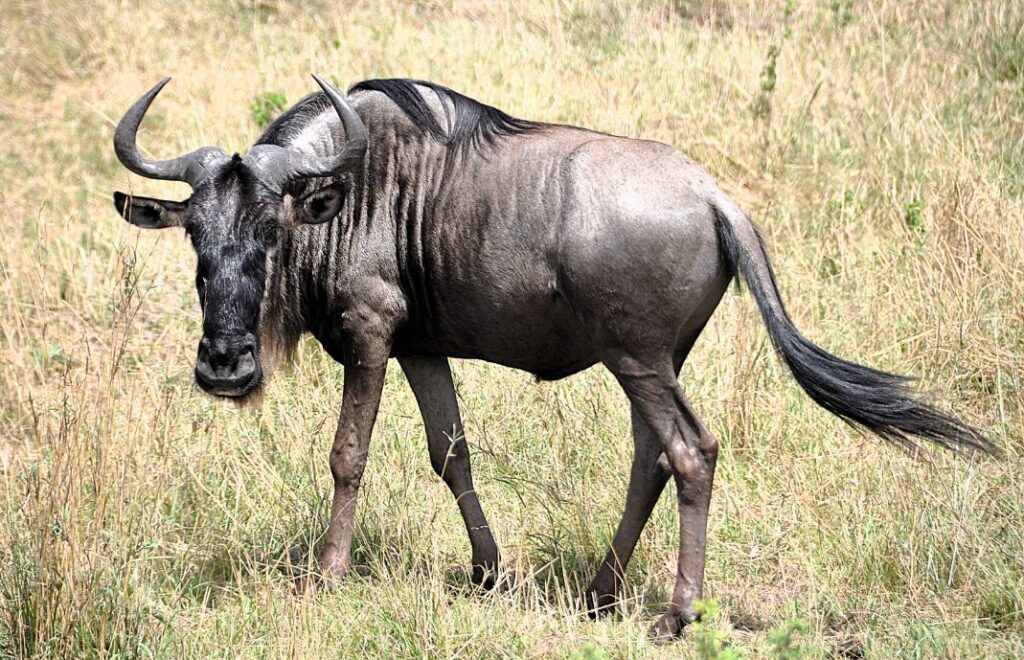
During the Great Wildebeest Migration, April to June is referred to as rutting (breeding) season. This is one of nature’s most amazing displays. It is when males fight for dominance in a noisy and violent affair for patches of prime grazing, and half a million wildebeest mate.
Safari
A well-known term which originates from the Swahili word ‘safari’, which means ‘journey’.
Safari vehicle
Large 4×4 vehicles that are modified according to specific regulations that endure the safety and comfort of visitors on safari.
Savanna
A grassy plain found in tropical and subtropical regions with few trees and scattered bushes. The savanna ecosystem has only two seasons: Wet and dry.
Short rains
This is the time of the year when East Africa and coastal areas on the continent experience periodic and impressive afternoon thunderstorms.
Shoulder season
This is the transitional months between winter and summer. It’s the in-between period where it is not quite low season, but also not peak season.
Star beds
This safari adventure allows you to sleep out under the stars in a treehouse-like, open-air room. Only a mosquito net is between you and the starlit sky. Imagine falling asleep to the sounds of nature, and maybe the roar of lion.
Sundowner
This is one of the most popular rituals on a safari. A sundowner is the perfect way to end an adventurous day. It involves stopping at a scenic location or a lookout, having a few drinks and watching a famed African sunset.
Sustainable travel
This means minimizing the negative impact that trips can have into something positive for wildlife conservation, the empowerment of local communities and protecting the environment. Sustainable travel supports the idea of traveling mindfully.
The Great Migration
Welcome to nature’s greatest show which takes place in the ecosystems of Serengeti and Masai Mara. The Great Migration is an annual event and the largest animal migration in the world. It sees over two million animals, including zebra, wildebeest, and gazelle, migrate between the two regions in circular journey each year. In their path, herds of predators follow.
Tracker
A tracker’s job is to show remarkable skill in following animal tracks to locate wildlife in the area. Many game viewing experiences include the presence of a tracker to enhance the activity.
Ugali
It’s a maize or cassava-based porridge that is often served with fish, meat or vegetables. Ugali is a traditional dish served throughout East African countries, especially in Tanzania.
Wet season
The warm, rainy months in Africa are also known as rainy season or green season. Even though the animals are a bit harder to spot due to the abundance of vegetation, it is one of the best times to go on safari. There are usually less visitors and lower rates for accommodation. Best of all: You get to witness an abundance of newborn life.
Wildlife safari terms
Big Five
This refers to five of Africa’s most iconic safari animals: lion, leopard, elephant, rhino, and buffalo.
The term “Big Five” originally came from big-game hunting, where these animals were considered the most dangerous and difficult to hunt on foot. Today, the meaning has changed in safari tourism. Seeing the Big Five is now one of the most famous wildlife experiences in Africa, and for many travelers, it is a highlight of their safari.
Bush baby
Also known as galagos, bush babies are saucer-eyed primates that spend most of their lives in trees. They are small nocturnal primates native to continental, sub-Sahara Africa.
Crepuscular
Animals that prefer to be active or appear during the time of day before the sun goes down or just after the sun rises. You’ll find these animals skulking in the land when the light is not too bright. Crepuscular animals include lions and bats.
Dagga Boys
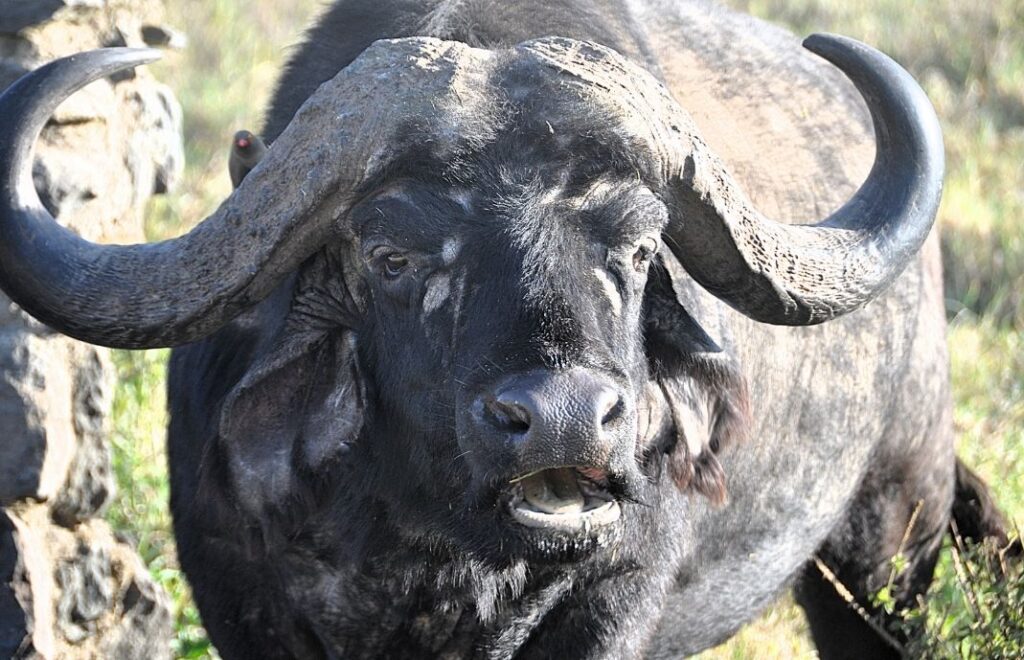
Solitary older male buffalos are sometimes referred to as Dagga Boys (dagga means mud). The term is used when the male has been forced out of the herd by young, virile bulls, or have fallen behind the herd due to their need for softer vegetation.
Diurnal animals
Animals that are active during the day and sleep at night. Diurnal animals include elephants and meerkats.
Flatdogs
A nickname for crocodiles, commonly used in Southern African countries like Zambia.
Little Five
Don’t forget to keep your eyes out for the Little Five when on safari. This charming group of animals includes the ant lion, leopard tortoise, buffalo weaver, elephant shrew, and rhino beetle.
Nocturnal
Animals that prefer to be active at night and are usually spotted on night drives. Nocturnal animals include leopards, bush babies, and porcupines.
Pangolin
An endangered insect-eating mammal that are covered in distinctive overlapping scales to ward of predators in the wild. Pangolins are solitary and mostly active at night, and as a result, are one of the rarest animals to see on safari.
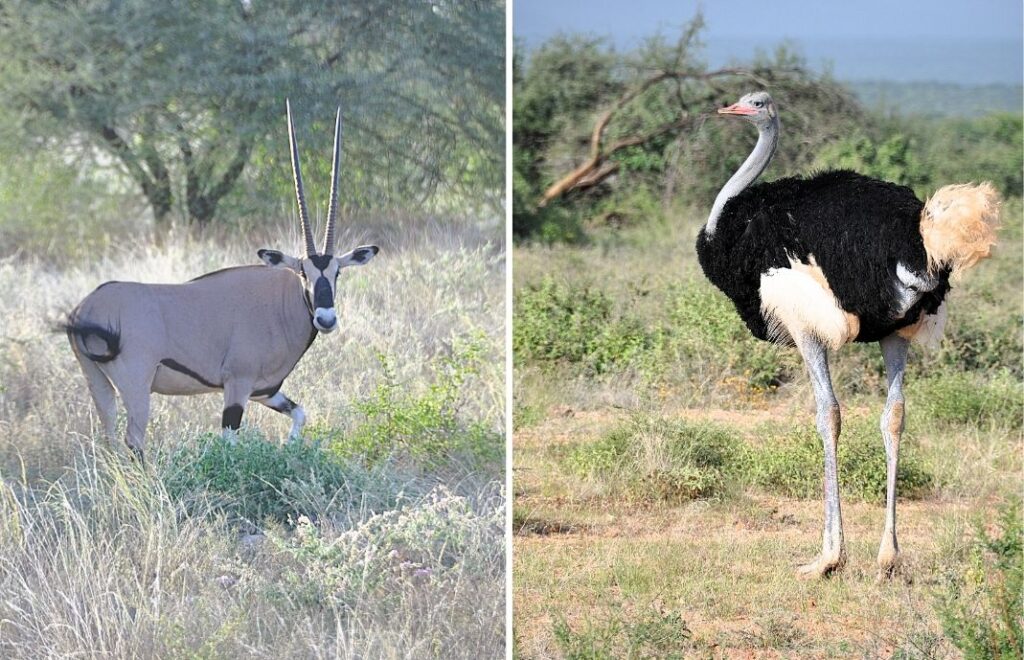
Special Five
Another unique collection of Africa’s incredible wildlife. The Special Five consists of reticulated giraffe, Grevy’s zebra, Somali ostrich, Beisa oryx, and gerenuk.
You can spot all five on a safari in Samburu National Park, Kenya.
More inspiration: Samburu’s Special Five
TseTse flies
Large biting flies that live off feeding on blood of vertebrae animals. TseTse flies are found in sub-Saharan Africa.
Tusker
Tuskers are elephants or wild boars with prominent, well-developed tusks.
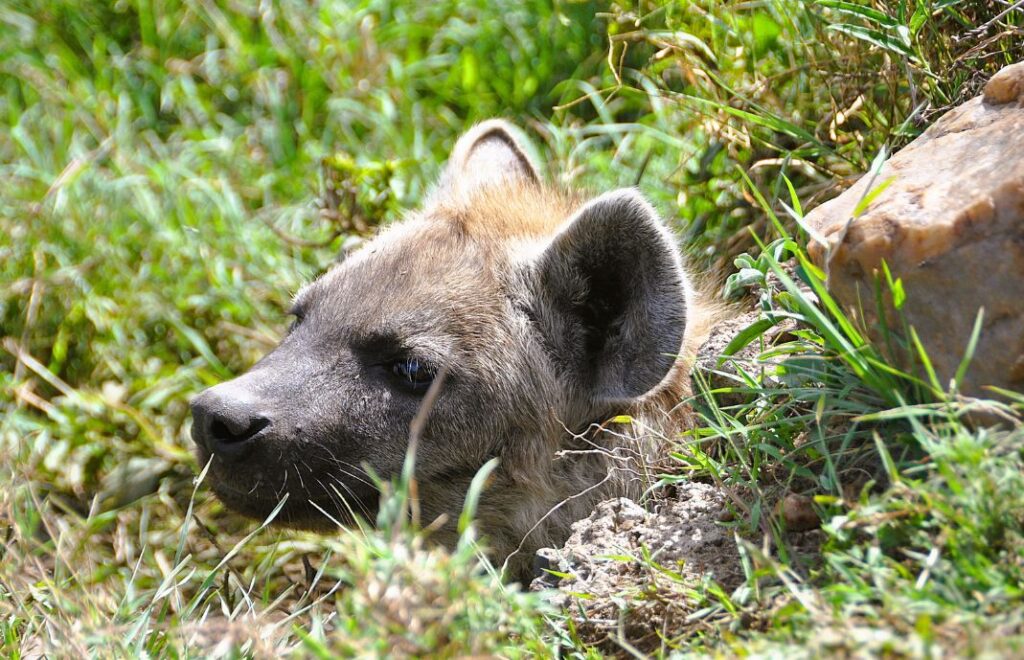
Ugly Five
This group of animals consists of spotted hyena, warthog, wildebeest, marabou stork, and vultures. They got the name as they are superficially unattractive creatures (so wrong in my opinion). The fact is that they are fascinating and fun to watch when on safari.
African culture terminology
Hadzabe Tribe
The Hadzabe, also known as the Hadza, are an Indigenous hunter-gatherer people living mainly around Lake Eyasi in northern Tanzania. They are known for their deep knowledge of the land, traditional hunting skills, gathering of wild foods, and distinctive click-based language.
Himba Tribe
The Himba are an Indigenous semi-nomadic people living mainly in northern Namibia, especially in the Kunene region. They are known for their distinctive traditions, cattle-based lifestyle, elaborate hairstyles, and the red ochre mixture called otjize, which is applied to the skin and hair.
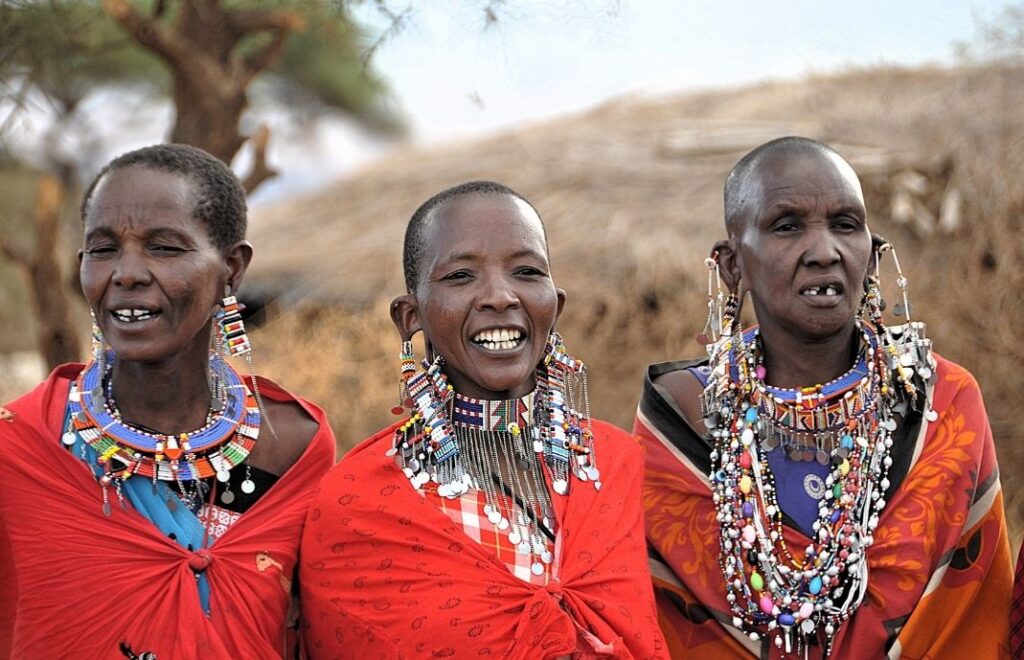
The Maasai
The Maasai are a semi-nomadic people living mainly in Kenya and northern Tanzania. They are one of East Africa’s most recognized communities, known for their colorful shuka cloth, beadwork, cattle-herding traditions, and strong cultural identity.
Many safari travelers encounter Maasai culture near famous wildlife areas such as the Maasai Mara, Amboseli, and northern Tanzania.
Khoisan
Revered as the first people of South Africa, especially communities historically known for hunter-gatherer and pastoralist traditions. The Khoisan are closely associated with some of the world’s oldest human lineages, deep knowledge of arid landscapes, rock art, storytelling, and languages with distinctive click sounds.
Samburu tribe
The Samburu are a semi-nomadic people living mainly in northern Kenya, in the dry landscapes around Samburu, Buffalo Springs, and Shaba National Reserves. They are closely related to the Maasai and are known for their colorful clothing, beadwork, cattle-herding traditions, and strong connection to the land.
Southern Ndebele tribe
The Southern Ndebele are a South African people known for their vibrant art, colorful geometric house paintings, beadwork, and strong visual traditions. Their striking designs are one of the most recognizable forms of cultural expression in southern Africa.
Southern Ndebele culture is also known for traditional dress, especially the elaborate beadwork worn by women during ceremonies and important life events.
Zulu tribe
The Zulu are one of South Africa’s largest ethnic groups, with deep roots in KwaZulu-Natal. They are known for their powerful history, strong cultural identity, beadwork, music, dance, storytelling, and the legacy of the Zulu Kingdom.
Note
Learning about the different tribes and cultures will add meaningful context to your journey through Africa. Cultural visits should be approached with respect, through responsible local guides and experiences that support communities and present the heritage as a living, evolving culture.