
Some houses are built to impress. Others are designed for comfort. But every once in a while, you come across a house that feels as though it has been created from the pages of a storybook. Abbotsford House, the remarkable home of Sir Walter Scott, is one of those places.
For Scott, one of Scotland’s most celebrated writers, a house was never going to be just a place to live. It had to reflect his imagination, his fascination with Scotland’s past, and his extraordinary talent for storytelling. The result was Abbotsford, a wonderfully eccentric creation where medieval romance, Scottish history, and personal treasures come together in a way that could only have been dreamed up by a man who spent his life bringing stories to life.
To visit Abbotsford House is to step inside the imagination of Sir Walter Scott himself. And as you wander through its extraordinary rooms, you begin to understand that perhaps the greatest story he ever created was the home he built for himself.
A home filled with imagination
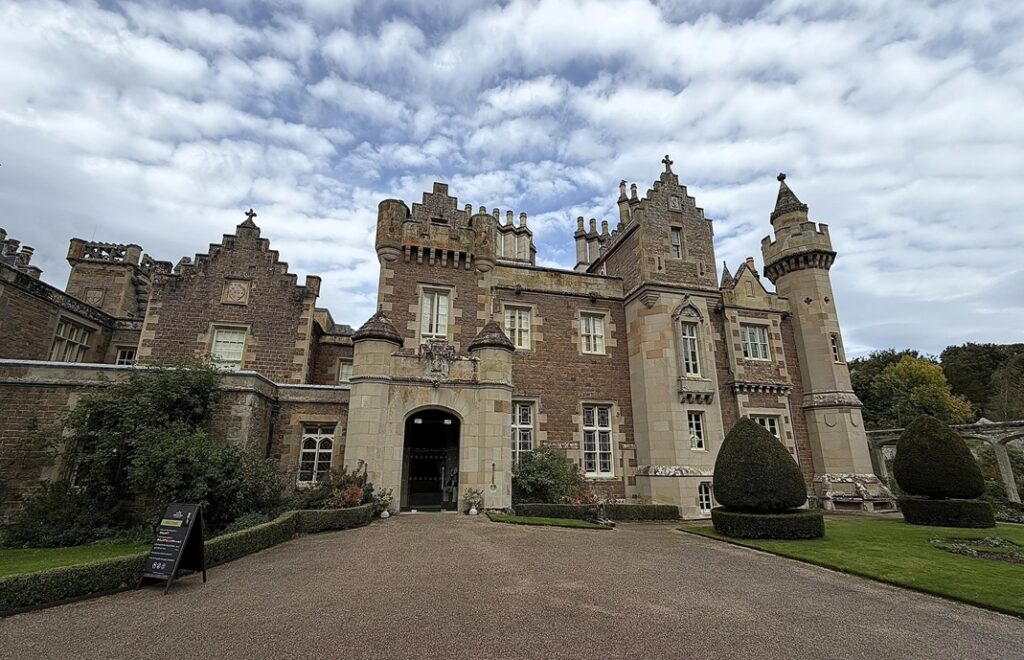
Abbotsford House is sitting on the banks of the River Tweed, in the Scottish Borders. Our guide Nancy greets us at the visitor center and takes us down to the house. She is bubbling with not only enthusiasm and knowledge – she is also a fantastic storyteller. There is no doubt we are in for a unique experience.
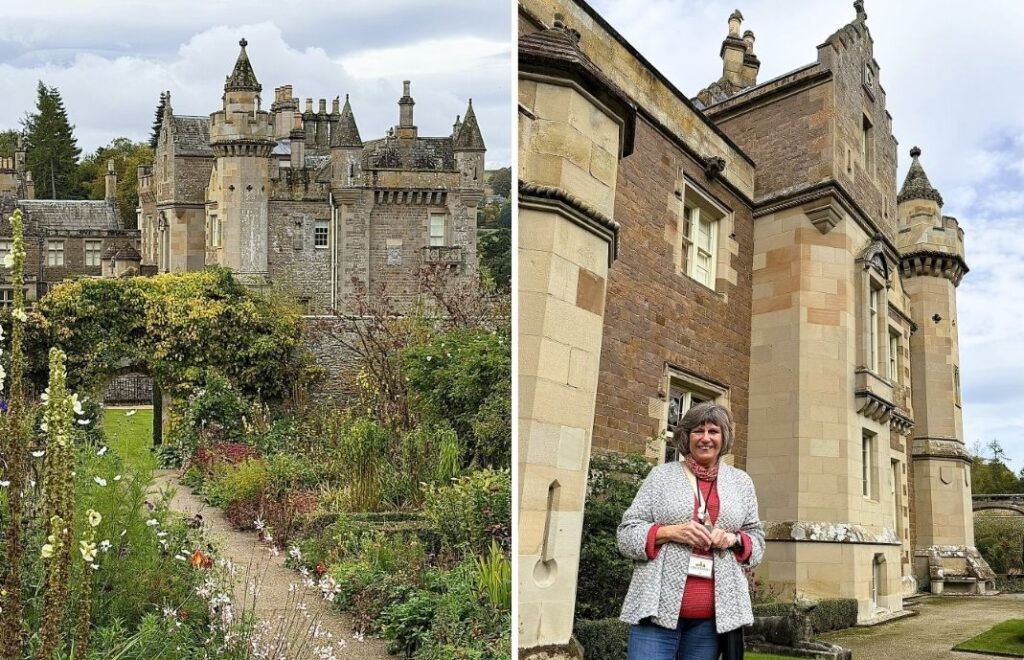
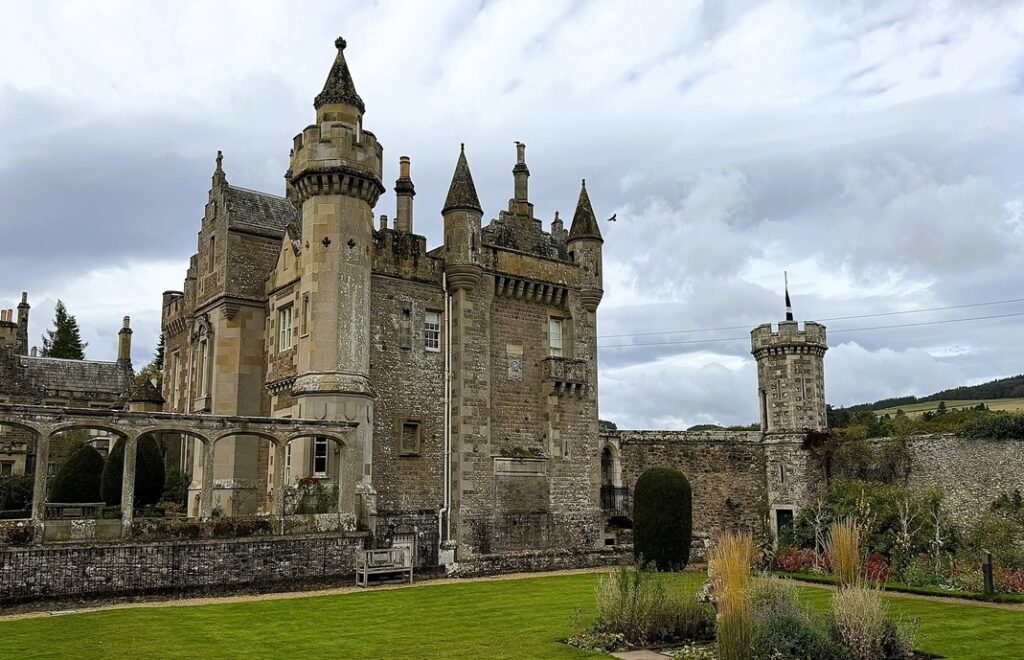
As we make our way through the garden, Nancy explains that Abbotsford is far more than a historic house. It looks like something taken straight out of a storybook. With its romantic turrets, intricate stonework, and architectural details inspired by Scotland’s castles and abbeys, Abbotsford feels like a building that refuses to belong to just one century. Scott borrowed ideas from the past, added his own creative touches, and transformed what began as a modest farmhouse into a home unlike any other.
Once inside, it quickly becomes clear that Scott was much more than a writer. He was a passionate collector, an enthusiastic host, and a man with an almost irresistible curiosity about the world around him.
The rooms we are about to discover are left just as Scott kept them after his death in 1832 and are packed full of the fascinating items he collected. His rooms are filled with remarkable objects, from ancient weapons and historical relics to books, portraits, and curiosities, each with a tale of their own.
A dramatic first impression
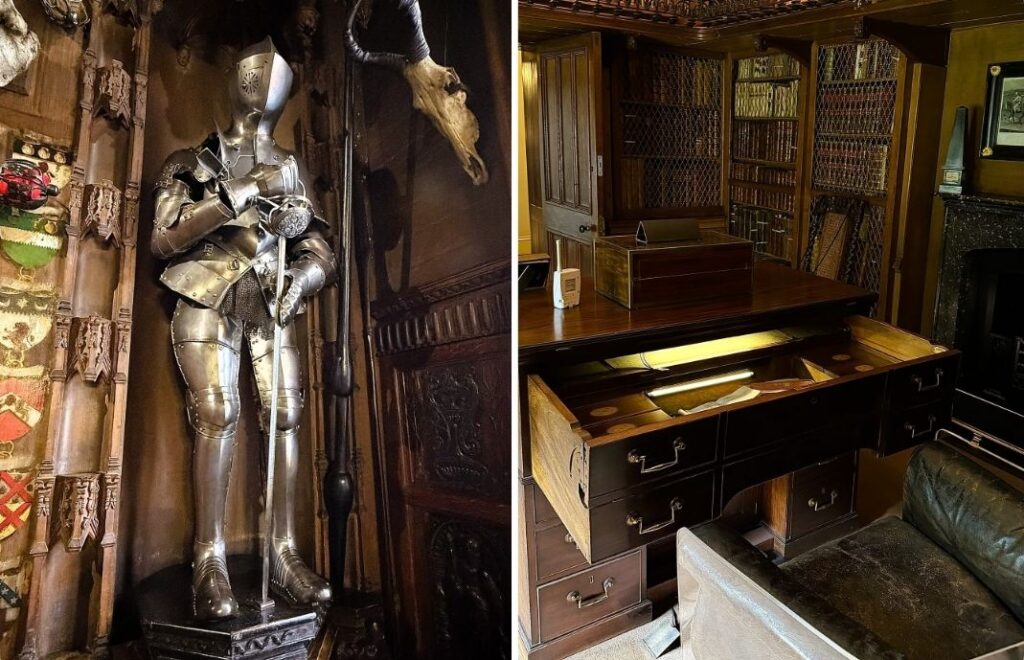
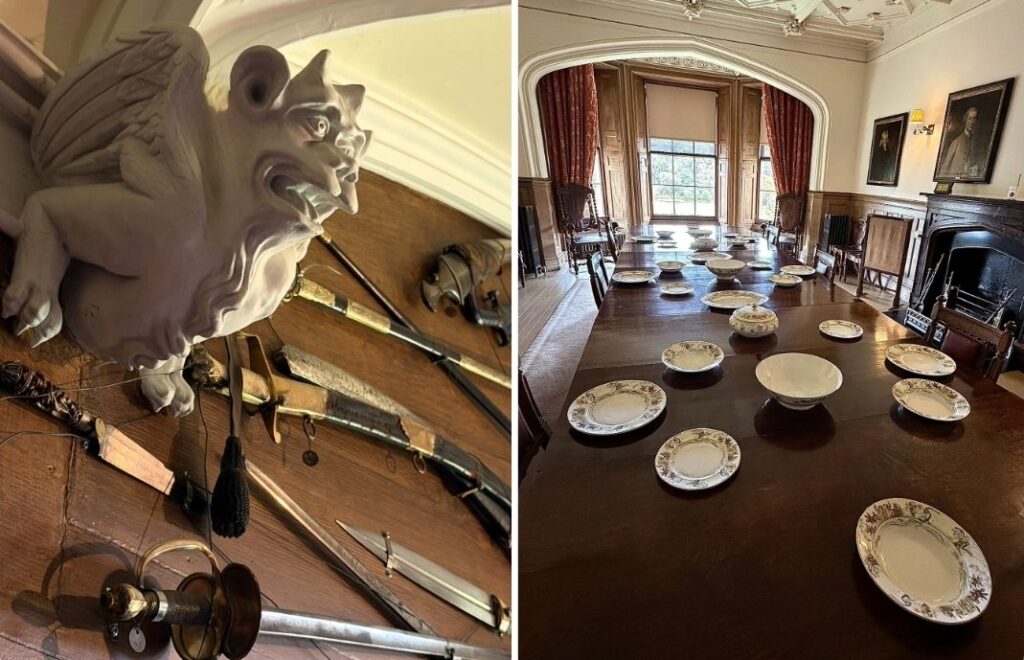
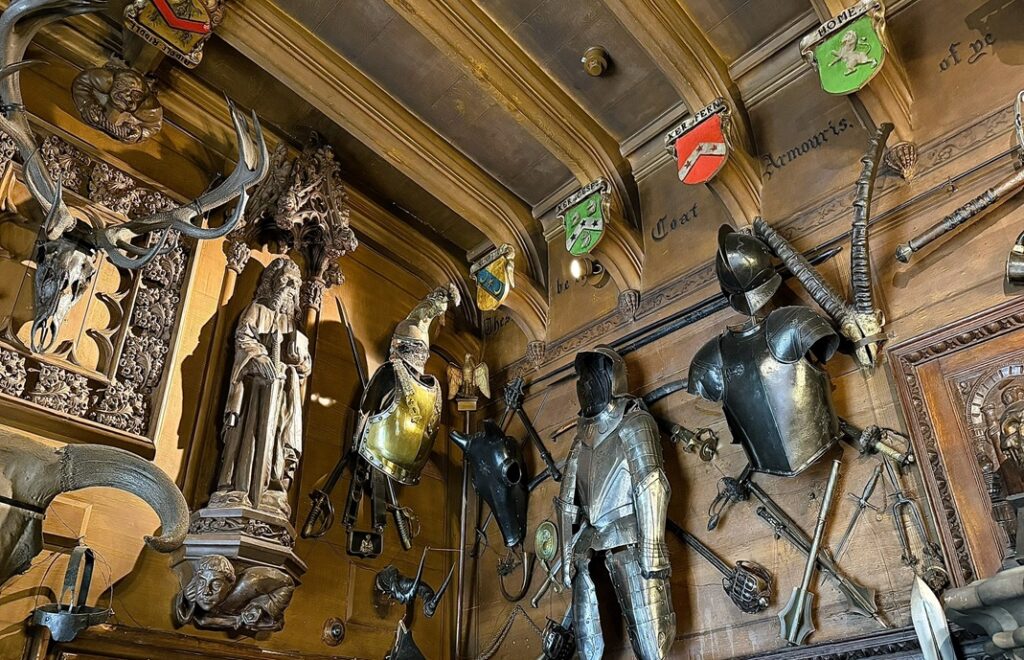
Nancy, our guide, opens the impressive doors and invites us into Abbotsford. I must admit that Scott certainly knew how to make an entrance. We are standing in the Entrance Hall, which sets the scene with its striking collection of weapons, armor, and historical objects displayed against richly decorated walls.
Inspired by Scotland’s medieval past, the hall feels more like the entrance to a romantic castle than a traditional country home. Swords, shields, and other military treasures reveal Scott’s fascination with battles, heroic figures, and the turbulent chapters of Scottish history. Visitors will also see the armor that inspired Scott to write the well-known Ivanhoe (1820), the first novel to be set outside Scotland.
It is an impressive introduction to Abbotsford, and a wonderful reminder that its owner was a storyteller who loved a little drama.
For anyone who loves literature, Scott’s Study is one of the most fascinating rooms in the house.
This was his personal working space, where he spent countless hours writing, surrounded by books and objects that fueled his creativity. Unlike the more elaborate entertaining rooms, the Study offers a glimpse into Scott’s everyday life and the extraordinary discipline behind his literary achievements.
It is easy to imagine him sitting at his desk, absorbed in another story, while the world beyond the windows carried on without him.
A world of books
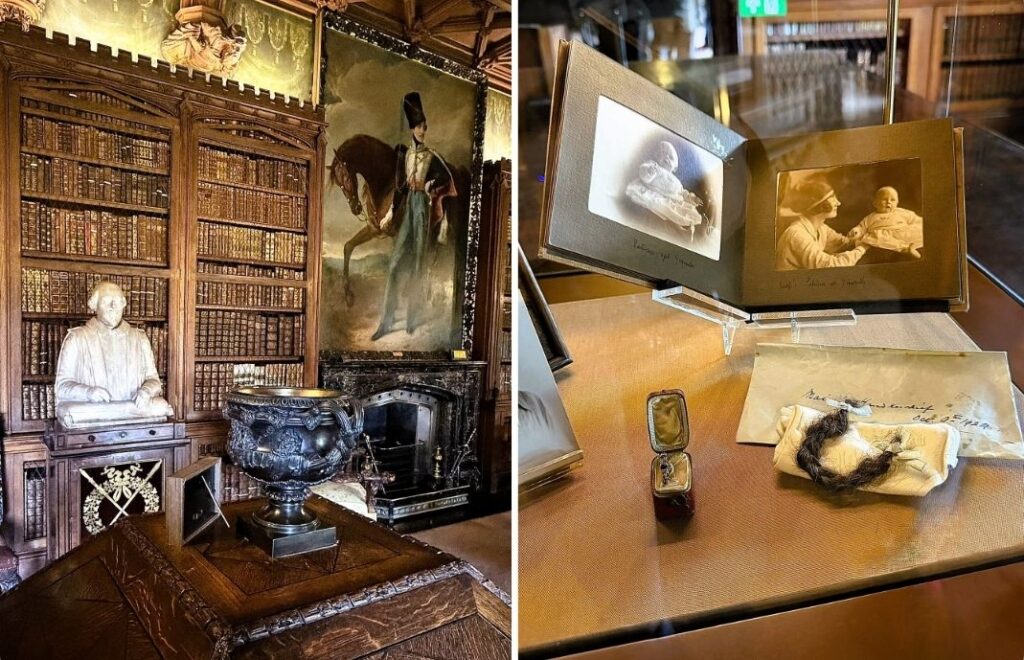
Nancy is on a mission and accompanied by her amusing stories about Scott and the house, we make our way to the library. If the study reveals Scott the writer, the library introduces Scott the passionate reader and collector.
With thousands of volumes lining the shelves, this magnificent room reflects an appetite for knowledge that has reached far beyond Scotland. History, literature, folklore, languages, and countless other subjects captured his interest, providing inspiration for the fictional worlds he created.
Nancy explains that the library was also designed to impress and entertain. Here, Scott welcomed guests into a room that celebrated both his literary success and his intellectual curiosity.
Scott was not only a celebrated author but also an enthusiastic host who enjoyed welcoming friends, family, and distinguished visitors to Abbotsford. He never strayed far from an opportunity to share another fascinating tale with his guests.
The Drawing Room reflects this more sociable side of his personality. Elegant furnishings, portraits, and carefully chosen decorative objects create a setting intended for conversation, relaxation, and entertainment.
The art of being a host
At Abbotsford, the dinner table was about much more than food.
Scott loved entertaining, and the Dining Room played an important role in the lively social life of the house. Guests gathered here to enjoy meals, conversation, and the company of one of the most famous literary figures of his time.
The room’s rich decoration and historical details reflect Scott’s distinctive taste, while its atmosphere offers a glimpse of Abbotsford as a family home filled with visitors, laughter, and conversation.
Standing here, I can easily imagine the stories shared around the table, especially with Sir Walter Scott himself leading the conversation.
Our tour of Abbotsford was both interesting and entertaining, thanks to our wonderful guide Nancy. She brought the past to life with her storytelling and passion. But the house itself is unique. The rooms are not simply beautiful spaces with antiques. Together, they reveal the many sides of an extraordinary man.
There is Scott the writer, surrounded by books and inspiration. Scott the collector, preserving treasures from the past. Then it is Scott the romantic, transforming his fascination with medieval Scotland into architecture. And Scott the host, creating a welcoming home where conversation and storytelling were part of everyday life.
Abbotsford is not merely a house you explore. It is a story you walk through, with Sir Walter Scott as both its author and its most fascinating character.
Practical guide to visiting Abbotsford
Whether you are a passionate reader, a history enthusiast, or simply someone who enjoys exploring extraordinary places, Abbotsford House is a wonderful addition to any journey through the Scottish Borders. Here is everything you need to know to make the most of your visit.
Where is Abbotsford House?
Abbotsford House is located near Melrose in the Scottish Borders, approximately one hour south of Edinburgh.
The house enjoys a beautiful setting on the banks of the River Tweed, surrounded by gardens, woodland, and peaceful countryside.
Address: Abbotsford, Melrose, Roxburghshire, TD6 9BQ, Scotland.
How to get there
By car: Abbotsford is easily accessible from Edinburgh and other destinations in the Scottish Borders. Visitor parking is available on-site, with pay-and-display charges starting at £1 for two hours.
By train: Take the Borders Railway from Edinburgh Waverley to Tweedbank, a journey of approximately one hour. From Tweedbank Station, Abbotsford is around a 20-minute walk along the signposted Abbotsford Link.
A seasonal minibus service also operates on selected days between Tweedbank Station and Abbotsford. Check availability in advance if you intend to use it.
Opening hours
Abbotsford House is generally open from 1 March to 31 December.
The opening hours are:
Daily: 10:00–17:00
Last admission: 16:00
The visitor center, café, and exhibition are accessible throughout the year, while the estate’s walking trails remain open to the public.
Seasonal events and conservation work may affect access to certain areas, so checking opening hours before traveling is recommended.
Entrance fees and tickets
Tickets can be purchased at the visitor centre, but advance booking is recommended, particularly during busy periods.
You can visit Abbotsford House at your own pace while listening to the free audio guide.
Exploring Abbotsford House
Visitors can explore Abbotsford House at their own pace, discovering the rooms, collections, and personal treasures that reveal Sir Walter Scott’s extraordinary imagination.
A complimentary audio guide provides fascinating background information about the house and its contents, helping bring Scott’s stories and collections to life.
Allow approximately 45–60 minutes to explore the interiors, although visitors with a particular interest in literature or Scottish history may want longer.
Don’t miss the gardens and grounds
Your visit should not end at the front door.
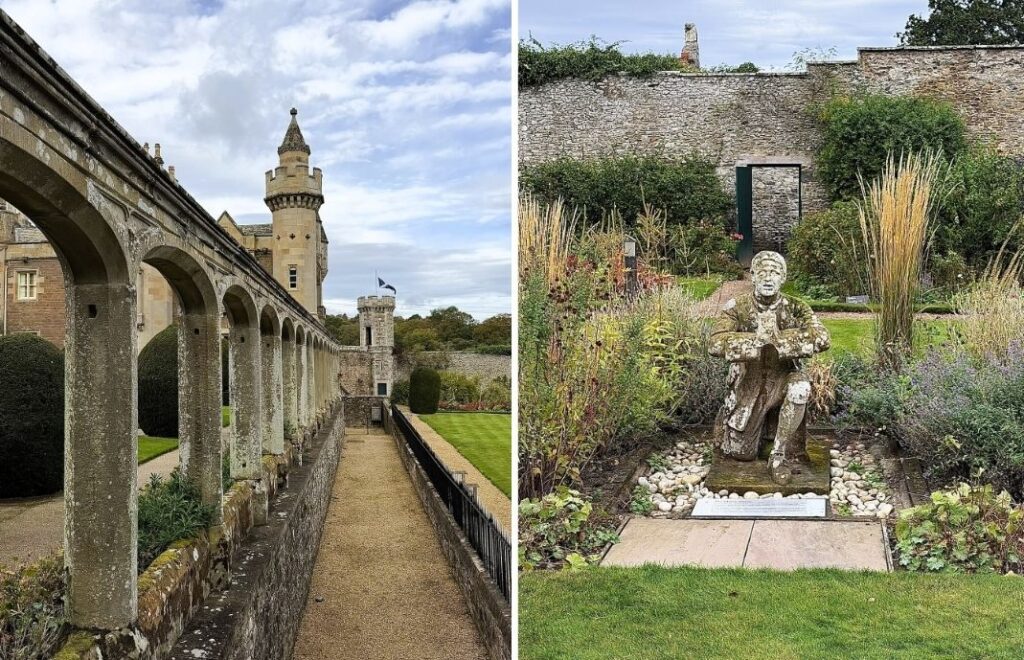
Scott’s creativity extended into the surrounding landscape, where he developed formal gardens, planted woodlands, and created a setting that reflected his romantic vision of Scotland.
The beautiful Regency walled gardens are particularly worth exploring, while the wider estate offers peaceful walking trails with views of the River Tweed.
With approximately 120 acres of ground, there is plenty of space to enjoy a leisurely stroll and appreciate the countryside that inspired Scott.
Dogs are welcome on a lead throughout the grounds and gardens as well as our cafe, with access restricted only to the Visitor Centre Exhibition and the Historic House. Assistance dogs are welcome in all areas of the Visitor Centre, House, Gardens and wider estate and water is available on request.
Café and Visitor Centre
After exploring the house and gardens, stop at Ochiltree’s Café, located in the visitor centre.
Serving refreshments and light meals, the café is an inviting place to relax before continuing your journey through the Scottish Borders.
The visitor centre also features a free exhibition dedicated to Sir Walter Scott and a gift shop offering books, souvenirs, and Scottish-inspired gifts.
Accessibility
Abbotsford offers accessible facilities, including designated parking spaces and accessible toilets.
However, some parts of the historic house and grounds may present challenges for visitors with limited mobility, including steps, slopes, and uneven paths.
Visitors with specific accessibility requirements are encouraged to contact Abbotsford before arriving to discuss available assistance.
How much time should you allow?
Plan to spend at least two hours at Abbotsford House.
This gives you time to explore the historic interiors, enjoy the gardens, and discover the visitor centre exhibition. If you also want to explore the estate’s walking trails or enjoy lunch at the café, consider allowing half a day.
A final tip
Take your time inside the house. Abbotsford is filled with unusual objects, intriguing details, and fascinating connections to Scotland’s past.
It is tempting to admire the grand rooms and move on, but the real pleasure lies in discovering the stories behind Scott’s remarkable collection.
And before leaving, spend a few moments admiring the house from the gardens. With its romantic turrets, intricate architecture, and beautiful surroundings, Abbotsford looks every bit like something its famous owner might have imagined for one of his novels.
8 facts about Sir Walter Scott that may surprise you
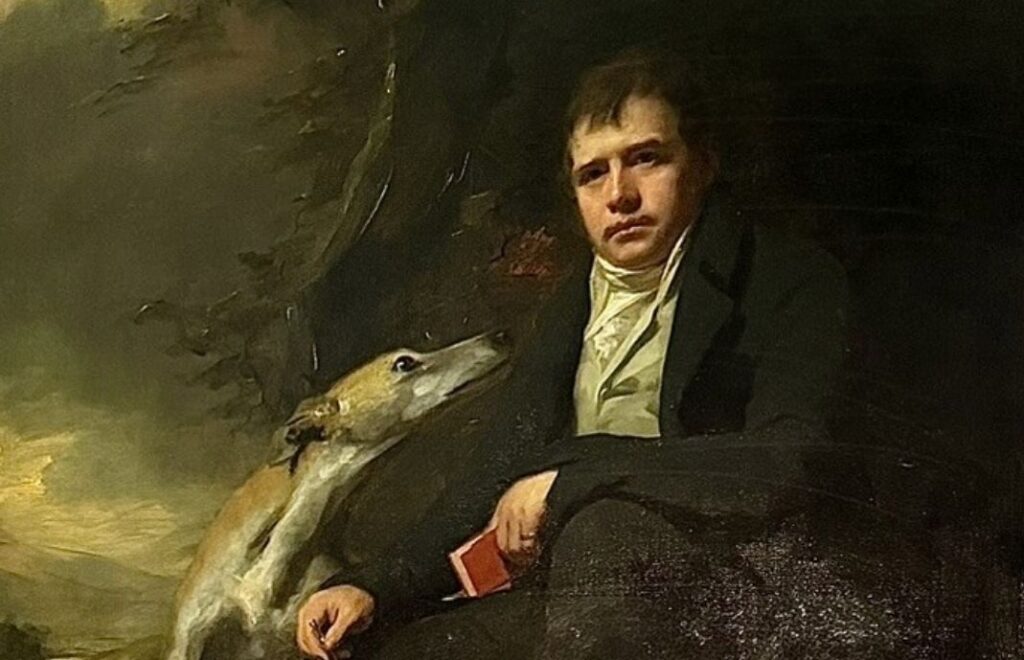
Scott (1771-1832) was a storyteller, a collector, and a host. He was the author of the first historic fiction, of best-selling poetry, lyrics, and short stories, as well as works of history. And he was the man who put Scotland on the world map.
Here are 8 facts you may not know about the great author.
1. Edinburgh’s Waverly Station is the only railway station in the world named after a novel. It has been known by the name of Scott’s first novel since the construction in 1868. The name is a legacy inherited from three former stations in the city that became collectively known as the Waverly Stations in the 1850s.
2. Sir Walter Scott’s Hail to the Chief is played to usher in every US President. It is from the Boat Song of Scott’s narrative poem The Lady of the Lake, published in 1810. First played in association with the US President at a celebratory event in 1815, by the 1840s it was cemented as the official piece of music marking the President’s arrival at an event or function.
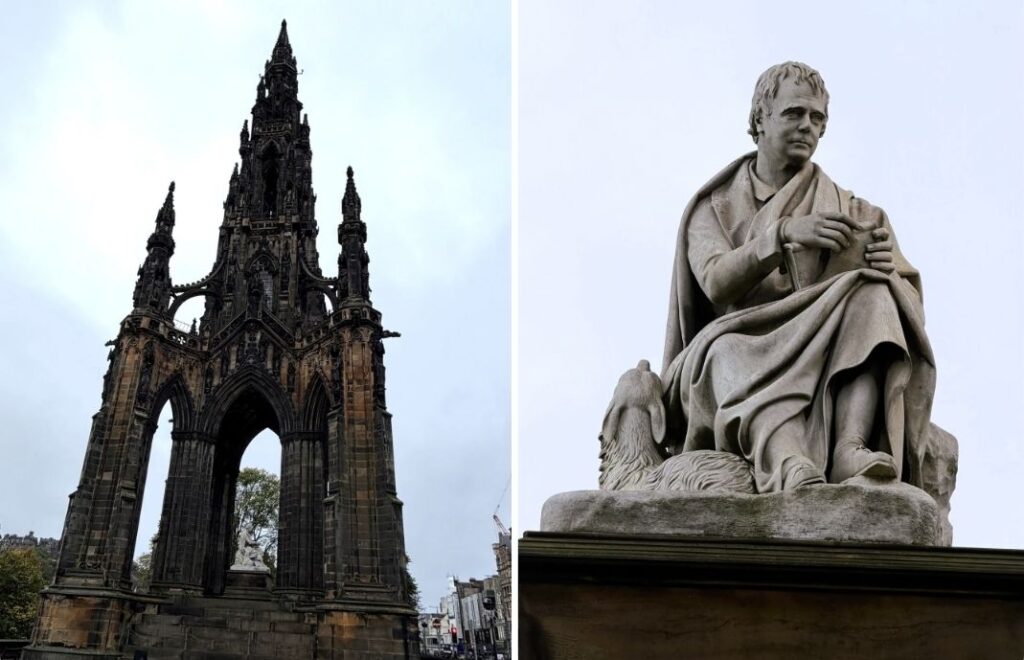
3. The Scott Monument on Princes Street in Edinburgh was the largest structure dedicated to a writer anywhere in the world for over a century. It was superseded by the José Martí Memorial in Havana, Cuba, in 1958. Scott’s remarkable Edinburgh landmark is 61 meters (200 feet) high and boasts seventy statues.
4. Walter Scott led the campaign to restore the famous cannon Mons Meg to Edinburgh Castle in 1829. Perhaps the most famous cannon in the world, this six-ton siege gun was gifted to James II of Scotland in 1454. Three hundred years later, it was moved to the Tower of London, where it stayed for seventy-five years until it was permitted to return to its rightful home at Edinburgh Castle. Citizens lined the streets to see the procession pass by.
5. Walter Scott was one of a small group of dedicated people responsible for establishing the River Tweed Commission in 1807. It is believed to be one of the oldest river fishery protection boards in the world. His understanding of sustainable fishing and the importance of maintaining eco-systems feels just as fresh and relevant 200 years on.
6. Scott helped to reinvent Highland tartan as both a national symbol and a fashion statement. Without the extraordinary impact and popularity of his Jacobite novels set in 18th-century Scotland and their adaptations on the stage in the early 19th century, it is difficult to imagine the international love affair with tartan that endures to this day.
7. Scott helped popularize the genre of historical novels, now so phenomenally popular in books, games and films. Waverley was a record-breaking novel when it was published in 1814, selling more copies than all other novels combined that year. The Walter Scott Prize for Historical Fiction is the UK’s biggest accolade for modern authors of historical fiction, now managed by The Abbotsford Trust, the charity that cares for Walter Scott’s former home and estate.
8. The writer George R.R. Martin has claimed that Scott’s novels and historical studies were a major influence on the A Song of Ice and Fire series, known to fans around the world as Game of Thrones. In Scott’s novel Ivanhoe, readers will discover jousting tournaments, champion knights in disguise, a kingdom in turmoil and characters accused of witchcraft, whilst Scott’s historical accounts of bloody events such as The Black Dinner of 1440 would inspire Martin’s infamous Red Wedding episode and the betrayal of House Stark.
Source: Abbotsford – The Home of Sir Walter Scott
My warmest gratitude to Visit Britain, Abbotsford House and our amazing guide Nancy for inviting me to the Borders, Scotland. My flights, accommodations, meals, transportation, and activities were covered. There were no requirements from the partners regarding posts on social media or promotion. Options and photos (unless otherwise stated) are entirely my own.
