
Welcome to Louisiana, where food is more than just something you eat. It’s a celebration of history, culture, and traditions, often served with a generous helping of Southern hospitality!
From the lively streets of New Orleans to the small towns and bayous of Cajun Country, Louisiana’s kitchens are filled with mouthwatering aromas, bold spices, and recipes passed down through generations.
But there’s something else that makes Louisiana’s food scene particularly fascinating: its culinary language.
Influenced by French, Spanish, African, Native American, and other culinary traditions, Louisiana has developed a remarkable cuisine with names that might leave first-time visitors scratching their heads.
What’s the difference between Cajun and Creole cooking? Why is everyone talking about gumbo? And what on earth is an étouffée?
Don’t worry. You won’t need a French dictionary to enjoy the experience.
From rich, comforting stews to irresistible seafood dishes and sugar-dusted treats, we’re exploring five Louisiana favorites that every food-loving traveler should know.
So, grab your appetite, loosen your belt a notch, and let’s discover what makes Louisiana’s culinary language so wonderfully delicious.
Gumbo: Louisiana’s most famous bowl of comfort
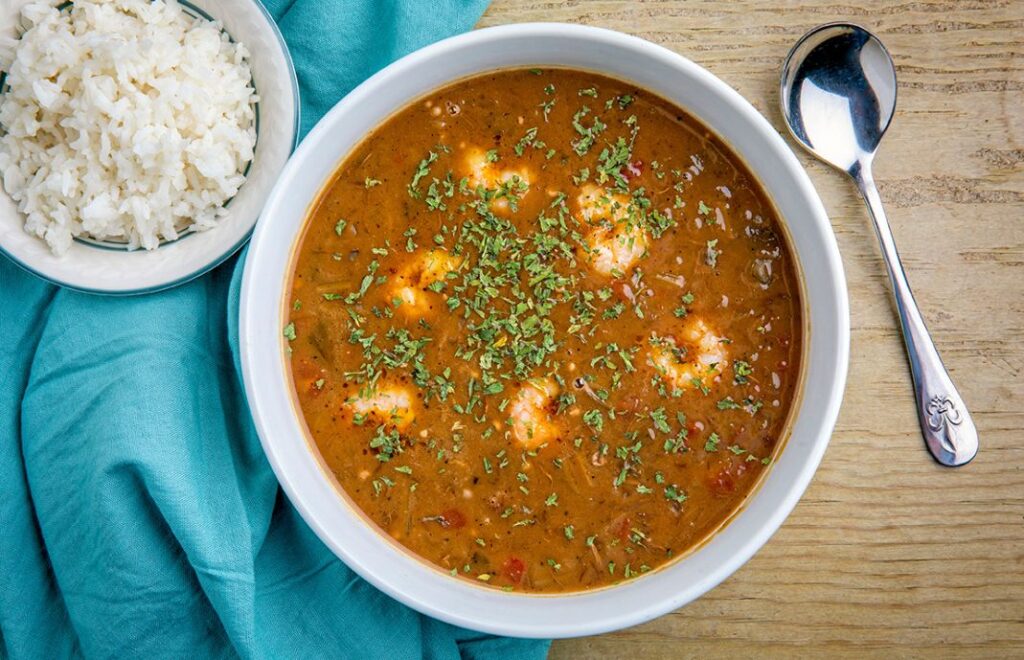
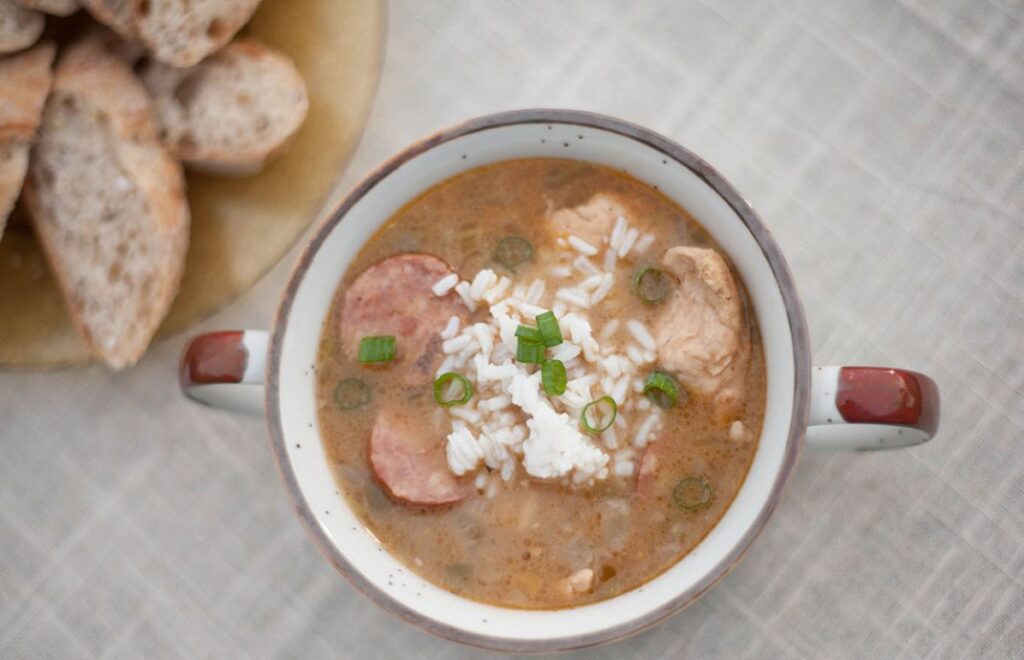
If there’s one dish that captures the heart and soul of Louisiana cooking, it’s gumbo. This rich, flavorful stew brings together ingredients and traditions that reflect the state’s wonderfully diverse cultural heritage.
Gumbo comes in many delicious variations, often featuring chicken, sausage, seafood, or a combination of ingredients, usually served over a generous spoonful of rice.
But the real magic begins with the flavorful base.
Many recipes start with a roux, a mixture of flour and fat cooked until it develops a beautiful brown color and deep, nutty flavor. Then comes Louisiana’s famous Holy Trinity: onions, celery, and green bell peppers.
Despite its heavenly name, we’re talking about vegetables, not divine intervention.
Some gumbos are thickened with okra or filé powder, made from dried, ground sassafras leaves. Interestingly, the word gumbo is generally believed to come from a West African word for okra.
The result? A wonderfully comforting bowl of Louisiana history, with every spoonful telling a delicious story.
Jambalaya: A delicious taste of Louisiana
If gumbo is Louisiana’s famous comfort food, jambalaya is its wonderfully flavorful one-pot celebration.
This beloved rice dish combines meat, seafood, or both with vegetables, seasonings, and rice, all cooked together so the grains absorb the delicious flavors.
But here’s something interesting: jambalaya comes in two traditional styles.
Creole jambalaya, often associated with New Orleans, typically includes tomatoes, giving the rice a reddish color. Cajun jambalaya, more common in rural southern Louisiana, generally skips the tomatoes and develops its rich brown color from browned meat and deeply seasoned cooking juices.
Both versions usually begin with Louisiana’s famous Holy Trinity of onions, celery, and bell peppers, followed by ingredients such as chicken, sausage, or shrimp.
The dish reflects Louisiana’s multicultural culinary heritage, with influences often linked to Spanish rice dishes and French cooking traditions, although its precise origins remain debated.
And the best part? Everything cooks together in one pot, creating a hearty, satisfying meal bursting with flavor.
Who knew a single pot could hold so much Louisiana personality?
Crawfish Étouffée: A little French, a lot of flavors
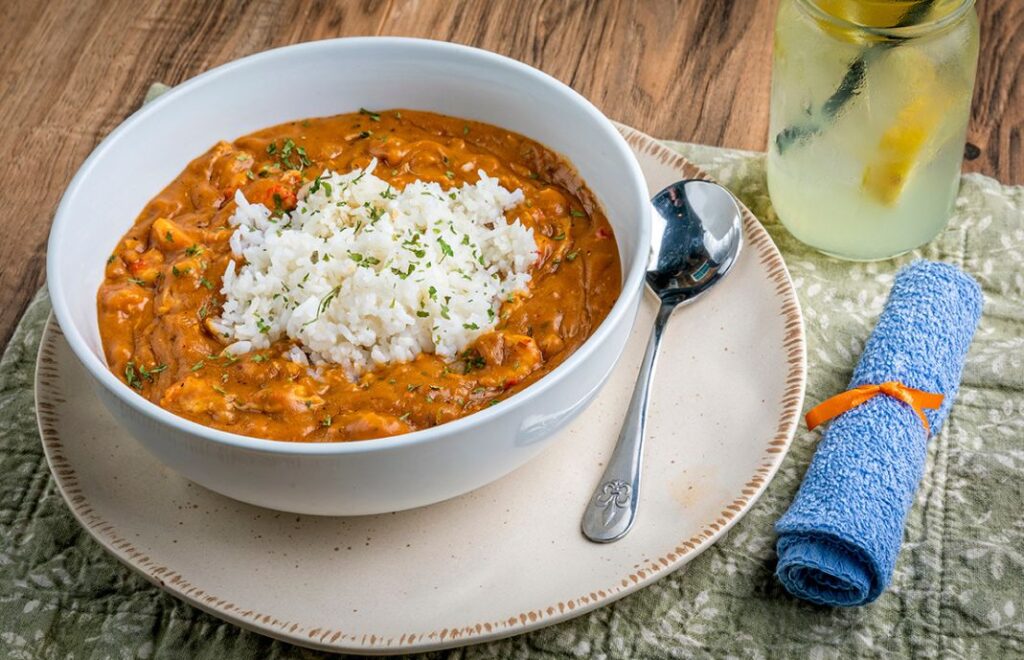
Don’t let the fancy French name intimidate you. Crawfish Étouffée (pronounced eh-too-FAY) is one of Louisiana’s most comforting seafood dishes.
The word étouffée comes from the French word meaning “smothered”, which describes the cooking method rather nicely.
And what’s being smothered? Delicious, tender crawfish tails.
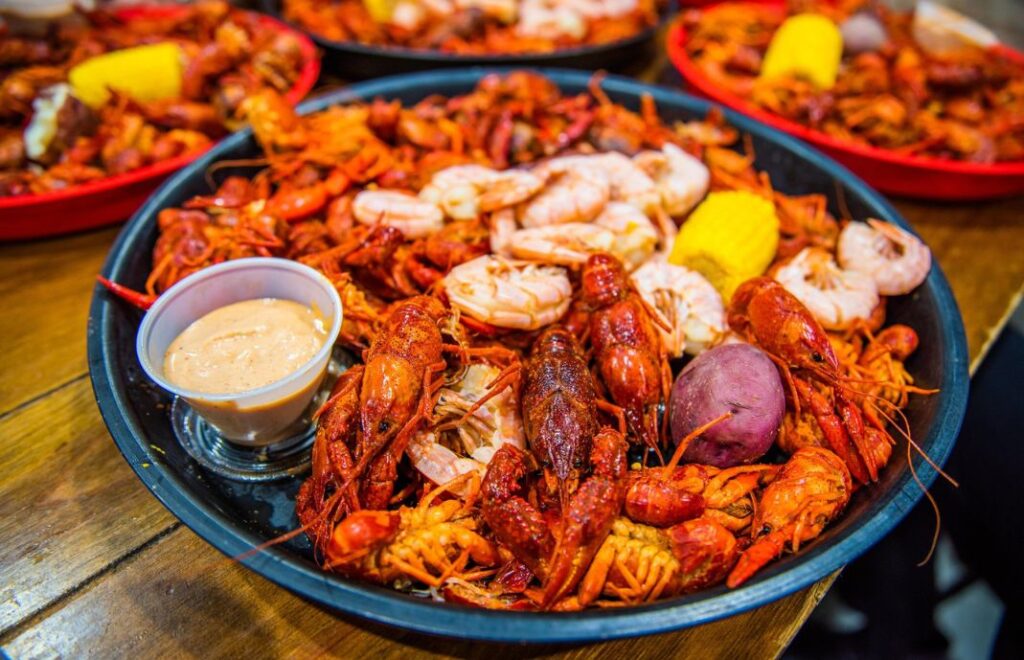
Crawfish are small freshwater crustaceans resembling miniature lobsters, and they’re a much-loved part of Louisiana’s culinary heritage.
In this traditional Cajun and Creole favorite, crawfish tails are gently simmered in a rich, buttery, well-seasoned sauce, often thickened with a light roux.
Naturally, Louisiana’s famous Holy Trinity of onions, celery, and bell peppers makes another appearance, adding wonderful depth of flavor.
The finished dish is generously spooned over fluffy white rice, allowing every grain to soak up that delicious sauce.
Unlike gumbo, which is generally more soup-like, étouffée has a thicker, almost gravy-like consistency.
While the name might sound sophisticated, the experience is pure Southern comfort food.
Just remember – it’s the crawfish being smothered, not your appetite!
Po’boy: Louisiana’s legendary overstuffed sandwich
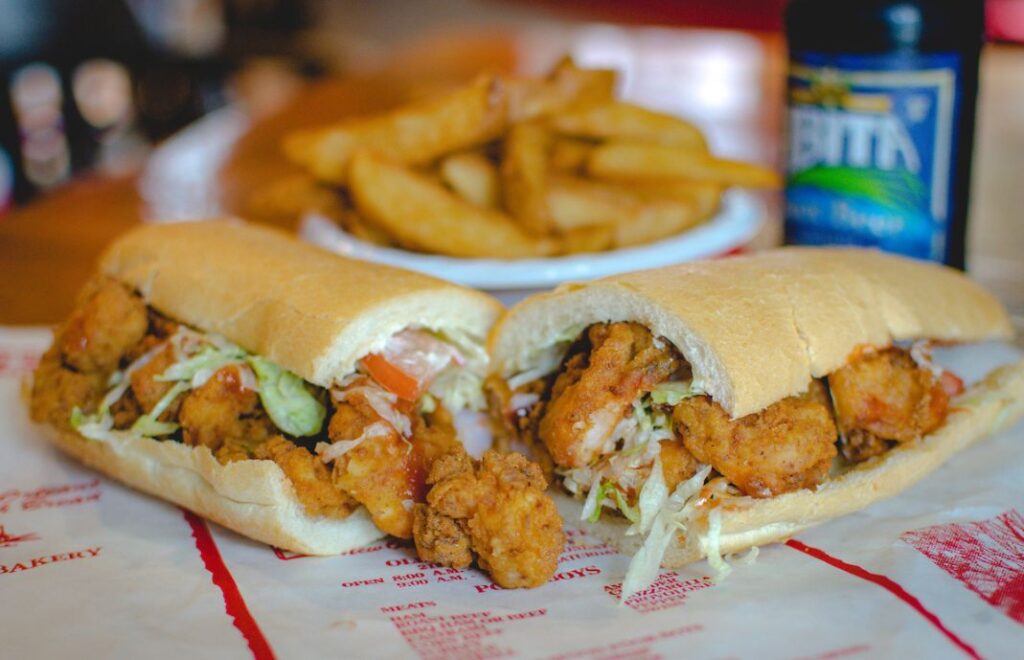
Forget everything you know about an ordinary sandwich. In Louisiana, the Po’boy is practically a meal-sized celebration tucked inside a loaf of French bread.
This New Orleans favorite is traditionally served on crusty, airy French bread and generously filled with everything from crispy fried shrimp and oysters to tender roast beef smothered in gravy.
But where did that unusual name come from?
According to a popular account, the sandwich earned its name during a 1929 streetcar workers’ strike in New Orleans, when brothers Bennie and Clovis Martin reportedly served free sandwiches to striking workers, affectionately calling them poor boys. The precise origins of the name, however, remain debated.
Here’s a little culinary lingo worth remembering.
Order your Po’boy “dressed”, and it typically arrives with lettuce, tomatoes, pickles, and mayonnaise.
Prefer something simpler? Just order it undressed.
Whether packed with golden-fried seafood or dripping with rich roast beef gravy, this legendary sandwich is deliciously messy and wonderfully satisfying.
Just remember to bring your appetite. And perhaps a few extra napkins!
Beignets: New Orleans’ sweetest little temptation
No culinary journey through Louisiana would be complete without indulging in one of New Orleans’ most beloved sweet treats: the beignet.
Pronounced ben-YAY, these irresistible little pastries have French roots, with a name that refers to a type of fritter.
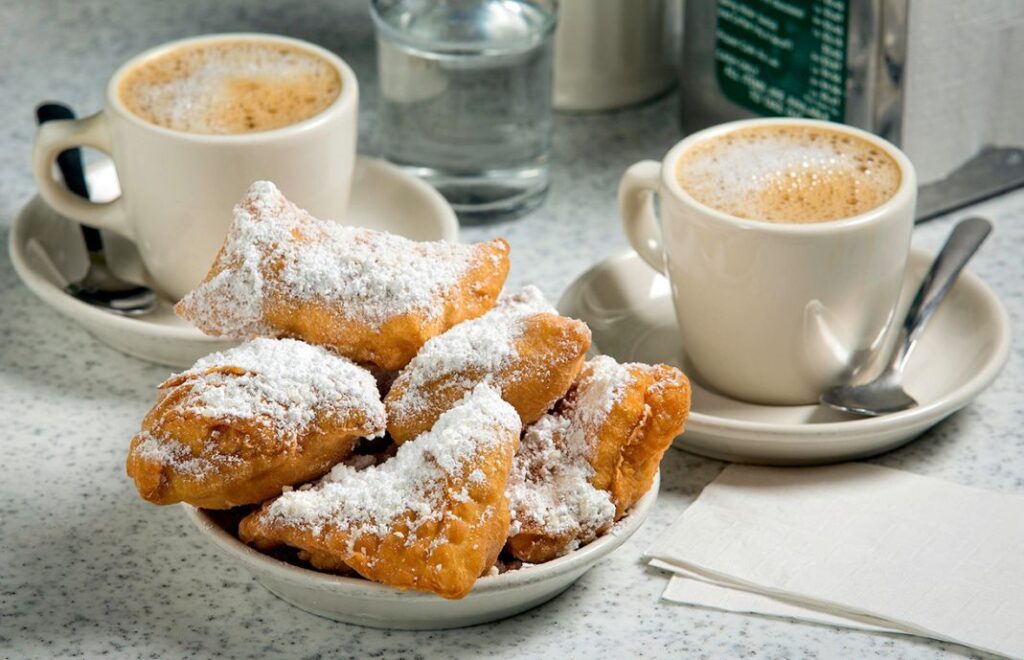
Traditional New Orleans beignets are squares of soft, pillowy dough, deep-fried until golden brown and generously covered in powdered sugar.
And when I say generously, I mean a small snowstorm of sugar!
Served warm and wonderfully fluffy, they’re particularly delicious alongside a cup of café au lait, a New Orleans favorite traditionally prepared with hot milk and coffee often blended with chicory.
Beignets have become an essential part of the city’s food culture, particularly at the famous Café du Monde, which has been serving them in the French Quarter since 1862.
Whether enjoyed as a sweet breakfast, an afternoon indulgence, or a late-night treat, they’re almost impossible to resist.
Just one little warning: eating a beignet without getting powdered sugar all over yourself is a skill very few travelers ever master.
A delicious taste of Louisiana
From steaming bowls of gumbo and flavor-packed jambalaya to rich crawfish étouffée, generously stuffed Po’boys, and sugar-covered beignets, Louisiana certainly knows how to tempt your taste buds.
What makes these dishes truly special is the fascinating blend of cultures, traditions, and history behind every bite.
In Louisiana, food isn’t just about satisfying your appetite. It’s about sharing stories, celebrating heritage, and bringing people together around the table.
Now that you’ve learned a little of the local culinary lingo, ordering from a Louisiana menu should feel considerably less mysterious – and a whole lot more exciting.
So, whether you’re exploring the lively streets of New Orleans or discovering the hidden culinary treasures of Cajun Country, don’t be afraid to try something new.
After all, some of the best travel memories are made one delicious bite at a time.
Remember, when it comes to Louisiana cuisine, a healthy appetite and a few extra napkins are always good traveling companions.
This post is a collaboration with Travel South USA. I am grateful for the cooperation.
Main photo: Joyce Bracey
