
Food isn’t just sustenance in China – it’s a cultural cornerstone. So integral, in fact, that the common greeting “chi fan le ma?” literally means, “Have you eaten yet?”
China’s vastness makes it a culinary universe of its own, shaped by thousands of years of tradition and enriched by geography, climate, and history. The result? A dazzling mosaic of flavors and techniques, from fiery Sichuan spice to the delicate dim sum of Guangdong, from the hearty wheat-based dishes of the north to the fragrant rice traditions of the south.
Traveling in China without indulging in its cuisine would be like visiting Paris and skipping the art museums. To truly experience this nation, you must taste it.
But to do that well, it helps to know a few essentials:
- What you’re eating (because menus aren’t always easy to decode)
- Local dining etiquette (to avoid awkward faux pas)
- Where to find the best bites, from bustling street markets to family-run noodle shops and glittering banquet halls.
This is more than a guide to eating in China. It’s an invitation to immerse yourself in a food culture where every dish tells a story.
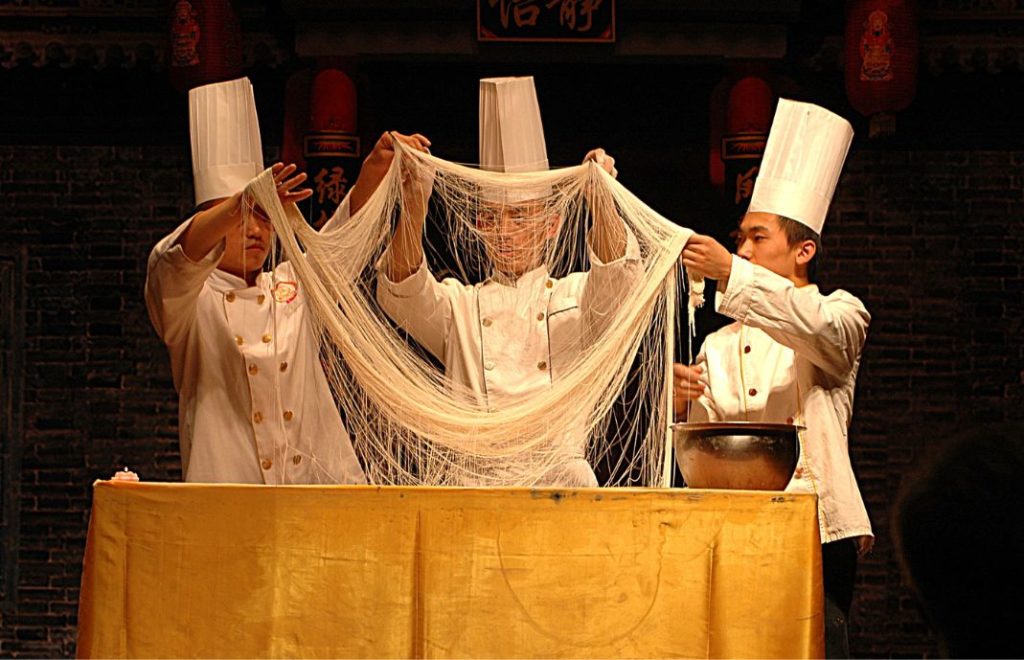
Dining etiquette in China: What you need to know
While Chinese hosts are remarkably tolerant of Western missteps, a little cultural awareness goes a long way.
Here are some key rules to help you navigate the dining table with confidence:
Chopstick etiquette
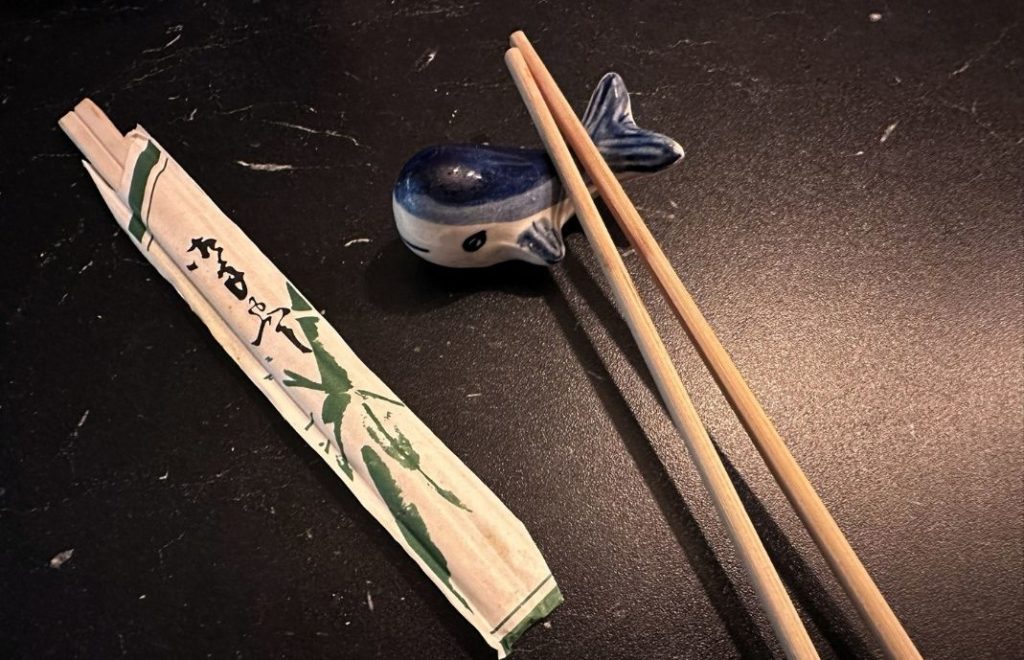
- Never use your chopsticks to point or gesture.
- Don’t stick them upright in your food – it resembles incense at funerals and is considered bad luck.
- When finished, place them neatly on the provided chopstick rest.
Rice bowl courtesy
- Accept your rice bowl with both hands.
- Hold it close to your mouth when eating – it’s perfectly polite here.
Serving tea
- If the teapot is near you, pour for others before yourself.
- When someone serves you tea, lightly tap your fingers on the table as a gesture of thanks.
Mind your manners
- Cover your mouth with your left hand when using a toothpick.
- Toasting is a big deal. Say “gānbēi” (干杯) – literally “dry the glass” – but beware: it implies drinking it all, so pace yourself!
- If your host insists on paying the bill, let them. Insisting to pay could make them lose face.
Meals in China: What to expect
When it comes to dining, China follows a rhythm that might surprise many visitors.
Here’s a quick guide to the nation’s daily meal traditions:
Breakfast (Zǎofàn / 早饭)
Early and hearty. Most restaurants open by 7:30 AM, catering to commuters. The traditional favorite is congee – a simple, nourishing rice porridge often flavored with meat, vegetables, or pickles. For something more substantial, locals slurp steaming bowls of noodle soup. Street stalls thrive at this hour, serving steamed buns (bāozi), savory pancakes (jiānbing), and yóutiáo – long, golden dough sticks, crisp from the fryer.
Tip: Big hotels usually offer an international buffet, open to non-guests as well.
Lunch (Wǔfàn / 午饭)
Starts around 11:00 AM and often wraps up by 2:30 PM – unlike in the West, restaurants typically close between meals. Lunch is lighter than dinner, usually one or two dishes. Many places feature set menus showcasing local specialties.
Dinner (Wǎnfàn / 晚饭)
The main event of the day, served as early as 5:00 PM. Arriving after 8:00 PM? Expect impatient looks – or a broom brushing your feet as the staff readies to close. In most regions, dinner is a communal feast of shared plates, hot dishes, and often a celebratory atmosphere.
Where to eat in China: From street stalls to imperial feasts
China is a culinary wonderland where dining options range from humble street-side joints to palatial banquet halls.
Here’s what you need to know before you sit down to your next unforgettable meal:
A restaurant on every corner
You’ll find eateries everywhere – tiny hole-in-the-wall noodle shops, casual family-run canteens, sizzling street food stalls, and lavish establishments that once catered to imperial palates.
Grand banquets & family feasts
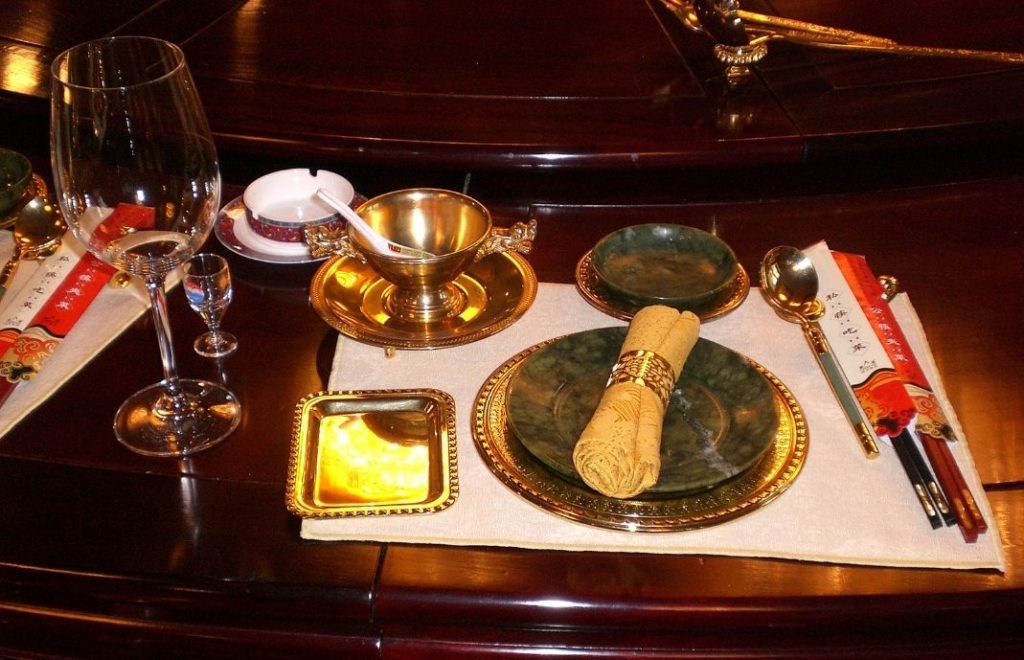
For formal occasions or family gatherings, locals often choose ornate, palace-like dining rooms, adorned with marble columns and gilded accents. But don’t let the decor fool you – the atmosphere inside remains lively, relaxed, and full of laughter.
The ritual of arrival
Expect a hearty “Huānyíng!” (Welcome!) as you step inside. Tea is poured immediately while you browse the menu – typically divided into cold and hot appetizers, meat dishes, vegetables, seafood, rice plates, and soups. Desserts exist, but they rarely steal the spotlight.
How to order & eat
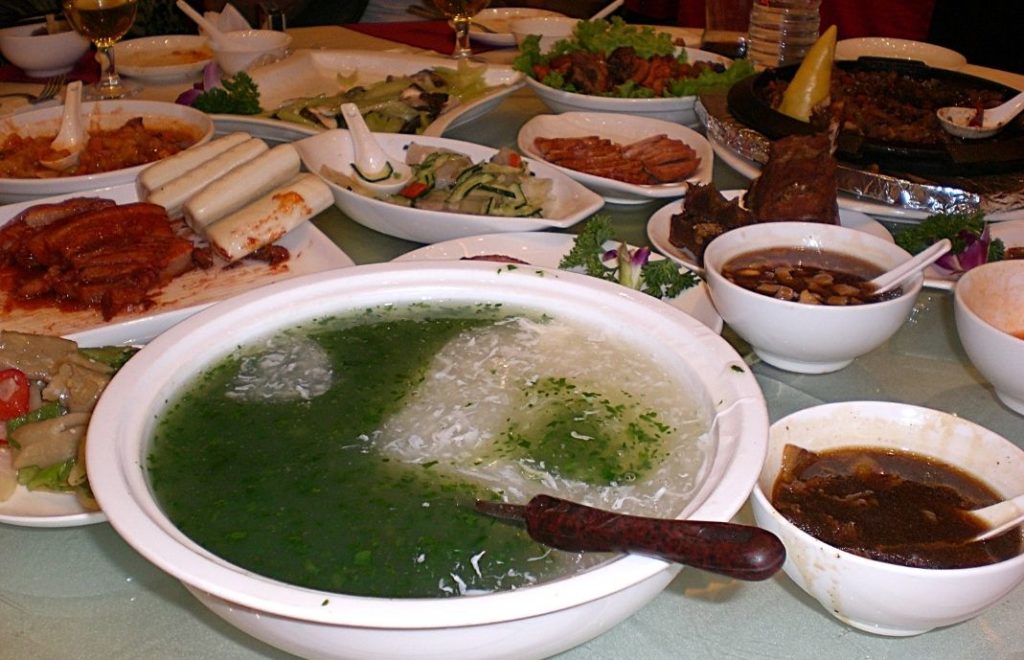
Chinese dining is communal. Order a variety of dishes to share, sampling flavors from every section of the menu. The food arrives quickly and continuously – don’t wait for everything to be served before starting. Use your chopsticks to take food from the shared plates onto your personal plate. Rice and soup usually come toward the end of the meal.
Small details matter
At each place setting, you’ll usually find a packaged wet wipe for your hands and a packet of toothpicks for after the meal. If you can’t finish everything, don’t worry – asking for a takeaway box is completely acceptable.
Timing & reservations
The most popular spots fill up fast, especially after 6:00 PM. If you haven’t reserved, be prepared to queue. Luckily, tables turn over quickly since locals rarely linger after finishing their meal.
The teahouse experience: A taste of China’s soul
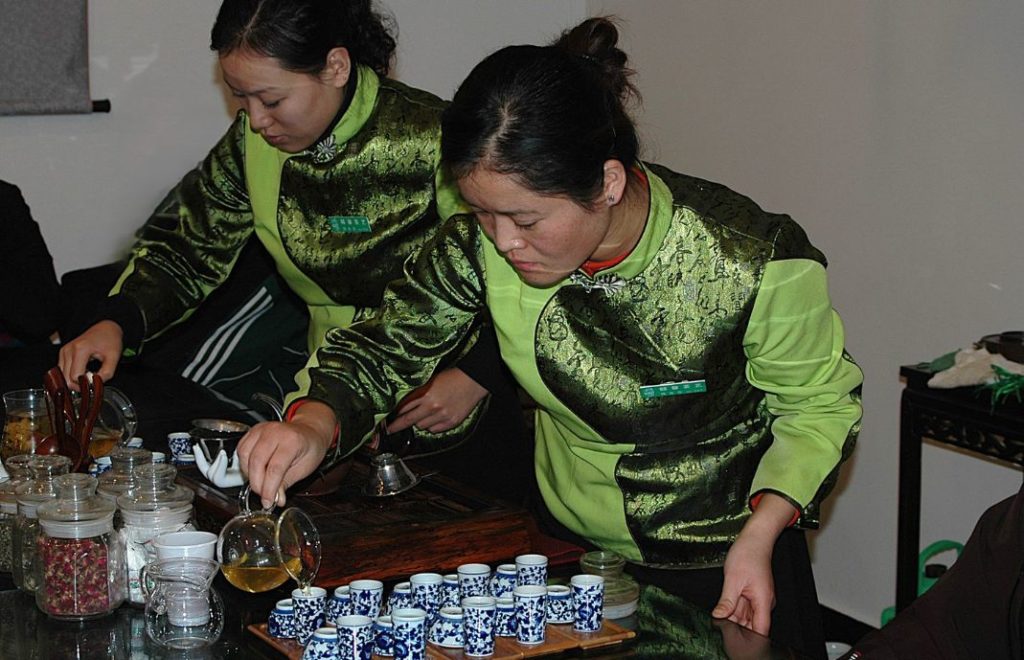
If you want to immerse yourself in authentic Chinese culture, step inside a traditional teahouse. More than just a place to drink tea, these spaces are social sanctuaries. It’s a backdrop for conversation, contemplation, and community that has endured for centuries.
Where to go
- Huxinting Teahouse, Shanghai: Perhaps the most famous in China, this historic gem sits like a floating pavilion in the serene Yu Garden – a must for first-time visitors.
- Sichuan Province: For a truly genuine experience, venture into the lesser-known teahouses scattered across Sichuan. Here, locals gather to chat, play mahjong, and share news, offering an unfiltered glimpse of daily life.
What to expect
In the far south, tea is often served alongside delicate dim sum, but elsewhere you’ll find only light snacks or sweets accompanying your brew. Don’t come expecting a meal – come for the ritual. The clink of porcelain, the earthy aroma of steeping leaves, the unhurried pace – this is where time slows and tradition lingers.
Cafés, bars & street eats: The modern face of Chinese food culture
China’s culinary scene isn’t just about traditional banquets and tea rituals – it’s evolving fast, blending age-old customs with global influences. Here’s what to expect:
Cafés: A growing trend
While China has never had a deep-rooted café culture, that’s changing quickly in cities like Shanghai and Beijing. Western-style coffeehouses now dot the urban landscape, serving espresso, lattes, and light bites. Big names like Starbucks have become ubiquitous, but homegrown brands are also thriving, often with chic interiors and menus featuring everything from sandwiches to pastries.
Tip: Many cafés open early, offering affordable breakfast menus.
Bars & pubs
Most pubs and bars open around 11:00 AM and keep the doors open until midnight or 2:00 AM. Expect a solid lineup of local and imported beers, plus a modest selection of wine and spirits. Menus are often bilingual, and food offerings mix Western comfort fare with Chinese classics.
- Age limit: Officially 18, but enforcement is lax.
- Family-friendly? Surprisingly, yes – some pubs even have outdoor play areas for kids.
Vegetarian dining
Pure vegetarian restaurants are rare – even in cosmopolitan cities like Shanghai or Beijing – but many eateries offer vegetable-forward dishes. Be cautious: even veggie dishes often use meat stock or animal fat.
Insider tip: Visit a Buddhist temple canteen for a guaranteed meat-free meal, though language barriers can be a challenge.
Street Food: Bold & beloved
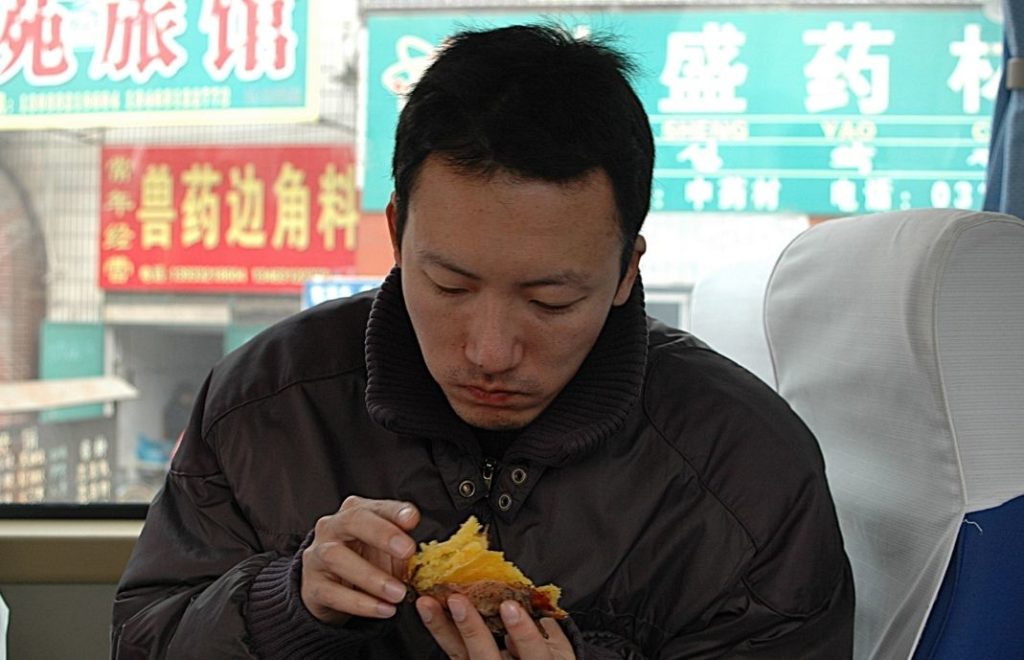
China’s street food scene is legendary – affordable, flavorful, and full of character.
But as a traveler, exercise caution:
- Choose busy stalls where food sells fast – it’s fresher.
- Avoid stalls that look unsanitary or have food sitting out for too long.
Regional specialties to try:
- Yunnan: Grilled goat cheese
- Beijing: Xiǎnbǐng – crispy stuffed pancakes
- Shanghai: Bāozi – fluffy steamed buns
- Everywhere: Skewers of meat, fish balls, crayfish, quail eggs – and for the adventurous, fried insects like grasshoppers.
Evening food markets in major cities are a street food lover’s paradise. Bring cash, an appetite, and an open mind.
Paying the bill, tipping & other practicalities
Payment methods
While credit cards are increasingly accepted, cash is still king in many places – especially smaller eateries and street food vendors. Don’t assume a restaurant takes cards. Having WeChat Pay or Alipay can also be a lifesaver in urban areas.
Tipping etiquette
A 10–15% service charge is often included in the bill at mid- to high-end restaurants. This fee does not go to the server, but tipping is neither expected nor customary in China. If service truly impressed you, leaving a small tip in cash will be appreciated, though it’s not the norm.
Price point
Dining out in China is remarkably affordable compared to Europe or North America. Even in major cities, a generous spread of local dishes costs far less than a similar meal in the West. Drinks are cheaper at local joints – especially if you stick with Chinese beer and skip imported brands or bottled water.
Dress code
Casual attire is fine almost everywhere. Only the most upscale, banquet-style restaurants require something more formal.
A quick guide to China’s regional flavors
China’s vast size and diverse geography have given rise to distinct culinary traditions – each with its own character, history, and signature dishes.
Here’s a flavorful crash course:
North China: Hearty & warming
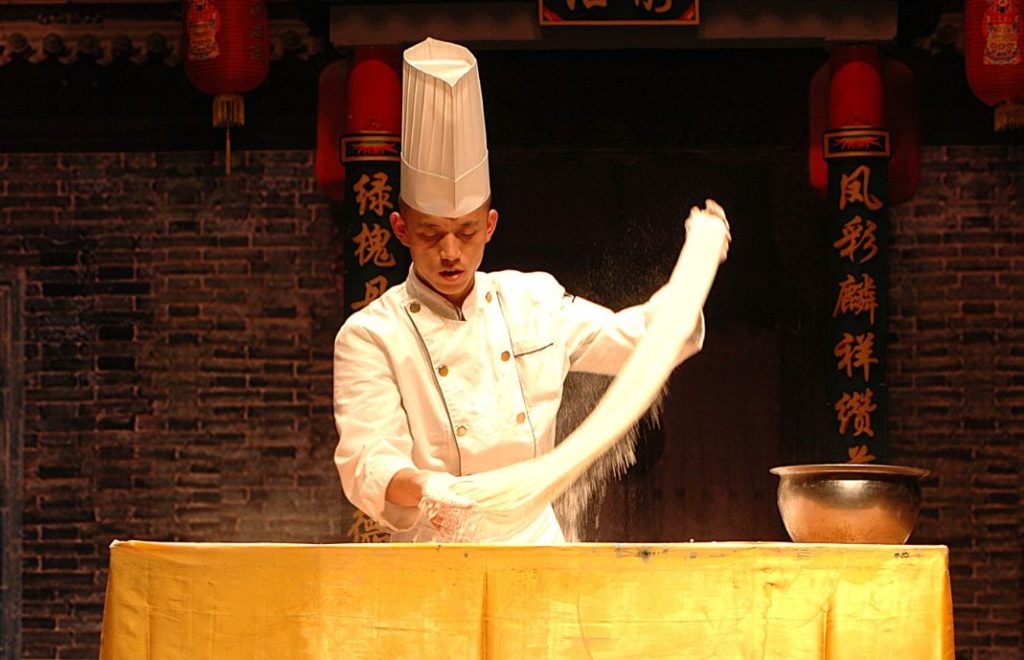
In this region of long, harsh winters, food is all about sustenance and warmth. Forget rice – the staples here are wheat and millet, transformed into steamed buns (mantou), pancakes, noodles, and dumplings. Flavors lean bold, with garlic, scallions, black pepper, and soy sauce leading the way.
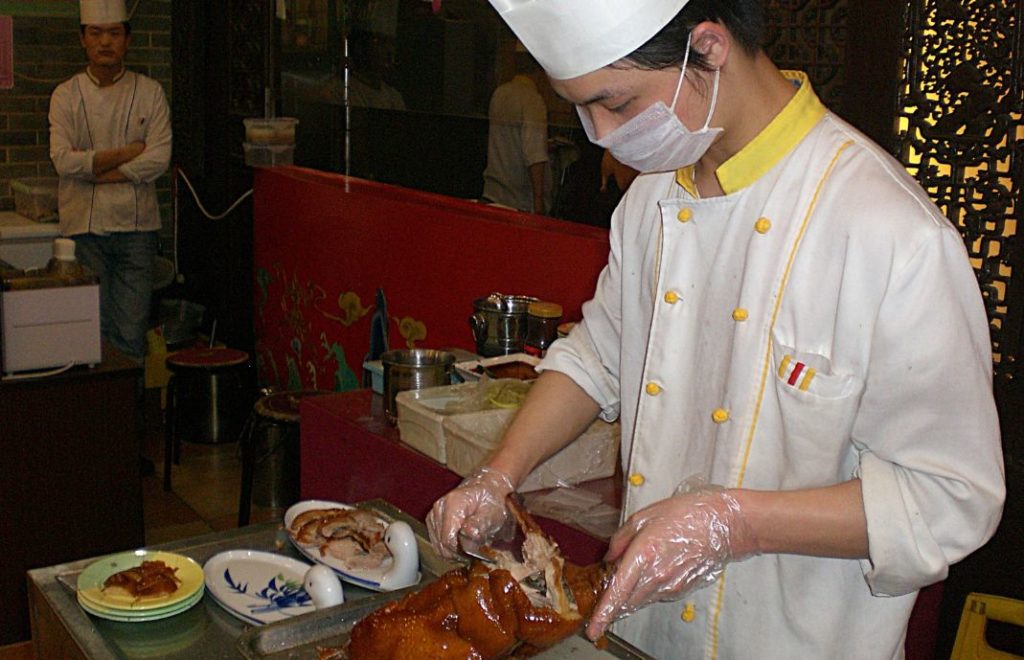
- Signature Dish: Peking Duck (a 19th-century creation, despite its ancient reputation)
- Other highlights: Mongolian lamb hotpot, pickled vegetables – especially salted cabbage – to carry locals through the cold months.
East China: Elegant & ocean-inspired
With its coastal provinces, river deltas, and freshwater lakes, this region celebrates seafood. The prized hairy crab – a seasonal delicacy – makes its appearance only from October to November.
Another hallmark? “Red-cooked” dishes – meats slowly braised in sweet soy sauce until richly lacquered and tender.
Staple foods: Rice dominates in the south; wheat-based mantou and xiao long bao (soup dumplings) rule the north, particularly in Shanghai.
West China: Fiery & flavor-packed
The mountainous provinces of Sichuan and Hunan are the homeland of heat and spice. Influences from India brought fragrant spices along the Silk Road, while Portuguese traders introduced chili peppers in the 1600s. Here, wok-fried dishes brimming with garlic and chili reign supreme.
Signature dishes:
- Mapo Doufu – tofu and minced meat in a fiery sauce
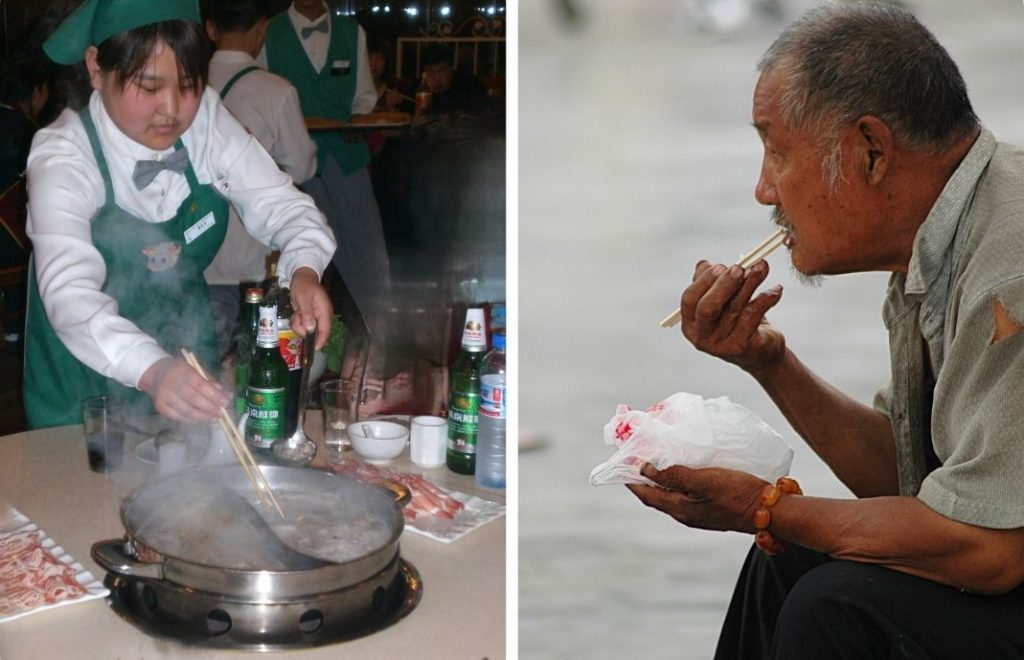
- Hotpot – a bubbling communal pot, perfect for meat and vegetables
- Hot-and-sour soup – bold, tangy, and deeply comforting
More of China’s regional flavors
South China: Refined flavors & dim sum delights
Food from Guangdong and Hong Kong – known globally as Cantonese cuisine – is celebrated for its delicacy and diversity of flavors. The focus here is on freshness and natural taste, with most dishes steamed or flash-fried in a wok to preserve texture and aroma.
- Signature experience: Dim sum, the region’s culinary crown jewel – bite-sized dumplings and buns filled with savory meats, seafood, or vegetables, traditionally paired with endless pots of tea.
- Other highlights: Shellfish reign supreme, with sea snails and a variety of crustaceans starring in countless dishes.
Other regional gems
- Northwest China: Influenced by Central Asian traditions, the Uyghur cuisine here features lamb stews, spiced skewers, naan bread, and hearty hand-pulled noodles tossed with red pepper, tomatoes, and eggplant.
- Tibet: Expect yak meat, butter tea, and warming bowls of thukpa (noodle soup) alongside dairy staples like cheese and yogurt – perfect sustenance for life on the roof of the world.
Avoid this: Say no to shark fin soup
One dish you should definitely skip in China – and across Asia – is shark fin soup. Though considered a traditional luxury delicacy, its production is rooted in cruelty and environmental harm.
Here’s why:
Barbaric practice
After catching sharks, fishermen slice off their fins and toss the animals back into the sea – alive. Unable to swim, they suffocate or bleed to death.
No culinary value
The fin itself is tasteless. Its inclusion is purely for texture and status.
Devastating impact
Up to 73 million sharks are killed each year for this practice, driving many species toward extinction.
Global stance
Animal welfare and environmental organizations worldwide strongly condemn shark fin consumption.
Make an ethical choice – say no to shark fin soup!
More inspiration to China:
Deep in rural China: Surprice and charm
Volunteering with pandas
25 fascinating facts about the Giant Panda
