
The boat eases out of Reykjavik’s harbor, cutting through the icy blue waters as the dramatic Icelandic coastline fades behind us. Jagged mountains rise in the distance, their snow-dusted peaks shimmering under a pale northern sun.
It’s an April morning, and the wind bites sharp, leaving frothy whitecaps dancing across the surface of the North Atlantic. The swells are a little higher than expected, and the boat rocks with a stubborn rhythm that tests even the hardiest sea legs.
Still, the promise of what lies ahead outweighs the unease. We’ve come for giants – creatures older than time itself. The crisp air is electric with anticipation as we scan the horizon, hearts thrumming in sync with the waves. Somewhere out there, beneath this restless sea, whales glide in silence, waiting for their moment to break the surface and take our breath away.
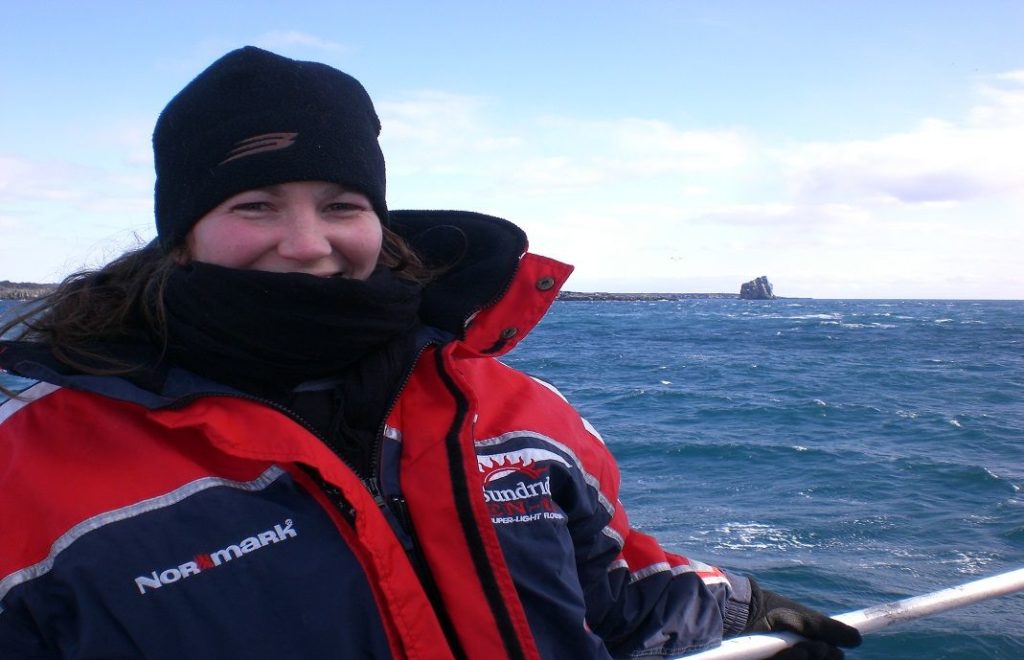
Chasing giants on the Icelandic Sea
Few places on earth offer such raw access to untamed nature as Iceland. Along the island’s southwestern coast, some of the ocean’s most awe-inspiring creatures roam freely – whales and dolphins, kings of the deep.
Just a few hours from Reykjavik’s harbor, the Atlantic becomes a stage for nature’s grand performance: sleek dolphins darting through the waves, minke whales slicing the surface with quiet elegance, and humpbacks breaching in spectacular arcs. If fortune truly smiles, you might even meet the ocean’s greatest monarch – the blue whale, the largest creature ever to grace the planet.
Today, though, excitement mingles with discomfort. The boat rocks relentlessly, its rhythmic rise and fall leaving more than a few passengers pale and quiet – including me. Still, the promise of what lies ahead keeps us anchored to the deck. We settle into a patch of sunlight, eyes on the horizon, swaying as the vessel climbs each swell and slides into the troughs.
Overhead, seabirds wheel and dive, scanning for their midday feast. The vastness around us is hypnotic – a canvas of cobalt waves brushed with white froth, merging into a horizon that seems to stretch forever. Somewhere out there, giants glide beneath the waves, and every heartbeat feels like a countdown to their arrival.
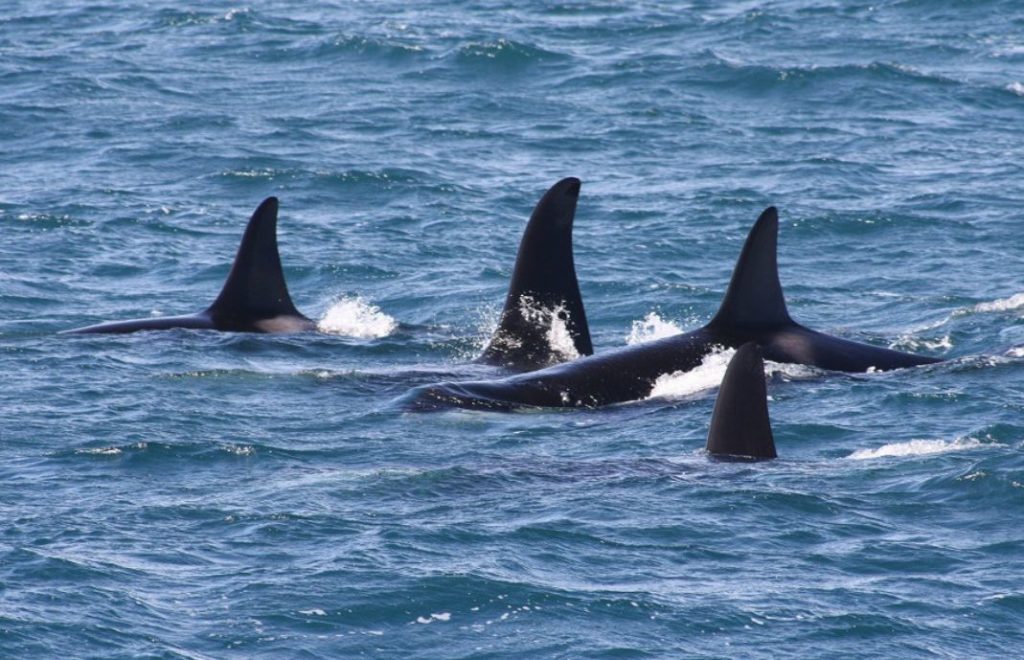
Orcas on the horizon!
The deck buzzes with sudden energy as one of the crew shouts:
“Whales to port side!”
Chaos erupts. Half the passengers don’t know port from starboard, so bodies shuffle frantically from side to side, like a clumsy maritime ballet. Luckily, the sailor had been standing right next to us when he called out, so we’re already in prime position.
I squint hard, scanning the endless expanse of churning blue and frothy whitecaps. How on earth did he see anything with the naked eye? To me, the ocean looks like one vast, restless sheet of water.
Then his voice again, calm and matter-of-fact:
“It’s a big pod of orcas, not far from us. Today, you are very lucky.”
Every head swivels, eyes narrowing, hands gripping the railing. Nothing. Just water. Some passengers exchange skeptical looks. Is this guy having a laugh at our expense?
And then – it happens. A sleek black fin slices through the surface, tall and commanding. Gasps ripple through the group. Another fin appears. Then another. And another. Soon, the ocean blooms with life as 15 magnificent orcas glide effortlessly alongside the boat, their black-and-white forms shimmering against the steel-blue sea.
Cameras click furiously, shutters struggling to keep up with the excitement. Everyone is secretly hoping for a dramatic breach or a mighty tail slap. But the orcas are not in the mood for theatrics today. They swim with quiet grace, their dorsal fins carving arcs through the waves, before melting back into the depths.
And honestly? That’s enough. More than enough. There’s something humbling – almost sacred – about watching these apex predators in their own realm, on their own terms. No tricks. No tanks. Just raw, wild beauty in the North Atlantic.
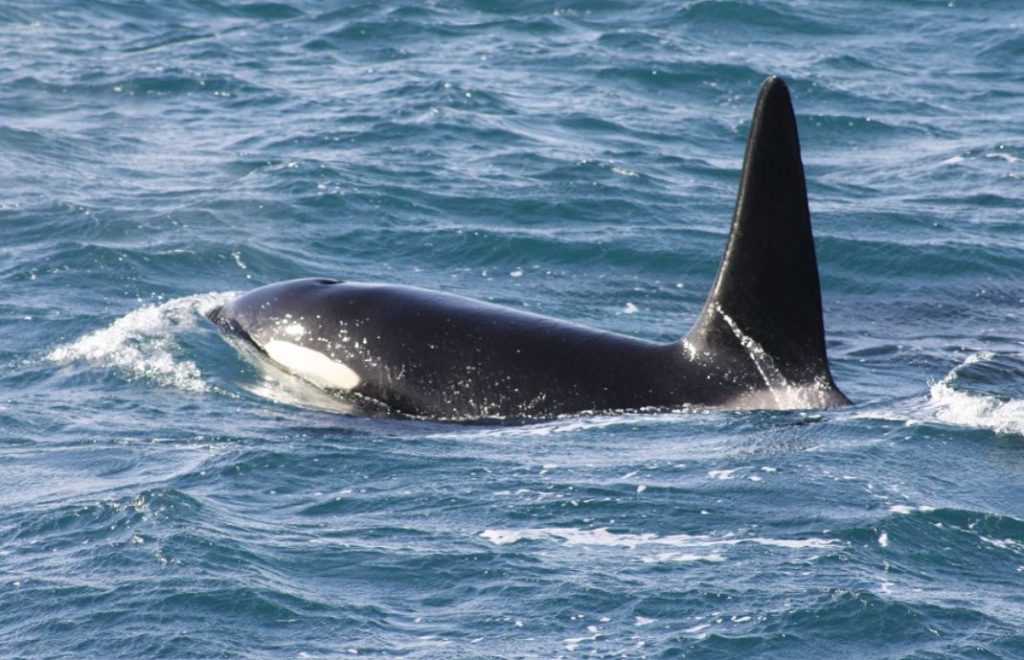
The magnificent orcas
The pod is led by a dominant male – a true ocean monarch – measuring nearly nine meters long and weighing around six tons.
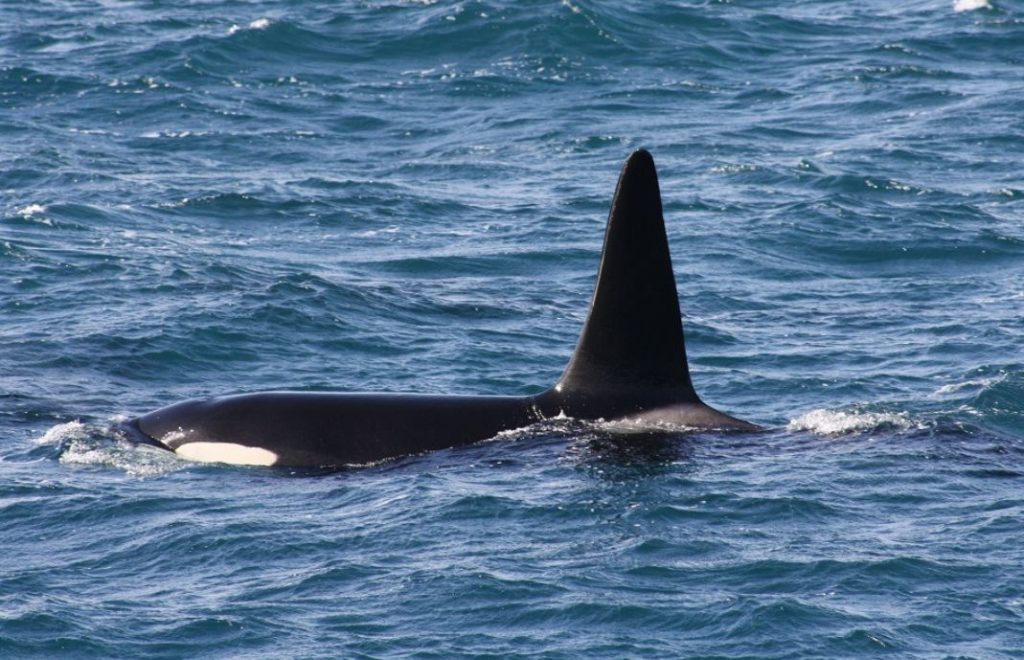
Orcas are impossible to mistake. Their sleek black bodies are accented with striking white markings: a bold patch behind each eye, a pale throat, and a belly that glows white or creamy yellow beneath the waves. Towering above is their signature feature: the tallest dorsal fin of any whale, reaching an astonishing two meters high in adult males.
Yet beauty is only part of their mystique. Orcas are among the most intelligent creatures on Earth, displaying complex social structures and a form of communication so intricate it borders on language. From the deck, we catch snatches of sound – clicks and whistles drifting across the water.
Our guide smiles:
“That means they’re leaving us.”
True or not, the timing is uncanny. Within minutes, the pod veers off, melting into the endless blue. Twenty magical minutes—gone in a heartbeat, yet etched in memory forever.
The captain turns the bow toward Reykjavik. On the way, a playful pod of dolphins greets us, though they keep their distance, darting through the waves like silver arrows. Out here, the rules belong to nature. Visitors can only hope that luck and timing align. Thanks to Iceland’s skilled guides and rich waters, sightings happen on 98 percent of trips – but never on demand.
By the time we near the harbor, the weather has changed once again – because, well, this is Iceland. Rain lashes the deck, soaking us to the bone, and the cold bites through every layer. Yet as we step ashore, legs still swaying from the sea, spirits soar. We’ve danced with giants. We’ve glimpsed a world few ever see. And the thrill of those twenty minutes will warm us long after the chill has gone.
Practical information
Where to go
Whale-watching tours operate from Reykjavik and several locations in North Iceland (such as Húsavík and Akureyri).
Expert guides
Tours are led by knowledgeable, English-speaking guides who share fascinating insights about marine life.
Recommended operator
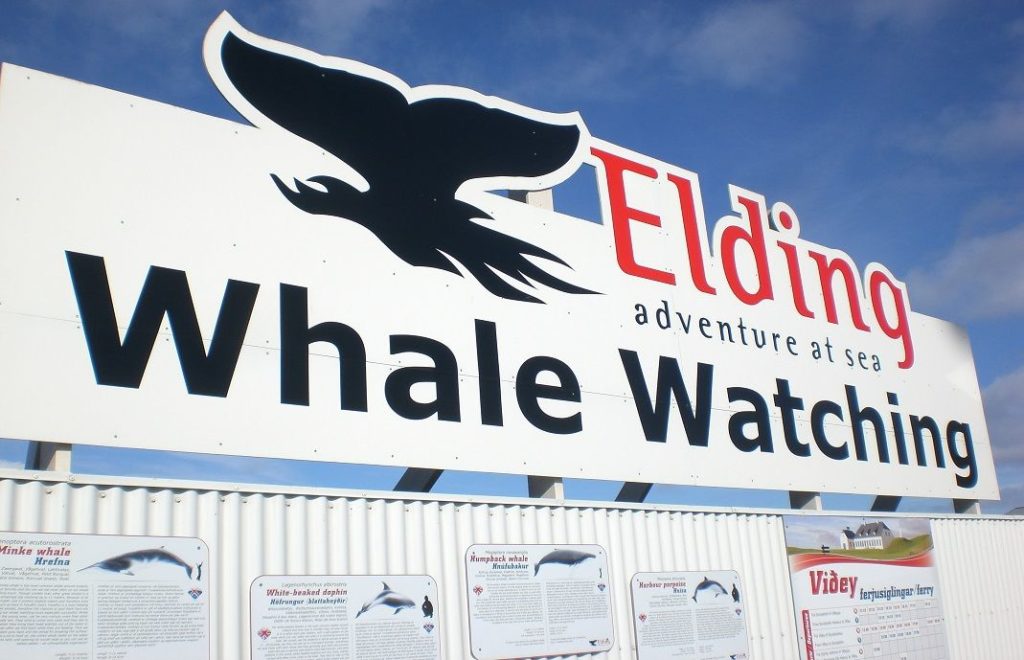
We sailed with Elding Reykjavik Whale Watching, one of Iceland’s most reputable companies.
Tour duration
Expect about 3 hours at sea.
Best season
April to October – prime time when thousands of whales migrate through Icelandic waters, offering some of the world’s best whale-spotting opportunities.
Sightings
While nothing in nature is guaranteed, Iceland boasts an impressive 98% success rate on whale-watching tours.
Tip
Dress warmly, even in summer. The North Atlantic wind is unforgiving, and weather changes fast.
More inspiration to visit Iceland:
Galloping into the wild
Volcano tourism in Iceland
Did you know this about Iceland?
Check-In: Icelandair’s First Class
