
Sixteen million years ago, deep beneath the Atlantic Ocean, the earth convulsed. An immense surge of magma, ash, and steam erupted into the void, reshaping the planet in a fiery display of raw power. When the chaos subsided, the world had gained a new island – Iceland.
Today, that same volcanic energy still pulses beneath the surface, shaping the landscapes that make this island so mesmerizing. Jagged lava fields, steaming vents, moss-covered craters, and black-sand deserts all whisper the same truth: here, nature rules.
Iceland isn’t just a destination. It’s an adventure, an elemental playground where fire meets ice, and where every bend in the road promises a scene that could be ripped from the pages of a saga. The contrasts are staggering: blinding glaciers paired with smoldering volcanoes, endless summer light followed by winter darkness, and ancient traditions thriving in one of the world’s youngest geological landscapes.
This is Saga Island – a place that defies easy description, where history feels alive, and where modern life beats in harmony with nature’s untamed rhythm. And whether you come in the golden glow of summer or the icy hush of winter, Iceland will astonish you at every turn.
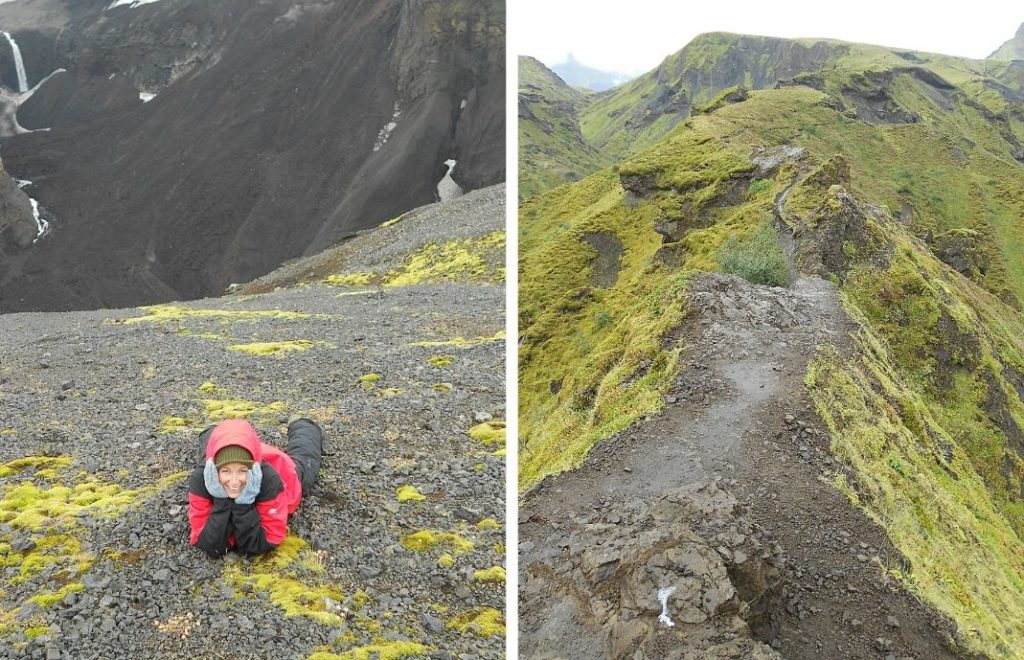
The call of the volcano
It’s still dark when I meet the guide who will lead us to one of the world’s most infamous volcanoes – Eyjafjallajökull. Our group is small, just five eager hikers bundled against the chill of an Icelandic dawn. Before us looms our ride: a monster of a vehicle on tires so massive they tower over me. Out here, this isn’t luxury – it’s survival. If you want to challenge nature, you need the right armor.
The journey begins from Reykjavik, winding toward Þórsmörk (Thorsmork), a wild and rugged valley cradled by glaciers and volcanic peaks. The road – or what passes for one – cuts through rivers that surge with glacial melt and across plains that look more lunar than earthly. Every crossing feels like a test of will, and I marvel at how effortlessly the super jeep plows forward, a beast bred for Iceland’s untamed heart.
Our destination: Fimmvörðuháls Pass, the dramatic ridge where two giants – Eyjafjallajökull and Mýrdalsjökull – meet in a frozen embrace. This is hallowed ground in the world of volcanoes. Here, in 2010, Eyjafjallajökull roared to life, spewing ash so vast it grounded thousands of flights and brought global aviation to its knees. For weeks, the world’s attention was riveted on this remote corner of Iceland, where fire burst through ice in a display as mesmerizing as it was catastrophic.
Today, the landscape bears its scars with a kind of raw beauty. Craters yawning wide, lava fields crusted in black, and the faint scent of earth still smoldering in memory. As dawn gives way to a silvery morning, we shoulder our packs and set out on foot, the crunch of volcanic gravel under our boots and the promise of adventure ahead.
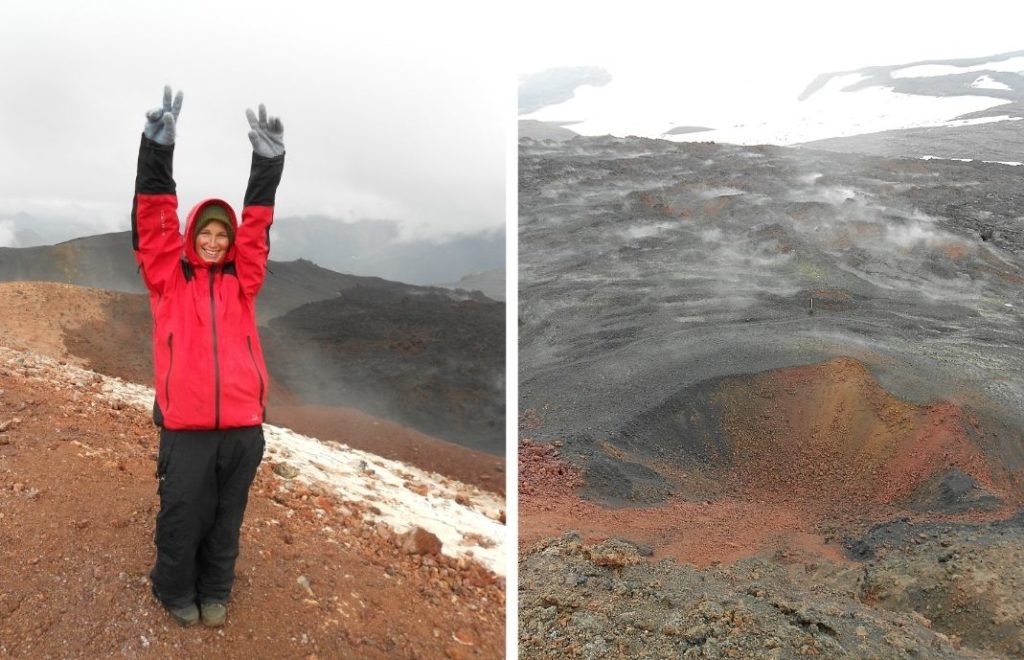
Eyjafjallajökull unleashes its fury
It all began quietly – at least by volcanic standards. In December 2009, Eyjafjallajökull stirred, whispering its intent through a series of seismic tremors. Thousands of micro-quakes rippled beneath the glacier. By February 2010, instruments revealed a startling shift: the Earth’s crust had moved three centimeters southward.
Then came the cracks – gaping fissures more than 500 meters long – and with them, fire. Between 10 and 12 volcanic craters erupted in unison, spewing incandescent fountains of lava that soared 150 meters into the air, glowing at a blistering 1,000°C. The scene was apocalyptic, a molten symphony of red and black.
And yet, Eyjafjallajökull wasn’t finished. This was only an overture.
On April 14, 2010, the mountain roared again – this time from deep beneath its icy crown. The heat unleashed torrents of meltwater that cascaded into nearby rivers, scouring the valleys below. Scientists estimate this eruption was 10 to 20 times more powerful than the first.
But what truly etched Eyjafjallajökull into global memory was the ash. A towering plume, dark as midnight, billowed skyward and spread like a shroud across Europe. For days, the skies fell silent. Flights were grounded, airports became ghost towns, and the world watched as a remote Icelandic volcano brought international air travel to its knees.
When the fury subsided, the landscape was forever changed – and Eyjafjallajökull had claimed its place in history.
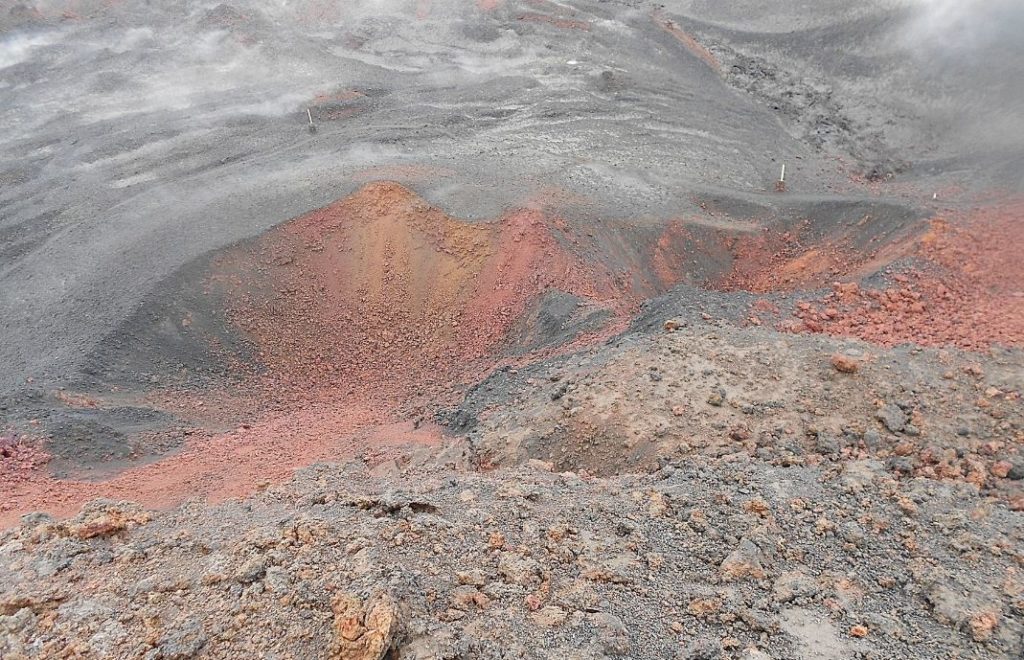
New opportunities for adventure seekers
On Iceland, volcanoes aren’t anomalies – they’re part of daily life. The island sits astride the Mid-Atlantic Ridge, one of the most geologically active zones on Earth, and on average, volcanic eruptions occur every five years. From this reality has sprung a thrilling new concept: volcano tourism.
The cataclysmic eruption of Eyjafjallajökull didn’t just rewrite aviation history – it sculpted a new, dramatic landscape. Today, a seven-hour round-trip hike takes adventurers deep into this otherworldly terrain, where the scars of fire meet the chill of ice.
As I ascend toward the summit, the evidence of nature’s ferocity is everywhere. Jagged ridges of obsidian-black lava slash across the mountainside. Steam rises from geothermal vents, curling into the air like whispers of the underworld. Pools of scalding water bubble quietly, their surfaces rippling like molten glass.
Each step feels heavier as the trail steepens. The wind sharpens, threading icy fingers through my jacket, and the once-bright sky darkens beneath a sweep of brooding clouds. Breath comes harder now, plumes of vapor marking each exhale. I tug my woolen hat lower, wrap my scarf tight, and press onward.
Because this is more than a hike – it’s a pilgrimage to the raw, beating heart of Iceland. Somewhere above, shrouded in mist and myth, the volcano waits.
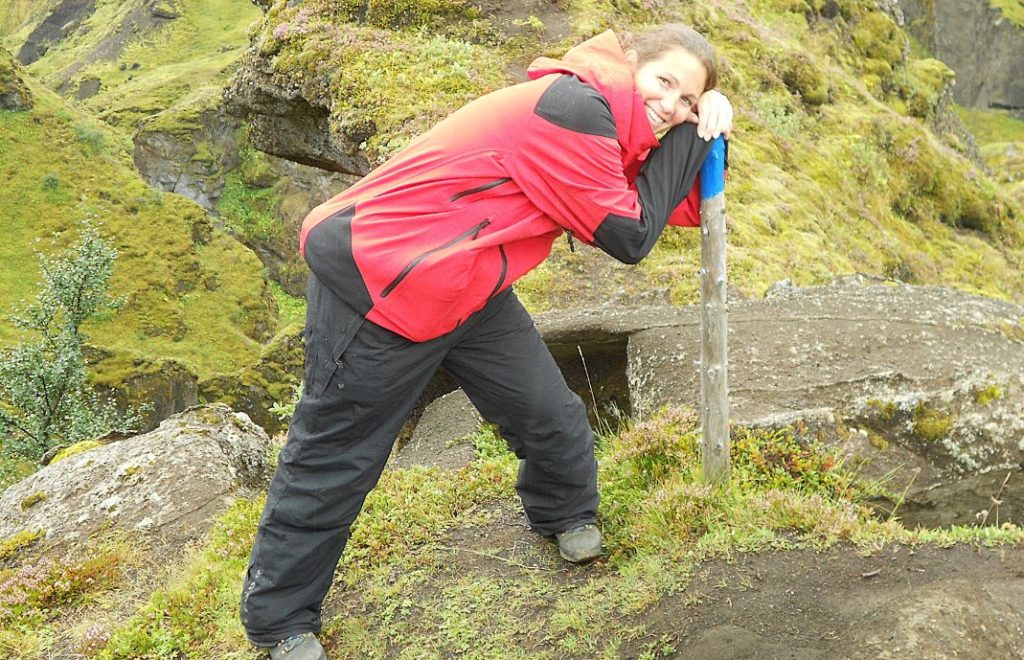
Iceland’s spectacular landscape
The scenery here is a paradox – both harsh and hauntingly beautiful. Even beneath a somber sky, the land dazzles in its rawness. Nature has tossed aside any rules of color harmony: mountains loom in shades of lead gray, sulfur yellow, muted blue, moss green, and volcanic black. It’s a painter’s palette gone wild – primordial and unapologetic.
An Englishwoman in our group, voice tinged with nervous laughter, keeps asking the same question:
“You’re sure the volcano won’t erupt today?”
Our guide grins, his face weathered like the lava fields themselves.
“Pretty sure,” he replies cheerfully. “If it were, we’d have had one – or five – warnings by now.”
Finally, the summit draws near. The guide halts, pointing upward.
“Not far now,” he says. Adrenaline surges, and despite aching legs and the sting of wind against my cheeks, I push forward.
Moments later, we stand in a place that didn’t exist a year ago – a land birthed from fire. Around us yawns a surreal tableau of fresh craters, steaming fissures, and hardened rivers of lava. It is strange, mesmerizing, terrifying, and magnificent all at once.
Here, the Earth has spoken with a force that humbles humanity – a stark reminder that we are merely guests on this restless planet.
Hot on the volcano
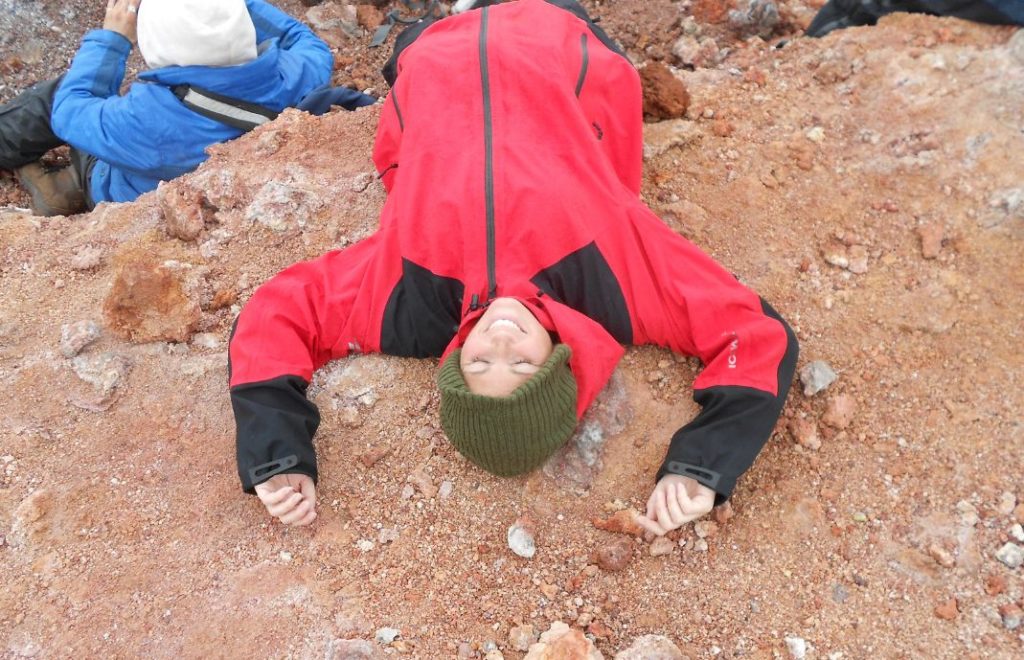
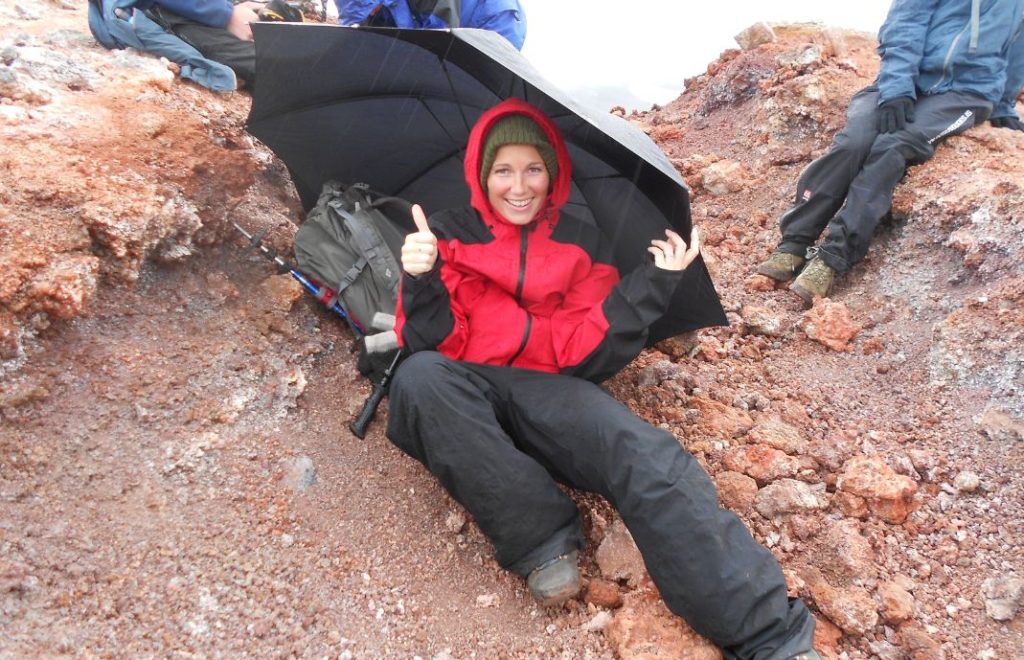
At the summit, exhaustion melts into quiet awe. The wind claws at my jacket, cold biting deep, until even my bones feel brittle. Then the guide, ever resourceful, pulls a small miracle from his pack: a sturdy umbrella. He pops it open and motions me underneath. In its fragile shelter, the chill eases – just enough.
But the real magic is yet to come. From the same pack, he produces a couple of simple cheese sandwiches and lays them on the blackened earth. Within minutes, the volcanic heat does its work. The cheese softens, turns molten, and suddenly I’m feasting on the most improbable meal of my life: freshly melted sandwiches, cooked by the heart of the Earth itself.
Warm food, a warm laugh, and the wild drama of Iceland stretching in every direction – what more could you ask for? Energy renewed, we shoulder our packs and begin the descent, boots crunching on the path that leads us back to the edges of civilization.
And as I glance back at the steaming heights of Eyjafjallajökull, one thought lingers: in Iceland, even lunch can feel like an adventure.
Cheers to volcano tourism
That evening, our guide invites us to join him for dinner in Reykjavik. We arrive as a ragtag crew – mud-streaked, windblown, and carrying the faint aroma of sulfur. Perhaps that’s why the staff discreetly seats us at a corner table, away from the polished crowd. But no one in the room smiles as widely as we do.
“Told you Eyjafjallajökull wouldn’t erupt today,” the guide laughs, raising a glass of Svartedaudir – or Black Death, as it translates. Don’t let the ominous name fool you. This smooth Icelandic aquavit is as warm and welcoming as the people who brew it, best enjoyed at room temperature so its herbal notes shine.
As we toast the day, conversation drifts back to the mountain. Eyjafjallajökull may rest quietly now, but its legacy is far from dormant. The chaos it caused in 2010 paralyzed air traffic across Europe, yet it also gave birth to something extraordinary: landscapes so raw and otherworldly they draw travelers from across the globe.
Here in Iceland, volcanic power is both a burden and a blessing. It fuels homes with geothermal energy, shapes dramatic scenery, and serves as a reminder of nature’s dominance. And for those bold enough to venture into this rugged realm, it offers something even rarer: a sense of connection to the primal forces that shaped our planet.
Travel tip
If you’re planning to summit a volcano or tackle an Icelandic trek, book with a reputable operator. You’ll gain more than just safe passage – you’ll get insight, expertise, and the gear you need to thrive in this harsh but magnificent environment. I booked with Trek Iceland, and I can’t recommend them enough.
So here’s to Iceland, where the ground beneath your feet still breathes fire – and where even a glass of Black Death tastes like life itself.
More inspiration to visit Iceland:
Galloping into the wild
Whale watching in Iceland
Did you know this about Iceland?
Check-In: Icelandair’s First Class
