
A towering figure in a green military uniform stands sentinel by the modest border building, his weapon slung casually over one shoulder, his face carved from stone – expressionless, unyielding, like one of Easter Island’s silent guardians. His eyes never stray from our small group of four as we prepare to step into the immigration office.
He is one of many stone-faced sentinels guarding the frontier of Transnistria. A country that, officially, does not exist. At least, not on any map the world recognizes.
Welcome to Transnistria
If you’ve never heard of Transnistria, you’re not alone. This self-proclaimed republic is a narrow strip of land wedged between Moldova and Ukraine, stretching just 220 kilometers in length and no more than 50 kilometers across at its widest point.
When the Soviet Union crumbled in 1990, Moldova broke away to claim independence. But for those living in Transnistria, this was an unwelcome prospect. Most were ethnic Russians unwilling to become a minority in a Romanian-speaking nation. So, they staged their own breakaway, declaring independence.
The move sparked a brutal two-year conflict between the two sides. A ceasefire was reached in 1992, granting Transnistria a measure of autonomy—yet, by then, the Soviet Union was gone forever. Their dream of remaining part of the USSR had vanished, but the legacy of that era endured.
And that’s what makes visiting Transnistria so captivating: it’s like stepping into a Soviet time capsule, where communism, Lenin, Marx, and echoes of the KGB still cast long shadows.
To enter, we first have to get past the stone-faced sentinel at the border.
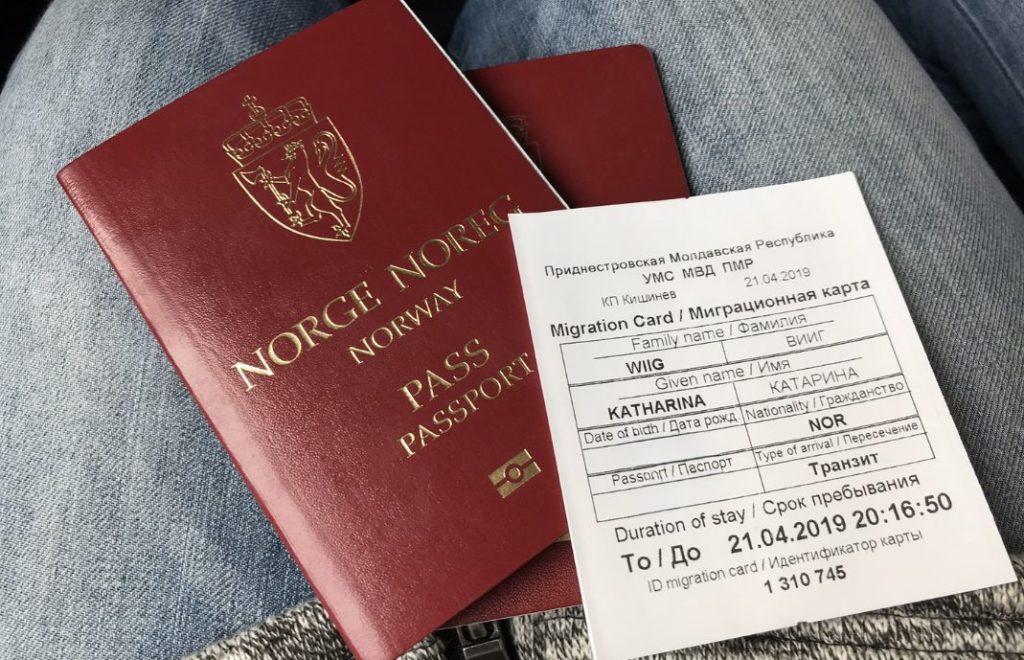
Inside the immigration office, more of his unsmiling comrades await. No greeting, no trace of warmth from the officers who collect our passports. They scrutinize mine with meticulous care – eyes flicking from the photo to my face, back to the photo, then to me again – before finally issuing a slip of paper: my entry permit, valid for ten hours in this “country that doesn’t exist.”
The capital: Tiraspol
Welcome to Transnistria – the country that doesn’t exist!
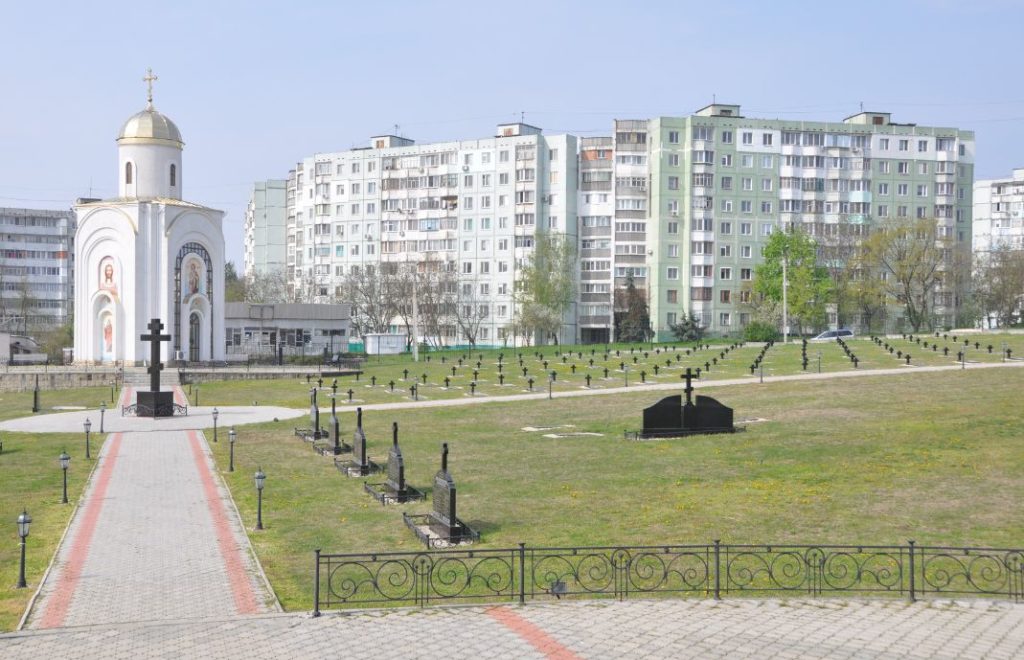
Today’s destination is Tiraspol, a city frozen in time. Founded in 1792 by Russian General Alexander Suvorov after the empire seized land from the Ottoman Turks, it still bears the heavy imprint of its past.
A broad avenue named October 25th Street – honoring the date of the Bolshevik Revolution – leads us into the heart of the city. Other streets carry names like Lenin and Marx, and throughout the center, statues of Lenin stand as stoic reminders of an ideology the rest of the world has largely abandoned. Here, communist propaganda and even decommissioned tanks punctuate the urban landscape.
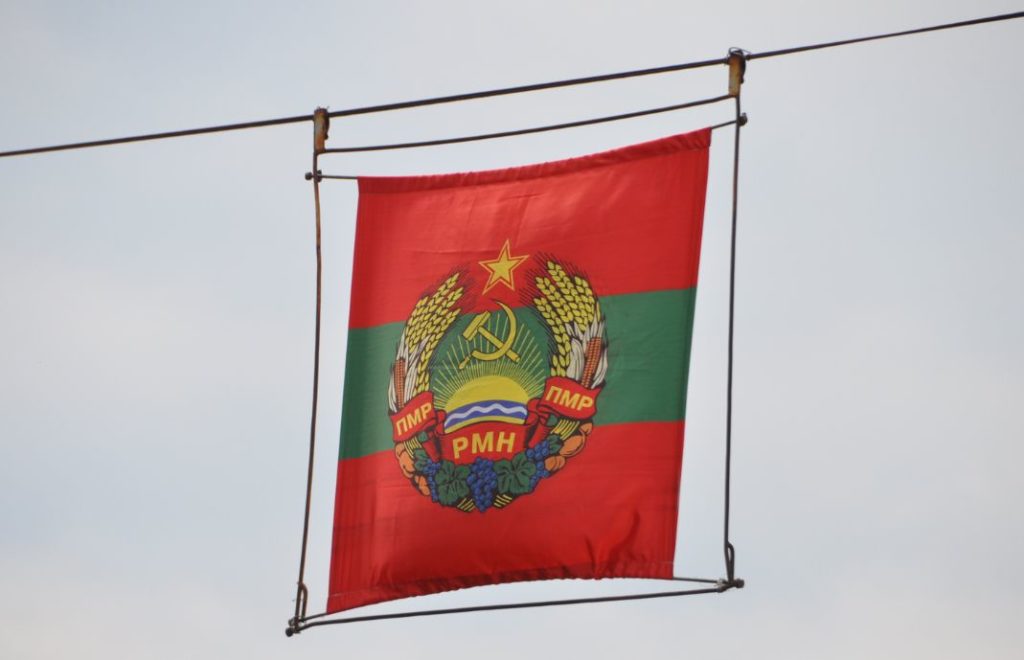
Above government buildings, the flag waves proudly – complete with star, hammer, and sickle. Street signs are in Cyrillic, unlike in Moldova where Latin script prevails. The atmosphere is somber, almost surreal.
While most former Soviet republics rushed to erase the symbols of communism after the USSR’s collapse, Transnistria clung to them – holding tight to its sense of unity and identity. For visitors, it feels like stepping through a portal into a parallel past.
The country that doesn’t exist
It’s a truly surreal feeling – standing in a nation that, officially, does not exist.
Today, roughly half a million people live here, with about 140,000 in the capital, Tiraspol.
Transnistria boasts all the trappings of statehood: a president, a flag, an army, its own laws, currency, and even passports. Yet its sovereignty is recognized only by two other breakaway regions – Abkhazia and South Ossetia – which, in turn, are acknowledged by… well, no one.
Curious, I ask our guide how residents manage to travel abroad when their passport isn’t accepted anywhere. She smiles and explains that most hold dual documents: a Transnistrian passport and a valid one from Moldova, Ukraine, or Russia.
It’s a nation in name, a shadow state in reality – a fascinating anomaly in the heart of Europe.
Tighina Fortress
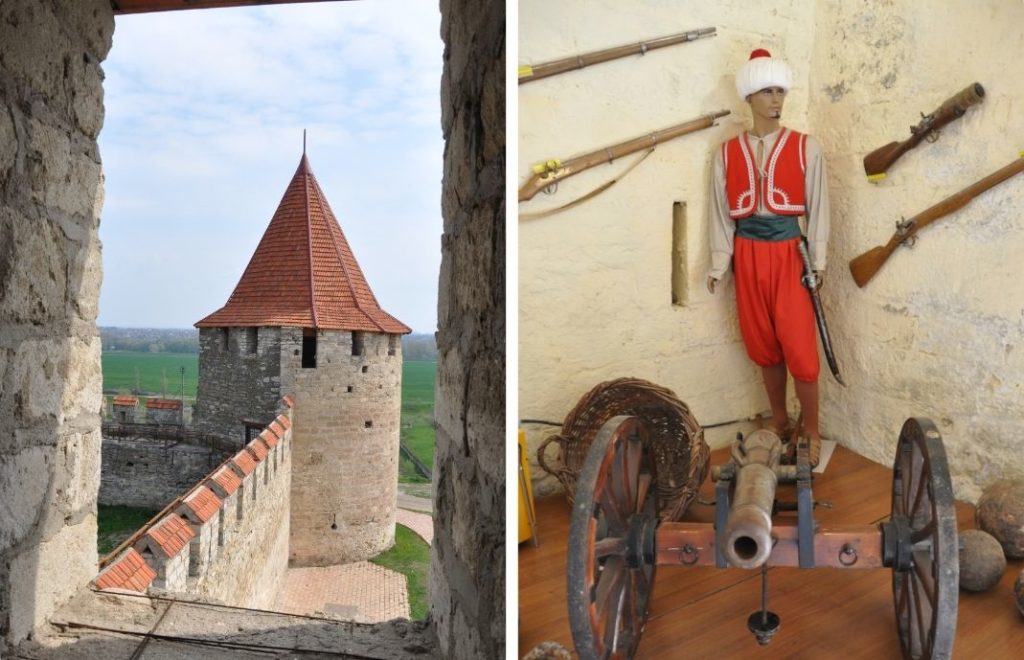
Our first stop is Tighina Fortress, also known as Bender Fortress, commanding a strategic position on the banks of the Dniester River.
The name Tighina first appears in historical records in 1408, when it served as a settlement and checkpoint established by Alexander the Good, Prince of Moldova, as a gift to the merchants of Lviv. During the 15th and 16th centuries, it is frequently mentioned in written sources, underscoring its growing importance.
The original fortress is believed to have been built in the 12th century under Prince Stephen the Great. In 1538, it was seized by Ottoman Sultan Suleiman the Magnificent, who ordered its reconstruction in stone and expanded its fortifications.
Over the centuries, Tighina endured numerous sieges and assaults. During its time under the Russian Empire, the fortress was repurposed as military barracks.
By 1812, Tighina had lost much of its strategic significance and fell into decline.
Since 1991, the site has been controlled by Transnistrian authorities, who oversaw extensive restoration between 2008 and 2012.
Today, with its imposing walls and watchtowers, Tighina Fortress stands as a striking historical landmark and a favorite stop for visitors. Several chambers house engaging exhibits detailing the stronghold’s turbulent history and the many powers that once claimed it.
Tanks and war memorials in Tiraspol
Our journey continues to the heart of Tiraspol.
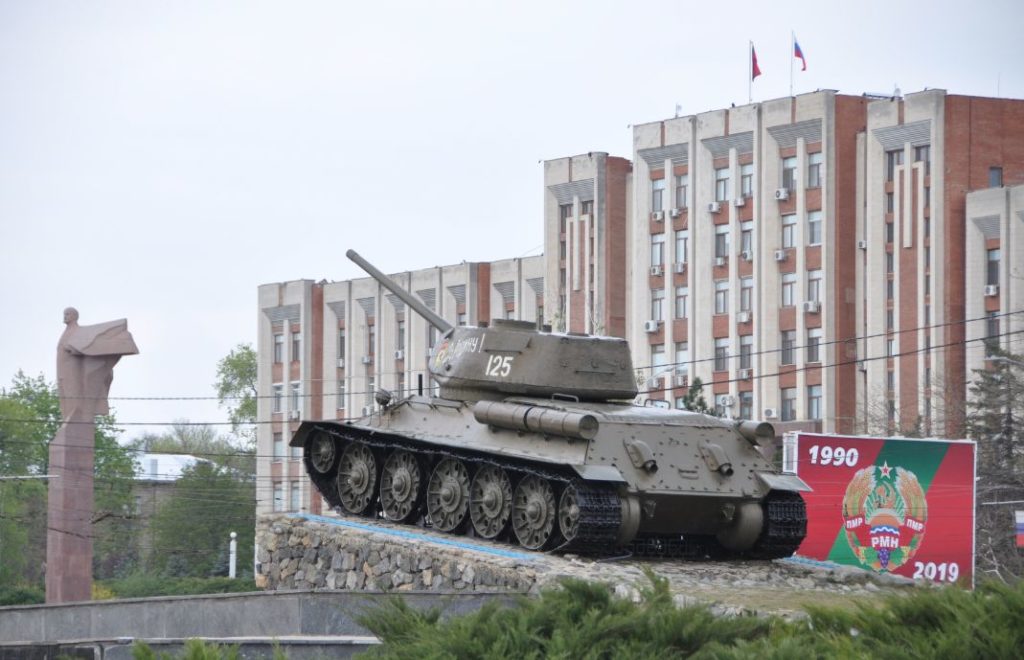
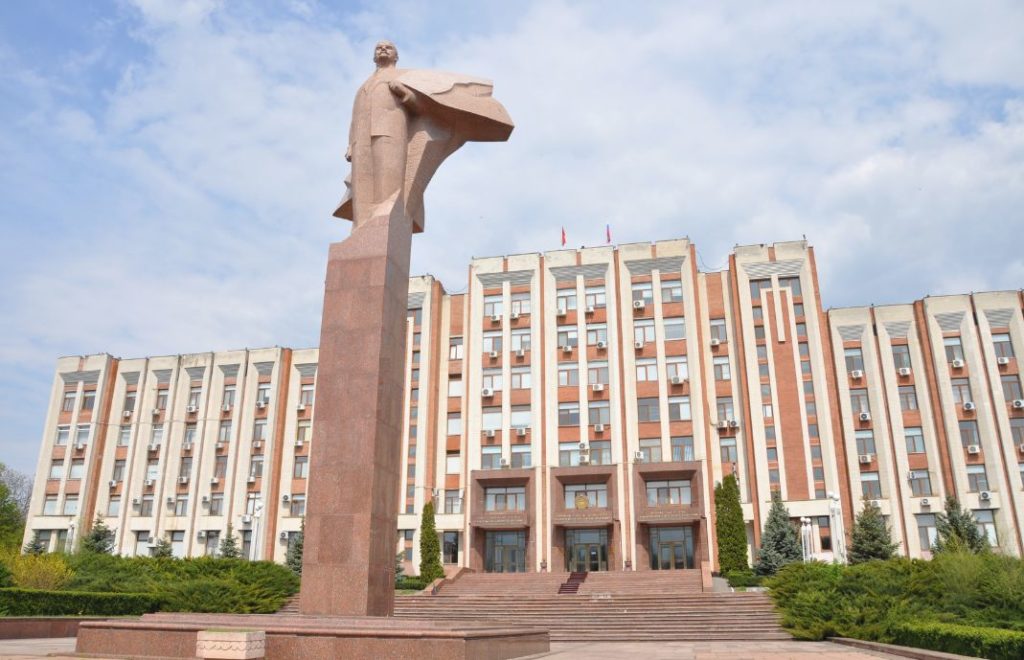
First stop: the imposing Government Building, where a towering statue of Vladimir Lenin (1870-1924) dominates the square. The flag flutters gently in the breeze – a vivid reminder of an era long gone, yet stubbornly preserved here.
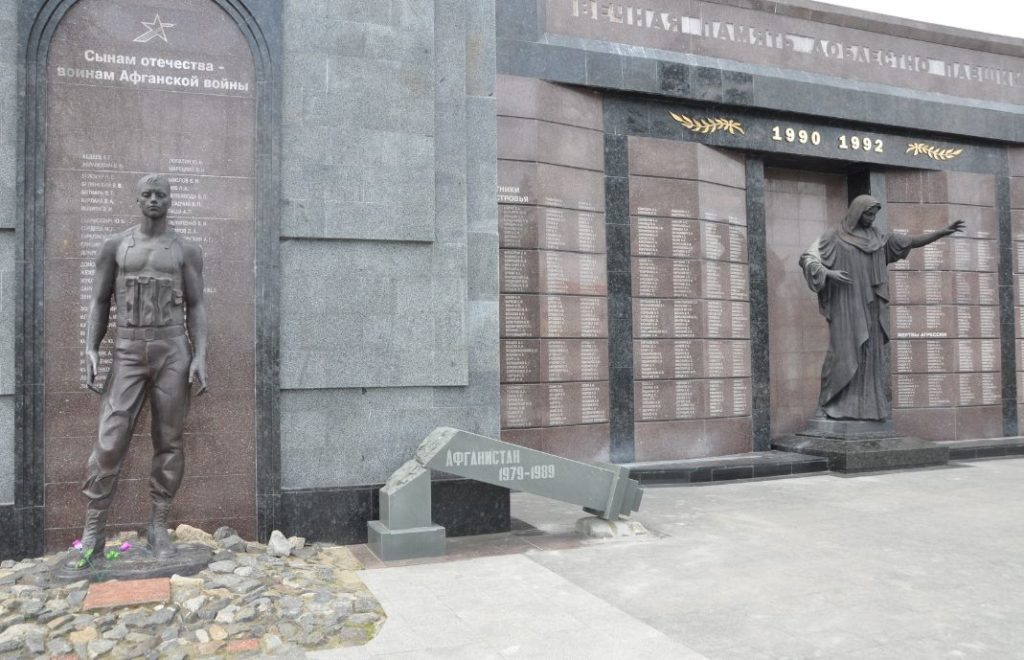
Directly across the street lies the Memorial for Fallen Soldiers, its centerpiece a Soviet T-34 tank from World War II, perched high as a proud relic of past battles. An eternal flame flickers within a communist star, casting a solemn glow over the names of the fallen etched on a stark black monument.
History here runs deep – and bloody. In 1990, war erupted between Moldova and the breakaway region of Transnistria. Fierce fighting claimed countless lives on both sides. Ultimately, the conflict drew in Soviet-Russian forces from the 14th Army, tipping the balance in Transnistria’s favor.
By 1992, a ceasefire was signed. The agreement introduced joint peacekeeping forces from Russia, Moldova, and Transnistria, along with the establishment of a security zone to separate the warring sides.
Today, the square stands as a haunting tribute to those who died. A place where Cold War echoes still resonate in stone, steel, and eternal flame.
Tiraspol: A city like no other
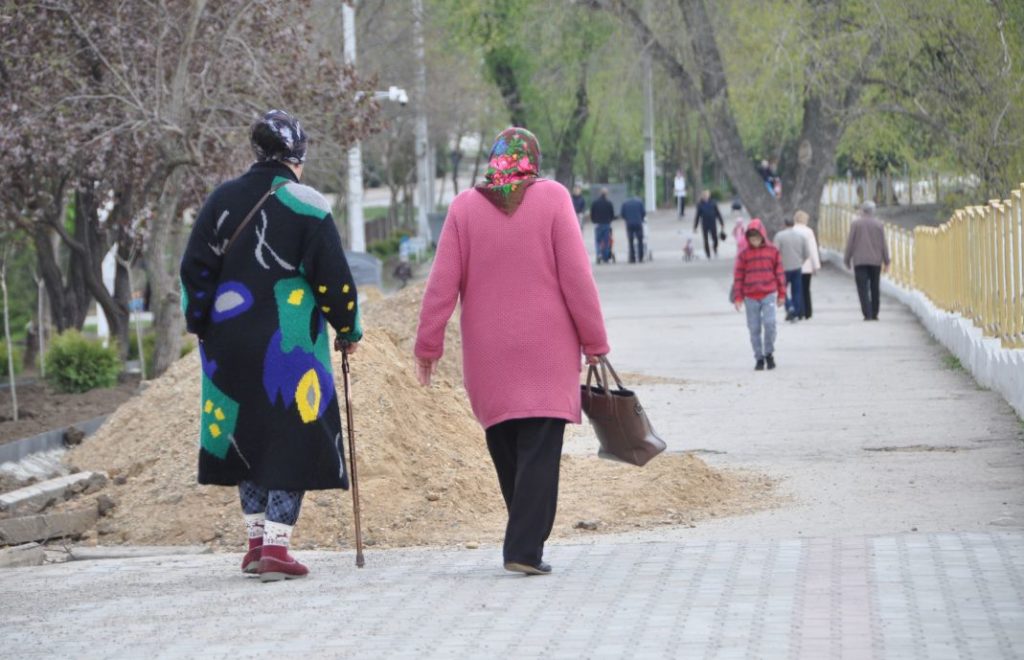
We stroll toward the Dniester River – its name practically begging for a few extra vowels – passing through a park that feels frozen in another era. Elderly women, stooped with age and wrapped in headscarves, shuffle by carrying their evening meals. A family relaxes on a worn bench while a man in his seventies pedals past, dressed in a tracksuit straight out of the Soviet sports archives, riding a bicycle that looks like it rolled out of the 1950s.
Tiraspol is a curious place. It’s not a beautiful city in the conventional sense, nor does it boast an endless list of attractions. In fact, the city itself is the attraction— – a living museum of another time. The streets are quiet, the buildings bleak and gray, yet interspersed with surprising pockets of greenery.
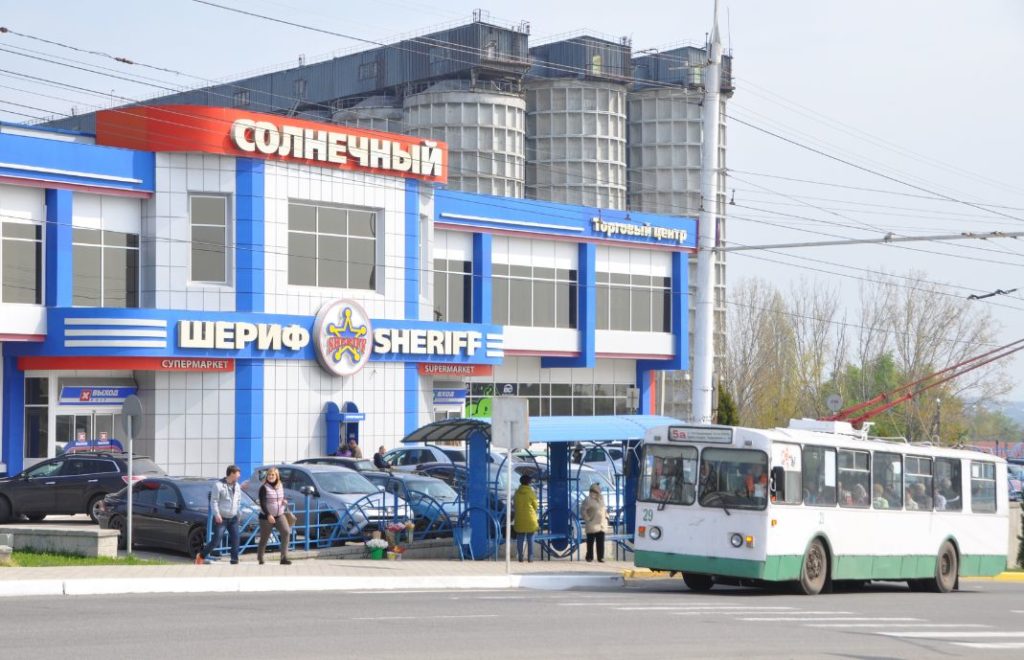
And here’s something refreshing: there isn’t a single McDonald’s or Starbucks in sight. Instead, the dominant brand is Sheriff. According to our guide, this name is everywhere – on supermarkets, shopping malls, gas stations.
The monopoly is clear. When I ask what happens if someone dares open an independent grocery store, she answers softly: “It won’t last long.”
Sheriff’s influence extends even further. The company “donated” a gleaming, state-of-the-art stadium to FC Sheriff Tiraspol, the local football team that, unsurprisingly, wins the league every single year.
As for who controls the Sheriff empire? Our guide falls silent, her eyes darting briefly to the side. The implication hangs heavy in the air: in Tiraspol, some questions are better left unasked.
At the local market
Our walk takes us along the riverside promenade, where a modest beach lies across the water. Tiraspol will never rival the world’s great seaside destinations, but for the locals, this strip of sand is a cherished escape.
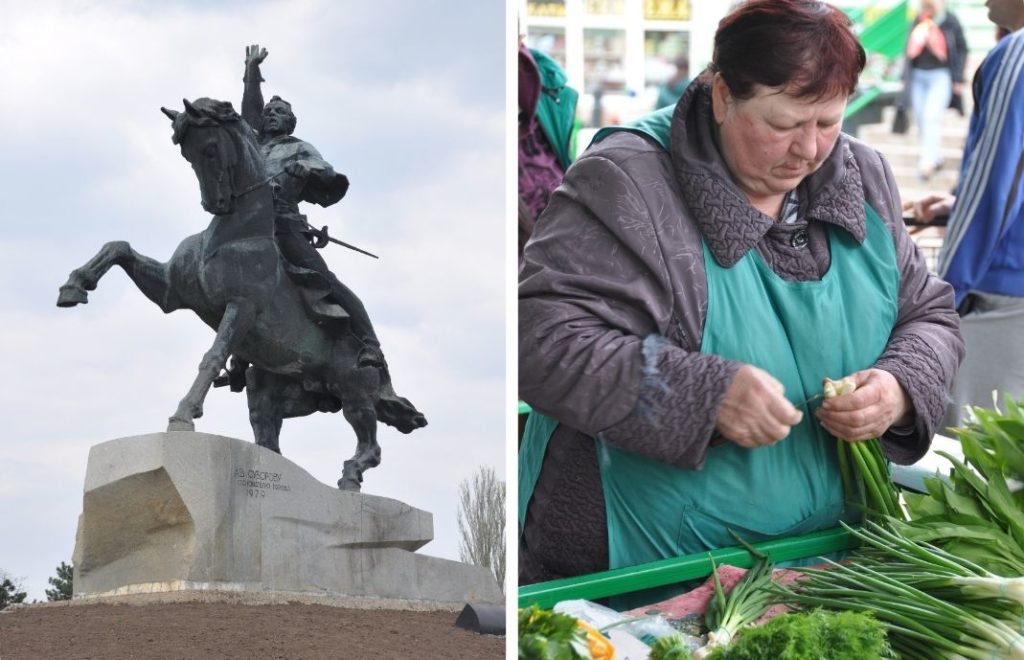
We meander through a sprawling park, cross the wide avenue, and pause before the imposing statue of city founder Alexander Suvorov, perched proudly on horseback – a silent sentinel of Tiraspol’s past.
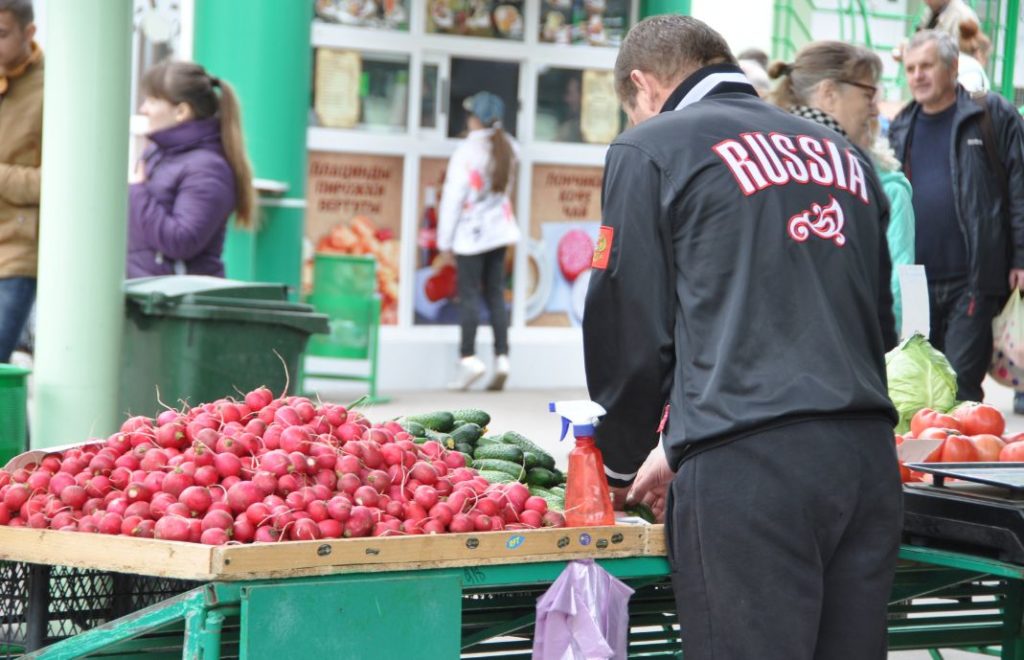
Next stop: the market. Here, life hums in vivid, unpolished detail. Stalls overflow with vegetables, fruits, fish, and meats, interspersed with plastic flowers, household goods, and colorful toys.
A toothless babushka in a headscarf trades her fresh produce for crinkled Transnistrian rubles, while a young man haggles over the price of apples.
Inside the covered hall, the air is thick with the mingling scents of raw meat and fish – pungent enough to sting the nose. Behind one counter, a seasoned matron wields her knife like a maestro’s baton. With a swift, practiced motion, she slices through a hefty slab of meat, wraps it in paper, sets it on an old-fashioned scale, and hands it over with – yes – a smile.
It’s in places like this that Tiraspol feels most alive: gritty, authentic, and utterly indifferent to the outside world’s gaze.
Transnistria – An experience like no other
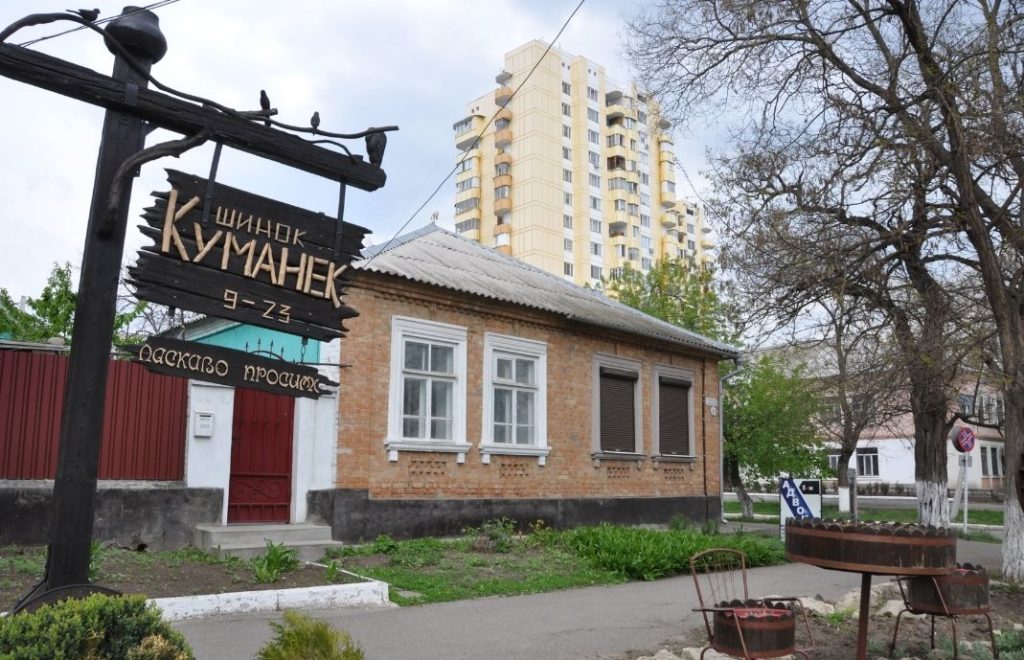
Hunger finally wins the battle, and we make our way to a small Ukrainian restaurant called Kumaneok. The quaint wooden house seems almost swallowed by the hulking gray concrete blocks surrounding it. Inside, servers dressed in traditional attire greet us with warm smiles. The food is superb, the flavors rich and comforting, and the atmosphere calm – an oasis amid Tiraspol’s peculiar stillness.
Satiated – both by the hearty meal and by the day’s flood of impressions – it’s time to return to the present, and to Moldova, a country that officially exists.
Relations between these two neighbors remain strained to this day. When Transnistria declared independence in 1990, an entire generation grew up being taught that Moldova was a separate country, culturally different from their own. Such divides are not easily bridged. For Moldova, Transnistria remains a stumbling block on its path toward EU membership; for Transnistria, economic challenges loom large, and its chances of ever achieving international recognition as an independent state are virtually zero.
And yet, for a traveler, this curious sliver of land – this “country that doesn’t exist” – offers an experience as fascinating as it is surreal.
Back to reality
As we near the border, the familiar figures of ramrod-straight men in green military uniforms materialize ahead. This time, there’s no need to step inside the immigration office. We simply hand over our passports and the entry permit to the officer stationed in a small booth.
I ask our driver to politely request if I can keep the slip – a quirky little souvenir to prove I’ve been to a country that officially doesn’t exist.
To my surprise, the officer returns both the passport and the permit – accompanied by a smile.
Our visit to this phantom republic is an experience I wouldn’t trade for anything: a surreal journey back in time, a bizarre detour into a land where history has pressed pause.
The question that lingers is how much longer Transnistria will cling to an era the rest of Europe has long since left behind.
Before visiting Transnistria
How to get there
You can enter Transnistria from either Moldova or Ukraine. From Moldova, the easiest option is a day trip from the capital, Chișinău.
Transport options
Minibuses depart almost hourly from the central bus station. Alternatively, you can hire a car with a driver and guide from Chișinău.
Border formalities
At the border, you’ll hand over your passport and receive an entry slip allowing a stay of up to 10 hours. Your passport will not be stamped.
Departure
The entry slip must be returned when leaving. If you’d like a quirky souvenir, politely ask if you can keep it – they sometimes say yes!
Longer stays
If you plan to stay beyond 10 hours, inform officials at the border and register with the police upon arrival in Tiraspol.
Moldova’s perspective
Officially, Moldova considers you never to have left its territory, so there are no extra exit/entry procedures when returning.
Distance
From the border (if coming from Chișinău), it’s about a 90-minute drive to Tiraspol.
Currency
Only Transnistrian rubles are accepted. Calculate carefully how much you exchange – unused currency cannot be converted back into Moldovan lei (MDL), euros, or U.S. dollars, even within Transnistria. The ruble has no value outside the region.
Facts about Transnistria
Status
Transnistria is officially recognized by the UN as part of Moldova. However, following the collapse of the Soviet Union in 1990, the region declared independence.
Capital
Tiraspol.
Population
Approximately 500,000 people, with around 140,000 living in the capital.
Government
Transnistria operates with its own president, military, police, currency, flag, national anthem, and legal system – despite lacking international recognition.
Languages
The official languages are Romanian/Moldovan (written in Cyrillic), Russian, and Ukrainian.
Currency
The Transnistrian ruble, which is not accepted or exchangeable outside the region.
More inspiration to visit Moldova:
11 excellent reasons to visit Moldova
The Monk who got me drunk
