
Let me be clear from the start: a visit to Yad Vashem – the Holocaust Museum in Jerusalem – is not easy. It is an experience that weighs heavily on the heart and soul. Every room, every exhibit, is designed to confront you with truth – raw and unfiltered – and to ensure that each visitor leaves with a deeper understanding of the Holocaust and its devastating impact.
You might wonder why I feel compelled to write about such a sobering place. The answer is simple: because I must. Travel isn’t always about lighthearted moments and picture-perfect experiences. Sometimes, it is about bearing witness, about honoring memory.
This post is a tribute to the victims of the Holocaust and a reminder of how vital it is not only to learn about the past – but to learn from it. Because that is the only way to ensure history never repeats itself.
Where is Yad Vashem Holocaust Museum?
Yad Vashem is located on the slopes of Mount of Remembrance, on the outskirts of Jerusalem.
What is Yad Vashem?
It is Israel’s largest museum dedicated to the Holocaust – a profound memorial to the six million Jews who perished. Established as an organization in 1953, Yad Vashem’s mission has always been to document and honor the victims of the Holocaust and to preserve the stories of Jewish life during this darkest chapter in history. Its ultimate purpose: to ensure that these memories never fade and that future generations remember.
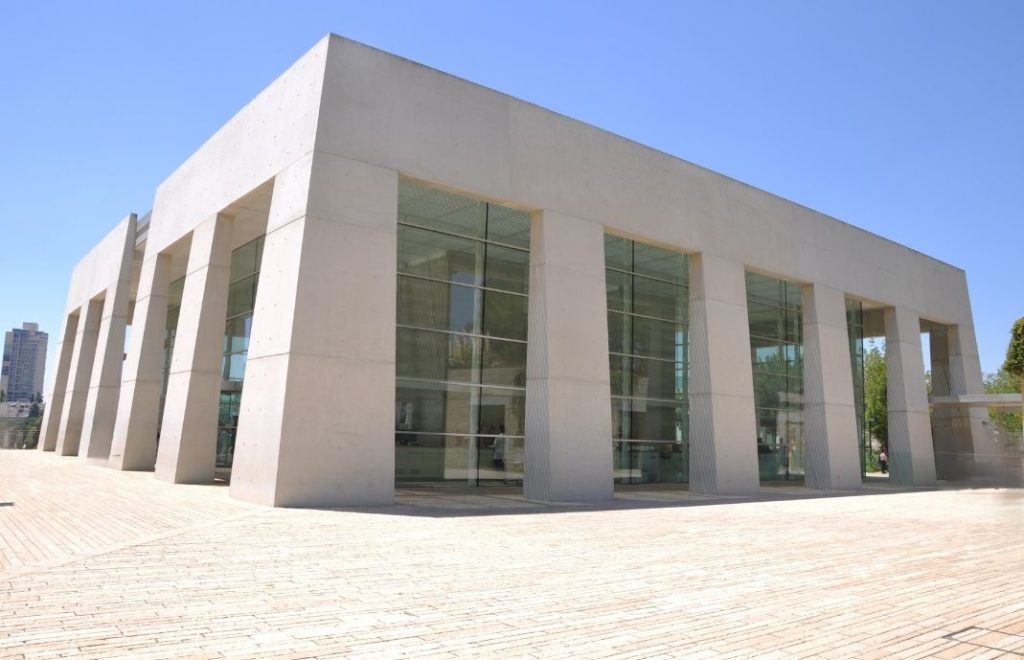
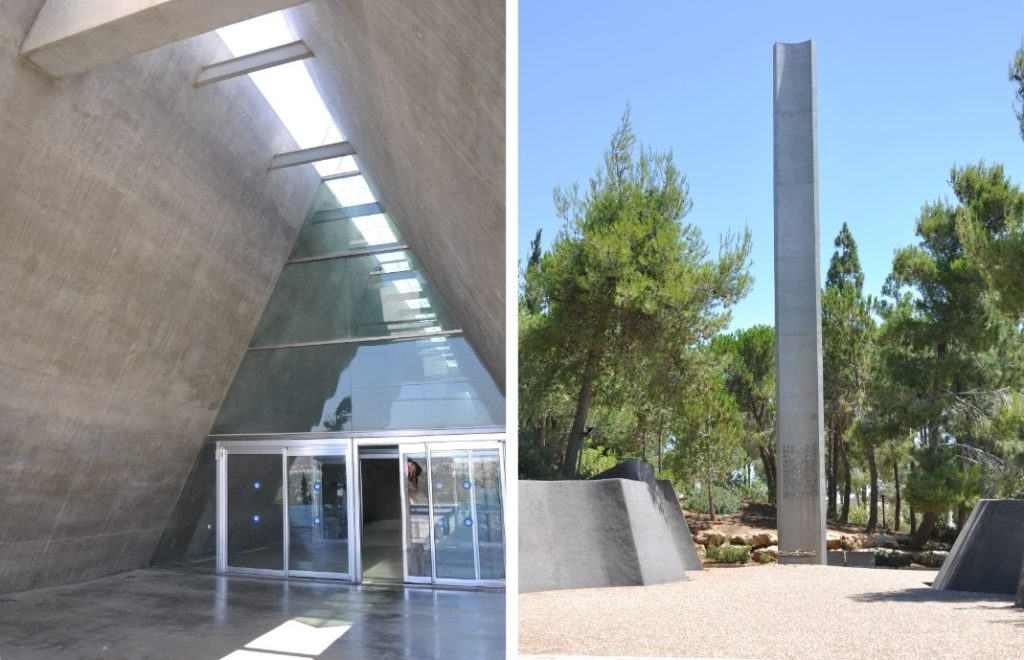
The museum itself opened in 2005 and is architecturally striking. A prism of concrete cutting through the mountain, symbolizing both the weight of history and the piercing light of remembrance.
Your visit to Yad Vashem
A visit to Yad Vashem is a solemn journey through nine powerful galleries, each designed to immerse you in the history and human tragedy of the Holocaust. The exhibits combine photographs, films, archival documents, letters, artwork, maps, and personal belongings retrieved from camps and ghettos – objects that bear silent witness to lives interrupted.
The museum’s layout takes you chronologically through the entire story – from the early warning signs to the horrors of genocide, and finally, to the fragile hope of renewal.
The galleries include:
- The World that Was – A glimpse into the vibrant Jewish life that existed before the Holocaust.
- From Equals to Outcasts – How rising antisemitism and discriminatory laws stripped Jews of their rights.
- The Awful Beginning – The outbreak of war and the first waves of persecution.
- Between Walls and Fences – The confinement of Jews in ghettos across occupied Europe.
- Mass Murder – The systematic slaughter that began even before the death camps.
- The “Final Solution” – The Nazi plan for complete extermination, culminating in the gas chambers.
- Resistance and Rescue – Stories of those who fought back and those who risked everything to save lives.
- The Last Jews – The grim reality for those who remained in the war’s final days.
- Return to Life – The aftermath: liberation, survival, and the struggle to rebuild shattered lives.
The experience concludes in the Hall of Names, one of the museum’s most moving spaces. Here, a ten-meter-high conical structure rises above you, its walls covered with photographs and fragments of Pages of Testimony – documents bearing the names of Holocaust victims. Reflected in a pool of water at the base, these faces and names echo through time. The hall currently contains information on three million individuals, a fraction of the six million Jewish men, women, and children murdered by the Nazis and their collaborators.
Standing in this quiet, haunting space, you feel the weight of history – and the urgency of remembrance.

The Children’s Memorial
Beyond the main Holocaust History Museum, Yad Vashem is home to several deeply moving memorials you should not overlook.
One of the most poignant is Yad Layeled, also known as the Children’s Memorial, dedicated to the 1.5 million Jewish children murdered during the Holocaust. This space is designed to unite their stories in a symbolic and unforgettable way.
Inside, the atmosphere is hushed, illuminated only by faint, flickering lights. As you move slowly through the darkened hall, photographs of the children who perished emerge from the shadows, their faces etched with innocence and promise never realized. Their names are read aloud in a continuous loop – a haunting litany that drives home the staggering scale of loss.
It is an experience that sears itself into your memory – a heart-wrenching tribute that reminds every visitor of the human cost behind the numbers.

Other memorials at Yad Vashem
Several sites within Yad Vashem’s vast complex offer additional layers of remembrance – solemn, symbolic, and deeply moving:
Hall of Remembrance
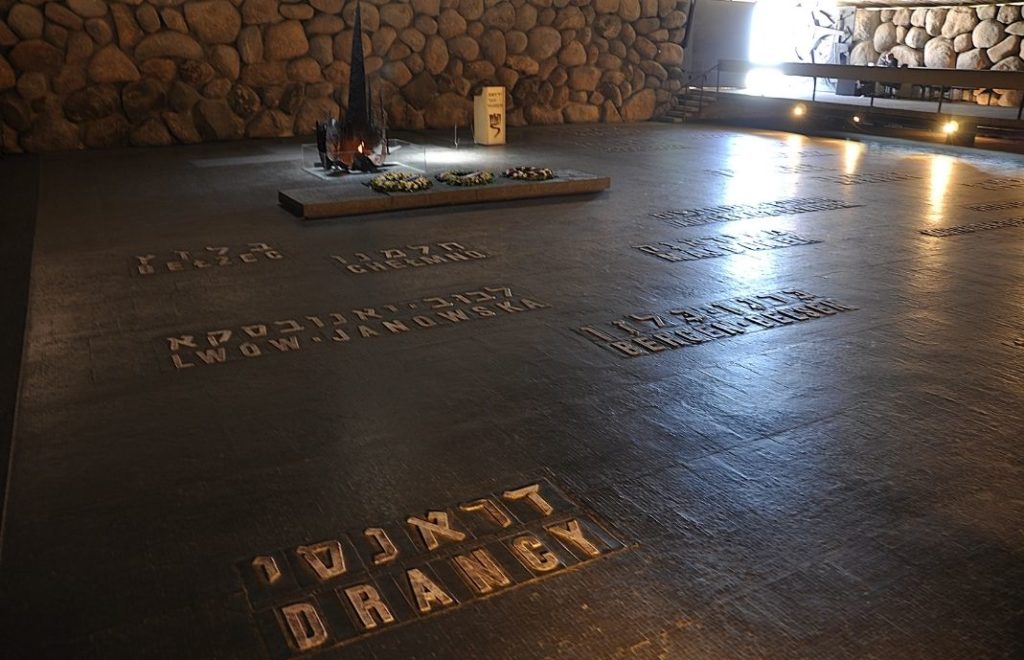
Here, an eternal flame burns brightly in honor of the victims. Beneath it rest the ashes of those who perished, interred within this sacred space. The stone floor is engraved with plaques bearing the names of countless concentration and extermination camps – a sobering reminder of the scale of atrocities.
The Memorial of the Deportees
Perhaps one of the most haunting installations, this memorial features a weathered railway car suspended at the edge of a precipice along a winding mountain road. It commemorates the millions of Jews who were deported by train to ghettos and death camps, their lives derailed into unimaginable horror.
Avenue of the Righteous Among the Nations
Lining the hillside, over 2,000 trees stand as living tributes to non-Jews who risked everything – often their own lives – to save Jews from Nazi persecution. Each tree bears the name of a rescuer, ensuring their courage is never forgotten.
How to visit Yad Vashem Holocaust Museum
Opening hours & Admission
Yad Vashem is open daily except Saturdays (Shabbat) and Jewish holidays.
Admission is free.
Time needed
Plan for at least two hours, though many visitors choose to spend half a day or more exploring the exhibits and memorials at their own pace.
Guided tours
Tours are available, but the experience can be more personal and reflective if you wander through the museum on your own.
Photography
Photography is strictly prohibited inside the museum to preserve the dignity and sensitivity of the exhibits.
Emotional impact
This is not an easy visit. The galleries and memorials are emotionally intense and profoundly moving – but they are also among the most important sites in Israel. Yad Vashem offers a deep, unflinching look at the Holocaust, leaving every visitor with a lasting sense of remembrance and responsibility.
What is the Holocaust?
The Holocaust refers to the Nazis’ systematic genocide of the Jewish people before and during World War II. Between 1938 and 1945, more than six million Jews were murdered – a catastrophe the Jewish community often calls the Shoah.
This was a genocide without precedent – total, deliberate, and meticulously executed.
The goal: the complete extermination of the Jewish people.
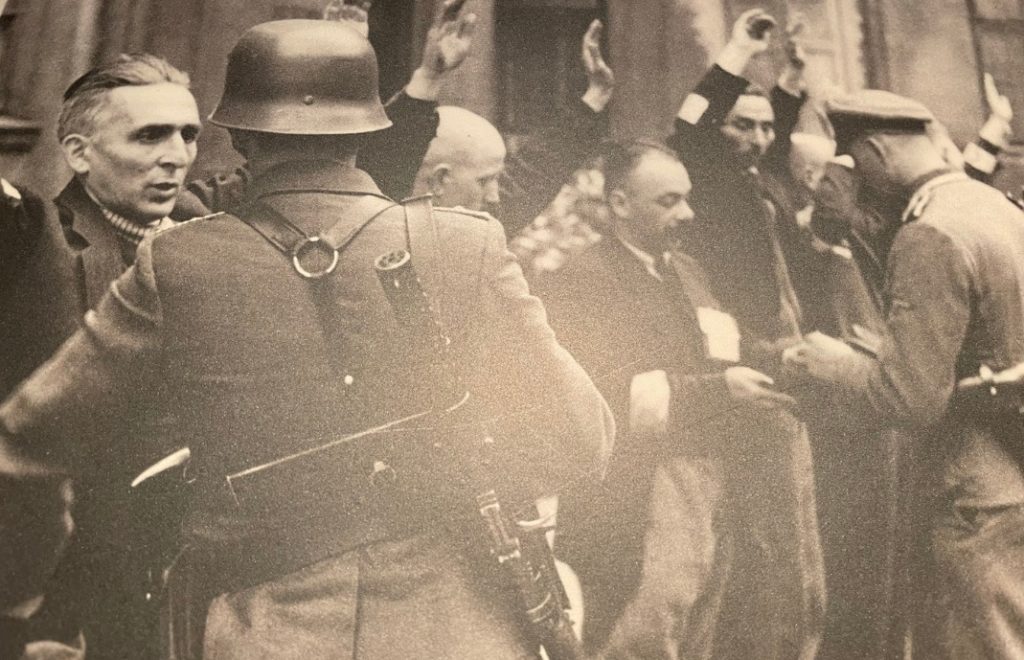
The path to the Holocaust was gradual. From Adolf Hitler’s rise to power in 1933 until the outbreak of war in 1939, Jews were stripped of their rights – legally, economically, and socially. Living conditions worsened, and violent persecution escalated, with many beaten or killed.
In 1939, Europe was home to around 10 million Jews. Six years later, approximately 60 percent had been annihilated – half of them Polish Jews.
By late 1941, the Nazis launched what they called the Final Solution – a plan to systematically destroy the Jewish population of Europe. Death most often came in extermination camps, though countless lives were also lost in ghettos and through mass shootings as the German army advanced on the Eastern Front.
For the Nazis, being Jewish was considered such a “crime” that every man, woman, and child had to die.
By the war’s end in 1945, six million Jews had been murdered. An entire civilization – one that had flourished for nearly 2,000 years – was all but erased.
More inspiration to visit Israel:
Israel’s Ten Commandments for travelers
Two fascinating cities: Jerusalem and Tel Aviv
