Wondering when the best time is to visit the Galápagos Islands? Here’s the truth: there’s no wrong time to go. This enchanting archipelago is a year-round destination, offering unique wildlife encounters and natural wonders in every season.
Even better? The animals are always there, waiting to be discovered – no matter when you arrive.
Straddling the equator, the Galápagos Islands experience little variation in temperature throughout the year. Instead of four seasons, the islands shift between warm and cool periods, each bringing different wildlife phenomena such as mating, nesting, migration, and hatching.
Whether you’re sailing past volcanic coastlines or snorkeling alongside sea lions, the archipelago pulses with life in every month.
If your goal is to witness a specific species or behavior, timing can make all the difference. Some animals are seasonal visitors, while others are island-specific and require a bit of strategic planning to spot.
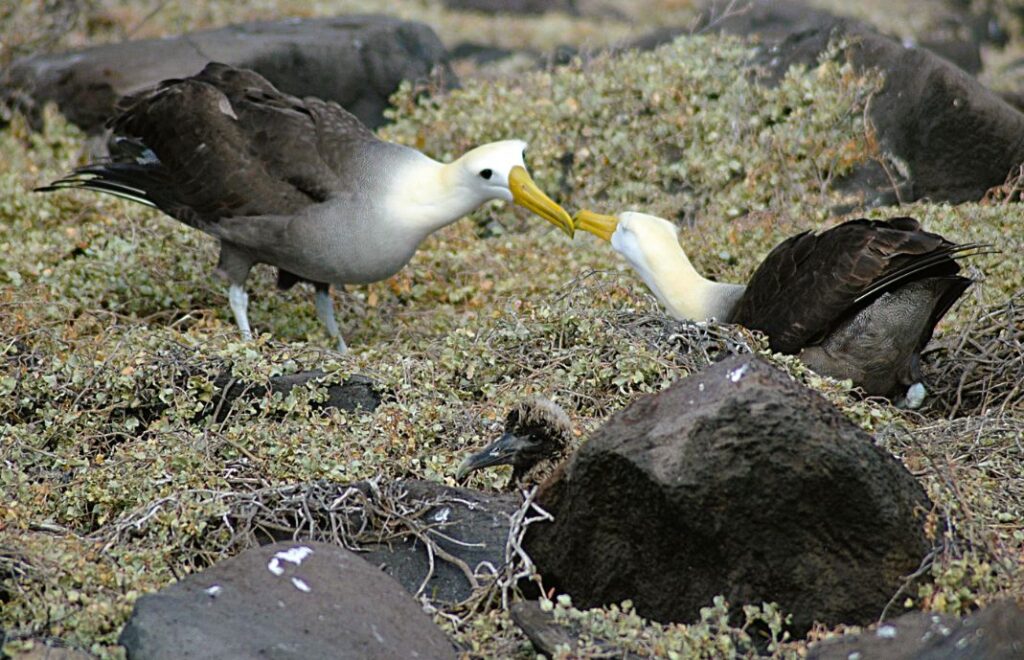
The Galápagos Albatross, for example, only arrives during its mating season in spring and summer. These majestic seabirds are a must-see – but only if you’re there at the right time.
Galápagos Penguins migrate to the central islands in August, drawn by cooler waters and a rich supply of fish.
Every month holds its own wildlife surprises – from sea turtle hatchings to blue-footed booby courtship dances. So whether you’re aiming to witness rare birds, snorkel with reef sharks, or walk among giant tortoises, there’s always something extraordinary happening on the islands.
Galápagos isn’t about finding the perfect time to visit – it’s about choosing the experience you most want to have.
THE WET SEASON
The wet season in the Galápagos runs from December through June, marked by brief daily showers, cloudy skies, and warm temperatures both on land and in the ocean. This makes it an ideal time for snorkeling and diving, with excellent underwater visibility and calmer seas.
December in the Galápagos: A complete land and sea adventure
December is a transitional month, signaling the end of the dry season and the beginning of the wet one. Rainfall is still relatively light, and the islands are brimming with activity – both above and below the waves.
Waved Albatross chicks are now grown and begin to take flight, marking the departure of these majestic birds from Española Island until they return in March.
The blue-footed boobies are busy diving and feeding, offering spectacular aerial displays as they plunge into the ocean after fish.
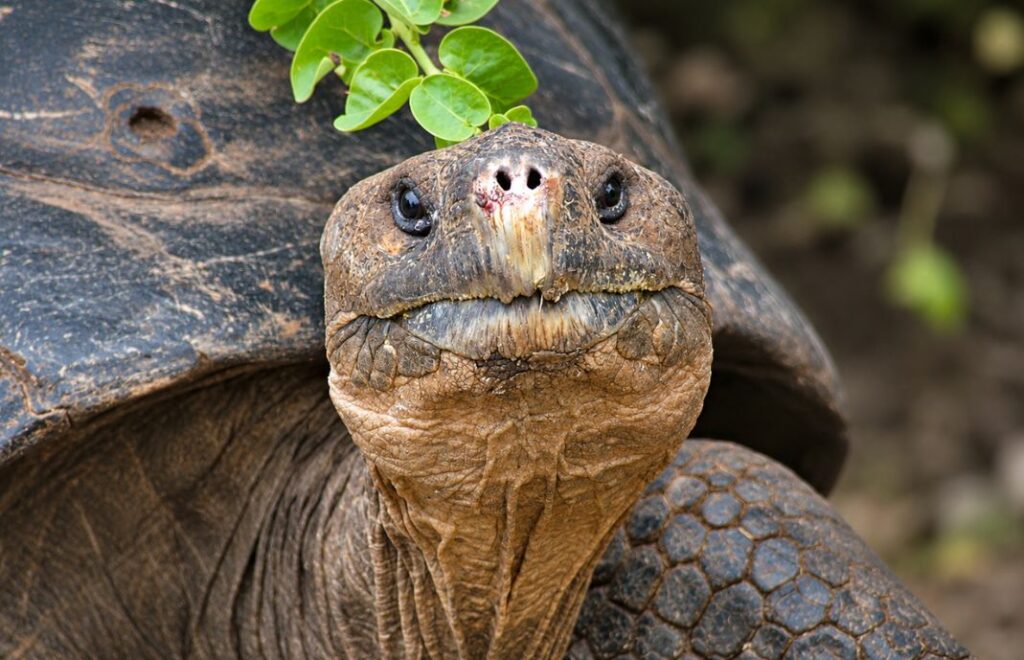
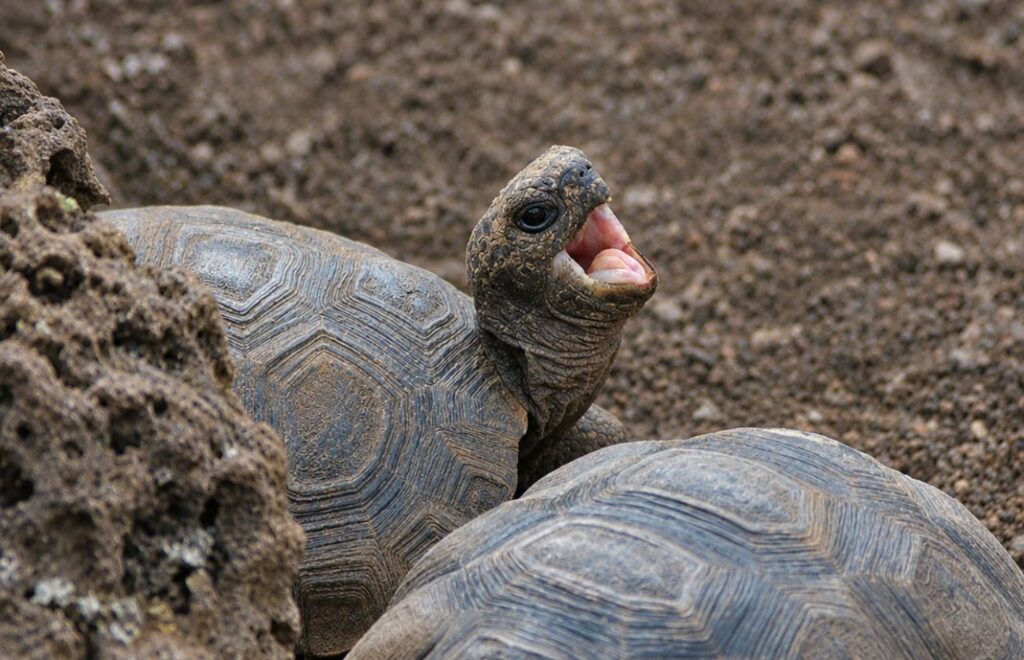
Giant tortoise eggs begin to hatch – a slow-motion miracle that continues into April.
Green sea turtles engage in mating rituals in shallow coastal waters, adding a magical dimension to your snorkeling experience.
December is a vibrant, transitional month – where the landscapes begin to shimmer with green, the wildlife is active and visible, and the ocean invites you to dive in and explore. It’s a fantastic time to visit if you want to experience the full range of Galápagos magic, from nesting birds to baby tortoises and everything in between.
January in the Galápagos: Life in full bloom
January marks the true beginning of the wet season, bringing moderate to heavy rainfall across the islands. But don’t let the showers deter you – this is when the Galápagos truly comes alive, especially on land.
What to expect in January
- Lush landscapes
The rains breathe new life into the islands, turning the once-arid terrain into a vibrant green paradise – perfect for photography and scenic hikes. - Birdsong and nesting:
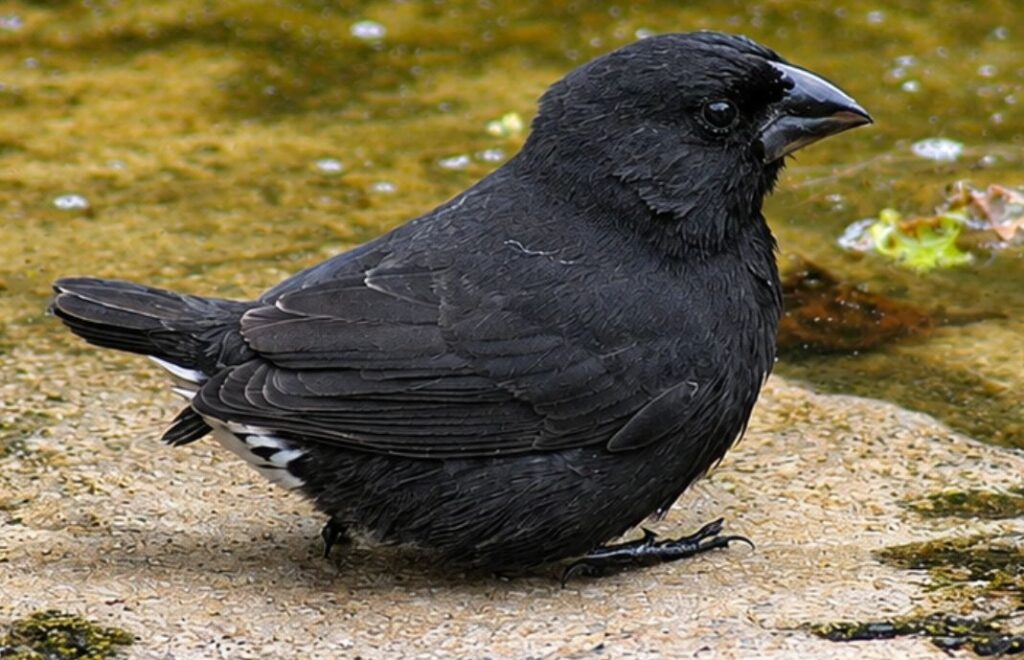
Land birds like Darwin’s finches and yellow warblers begin their mating and nesting season. The air is filled with birdsong as males put on dazzling displays to attract mates. - Española Island’s marine iguanas:
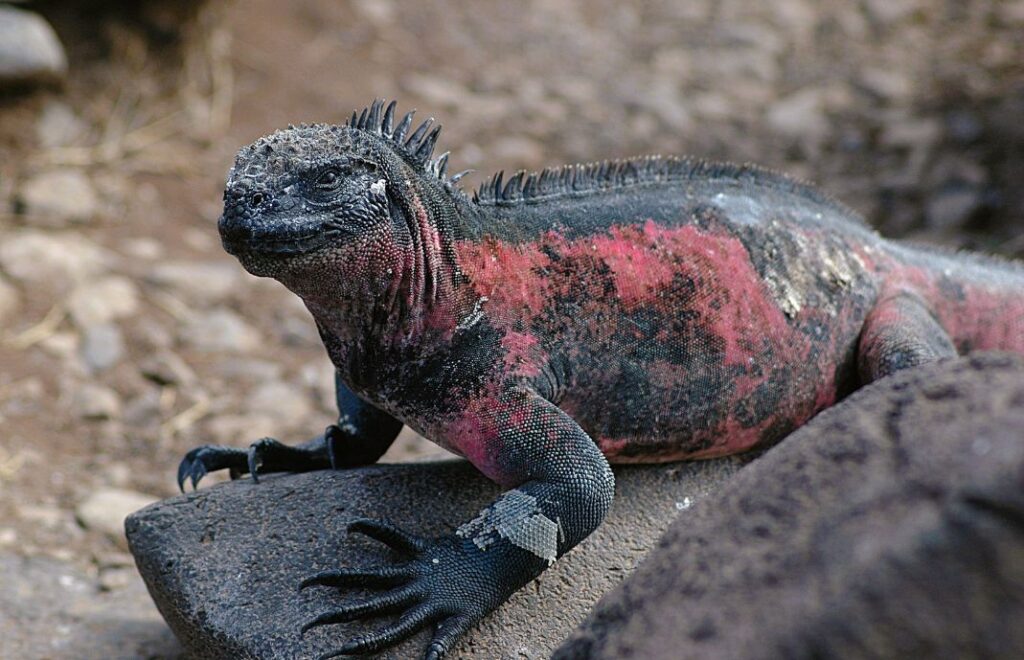
Here, the marine iguanas turn brilliant shades of red and green, especially the males – earning them the nickname “Christmas iguanas.” It’s one of the most colorful sights in the archipelago. - Green sea turtles:
If luck is on your side, you may witness a female green sea turtle laying eggs in the sand – a rare and humbling moment that few travelers get to see. - Land iguanas on Isabela Island:
On the volcanic slopes of Isabela, land iguanas begin their mating rituals, showcasing their territorial nature and powerful posturing.
January is a month of renewal and romance in the Galápagos, where wildlife thrives in the warmth and moisture of the season. If you’re drawn to vibrant colors, baby animals, and dramatic natural displays, this is a wonderful time to visit.
February in the Galápagos: Rain, romance, and remarkable wildlife
February falls squarely within the wet season, and while rainfall is frequent, it brings with it an explosion of life and color. The islands are lush and green, the skies dramatic, and wildlife activity is at a high. Meanwhile, ocean temperatures begin to cool slightly, setting the stage for seasonal transitions -particularly in the water.
What to see and sxperience in February
- Flamingo courtship begins:
On islands like Floreana and Isabela, flamingos begin their elaborate mating rituals, creating striking scenes with their vivid pink plumage against mirror-like lagoons. - Penguin movement:
As waters start to cool, Galápagos penguins begin to return to the nutrient-rich seas around Isabela and Fernandina, a subtle but important sign of shifting marine conditions. - New nesting seasons:
Both the white-cheeked pintail duck (stjernand) and the Galápagos dove start nesting, adding to the vibrant chorus of the islands’ birdlife. - Marine iguanas on Santa Cruz:
On Santa Cruz Island, marine iguanas enter their breeding season. Watch as the males stake out territory, change color, and engage in head-bobbing dominance displays.
February is a feast for wildlife lovers, especially those drawn to birds and reptiles. While the rain might deter some travelers, for those who venture here in this lush, dramatic season, the rewards are rich – and often unexpectedly magical.
March in the Galápagos: Heat, rain, and a wild burst of courtship
March is one of the hottest and wettest months in the Galápagos Islands. While the heat and humidity are at their peak, so too is the wildlife activity – especially among the islands’ most charismatic birds and reptiles.
This is the heart of the wet season, when the archipelago is lush, vibrant, and alive with breeding rituals, bold colors, and dramatic behavior.
What to see and experience in March
- Fregatebirds in full display:
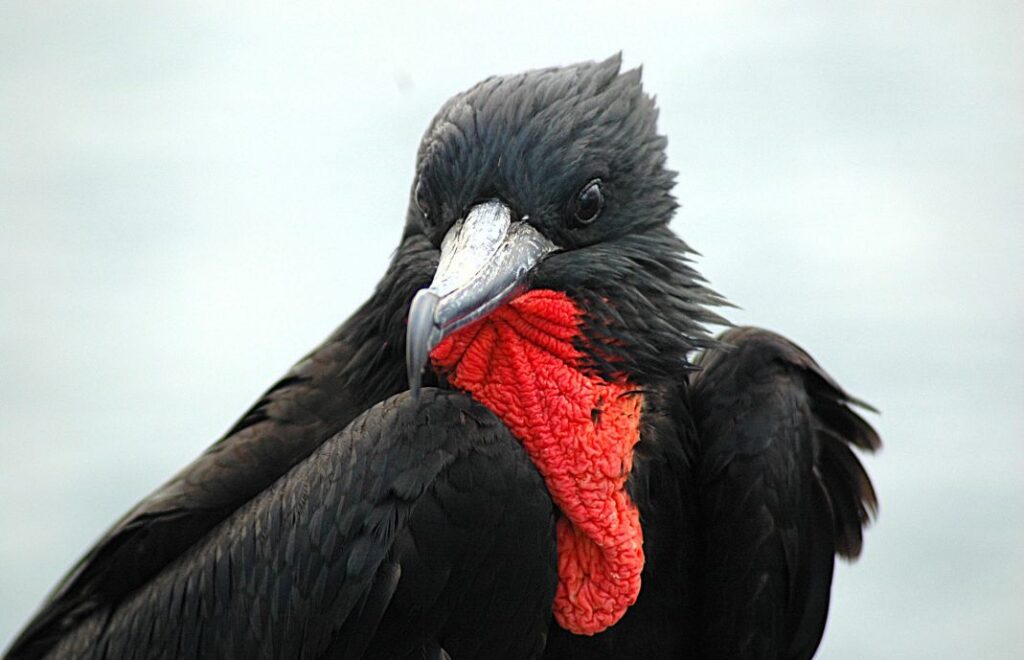
On San Cristóbal and Genovesa Islands, magnificent frigatebirds begin their breeding season. Males inflate their bright red throat pouches like balloons, creating an unforgettable spectacle as they call and display to attract females – a must-see moment in Galápagos birdlife. - Waved albatross return:
The waved albatross, one of the archipelago’s most graceful and elusive birds, starts returning to Española Island for its mating season. Their elaborate courtship dances are a highlight for those lucky enough to catch them in action. - Penguins spotted in the west:
Galápagos penguins are commonly seen along the coasts of Isabela and Fernandina Islands, where the cooler waters continue to support their return. - Migratory birds depart:
By late March, most migratory bird species have moved on, leaving behind the island’s endemic residents to take center stage. - Hawks and hatchlings:
With some luck, you might still spot Galápagos hawks in their nests – an increasingly rare and remarkable sight. - Marine iguana nesting:
On Fernandina and North Seymour Islands, marine iguanas are deep into their nesting season. Watch for females digging nests in the sand, fiercely guarding their eggs.
Insider tip
Be ready for heat and heavy rain, but also explosive biodiversity. March is intense – in weather and wildlife – but offers a front-row seat to some of the Galápagos’ most theatrical natural displays.
If you’re drawn to rare mating rituals, lush green landscapes, and fewer tourists, March is a month that promises powerful, unforgettable moments.
April in the Galápagos: Courtship, hatchings, and heat
April is one of the hottest months of the year in the Galápagos, with warm air temperatures and cooler waters – a curious but perfect mix for some of the archipelago’s most iconic wildlife events. Though the wet season is still in full swing, April is considered by many naturalists to be one of the best months to visit, thanks to its breathtaking wildlife activity both on land and at sea.
What to see and experience in April
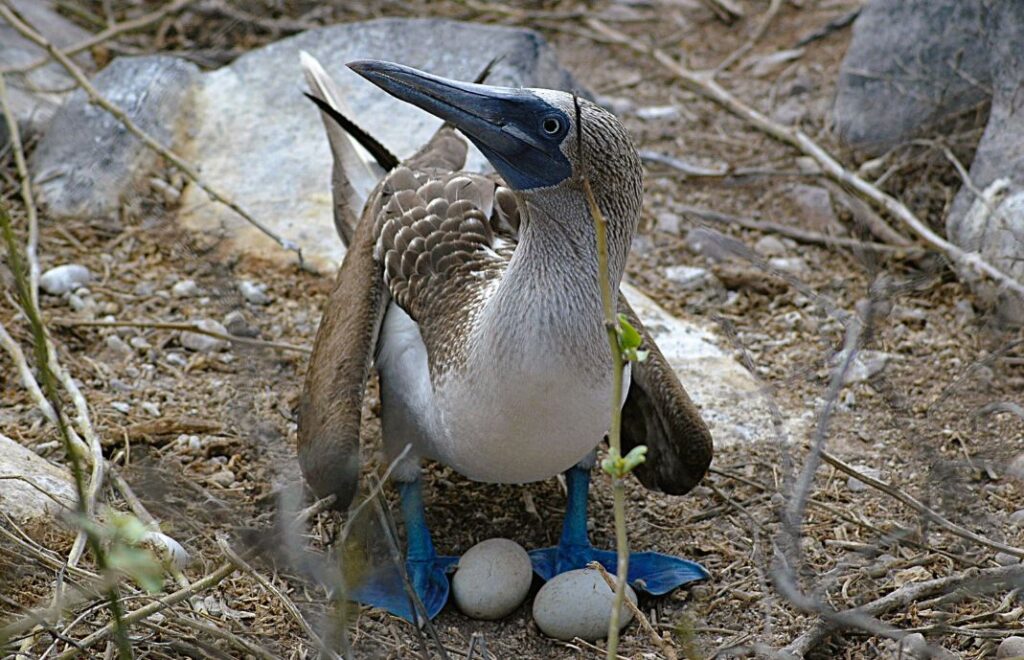
- Blue-footed booby courtship dances:
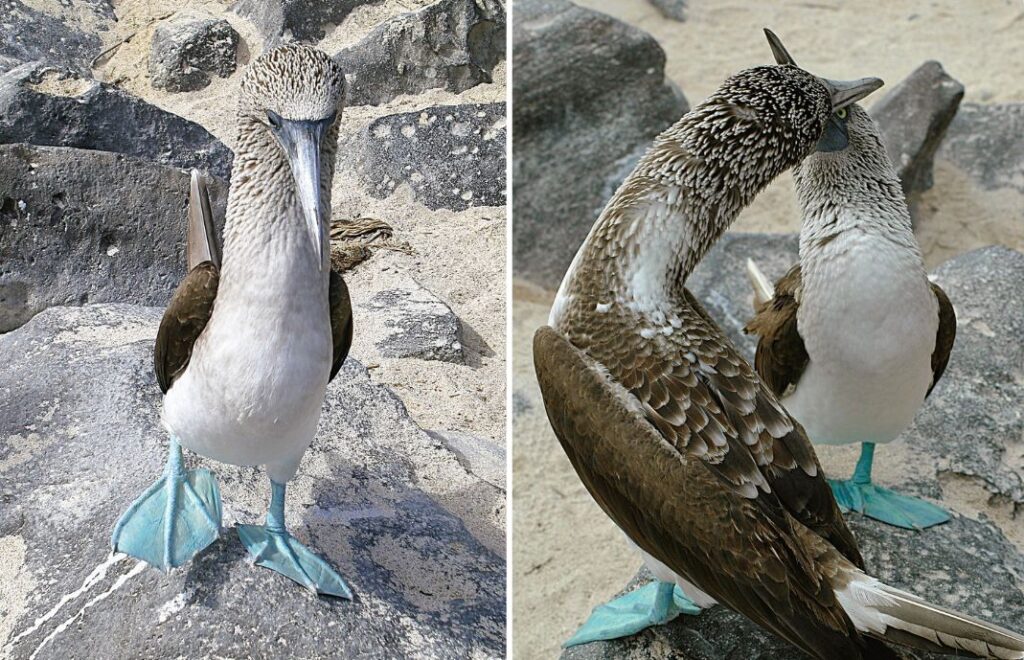
This is the month of the blue-footed booby. On islands like North Seymour and Española, the males lift their feet in a slow, exaggerated strut, showing off their brilliant blue hues to impress a mate. Their quirky, endearing courtship ritual is a highlight for many travelers. - Waved albatross mating displays:
On Española Island, waved albatrosses engage in their elaborate mating dance – a graceful, synchronized display that includes beak clacking, circling, and bill-fencing. It’s a rare and spectacular sight, as this is the only place in the world where they breed. - Frigatebirds in peak display:
On Genovesa Island, male frigatebirds continue to inflate their brilliant red throat pouches, hoping to attract a partner. The trees and skies come alive with these dramatic, otherworldly birds. - Turtle hatchings and giant tortoise nesting:
April is a big month for reptiles. Green sea turtle eggs begin to hatch across the islands – tiny hatchlings make their perilous journey from sandy nests to the sea. At the same time, giant tortoises are in the middle of their nesting season, with females digging and laying eggs in the highlands. - Land iguana hatchings on Isabela:
On Isabela Island, land iguana eggs begin to hatch, releasing baby iguanas into the wild under the careful watch of their volcanic home.
April offers a perfect storm of warm weather, dramatic mating rituals, and new life emerging across the islands. It’s a time of renewal and activity, with rich photographic opportunities and wildlife encounters at every turn.
If you want to see the Galápagos at its most vibrant and alive, April might just be your ideal moment.
May in the Galápagos: A time of transition and new beginnings
May marks a gentle shift in the Galápagos calendar – from the hot, rainy season to the cooler, drier months ahead. While occasional rain showers may still occur, the climate begins to mellow, and the ocean slowly starts to warm up again. This month strikes a beautiful balance between the vibrancy of the wet season and the clarity of the dry season – making it a favorite among in-the-know travelers.
What to see and experience in May
- A month for sea turtles:
Green sea turtles are the stars of the show. Their eggs hatch on beaches such as Punta Cormorant (Floreana), Puerto Egas (Santiago), and Gardner Bay (Española). Watching the tiny hatchlings race toward the ocean is a moving and unforgettable moment. - Waved albatross egg-laying:
On Española Island, waved albatrosses begin laying their eggs, continuing their dramatic breeding season. The island becomes a hub of nesting activity, with massive birds dotting the cliffs and grasslands. - Swallow-tailed gulls nesting:
These nocturnal seabirds, known for their red eye rings, begin their breeding season – often seen nesting along coastal cliffs, especially on Genovesa Island. - Blue-footed booby courtship continues:
The booby mating dances carry on, with males still flaunting their dazzling blue feet in charming rituals. Expect plenty of action in nesting colonies. - Frigatebird nesting:
As the courtship displays start to wind down, frigatebirds begin laying eggs, signaling the next chapter in their breeding cycle. - Marine iguana hatchlings on Santa Cruz:
On Santa Cruz Island, marine iguana eggs begin to hatch, adding another layer of wonder to an already wildlife-rich landscape.
May is a hidden gem in the Galápagos travel calendar – less crowded than peak months, but bursting with life. With milder weather, stunning wildlife activity, and a touch of both seasons in the air, it’s an ideal time for travelers who want a well-rounded experience – above and below the waterline.
If you’re dreaming of baby turtles, nesting birds, and the last spark of the green season, May delivers it all in quiet, awe-inspiring style.
June in the Galápagos: Giants on the move
June marks the end of the wet season and the beginning of a cooler, drier climate across the Galápagos Islands. Rain becomes rare, skies begin to clear, and ocean currents shift – ushering in migratory giants, both in the sea and sky. It’s a transitional month that combines the richness of wildlife with increasingly comfortable weather.
What to see and experience in June
- Whale sightings begin:
June signals the start of whale season, as humpback whales and other large marine mammals begin to appear in Galápagos waters. These graceful giants are drawn by nutrient-rich currents, offering incredible sightings during boat excursions. - Whale sharks off Darwin and Wolf Islands:
The world’s largest fish, the whale shark, starts to appear around the remote northern islands of Darwin and Wolf – a rare and awe-inspiring sight for experienced divers. This continues through November. - Blue-footed boobies nesting and laying eggs:
The booby colonies remain active, with nests full of eggs and a chance to witness the next stage of their unique reproductive cycle. - Short-eared owls nesting on Genovesa:
Short-eared owls, elusive and beautifully adapted to island life, begin nesting on Genovesa Island – a rare treat for birdwatchers, especially if you’re lucky enough to spot one hunting in daylight. - Frigatebird displays on North Seymour:
Male frigatebirds on North Seymour Island continue to showcase their inflated red throat pouches, especially among late bloomers in the breeding cycle. It’s a thrilling sight in the treetops. - Giant tortoise migration:
On Santa Cruz Island, giant tortoises begin their seasonal migration from the highlands to the lowlands – a slow but epic journey that’s fascinating to observe. - Arrival of migratory birds:
As southern hemisphere winter begins, migratory bird species start to arrive on the islands, adding diversity and energy to the skies.
June offers the best of both worlds: the tail end of the lush, wet season combined with the pleasant, dry-season weather setting in. It’s an excellent time for wildlife lovers, birdwatchers, divers, and photographers, with rich natural events both on land and underwater.
For those drawn to marine giants, nesting birds, and the iconic tortoises of Santa Cruz, June is a quietly spectacular month to experience the Galápagos in motion.
THE DRY SEASON
The dry season in the Galápagos runs from July through November, characterized by blue skies, low rainfall, and cooler ocean temperatures brought by the Humboldt Current. While the air remains pleasant, the contrast between ocean and air temperatures can create a light sea mist, adding a mysterious beauty to the mornings.
July in the Galápagos: A time of birth, breeding, and blue horizons
July marks the start of the cooler, drier months, and while the land remains relatively arid, wildlife activity is at a peak – especially for birds and marine mammals.
What to see and experience in July:
- Bird hatchlings everywhere:
Eggs laid in earlier months begin to hatch. You’ll witness the first fuzzy chicks of blue-footed boobies and frigatebirds, a heartwarming sight across several islands. - Cormorants nesting on Fernandina:
On Fernandina Island, the rare and flightless Galápagos cormorants enter their nesting season, offering close-up views of this uniquely adapted seabird. - American oystercatchers on Santiago:
These striking, long-beaked shorebirds are in the midst of their breeding season, often seen guarding nests or feeding their newly hatched chicks along the rocky shores. - Lava lizards in mating mode:
The iconic lava lizards begin their courtship displays, which include charming “push-up” movements to attract mates – a behavior that continues into November. - Farewell to migratory birds:
July often marks the departure of many migratory bird species, making way for resident wildlife to take the spotlight. - Whales and dolphins abound:
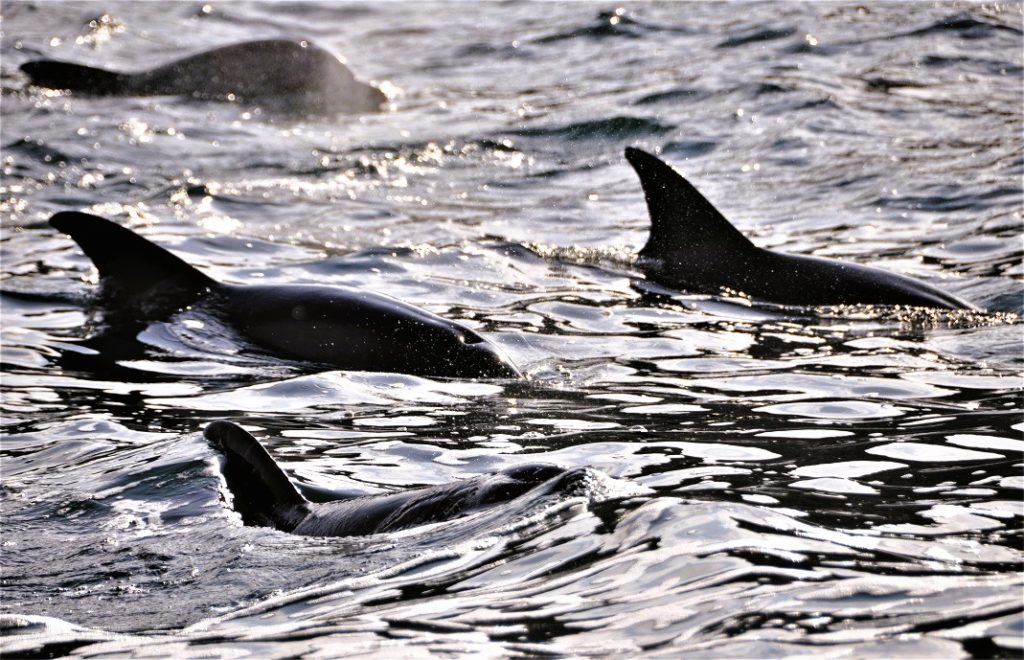
With cooler, nutrient-rich waters, whales and dolphins become a common sight – particularly in the channel between Isabela and Fernandina Islands. Expect dramatic breaches and playful pods.
July is ideal for travelers who prefer clear skies, comfortable temperatures, and active wildlife – especially bird hatchlings, dolphins, and whales. While the waters may be cooler (a wetsuit is helpful for snorkeling), the abundance of marine life and bird activity more than makes up for it.
If you’re seeking a month where nature’s rhythms are on bold display – and the scenery is both crisp and wild – July is a perfect time to explore the Galápagos.
August in the Galápagos: A symphony of courtship and new life
August paints the Galápagos in shades of pink, blue, and gold, as flamingos strut their stuff, seabirds nest, and sea lion pups take their first wobbly steps on the beach. It’s still the dry season, with little rainfall, cooler temperatures, and skies often painted with morning mist – thanks to the Humboldt Current. Despite the cooler climate, August is bursting with life.
What to see and experience in August
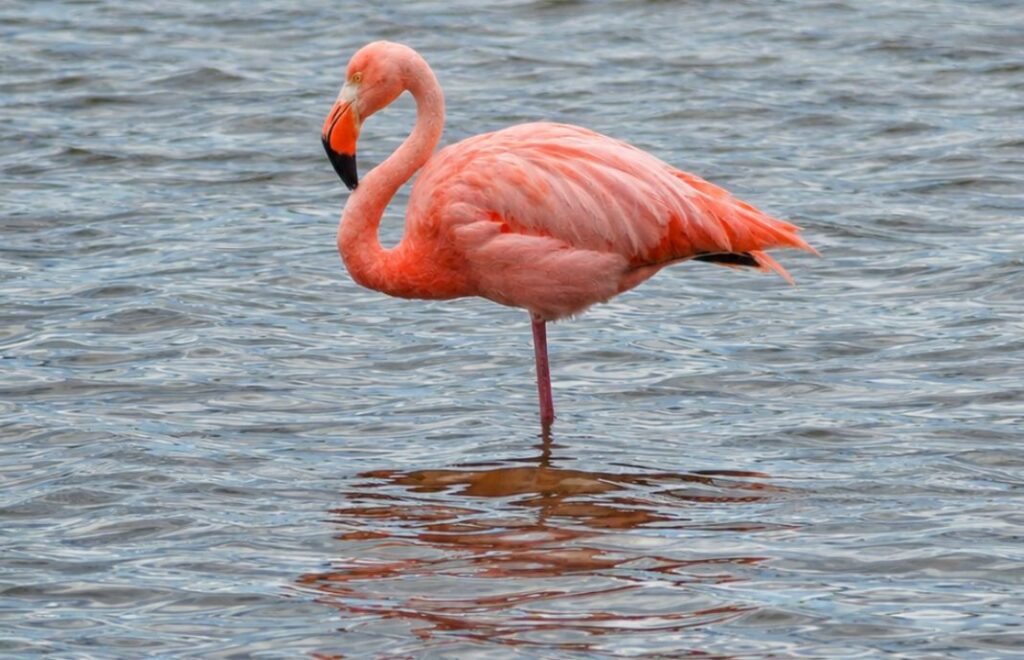
- Flamingo courtship season:
August is flamingo season. These elegant birds engage in colorful mating dances in brackish lagoons, especially on Floreana and Isabela, creating striking scenes in vibrant pink against salt-white landscapes. - Seabird chicks on North Seymour:
On North Seymour Island, frigatebird and blue-footed booby chicks continue to hatch. Nests are busy with feeding, fluffing, and first flaps – a dream for photographers and bird lovers. - Nazca boobies and migratory shorebirds:
Nazca boobies begin nesting, while migratory shorebirds start arriving – marking the start of a seasonal shift in avian life. - Galápagos hawk courtship:
This apex predator begins its mating season, often seen in dramatic displays of dominance and aerial acrobatics – rare and riveting. - Penguin migration to central islands:
As waters remain cool, Galápagos penguins begin moving toward the central islands, including Isabela and Santiago, where food is more abundant. This is one of the best months to spot them in the wild. - Swallow-tailed gulls and red-footed boobies on Genovesa:
On Genovesa Island, swallow-tailed gulls are in full nesting mode, and the island is one of the best places to see red-footed boobies nesting in the trees. - Tortoise migration and sea lion births:
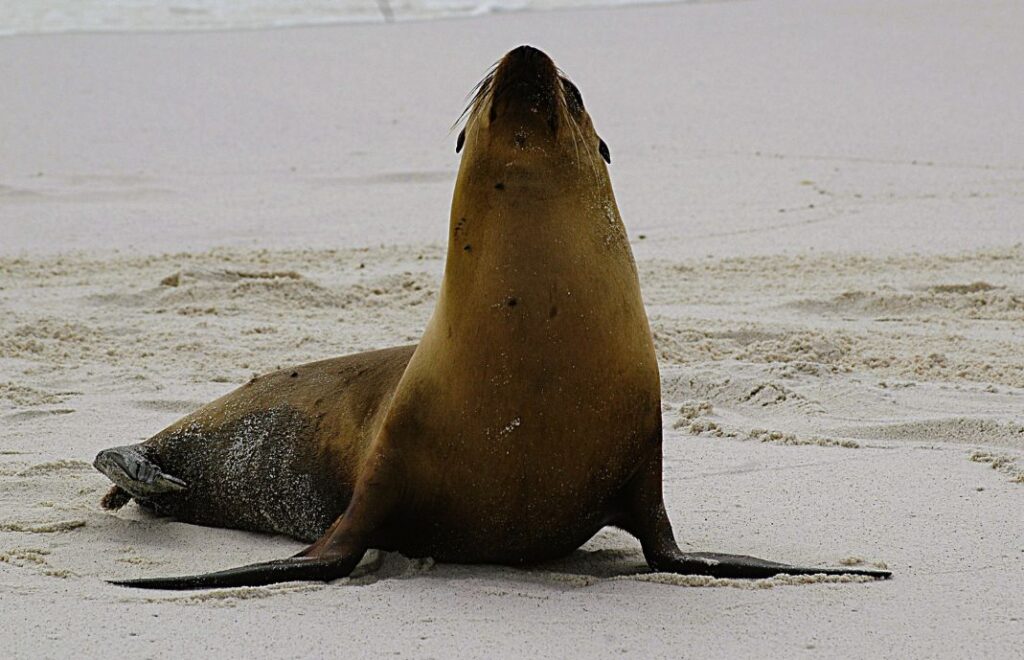
On Santa Cruz Island, giant tortoises return to the highlands after nesting. Meanwhile, sea lions are giving birth, filling the beaches with adorable pups – a heart-melting sight for visitors.
August offers an enchanting mix of mating dances, hatching chicks, and newborn animals, all set against the crisp, cool beauty of the Galápagos dry season. It’s an especially rewarding time for birdwatchers, wildlife photographers, and families looking to witness the beginnings of life on land and sea.
If you dream of watching flamingos in full courtship, penguins darting through turquoise shallows, and baby sea lions tumbling in the surf, August is your month.
September in the Galápagos: Penguins, passion, and powerful displays
September is one of the coolest and driest months in the Galápagos calendar, but don’t be fooled by the mild weather – wildlife activity is anything but quiet. From charming penguins in courtship to boisterous sea lions battling for dominance, this is a month of dramatic displays and endearing encounters.
What to see and experience in September
- Penguin mating season in full swing:
It’s officially penguin time! The Galápagos penguins – the only penguin species found north of the equator – begin their courtship rituals around the central islands, especially Bartolomé and Isabela. Watch as they waddle, preen, and pair off in some of the most unexpected tropical settings. - Seabird nesting everywhere:
September is a prime month for seabird nesting. Frigatebirds, boobies, gulls, and storm petrels are all raising their young, making this one of the best times for birdwatching and close-up wildlife photography. - Sea lion mating season begins:
The beaches are alive with action as male sea lions (called bulls) begin battling for territory and harems. These noisy, sometimes fierce confrontations can be seen both on shore and in the water – raw, wild behavior on full display. - Cool weather, clear skies:
With little rainfall, mild temperatures, and the occasional sea mist, the landscapes feel dramatic and atmospheric – perfect for exploring by boat or foot. The cooler water may require a wetsuit for snorkeling, but the marine life remains rich and active.
If you’re fascinated by natural behavior and dramatic wildlife interactions, September offers intimate glimpses into the lives of some of the Galápagos’ most iconic animals. Whether it’s penguins flirting on black lava rocks or sea lions locked in a primal contest of strength, this is nature unscripted.
For wildlife lovers who don’t mind cooler waters and value authentic, uncrowded experiences, September is one of the Galápagos’ best-kept secrets.
October in the Galápagos: Blue feet, baby birds, and beach drama
October sits near the end of the dry season in the Galápagos – expect clear skies, cool ocean breezes, and very little rain. It’s an exceptional time for wildlife lovers, especially those hoping to get up close with adorable seabird chicks and dramatic marine life behavior.
What to see and experience in October
- Blue-footed booby chicks steal the show:
This is prime time for blue-footed booby babies! Nesting colonies across islands like North Seymour, Española, and Santa Cruz are alive with fluffy, wide-eyed chicks, being fed and guarded by their proud parents. It’s a heart-melting sight and a favorite for photographers and families. - Lava heron nesting begins:
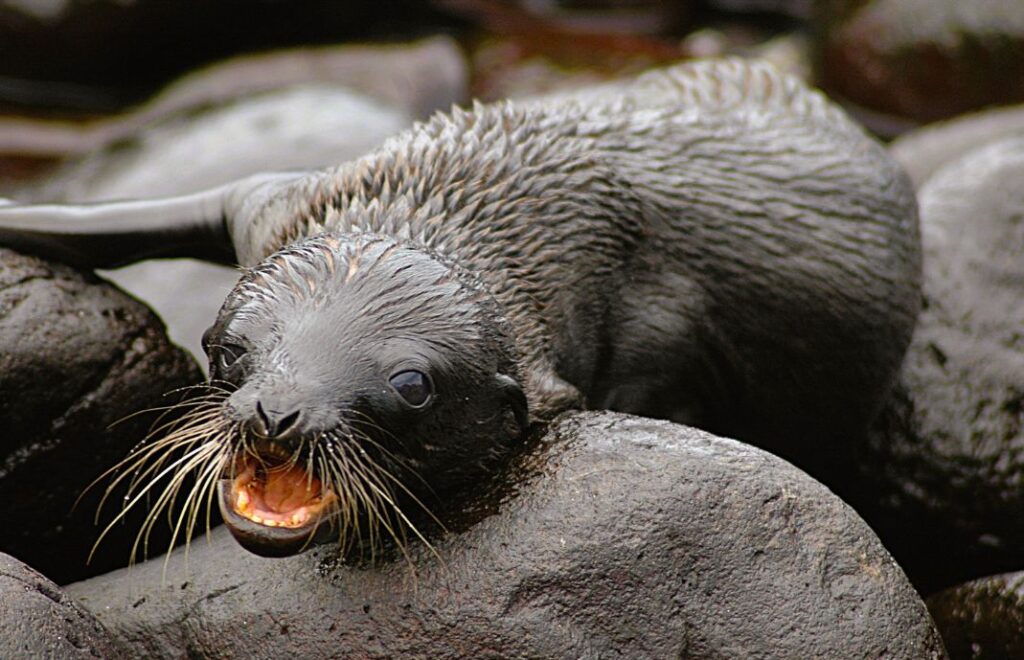
The elusive and stealthy lava heron starts its nesting season. These masters of camouflage can often be found fishing along rocky shores, blending perfectly into their surroundings. - Galápagos fur seal mating season:
Fur seals, smaller and shyer than sea lions, enter their mating period, which brings more activity to shaded, rocky coastlines – especially on western islands like Isabela and Fernandina.
October offers a perfect blend of calm weather, lower visitor numbers, and incredible wildlife experiences. From the playfulness of young seabirds to the quiet power of marine life in transition, this month delivers a softer, more intimate Galápagos experience.
If you’re looking for endearing wildlife encounters, mild conditions, and the joy of seeing blue-footed booby chicks wobbling through their first days of life, October is the time to go.
November in the Galápagos: Pup season and coastal nesting magic
November marks the tail end of the dry season in the Galápagos – still dry, with minimal rain, and pleasantly mild temperatures both on land and at sea. It’s a month where new life is everywhere, especially along the coasts, where beaches and rocky shorelines become nurseries for baby fur seals, sea lions, and seabirds.
What to see and experience in November
- Fur seal pups arrive:
It’s officially fur seal baby season! These smaller, wide-eyed cousins of the sea lion begin giving birth, and pups can often be seen snoozing on sunlit rocks or nursing in quiet coves – particularly on Isabela and Fernandina Islands. - Sea lion pups at play:
Sea lion pups, born in previous months, are now playful and curious, often approaching snorkelers and splashing along the shoreline in adorable, clumsy fashion. Their energy brings the beaches to life. - Nazca booby chicks hatch:
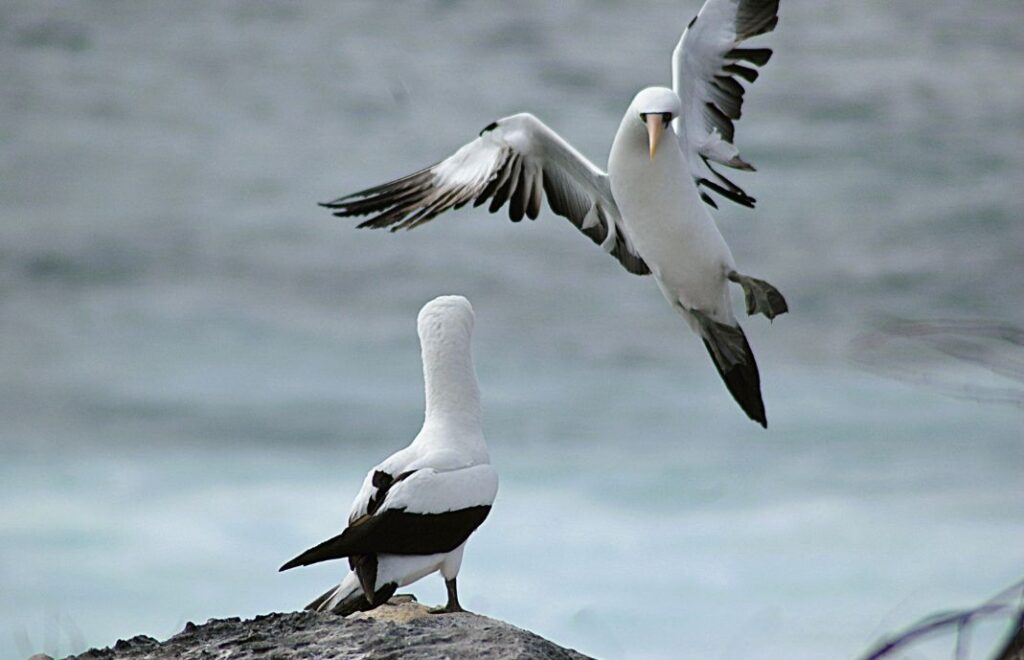
Nazca boobies are in hatching season, with fluffy white chicks emerging from eggs laid in earlier months. Watching the feeding and guarding behavior of parents is both tender and fascinating. - Second wave of storm petrel nesting:
Storm petrels, known locally as havsvaler, begin a second nesting cycle, adding even more activity to the skies and cliffs – especially on Genovesa Island. - Brown noddy terns nesting:
These elegant, coastal birds – brunnoddier – begin nesting, often seen hovering and calling around rocky ledges and lava formations.
November offers a peaceful and pup-filled safari through the Galápagos. The crowds of high season haven’t yet arrived, and the combination of mild weather, young wildlife, and abundant bird activity makes for a gentle yet rich adventure.
If your idea of paradise includes fuzzy sea lion pups playing in the surf, baby seabirds finding their wings, and quiet trails with big wildlife moments, then November is the perfect time to explore the islands.