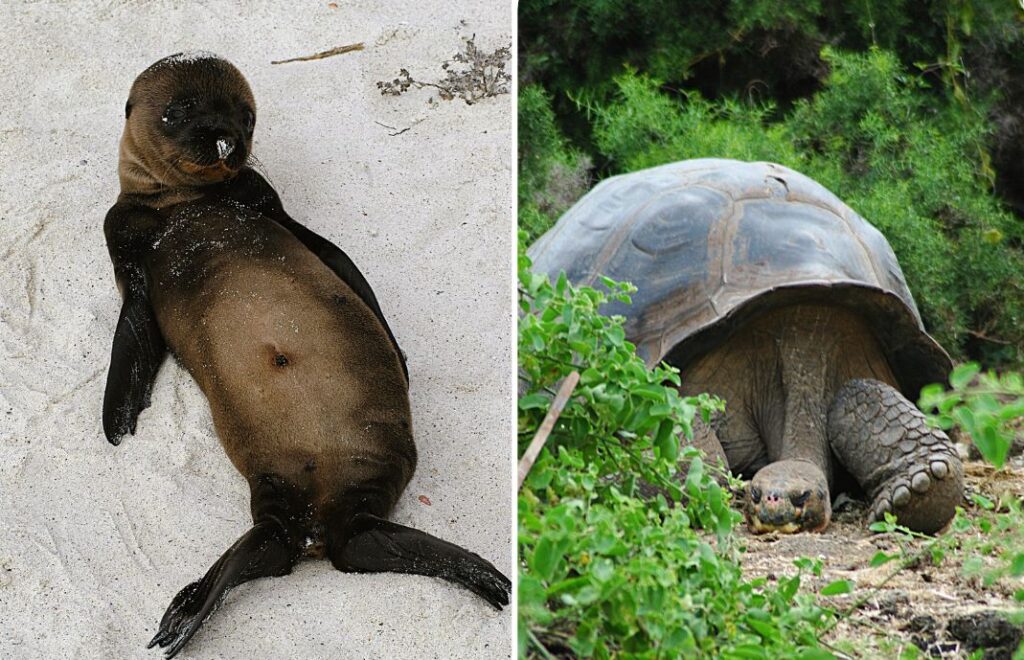
For centuries, the Galápagos Islands remained a well-kept secret – remote, untouched, and teeming with life found nowhere else on Earth. Today, this legendary archipelago is known as “The Enchanted Isles”, and once you arrive, you’ll understand why.
A journey to the Galápagos isn’t just a vacation – it’s the trip of a lifetime. I boarded the plane with sky-high expectations. And guess what? The islands, the wildlife, and the sheer wonder of it all far surpassed them.
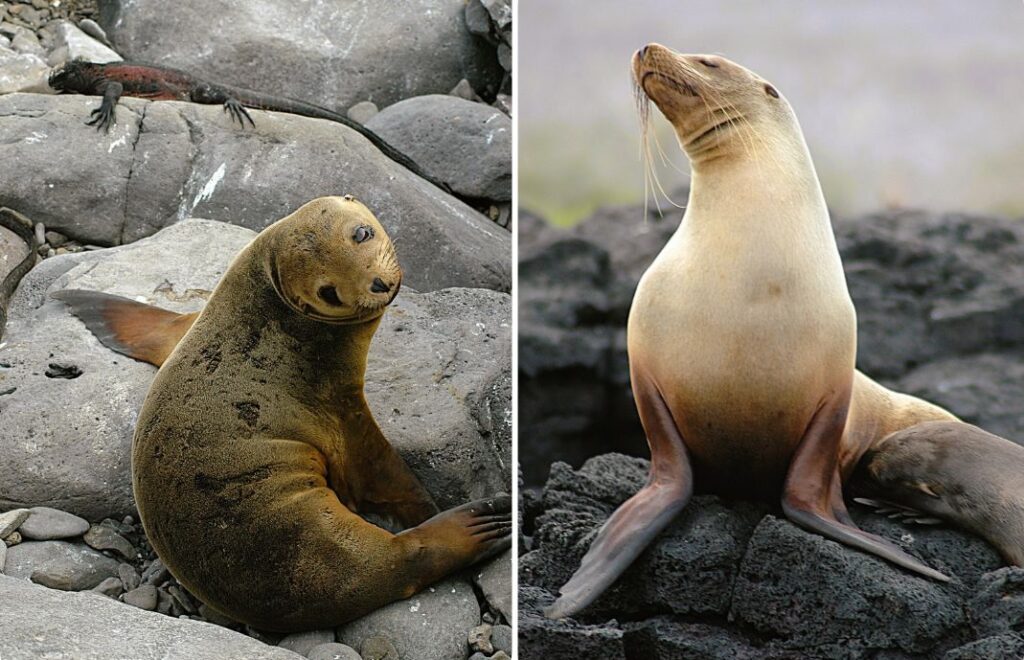
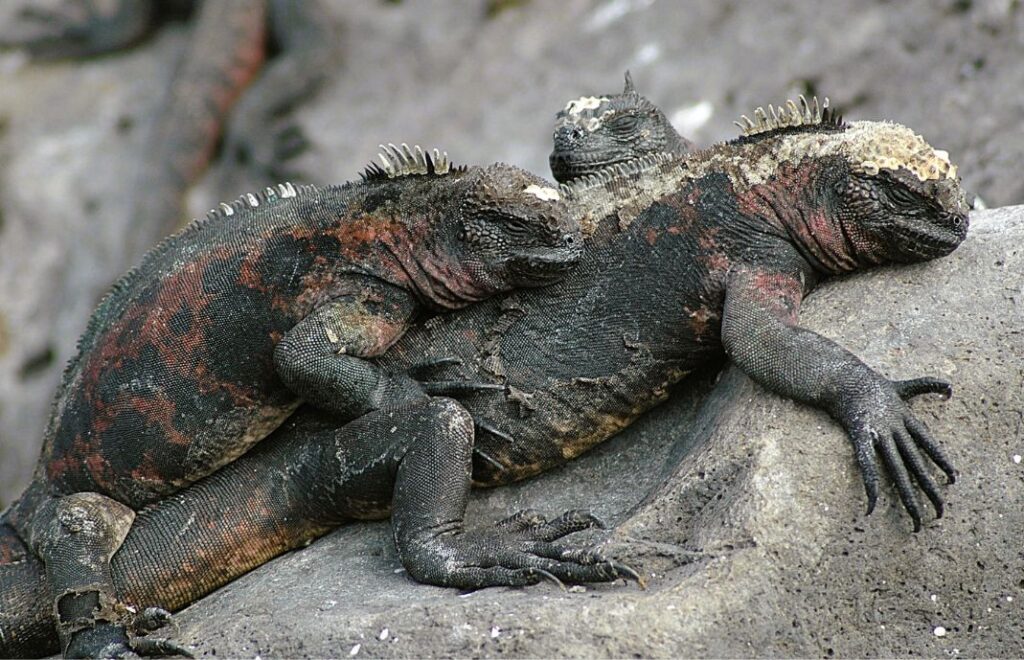
Here, marine iguanas sunbathe on lava rocks, blue-footed boobies dance on the shore, and giant tortoises lumber across the highlands like living relics of another age. Humans are mere spectators in this otherworldly theatre, where every creature plays its part in nature’s most spectacular show – and there are so many jaw-dropping moments, you’ll begin to wonder if your face will ever recover.
If you’re planning your own adventure to this magical place, here’s everything you need to know before setting foot on the Galápagos Islands – so you can be prepared, inspired, and fully ready to soak in the magic of this one-of-a-kind destination.
Where are the Galápagos Islands?
The Galápagos Islands are nestled in the heart of the Pacific Ocean, about 972 kilometers (roughly 600 miles) west of mainland Ecuador, in South America. Remote, wild, and utterly captivating, this volcanic archipelago of 19 islands – 13 large and 6 small – plus dozens of islets and rocky outcrops, stretches across 8,000 square kilometers of protected marine paradise.
What makes this place so extraordinary isn’t just its isolation – it’s what happens beneath the waves. Three major ocean currents converge here, turning the Galápagos into a marine melting pot, teeming with species found nowhere else on Earth.
Add to that the region’s constant volcanic and seismic activity, and you get a landscape – and ecosystem – that is forever evolving. This dynamic environment, combined with extreme isolation, gave rise to one of the world’s most mind-blowingly unique collections of wildlife: think marine iguanas, giant tortoises, and Darwin’s famous finches, all adapted in bizarre and brilliant ways to their island homes.
Speaking of Darwin – he arrived in 1835 aboard The Beagle, and the Galápagos changed his life. The finches he observed here would inspire his revolutionary theory of evolution by natural selection, which he published in 1859 in On the Origin of Species. The world was introduced to both Darwin’s ideas and these islands, forever linking science with this enchanted archipelago.
In 1978, the Galápagos earned a rightful place on UNESCO’s World Heritage List, and for good reason.
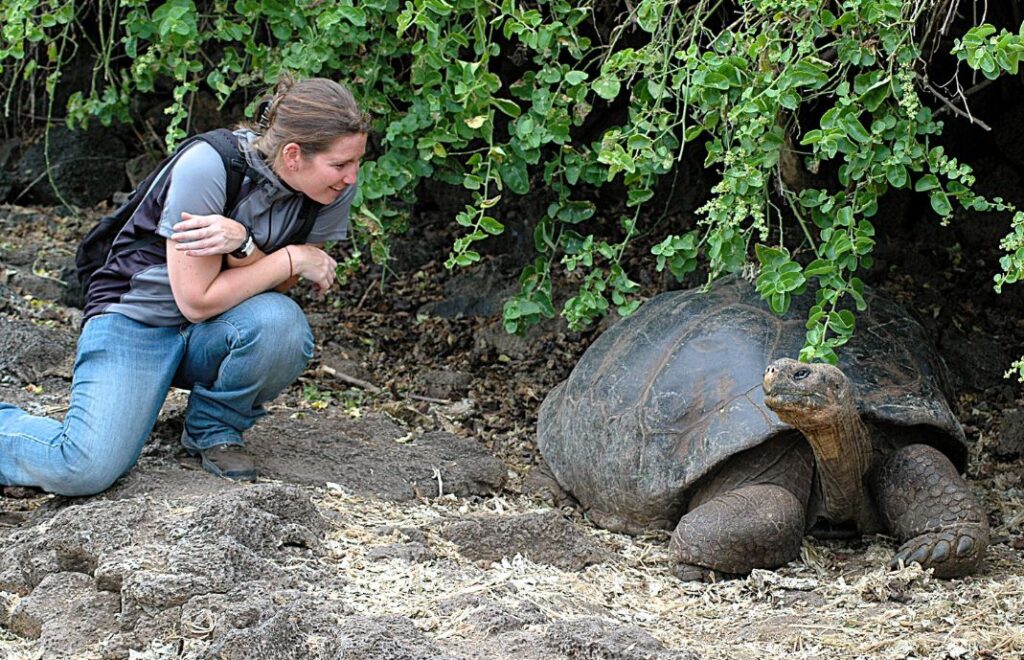
Nowhere else on Earth can you walk among wild animals so fearless, so unbothered by your presence, that they may wander right up to you, curious, calm – and completely at home in this living laboratory of evolution.
How to get to the Galápagos Islands
Whether you’re traveling from Europe, the U.S., or elsewhere, your journey to the Galápagos begins with an international flight to mainland Ecuador – specifically to either Quito or Guayaquil. Both cities receive daily international flights and serve as the main gateways to the islands.
It’s highly recommended that you arrive at least one day in advance of your flight to the Galápagos. Delays and cancellations happen, and you don’t want to risk missing your once-in-a-lifetime island adventure.
From Quito or Guayaquil, you’ll catch a domestic flight to the Galápagos. These depart daily, and you can fly into either:
- Baltra Island (most common if you’re heading to Santa Cruz or boarding a cruise), or
- Puerto Baquerizo Moreno on San Cristóbal Island (a popular base for land-based trips).
The flight from Quito takes around 2.5 hours, usually with a short stop in Guayaquil.
If you’re planning to take a cruise, it’s wise to book your flight and cruise together – many cruises are timed to coordinate with specific flights, and it ensures a smoother transition from air to sea.
Quito or Guayaquil – Which to choose?
Quito
- Ecuador’s capital, located at 2,850 meters (9,350 ft) above sea level.
- Offers a rich cultural experience, with one of the best-preserved colonial centers in Latin America (a UNESCO World Heritage Site).
- You’ll find a wide range of hotels, museums, restaurants, and historical attractions—perfect for spending a few days before heading to the islands.
- Be aware of altitude; you might need a day to acclimate.
Guayaquil
- Ecuador’s largest city, but more modern and less charming than Quito.
- Located at sea level, so there’s no risk of altitude sickness.
- It has fewer tourist attractions but offers a shorter, more direct flight to the Galápagos.
Pro tip: If you have time, spend a couple of days in Quito before heading to the Galápagos. You’ll ease into your trip, explore a stunning Andean capital, and give yourself a buffer against travel hiccups.
Once in the Galápagos, the real adventure begins – where the journey is as unforgettable as the destination.
How to experience the Galápagos Islands
Once you’ve decided that the Galápagos will be your next grand adventure, the first big choice you’ll face is how to explore this extraordinary archipelago:
- Will you stay on land and take day trips by boat?
- Or will you live aboard a cruise vessel and sail between islands as you sleep?
Both options offer unforgettable experiences, but they cater to different travel styles, budgets, and expectations.
Live-Aboard Cruises: For the full immersion
Staying aboard a boat is the most seamless and immersive way to experience the Galápagos. These cruises include accommodation, meals, naturalist guides, and inter-island transport—all bundled together into one smooth journey.
- You’ll often sail overnight, meaning you’ll wake up each morning anchored off a new island, ready to explore right after breakfast.
- Cruises are the only way to reach some of the most remote and biologically rich islands, where human presence is minimal and wildlife reigns supreme.
- It’s efficient and action-packed—less travel time, more nature time.
Cruises come in various styles and price points, from budget-friendly catamarans to luxury expedition yachts. Regardless of category, most vessels keep group sizes small and follow strict park regulations for a responsible, eco-conscious experience.
Land-based stays: More flexible and budget-friendly
Prefer to sleep on solid ground? Land-based stays are a great alternative – and more wallet-friendly.
You’ll stay at a hotel on Santa Cruz Island or San Cristóbal Island, and book daily boat excursions to nearby islands and snorkeling sites.
- More time is spent commuting back and forth from your hotel to the dock and then to your destination.
- You’ll typically visit only islands within reach for a day trip, missing out on the outer, less accessible isles.
- However, you’ll enjoy the freedom to explore towns, dine at local restaurants, and build your itinerary around your own pace and budget.
This option is perfect for travelers who value flexibility, wish to spend more time on land, or want to mix nature with a bit of local culture.
Book early – spots are limited
Whether you choose to sleep at sea or stay ashore, the Galápagos limits visitor numbers to protect its fragile ecosystem. Cruises, guided tours, and lodging options fill up quickly, especially during high season (June-September and December-January).
So plan ahead, book early, and choose the experience that matches your sense of adventure.
In the Galápagos, there’s no wrong way to explore – only different paths to the same magical encounters with wildlife and wonder. Whether you’re waking up to the sound of waves lapping at your porthole or sipping coffee in a seaside town before a day trip, every moment feels like a once-in-a-lifetime experience.
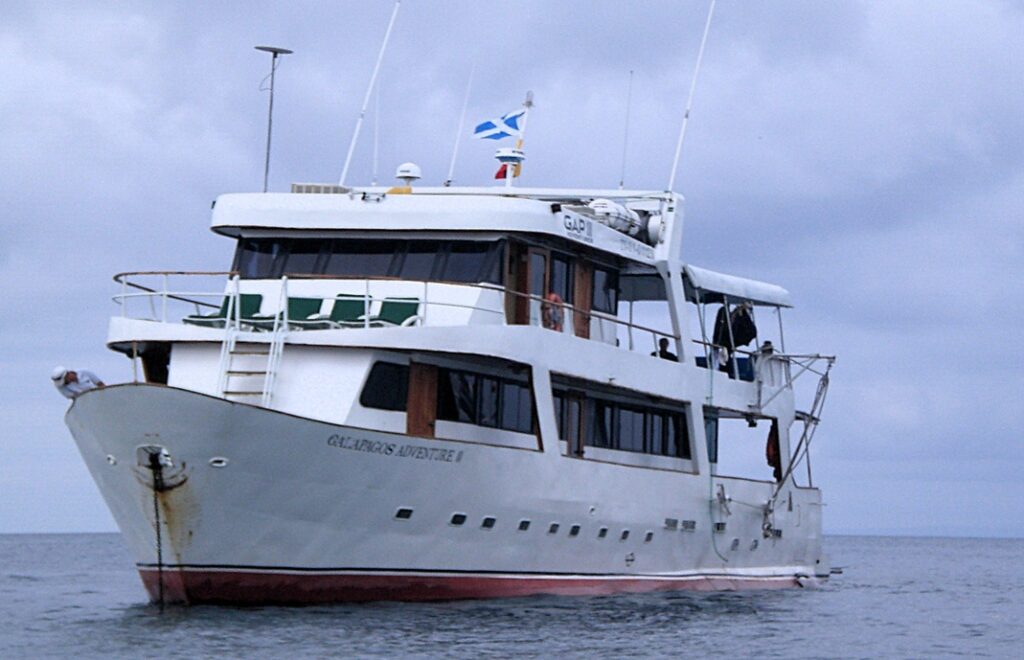
Life aboard a Galápagos cruise: What to expect
Most Galápagos cruises run between five and eight days, with pre-set departure dates and itineraries. These itineraries aren’t random – they’re carefully approved by Galápagos National Park officials to minimize environmental impact and limit the number of visitors at any one site.
Cruise routes are typically divided into Northern vs. Southern or Eastern vs. Western circuits, and they usually alternate weekly.
The experience
Every cruise features a rich schedule of guided land excursions, snorkeling trips, and wildlife encounters. You’ll walk alongside marine iguanas, swim with playful sea lions, and learn how blue-footed boobies got their name.
All meals are included and served onboard (with occasional lunches on land), and refreshments are always available.
But one of the most important choices you’ll make is the size of the boat.
Small ships, big rewards
Galápagos vessels are capped at a maximum of 100 passengers, but smaller is often better.
Opting for a boat with fewer passengers (often 16-20) means:
- A more intimate, personalized experience
- Faster boarding and disembarkation via zodiac boats (used for reaching shore)
- More time spent exploring and less waiting
- Greater chances to bond with the crew and fellow travelers
Smaller ships often have more charm and character – and a sense of camaraderie that adds to the magic of the voyage.
Bigger boats, more amenities
If you prefer more space and extra onboard comforts, larger vessels may suit you better.
They often feature:
- Medical staff
- Onboard lectures and educational sessions
- Lounge areas, bars, and sometimes even hot tubs
However, with more people onboard, getting to shore can take longer, and the experience may feel less personal.
Expert guides onboard
Every boat – regardless of size – has a licensed naturalist guide, deeply knowledgeable about Galápagos geology, ecology, and wildlife. These guides elevate your experience from a sightseeing tour to a deeply educational, awe-inspiring journey.
A word on seasickness
If the thought of being at sea for several days makes your stomach churn, you’re not alone. Even if you’re prone to seasickness, don’t write off the idea entirely. With modern stabilizers, time on land, and motion sickness remedies, many travelers find the discomfort manageable.
In fact, I am prone to seasickness – and still describe my five-day cruise as unforgettable and 100% worth it.
So, whether you’re a seasoned sailor or a cautious land-lover, a Galápagos cruise offers an unmatched window into a natural wonderland – one you’ll remember for the rest of your life.
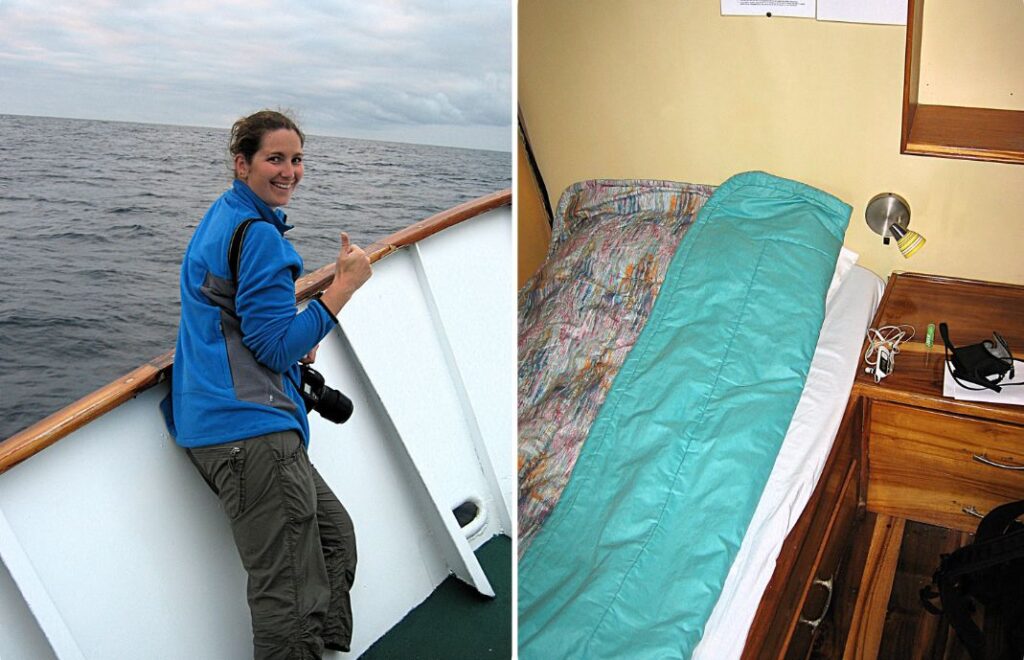
Staying on land: What you need to know
If the idea of sleeping on a rocking boat doesn’t appeal to you – or you simply prefer a bit more independence – a land-based stay in the Galápagos might be the perfect choice.
While many of the islands in the archipelago are uninhabited and protected, there are great accommodation options on two of the main islands:
- Santa Cruz Island
- San Cristóbal Island
Where to stay
Both islands offer a range of hotels, from budget-friendly guesthouses to boutique eco-lodges. For convenience, choose accommodation close to the harbors (Puerto Ayora on Santa Cruz or Puerto Baquerizo Moreno on San Cristóbal), as this is where day tour boats depart.
Some upscale hotels even operate their own private boats – a big bonus that often means:
- Streamlined schedules
- Better coordination between your hotel and daily excursions
- Smaller tour groups and a more seamless experience
Wildlife on your doorstep
Even if you’re not hopping from island to island every day, wildlife still comes to you.
While strolling along the harbor or beaches, you’ll often find:
- Sea lions lounging like sunbathers
- Marine iguanas warming themselves on lava rocks
- Frigatebirds and blue-footed boobies overhead
There’s always something to marvel at, even during your “off” hours.
Flexibility and comfort
Land-based stays offer:
- Greater flexibility in terms of dining and exploring local towns
- Access to shops, restaurants, and local experiences
- A steadier sleeping experience (no swaying at night!)
However, be aware that most day tours require early starts, and some involve long boat rides to reach more remote islands.
Pro tip
To make the most of your time, consider booking:
- Multi-day packages that include lodging, meals, and a curated schedule of day tours
- A hotel that partners with a reputable tour operator for smoother logistics
Whether you choose to stay on land or cruise by sea, the Galápagos delivers a once-in-a-lifetime experience. A land-based trip is not only practical – it can be deeply immersive, offering the perfect balance of wildlife, culture, and comfort.
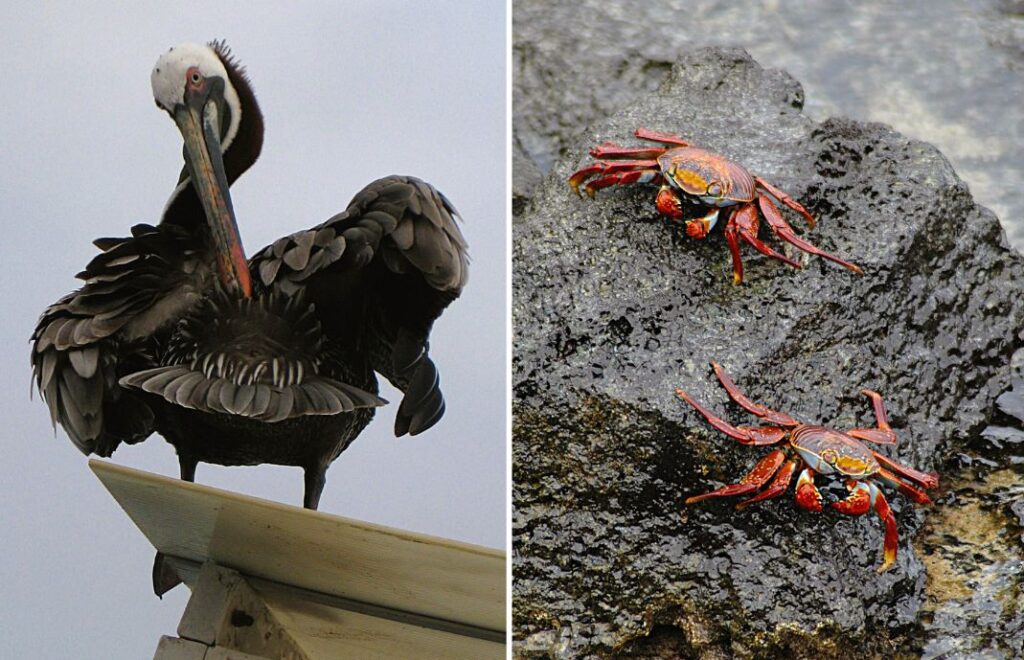
When should you visit the Galápagos Islands?
There’s truly no wrong time to explore the Galápagos – these enchanted islands are a year-round destination for adventurers and nature lovers alike. Each season offers its own unique treasures, and the archipelago’s astonishing wildlife is always waiting to be discovered.
Situated right on the equator, the Galápagos experiences only subtle shifts in temperature throughout the year. While light rains may fall between July and November, they’re rarely heavy enough to disrupt your excursions.
This island paradise pulses with life year-round. The changing seasons bring breeding rituals, nesting periods, and the dramatic movements of migratory birds – all unfolding across a mosaic of diverse habitats.
If you’re hoping to spot a specific animal during your visit, it’s worth researching which month (and which guided tour) will give you the best chance of an unforgettable encounter. Some species only appear during certain months, while others are found exclusively on specific islands.
Take the Galápagos penguin, for instance. In August, they migrate to the central islands, drawn by the cooler waters. The majestic waved albatross, on the other hand, graces the islands only in spring and summer for its mating season.
Each journey to the Galápagos holds the promise of a rare, wild moment – if you time it just right.
More inspiration: The Galápagos Islands: Month by month
Entrance fees for visiting the Galápagos Islands
In 2012, the Ecuadorian government introduced the Transit Control Card (TCT) – a key measure to help regulate the number of travelers venturing to the Galápagos Islands.
The card costs $20 USD per person, payable in cash. It must be purchased at the airport in Quito or Guayaquil before flying to the islands. You’ll also need to present your flight ticket, so be sure to allow some extra time at the airport to complete the process. If you’re traveling as part of an organized tour, your guide may handle the TCT for you. The card must be returned when you depart the islands.
In addition to the transit card, there’s a national park entrance fee, also payable in cash upon arrival in the Galápagos. The fee is $200 USD for adults and $100 USD for children (up to 12 years old).
While the cost may seem steep, these fees directly support the preservation of the Galápagos’ extraordinary landscapes and one-of-a-kind wildlife. Think of it not just as an entry fee – but as a contribution to safeguarding one of the planet’s last great natural sanctuaries.
What can you do in the Galápagos Islands?
Once you set foot on these enchanting islands, a world of adventure unfolds before you. The Galápagos offer a dazzling range of activities that bring you face-to-face with pristine nature and extraordinary wildlife. Here are just a few unforgettable ways to explore:
Snorkeling
Arguably the easiest and most accessible way to discover the vibrant underwater life of the Galápagos. Imagine floating above sea turtles, playful sea lions, curious penguins, elegant rays, sleek sharks, and schools of brightly colored fish – all just a few feet away.
Personally, snorkeling was my absolute favorite activity – tied only with the simple joy of relaxing on the beach next to a dozing sea lion.
Most tour boats provide wetsuits and snorkel gear, but it’s wise to double-check when booking your trip.
Hiking
Hiking is the most popular land-based activity and allows you to capture stunning photos of the islands’ surreal landscapes and fearless wildlife.
Because exploring the islands independently is prohibited, you’ll always be accompanied by a knowledgeable guide certified by the Galápagos National Park. These expert guides enhance the journey with insights that deepen your appreciation of the ecosystems around you.
Kayaking
Picture yourself gliding along the shoreline of a volcanic island, mangroves arching above, with rays dancing beneath your kayak and sharks slipping silently beside you.
Kayaking is a serene yet thrilling way to access hidden lagoons and quiet coves teeming with life. It’s a front-row seat to nature at its most raw and untouched.
Scuba diving
For those craving a more immersive experience, diving in the Galápagos is second to none. This is where the underwater world truly comes alive – vivid, mysterious, and electric with movement.
Don’t be surprised if a sea lion swims up to play, or if a hammerhead shark passes in the blue. Every dive here feels like a plunge into another dimension.
Each of these activities offers a different lens through which to experience the Galápagos. They all have one thing in common: an intimate connection with a world still wild, still wondrous, and unlike anywhere else on Earth.