
Just an hour’s boat ride from Sandakan, Borneo, lies Turtle Island – a tiny tropical haven and a vital sanctuary for critically endangered sea turtles. As night falls, these ancient mariners glide ashore to lay their eggs, undisturbed by the presence of quiet, awe-struck visitors.
Established in 1977, Turtle Island Park comprises three islands: Selingan, Bakungan Kecil, and Gulisan.
Selingan is the largest of the trio and serves as the park’s main base. It hosts the turtle hatchery, the ranger station, and simple accommodations for overnight guests.
Perched in the Sulu Sea between Malaysia and the Philippines, just off the coast of Sabah in Borneo, this secluded sanctuary is a world away from the everyday. The boat ride out takes about an hour – but the experience will stay with you for a lifetime.
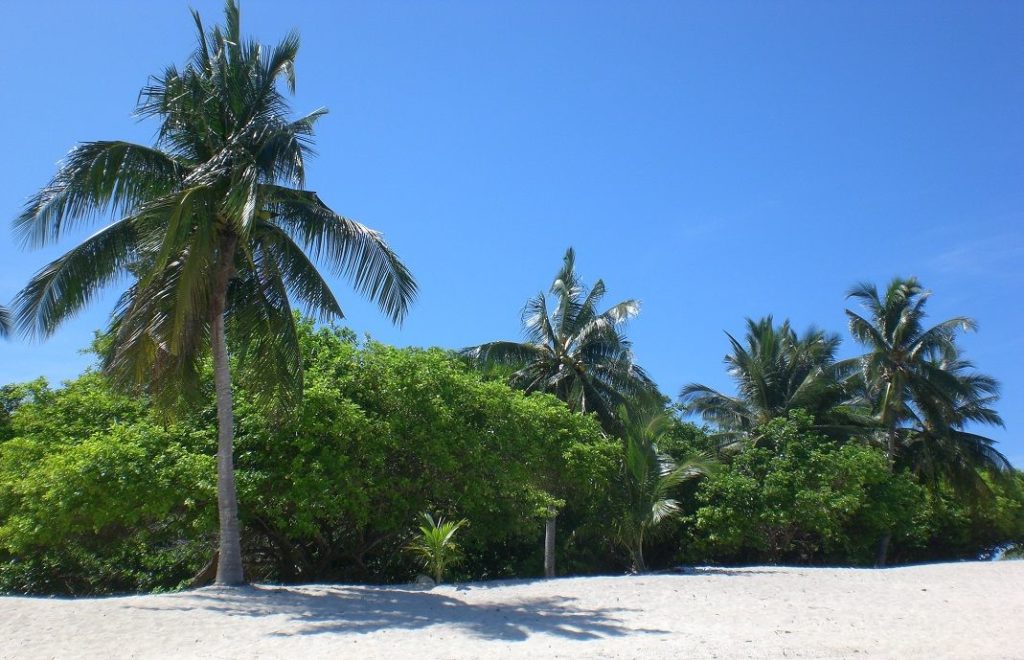
Laid-back living on Turtle Island
This magical island isn’t just a sanctuary for sea turtles – it’s paradise for people too. By day, it’s all about powder-white sand, turquoise waters, and the soothing rustle of palm leaves in the breeze.
Roll out your towel, slather on some sunscreen, and surrender to the bliss of the beach.
But don’t lounge for too long – there’s a whole other world waiting beneath the surface.
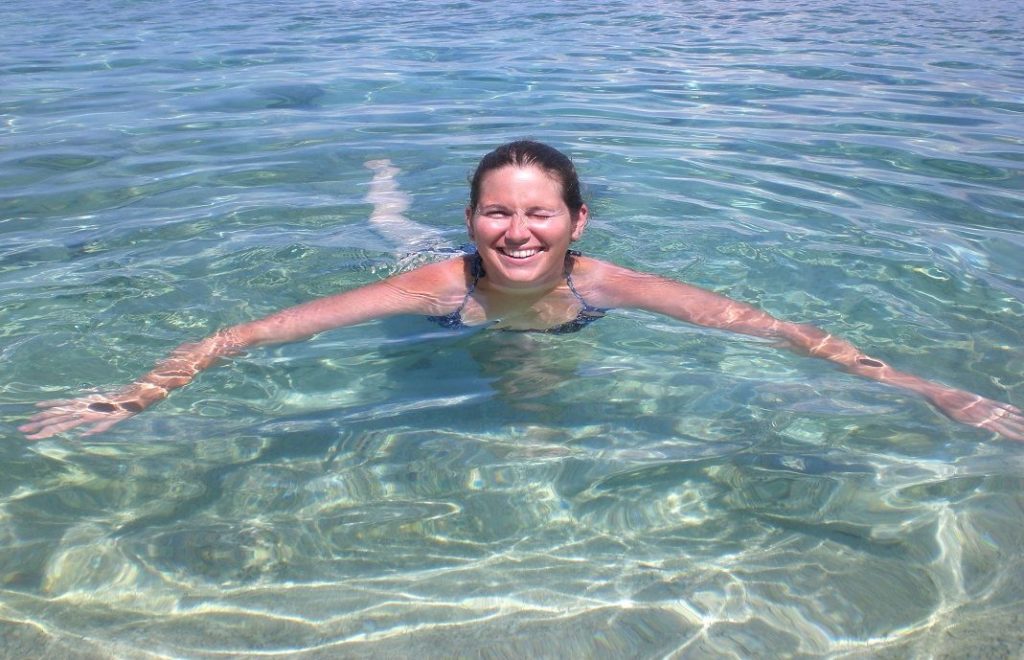
With a snorkel mask and fins in place, I slip into the water. You don’t need to swim far before you’re greeted by a kaleidoscope of marine life. A quick blur of color darts past – so close it nearly bumps into my mask. The tiny fish looks more startled than I am, zigzagging off in pursuit of its companions.
Then, something more graceful appears. A gentle head breaks the surface, flippers moving in slow, measured sweeps.
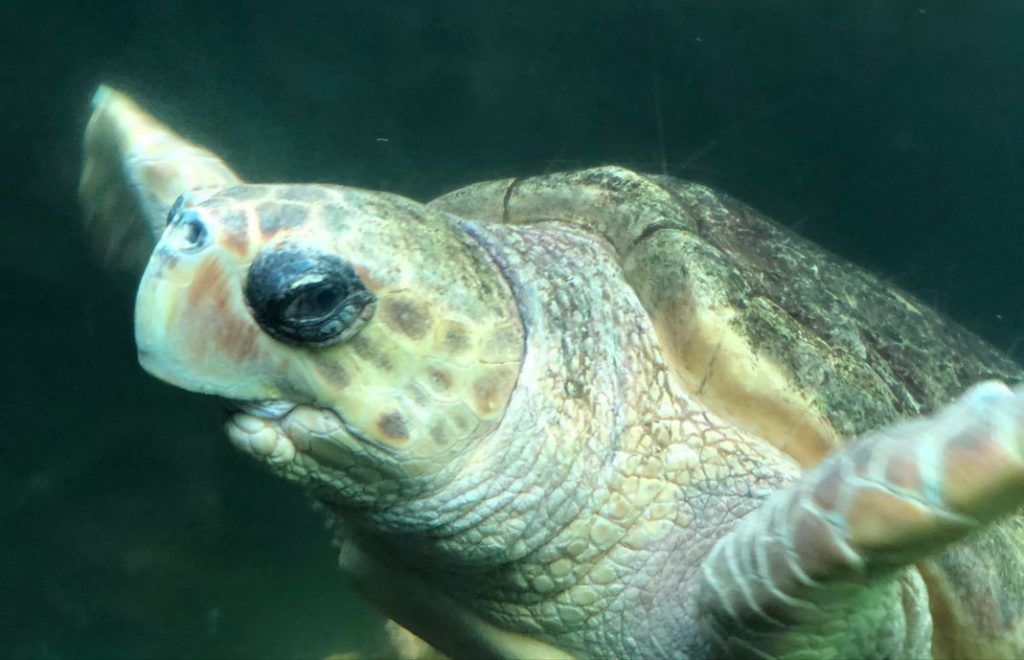
A beautiful hawksbill turtle glides into view.
These stunning creatures can grow up to a meter long and weigh around 80 kilos. Young hawksbills have heart-shaped shells, which become longer and more angular with age. Their carapaces are dark green-brown, while their plastrons shine a soft yellow.
Sadly, hawksbill turtles are critically endangered. Their global population has plummeted by more than 80 percent over the past century. Once hunted for their meat – and even more so for their ornate shells – their decline was fueled by demand for decorative tortoiseshell.
Trade in hawksbill products was banned in 1973, but they now face new threats: pollution, accidental bycatch, and the destruction of nesting beaches.
Here, though – on and around Turtle Island – they are safe.
And watching one of these magnificent creatures move through the water with such quiet dignity, you can’t help but hope that this tiny corner of the world remains a refuge – for turtles and travelers alike.
Putting patience to the test
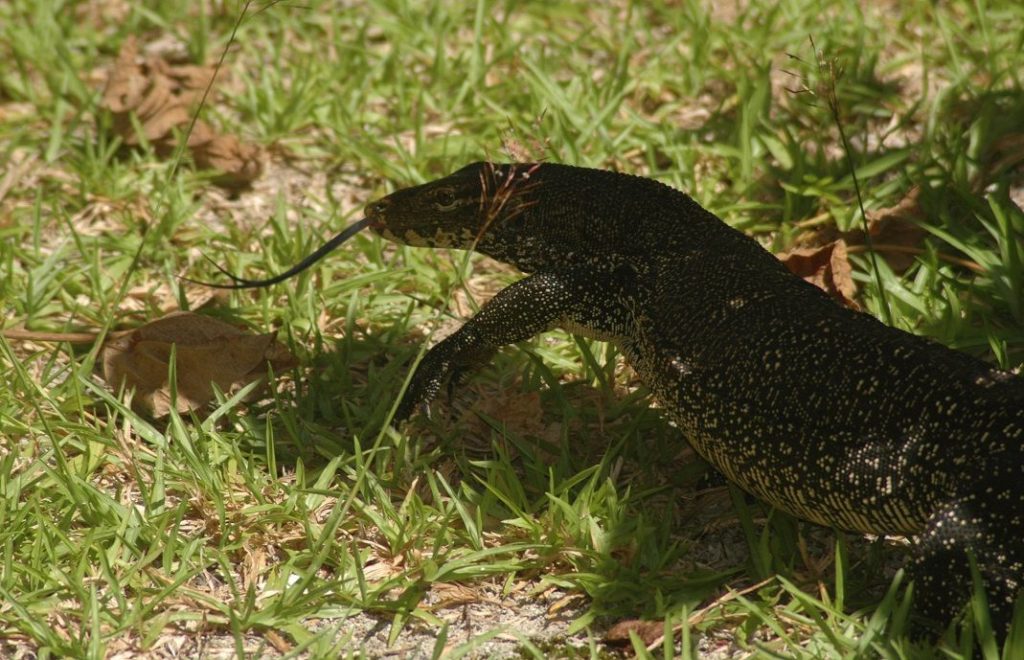
The beach closes at five in the afternoon, so I wander back to my room to freshen up before dinner. Just outside my door, a large monitor lizard lumbers past, its tongue flicking in and out at lightning speed, as if tracking invisible prey. Its muscular tail lazily swats at the low bushes in its path, completely unfazed.
After a delicious meal, I head over to the island’s small exhibition room to learn more about the turtles. Not long after, a park ranger gathers the guests to show an informative film about Turtle Island, the life cycle of sea turtles, and the many threats they face in the wild.
And then – we wait.
Travelers from across the globe settle in around the communal tables. The hours pass slowly as we sit in quiet anticipation, waiting for the turtles to arrive. We are only allowed onto the beach once the ranger gives the signal.
Thankfully, the island enforces strict rules about how visitors can interact with the turtles. Human exposure is kept to a minimum, ensuring the animals aren’t stressed or disturbed – an incredible measure that bodes well for their survival.
The clock ticks on. A few people begin to fidget. Others wait calmly, fully aware that what lies ahead will be unforgettable.
This experience demands patience. But for a chance to witness something truly magical – nature unfolding in its purest form – it’s more than worth the wait.
Heading to the maternity ward
At last, the moment we’ve all been waiting for – the announcement comes: the turtles have started arriving on the beach!
The hushed crowd stirs to life, excitement spreading like wildfire as we follow the park ranger toward the shoreline. Darkness has wrapped itself around the island, and only the narrow beam of a flashlight carves a path through the night.
Seven soon-to-be mothers have made their way ashore this evening, but to protect them, we’re only permitted to observe one. The turtles’ well-being takes top priority.
Still, our entrance fee helps support the park, and tonight we’re rewarded in the most extraordinary way.
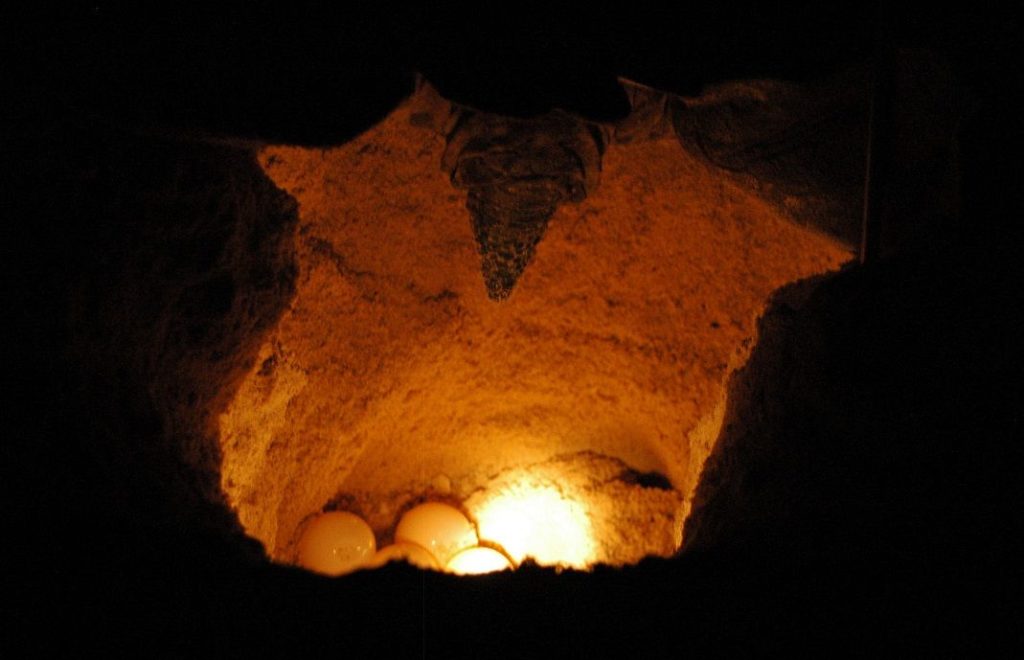
In front of us, a female turtle has already dug a deep nesting hole. She seems to enter a trance-like state as she begins laying, one glistening egg after another. I lose count quickly – there are so many.
When she’s finished, she gently covers the nest with sand, methodically packing it down with her flippers. Her ancient instincts guide her every move.
Then, without ceremony, she begins her slow journey back toward the sea. We watch in reverent silence as she disappears, a shadow swallowed by the darkness.
An unforgettable glimpse into nature’s most sacred ritual.
The road to freedom
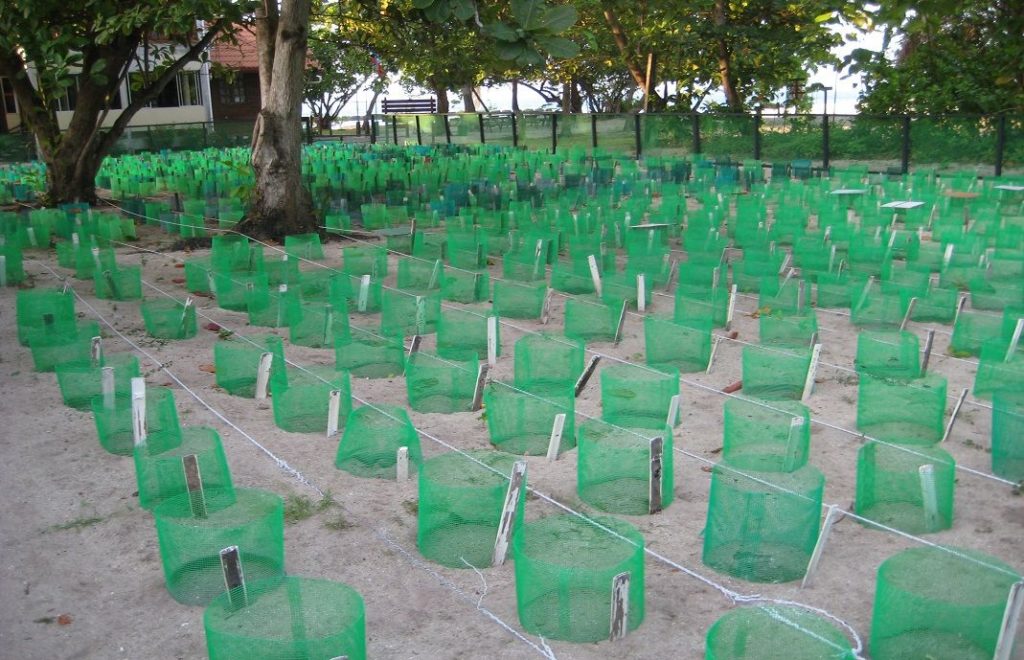
The eggs are carefully excavated by the park staff and relocated to the hatchery, where they’re kept safe from predators and natural threats. When the time comes and the eggs begin to hatch, the tiny newborn turtles are gently gathered and carried down to the beach – ready to take their first steps toward the sea.
We’re lucky enough to witness this heartwarming moment.
As the ranger prepares to release the hatchlings, a few members of our group grow a little too eager, shuffling about in the dark. The park ranger swiftly steps in with a firm warning: everyone must stay absolutely still. He won’t allow a single baby turtle to be crushed under a careless foot.
Then, under the starlit sky, the hatchlings are released. They are impossibly small, almost fragile, yet full of determination as they scramble over the sand toward the waves and their new lives. A couple lose their way and require gentle redirection, but soon, all twenty or so have vanished into the surf.
With luck, the females among them will one day return to this very beach – to lay eggs of their own under the same stretch of stars.
A full circle of life, set in motion before our eyes.
Practical information
Selingan Turtle Island is open to visitors year-round, but the best time to experience it is between July and October, when turtle activity peaks. While turtles come ashore to nest almost daily, these months offer the highest chances of witnessing multiple arrivals.
A permit is required to visit the island – so you can’t simply hop on a boat and go. With a limited number of permits issued each day, advanced booking is strongly recommended to secure your spot.
Accommodation is provided in simple chalets, each with a private bathroom. They may be basic, but they offer the essentials – and the opportunity to wake up in one of the most magical corners of the world.
More inspiration to Borneo:
Face to face with Borneo’s wild souls
Trekking Mount Kinabalu
Kuching – The city of cats
When is the best time to visit Malaysia?
