
Borneo is a place where nature still feels untamed – an island wrapped in ancient rainforest, home to orangutans swinging through the canopy, rare pygmy elephants wandering riverbanks, and coral reefs bursting with life. But this wild beauty comes with powerful seasonal rhythms, and choosing the right time to visit can shape your entire experience.
From sun-soaked days perfect for jungle trekking and diving, to dramatic monsoon rains that transform the rainforest into a symphony of sound and emerald color, each season reveals a different side of Borneo.
Whether you’re dreaming of wildlife encounters, pristine beaches, or once-in-a-lifetime adventures deep in the jungle, understanding the island’s weather patterns will help you plan a journey that’s both magical and comfortable.
The best months to visit Borneo
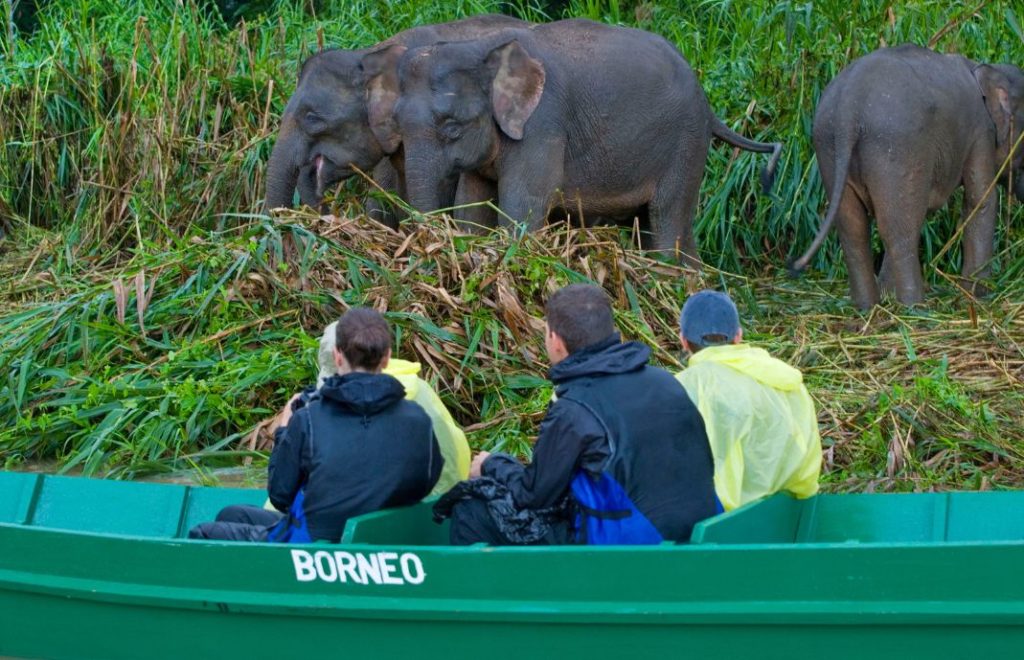
The best time to visit Borneo is generally between May and September, when the island enjoys its driest, sunniest weather. During these months, rainforest trails are more accessible, river levels are stable, and wildlife viewing reaches its peak. Clear skies make it an ideal season for climbing Mount Kinabalu, exploring Sabah’s orangutan sanctuaries, and diving in world-class marine parks like Sipadan and Mabul.
June, July, and August are especially popular, offering long stretches of warm, bright days with relatively low humidity. This period also coincides with excellent marine visibility, perfect for snorkelers and divers hoping to encounter turtles, reef sharks, and kaleidoscopic coral gardens.
If your dream Borneo trip involves trekking, island-hopping, or spotting orangutans in the wild, this dry-season window delivers the most reliable conditions.
But good weather isn’t limited to summer. April and early October often serve as shoulder months -less crowded, slightly cooler, and still offering plenty of sunshine. They’re ideal for travelers seeking a quieter experience without sacrificing comfort or wildlife opportunities.
Dry season vs. wet season in Borneo
Borneo’s tropical climate is shaped by two main seasons – the dry season and the wet (monsoon) season – each offering a different travel experience. Understanding the rhythm of these seasons will help you plan a journey that matches your comfort level, adventure goals, and wildlife priorities.
Dry season (May-September)
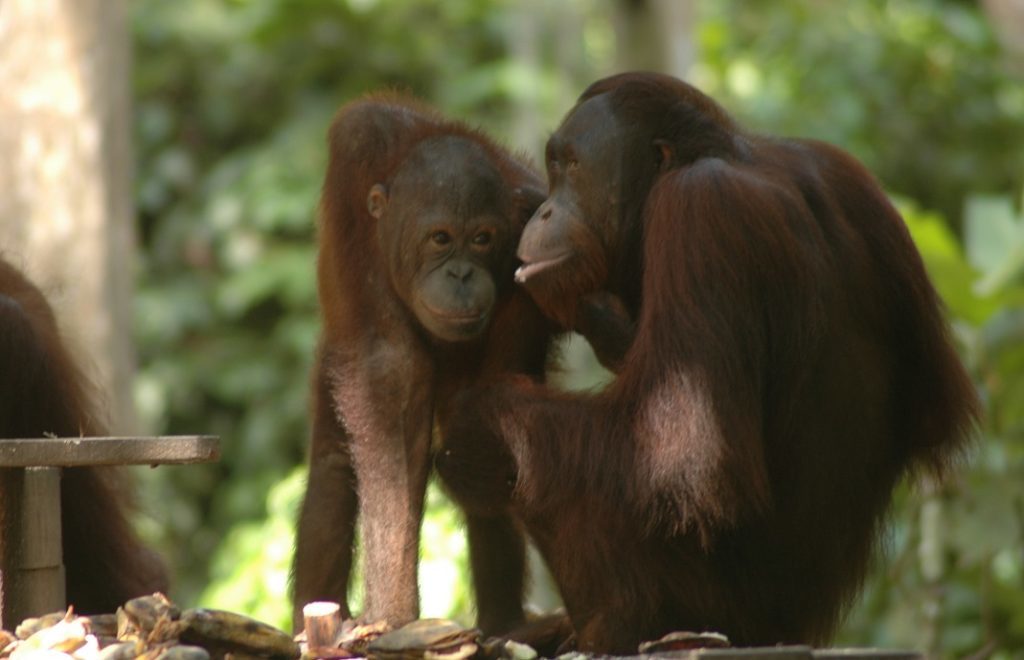
The dry season is widely considered the best time to visit Borneo. Rainfall is lower, humidity is more manageable, and days are generally warm and bright. The rainforest trails are firmer underfoot, making jungle treks and canopy walks more enjoyable. Rivers such as the Kinabatangan are calmer, giving you better chances of spotting orangutans, hornbills, crocodiles, proboscis monkeys, and pygmy elephants along the banks.
Underwater visibility is at its best during these months, perfect for diving hotspots like Sipadan, where you may encounter barracuda tornadoes, turtles, and pristine coral reefs. The dry season is also ideal for climbing Mount Kinabalu, as the summit tends to remain clear in the early mornings.
Wet season (November-March)
The wet season brings dramatic tropical downpours, particularly from December to February. These rains transform Borneo into an even more lush and vibrant paradise, with swelling rivers, misty mountains, and rainforests buzzing with life.
While the monsoon season can make some trekking routes slippery and unpredictable, it can also offer more intimate wildlife experiences: animals often move closer to the forest edges to feed, and fewer tourists mean quieter encounters.
Heavy rain can disrupt boat excursions and limit visibility for diving, but not all destinations are equally affected. Sarawak’s cultural sites, cave systems, and national parks remain accessible year-round, and the rain rarely lasts all day. They usually come in intense, short bursts followed by bright, refreshing skies.
Shoulder months (April & October)
Straddling both seasons, these months offer a pleasant middle ground: lighter crowds, manageable humidity, and a good balance of sunshine and occasional showers. They’re excellent for travelers seeking flexibility and fewer tourists while still enjoying decent weather.
Best time for specific activities in Borneo
Borneo’s seasonal rhythms shape every adventure on the island – from jungle treks to river safaris and world-class diving.
Here’s when to plan your trip based on the experiences you’re dreaming of.
Best time for wildlife watching
May-September is the prime season to see orangutans, pygmy elephants and proboscis monkeys.
The drier weather draws animals closer to rivers and forest clearings, making sightings more frequent and reliable. Along the Kinabatangan River, dawn and dusk cruises offer some of the best chances to spot orangutans in the wild, as well as herds of pygmy elephants seeking water.
Best time for jungle trekking
May-September is ideal for trekking.
Trails are less slippery, humidity is lower, and leech activity is reduced. Whether you’re exploring Danum Valley’s ancient rainforest or the caves of Mulu National Park, the dry season makes the experience more comfortable and accessible.
Best time for diving and snorkeling
April-October, with July-August offering the clearest conditions.
This is when visibility soars around hotspots like Sipadan, Mabul, and Kapalai. Turtle sightings peak in the dry season, and strong currents bring schools of barracuda, reef sharks, and colorful marine life closer to divers.
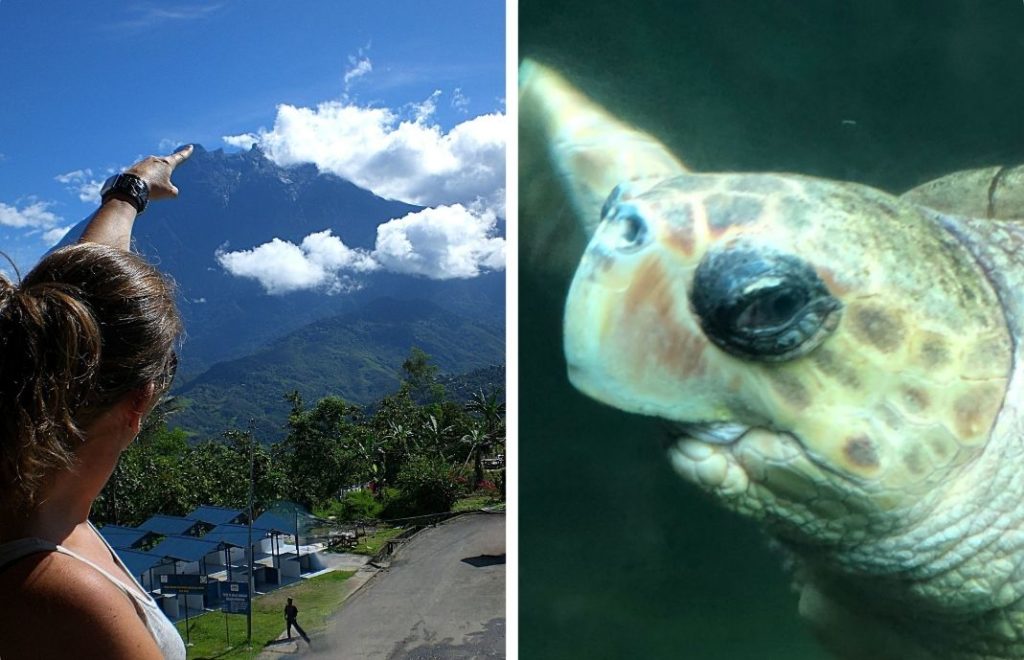
Best time to climb Mount Kinabalu
February-April and May-September provide the most stable weather.
Clear mornings and lower rainfall increase your chances of a successful summit. Book well in advance – permits are limited.
More inspiration: Trekking Mount Kinabalu
Best time for turtle nesting and hatchlings
July-October is the highlight for turtle lovers.
On islands like Selingan (Turtle Island), mother turtles come ashore to lay their eggs, and ranger-guided hatchling releases are common.
More inspiration: The magical Turtle Island
Best time for fewer crowds
November-March, the monsoon months.
While heavy rain is possible, you’ll find quieter trails, peaceful river cruises, and more intimate wildlife encounters. Accommodation prices may also be lower.
When NOT to visit Borneo
While Borneo is a year-round destination, there are periods when travel can be more challenging – especially if you’re seeking outdoor adventures or clear wildlife sightings.
December to February: The peak of the monsoon season
These months bring the heaviest and most unpredictable rainfall. Intense downpours can last for hours, creating muddy, slippery jungle trails and rising river levels high enough to disrupt boat trips. Diving conditions can also be affected, with reduced visibility and occasional cancellations.
If your plans include trekking, river safaris, diving at Sipadan, or summiting Mount Kinabalu, this is the least reliable time to travel.
Late March: The transition period
Although not as wet as the monsoon peak, late March can bring occasional storms and high humidity. Some trekking paths may still be recovering from heavy rain, and wildlife movement can be harder to predict.
When to avoid based on your travel goals
- Avoid November-March if you want long stretches of sunshine, stable trekking conditions, and excellent diving visibility.
- Avoid school holidays (July-August) if you prefer fewer crowds – these months are busy despite being the best for weather.
BUT…
Even during the monsoon, Borneo rarely shuts down. Rain often falls in dramatic bursts rather than all day, and the rainforest becomes incredibly lush and atmospheric. Budget travelers or those seeking solitude may still find this season appealing.
A final word on when to visit Borneo
Visiting Borneo is less about picking a single “perfect” moment and more about understanding how each season reveals a different side of this extraordinary island. Whether you’re navigating sunlit river bends in search of wildlife, diving into crystal-clear waters, or hiking through rain-soaked jungles buzzing with life, Borneo offers experiences that feel raw, authentic, and deeply connected to nature.
By choosing the time that suits your travel style – whether that’s the bright, dry months ideal for adventure or the atmospheric monsoon season with quieter trails – you’ll be rewarded with a journey that’s unforgettable in its own way.
Borneo doesn’t just welcome visitors; it invites them into one of the world’s richest ecosystems, where every season tells a story worth hearing.
