
Ching Mei! Ching Mei!
Silence. The name echoes through the trees, swallowed by the quiet of the reserve. The call comes again, this time louder.
And then – a flicker of movement. Out from the dappled shade, a black-and-white head emerges. A collective gasp ripples through our group. There she is.
Ching Mei.
The giant panda shakes her shaggy head and rolls her shoulders with the nonchalance of a queen mildly inconvenienced by her subjects. Her dark eyes lock on us with an expression that seems to say, “Humans – always so dramatic.”
With a soft snort, she lowers herself to the ground, plucks up a bamboo stalk, and begins to crunch away, utterly unbothered.
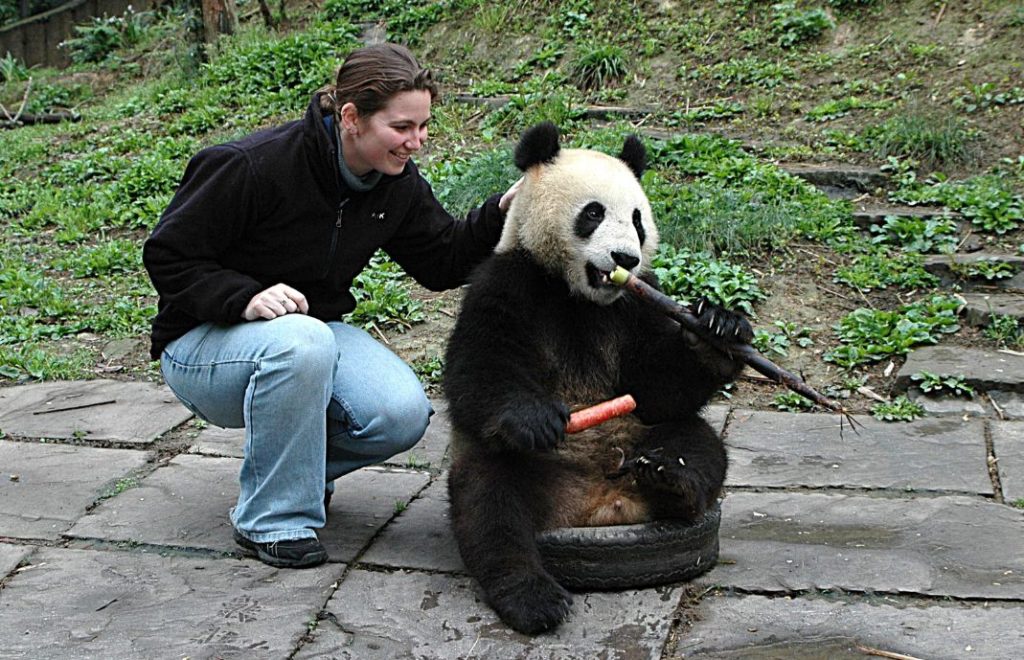
The keeper calls out again, this time sweetening the deal with a treat – a carrot and a piece of panda bread. That does the trick. Slowly, majestically, she lumbers toward us, her every step deliberate, before dropping her hefty frame right in front of us.
Then comes the moment that melts every heart: one giant paw reaches out – gentle, almost regal – and accepts the bread like a queen receiving tribute.
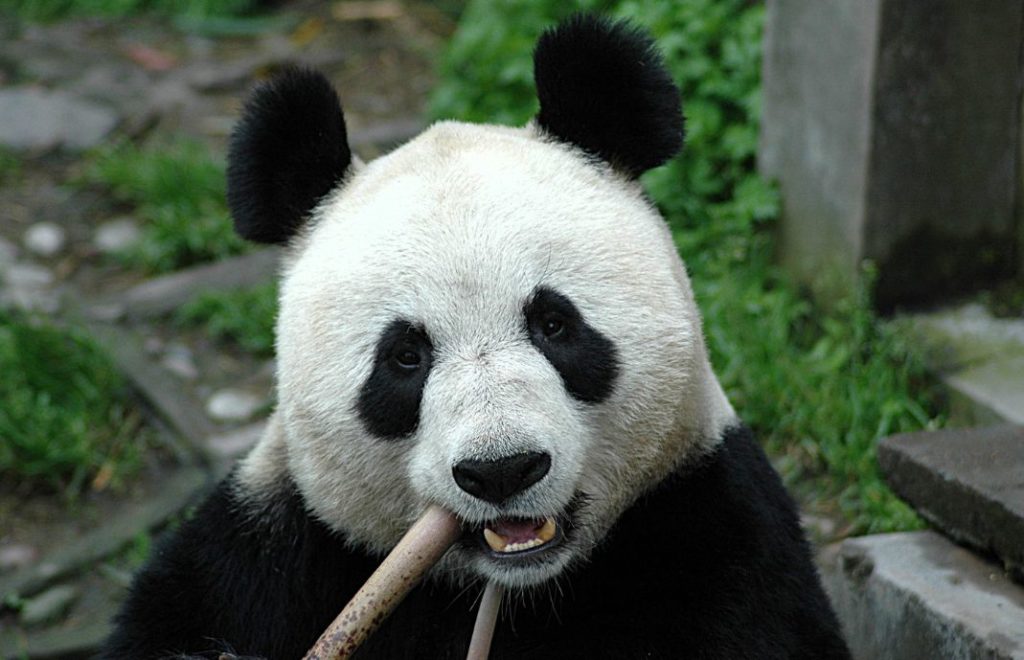
Finally, the panda gets the attention it deserves
I’m high in the misty mountains of Sichuan, at the Wolong Panda Center – a sanctuary dedicated to one of the world’s most beloved and endangered creatures. It’s a two-hour drive from Chengdu, but it feels like a world away: quieter, greener, and humming with purpose. I’m here as a volunteer, ready to spend the next few weeks caring for these gentle giants, and the excitement is almost overwhelming.
With their black eye patches, pandas always look a little melancholy – as if carrying the weight of the world on their furry shoulders. Watching one sit lazily in the grass, munching bamboo for hours, you might think they’re fragile and defenseless.
But here’s the good news: the outlook for pandas is brighter than it’s been in decades. Once on the brink of extinction, the giant panda is now the face of a global conservation success story. Thanks to relentless efforts by Chinese authorities and international organizations, their habitats are being protected and expanded.
Today, around 1,850 pandas live in the wild, scattered across six mountainous regions in China. It’s still a fragile existence, but it’s a hopeful one – and here in Wolong, every bite of bamboo, every cub born, feels like a small victory in a much bigger battle.
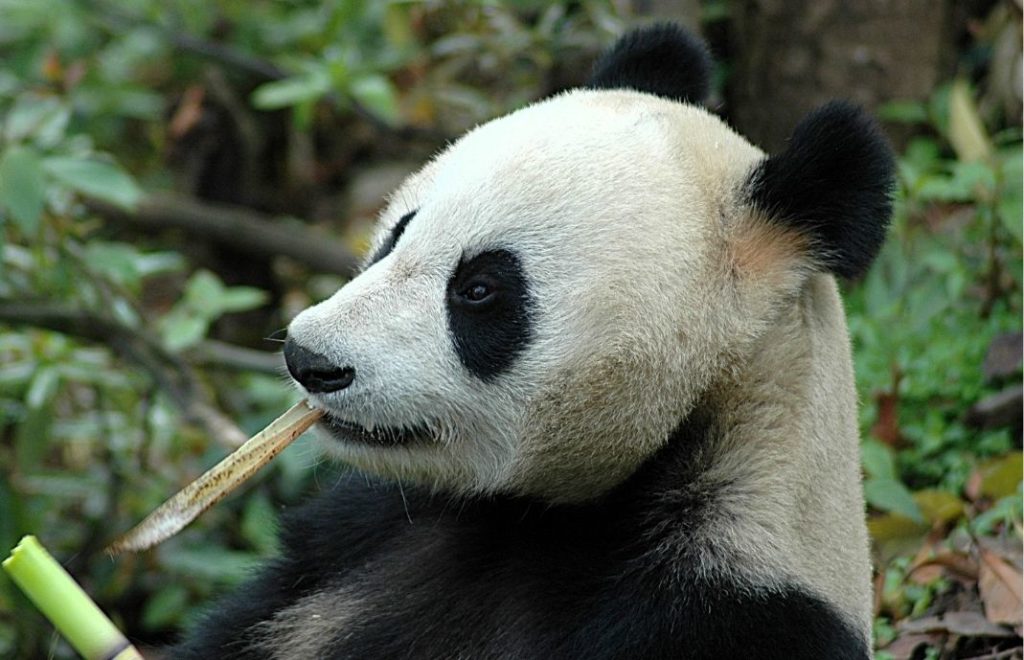
My life as a panda volunteer
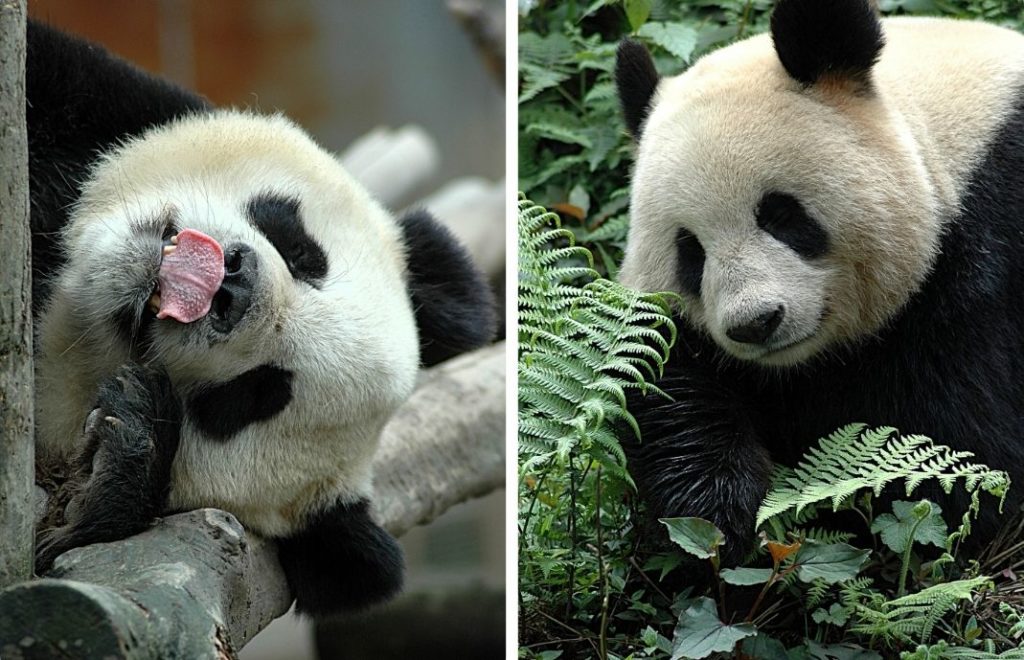
She’s far from ugly, Ching Mei. Those soulful eyes could melt the iciest heart. She shifts her hefty body, scratches lazily, then tilts her head in the most disarming way before extending a massive paw – clearly asking for more bread. And honestly, how can you say no to that face?
Not that she’s deprived in any way. Each day, she enjoys apples, carrots, and specially baked panda bread, served up three times a day. And let’s not forget the bamboo – mountains of it! A single panda can devour between 12 and 38 kilos daily, spending up to 14 hours just eating.
As a volunteer, my main duty is to make sure these gentle giants have everything they need. That means prepping meals with military precision – washing, chopping, and arranging their favorite treats like some kind of five-star panda chef.
Then there’s the less glamorous side: cleaning the enclosures. Trust me, pandas leave behind… a lot. Some days, I wonder if they spend as much time producing as they do consuming! But even as I’m hauling bamboo remnants and sweeping up the evidence of their hearty appetites, I can’t help smiling. Every moment feels like a privilege.
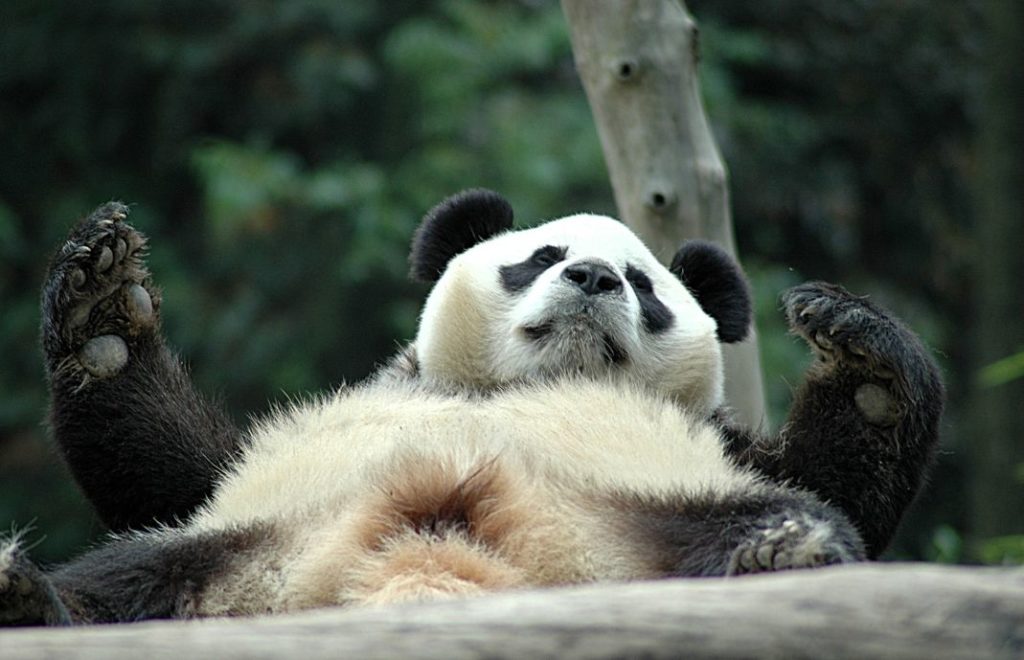
Even the best research can lead to surprises
Before signing up as a panda volunteer in China, I did my homework. I spent hours combing through forums, blogs, and official-looking websites to find a trustworthy program. My choice? An American-run organization with glowing reviews and a polished online presence. Everything looked perfect: seamless communication, detailed itinerary, promises of cozy accommodation, hearty meals, and an English-speaking staff. They even promised in-depth panda briefings and lab time for those eager to learn more.
Reality, as it turned out, had a slightly different script.
The airport pickup went smoothly, and the two British girls traveling with me were just as excited as I was. We arrived at the panda center full of dreams – and were greeted by staff who spoke about as much English as I spoke Mandarin (read: almost none). After some enthusiastic gesturing, we were shown to our rooms.
Here’s where things got… interesting.
I knew it would be chilly in the mountains, but nothing prepared me for the cold that crept into my bones. Even layered in fleece, wool socks, and clutching a hot water bottle, I shivered through the night. The bedding was damp, the shower water icy, and – bonus surprise – live wires dangled menacingly in the bathroom. Using the shower felt like playing Russian roulette with electricity.
The sink? Decorative. The toilet? A hole in the ground. Toilet paper? Toss it in the basket – where it stayed. For two weeks. Despite our polite (and then increasingly desperate) pleas, nothing changed. By the end of the first week, I realized I was living out my own reality TV show: Survivor, Panda Edition.
And yet… every time Ching Mei looked at me with those big panda eyes, it was worth it. Almost.

Should I laugh or cry?
Meals were an adventure in minimalism: sticky clumps of rice and a few lonely boiled lettuce leaves. If we were really lucky, dinner came with a mysterious soup that was more water than flavor. Day after day, the food was bland, monotonous, and nearly impossible to get excited about.
Some days, desperation led us to sneak a few apples and carrots from the panda rations – on the off chance they didn’t eat everything themselves. By the end of my 14-day stay, I’d dropped five kilos. Who needs a diet plan when you can sign up for Panda Bootcamp?
Nights weren’t much better. I huddled under a damp blanket, teeth chattering, daydreaming about my mom’s homemade meals like they were Michelin-starred feasts. One of the British girls couldn’t take it and bailed after just two days.
But me? I was stubborn. After all, I’d traveled halfway around the globe and trekked deep into the Chinese mountains. The scenery was breathtaking, and my “co-workers” were giant, black-and-white teddy bears. If nothing else, I was determined to make the best of this once-in-a-lifetime experience.
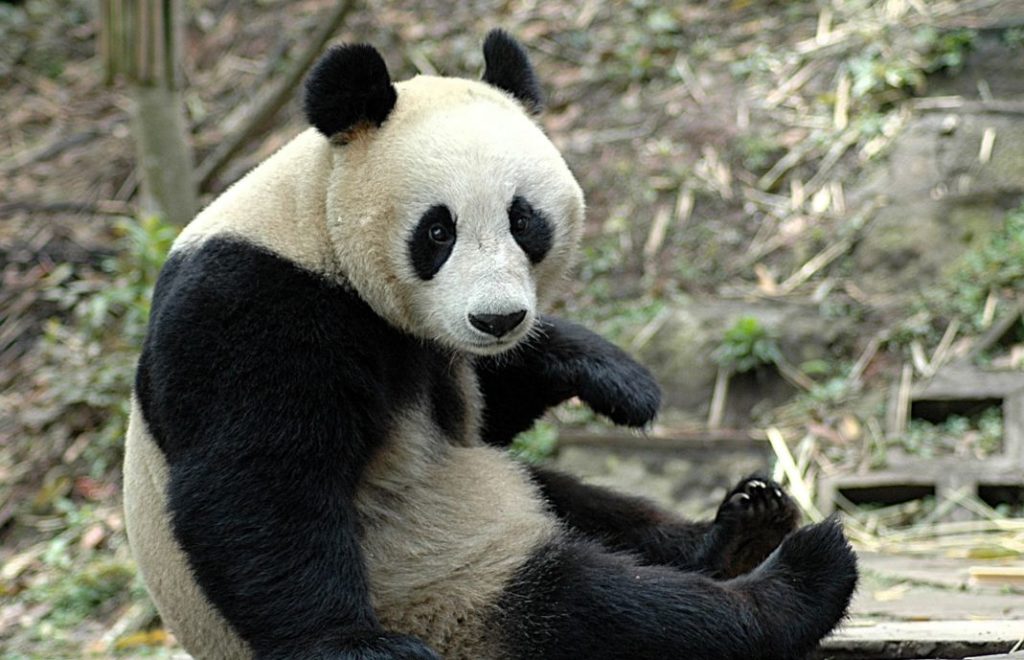
Panda keeper and English teacher
Each volunteer was assigned a panda to care for during our stay, and mine was the adorable Ching Mei – a fluffy diva with a love for bamboo and a talent for looking perpetually unimpressed.
We also worked alongside a dedicated panda keeper. Mine was Yang Jei, Ching Mei’s lifelong caretaker. His English vocabulary consisted of exactly three words when we met, which made communication… interesting. Still, we found our rhythm. Between cleaning enclosures and prepping endless bamboo feasts, I started giving Yang Jei impromptu English lessons.
Armed with a tattered notebook, he scribbled down every word I taught him – “bread,” “apple,” “carrot,” and the ever-essential “clean.” As I sat watching Ching Mei dangle upside down from a tree like a black-and-white gymnast, I could hear him in the corner, practicing:
“Bread. Apple. Carrot. Clean.”
On repeat. For hours. If nothing else, the man had persistence!
By the time my two weeks were up, his vocabulary had grown impressively. And so had my admiration for both pandas and the people who care for them.
Life settled into a rhythm: freezing nights filled with muttered curses and a growling stomach, and heartwarming days spent in the company of pandas – and a keeper determined to master English, one carrot at a time.
Yes, I was deceived
At departure, we were suddenly presented with a bill for meals that were supposed to be included. What followed was a whirlwind of arguments, sharp words flying back and forth in both Chinese and English. They even refused to drive us to the airport unless we paid up. It wasn’t a fortune by any means, but the documents from the organization stated – plain as day – that all meals were covered. Clearly, they weren’t.
The moment the cash changed hands, the atmosphere shifted entirely. We were each handed a package containing a certificate, English-language pamphlets about pandas, and a pin. A token gesture, but one that left a rather bitter aftertaste – perhaps worsened by the meager breakfast that final morning.
Back home in Norway, after days of indulging in proper meals to regain my strength, I fired off a lengthy complaint to the organization. The response? The email address no longer existed. The phone number was disconnected.
Five kilos lighter, nursing mild frostbite on my fingers and toes, and two thousand dollars poorer, I sat there reflecting. And yet – despite it all – I treasure the experience deeply. For it was unforgettable: a rare privilege to work so closely with those magnificent, utterly captivating creatures – the pandas.
A memory for life
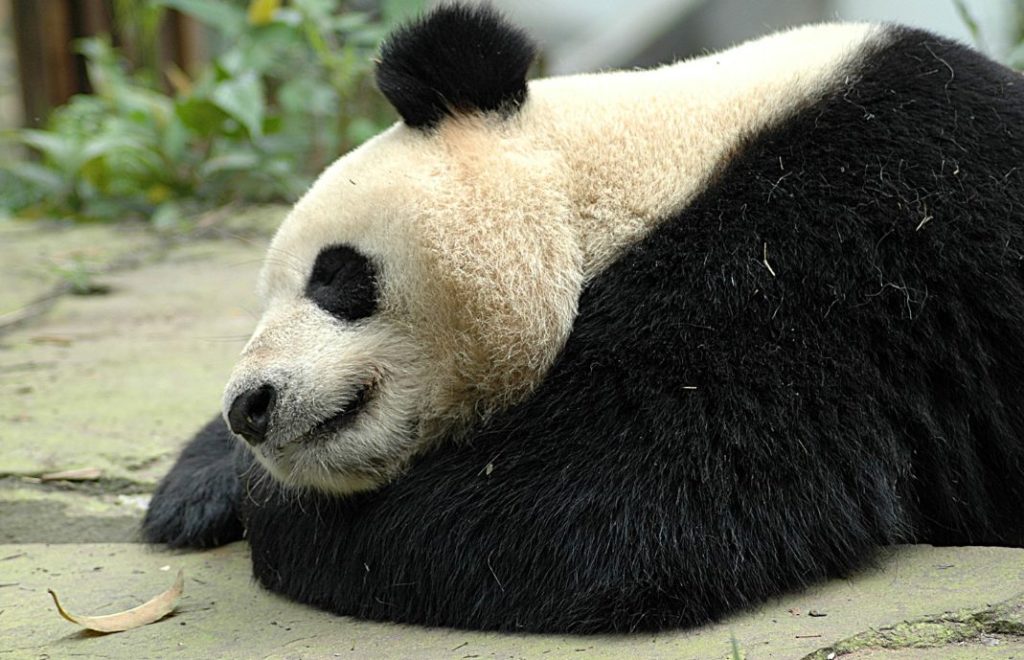
Do I regret it? Not for a second. I carry the experience with me and move forward. The weight is back, my fingers and toes work just fine, and those unpleasant memories have all but faded away.
Now, I mostly recall the magical moments. The pandas tumbling playfully, munching on bamboo, clambering up trees, and stretching out a paw as if asking for more food.
They say that touching a panda’s head brings you good fortune. Lay your hand on its shoulder, and you’ll gain peace and security.
Ching Mei and I formed a bond, and I had the rare privilege of touching both her head and her shoulder. If the legend holds true, I’m now blessed with luck, serenity, and a sense of safety for many years to come.
The giant panda
This enchanting creature exists only in China, where it enjoys the highest level of protection. Behaviorally, pandas are solitary animals, coming together only during mating season.
Unlike many species, the panda does not hibernate and is active throughout the day. It spends an astonishing 10 to 16 hours daily eating – its favorite delicacy being bamboo.
Today, the panda remains on the IUCN Red List of Threatened Species, a gentle reminder of just how fragile and precious this remarkable animal truly is.
More inspiration: 25 fascinating facts about the Giant Panda
More inspiration to China:
Deep in rural China: Surprice and charm
Eat your way through China
