
In 1894, Rudyard Kipling penned one of the world’s most beloved tales – The Jungle Book.
Who among us hasn’t drifted away in dreams of Mowgli’s wild escapades, Bagheera’s silent grace, Baloo’s carefree charm, and the formidable presence of Shere Khan? Of them all, the tiger holds an irresistible fascination – the undisputed sovereign of the jungle.
With a well-worn copy of The Jungle Book tucked into my backpack, I set off for India – the very heart of tiger country.
From Agra to Umaria to Bandhavgarh
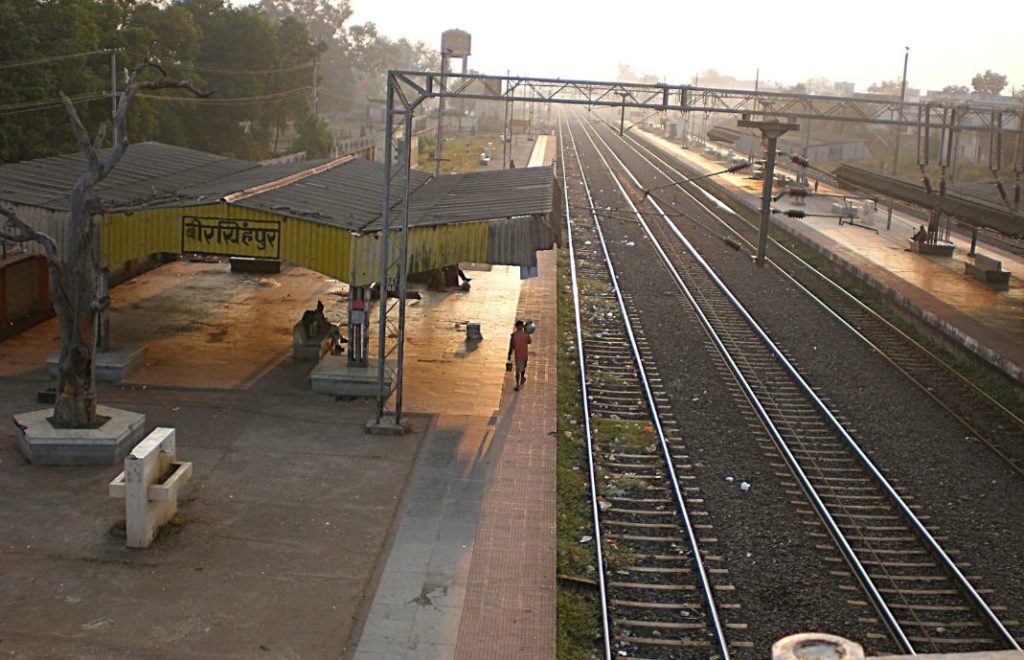
After a long overnight train ride from Agra to Umaria – its air thick with the mingled scents of sweaty bodies, worn leather seats, and lunchboxes well past their prime – I finally step onto the platform. There, waiting with a gracious smile, is my driver: a man crowned with a vibrant purple turban and sporting a beard so grand it could have its own postal code.
The sun has yet to break through the haze, and we seem to be the only souls awake at this hour. With practiced ease, he hoists my backpack into the car, opens the door with a flourish, and off we go toward the hotel.
Breakfast awaits – a fragrant spread that tastes even better than it smells. Yet it’s the shower that follows I cherish most. After eight hours on a night train that has surely seen better centuries – I’m fairly certain neither the cabin nor the blankets have been cleaned since the locomotive’s maiden voyage in the early 1900s – the water feels like salvation.
Freshly scrubbed and utterly spent, I collapse into bed, surrendering to sleep before my head even finds the pillow. Riding the local rails in India is an adventure – but it takes its toll!
More inspiration: A train journey gone off track
The call of the jungle
It’s “far too early” for anyone on vacation. My watch reads 4:20 a.m., almost mocking me as the alarm shatters the silence. I stumble out of my room, groping through the darkness toward the reception, where coffee and tea await – liquid courage before the day’s jungle adventure begins.
Despite it being May, the morning chill bites hard. I climb into the jeep, greeted by my driver, Paul – a name he uses so tourists can pronounce it. His smile is wide, his eyes gleaming with energy far greater than my own.
“Ready to face the dangers of the jungle?” he asks with a playful grin.
I flash two thumbs up, and we roar off into the predawn stillness toward Bandhavgarh National Park.
Set deep in the heart of India, the park lies in a remote corner hemmed by impoverished villages. Along a dusty road, Paul and I strike up an interesting conversation. He speaks with infectious enthusiasm about his encounters with tigers and the park’s other wild inhabitants, weaving tales that stoke my anticipation to fever pitch. This man knows how to build suspense – and the jungle feels closer with every mile.
Bandhavgarh National Park
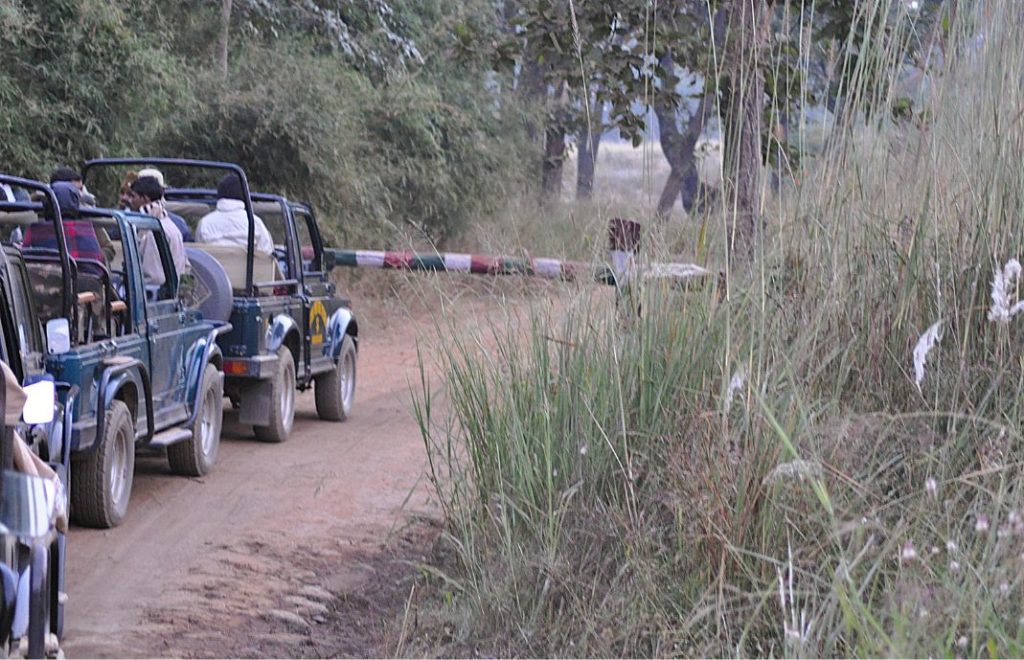
The park rangers meticulously check our permits. Finally, the safari begins.
Dawn loosens its grip as the first rays of sunlight spill through the canopy, casting a warm, golden glow across the landscape. Beams of light glint off enormous spider webs stretched between the trees – delicate, shimmering tapestries that look like something spun from silver thread. Their creators? Some are larger than the palm of my hand. Stunning photo opportunities, yes – but I silently pray they stay where they are.
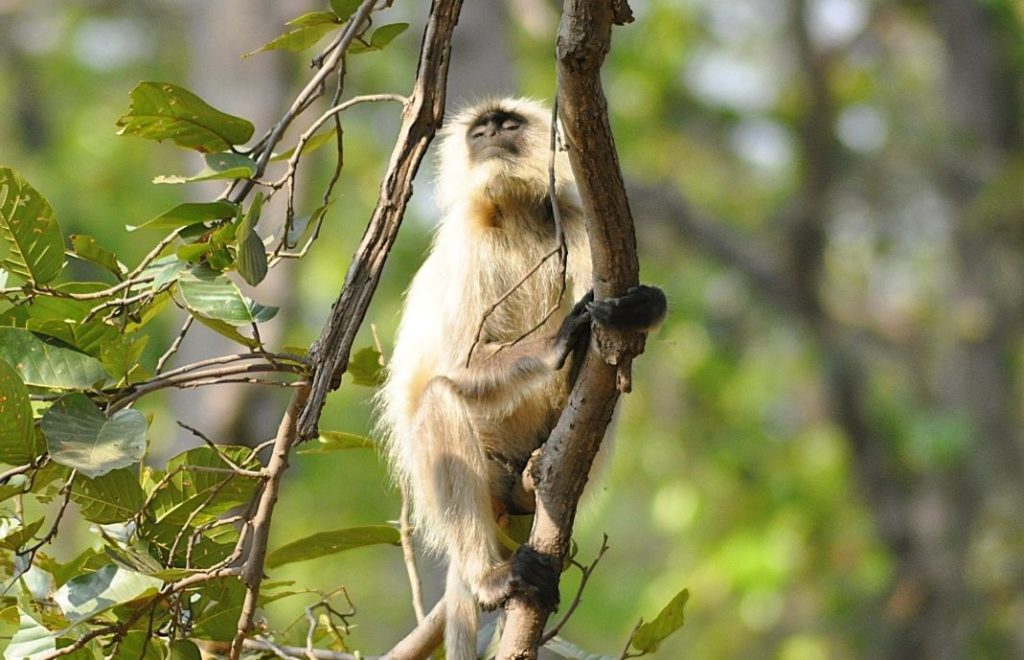
Paul eases the jeep along dusty tracks. Playful langurs spring to life, chattering and tumbling through the branches in carefree abandon. Birds perch on slender twigs high in the treetops, greeting the morning with melodic choruses of “welcome.” Nearby, herds of deer graze in serene clusters – a reassuring sign that no Shere Khan lurks in the shadows, at least for now.
Bandhavgarh sprawls over 105 square kilometers, a sanctuary since 1968. Unlike most parks where spotting a tiger takes sheer luck, here you almost need bad luck not to see one. This reserve boasts one of the highest tiger densities on Earth – roughly one for every 4.77 square kilometers.
Once the exclusive hunting grounds of the Maharaja of Rewa, the land was donated to the Indian government in the 1960s. Since then, Bandhavgarh – along with its neighbor, Kanha – has become a cornerstone of India’s ambitious tiger conservation program, a living success story in the battle to save these striped icons of the wild.
The supreme creature of the jungle
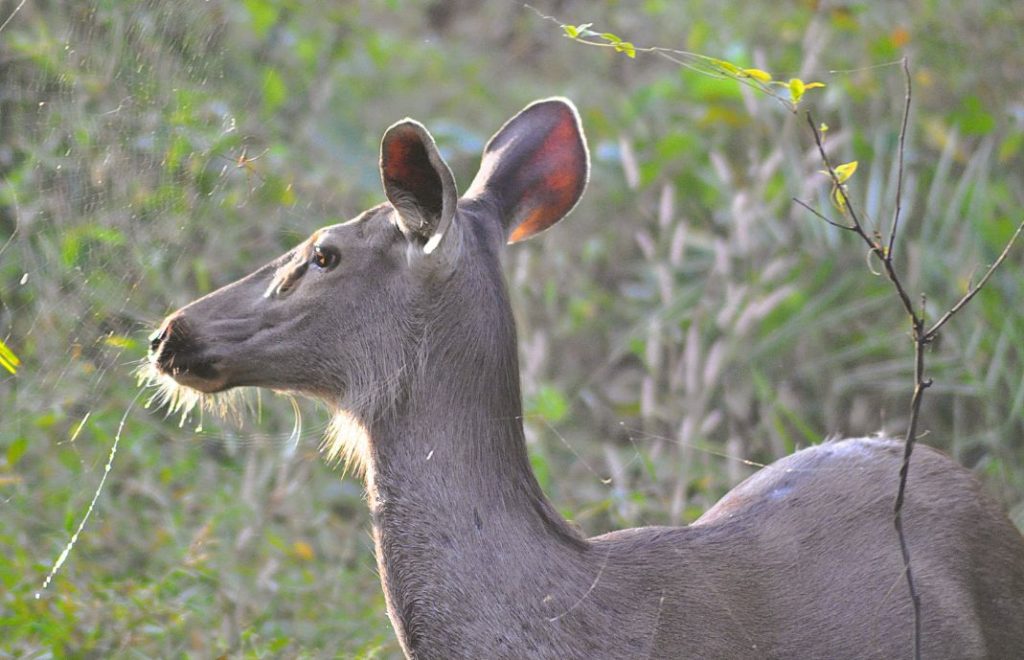
Suddenly, Paul slams on the brakes – so hard I nearly introduce my teeth to the back of his seat. Ahead, a herd of deer stands frozen at the edge of the forest, ears pricked like satellite dishes. Their leader emits a sharp alarm call: there’s a tiger – or more – close by.
A shiver runs down my spine. Could this be it? The moment I’ve dreamed of?
Paul inches the jeep forward. The deer begin to relax; the alarm fades. They return to grazing, though their eyes remain alert and ears twitch nervously. Time drags. My gaze scours the thickets for any sign of movement – and then I see it. Or do I? A flicker of white in the tall grass, the tip of a tail teasing my imagination.
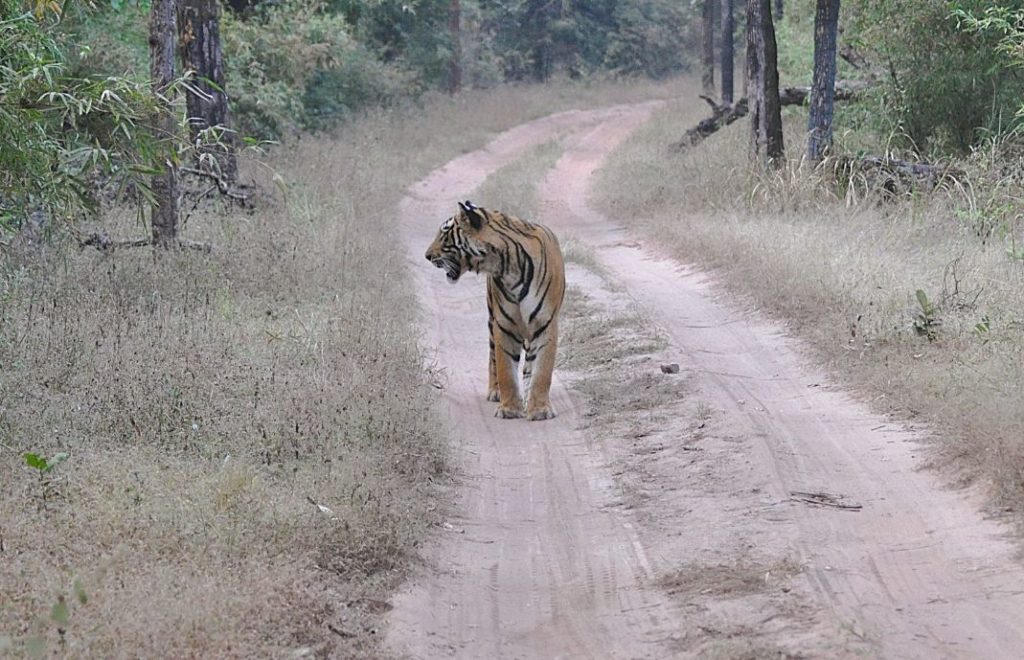
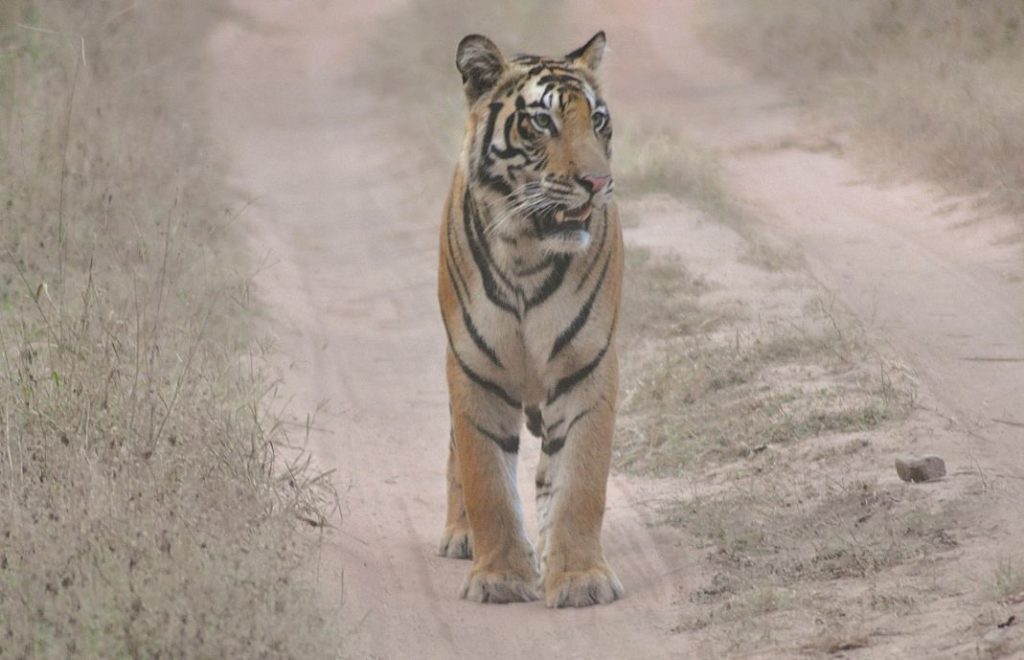
Then, as we round a bend, it happens: an apparition steps into the open. There, in the middle of the track, stands the sovereign of the jungle – Shere Khan in the flesh.
He moves with unhurried grace, stretches forward, arches his back, and yawns wide, revealing a cavernous mouth lined with lethally perfect teeth. A second yawn follows, as if to remind us how utterly unimpressed he is by our presence. This is his domain; we are nothing more than tolerated guests.
We wait. We have no choice. Time seems suspended. My chest tightens, and tears well in my eyes. A tiger! The jungle’s most exalted creature. Paul beams from the driver’s seat, sharing in my joy, while the tiger remains indifferent – majestic, aloof, a vision of raw, unchallenged power.
A memory for a lifetime
The landscapes of The Jungle Book have come alive. No longer confined to pages and illustrations, they surround me now – rolling, jungle-clad hills, cascading waterfalls, sunlit grasslands. Every character Kipling imagined seems to exist here: Baloo the bear, the tigers, the leopards, wolves and wild dogs, deer and antelope, mischievous monkeys, and birdsong weaving through the canopy.
Watching over this wilderness is a 400-meter-high cliff crowned by the weathered ruins of a 2,000-year-old palace, cloaked in vines and silence, its base etched with tiger tracks. Once, the kings of Bandhavgarh surveyed their realm from here. Today, this kingdom belongs not to humankind but to the striped sovereigns of the forest. May it always remain so – so future generations, too, can meet Shere Khan in his rightful domain.
The encounter lingers in my mind, almost dreamlike. Seeing a tiger in the wild feels as surreal as glimpsing a unicorn – or Nessie rising from the loch. But these striped phantoms are real. I’ve seen them. And even now, I can scarcely believe it.
The Bengal tiger
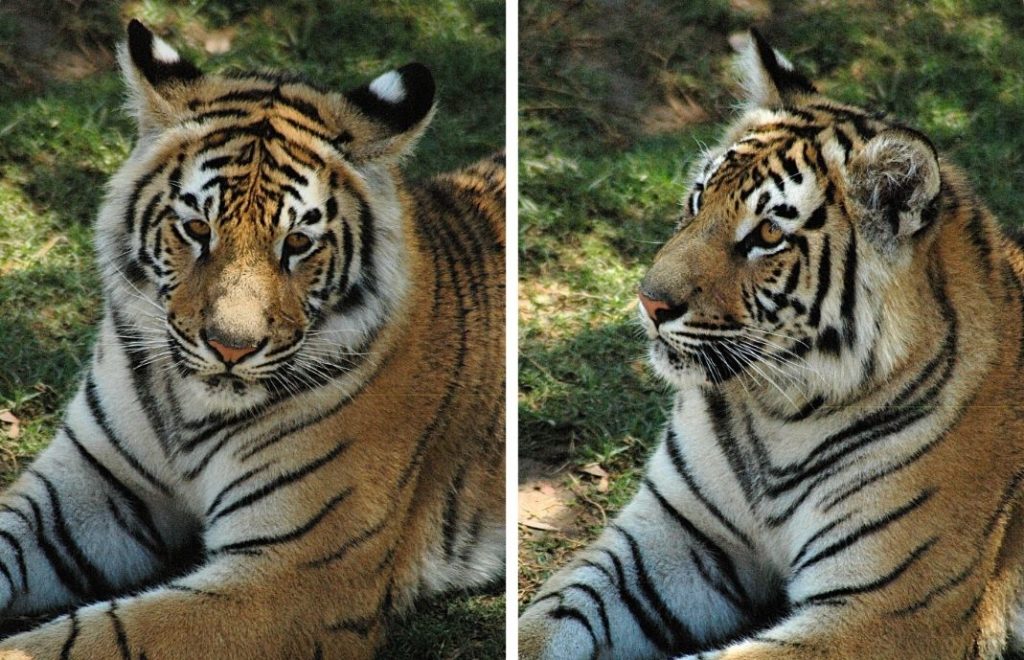
The Bengal tiger – also known as the Royal Bengal Tiger – is the most iconic and numerous of all tiger subspecies. It roams across India, China, Bhutan, Bangladesh, Myanmar, and Nepal, with India home to the largest population.
No two tigers share the same pattern of stripes; even the markings on either side of a single tiger’s body differ. Males often sport a collar of longer hair around the neck. Their coats range from deep orange to ochre, contrasted by pale underbellies and bold black or dark gray stripes.
A fully grown Bengal tiger can weigh over 250 kilograms and measure nearly three meters from head to tail. It is the national animal of both India and Bangladesh – a powerful emblem of strength and grace.
Today, only an estimated 2,000 to 2,500 Bengal tigers remain in the wild. In 1973, India launched Project Tiger, a nationwide conservation initiative aimed at safeguarding these striped monarchs of the jungle. Despite progress, their survival is far from guaranteed. Illegal poaching, habitat loss, and a shrinking prey base continue to threaten their future.
Classified as Endangered by the IUCN, the Bengal tiger stands as one of Earth’s most admired – and most imperiled – creatures.
Protecting them is a race against time. Want to help? Consider becoming a Tiger Guardian through WWF and join the fight to ensure these majestic predators keep ruling the forests.
More inspiration to visit India:
India’s Golden Triangle
Mumbai’s open-air laundry
A train journey gone off track
