
Imagine a geological wonder – shaped over thousands of years – unfolding into a landscape so profound, it evokes a deep and reverent silence.
Visitors stand in hushed awe, caught between curiosity and wonder, gazing out over a terrain sculpted solely by nature’s own hand.
Ancient stories seem to rise from the ground itself. Here, a mosaic of colorful rock formations, flat-topped mesas, and slender spires creates the setting for an unforgettable adventure – both primal and poetic.
Badlands National Park is home to one of the most surreal landscapes in South Dakota. A hidden gem, it draws travelers into a dreamlike world of jagged beauty, vivid hues, and thriving wildlife.
If you’re still wondering why this place belongs on your travel list, here are 10 compelling reasons to visit Badlands National Park:
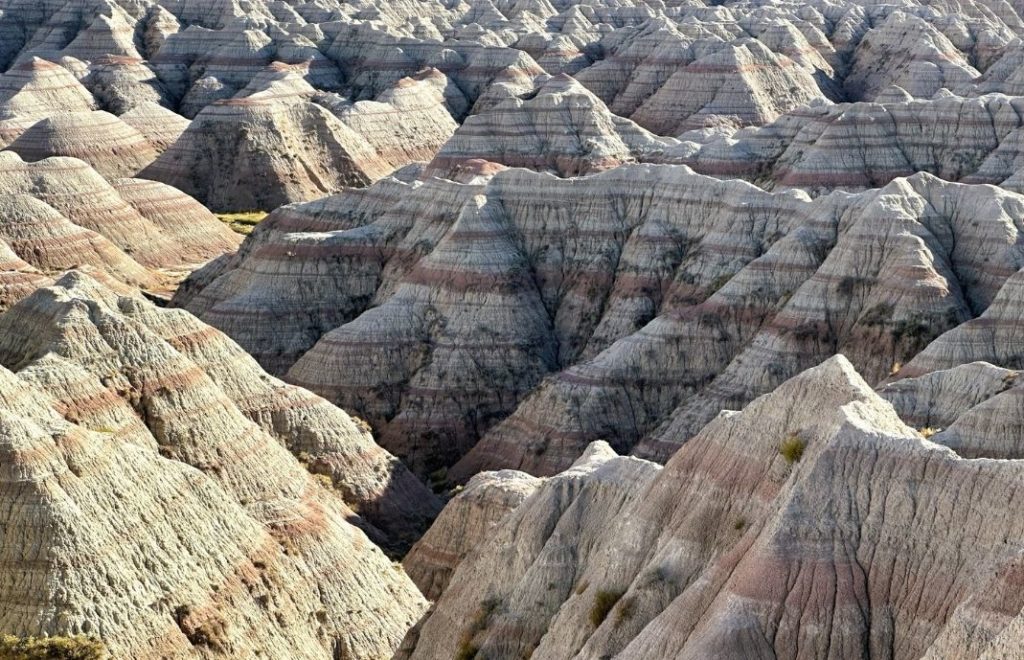
1. The landscape feels out of this world
Most who visit Badlands National Park describe it with one phrase: unbelievably beautiful – and for good reason.
There’s something liberating, almost otherworldly, about arriving in this strange and spectacular terrain after crossing the endless prairie.
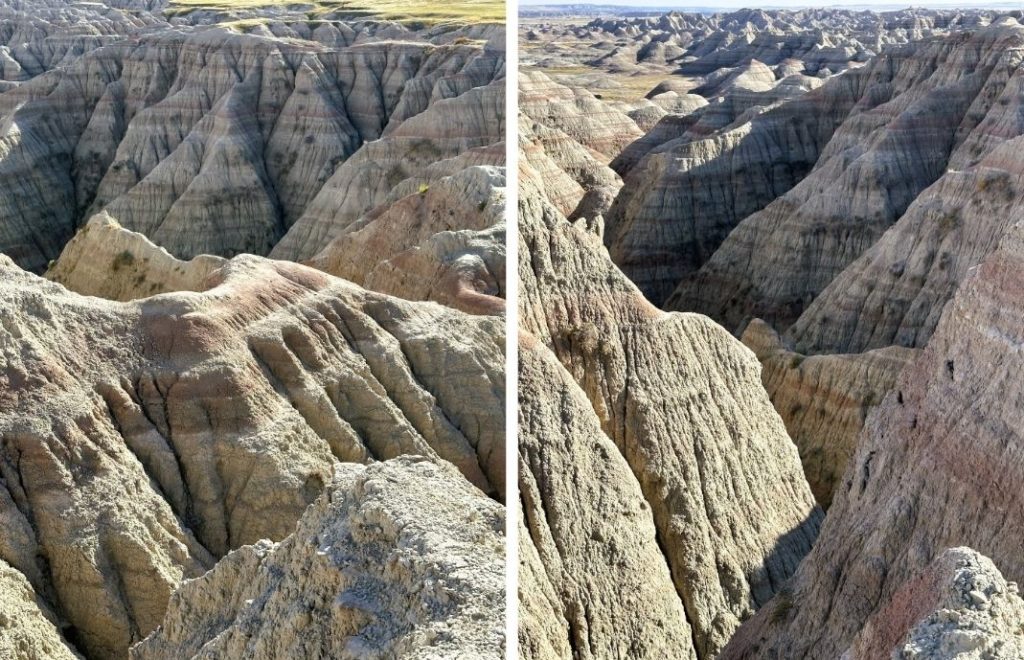
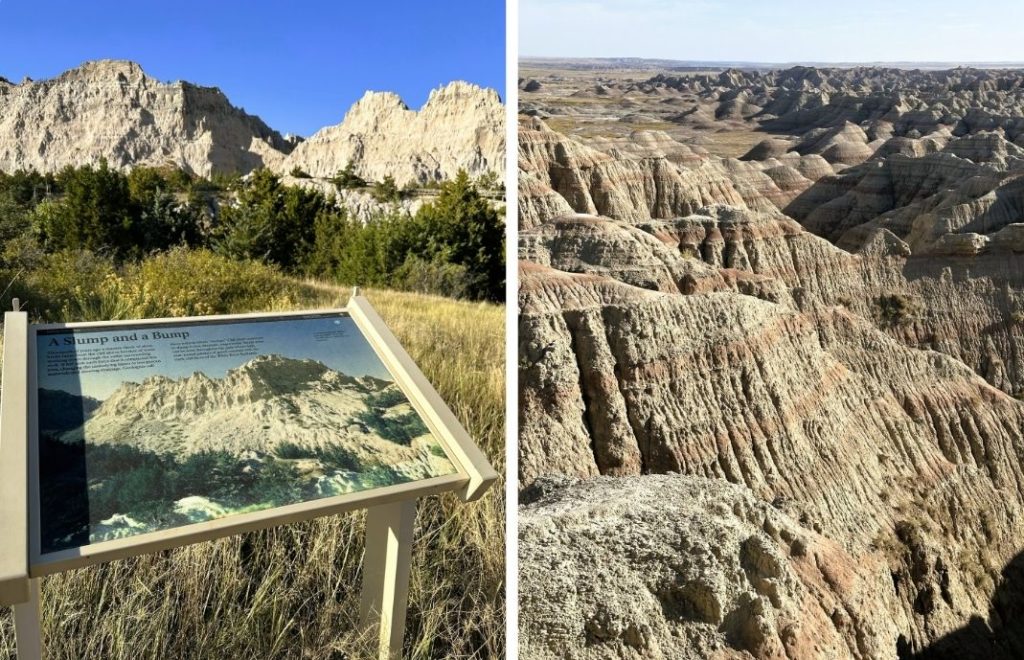
Spanning over 4,000 square kilometers (1,550 square miles), the park is a mesmerizing tapestry of eroded buttes, pinnacles, and spires – colorful formations surrounded by the largest protected mixed-grass prairie in the United States.
Whether you’re exploring by car or on foot, you can’t help but feel a sense of wonder: How did this miracle come to be?
The park’s biodiversity is equally astonishing, home not only to thriving wildlife, but also to one of the richest fossil beds in North America – offering a glimpse into a prehistoric world hidden just beneath your feet.
2. A kingdom of wildlife
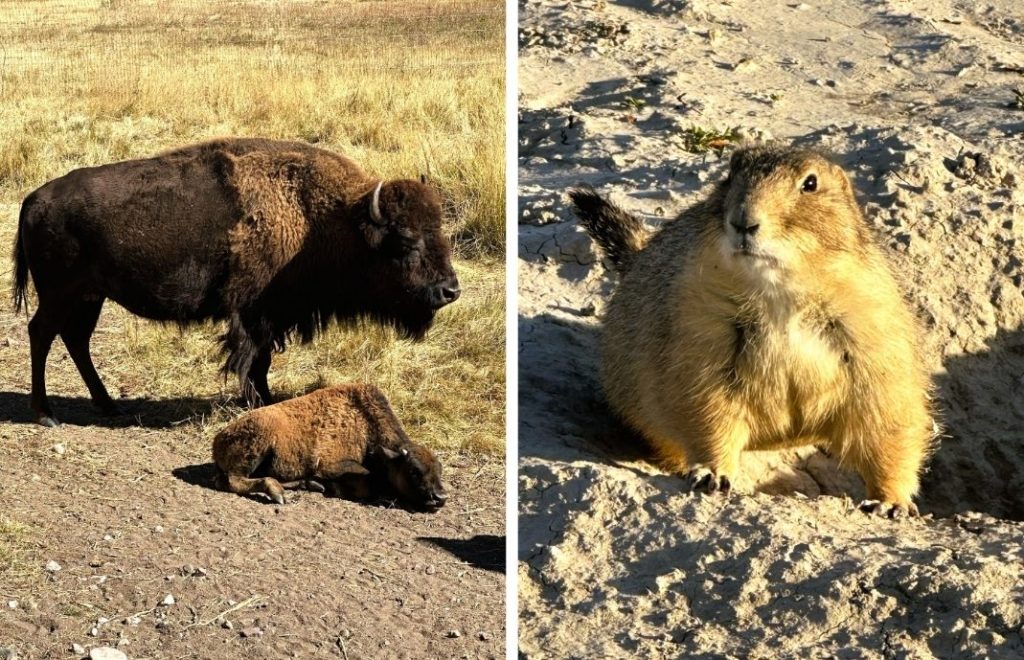
Badlands National Park is home to a surprising wealth of wildlife – including some of the most endangered species in North America.
These animals are survivors. They’ve adapted to an unforgiving environment, enduring icy winters, scorching summers, biting winds, and long dry spells. Through instinct and resilience, they thrive in a land that tests the limits of endurance.
Among the park’s wild residents are American bison, prairie dogs, bighorn sheep, pronghorn antelope (also known as “speed goats”), and the elusive black-footed ferret – the rarest land mammal in North America.
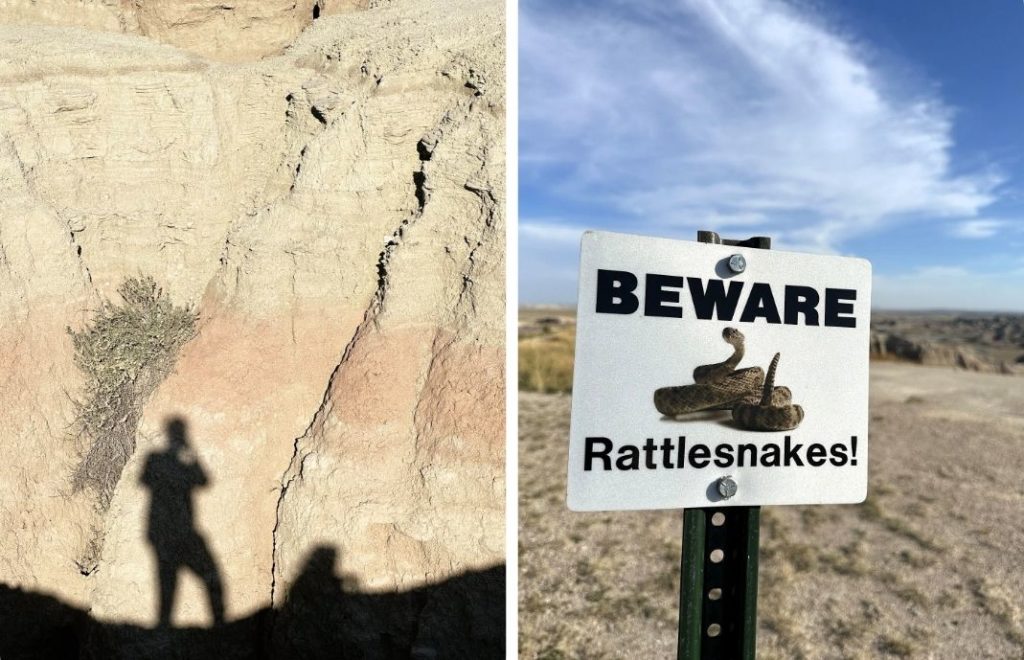
You’ll also find over 206 species of birds, including majestic eagles and owls, as well as butterflies, turtles, rattlesnakes, and amphibians.
For your best chance to see bison, drive the Sage Creek Rim Road, which overlooks the protected Badlands Wilderness Area where these giants roam. Bighorn sheep are commonly spotted near Pinnacles Overlook, and along Castle Trail and Big Badlands Overlook.
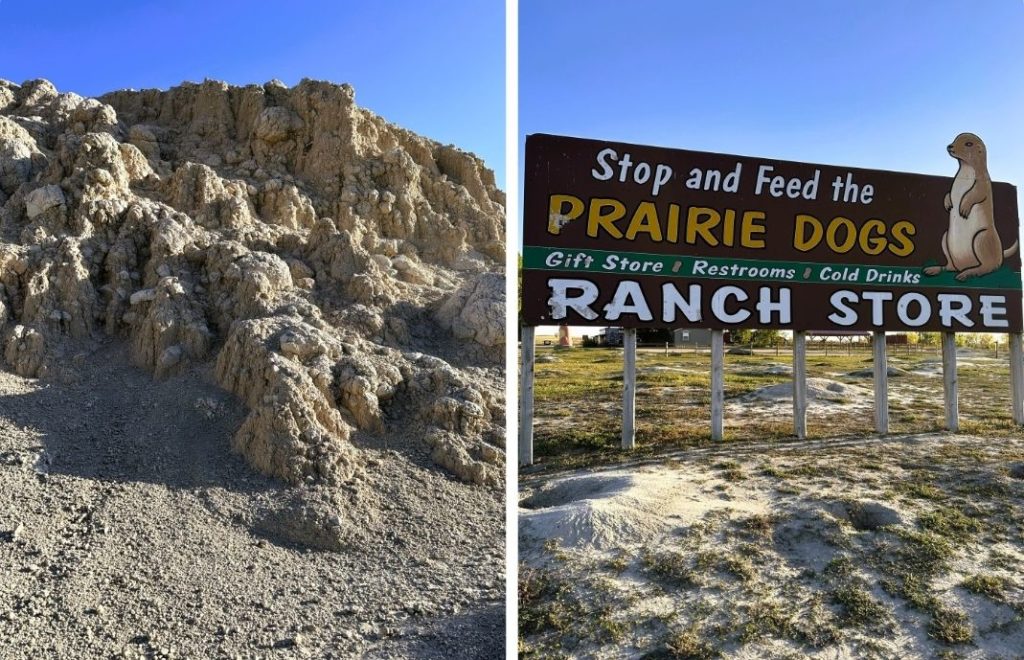
And those irresistibly charming prairie dogs? You’ll find them almost everywhere – often visible from the roadside – but especially around Burns Basin Overlook, Roberts Prairie Dog Town, and Sage Creek Campground.
Keep your eyes open. In the Badlands, wildlife has a way of appearing just when you least expect it.
3. Slow down and breathe
In a world that rarely pauses, Badlands National Park offers a rare and precious gift: Sereneity.
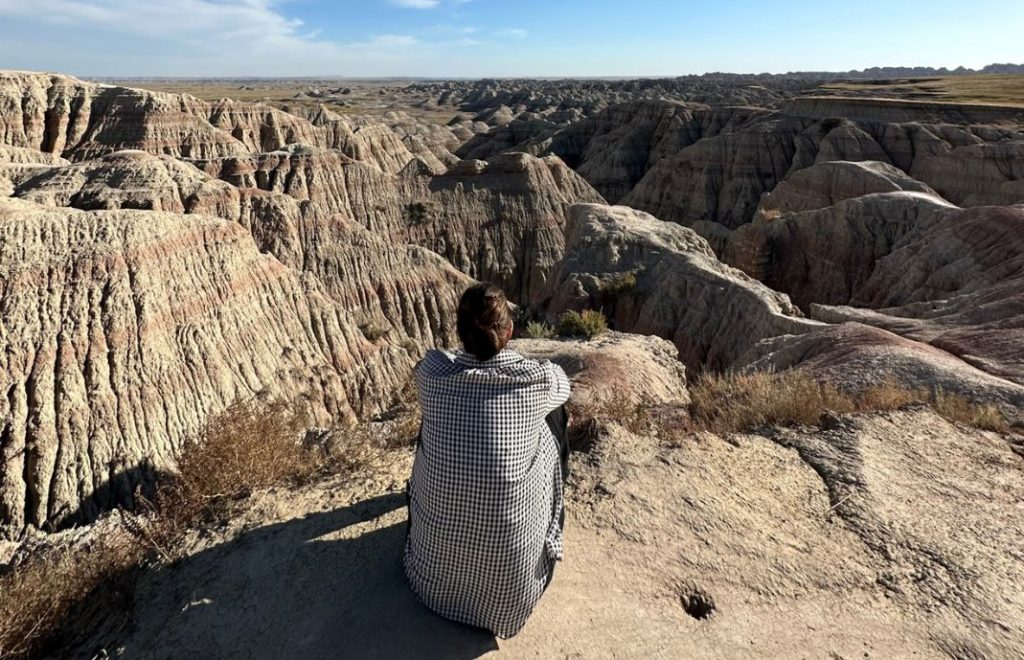
For those seeking to escape the noise and haste of everyday life, there are few better places to exhale, roll your shoulders back, and simply be. Here, the landscape itself invites you to breathe deeper, walk slower, and take it all in.
This unique park instills a quiet kind of peace – one that settles in your chest like calm after a storm. With few crowds and minimal traffic, you’ll feel like you have the vastness all to yourself.
Let the silence wrap around you as you gaze across the layered cliffs and open plains – perhaps even catching sight of a wild creature or two.
One of the best ways to soak in the serenity? Find a secluded spot to watch the sunrise or sunset. Chances are, you’ll be completely alone – and that, in itself, is pure magic.
4. What’s in a name?
At first glance, it’s hard to imagine a place attracting visitors with a name like Badlands.
But the name is not a slight – it’s a tribute to the people who lived here long before it became a national park. For centuries, this was the homeland of the Lakota, who called the area mako sica, which translates directly to “bad lands.”
When French fur trappers later passed through, they gave it a similar name: les mauvaises terres à traverser – “bad lands to travel through.”
And it’s easy to understand their frustration. The Badlands are not forgiving terrain. When it rains, the clay turns slick and sticky, making movement treacherous. The jagged, spiked formations are beautiful, but brutal to navigate. Winters are bitterly cold, summers scorching and dry, and natural water sources are few – and often undrinkable.
All of this helps explain why no one ever permanently settled here.
Fortunately, today’s visitors can explore the park in comfort, thanks to a well-maintained road network that makes the surreal beauty far more accessible.
Here’s a curious little fact: when the idea of establishing a national park here was first proposed in 1922, one of the suggested names was Wonderland National Park.
A different name, yes – but after visiting, you may find it just as fitting.
5. A sky full of stars
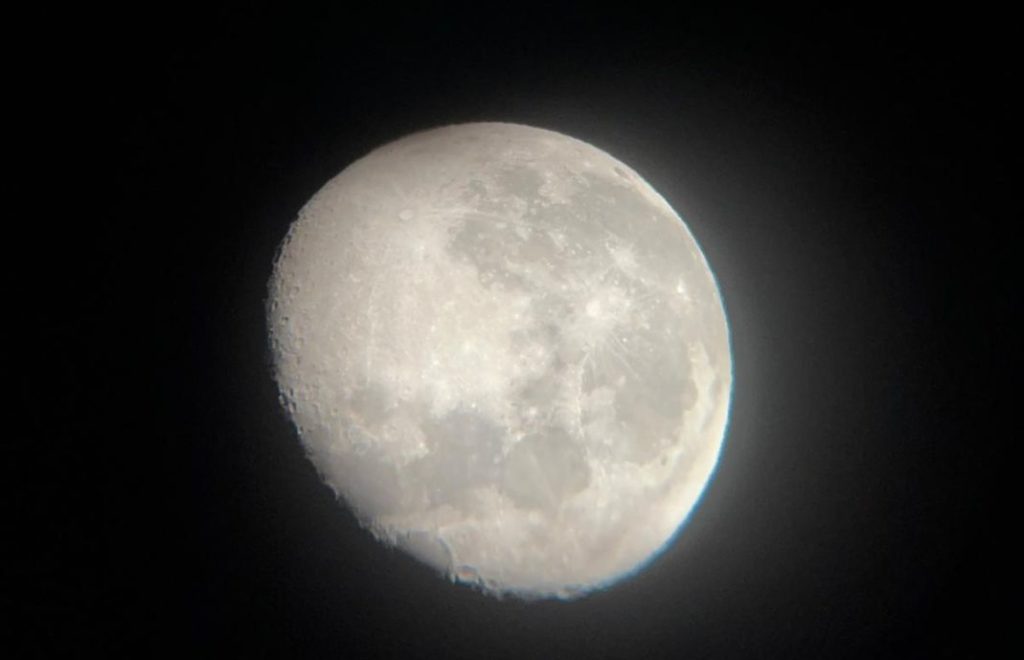
Everyone knows that the stars shine brightest when you’re far from city lights and pollution. Badlands National Park offers some of the darkest, clearest skies in North America.
The park is world-renowned for its dazzling night skies – a cosmic spectacle that draws stargazers and astronomers from across the globe, especially during the summer months.
Under this vast, velvety dome, the Milky Way spills across the heavens in breathtaking clarity. Constellations, meteor showers, planets, and even satellites make nightly appearances.
Best of all, park rangers and visiting astronomers often set up telescopes and invite you to look closer – to learn what’s glowing above, and perhaps feel just a little smaller beneath the infinite sky.
6. When the sun rises and sets
If you sleep in during your visit to Badlands National Park, you’re missing out on something truly unforgettable.
The park is at its most breathtaking during sunrise and sunset. As the sun brushes the horizon, the rock formations and prairie fields erupt in color – from golden orange to cool reds, dusky purples, and deep blues. It’s a photographer’s dream, where every frame looks like a painting in motion.
Light plays tricks on the eyes. Prairie grasses shimmer like water. Sandstone cliffs appear to catch fire when struck by the sun’s low-angled glow.
Even thunderstorms are spectacular here in the Badlands – dramatic displays of nature’s power that turn the sky into a theater of lightning and shadow.
7. Step into the wild
If you love the great outdoors, Badlands National Park is your kind of paradise.
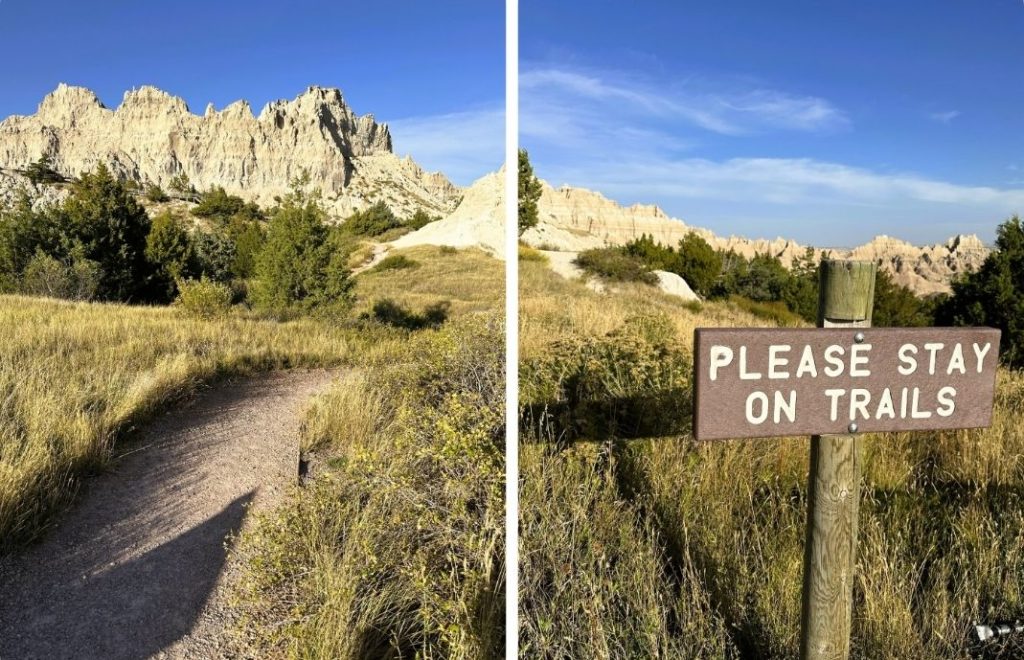
The park offers a variety of marked hiking trails, ranging from gentle walks to more demanding treks. Some lead you to the top of towering plateaus, where breathtaking panoramic views await. Others reveal ancient secrets buried beneath your feet.
One highlight is the Fossil Exhibit Trail, where you can walk among replicas and displays of prehistoric creatures that once roamed this surreal landscape.
Here’s a selection of trails to explore:
- Door Trail
1.2 km (0.75 miles) round trip – Easy
A short hike leading to Badlands Wall, also known as “The Door,” with stunning views. - Window Trail
0.4 km (0.25 miles) round trip – Easy
A brief walk to a natural window in the wall overlooking the canyon’s sculpted terrain. - Notch Trail
2.4 km (1.5 miles) – roundtrip
Moderate to strenuous.
After passing through a canyon, a wooden ladder awaits before following the rim to “The Notch,” with great views of the White River Canyon.
The hike is not recommended for those with a fear of heights. - Castle Trail
16 km (10 miles) round trip – Moderate
The park’s longest trail, perfect for those who want to fully immerse themselves in the landscape. - Cliff Shelf Nature Trail
0.8 km (0.5 miles) round trip – Moderate
This loop includes boardwalks and stairs through a wooded area with impressive overlooks. - Saddle Pass Trail
0.4 km (0.25 miles) round trip – Strenuous
A steep, short climb to the Badlands Wall, offering sweeping views of White River Valley. - Medicine Root Loop
6.4 km (4 miles) round trip – Moderate
A quiet trail through mixed-grass prairie, often less crowded and rich in wildflowers. - Fossil Exhibit Trail
0.4 km (0.25 miles) – Easy
A paved path with fossil replicas and interpretive exhibits about long-extinct animals.
Good to know:
Wear sturdy shoes, bring water, a hat, sunglasses, and sunscreen. The weather here can shift quickly, so pack rain gear as well.
Remember: Keep your distance from wildlife. If an animal changes its behavior, you’re too close.
8. Discover the secrets of extinct creatures
At the Fossil Preparation Lab, you’ll step into the world of ancient life—and witness the delicate art of paleontology in action.
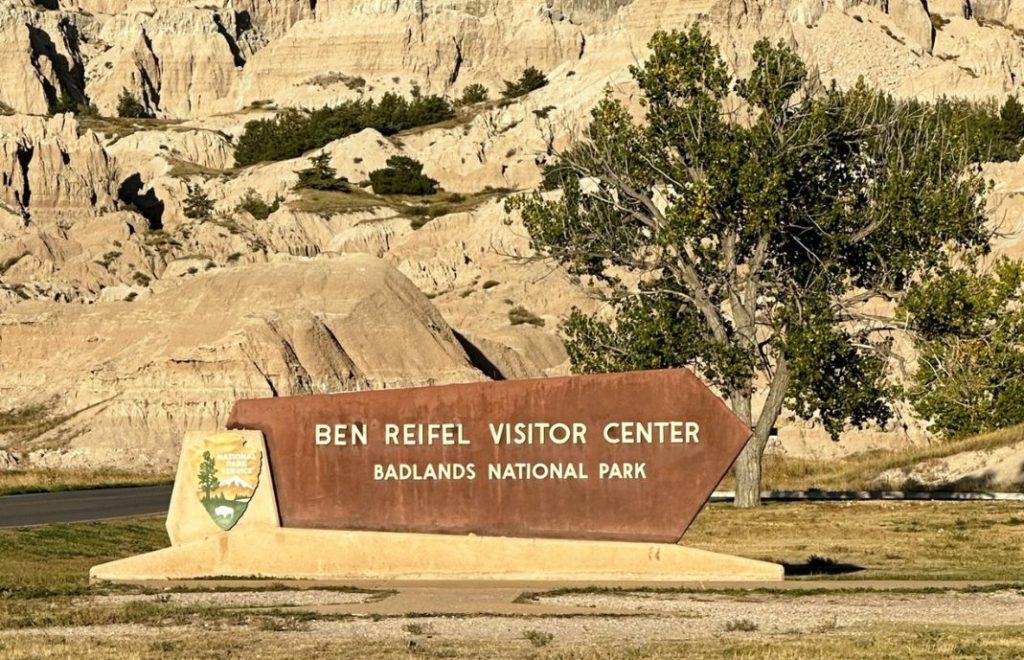
Located inside the Ben Reifel Visitor Center, this hands-on lab is open seven days a week, from mid-June to mid-September. During your visit, you can chat with paleontologists and park staff, who are eager to share their knowledge and passion for the prehistoric world.
Watch experts as they carefully extract fossils from stone, identify extinct species by subtle characteristics, and catalog their findings for ongoing research.
This is not just a museum – it’s a working lab where science is happening before your eyes. Whether you’re a lifelong dinosaur enthusiast or simply curious about the creatures that once roamed the Badlands, the Fossil Preparation Lab brings ancient history thrillingly to life.
9. Drive the iconic Badlands Loop Road
This is the park’s most popular route, and for good reason – it offers every visitor a chance to fully experience the surreal beauty of the Badlands from the comfort of the road.
Also known as Highway 240, the Badlands Loop Road takes about 1 to 2 hours to drive, depending on how often you stop – and you’ll want to stop often.
Along the way, numerous scenic overlooks invite you to step out, stretch your legs, and take in the vastness of the land that surrounds you.
Must-see stops from east to west include:
- Big Badlands Overlook
- White River Valley Overlook
- Bigfoot Pass Overlook (also a picnic area)
- Panorama Point
- Prairie Wind Overlook
- Burns Basin Overlook
- Homestead Overlook
- Conata Basin Overlook
- Yellow Mounds Overlook
- Conata Picnic Area
- Ancient Hunters Overlook
- Pinnacles Overlook
Remember to drive carefully and stick to the speed limit.
Drive carefully and respect the speed limits – wildlife frequently crosses the road, and here in the Badlands, the animals always have the right of way.
Cell coverage is limited throughout the park. Be sure to pick up a physical map at the Ben Reifel Visitor Center or White River Visitor Center, or download a digital map before you arrive. It’s all part of the adventure – disconnect to reconnect.
10. See the Badlands before they disappear
The Badlands are not eternal. This extraordinary landscape is slowly fading, sculpted by time and weather in a constant state of transformation.
Erosion carves away the land at a rate of 2.5 centimeters (1 inch) per year. In about half a million years, what we now know as Badlands National Park will be nothing more than flat prairie.
So don’t wait. Witness this geological masterpiece while it still exists in all its rugged glory – a fleeting chapter in Earth’s story, vanishing grain by grain.
More inspiration for South Dakota:
40 things you (didn’t) know about Mount Rushmore
Road trip: From the Black Hills to the Badlands
