
The tradition of wine and winemaking is woven deep into the history of Plešivica, a small, enchanting village nestled just 40 kilometers from Zagreb, the capital of Croatia.
Still relatively undiscovered by tourists, Plešivica is a hidden gem – perfect for travelers in search of authenticity and a chance to wander through the quiet beauty of the countryside.
This wine region boasts a flourishing viticulture that traces its roots back to the Thracians and Celts. Vineyards were planted on soils formed 1.8 million years ago, nurtured by a mild continental climate and well-balanced rainfall – conditions nothing short of ideal for cultivating exceptional wines.
It is thanks to this terroir that some of the world’s most celebrated grape varieties – Riesling, Pinot Noir, Chardonnay, and Sauvignon – have found a natural home here, harmoniously blending with the region’s Austro-Hungarian winemaking traditions.
For more than 30 years, Plešivica has been producing some of Croatia’s finest sparkling wines. In the past decade, its winemakers have stepped onto the global stage, earning acclaim for their bold orange wines and long-macerated whites – testament to both innovation and deep respect for heritage.
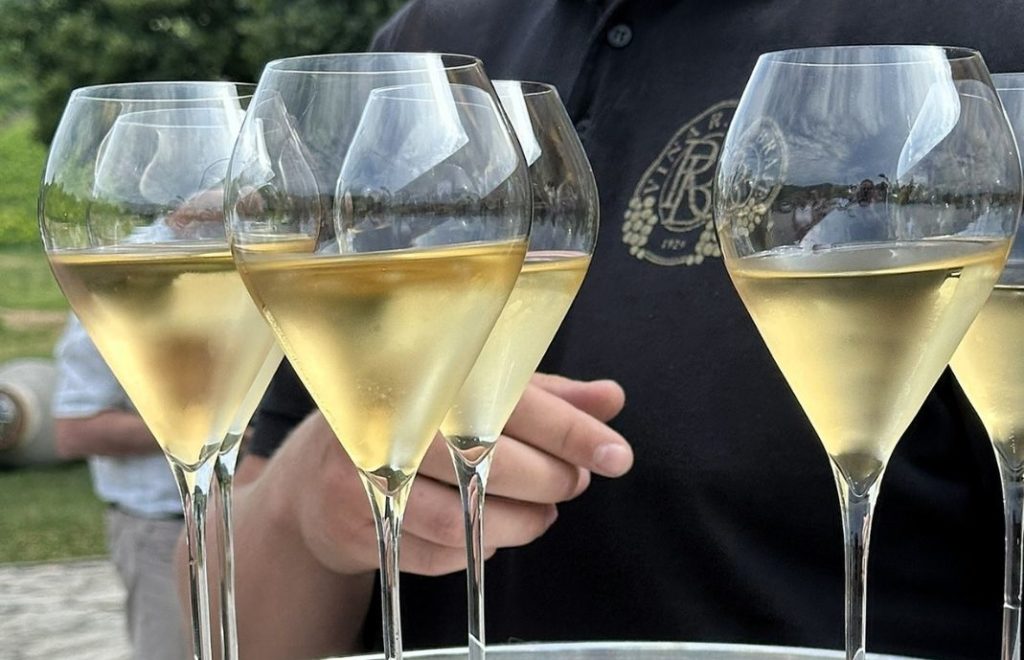
Sparkling wine and champagne
Few things capture the spirit of celebration quite like a glass of sparkling wine. Its fresh, effervescent character comes from a secondary fermentation in either the bottle or a tank – a natural process that infuses the wine with carbon dioxide, giving it that irresistible sparkle. Wines that are simply carbonated may carry a light fizz, but they can never claim the true title of sparkling wine.
When it comes to champagne, however, we enter an entirely different realm. Only wines crafted in France’s Champagne region, under the strict regulations of the Comité Interprofessionnel du Vin de Champagne (CIVC), may bear this legendary name. The result is a wine that embodies tradition, precision, and elegance – an enduring symbol of celebration recognized across the globe.
Sparkling wine is like people
It’s hard to categorize people by character, the same goes for sparkling wines. But there are four basic categories: sparkling wines with charm, heart, body, and soul. Each brings its own character, suited to different moments – and to different dishes.
Charm
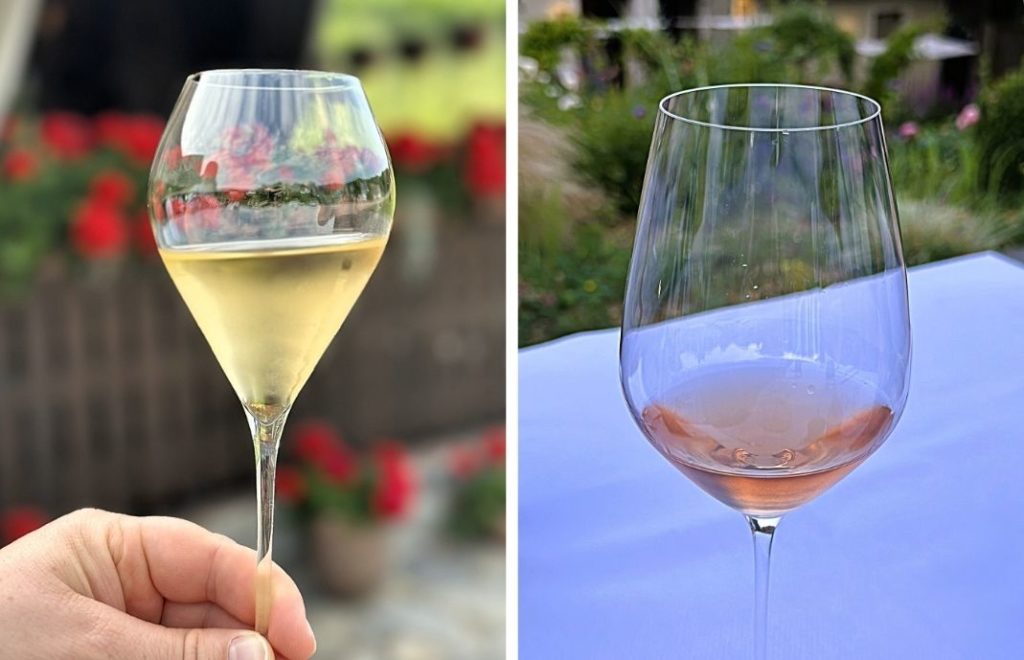
Light and refreshing, these are perfect as aperitifs or a gentle pick-me-up. Rosé versions, in particular, pair beautifully with fresh strawberries.
Body
White wines crafted from red grapes, offering depth and richness that harmonize wonderfully with raw shellfish, delicate white fish, or dishes of light meat.
Heart
Aged sparkling wines that add an extra dimension to festive occasions, while also complementing lighter cuts of red meat.
Soul
The pinnacle of sparkling wine – crafted from the finest grapes and the most exceptional vintages. These bottles are always a highlight, no matter the occasion.
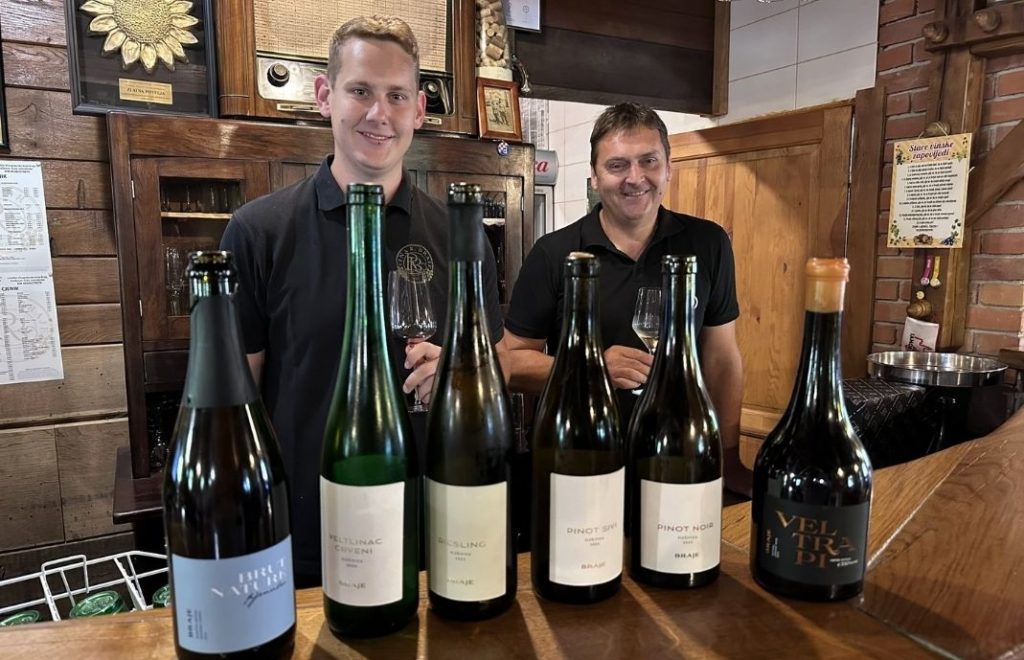
White wine made from red grapes
Sparkling wine is most often crafted as either white or rosé – regardless of whether the winemaker uses white or red grapes. On the label, you’ll often come across the terms blanc de blancs (“white from whites”), meaning the wine is made exclusively from Chardonnay, or blanc de noirs (“white from blacks”), indicating it is produced solely from Pinot Noir. Of course, these grape varieties can also be blended, depending on the winemaker’s vision and style.
Sparkling wine production
The best sparkling wines are produced by the double fermentation process: first, still wine is made in barrels or tanks, and then the champagne method takes place in six steps.
Step 1: Blending
Wines of different varieties from different positions and even different vintages are blended. At this stage, every winemaker has its little secrets.
Step 2: Bottle filling
When filling, liqueur de tirage is added to the wine, a mixture of wine, yeast, and yeast food, and the bottles are closed with a metal crown cap.
Step 3: Second fermentation
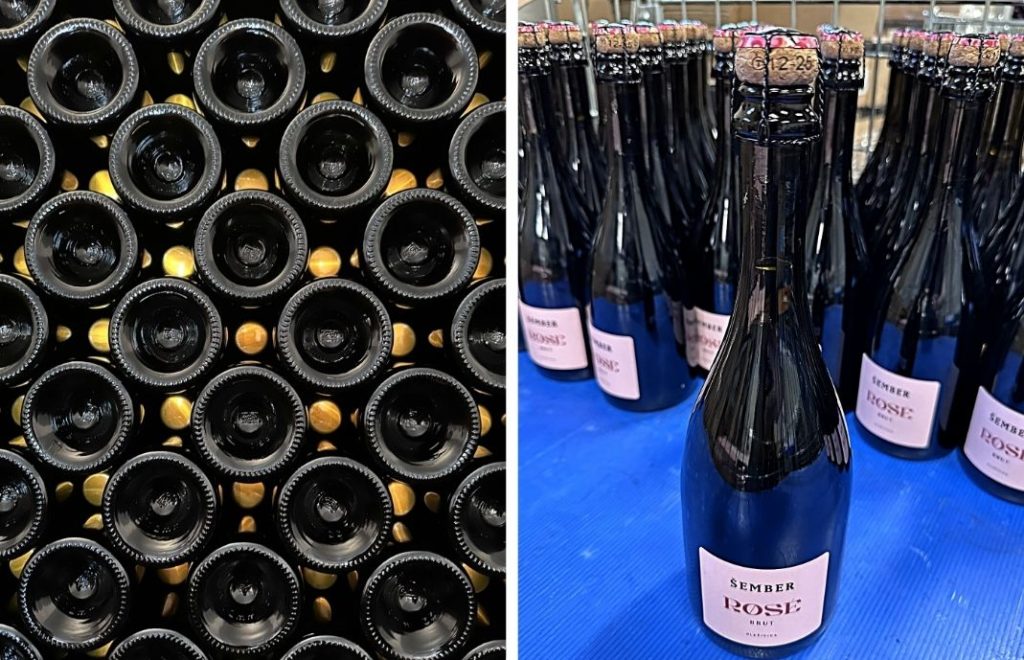
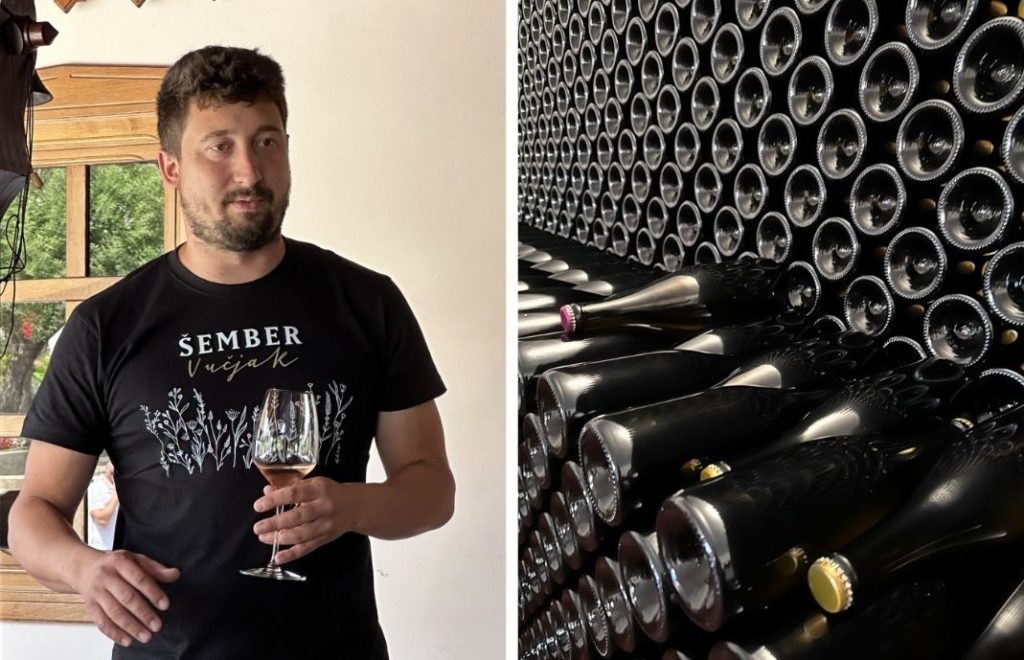
The bottles are stacked horizontally in a cellar with a constant temperature of about 12 degrees and left so that the liqueur de tirage can process bubbles. This process lasts four to six weeks.
Step 4: The sur lie stage
The yeasts that have done the second fermentation have become fine lees that will give the sparkling wine special aromas and taste during the several months or years of maturation.
Step 5: Remuage or riddling
From a horizontal position, the bottles are carefully and gradually rotated to a vertical position so that the lees collect in the neck of the bottle. This used to be a manual process, but now it is more common to do it with machines.
Step 6: Disgorging
The neck of the bottle is frozen and when the crown cap is opened, the pressure expels the lees out of the bottle. Liqueur de dosage is added, which regulates the aromas and sweetness of the sparkling wine/champagne. Finally, the bottle is closed with a cork.
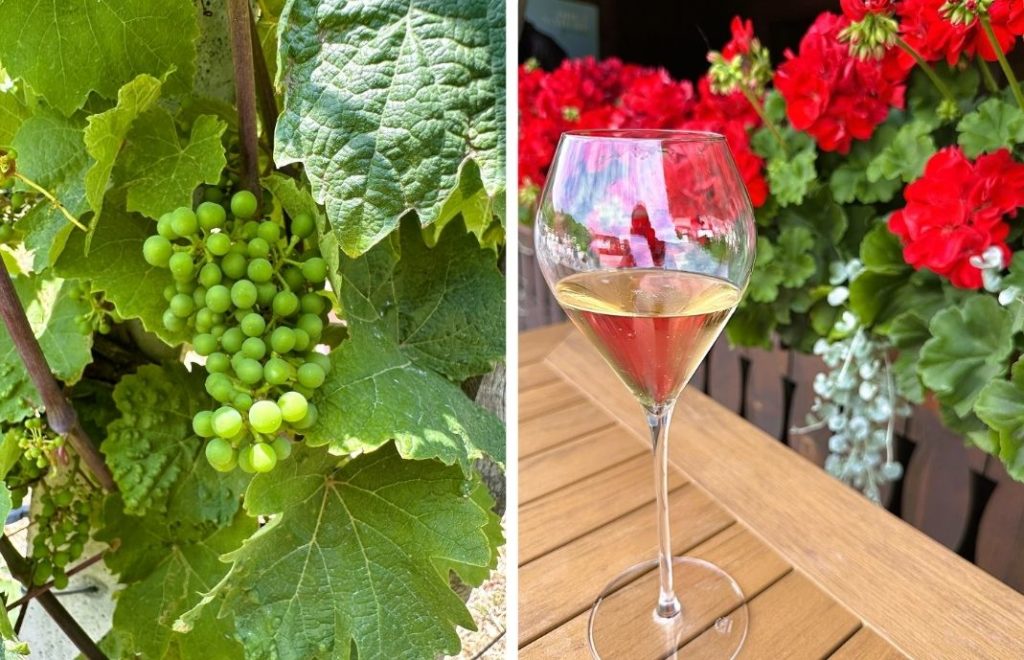
Methods of making sparkling wine
There is more than one path to creating those elegant bubbles, and each method leaves its own mark on the wine’s character. From the most time-honored traditions to modern techniques, the artistry behind sparkling wine is as fascinating as the drink itself.
Classic (champagne) method
The second fermentation occurs in bottles and gives finer bubbles. This process lasts longer, so the wines tend to be more complex and mature.
Tank (charmat) method
The second fermentation takes place in tanks. This process is faster, the production is more economical, and the end result is that the wines are fresher, smoother and more affordable.
The rural method
Originating from the Italian Piedmont region, the bubbles are formed in the jars by a single fermentation process. The wines are then bottled and stored until spring.
Pét nat
Natural sparkling (pétillant naturel) is the production in a bottle by a single fermentation. It is constantly on yeast, which makes the wine refreshing, light, often cloudy.
Natural pearly wines
The second fermentation occurs in the tank, the process is relatively short, and the wines have half the pressure of other fermented wines, so they are often called semi-sparkling.
Sparkling early wines
Carbon dioxide is added to still wines, as is the case with mineral water. It can be a fine wine, but it does not have the complexity that would occur from a natural second fermentation.
Opening a sparkling wine
There’s nothing quite like the cheerful pop of a sparkling wine bottle – it’s the sound of celebration, laughter, and good times waiting to happen. Opening those bubbles isn’t just about pouring a drink, it’s about kicking off a moment to remember.
How to open a bottle of sparkling wine with style
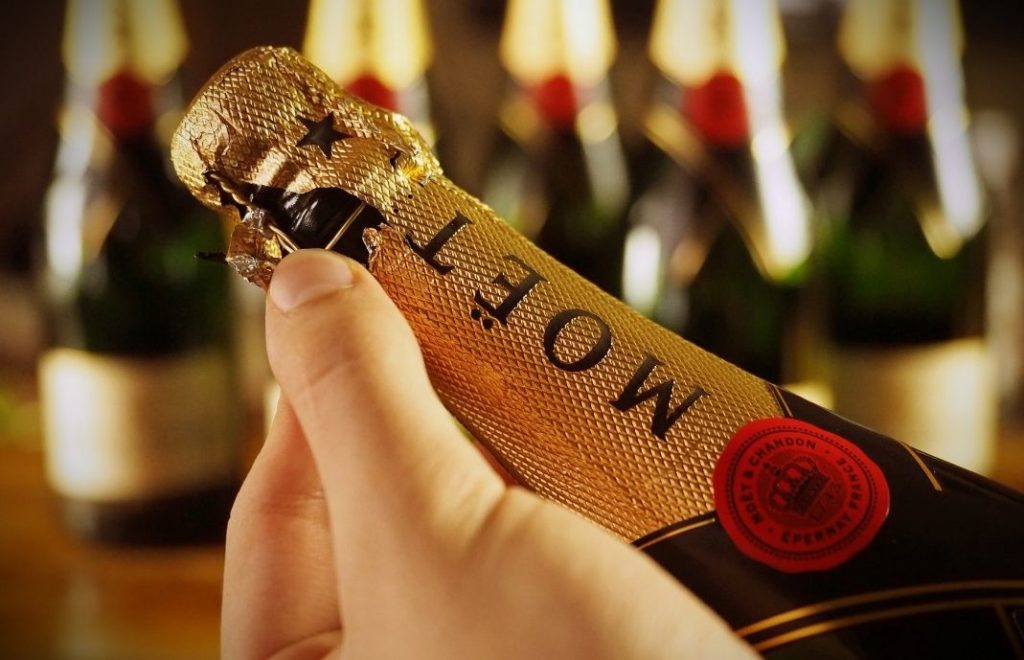
Opening a bottle of sparkling wine is done with care and elegance. It transforms a simple gesture into a moment of theater. The goal is not a dramatic pop, but a graceful sigh – the soft release of pressure that hints at the treasures within.
- Cool the bottle well before opening, preventing uncontrolled spillage and serve the sparkling wine immediately.
- Cut the foil that protects the top of the bottle and the cap with a knife. It is good to take it off whole because the metal scrapes on the bottle look messy.
- With a clean towel, hold the top of the bottle, the wire, the cap, and the stopper. This will avoid the cork popping out and the wire will not injure the palm.
- Tilt the bottle and unscrew the wire holding the cork. Keep it on top of the bottle as this will make it easier to keep the cork on if it decides to come out on its own.
- Firmly hold the cork with one hand, grasp the bottom of the bottle with the other, and turn it sightly. If the cork rotates, it may burst in the bottle.
- Once the cork starts to move, the pressure will start to eject it. It should be released slowly and taken out after you can hear that some air has come out.
- If some cork crumbs are left on the inside of the bottle, clean them with a clean towel and proceed to serve the sparkling wine, making sure the foam does not overflow the glass.
Remember: Hold the cork. Twist the bottle!
Serving temperature for sparkling wine
The right temperature can elevate sparkling wine from delightful to unforgettable, enhancing its aromas, flavors, and lively effervescence. Here’s a guide to serving it at its very best:
6-8 °C
Sweet and aromatic sparkling wines, lightly sparkling styles (frizzante), and wines with added carbonation.
8-10 °C
Sparkling wines made using the Charmat method.
Younger sparkling wines crafted in the traditional method.
10-12 °C
Matured sparkling wines produced by the traditional method.
Pro tip: Chill sparkling wine to about two degrees lower than the recommended serving temperature. By the time you’ve opened the bottle and poured it into the glass, it will have warmed perfectly into its ideal range.
What (not) to know about sparkling wines and champagne
45 million
There are about 45 million bubbles in a bottle of champagne. This was calculated by an American named Bill Lembeck based on the ratio of the volume of liquid and gas. The average diameter of the bubbles, he claims, was half a millimeter.
250 million
For three years, Frenchman Bruno Deturtre used a special camera to record how bubbles are formed in a bottle and used a computer program to conclude that there are as many as 250 million of them.
65 km/h
The Americans also calculated that, at a pressure of 6 bar in a bottle, the cork will fly out at a speed of 62 km/h if the wire that holds it is removed and the pressure lets it out by itself.
40 km/h
The Germans, on the other hand, decided to savagely shake a bottle of sparkling wine in which the pressure was 2.5 bar, and the cork flew at 49 km/h. They also left a second bottle out in the sun for hours and the cork, they claim, was 2.5 times faster.
54,2 meter
In 1988, American Heinrich Medicus ejected a cork from a champagne bottle for 54.2 meters in distance.
262,5 liters
Marilyn Monroe once took a bath that she filled with 350 bottles of champagne. She wasted 262.5 liters of the delightful beverage.
Fun facts about sparkling wine and champagne
Bubbles Day
Sparling Wine Day, also known as Bubbles Day, has been celebrated since 2017 at the initiative of Freixenet, the world’s largest sparkling wine producer. It is celebrated on the first Sunday in the sixth month
The fourth Friday in October is also known as International Champagne Day. It has been celebrated since 2009.
The only wine you can listen to
It’s nice to watch the pearling of a sparkling wine, the rising bubbles from the bottom of the glass to the top. It’s also nice to smell, taste and even listen to it: pearling is like gentle music that resembles boiling water but is quieter and much more pleasant to the ear.
Vintage or non-vintage
Vintage sparkling wines have a vintage label on the label, as they are only made in years when the grapes are top quality. They age longer, tend to be more expensive, and vary from vintage to vintage. But the quality is always high.
Non-vintage sparkling wines are similar every year. This is achieved by adding a reserve, a certain percentage of older wine that balances aromas and flavors so the customers always know what they will get in the bottle.
Source: Jastrebarsko Tourist Board
More inspiration to Kroatia’s culinary side:
Samobor custard slice kremšnita
