
Coffee is far more than a drink in Serbia. It is a ritual, a way of life, an expression of hospitality, and a window into the nation’s soul. Whether you’re savoring a strong, traditional domaća kafa or a sleek modern espresso, coffee is woven seamlessly into the rhythm of everyday life.
From bustling cafés in Belgrade to small, family-run places in the countryside, coffee is always an invitation to connect. Here, it is savored slowly, often served in small cups, while conversations linger long after the last sip is gone.
To experience Serbia’s coffee culture is to discover how tradition and hospitality flow together in perfect harmony – an experience every traveler should seek out.
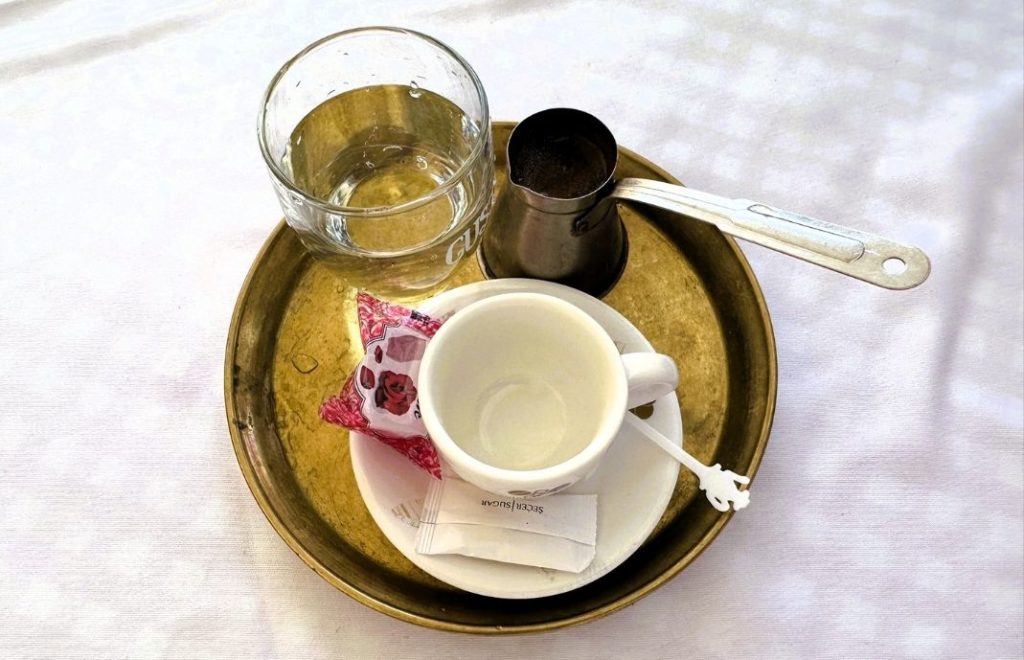
Domaća Kafa: The heart of Serbian coffee culture
The most authentic coffee experience in Serbia is domaća kafa (homemade coffee), also known as turska kafa (Turkish coffee) or crna kafa (black coffee). This unfiltered, robust brew is prepared in a small copper pot called a džezva, where finely ground coffee is gently simmered with water, often with a touch of sugar. When poured, the grounds settle at the bottom of the cup, creating a rich, full-bodied experience.
No cup of coffee is complete without a piece of ratluk – a sweet, chewy Turkish delight that perfectly balances the coffee’s bitterness. Savoring a domaća kafa with ratluk is a tradition that stretches back centuries, and remains a cornerstone of Serbian coffee culture.
For a truly authentic encounter, seek out an old-fashioned kafana (tavern), where coffee is still served in the traditional way, often to the soundtrack of live folk music.
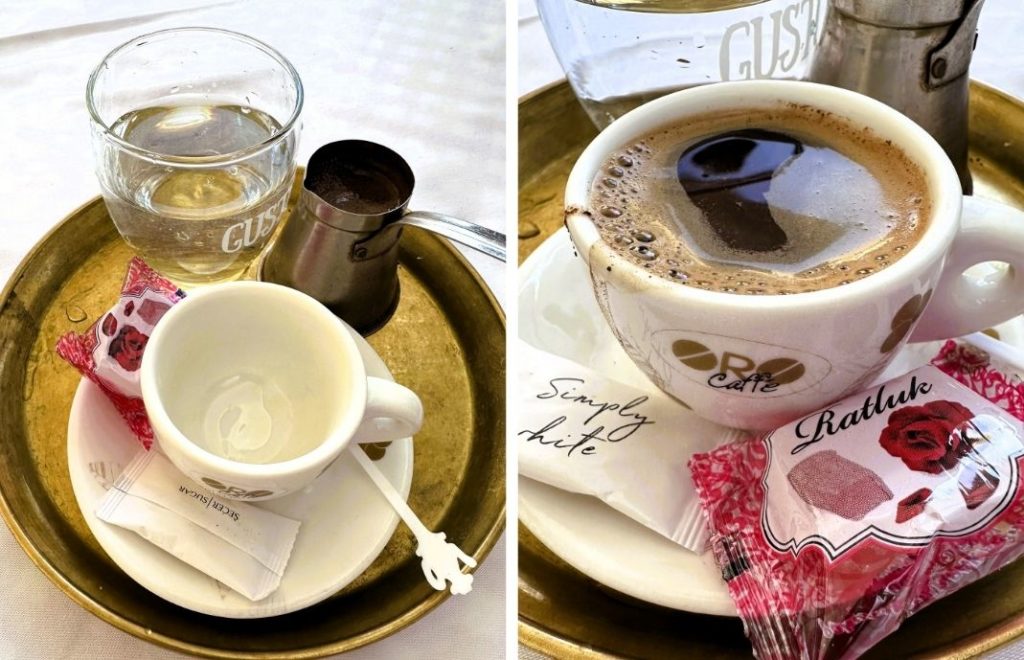
Other popular coffees in Serbia
While domaća kafa remains the most traditional choice, Serbians enjoy a wide variety of other coffee styles that reflect both global influences and modern trends.
Espresso
A strong, dark coffee with a full-bodied flavor and a creamy layer of crema on top. A favorite in urban cafés, especially among those seeking a quick but powerful pick-me-up.
Macchiato
An espresso “stained” with just a splash of steamed milk or milk foam, offering a subtle balance between intensity and smoothness.
Nescafé
Instant coffee made by mixing powder with hot water, popular both at home and in cafés. It’s often served with milk or sugar, and is appreciated for its convenience.
Cappuccino
Crafted with equal parts espresso, steamed milk, and milk foam, crowned with a thick, velvety froth. Its balanced flavor makes it a beloved choice, frequently finished with a dusting of cocoa.
Iced Coffee (ledena kafa)
A refreshing summer favorite, made with chilled espresso or strong coffee served over ice, often with milk, syrup, or sweetener. In Serbia, it’s not uncommon to find it topped with ice cream and whipped cream for an indulgent twist.
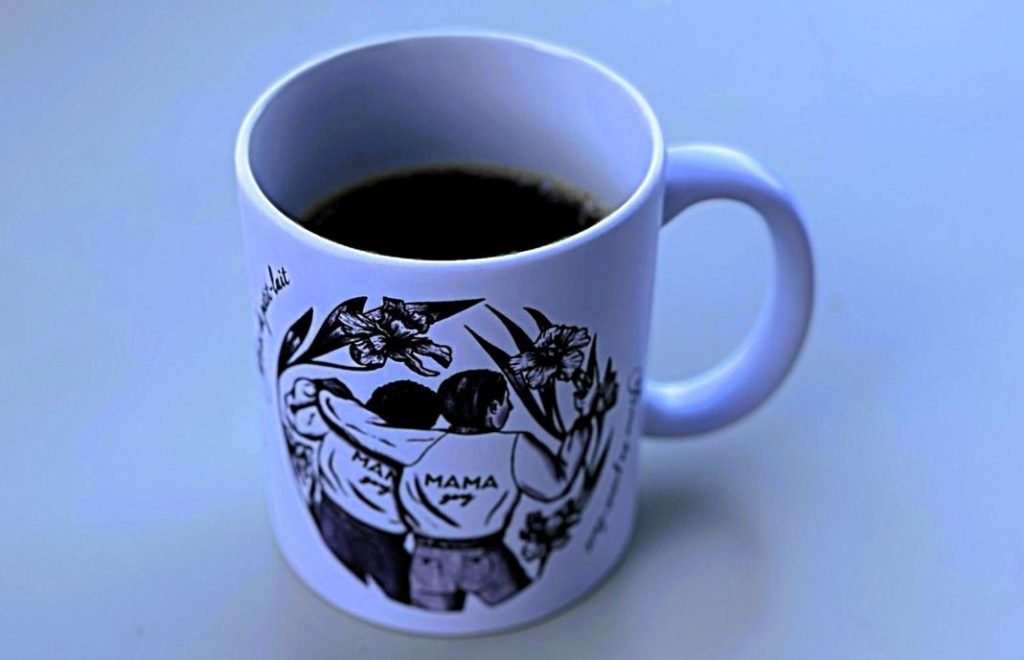
Modern coffee culture in Serbia
Today, the traditional domaća kafa lives side by side with a thriving modern coffee scene. Across Serbian cities, you’ll find a vibrant mix of cafés serving everything from classic espresso to the beloved domaća kafa.
These stylish coffee bars attract a young, creative crowd and double as cultural hubs where coffee blends seamlessly with art, music, and community. It’s precisely this contrast – between the slow, time-honored ritual of traditional coffee and the dynamic, urban café culture – that makes Serbia’s coffee scene so uniquely fascinating and rewarding to experience.
Coffee drinking as a ritual in Serbia
For Serbians, coffee is far more than a morning ritual – it is a social institution. To “go for coffee” often means much more than simply drinking it; it’s about setting aside time to connect. Whether it’s a casual chat with a neighbor, a business meeting, or a long afternoon with friends, coffee is always the framework for togetherness.
It invites a sense of calm in the midst of busy daily life, and it’s not unusual for a single cup to last for hours while conversations flow freely and bonds deepen.
Adding a touch of charm and mystery to the tradition, many Serbians also practice fortune-telling with coffee grounds. Once the cup is empty, the patterns left at the bottom are read as glimpses into the future. Often done for fun, this ritual lends an enchanting, almost mystical layer to Serbia’s rich coffee culture.
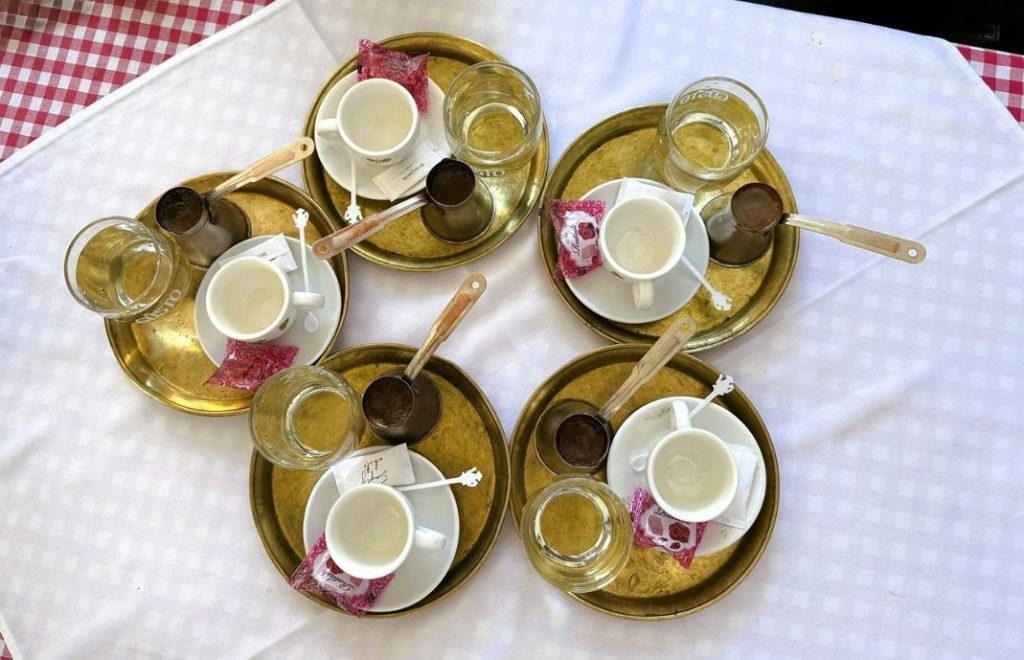
Tradition in every cup
The history of coffee in Serbia stretches back centuries, with roots in the Ottoman period. The art of coffee was introduced to the Balkans as early as the 16th century, and that tradition still thrives today.
The Serbian take on Turkish coffee – often called domaća kafa (homemade coffee) – is slowly brewed in a small copper pot known as a džezva, then served in tiny cups, often with sugar and accompanied by a glass of water.
Over the centuries, coffee became much more than a drink. It grew into a daily ritual, a symbol of hospitality, and an essential part of social gatherings – woven deeply into the cultural fabric of Serbian life.
