
Wyoming may be best known for Yellowstone, cowboys, and wide-open skies – but this rugged Western state holds far more secrets than most travelers ever realize. Beyond the iconic geysers and dramatic mountain ranges lies a land shaped by ancient history, strange natural wonders, record-breaking wildlife, and stories that challenge everything you think you know about the American West.
From a desert that looks like the moon, to a rare supervolcano sleeping beneath your feet, to towns with fewer people than your local coffee shop – Wyoming is full of surprises waiting to be uncovered.
Here are 20 things you probably didn’t know about Wyoming – and why this wild state deserves a place on your travel bucket list.
1. When Wyoming became a state of the United States
Wyoming Territory was officially admitted to the United States as the 44th state on July 10, 1890, becoming State of Wyoming.
Before statehood, the region was organized as a U.S. territory after the federal government passed the Wyoming Organic Act in 1868.
The admission to statehood marked a new chapter in Wyoming’s journey – from rugged frontier territory to a fully recognized U.S. state, gaining all the rights and responsibilities that come with it.
2. Wyoming’s capital is Cheyenne
The capital of Wyoming – Cheyenne – is also its largest city, even though it has a population that would barely qualify as a small town in most other states?
Home to roughly 65,000 people, Cheyenne is one of the least populated state capitals in the U.S.
Despite its modest size, it carries a big legacy:
- It was founded in 1867 during the construction of the Union Pacific Railroad.
- It became known as the “Magic City of the Plains” because it grew almost overnight as workers, traders, and settlers poured in.
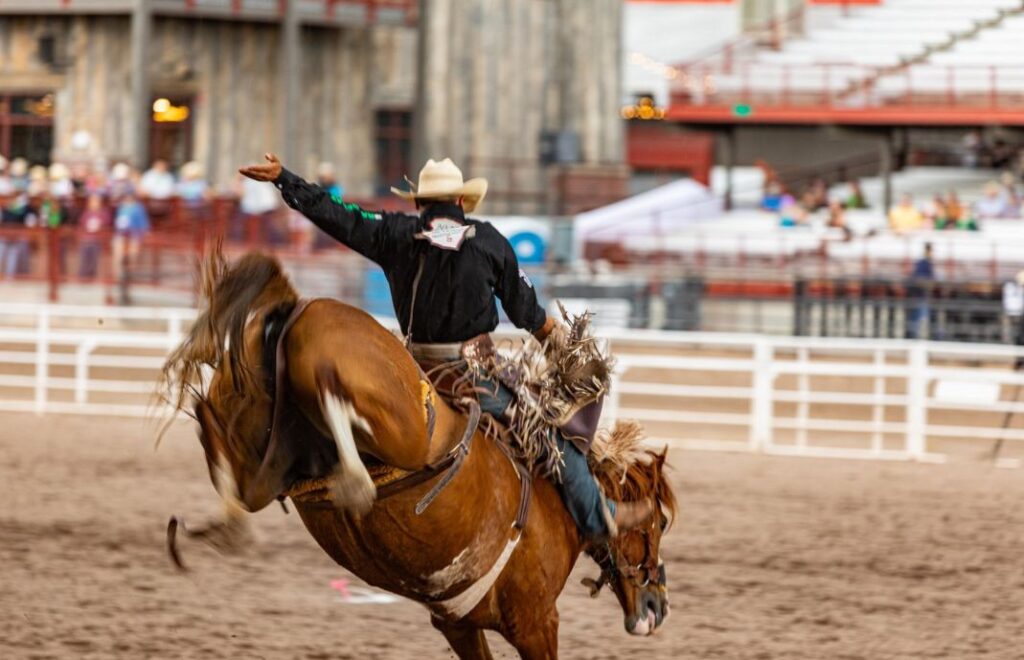
- Today, it’s the heart of classic cowboy culture and home to Cheyenne Frontier Days, the world’s largest outdoor rodeo.
Cheyenne perfectly captures Wyoming’s identity – wide-open, welcoming, and deeply proud of its Western roots.
3. Wyoming is one of the largest states – but one of the emptiest
Wyoming is the 10th largest state in the U.S. by land area, covering a massive 253,600 km² (97,914 square miles). That makes it bigger than the entire United Kingdom – and nearly twice the size of Portugal.
But here’s the twist: despite its huge footprint, Wyoming is the least populated state in the country.
With just over 580,000 residents, the whole state has fewer people than many mid-sized American cities. This means:
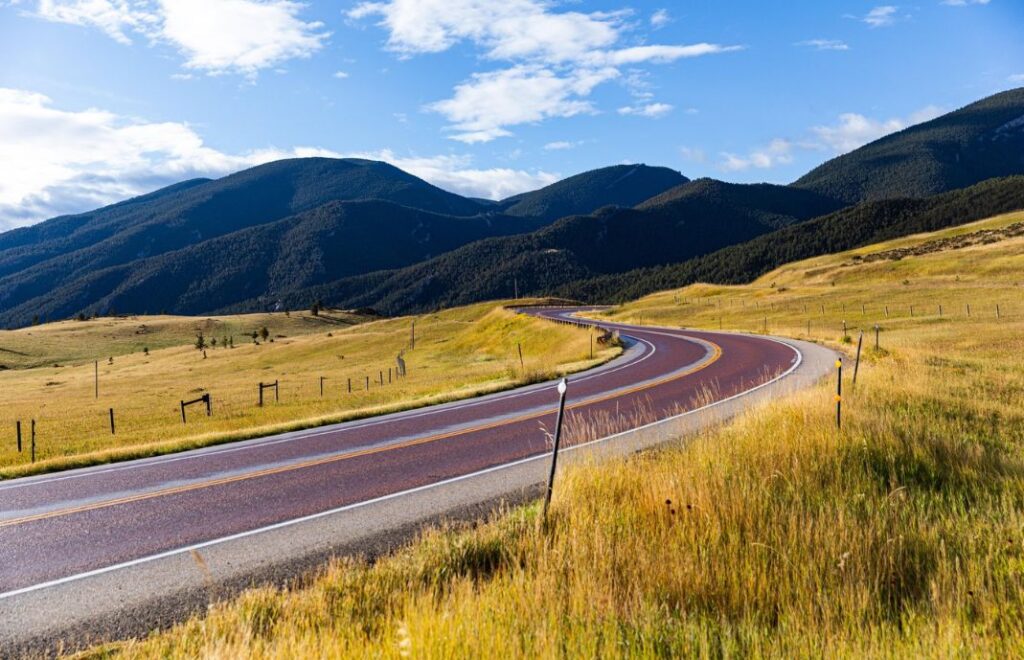
- Endless open roads
- Untouched wilderness
- Zero traffic jams
- Some of the darkest night skies you’ll ever see
Wyoming is big, bold, and beautifully empty – a rare combination in today’s world.
4. Wyoming’s name comes from a Native American word
The name Wyoming comes from the Lenape (Delaware) Native American word “Mecheweami-ing,” meaning “at the big river flat” or “large plains.”
But here’s the surprising part:
The name wasn’t originally connected to the region we now call Wyoming. It was first used for Wyoming Valley in Pennsylvania. Early American lawmakers later borrowed the name when creating the Wyoming Territory in 1868 – even though the landscapes look nothing alike.
So, while the name sounds perfectly fitting for Wyoming’s sweeping plains today, its roots actually lie clear across the country.
5. Wyoming gave women the right to vote as early as 1869
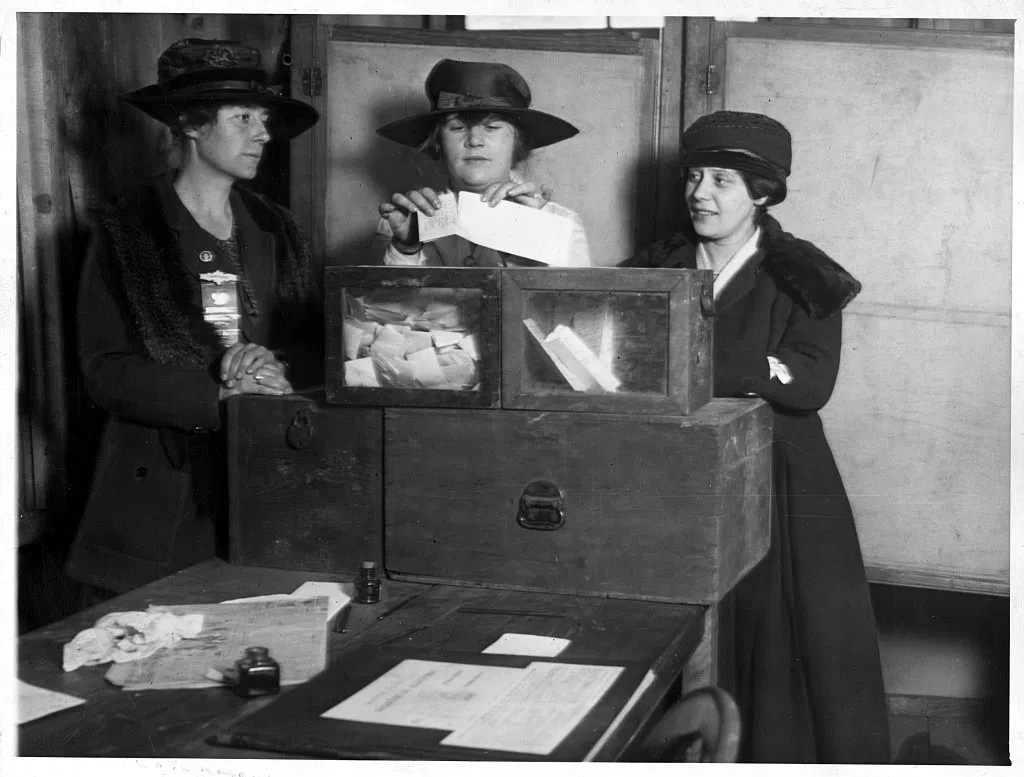
In 1869, the Wyoming Territory made history when its legislature passed a law granting women above 21 years full voting rights. On December 10, 1869, the law was signed by the territorial governor, giving women the right not only to vote, but also to hold public office.
Just a few months later – in 1870 – a woman cast a vote under that law for the first time.
The move was revolutionary: at a time when most of the United States still denied women the right to vote, Wyoming boldly embraced equality – earning it the nickname “The Equality State.”
Why did it happen so early there? Partly because Wyoming was a young, newly settled territory. Some lawmakers hoped that giving women voting rights would help attract more families – especially women – to settle in a rough, frontier region were men significantly outnumbered women.
But more than that: the law guaranteed women the same civic rights as men – not limited suffrage, no property restrictions, no quotas. It was a genuine step toward equality.
Because of this bold decision, Wyoming not only led the way in women’s voting rights – it set an example that would influence the rest of the country for decades.
6. Wyoming was the first U.S. State to be led by a female governor
On January 5, 1925, Nellie Tayloe Ross was inaugurated as governor of Wyoming – making her the first woman ever to serve as governor of a U.S. state.
Ross won a special election held after the death of her husband, the previous governor.
Her election was a milestone in U.S. political history and reinforced Wyoming’s ongoing legacy as a pioneer in women’s rights.
As governor, Ross worked to continue progressive policies: she pushed for banking reform, support for farmers, safe working conditions for miners and women, children’s protection laws, and more transparent government budgeting.
7. Yellowstone was the world’s first national park
Yellowstone National Park – much of which lies in Wyoming – holds a remarkable distinction: it was established as the world’s first national park on March 1, 1872.
This means that long before most of the world had set aside protected land for conservation and public enjoyment, Yellowstone was already leading the way. The park’s recognition helped spark the global national-park movement, inspiring countless countries to preserve their wild landscapes for future generations.
Today, visiting Yellowstone isn’t just a trip to see geysers, wildlife, and rugged scenery – it’s a walk through history, in a place that helped shape global attitudes toward nature, wilderness, and conservation.
More inspiration: 11 things you didn’t know about Yellowstone National Park
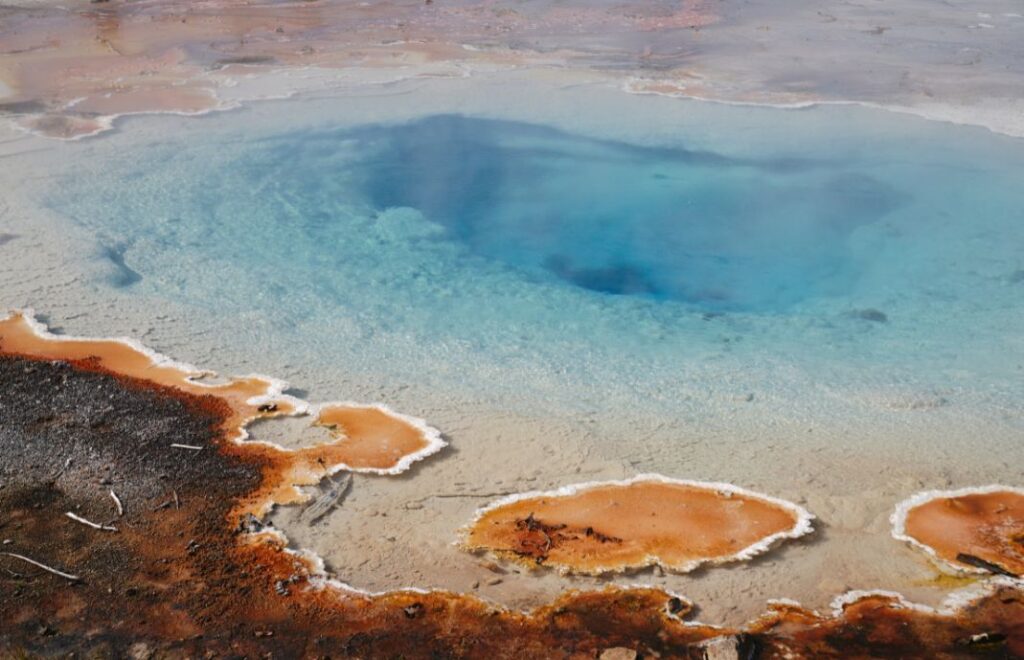
8. Don’t forget about Grand Teton National
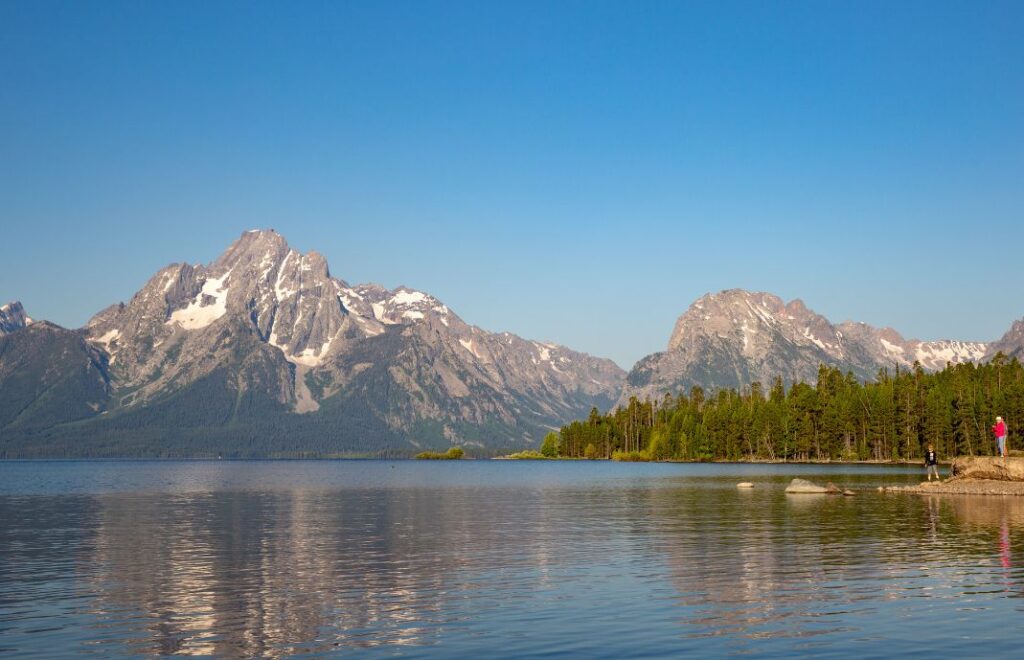
Just south of Yellowstone lies Grand Teton National Park, a jewel of Wyoming and one of the most photographed mountain ranges in the world. The jagged Teton peaks rise abruptly from the valley floor – with Grand Teton, the highest summit, reaching 4,199 meters (13,775 ft).
What makes this park truly unique?
- No foothills: The Tetons shoot straight up from the plains, creating an instantly recognizable skyline.
- Wildlife haven: Moose, bison, elk, pronghorn, grizzlies, and bald eagles all thrive here.
- A climber’s paradise: The Tetons are considered some of the best alpine climbing routes in North America.
- A famous migration route: The region hosts the longest mule deer migration ever recorded in the continental U.S.
- A rich cultural history: Early trappers, homesteaders, and ranchers shaped the valley – and the preserved barns at Mormon Row are iconic symbols of the American West.
Grand Teton may be overshadowed by Yellowstone’s fame, but many travelers say it’s even more breathtaking. Together, the two parks make Wyoming one of the most spectacular outdoor destinations in the country.
More inspiration: A traveler’s guide to Grand Teton National Park
9. Gannett Peak is Wyoming’s tallest mountain
Many travelers assume Grand Teton is the highest mountain in Wyoming, but the real champion is Gannett Peak, rising to 4,207 meters (13,810 ft).
Located deep inside the rugged Wind River Range, Gannett Peak is one of the most remote state high points in the U.S. It’s surrounded by glaciers – including the Gannett Glacier, the largest glacier in the American Rockies.
Climbing Gannet Peak is no casual feat:
- The approach often takes 2–3 days before the climb even begins.
- Routes cross snowfields, crevasses, and steep alpine terrain.
- Weather in the Winds can shift dramatically, even in summer.
Because of its remoteness and technical difficulty, Gannett Peak is considered one of the toughest high points to summit in the lower 48 states. It’s a true wilderness challenge that only experienced mountaineers attempt.
10. Swing dance is huge in Wyoming
You might think of Wyoming as the land of rodeos, ranching, and wide-open prairies – but did you know it also has one of the strongest swing-dance cultures in the American West?
In Wyoming, swing dancing isn’t just a hobby – it’s a social tradition woven into community life:
- College towns like Laramie and Casper host regular swing-dance nights that attract everyone from students to cowboys.
- At the state’s big rodeo festivals, especially Cheyenne Frontier Days, swing dancing fills the evening halls and outdoor stages.
- Local bars and dance halls often teach newcomers the basics of Western swing, two-step, and line dancing – no experience required.
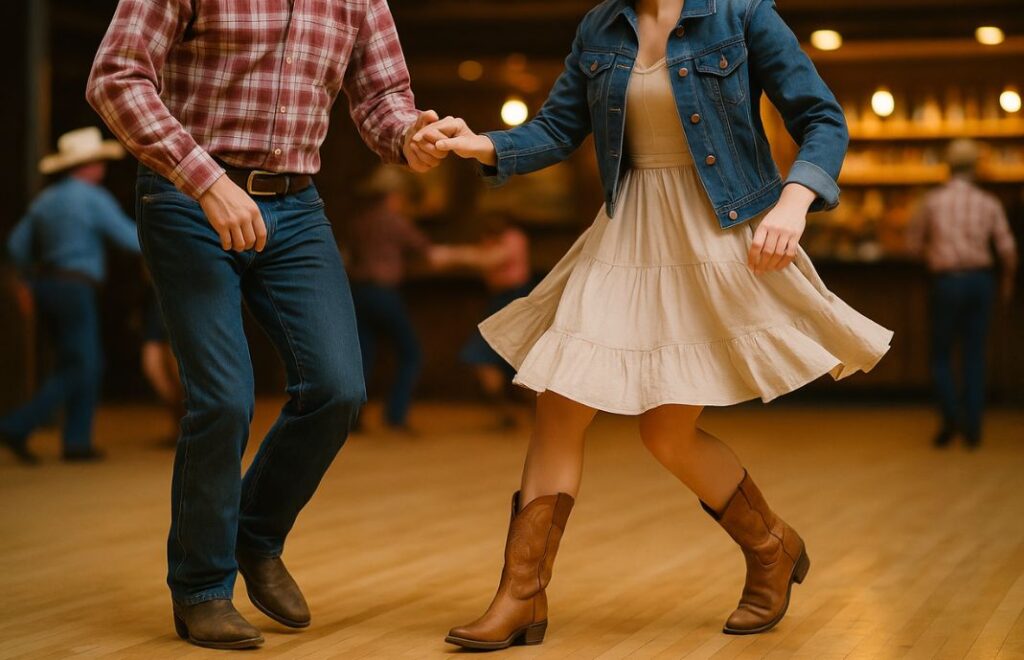
- It’s common to see dancers wearing boots, denim, and plenty of smiles as they spin across the floor.
Western swing – a blend of country, jazz, and big-band rhythms – has been part of Wyoming’s culture for generations, and it’s one of the easiest ways for travelers to connect with locals.
Whether you’re at a rodeo after-party or a small-town bar on a Friday night, chances are someone will invite you to dance.
11. Wyoming is one of the best fossil hotspots in the world
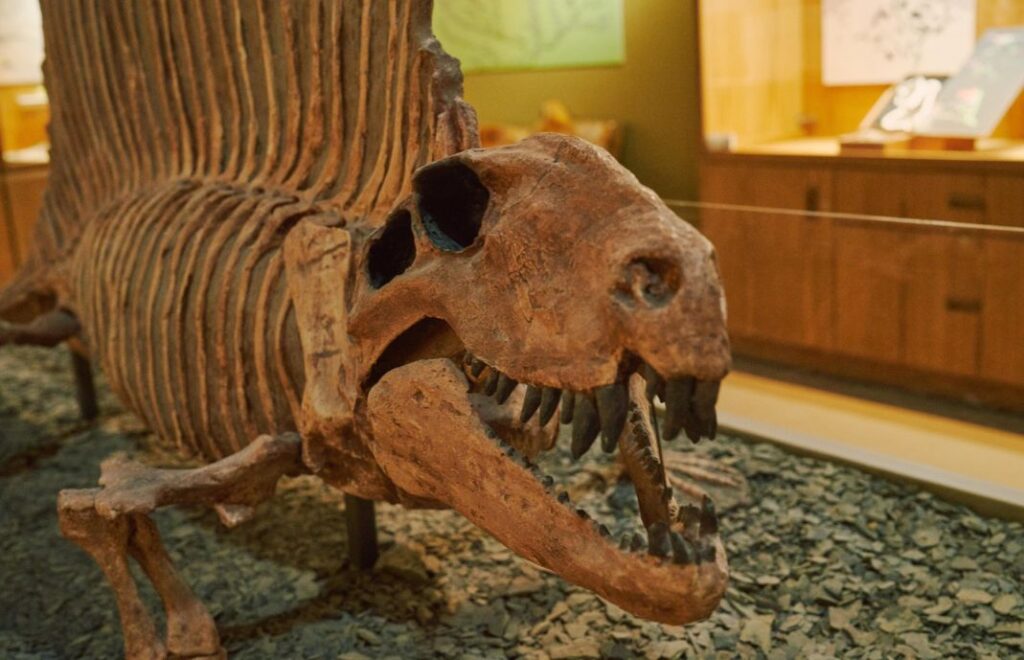
Wyoming isn’t just home to dramatic mountains and national parks – it’s also one of the richest fossil regions on Earth. Paleontologists have been uncovering extraordinary discoveries here for more than 150 years.
Some of the most famous fossil finds in the world come from Wyoming:
- Dinosaur bones from giants like Allosaurus, Diplodocus, and Stegosaurus in the Morrison Formation.
- The fossil fish of Fossil Butte, preserved so perfectly that you can see scales, fins, and even stomach contents.
- Trilobites and ancient marine fossils from when the state was once under a shallow sea.
- The first “Tyrannosaurus rex” teeth ever discovered were found in eastern Wyoming.
- Spectacular Ice Age fossils – including mammoths and saber-toothed cats – from Pleistocene deposits.
Wyoming’s fossil wealth is so significant that many museums across the U.S. (and worldwide) display specimens pulled from its rock formations.
For travelers, sites like Fossil Butte National Monument, the Wyoming Dinosaur Center, and various dig programs offer hands-on ways to explore the state’s ancient past.
12. Wyoming’s state flag features a hidden political message
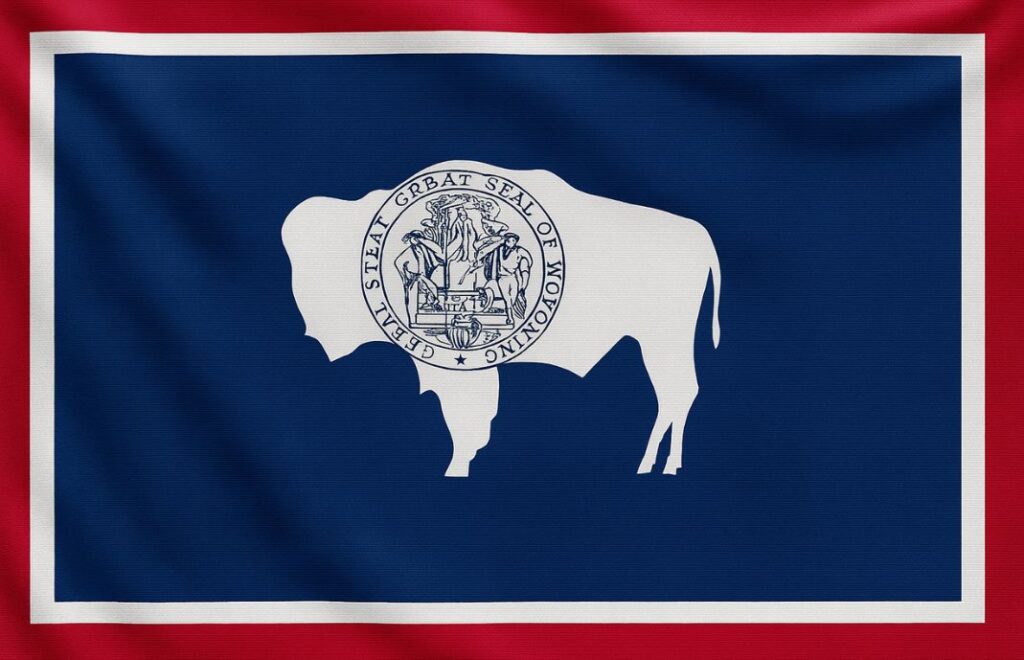
Wyoming’s state flag is one of the most recognizable in the U.S., thanks to its bold silhouette of an American bison centered on a field of red, white, and blue. But the design has a deeper meaning that many people don’t know.
Created in 1917 by artist Verna Keays, who was just 23 years old at the time, the flag symbolizes the state’s identity and values:
- The bison represents the wildlife and rugged strength of the American West.
- Inside the bison is Wyoming’s state seal, highlighting equality, justice, and the state’s pioneering role in women’s rights.
- The red border stands for the struggles and sacrifices of the early settlers.
- The white border symbolizes purity and integrity.
- The blue field represents Wyoming’s sky, mountains, and unwavering spirit.
Fun twist
The original bison faced the opposite direction, but the orientation was later reversed to have it face into the flagpole – a traditional sign of respect.
Wyoming’s flag is more than a symbol; it’s a compact story of history, wildlife, and the state’s deep-rooted pride.
13. Wyoming’s signature dish is the bison burger
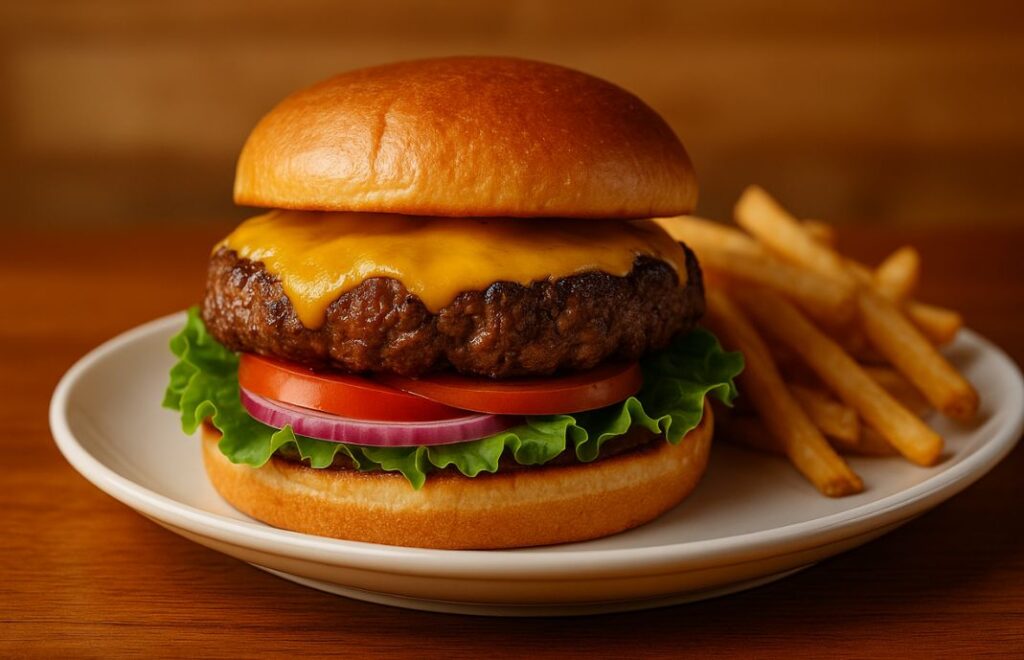
If there’s one food Wyoming is famous for, it’s the bison burger – a hearty, flavorful twist on the classic American staple. Bison has long been part of the region’s history, and today, sustainably raised bison meat is a point of pride across the state.
Why is it so special?
- Leaner and richer: Bison meat is naturally leaner than beef but still incredibly tender, with a slightly sweeter, deeper flavor.
- Locally sourced: Many Wyoming restaurants get their bison from nearby ranches committed to ethical and sustainable practices.
- A true Western experience: Ordering a bison burger in Wyoming isn’t just a meal — it’s a connection to the state’s frontier heritage.
- You’ll find gourmet versions topped with smoked cheddar, hatch chiles, caramelized onions, or huckleberry sauce.
Where to try it?
Cheyenne, Jackson, Cody, and Laramie all have beloved spots serving up their own variations.
For many travelers, the bison burger becomes a standout memory – bold, local, and unmistakably Wyoming.
14. Cheyenne was one of the wealthiest cities in the 1880s
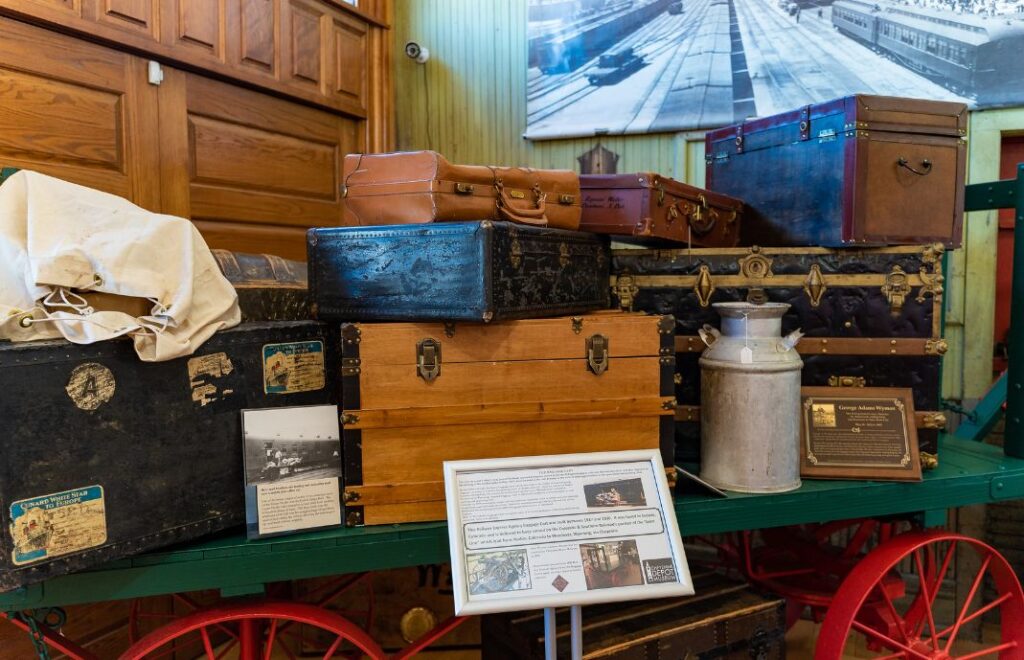
Long before it became known for rodeos and railroads, Cheyenne enjoyed a surprising reputation: in the 1880s, it was one of the wealthiest cities per capita in the entire United States.
Why? Two booming industries:
1. Cattle barons and the “Cattle Boom”
Cheyenne became the epicenter of Wyoming’s cattle empire. Enormous open-range ranches stretched across the plains, and wealthy cattle barons poured money into the city. Millionaires — known as the “Cattle Kings” – built lavish homes, established exclusive clubs, and transformed Cheyenne into a social hub of the American West.
2. The arrival of the railroad
The Union Pacific Railroad turned Cheyenne into a major transportation crossroads. With money flowing through rail commerce, land speculation, and livestock markets, the city’s economy soared.
Gold and mining wealth from the region also helped fuel Cheyenne’s rapid growth and extravagant lifestyle.
At its peak, Cheyenne earned the nickname “The Paris of the Plains” – a place of fine dining, grand hotels, elegant mansions, and fortunes made (and lost) at astonishing speed.
Today, visitors can still see the legacy of this boom era in Cheyenne’s historic buildings and museums.
15. Wyoming is one of the happiest and sunniest states
It might surprise you, but Wyoming consistently ranks as the second happiest and second sunniest state in the United States – a combination that helps explain why locals love living here.
Why Wyoming is so sunny
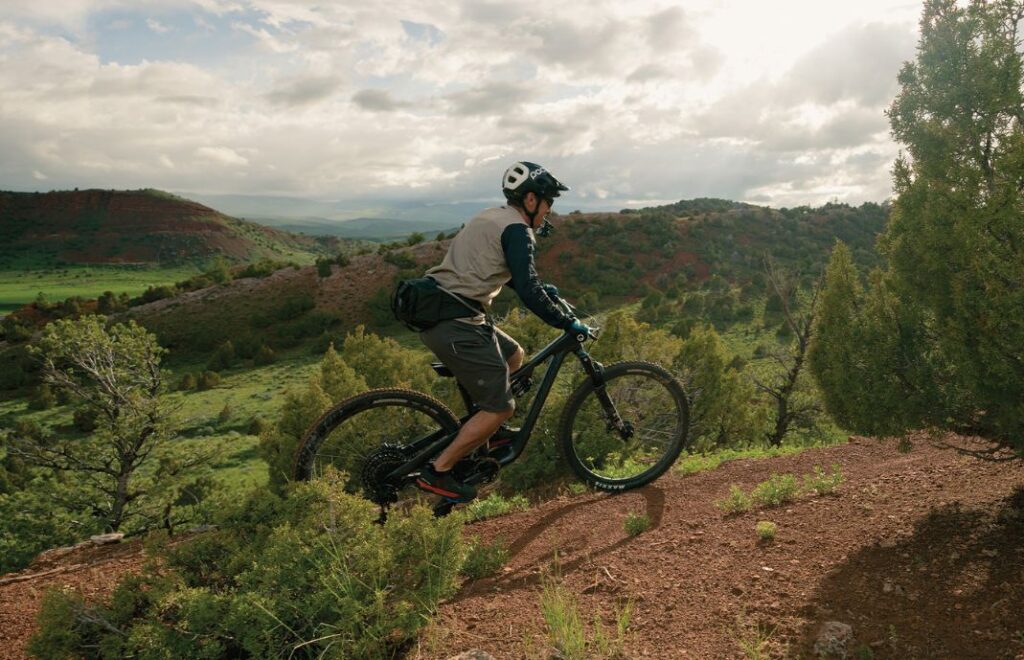
Wyoming enjoys more than 300 days of sunshine per year, thanks to its high elevation, dry climate, and wide-open skies. Cities like Cheyenne, Laramie, and Casper get far more sunshine than most places in the country – even more than many coastal states famed for good weather.
All that sunshine means:
- Brighter winters
- Crystal-clear views of mountains and plains
- Some of the best stargazing anywhere in the U.S.
Why Wyoming scores high on happiness
Wyoming often ranks among the happiest states because of a mix of lifestyle and environment:
- Low population density → less traffic, less stress, more space to breathe.
- Strong outdoor culture → easy access to hiking, wildlife, fishing, skiing, and national parks.
- Tight-knit communities → small towns with strong social bonds.
- Low crime rates → consistently among the lowest in the nation.
- High air quality → clean, dry mountain air boosts wellbeing.
For many residents, Wyoming’s happiness comes from a simple formula:
Sunshine + nature + community + peace and quiet = great quality of life.
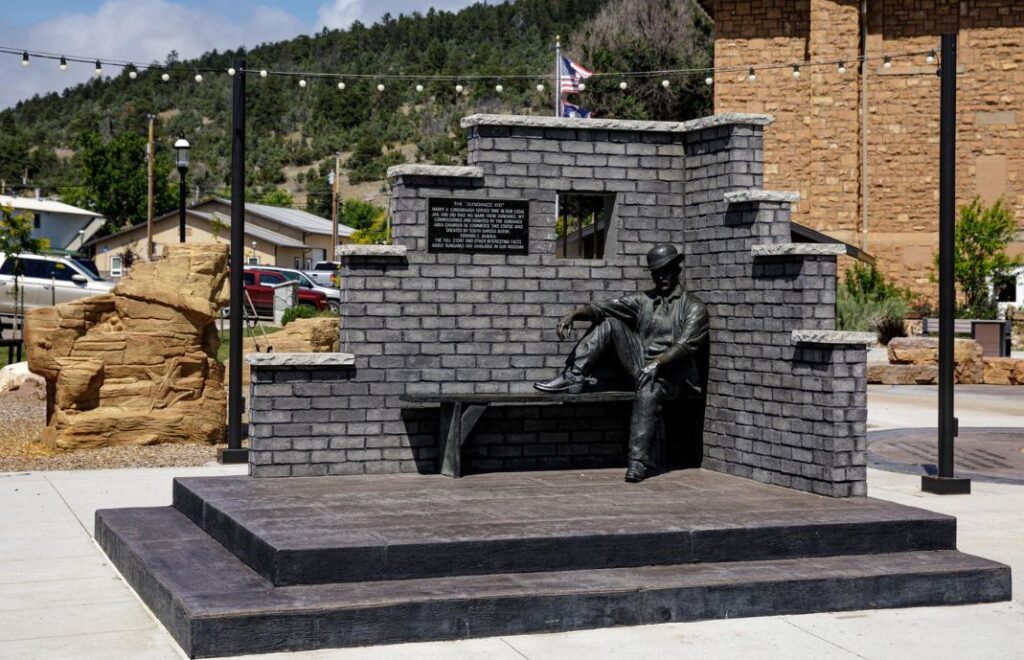
16. “The Sundance Kid” got his famous nickname in Wyoming
Harry Alonzo Longabaugh may be one of the most legendary outlaws of the American West – but few people know that he earned his nickname, “The Sundance Kid,” right in Wyoming.
In 1887, Longabaugh was arrested near the town of Sundance, Wyoming, for stealing a horse and a saddle. He was convicted and spent about 18 months in the Crook County Jail. Locals began referring to him as “the kid from Sundance,” and the name stuck.
That short jail sentence ended up creating a legend.
After his release, Longabaugh drifted into outlaw circles and eventually teamed up with none other than Butch Cassidy as part of the infamous Wild Bunch gang. Together, they pulled off some of the most daring bank and train robberies of the era.
Today, the tiny town of Sundance still embraces its place in Wild West history – and the nickname born there became one of the most iconic in American folklore.
17. Rumor has it there are only two escalators in all of Wyoming
One of Wyoming’s most persistent – and funniest – rumors is that the entire state has only two escalators. While this isn’t technically true anymore, the legend is rooted in reality.
For decades, Wyoming did have only two public escalators, both located in Casper. Because the state has so few multi-story malls and high-rise buildings, escalators simply weren’t needed.
Even today, Wyoming has far fewer escalators per capita than any other U.S. state. Most towns rely on simple stairs or elevators, and many buildings are just one story tall due to the wide-open land and low population density.
The rumor became so well-known that locals joke about “visiting the escalators” as if they’re tourist attractions.
And honestly? In Wyoming, they kind of are.

18. Wyoming is home to the mythical jackalope
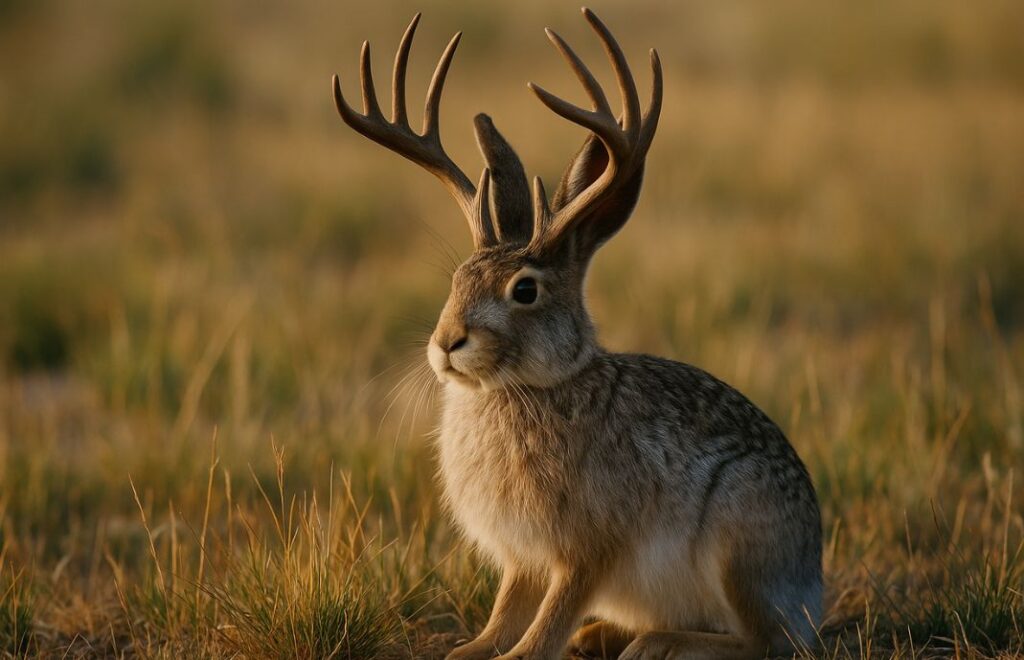
One of Wyoming’s most beloved legends is the jackalope – a mythical creature said to be a cross between a jackrabbit and an antelope. With rabbit ears and antlers on its head, the jackalope has become an icon of Western folklore and roadside Americana.
But here’s the best part:
You can still buy an official jackalope hunting license in Wyoming today.
The tradition began in the small town of Douglas, which calls itself the “Jackalope Capital of the World.” Local pranksters in the 1930s crafted the first taxidermy jackalopes, and the legend took off. Today, the Douglas Chamber of Commerce issues novelty jackalope licenses to visitors as a fun souvenir.
The “rules” are legendary too:
- Jackalopes may only be hunted on June 31st – a date that doesn’t exist.
- Hunters must have an IQ between 50 and 72.
- Only one jackalope can be harvested per season.
Of course, the jackalope isn’t real – but the tradition is, and it’s pure Wyoming charm.
More inspiration: The Jackalope: Wyoming’s most charming (mythical) creature
19. Wyoming was the last state to raise the legal drinking age
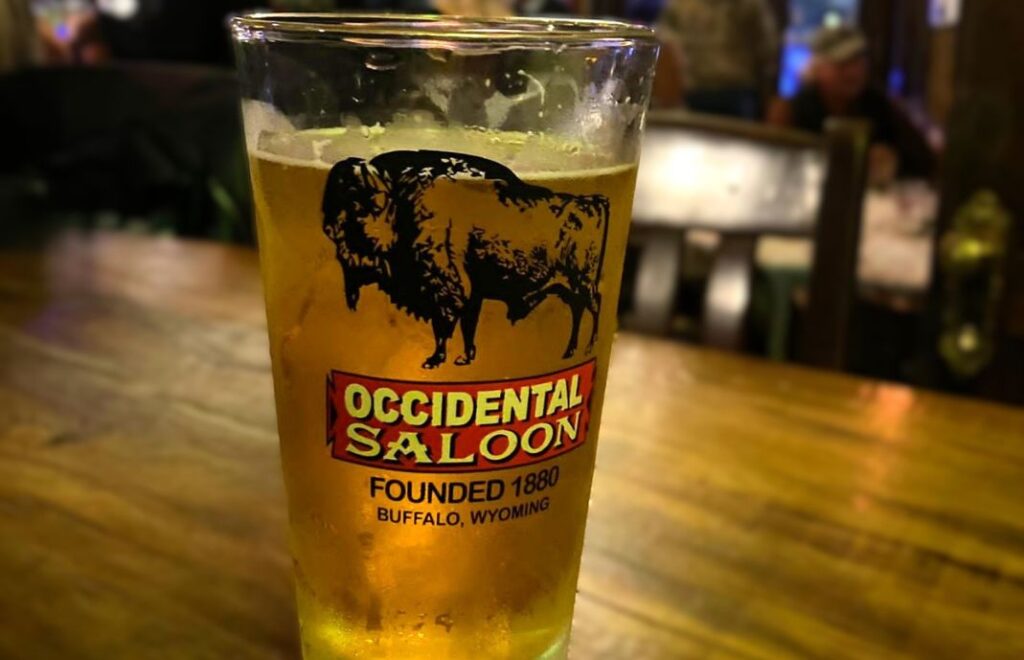
Wyoming has always valued personal freedom – so much so that it became the very last state in the U.S. to raise the legal drinking age to 21.
For decades, Wyoming’s legal age to buy alcohol remained 19, even after most states had increased theirs. While the federal government pushed states to adopt age 21 by threatening to withhold highway funding, Wyoming resisted longer than anyone else.
It wasn’t until 1988 – under pressure of losing millions in federal road money – that Wyoming finally raised its legal drinking age to 21, becoming the 50th and final state to comply.
Even today, many locals remember the old law, and it remains a quirky part of Wyoming’s independent, “don’t tell us what to do” spirit.
20. Wyoming’s license plate has a real cowboys’ story behind it
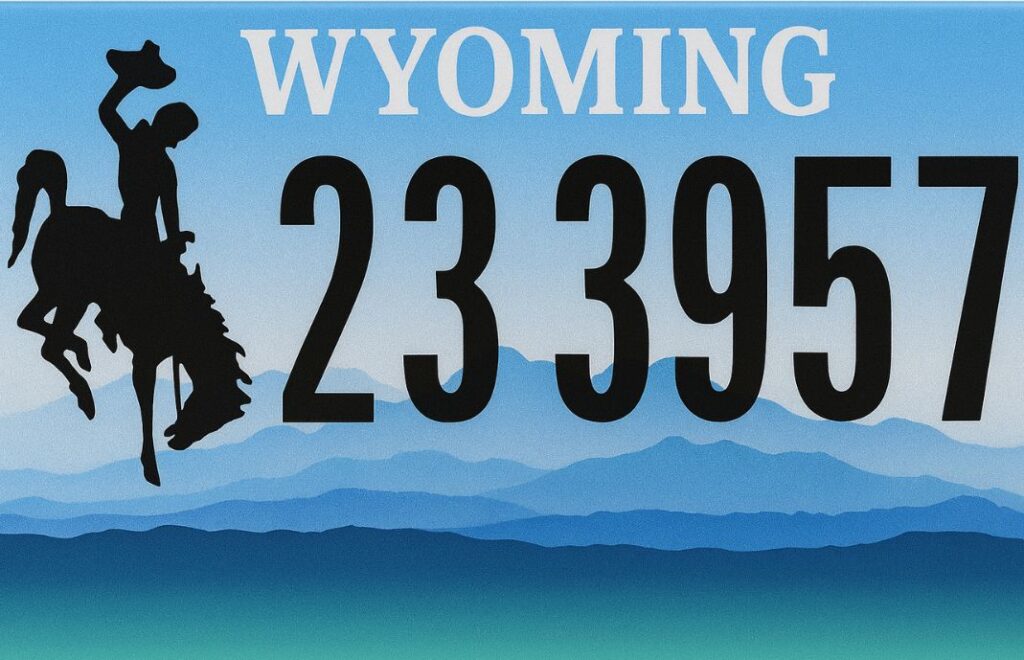
Wyoming’s license plate is instantly recognizable thanks to its iconic image of a bucking horse and rider. But many travelers don’t know that this silhouette isn’t just artwork – it’s based on a real cowboy and a real horse.
Known as “Steamboat,” the horse was a legendary bronco from the early 1900s, famous across the West for his fierce spirit and unmatched bucking power. The rider is believed to be Guy Holt, a top Wyoming cowboy of the era. Their likeness became such a powerful part of state identity that it was adopted for the license plate in 1936.
Today, the bucking horse and rider is more than a design – it’s an official state trademark and one of the most recognized symbols of the American West.
You’ll see it everywhere in Wyoming:
- On license plates
- On state logos
- At rodeo arenas
- On university branding
- Proudly displayed by locals
It’s a reminder of Wyoming’s deep cowboy heritage – rugged, authentic, and inseparable from the land itself.
This post is a collaboration with Wyoming Office of Tourism. I am grateful for the cooperation.
