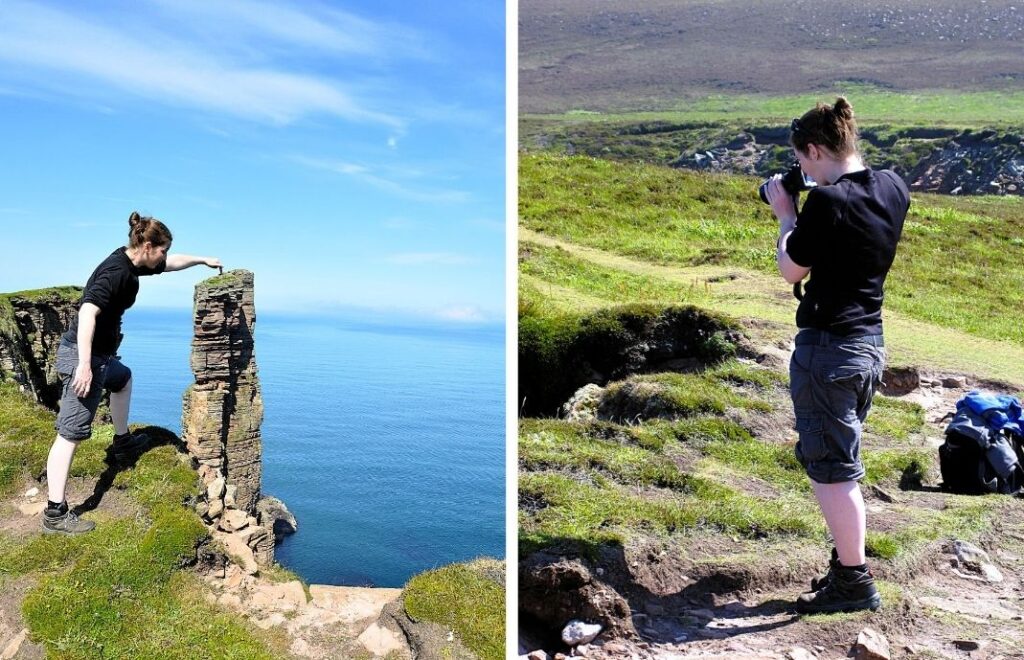
The Orkney Islands feel like a world apart – a windswept archipelago where ancient history, raw coastal beauty and a uniquely welcoming island culture come together. Whether you’re dreaming of standing among Neolithic stone circles, exploring dramatic cliffs alive with seabirds, or wandering through charming villages by the sea, the timing of your trip can shape your entire experience.
From long midsummer days to storm-lashed winter coastlines, each season in Orkney offers its own atmosphere, adventures and rewards.
This guide breaks down the best times to visit based on weather, wildlife, festivals and crowd levels. It will help you plan the perfect journey to Scotland’s far northern edge.
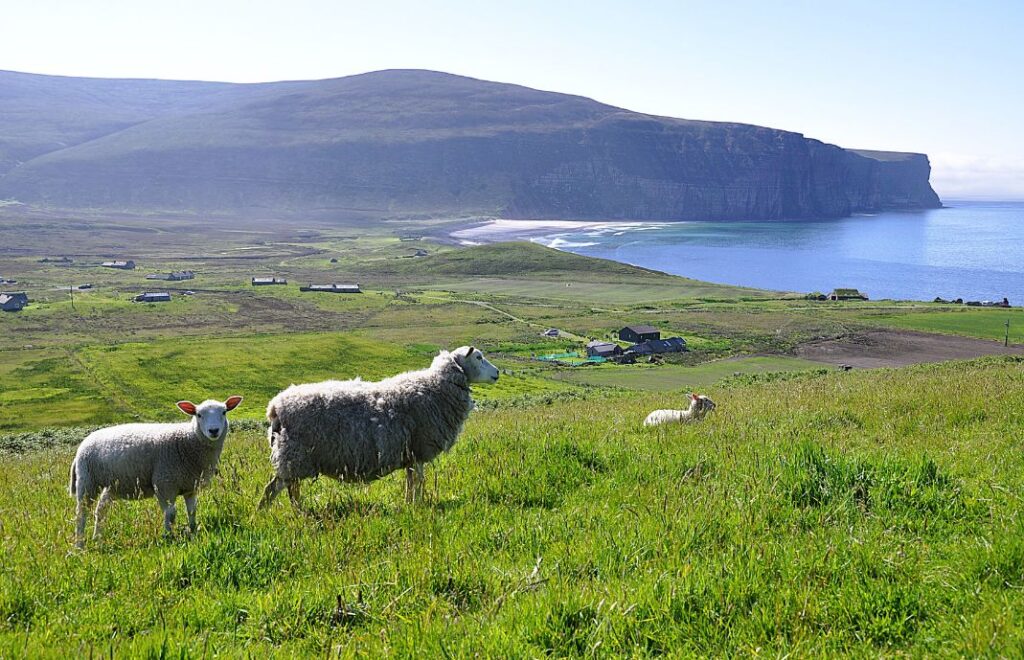
Orkney’s seasons at a glance
Before diving into each season in detail, here’s a quick look at what you can expect throughout the year in the Orkney Islands:
Spring: Fresh landscapes & returning wildlife
Spring (April-June) breathes new life into Orkney. Wildflowers begin to bloom across coastal meadows, migratory birds return in huge numbers, and daylight hours stretch rapidly.
Temperatures are cool but pleasant, and crowds are still thin – making this one of the best times for peaceful hikes and birdwatching.
Summer: Long days, festivals & the busiest season
Summer (July-August) brings Orkney’s famous “long light,” with up to 18 hours of daylight at the solstice. It’s the warmest and liveliest time of year, with local festivals, open archaeological sites and excellent conditions for boat trips.
This is also peak season, so expect more visitors and higher accommodation demand.
Autumn: Dramatic skies & ideal touring weather
Autumn (September-October) is a favorite among photographers and outdoor lovers. The islands glow with soft golden light, sunsets are spectacular, and wildlife activity peaks as migratory species gather.
Temperatures remain comfortable early in the season, and crowds drop significantly.
Winter: Stormy beauty & soulful solitude
Winter (November-March) transforms Orkney into a place of wild, atmospheric landscapes. Powerful waves crash against sea cliffs, the islands become wonderfully quiet, and dark skies promise excellent stargazing – sometimes even a glimpse of the Northern Lights.
While daylight is limited and some attractions close, it’s a rewarding time for those seeking solitude and dramatic scenery.
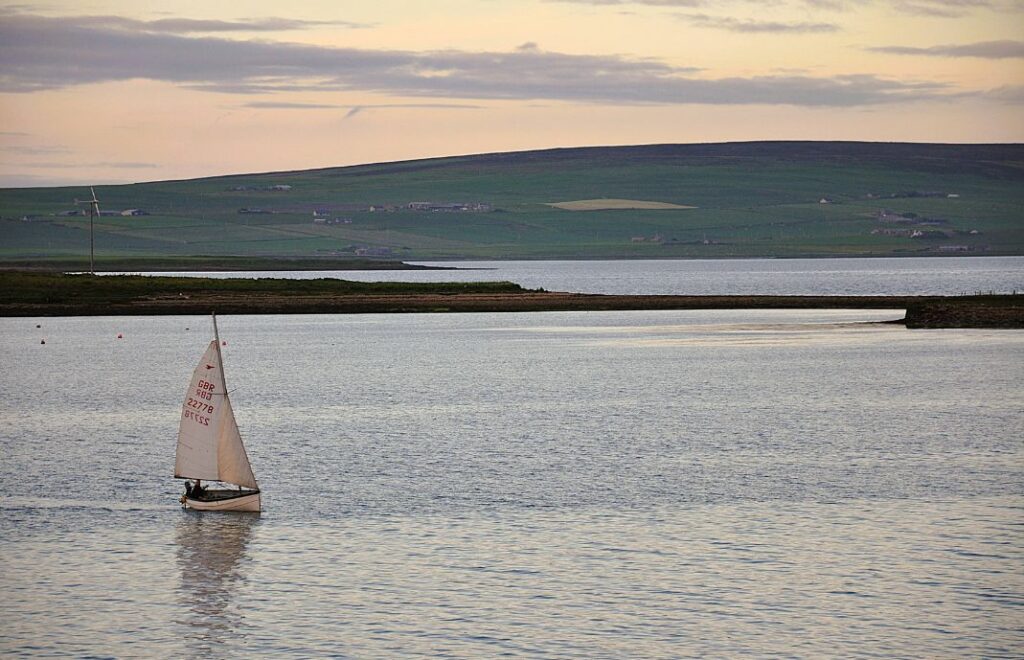
Best time for most reliable weather
Orkney’s weather is famously unpredictable – part of the charm of these remote northern isles. But while conditions can shift quickly, some months offer a more comfortable and reliable climate for exploration.
Best overall weather: Late May to early September
From late spring into early autumn, Orkney enjoys its mildest temperatures, longest days and most settled conditions. Expect daytime highs between 12–16°C (54–61°F), with occasional warmer spells. Rain is always possible, but summer showers tend to be brief, and the wind – a constant feature in Orkney – is generally less intense than in winter.
Why this period is ideal:
- Long hours of daylight, allowing you to explore from early morning to late evening
- Pleasant temperatures for hiking, cycling and archaeological site visits
- Better conditions for boat trips to outlying islands
- Festivals, local events and open heritage sites
- Easier driving and ferry connections thanks to calmer seas
Things to keep in mind
Even in summer, Orkney rarely gets “hot,” and you’ll want layers, a waterproof jacket and sturdy footwear at any time of year. Coastal winds can create a chill, especially in the evenings.
Least favorable weather: December to February
Winter brings shorter days (sometimes just six hours of daylight), strong Atlantic winds and frequent storms. That said, winter has its own moody allure – dramatic seas, quiet landscapes and cozy pubs with a local feel.
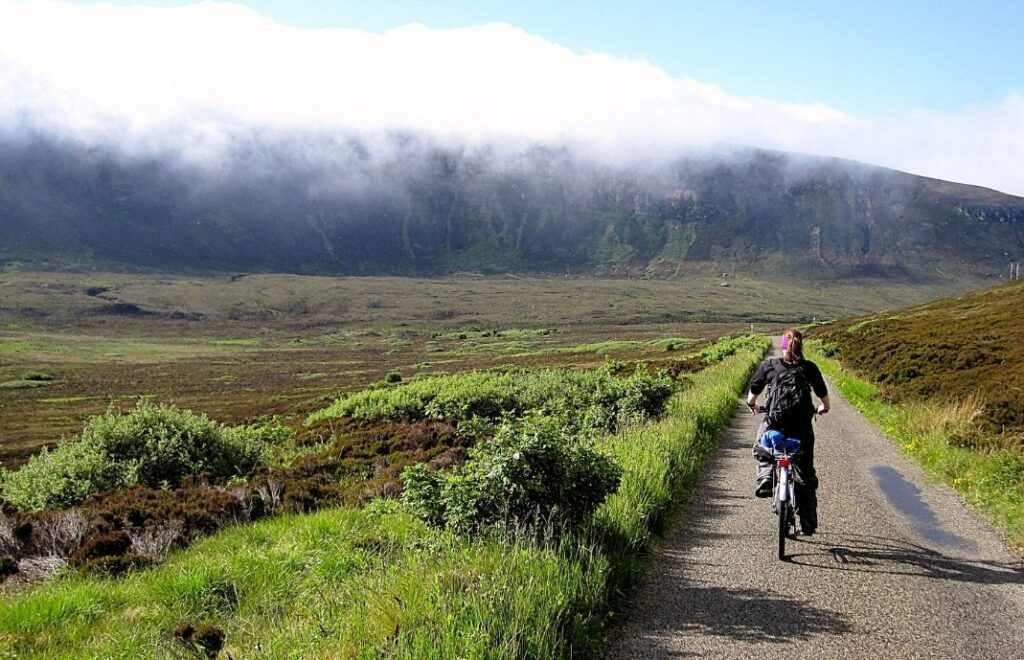
Best time for wildlife
The Orkney Islands is a paradise for wildlife enthusiasts, offering some of the best birdwatching and marine encounters in the UK. While animals can be seen year-round, certain months deliver especially memorable sightings.
Best overall wildlife season: April to August
From spring through late summer, Orkney bursts with life. Cliffs, moorlands and coastal wetlands fill with nesting seabirds, while marine mammals become more active around the islands.
Spring (April–June): Prime birdwatching
Spring is the best season for seeing huge colonies of breeding seabirds.
Expect to see:
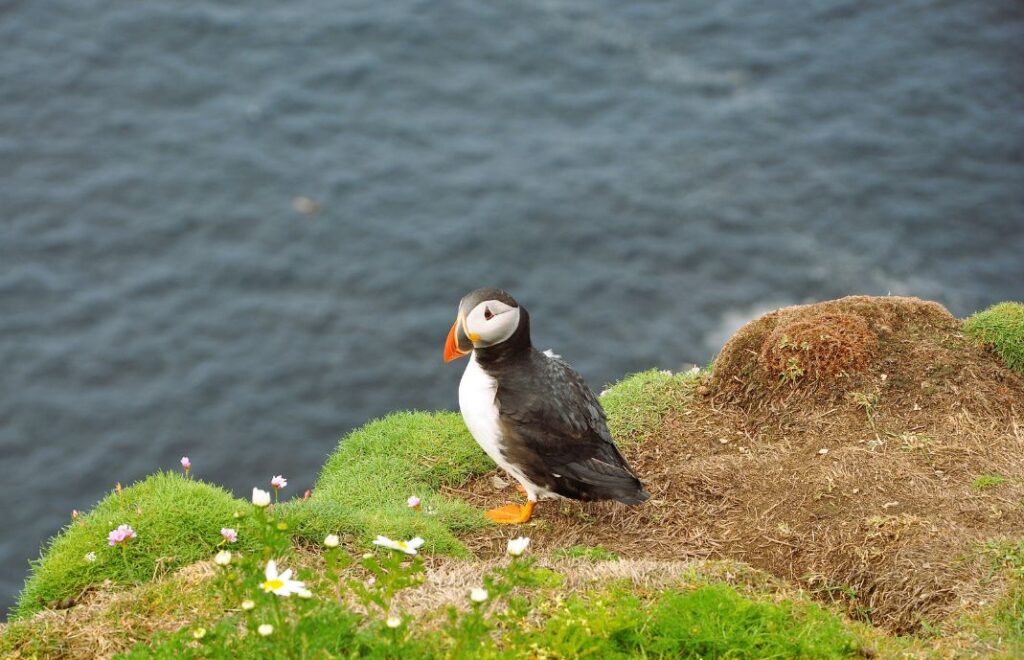
- Puffins (best in May-July)
- Guillemots and razorbills
- Kittiwakes and fulmars
- Hen harriers hunting over the moors
- Lapwings, curlews and other waders
The cliffs at Marwick Head and the RSPB reserve at Mull Head are especially impressive during these months.
Summer (July–August): Puffins, seals & marine life
Summer brings a fantastic mix of land and sea wildlife.
Highlights include:
- Puffins at their most visible early in the summer
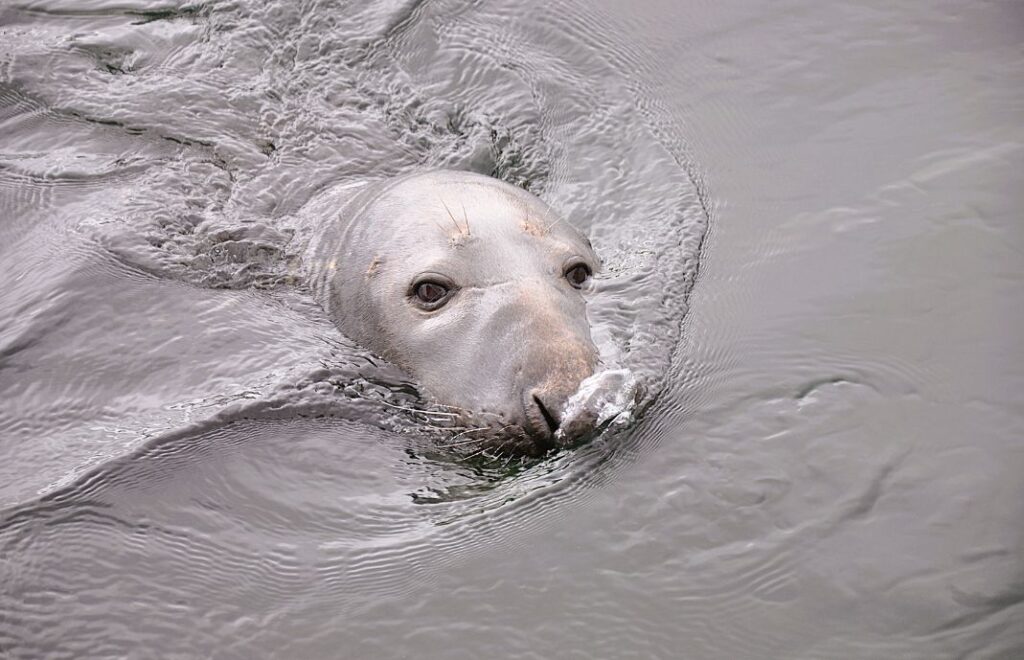
- Grey and common seals basking on beaches
- Orcas (killer whales) occasionally spotted from shore
- Dolphins and porpoises in calmer seas
- Wildflowers in full bloom, buzzing with pollinators
Boat trips around the smaller islands offer excellent chances to spot marine mammals.
Autumn (September–October): Migratory magic
Autumn sees dramatic wildlife transitions as migrating species arrive or depart.
Look for:
- Thousands of geese arriving from the Arctic
- Raptors following migrating flocks
- Seal pupping season (especially October–December)
- This is one of the most underrated – and rewarding – wildlife periods
Winter (November–March): Quiet but special
While wildlife activity slows, winter still offers:
- Large seal colonies
- Spectacular overwintering birds
- Opportunities for rare raptor sightings
The stark winter light can also be incredible for photography.
Best time for avoiding crowds
Despite their remote location, the Orkney Islands attract a steady flow of travelers – especially during the height of summer when cruise ships and holidaymakers are most frequent. If you want to enjoy Orkney’s landscapes and archaeological sites in peace, timing makes all the difference.
Best overall time to avoid crowds: April–May & September–October
These shoulder-season months offer the perfect balance of tranquility, good weather and excellent wildlife viewing. Most attractions are open, the islands feel relaxed, and you’ll have many viewpoints, trails and historic sites largely to yourself.
Why these months are ideal:
- Far fewer visitors compared to peak summer
- Good daylight hours and comfortable temperatures
- Spring wildflowers or autumn colors enhance the scenery
- Easier hotel and ferry bookings
- Popular sites like Skara Brae, the Ring of Brodgar and St. Magnus Cathedral are far more peaceful
Least crowded time of all: November–March
Winter in Orkney is wonderfully quiet. If you’re comfortable with short days and stormy weather, you’ll be rewarded with solitude, dramatic seascapes and cozy village life. Some sites and services may have limited hours, but the lack of tourists is striking.
When to expect the most crowds: July–August
Summer brings the highest number of visitors, especially on days when cruise ships dock in Kirkwall.
Expect:
- Busier archaeological sites
- Full restaurants and accommodations
- Increased traffic on single-track roads
- More guided tours and excursion groups
Tip: Even in summer, starting your day early helps you beat the rush.
More inspiration: Month-by-month guide to the Orkney Islands