
There are few traditions as quietly luxurious as afternoon tea – that elegant pause in the day where time seems to slow, conversation flows, and the simple act of pouring tea becomes an art form. Born in Britain nearly two centuries ago, this ritual of refinement has since traveled the world, evolving from aristocratic indulgence to global symbol of grace and comfort.
Whether served in a grand London hotel, a sunlit garden, or a cozy tearoom tucked away on a cobbled street, afternoon tea is more than a meal – it’s an experience. It’s the clinking of fine china, the soft rustle of linen napkins, the scent of warm scones and freshly brewed leaves. It’s about presence, ritual, and the delicate balance between elegance and ease.
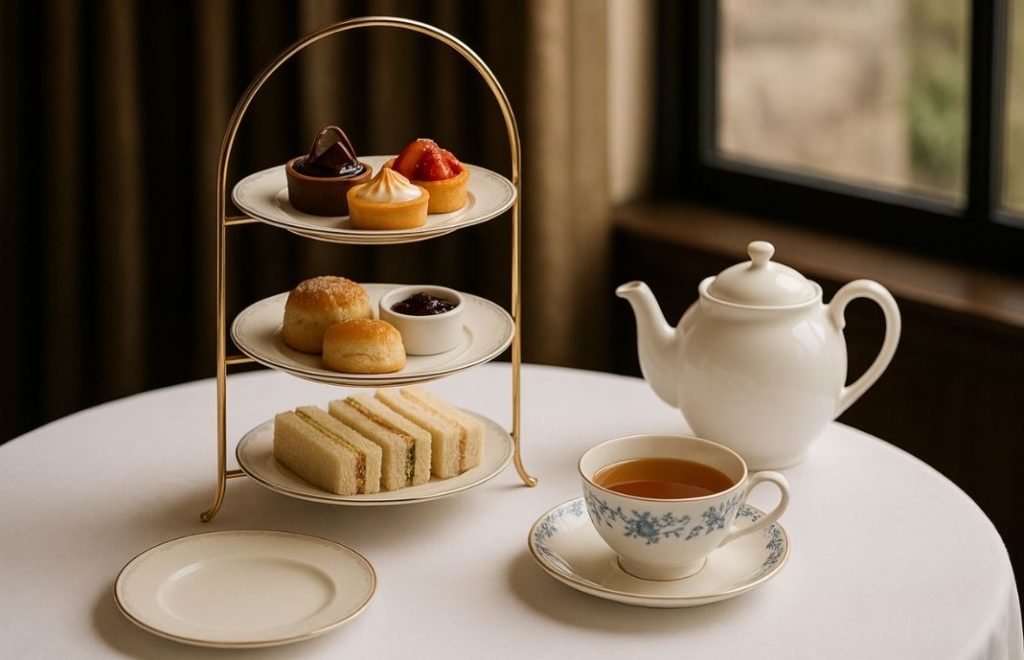
The history of afternoon tea – From duchess to global delight
The story of afternoon tea begins, quite fittingly, with a duchess and a craving. In the early 1840s, Anna, the 7th Duchess of Bedford, found herself growing faint between lunch and the late evening dinner customary among Britain’s upper classes. Her solution was delightfully simple – a pot of tea and a few light bites, served privately in her sitting room to bridge the long gap between meals.
It began as a quiet indulgence but soon became a fashionable affair. The Duchess started inviting friends to join her, and before long, afternoon tea had become the social event of the day – an occasion for elegant attire, gentle gossip, and delicate porcelain cups. By the mid-19th century, tea tables were being set in drawing rooms across England, complete with lace tablecloths, silver spoons, and tiered trays of treats.
As the British Empire expanded, so too did the culture of tea. Tea leaves from India, Ceylon (now Sri Lanka), and China filled the nation’s teapots, while the ritual itself spread from London to the world – from colonial hotels in Asia to salons in Paris and New York.
What began as one woman’s afternoon habit became a timeless symbol of civility, grace, and the comforting luxury of taking one’s time.
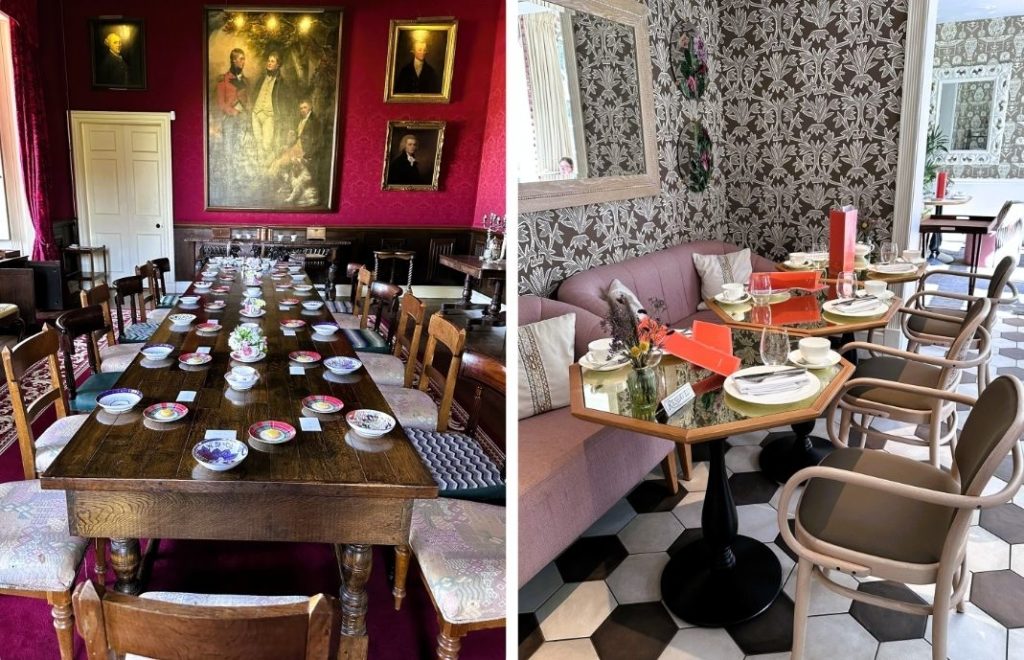
The traditions of afternoon tea
Afternoon tea is not merely about the tea itself – it’s about how it’s enjoyed. From the table setting to the sequence of bites, every detail carries a whisper of tradition, a quiet choreography that has evolved over centuries.
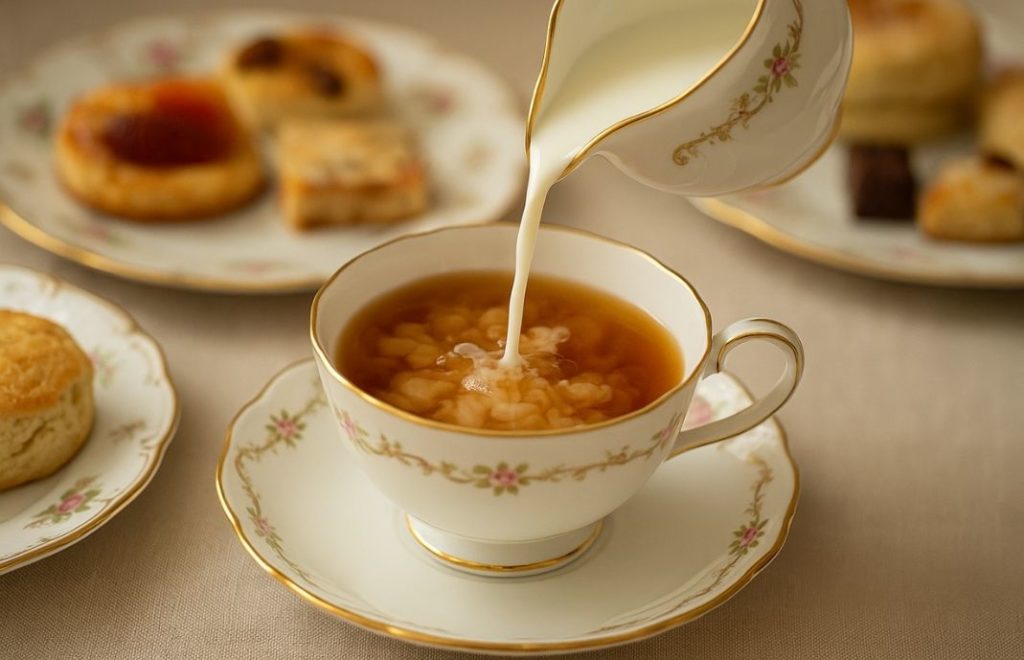
The classic service begins between 3:30 and 5:00 p.m., often introduced with the gentle clink of fine china and the soft aroma of freshly brewed leaves. Guests are seated, tea is poured, and conversation flows as easily as the Darjeeling. Etiquette plays a graceful role here – milk is added after the tea (a nod to modern porcelain’s strength), lemon is stirred delicately, and the spoon is placed silently on the saucer, never left in the cup.
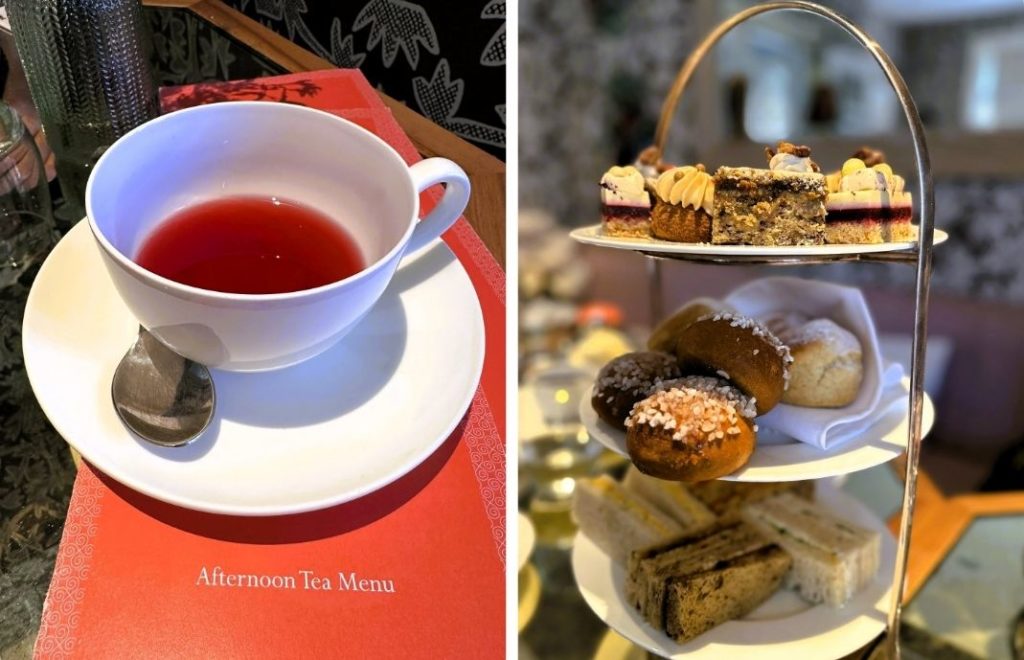
A true afternoon tea always unfolds in three tiers – a miniature feast in perfect order. The lowest plate holds finger sandwiches: thin, crustless, and elegantly filled with classics like cucumber, smoked salmon, or egg and cress. The middle tier offers warm scones, served with clotted cream and strawberry jam – an eternal debate between Devon and Cornwall about which should be spread first. The top layer is reserved for sweets and pastries, from macarons and éclairs to petits fours and sponge cakes.
Despite its reputation for formality, the spirit of afternoon tea is one of warmth, leisure, and gentle conversation. It’s a moment to pause, connect, and savor – a ritual that celebrates not indulgence, but balance.
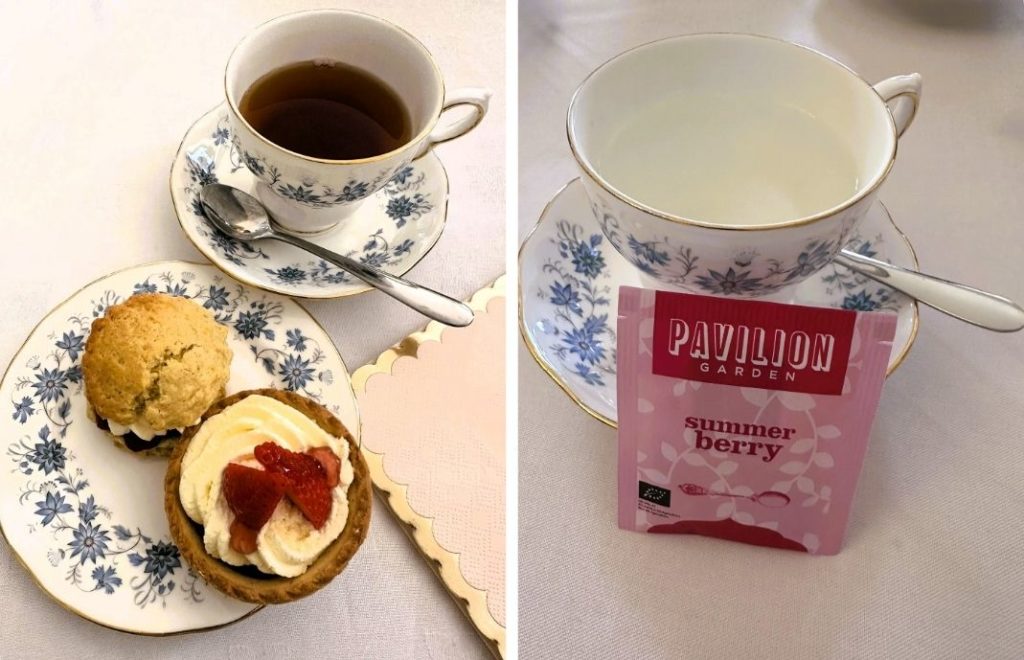
What’s on the menu – A symphony of flavor and elegance
Afternoon tea is not a meal of abundance, but of balance – a carefully composed medley of flavors, textures, and traditions. Each tier and teacup play a role, creating a progression that feels both indulgent and refined.
At its heart is, of course, the tea itself. The classic blends reign supreme – Darjeeling, known as the “champagne of teas,” with its delicate floral notes; Earl Grey, perfumed with bergamot; and Assam, bold and malty, perfect with milk. For those seeking something lighter, green tea, oolong, or white tea offer subtler pleasures, while herbal infusions like chamomile, mint, or rose bring calm and fragrance to the experience.
Then comes the savory tier, a graceful opening act. Finger sandwiches are dainty and precise – crustless triangles or rectangles filled with cucumber and cream cheese, smoked salmon and dill, egg salad, or roast beef with horseradish. Each bite is designed to refresh, not to fill.
Next are the scones – the soul of afternoon tea. Served warm, split in half, and crowned with clotted cream and strawberry jam, they represent the most comforting part of the ritual. Whether you spread jam first (the Cornish way) or cream first (the Devonshire way), the result is always bliss.
Finally, the sweets: jewel-like pastries, Victoria sponge cakes, lemon tarts, madeleines, and macarons in pastel hues. It’s the crescendo of the meal – a delicate celebration of artistry and taste, best enjoyed slowly, one forkful at a time.
Modern tea rooms often play with tradition, introducing exotic teas, chocolate scones, or even savory high tea platters paired with champagne. Yet the essence remains the same: it’s not about excess, but about the simple, exquisite pleasure of pausing for beauty in the middle of the day.
Fun facts & curiosities – Secrets from the tea table
Behind the fine china and tiered trays, the world of afternoon tea hides a few delightful secrets – small details that tell big stories about taste, etiquette, and timeless charm.
It all began with hunger
Afternoon tea was born not from ceremony, but from the Duchess of Bedford’s mid-afternoon hunger. Her private snack became a social phenomenon – proof that the best traditions often start with something simple.
“High tea” isn’t what you think
Many confuse afternoon tea with high tea, but the two couldn’t be more different. Afternoon tea was a light, elegant ritual for the upper class, while high tea – served later and heartier – was the working-class evening meal, eaten at a “high” (dining) table rather than a low parlor one.
Milk in first or last?
In the 19th century, poorer-quality china would crack under boiling water, so milk was poured first to cool it. Once fine porcelain became common, milk-last became the refined choice – though the debate still rages politely today.
Jam or cream first?
In Devon, cream comes first. In Cornwall, it’s jam. Both regions are convinced they’re right – and both taste divine.
A global ritual
Though born in Britain, afternoon tea has taken on new life around the world. In Japan, it’s a blend of East and West – delicate wagashi sweets beside English scones. In Dubai and Singapore, it’s a gilded celebration in sky-high hotels. Everywhere, the essence is the same: beauty, calm, and connection.
The unspoken rule:
Afternoon tea isn’t about indulgence – it’s about intention. It’s a moment to pause, slow down, and taste the luxury of time itself.
Epilogue: A cup of timeless calm
Afternoon tea is more than a custom – it’s a celebration of pause. In a world that moves too quickly, it offers a moment to breathe, to taste, and to connect. Every pour of tea, every bite of scone, every soft clink of porcelain carries with it centuries of ritual and grace.
Whether enjoyed beneath chandeliers in London, on a shaded veranda in Asia, or in the calm of your own kitchen, the essence remains the same: presence. Afternoon tea invites us to slow down, to savor beauty in small things, and to remember that refinement isn’t about formality – it’s about appreciation.
A simple cup of tea, shared with intention, can still turn an ordinary afternoon into something unforgettable.
