
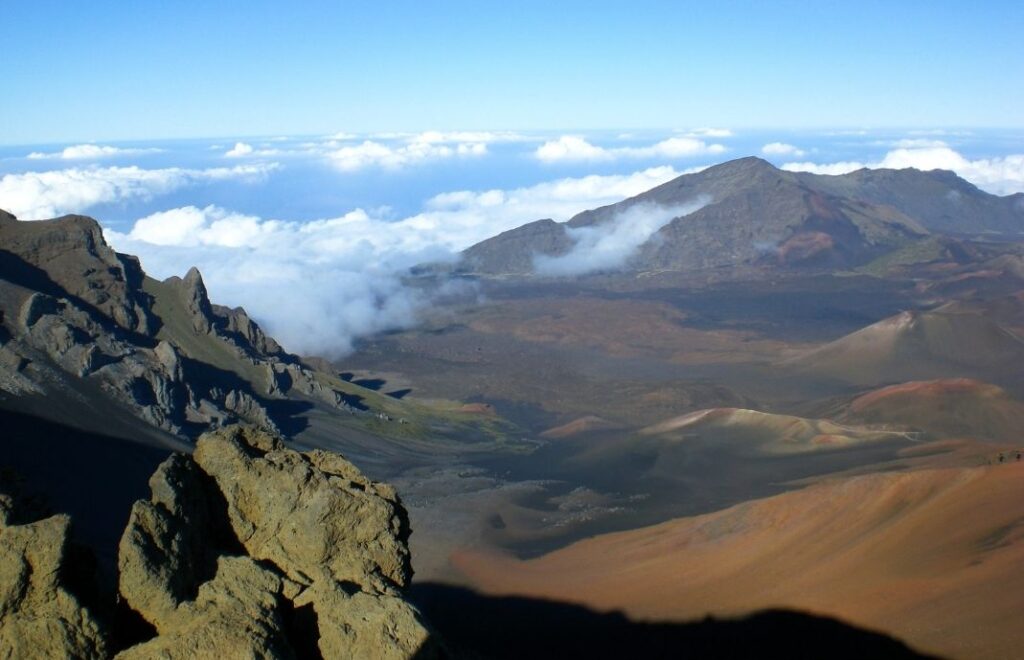
Rising high above the island of Maui, Haleakalā National Park is a place where landscapes feel otherworldly and time seems to slow. Home to the world’s largest dormant volcanic crater, the park offers a striking contrast to Hawaii’s coastal scenery. This spectacular landscape replaces beaches and palm trees with lava fields, alpine terrain, and sweeping views that stretch far beyond the clouds.
Often described as a journey from earth to sky, Haleakalā invites visitors to experience Maui from a completely different perspective. The park offers everything from legendary sunrises and rare native wildlife to quiet hiking trails across stark volcanic terrain.
Haleakalā National Park reveals a side of Hawaii that is raw, spiritual, and deeply powerful. For travelers seeking awe, solitude, and a deeper connection to the natural forces that shaped the islands, this amazing national park is an unforgettable experience.
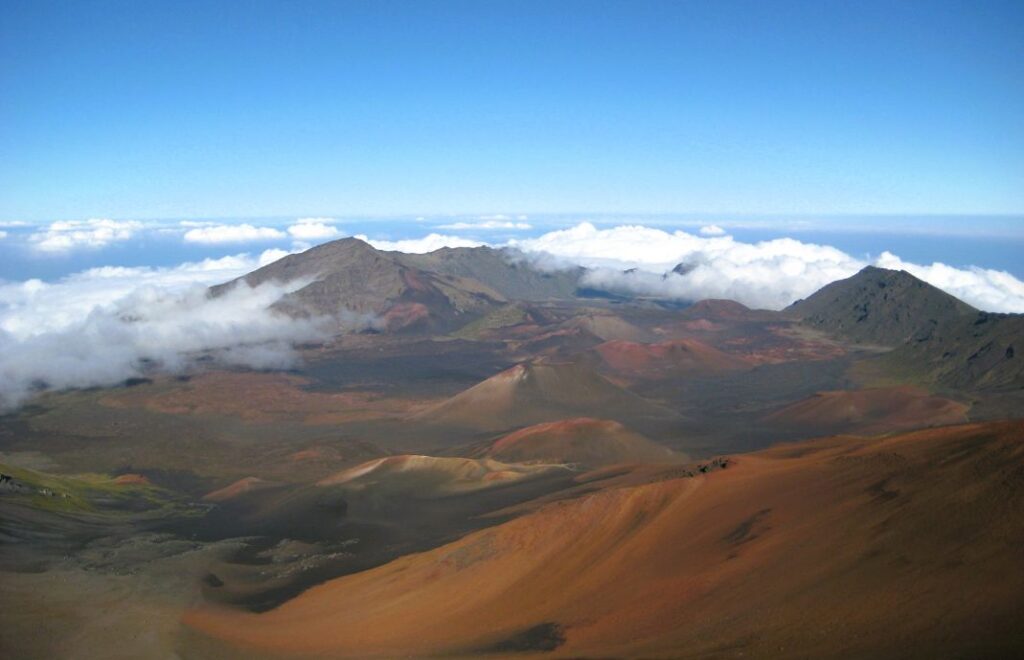
A landscape shaped by time
The story of Haleakalā National Park stretches back millions of years, long before humans set foot on Maui. The massive shield volcano that forms Haleakalā was built through countless volcanic eruptions, layer upon layer of lava gradually rising from the ocean floor to create one of the island’s most dramatic landscapes. The immense summit depression, often referred to as a crater, was shaped not by a single eruption but by erosion and volcanic activity over time, giving the park its striking, otherworldly appearance.
For Native Hawaiians, Haleakalā has always held deep cultural and spiritual significance. According to Hawaiian tradition, the demigod Māui climbed the mountain to capture the sun, slowing its journey across the sky to lengthen the day – a legend that gave the mountain its name, meaning “House of the Sun.” The summit and surrounding lands were considered sacred, used for spiritual practices, navigation, and resource gathering, and remain culturally important today.
In the early 20th century, growing interest in preserving Hawaii’s unique environments led to increased protection of the area. Haleakalā was originally part of Hawaiʻi National Park until it became a separate national park in 1961. Since then, conservation efforts have focused on protecting fragile volcanic landscapes, rare native species, and traditional cultural sites from the pressures of tourism and invasive species.
Today, Haleakalā National Park stands as both a natural and cultural treasure – a place where geology, history, and living traditions intersect. Visiting the park is not only a journey through spectacular scenery, but also an encounter with a landscape shaped by time, myth, and deep respect for the natural world.
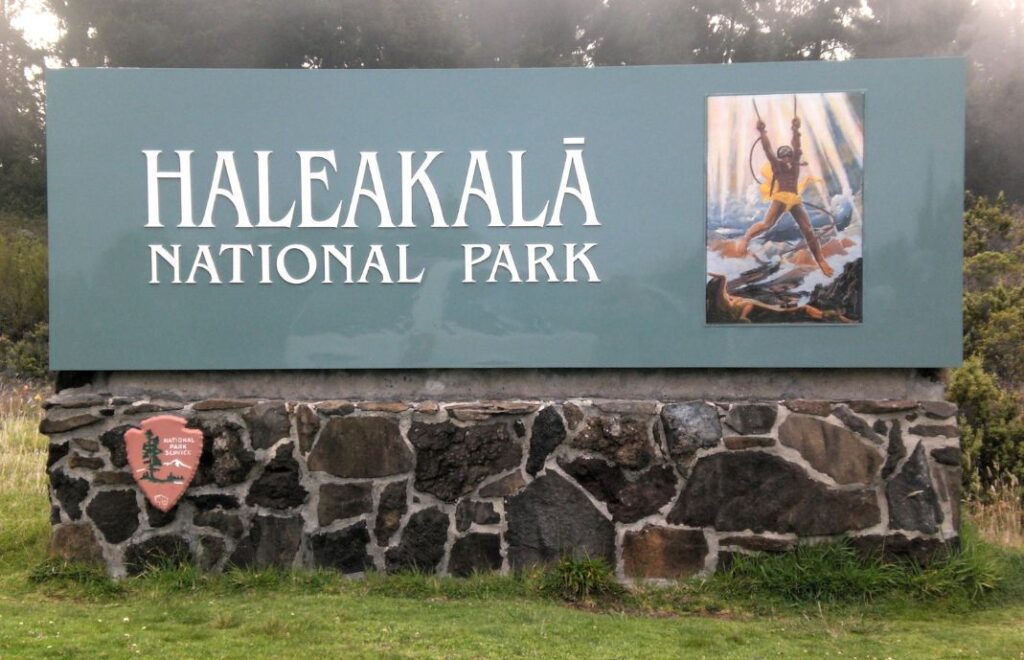
What to do & experience
Haleakalā National Park offers experiences that go far beyond sightseeing. Its dramatic elevation, diverse ecosystems, and cultural depth make it one of Hawaii’s most rewarding national parks to explore – whether you have a few hours or several days.
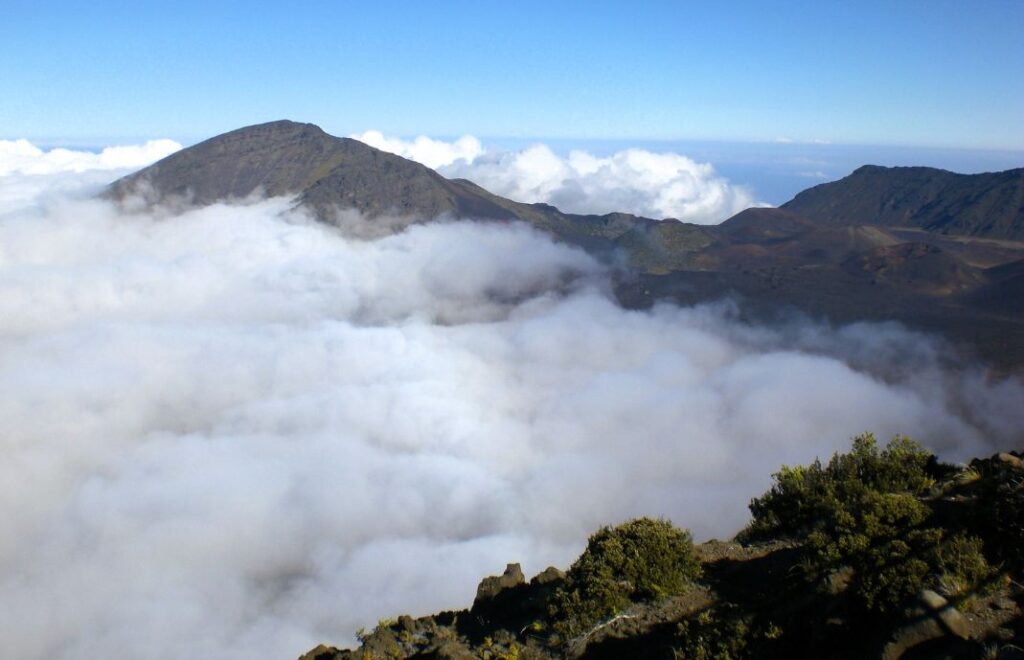
One of the most iconic experiences is watching the sunrise or sunset from the summit. As the light shifts across the volcanic landscape and clouds drift far below, the park reveals a sense of scale and stillness that feels almost unreal. Visitors should plan ahead, as sunrise access requires reservations, and temperatures at the summit can be surprisingly cold.
Hiking is another defining experience. Trails descend into the vast summit depression, where cinder cones, lava fields, and sweeping ridgelines create a landscape unlike anywhere else in Hawaii. For those seeking contrast, the park’s Kīpahulu District on the eastern side of Maui offers lush rainforest, waterfalls, and the famous Pīpīwai Trail, leading through bamboo forests to Waimoku Falls.
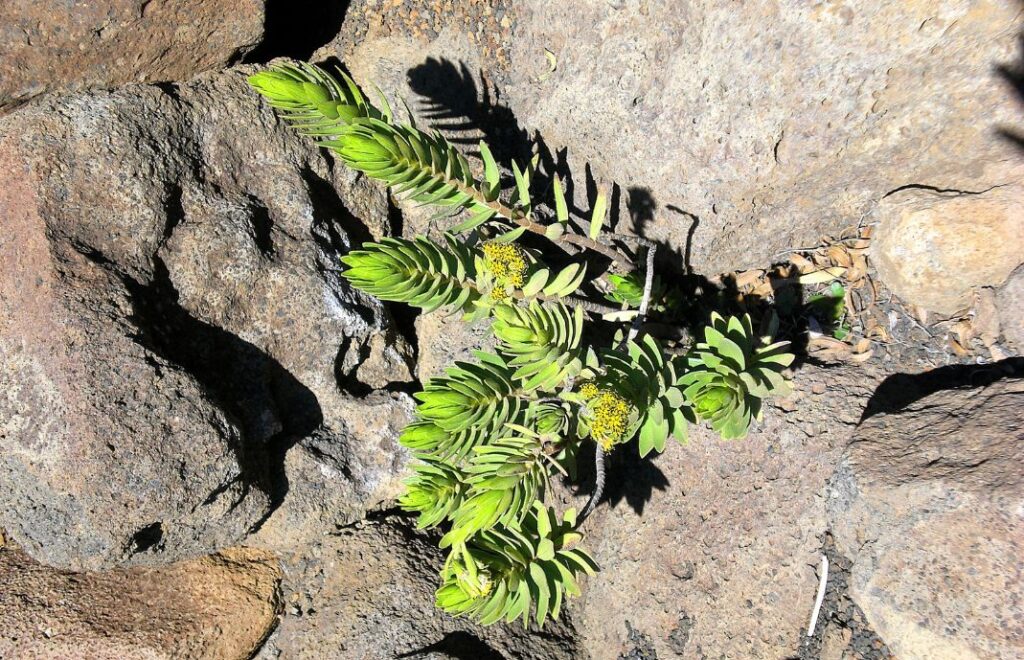
Wildlife and plant life are equally compelling. The park protects rare native species found nowhere else on Earth, including the nēnē (Hawaiian goose) and the silversword plant, which thrives in the harsh alpine environment. Simply slowing down and observing these fragile ecosystems is part of the experience.
Whether standing above the clouds, walking through volcanic silence, or listening to the wind move through bamboo groves, Haleakalā invites visitors to experience Maui in a deeper, more contemplative way. This experience is defined by nature, culture, and a powerful sense of place.
Cultural & spiritual significance of Haleakalā
For Native Hawaiians, Haleakalā National Park is far more than a scenic destination. It is a sacred landscape deeply woven into Hawaiian cosmology, identity, and tradition. The mountain’s name, meaning “House of the Sun,” reflects its powerful place in Hawaiian mythology and its long-standing spiritual importance.
According to legend, the demigod Māui climbed Haleakalā to capture the sun, slowing its path across the sky to give people longer days to work and live. This story is not merely folklore, but a reflection of the mountain’s role as a place of balance between humans, nature, and the spiritual realm. The summit area has historically been used for prayer, ceremony, navigation, and reflection, with many sites considered sacred to this day.
Respect for Haleakalā remains central to contemporary Hawaiian culture. Visitors are encouraged to approach the park with mindfulness – staying on trails, avoiding disturbance of cultural sites, and recognizing that silence and restraint are part of honoring the land. Watching the sunrise or walking the summit trails is often experienced as a spiritual moment, not just a visual one.
To truly experience Haleakalā is to understand it not only as a national park, but as a living cultural landscape. A visit becomes richer when travelers acknowledge the stories, beliefs, and traditions that continue to give meaning to this powerful place – reminding us that some landscapes are meant to be felt as much as they are seen.
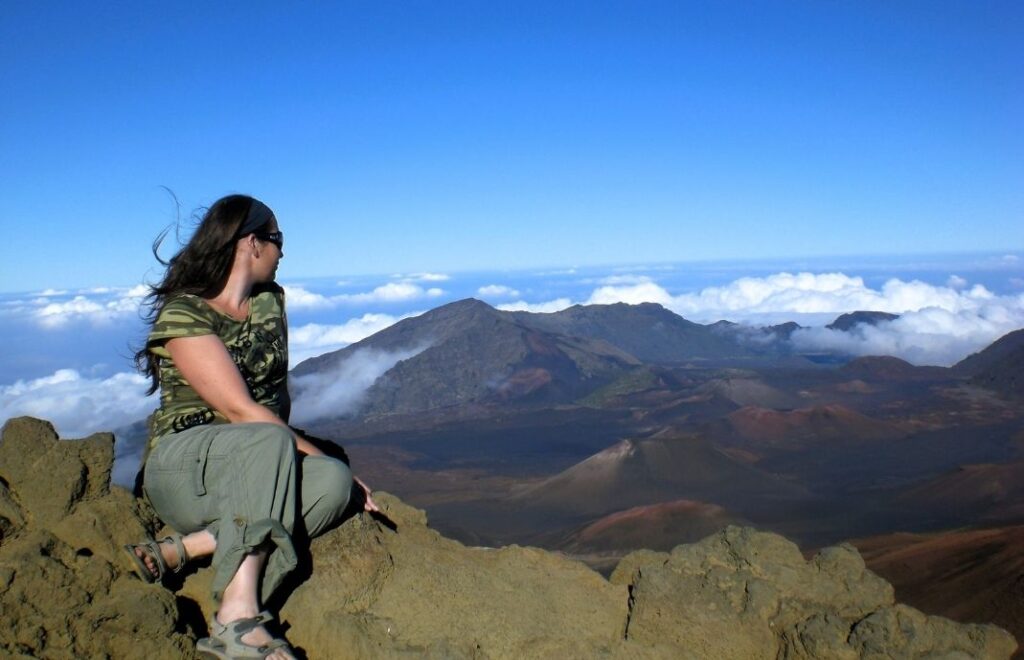
Practical tips for visiting
Visiting Haleakalā National Park is an unforgettable experience, but a little preparation goes a long way in making the most of your time in this unique environment.
Plan for altitude and weather
The summit rises over 3,000 meters (10,000 feet) above sea level, and temperatures can be near freezing – even when the rest of Maui is warm and sunny. Dress in layers, bring a windproof jacket, and allow time to acclimate, especially if you are sensitive to altitude.
Reserve sunrise access in advance
Sunrise at the summit is one of the park’s most popular experiences and requires a timed reservation. These often sell out quickly, so booking ahead is essential. Sunset does not require a reservation and can be just as spectacular, with fewer crowds.
Drive carefully and allow extra time
The road to the summit is steep, winding, and exposed, with limited services along the way. Fill up on fuel before entering the park, and drive cautiously – especially in fog, rain, or low light conditions.
Respect the land and its culture
Haleakalā is a sacred place. Stay on marked trails, do not remove rocks or plants, and observe posted guidelines. Keeping noise to a minimum enhances both the spiritual atmosphere and the experience for other visitors.
Bring essentials
There are limited food and water options inside the park, particularly at higher elevations. Pack plenty of water, snacks, sunscreen, and sturdy footwear if you plan to hike.
Approached with care and respect, Haleakalā rewards visitors with powerful scenery, deep quiet, and a sense of connection that lingers long after leaving the summit.
Practical information
Haleakalā National Park is easy to reach but feels wonderfully remote. Understanding the basics before you go will help you plan a smooth and respectful visit.
Location
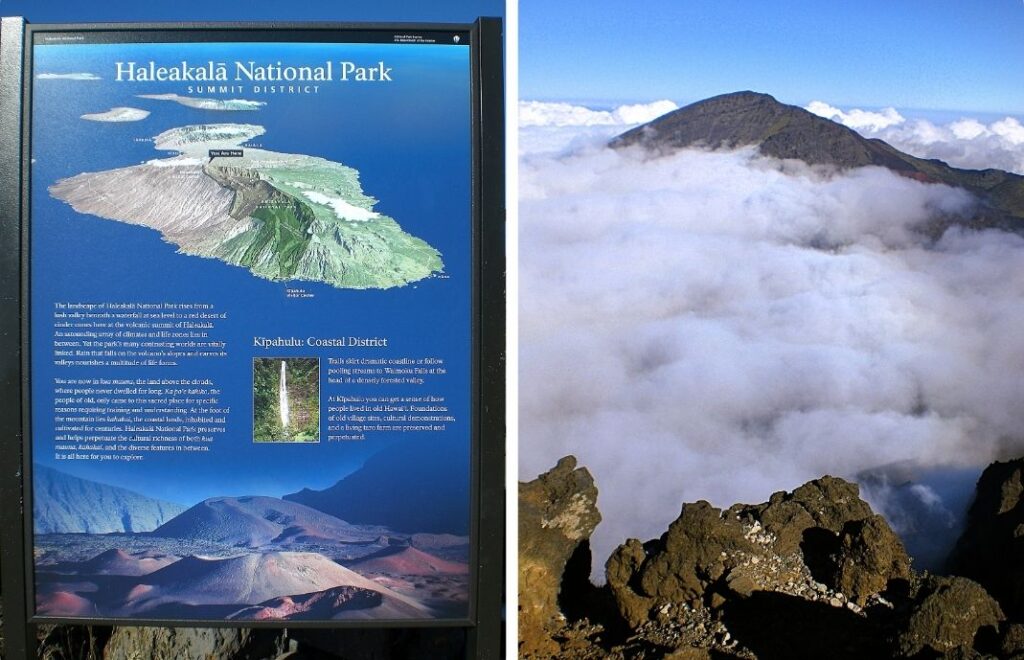
The park is located on the eastern side of the island of Maui and is divided into two distinct areas:
- Summit District – Home to the volcanic summit, crater trails, and sunrise/sunset viewpoints
- Kīpahulu District – A lush coastal section near Hāna, known for waterfalls and rainforest hikes
The two districts are not connected by road within the park and must be visited separately.
Opening hours
Haleakalā National Park is open 24 hours a day, year-round.
However, visitor centers have limited hours, and weather conditions can occasionally affect road access, especially at the summit.
Entrance fees
- Private vehicle: Valid for 3 days
- Pedestrian or bicycle: Reduced fee
- America the Beautiful Pass: Accepted
Entrance fees help support conservation, trail maintenance, and cultural preservation.
Permits & reservations
Sunrise at the summit requires an advance reservation, in addition to the park entrance fee. These reservations are limited and often sell out quickly.
Backcountry hiking and camping require permits, which must be obtained in advance through the National Park Service.
Facilities & services
Restrooms and visitor centers are available in both districts, but food, fuel, and lodging are not available inside the park. Cell service is limited, particularly in remote areas.
Best time to visit
The park can be visited year-round, but weather at the summit is unpredictable. Clear mornings often offer the best visibility, while afternoons may bring clouds. Winter months are cooler and quieter; summer offers longer daylight and more stable conditions.
With thoughtful planning, a visit to Haleakalā National Park becomes not just a stop on an itinerary, but a meaningful encounter with one of Hawaii’s most extraordinary landscapes.
