
Going on a safari in Africa sounds exotic, thrilling and a bit unnerving. It is easy to imagine roaring lions outside your door, elephants wandering past the pool, and hippos grassing in front of the restaurant. Being in the bush, you are also far away from civilization.
It is natural that first-timers to Africa might feel a bit nervous and insecure about safety and make them think twice. In reality, safari is remarkably safe when planned and booked through reputable operators. Africa’s safari industry has decades of experience, and it is built on the foundation of guests’ safety and established protocols.
Instead of letting the thought of a safari be a worry, let it become an experience of wonder.
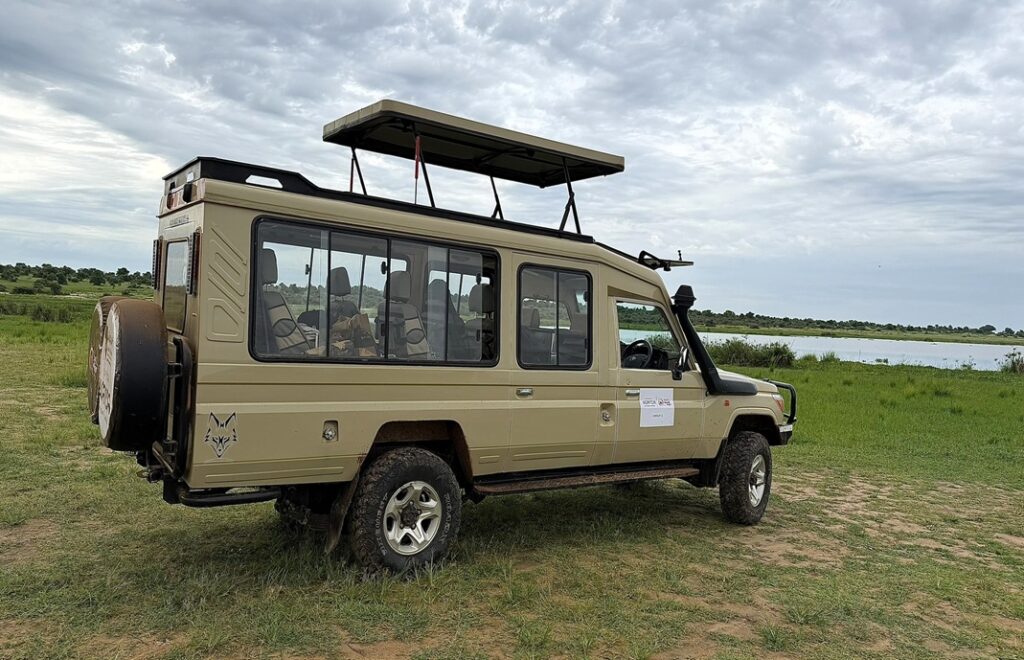
How dangerous are game drives?
The first thought that comes to mind is probably about how safe it is to be out among Africa’s amazing wildlife. You venture into a territory ruled by lions, elephants, rhinos, leopards, and hippos.
Rest assured. Game drives are conducted with guest safety as the highest priority.
Safaris are generally safe when they are done with professional guides (who are sometimes accompanied by skilled trackers). The guides navigate through the wilderness with an exceptional understanding of animal behavior, road conditions, and how to approach wildlife responsibly.
In the well-managed safari destinations, the animals are habituated to the sight and sound of safari vehicles, viewing them as a single. Non-threatening object. Remain seated and avoid sudden moments and loud noises, and you will become part of this harmless presence in the animals’ world.
The most important safety rule is to listen to your guide. Most dangerous situations happen when people ignore instructions, leave the vehicle, or forget that wild animals are unpredictable. A game drive is not like visiting a zoo. You enter a landscape where wildlife moves freely, and the animals should always be treated with respect.
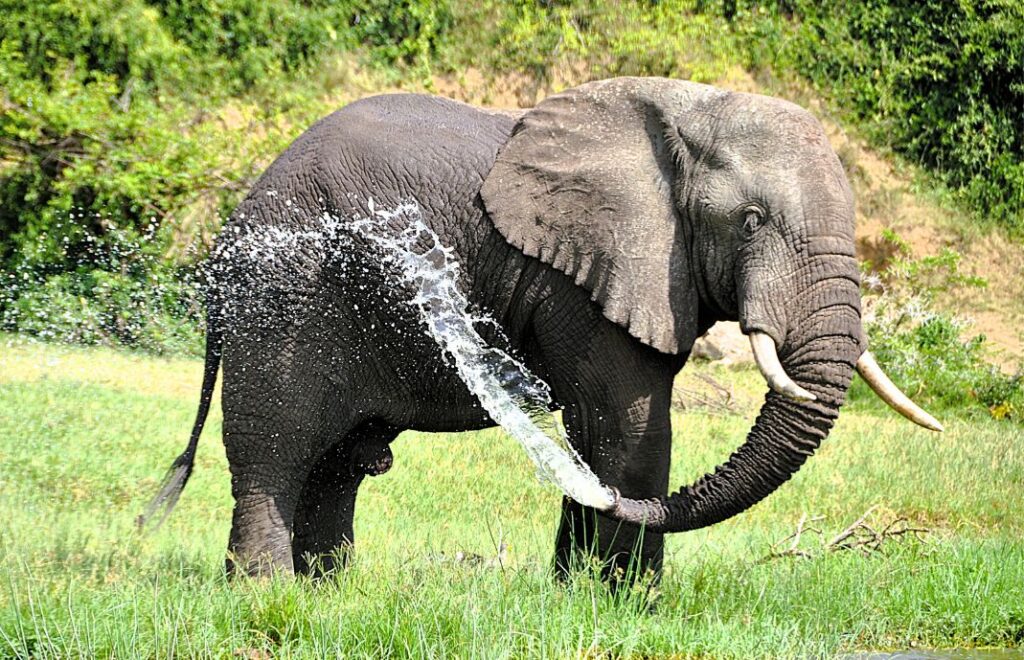
Are safari camps and lodges safe?
It is something unique and exciting to stay in the heart of the wilderness. Safari camps and lodges are purposefully designed to offer an authentic experience without compromising safety.
Reputable safari operators select camp and lodge locations carefully, ensuring they are situated in secure, remote areas. These areas are selected not only for exceptional wildlife viewing and natural beauty, but also for their distance from urban areas.
The result? You can enjoy a magical stay, with seclusion and tranquility of the African bush while staying in a safe environment.
Every safari camp and lodge operate with trained staff on duty around the clock. Guides and lodge staff are happy to assist you during the day. As night falls upon the bush, dedicated security personnel patrol the property. You can expect to be escorted around the property after dark.
Fenced vs. unfenced camps and lodges
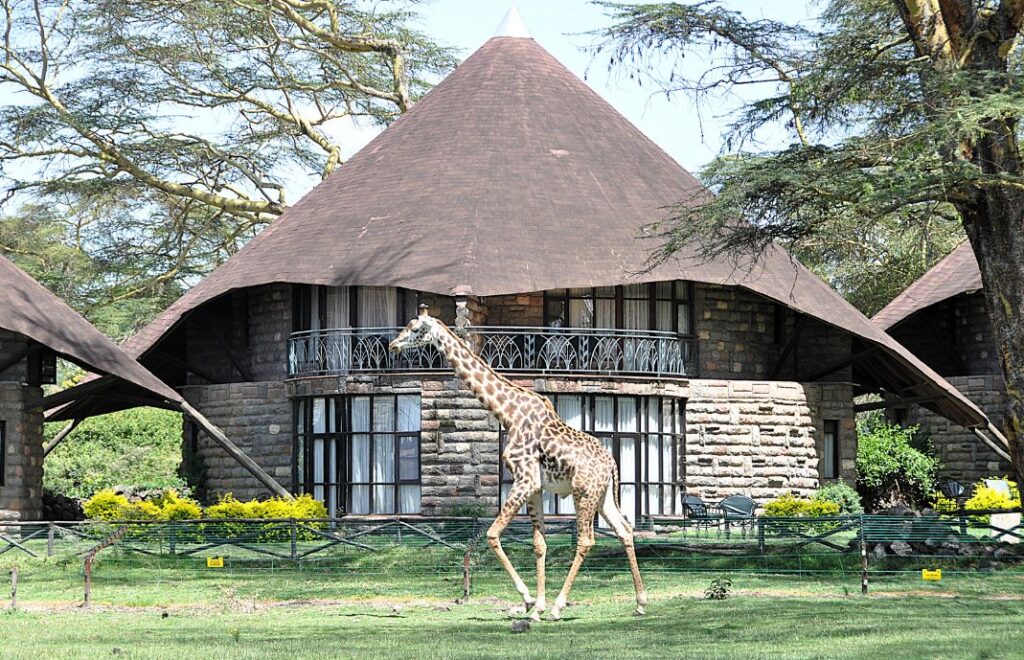
It might come as a surprise to learn that many of the camps and lodges are unfenced. Both fenced and unfenced setups are carefully managed to ensure the safety of the guests.
What kind of camp or lodge you decide to book comes down to what kind of experience you are looking for. If you are doing more than one national park or reserve, you can also do a combination so you can experience both options.
Fenced camps/lodges:
- They are designed to keep larger wildlife, such as elephants and predators, outside the guest areas.
- Fenced camps/lodges offer an extra sense of security, particularly for families and first-time safari travelers.
Unfenced camps/lodges:
- They provide a truly immersive experience. You fall asleep and might hear a lion roar close to your tent in the middle of the night.
- Safety protocols are strictly followed, and staff always escort guests after dark.
- Most wild animals avoid human activity naturally and are rarely interested in entering guest areas.
Medical precautions on safari
Health preparations are an important part of safari planning, especially because many safari areas are remote and far from major hospitals. Before travelling, speak with a doctor or travel clinic about your specific itinerary, as recommendations can vary depending on the country, season, altitude, and areas you will visit.
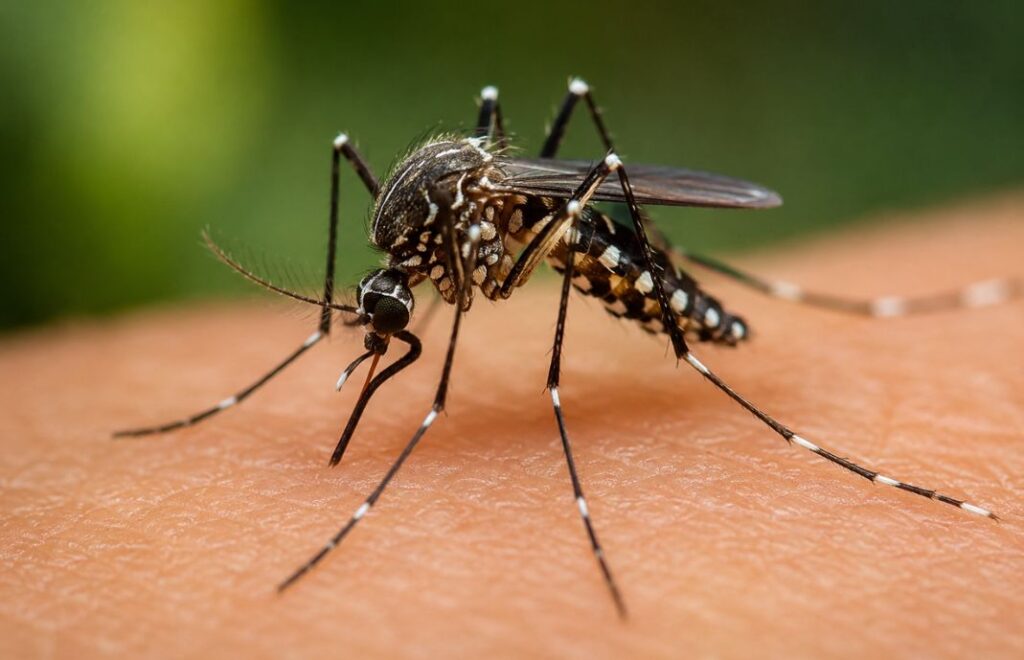
Malaria prevention is often one of the main topics to discuss. Some safari destinations are in malaria-risk areas, while others are not. A travel health professional can advise whether you need antimalarial medication. You should also protect yourself from mosquito bites with repellent, long sleeves in the evening, and mosquito nets where provided.
Vaccinations may also be recommended, and in some cases required, depending on where you are going and where you are travelling from. It is best to check this well in advance, as some vaccines need time to become effective.
It is also smart to travel with a small medical kit containing personal medication, pain relief, stomach medicine, antihistamines, plasters, antiseptic wipes, sunscreen, insect repellent, and any prescription documents you may need.
Good travel insurance is essential, preferably with medical evacuation cover, because safari lodges and camps can be far from advanced medical care.
Many camps and lodges have a doctor on site and many also partner with flying doctor services for emergency evacuation if needed.
How to stay safe on safari
Wildlife encounters can feel thrillingly close, but with the right behavior, a safari remains a safe and well-managed adventure.
- Always listen to your guide and follow instructions.
- Stay inside safari vehicles. Don’t lean out or stand up suddenly.
- Avoid loud noises and sudden movement around animals.
- Wear neutral-colored clothing.
- Follow the park rules.
- Never wander outside camp at night without an escort.
- Bring necessary medications and have reliable travel insurance.
More inspiration: 8 tips for booking your African safari
