
Lions almost always top the wish list when venturing into the African bush. It doesn’t matter whether it’s your first safari or you’re a seasoned wildlife enthusiast.
The majestic lion is the undisputed icon of Africa’s famed Big Five, and a firm favorite among safari-goers.
These powerful predators can be seen across many national parks and private game reserves throughout East and Southern Africa. But make no mistake: spotting a lion in the wild is a privilege.
Since the 1990s, Africa has lost more than 40% of its lion population, primarily due to habitat loss and human-wildlife conflict. The species is now listed as Vulnerable by the IUCN.
To maximize your chances of seeing lions in their natural habitat, consider heading to one of these renowned safari destinations – each celebrated for its healthy lion populations and unforgettable wildlife encounters.
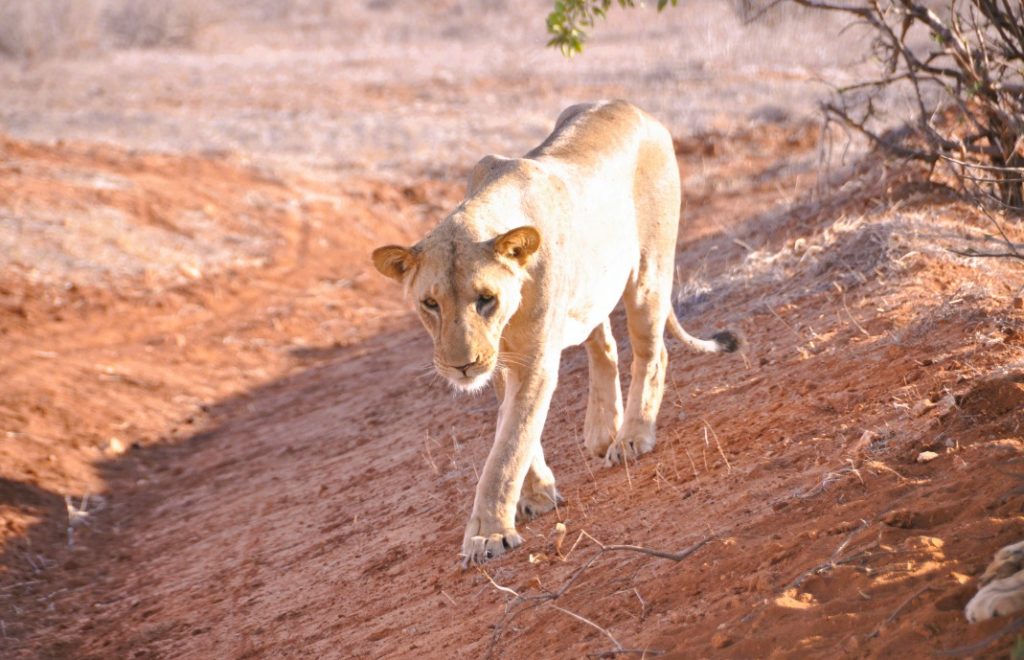
Masai Mara National Reserve, Kenya
Kenya’s crown jewel, the Masai Mara, is widely regarded as one of the finest national parks in the world.
And for good reason – this legendary reserve is home to The Great Migration, a breathtaking spectacle where over two million wildebeest and zebras pour in from the Serengeti (Tanzania), bringing a trail of hungry predators in their wake.
Though the estimated lion population in Masai Mara sits at around 1,000, don’t let that number fool you. This is one of the very best places on Earth to see lions in the wild. The open savannahs provide excellent visibility, and sightings are frequent and often dramatic. Masai Mara is also home to some of the world’s most famous lions, immortalized in the iconic Big Cat Diary documentary series.
Best time to see lions in Masai Mara:
July and August, during the height of the Great Migration. During this period, it’s not uncommon to witness entire prides of lions lying in wait near the riverbanks, anticipating the dramatic crossings of wildebeest – a raw and unforgettable experience.
More inspiration: A guide to Masai Mara National Reserve

Serengeti National Park, Tanzania
The iconic Serengeti is one of Africa’s oldest and most celebrated national parks – a name that resonates with wildlife lovers and adventurers across the globe. Known for its sweeping golden plains and dramatic skies, the Serengeti is nothing short of a safari dreamscape.
Each year, hundreds of thousands of visitors from around the world come to witness the awe-inspiring spectacle of The Great Migration – a pulsating river of wildebeest, zebras, and gazelles in constant motion. And in the shadows, the predators await.
Serengeti boasts the largest population of predators in Africa, including an astonishing 3,000 lions. These formidable big cats rule the plains with raw power and grace. Whether lounging beneath acacia trees, stalking prey through the tall grass, or raising their young within a pride, lions are a near-daily sight here.
For those in search of a classic African safari filled with unforgettable lion encounters, Serengeti is a bucket-list destination that delivers every time.
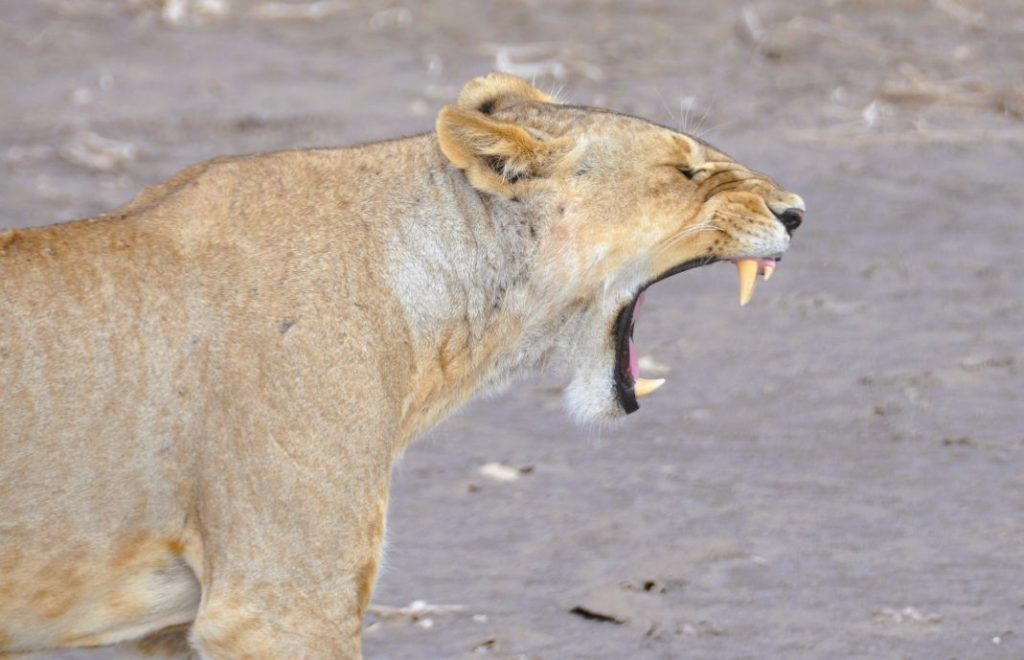
Okavango Delta, Botswana
In the heart of Botswana lies one of Africa’s most extraordinary ecosystems – the Okavango Delta. This lush, labyrinthine network of waterways, islands, and floodplains is not only a UNESCO World Heritage Site, but also a haven for one of the highest concentrations of lions in the world – around 2,300 strong.
What makes lion sightings here so exceptional is the setting itself. Imagine the raw spectacle of a lion swimming between islands in pursuit of prey during the flood season – a surreal, primal ballet of predator and landscape. Unlike their counterparts in drier regions, the lions of the Okavango are larger and more muscular, an adaptation to their swampy terrain and larger prey.
These powerful lions often take on formidable animals like buffalo, giraffes, and even elephants – a rarity in the feline world. The watery battles that ensue are the stuff of legend, and a true highlight for safari-goers lucky enough to witness them.
And just a short distance away, Chobe National Park offers even more chances to encounter lions in the wild, often set against a dramatic backdrop of elephants and riverine forests.
Best time to see lions in the Okavango Delta: May through August, when seasonal floods concentrate both prey and predators onto higher ground, making for spectacular and accessible wildlife encounters.
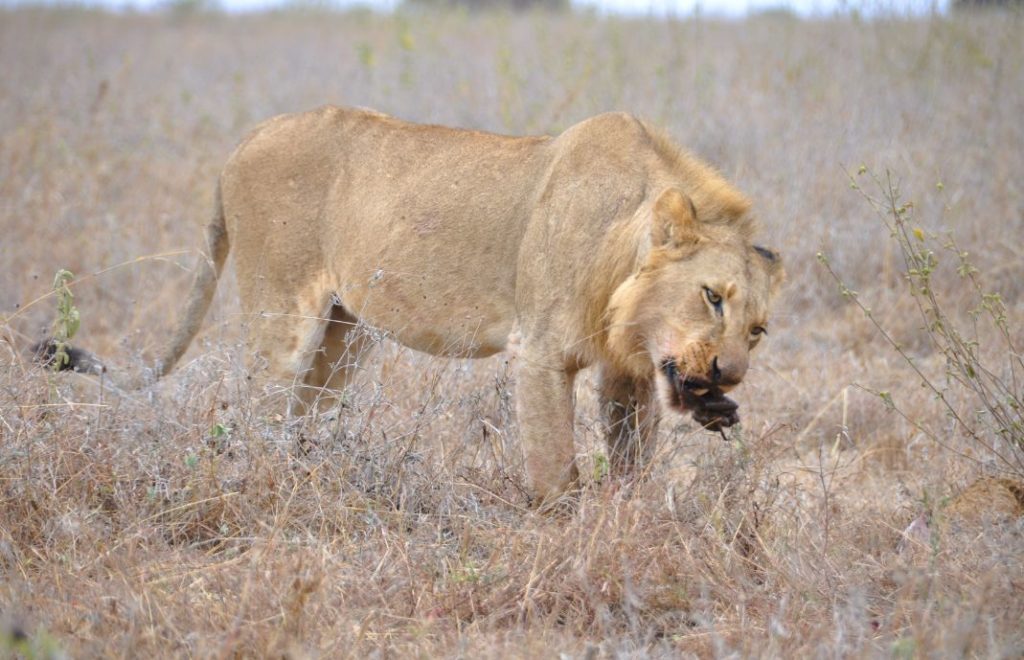
Kruger National Park, South Africa
As South Africa’s flagship reserve, Kruger National Park is one of the most iconic wildlife destinations on the planet. Stretching across the northeast of the country, it is a vast and diverse sanctuary where the wild heart of Africa beats in full force.
With around 1,800 lions calling it home, Kruger is a paradise for big cat lovers.
The park’s southern region, especially the 90-kilometer corridor between Lower Sabie and Satara, has rightfully earned its nickname: Lion Country. This stretch is legendary for its frequent and dramatic lion encounters, often featuring large prides lounging under acacia trees or stalking prey across the golden savannah.
But the experience doesn’t stop at Kruger’s borders. The adjoining private reserves – including Sabi Sands, Timbavati, and Klaserie – are unfenced extensions of the park that offer some of Africa’s most exclusive and intimate safari experiences. These reserves are renowned for their close-up sightings, off-road game drives, and luxurious lodges. Timbavati, in particular, is famous for its elusive and enchanting white lions – a rare genetic variation that adds a touch of magic to any sighting.
Best time to see lions in Kruger National Park: The dry winter months (May to August) are ideal. Cooler temperatures and sparse vegetation make wildlife easier to spot, especially around waterholes where both predator and prey gather during the dry season.
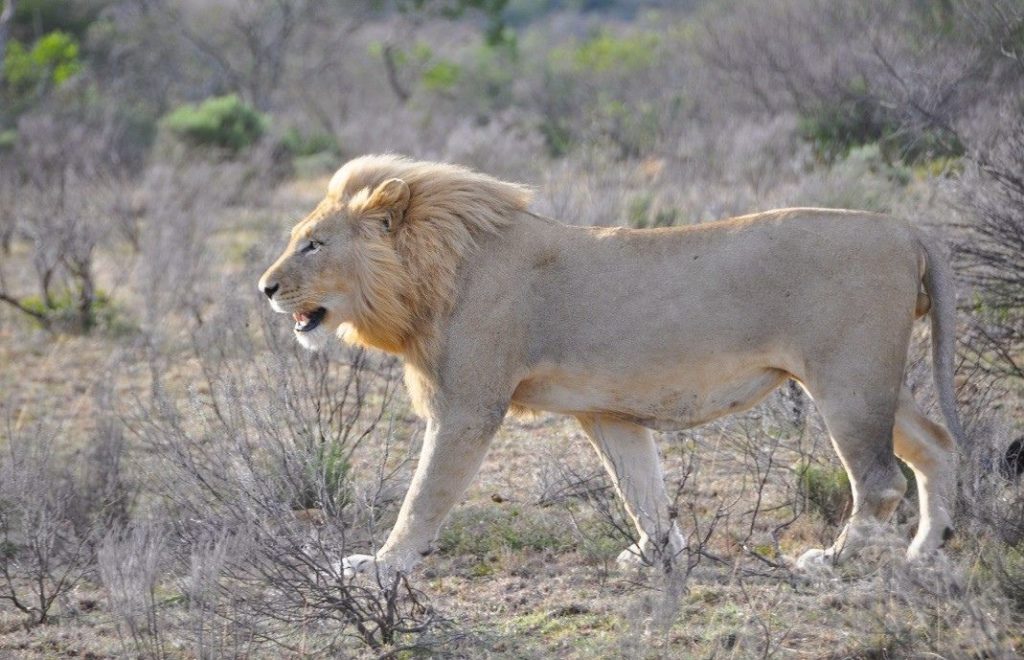
South Luangwa National Park, Zambia
Nestled in the wild and remote eastern corner of Zambia, South Luangwa National Park is a hidden gem for lion lovers and safari purists. This extraordinary park is renowned for its exceptionally large lion prides, some numbering up to 30 individuals – a rare sight in the African wild.
What sets South Luangwa apart is its dense concentration of wildlife. In the southern part of the park, prey is abundant and territories are compact, making it easier to find lions without having to cover vast distances. The result? Frequent, close encounters with these apex predators in their natural element.
Adding to its allure is South Luangwa’s unique offering of night safaris, one of the few places in Africa where this is permitted. As the sun sets and darkness cloaks the bush, the lions emerge in their most primal state – alert, active, and on the hunt. Witnessing a pride on the move by moonlight is an unforgettable, pulse-raising experience.
But for those seeking an even deeper connection to the land, South Luangwa is also hailed as the birthplace of the walking safari. Guided by expert rangers and trackers, you can follow paw prints, read the bush, and feel the thrill of encountering Africa’s top predator on foot – a humbling, exhilarating adventure few other parks can match.
Best time to see lions in South Luangwa: The dry season from June to October offers the best conditions for wildlife viewing, as animals congregate around water sources and visibility improves with the thinning vegetation.
Ruaha National Park, Tanzania
Tucked away in the heart of southern Tanzania lies Ruaha National Park – a vast, untamed wilderness that remains one of East Africa’s best-kept secrets. Despite being the third largest national park in Tanzania, it is surprisingly under-visited, making it a dream for safari-goers in search of raw, authentic Africa.
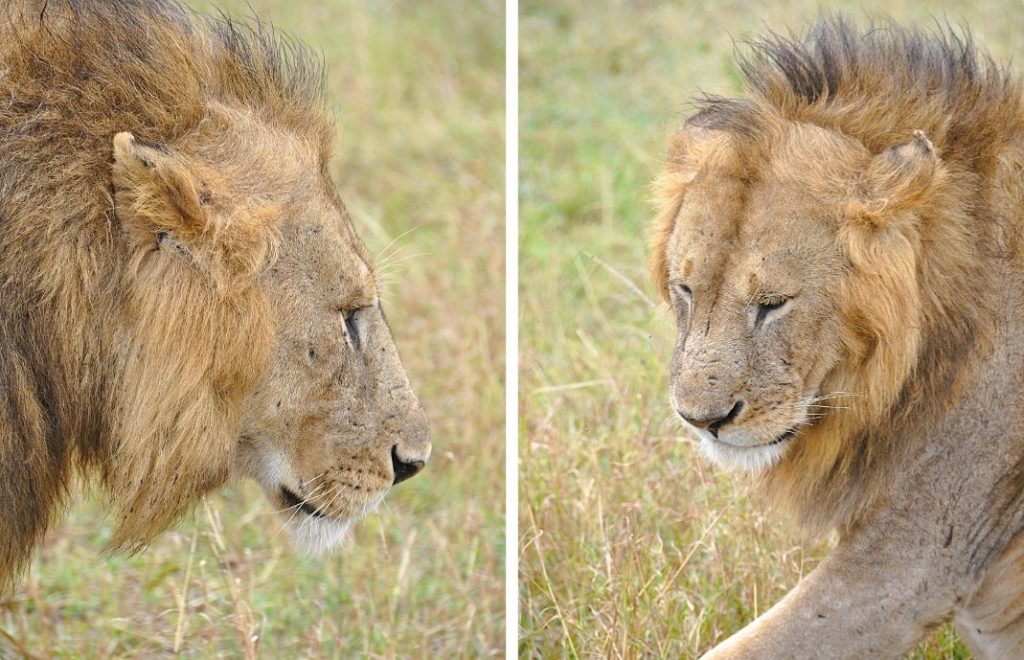
But what truly sets Ruaha apart is its staggering lion population. The park harbors 40% of Tanzania’s lions and 10% of the entire African lion population, earning it a well-deserved reputation as one of the continent’s most prolific strongholds for this iconic predator.
In Ruaha, lion prides can be exceptionally large, with up to 30 individuals. Their territories are relatively compact, meaning you’re not just likely to see lions – you’re likely to see a lot of them. These prides are known to take down formidable prey, including buffalo and giraffe, and their dramatic hunts unfold in a cinematic setting of baobab-dotted plains and rugged escarpments.
Ruaha is also where solitude meets splendor. With fewer tourists and minimal vehicle traffic, every sighting feels personal and profound. It’s a place where the sounds of the bush remain undisturbed, where the pulse of Africa beats strong, and where the wilderness still feels wild.
Best time to see lions in Ruaha: The dry season from June to October is ideal for lion sightings, as wildlife congregates along the dwindling river systems and the bush opens up for clearer views.

More inspiration on where to see Africa’s wildlife:
5 incredible places to see elephants in Southern Africa
10 top places to see hippos in Africa
