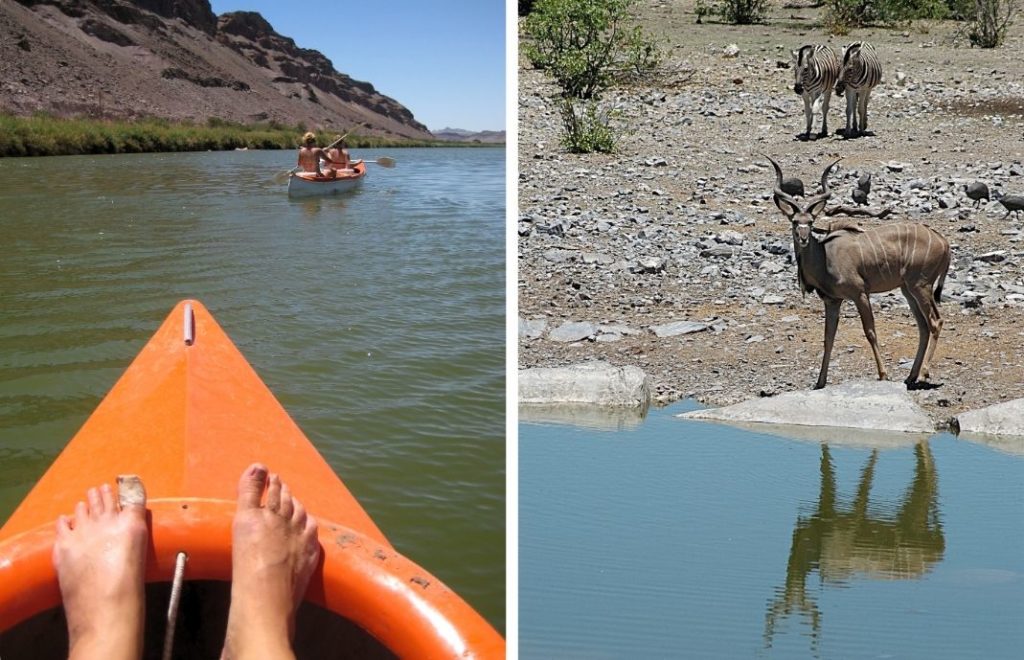
Namibia is a land that speaks to all the senses – a vast, untamed canvas where nature paints in bold, dramatic strokes. It’s a country of colors: lush green treetops shimmering in the sun, sleek foliage glistening after rain, towering orange dunes where desert kisses ocean, crimson sunsets that set the sky ablaze, shimmering salt pans that stretch to infinity, and mountains cloaked in muted grays.
Namibia is a land of wonders. Endless plains where wildlife moves in the eternal rhythm of the circle of life. Heavy storm clouds brooding over rugged peaks. Warm, welcoming people greeting you with open hearts. Hikes along dizzying cliff edges that plunge to river valleys below. Canoe journeys on tranquil lakes. Adrenaline-pumping adventures across sand, sea, and stone. Ancient cultures that whisper tales from centuries past.
Namibia is a land of sounds. Elephants trumpeting across vast distances. Lions roaring their dominance after dark. Seals crying in unison along the windswept shores. The hypnotic beat of drums pulsing through the night. Songs sung in languages you don’t understand – but feel in your bones. The relentless crash of waves pounding the Skeleton Coast. The explosive splash of a whale’s tail slamming the glittering ocean surface.
Namibia lives. It pulses through your veins, lodges deep in your soul, and seduces you completely. One visit is never enough – because this is a love affair you’ll never want to end.
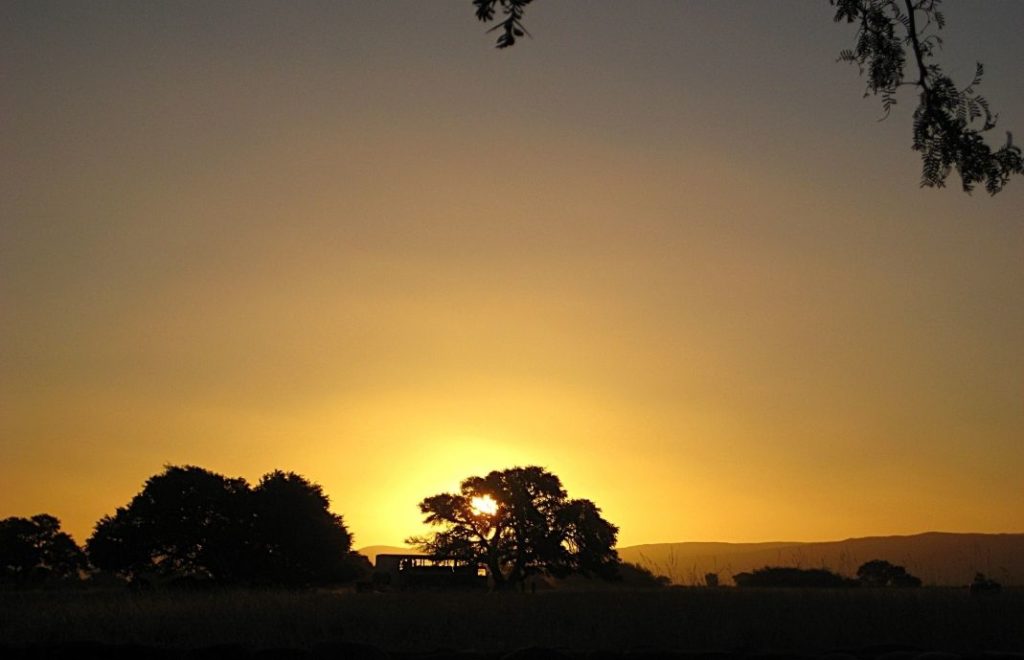
This is Namibia
Namibia is an immense land – an intricate tapestry of contrasts and colors, woven from countless threads of nature, culture, and history.
To the west lies the Namib Desert, an otherworldly expanse where towering dunes – silent and nearly untouched – roll endlessly toward the Atlantic Ocean. These fiery orange sands meet the crashing surf in a dramatic union of desert and sea.
Beyond the desert, a rugged spine of mountains runs north to south, slicing through the horizon with jagged precision. Eastward, the terrain softens into vast plateaus and grassy savannas, punctuated by thorny scrub – a sanctuary for creatures adapted to thrive in arid wilderness.
And then there’s Etosha National Park, one of the most celebrated wildlife havens on Earth. Here, drama unfolds daily on the salt pans: elegant red hartebeest clash in fierce combat, warthogs trot along dusty trails, lions scan the plains for their next kill, leopards drape themselves lazily across tree limbs, and flocks of crimson-billed hornbills scour the ground for insects, seeds, and unsuspecting reptiles.
Namibia isn’t just a destination – it’s a living masterpiece of extremes. From raw desert beauty to teeming wildlife and ancient geological wonders, this is a country that demands not just to be seen, but to be felt.
Etosha National Park – A wildlife spectacle
When it comes to national parks in Namibia, Etosha is the undisputed crown jewel. Sprawled across the country’s northwest, this iconic park isn’t just Namibia’s most celebrated attraction – it’s one of the most extraordinary safari destinations in all of Africa.
At its heart lies the Etosha Pan, a vast, shimmering salt flat so immense it’s said to be visible from the moon. This surreal landscape, stark and luminous, forms the stage for nature’s most dramatic performances.
Established in 1907, Etosha offers a safari experience that can be tailored to any traveler’s dream – whether you prefer the freedom of self-drive or the insights of a guided expedition. Either way, the magic begins at dawn.
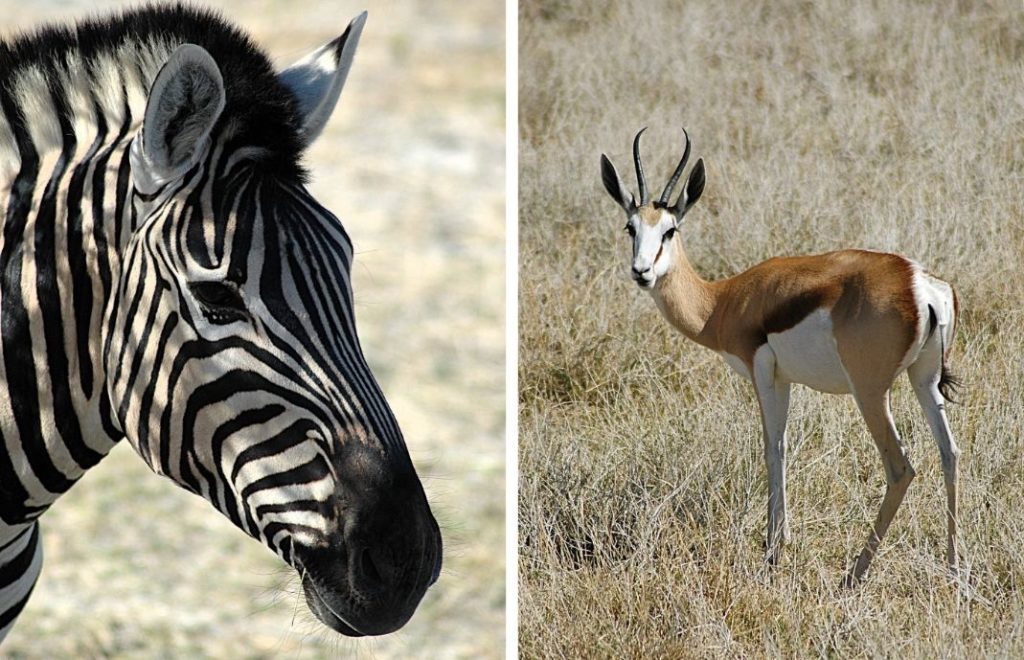
And Etosha doesn’t disappoint. Life bursts forth in abundance: mischievous baboons, elegant giraffes, stately kudus, herds of zebras and gnus, and the proud silhouettes of ostriches sweeping across the plains. Predators lurk too – lions prowling in the shadows, jackals slinking past with quick, hungry glances. And then, the giants: elephants materialize from the dust like ancient gods, their presence commanding, their size humbling.
Some encounters feel almost intimate. At one stop, a zebra leans its finely striped head through the car window, eyes liquid and unhurried, before retreating with quiet dignity to graze.
But the day’s crescendo is a pair of rhinos – a living relic of a prehistoric world. They lumber side by side like an old married couple, armored bodies swaying in unison. They nibble at scrub, paw at the sand, and stand as a reminder of resilience in a fragile world.
Etosha isn’t just a safari. It’s an immersion into raw, unfiltered life, set against a backdrop so vast it makes you feel both small and infinite at once.
More inspiration: A guide to Etosha National Park
Sossusvlei – Home of the legendary Dune 45
If there’s a single image that captures Namibia’s raw and untamed beauty, it’s Sossusvlei. A vast salt and clay pan framed by a sea of towering red dunes in the southern reaches of the Namib Desert. This landscape is nothing short of surreal, a natural masterpiece sculpted over millions of years.
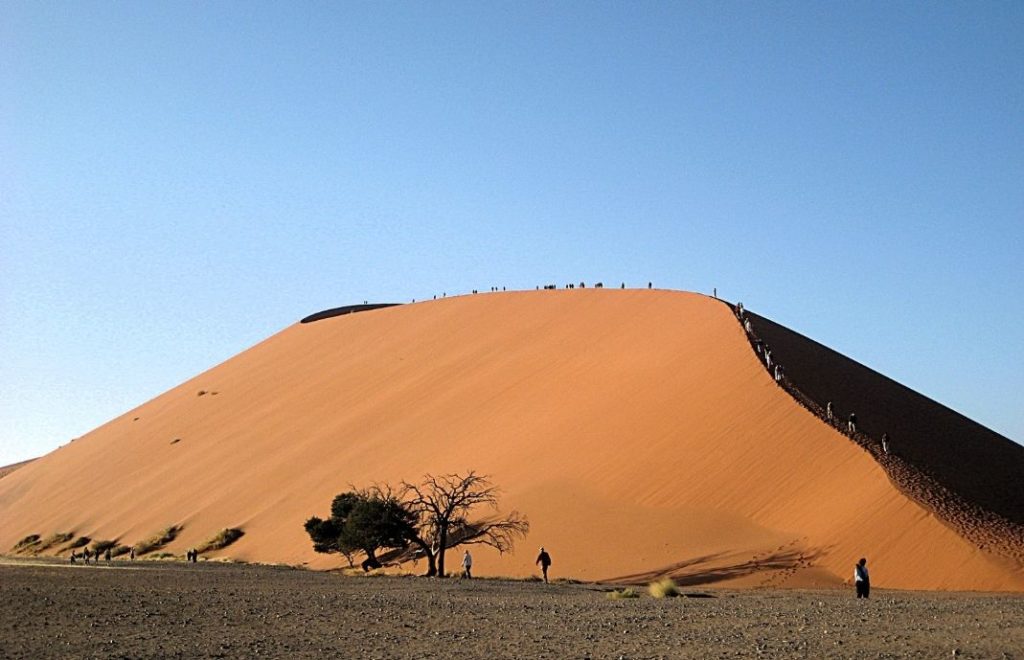
Among these giants rises the undisputed star: Dune 45. Famous for its sinuous curves and easy access, it’s one of the most photographed dunes in the world – and for good reason. At 85 meters high, it offers a climb that is as challenging as it is rewarding.
To experience Dune 45 at its finest, start early. Ascend in the cool hush of dawn and watch as the first rays of sunlight ignite the desert, painting the sand in shades that shift from deep crimson to glowing gold. From the summit, the panorama of Dune Valley stretches endlessly – a rolling ocean of red that takes your breath away.
The dunes of the Namib are more than a visual wonder – they are ancient. Formed from sand carried inland from Namibia’s coast, they date back over five million years. Their striking hue comes from iron oxide, which gives the sand its rich, rusty color. As the sun arcs across the sky, the dunes appear to change color – blazing orange at sunrise, a muted amber by midday, and deep burgundy at dusk.
In Sossusvlei, time feels suspended. It’s a place that silences the world, leaving only wind, sand, and the echo of eternity.
Spitzkoppe – Nature’s ancient cathedral
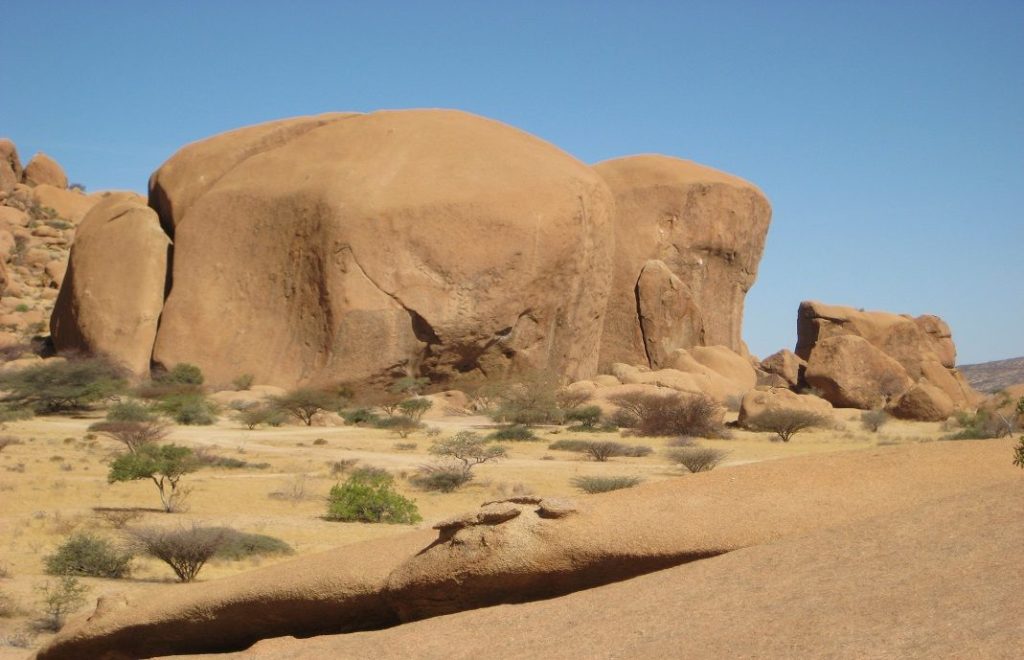
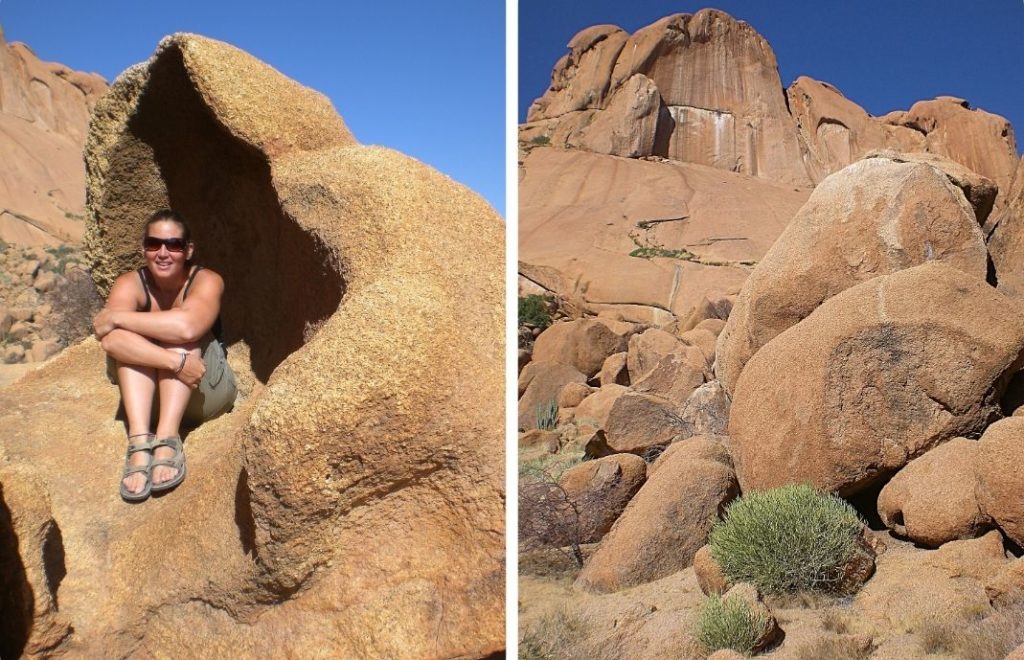
Rising like a jagged fortress from the flat expanse of the Namib Desert, Spitzkoppe is one of Namibia’s most striking natural landmarks. Here, monumental granite towers – some soaring to 1,784 meters – pierce the sky, their weathered surfaces glowing under the relentless desert sun. These geological giants were born some 700 million years ago, and their presence carries the weight of deep time.
This otherworldly landscape holds more than geological wonders. Hidden among the rocks are ancient Bushmen rock paintings, etched thousands of years ago – a testament to the people who once called this harsh land home.
With daytime temperatures often soaring beyond 45°C, survival here seems improbable. Yet, life clings tenaciously to this scorched terrain. Hardy shrubs flaunt vivid green leaves against a backdrop of ochre stone, while resilient creatures like gemsbok, springbok, and klipspringer antelope roam the shadows. Even jackals and hyenas make their stealthy rounds under the desert moon.
But it is the light that transforms Spitzkoppe into pure magic. At sunrise, the landscape blushes in a breathtaking palette of crimson, amber, and gold, kissed with hints of lavender and rose. And when night falls, the darkness becomes a velvet canvas studded with stars – brilliant, infinite, and utterly humbling.
To climb one of these granite spires at dawn is to witness Namibia at its most poetic: silent, timeless, and ablaze with color. By evening, lying under a starlit sky so luminous it feels close enough to touch, you realize Spitzkoppe isn’t just a destination – it’s a communion with eternity.
Cape Cross – Where the seals reign supreme
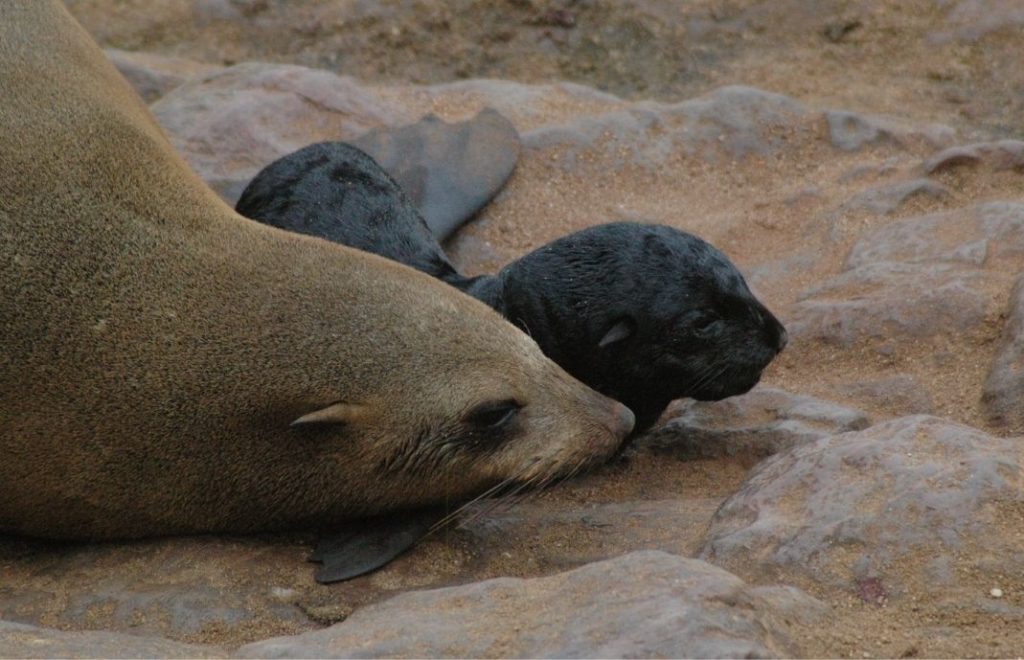
Few places in Namibia assault your senses quite like Cape Cross. Here, the air hums with history and roars with life. As you approach, the first thing you notice is the sound – a deafening chorus of barks, grunts, and growls rising from the shore. Then the sight hits you: a sprawling, writhing carpet of fur. Nearly 100,000 seals call this place home – and in peak breeding season (November to December), that number swells to a staggering 210,000.
It’s a scene as chaotic as it is mesmerizing. Males bellow and posture, defending their sandy thrones, while pups waddle clumsily among the throngs, bleating for attention. The sheer vitality of this colony is overwhelming – a raw display of nature’s abundance.
But Cape Cross isn’t just about wildlife; it’s steeped in history, too. In 1486, Portuguese navigator Diogo Cão landed here during his second expedition south of the equator. To mark the feat, he erected a stone cross – a replica of which still stands today, a silent sentinel over this wild and windswept coast.
A raised boardwalk offers visitors a front-row view of the spectacle – close enough to feel the spray of the Atlantic and catch the salty tang of the sea (and the seals).
If you’re lucky, you might witness something extraordinary. I did: a female seal giving birth right before my eyes. Her tender nuzzles, the newborn’s first squeaks. It was so intimate, so primal, that I forgot entirely to reach for my camera. Some moments are simply too sacred for a lens.
Swakopmund – The adventure capital of Namibia
If Namibia is a land of contrasts, then Swakopmund is its playground – a breezy coastal resort where the Atlantic meets the ancient Namib Desert, and adventure roars to life. Travelers from across the globe flock here for one reason: adrenaline.
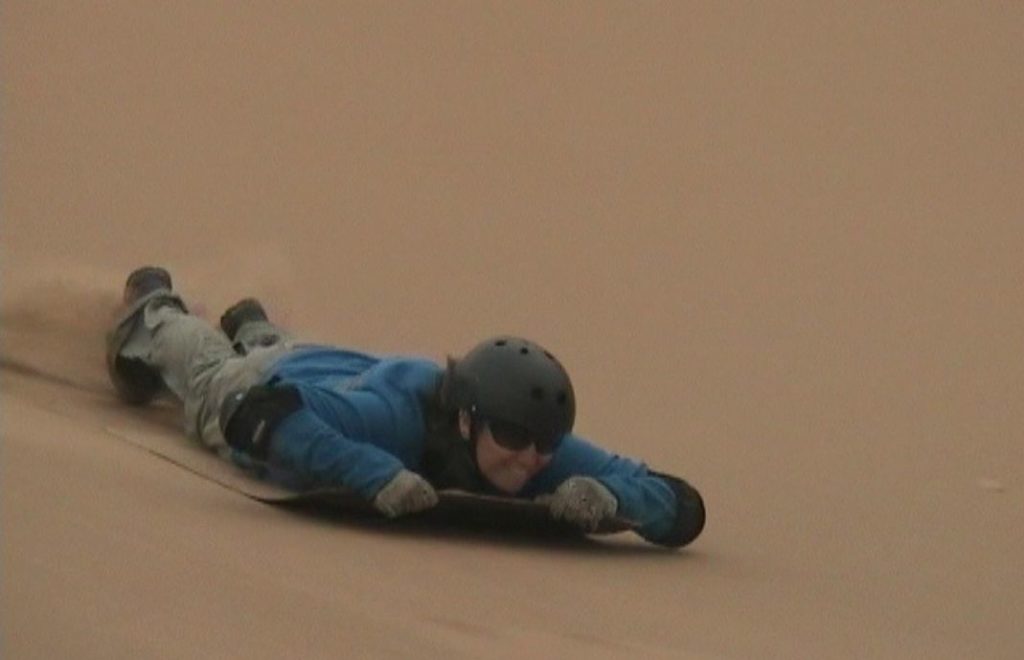
At the heart of the action are the towering dunes of the Namib, the oldest desert in the world. These sculpted giants are the perfect stage for sandboarding, the desert’s answer to snowboarding – only hotter, wilder, and grittier.
There are two ways to ride the dunes: standing, like on a snowboard, or lying flat on your stomach. If speed is your drug, go prone. It’s the fast track to a pure rush.
The challenge starts long before the ride. Clutching your board, you slog upward, step by sandy step, shoes sinking as the desert swallows your effort. At the summit, wind whipping through your helmet strap, the view stretches forever—a surreal panorama of flame-colored dunes against cobalt sky.
Then comes the plunge. You position the board, take a deep breath, and launch. Gravity grabs hold and suddenly the world blurs – 80 kilometers per hour of pure, unfiltered thrill. The roar in your ears is part wind, part pounding heart. At the bottom, grinning like a maniac, you fling yourself off the board, shake out the sand, and start climbing again. More. Always more.
And the best part? This is an eco-friendly thrill – no engines, no emissions, just you, the board, and the desert’s raw power. The sand that infiltrates places you didn’t know existed? A small price to pay for a memory like this.
More inspiration: Conquering Namibia’s desert waves
Fish River Canyon – Nature’s grand design
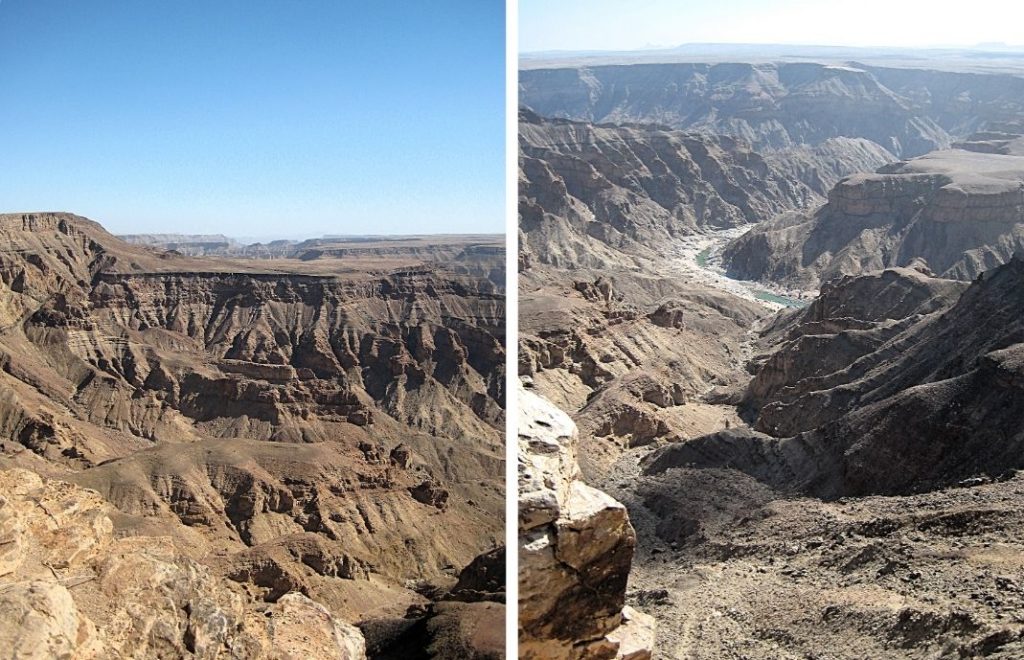
Few sights in Africa can rival the grandeur of Fish River Canyon. Stretching 160 kilometers across Namibia’s rugged south, it is the largest canyon in Africa – and the second largest in the world – making it one of the country’s most awe-inspiring natural wonders.
This colossal chasm, sculpted by the patient hand of time, plunges to depths of nearly 550 meters and spans up to 27 kilometers wide. The drama of its scale leaves you speechless, a raw reminder of nature’s power and permanence.
The story of Fish River Canyon began some 350 million years ago, when tectonic forces and relentless erosion combined to carve this masterpiece. Today, the Fish River snakes through its depths, a silver thread breathing life into an otherwise stark, silent landscape.
For adventurers, the Fish River Canyon Hiking Trail is a rite of passage. Open from April to September, this epic 85-kilometer trek takes four to five days to complete, descending into the ravine and following the riverbed through one of Earth’s most elemental landscapes. It’s demanding, remote, and unforgettable – a true wilderness experience.
If you’re visiting on a day trip, note that descending into the canyon is prohibited, but the viewpoints from the rim offer staggering panoramas that will etch themselves into memory. Watching the sun cast shifting shadows across this ancient gorge is reason enough to linger.
Fish River Canyon isn’t just a sight – it’s a pilgrimage for anyone who craves the sublime. Here, under Namibia’s boundless sky, the silence speaks, the rocks whisper, and time itself seems to pause.
Travel tips for Namibia – When to go & how to plan
Namibia is a year-round destination – one of Africa’s very best for self-drive safaris and epic landscapes.
Here’s what you need to know:
Best time to visit
- December to March – Hot and occasionally stormy. January brings thunder showers, turning the vegetation lush and green.
- April to May – Rain fades, temperatures cool, and skies clear.
- June to September – Winter in Namibia: pleasant daytime temperatures, dry weather, and crystal-clear skies. Nights are cold – expect frost in the desert. Vegetation turns brown, making wildlife spotting easier.
- October to November – The mercury rises again, with the first hints of rain greening the land.
Self-drive adventures
Namibia is perfect for a road trip, but don’t underestimate its size – it’s twice as large as Germany, and distances are vast.
- Plan your route with a specialist operator to avoid misjudging travel times – roads are long and often unpaved.
- 4×4 recommended for comfort and safety, especially in remote areas.
Accommodation
Options range from:
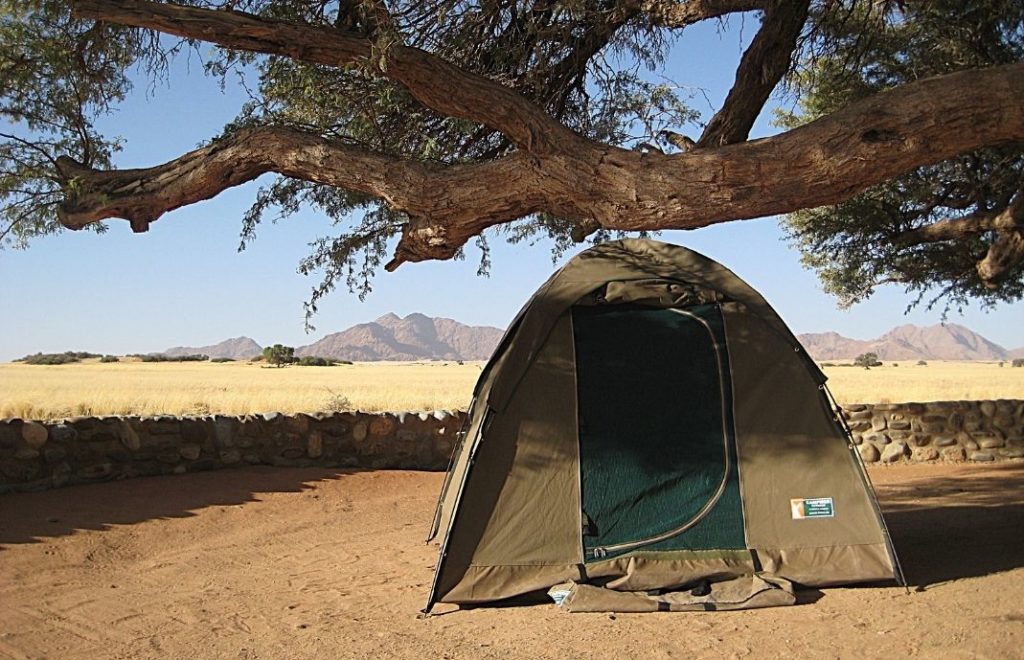
- Budget & mid-range campsites
- Luxury lodges with pools and gourmet dining
- Rooftop tent rentals for ultimate flexibility
Important:
- Book in advance – distances are huge, settlements are sparse, and getting lost can be dangerous.
- Missed reservations trigger search and rescue operations – a testament to Namibia’s remoteness.
Safari in Namibia – Wild encounters await
A Namibian safari promises unforgettable moments with untamed wildlife – from towering elephants and regal lions to delicate springboks and curious zebras. These animals roam free, and every encounter feels like a scene from nature’s grandest theater.
The crown jewel? Etosha National Park – a wildlife sanctuary where the drama unfolds daily around shimmering salt pans and life-giving waterholes.
When to go
- Dry Season (May-September) – The ultimate safari window. Animals gather at waterholes, making them easier to spot. Days are mild, nights can be chilly.
- Wet Season (October-April) – The savanna bursts into green, and newborn animals arrive. But the heat can be intense, and wildlife disperses, making sightings trickier.
- Best months: September and October strike the perfect balance – great visibility, warm days, and thriving wildlife.
Pro tips for the perfect safari
- Don’t overpack your itinerary. Namibia is vast, and the distances are long. Spend more time in fewer places to soak in the experience rather than the dashboard view.
- Start early. Dawn and dusk safaris are the golden hours for wildlife activity – and photography.
- Stay flexible. The bush operates on its own schedule; patience pays off.
- Plan for next time. Namibia is a land that pulls you back. Savor the highlights now – you’ll want to return.