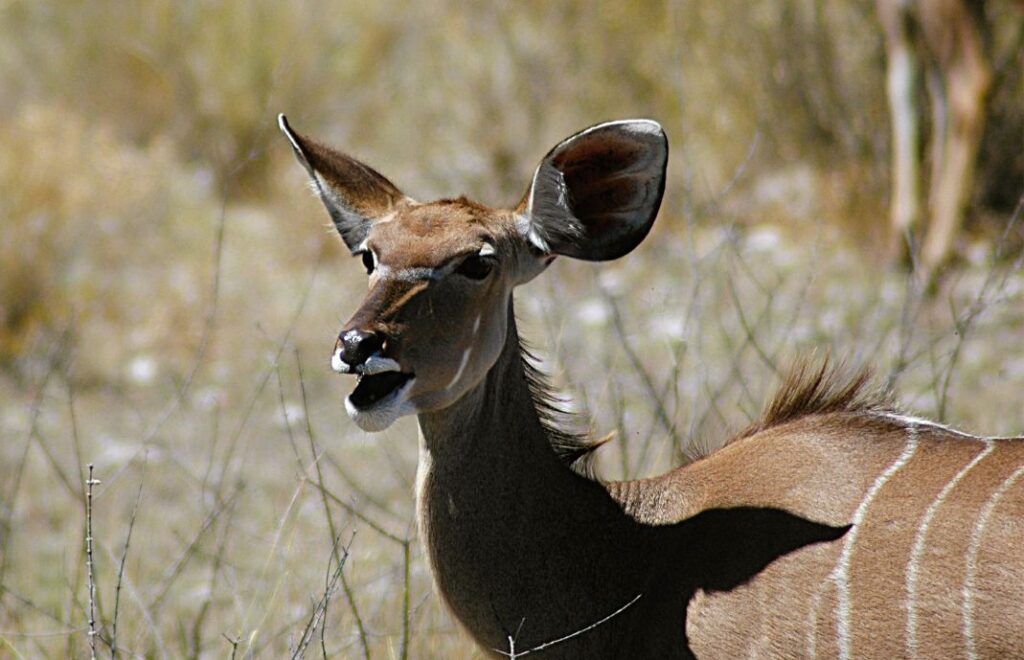
Namibia is a destination shaped by extremes. This spectacular country lures you in, with vast deserts, golden dunes, wild coastlines, rugged mountains, and some of the most unforgettable wildlife landscapes in Africa. It is a country where the seasons can change the experience dramatically, from dry plains filled with animals to greener scenery after the rain.
The best time to visit Namibia depends on what you want to see. For classic wildlife viewing in Etosha National Park, the dry season is often the most rewarding. For dramatic skies, fewer travelers, and a softer side of the desert, the wetter months can be surprisingly beautiful.
What makes Namibia special is that it can be visited throughout the year. Each season brings its own atmosphere. From crisp winter mornings to hot desert days, spring wildlife sightings, or summer storms rolling across the open plains.
This guide will help you understand Namibia’s seasons, weather, wildlife viewing, and travel conditions, so you can choose the best time for the kind of journey you are dreaming of.
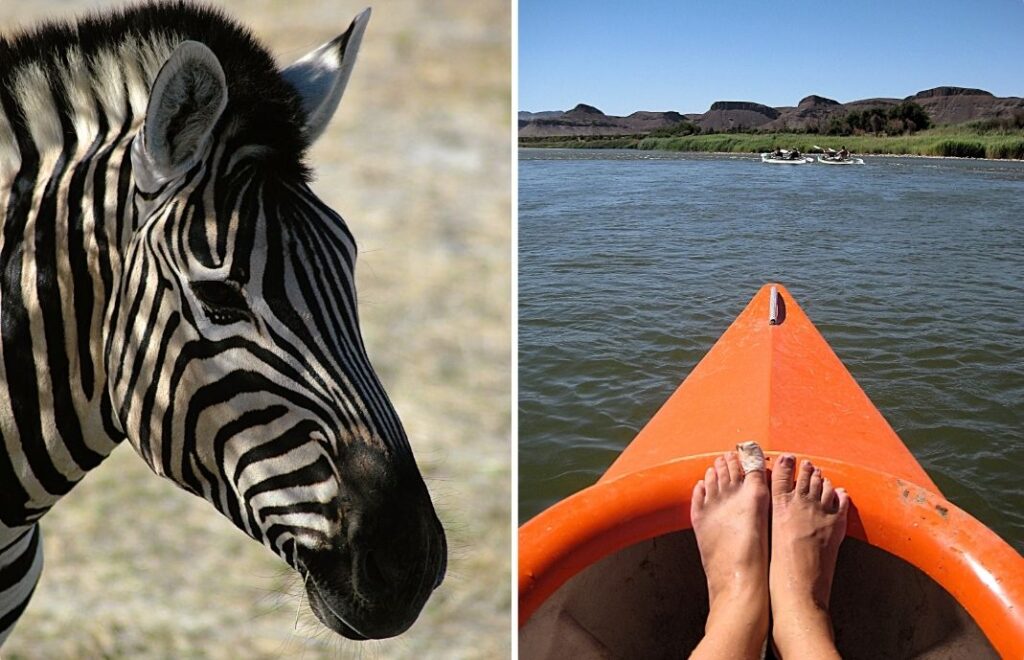
Traveling to Namibia from January to April
January to April falls within Namibia’s summer and rainy season, although rainfall can vary greatly from one region to another. During this period, Namibia feels warmer, greener, and softer than many travelers expect from a desert destination.
Temperatures can be high, especially in the interior and desert areas, and afternoon showers or thunderstorms may appear in some parts of the country. The rain can bring dramatic skies, fresh vegetation, and a beautiful contrast to Namibia’s dry landscapes.
January to April is not always considered the classic peak season for Namibia, especially for wildlife viewing in Etosha. Because water is more widely available, animals may be more spread out and not as concentrated around waterholes as they are during the dry months. Still, the scenery can be stunning, and birdlife is often excellent.
For photographers, January to April can be surprisingly rewarding. The light, clouds, greenery, and occasional storms can add atmosphere to places like Sossusvlei, Damaraland, and the open plains. There may also be fewer travelers compared to the busiest months, which can make the experience feel more peaceful.
If you don’t mind heat, want a quieter journey, and want to enjoy landscapes with a little more color and drama, this is a great time to visit Namibia. It is also a reminder that Namibia is not only beautiful when it is dry and dusty. It has a completely different charm when the rain brings life back to land.
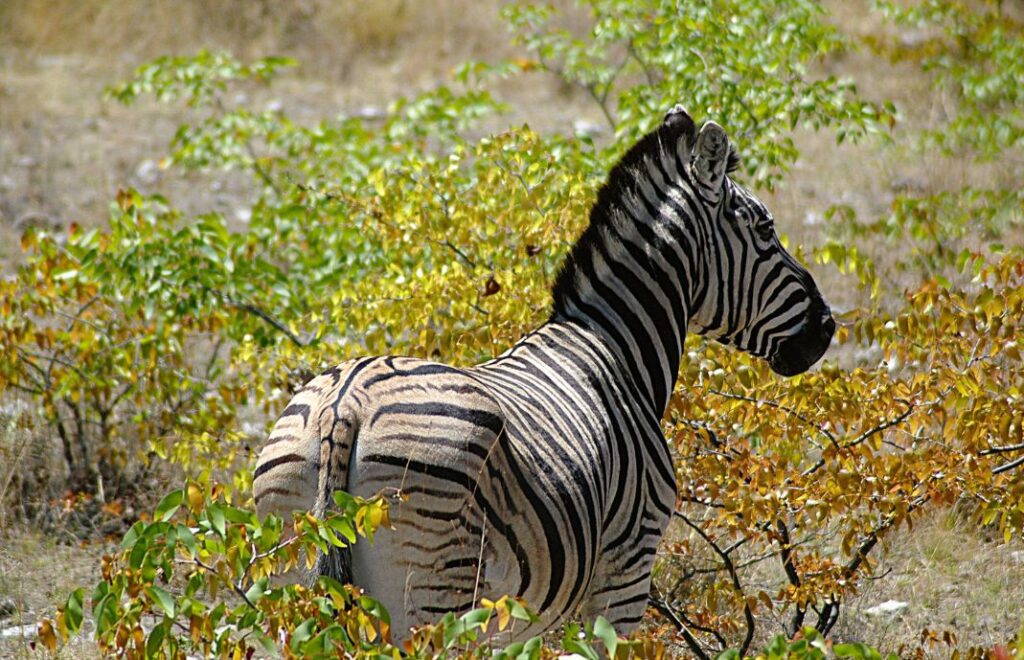
Visiting Namibia during May and June
These two months mark the beginning of Namibia’s dry season, and this can be a wonderful time to visit. In May and June, the heavy summer heat begins to ease, and the landscapes are still carrying some freshness from the rainy months. Travel conditions usually become more comfortable.
During this period, days are often sunny and pleasant, while evenings and early mornings can start to feel cooler, especially in desert areas and higher elevations. This makes May and June a great time for road trips, desert landscapes, and exploring places like Sossusvlei, Swakopmund, Damaraland, and Etosha National Park.
Wildlife viewing also starts to improve as the land becomes drier and animals begin moving closer to reliable water sources. Etosha may not be at its driest yet, but this is when the safari season begins to build, with fewer crowds than the busiest months later in the year.
May and June are ideal for those who want a balance between good weather, beautiful landscapes, and more peaceful travel conditions. It is a comfortable, scenic, and rewarding period, and Namibia feels open, calm, and ready for adventure.
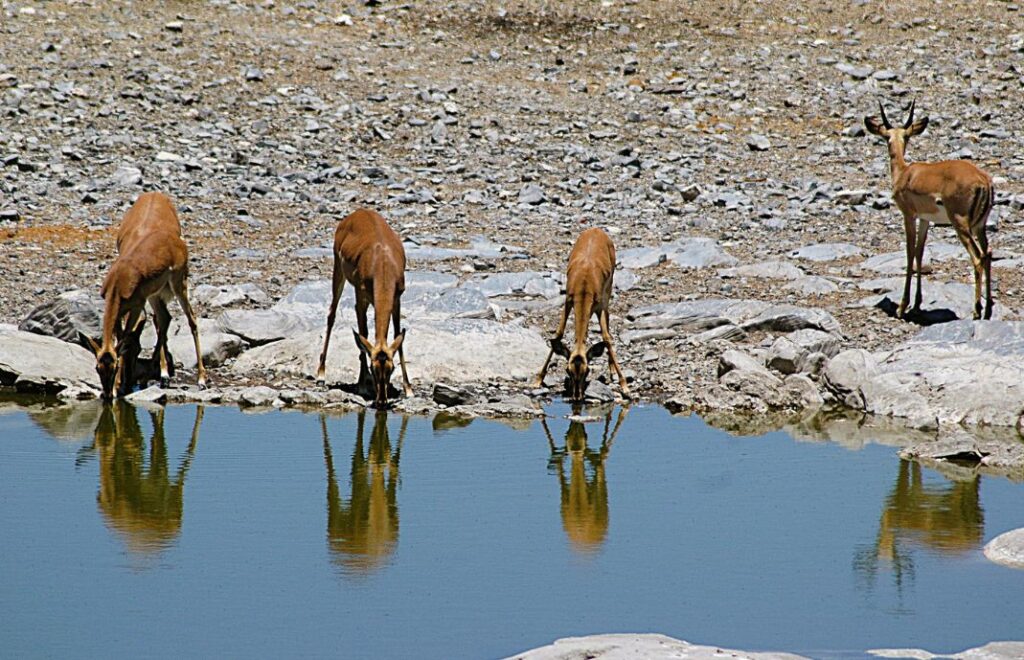
Travelling to Namibia from July to October
This period is often considered the time to visit Namibia, especially if you are dreaming of classic wildlife viewing, clear skies, and comfortable safari conditions. July to October is the heart of the dry season. You will see that the landscapes become more open, water becomes scarce, and animals gather around permanent waterholes.
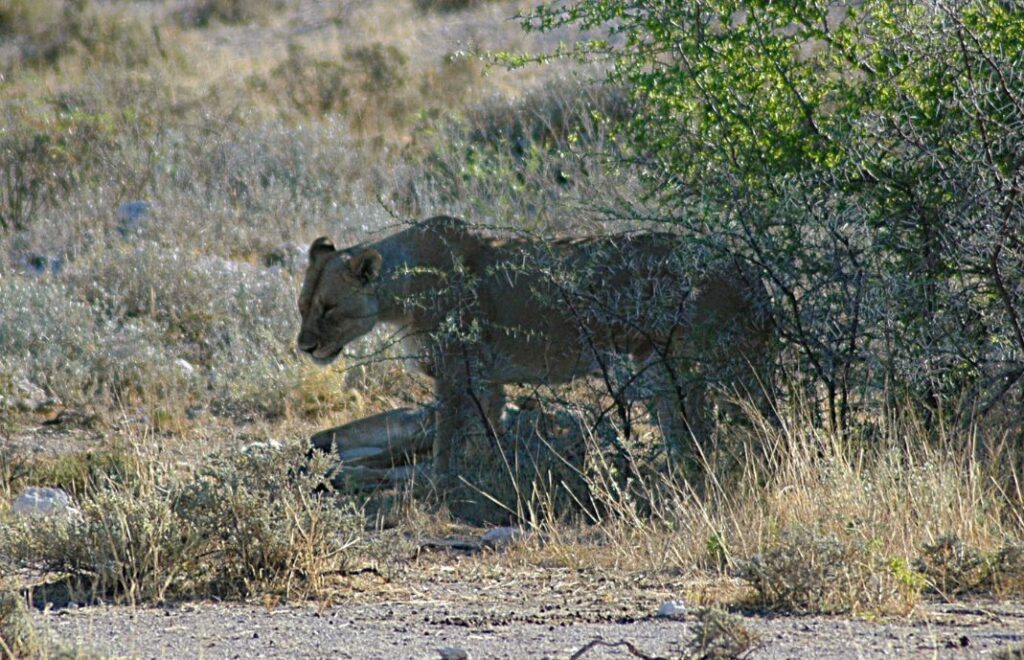
For safari lovers, visiting Etosha National Park during this period is especially rewarding. As the bush dries out and natural water sources disappear, elephants, giraffes, zebras, lions, rhinos, and other wildlife are easier to spot near the park’s waterholes.
The weather is also generally excellent for travel. Days are usually dry and sunny, while mornings and evenings can be cool, especially in July and August. By September and October, temperatures begin to rise, and the heat can become intense in some areas, but wildlife viewing remains fantastic.
July to October is also a great time for exploring Namibia’s famous desert landscapes, including Sossusvlei, Deadvlei, Damaraland, and the Skeleton Coast. The skies are often clear, the roads are generally easier to manage, and the golden light makes the landscapes feel even more dramatic.
Because July to October is such a popular period, it is important to plan ahead. Lodges, campsites, and guided tours can book up early, especially in and around Etosha and the main desert routes.
For first-time visitors, this season is hard to beat. Namibia feels dry, wild, open, and beautifully cinematic. It is exactly the kind of journey many travelers imagine when dreaming of Africa.
Visiting Namibia during November and December
These two months mark the transition from the dry season into Namibia’s summer and early rainy season. The country begins to heat up, landscapes slowly change, and the first rain brings a sense of renewal after the long dry months.
November can still offer good wildlife viewing, especially early in the month, as animals may continue to gather around water sources. As showers arrive, the scenery starts to soften, with fresh grass, dramatic skies, and a greener look in some parts of the country.
December is warmer and can feel more humid in certain areas, although Namibia remains a largely dry destination compared with many other African countries. Afternoon thunderstorms may appear, particularly in the north and interior, but they often bring spectacular light and atmosphere rather than all-day rain.
November and December are great for those who enjoy changing landscapes, and fewer crowds than the peak dry season. You also get to experience a more colorful side of Namibia. This period is also good for birdwatching, as migratory birds begin to arrive.
For those who do not mind heat, and a little unpredictability, November and December can offer a rewarding Namibia experience. Perhaps a less classic safari season, but full of mood, contrast, and the feeling of a landscape coming back to life.