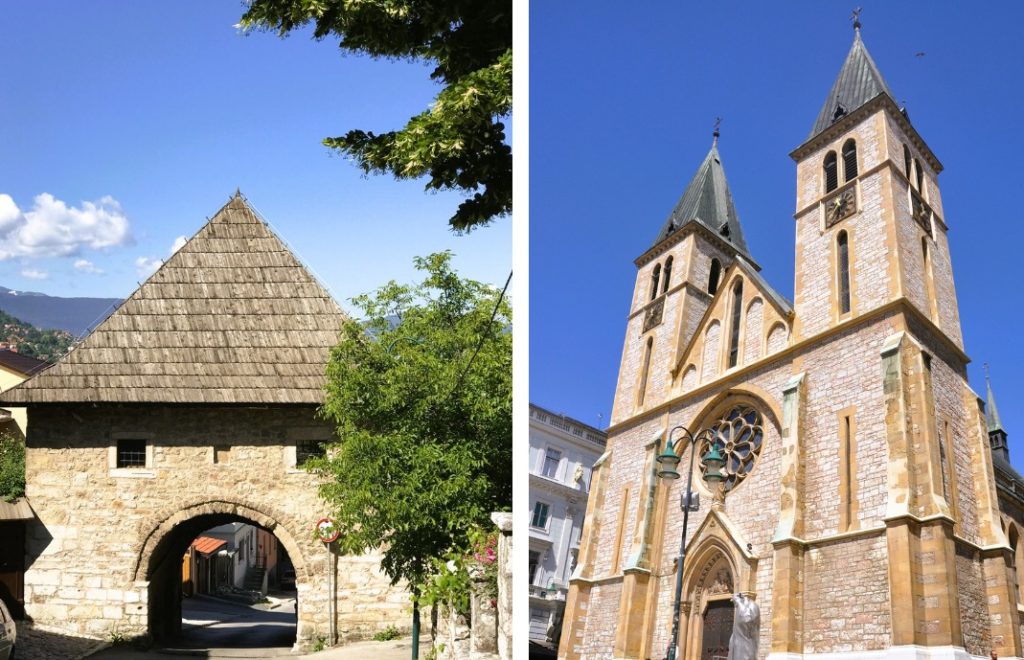
After enduring years of war and siege, Sarajevo has emerged as one of Europe’s most welcoming and fascinating capitals. The scars of its past remain visible, but today the city radiates resilience, warmth, and a spirit of revival that’s nothing short of inspiring.
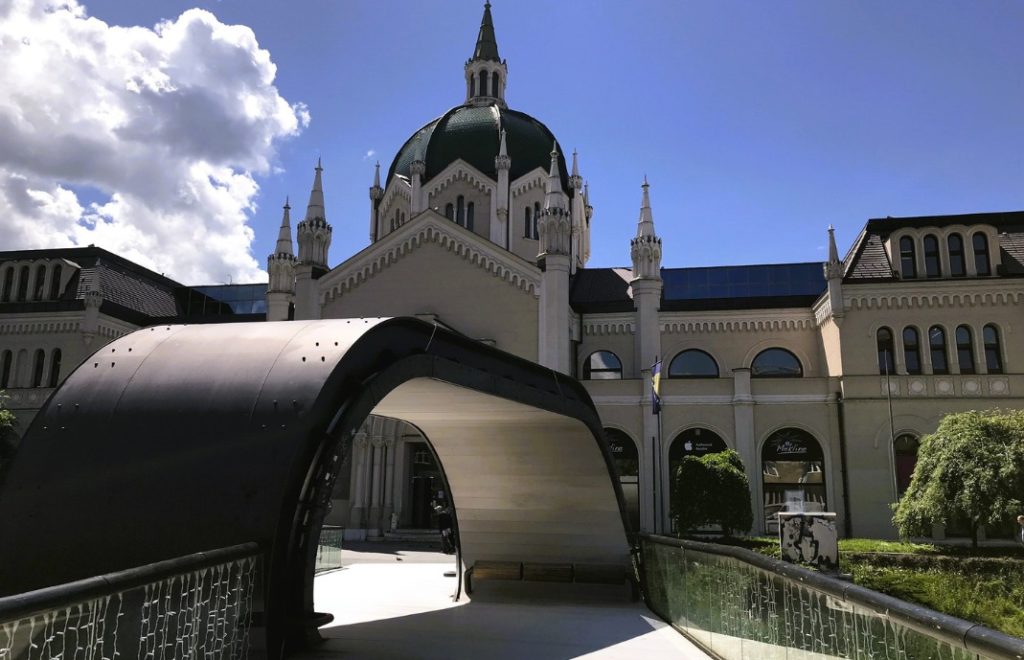
Nestled in a valley and surrounded by stunning mountains, Sarajevo offers a captivating blend of East and West, where Ottoman-era mosques stand beside Austro-Hungarian buildings, and the scent of Turkish coffee mingles with the rhythm of modern city life.
As you wander the streets of Bosnia and Herzegovina’s capital, you’ll quickly feel it – a strange and beautiful charm, born of contrast and complexity. It’s a place where minarets and church bells share the skyline, where tradition and innovation walk hand in hand, and where the past isn’t forgotten, but the future feels bright.
Here are 7 compelling reasons why Sarajevo deserves a top spot on your travel list:
1. A city steeped in history
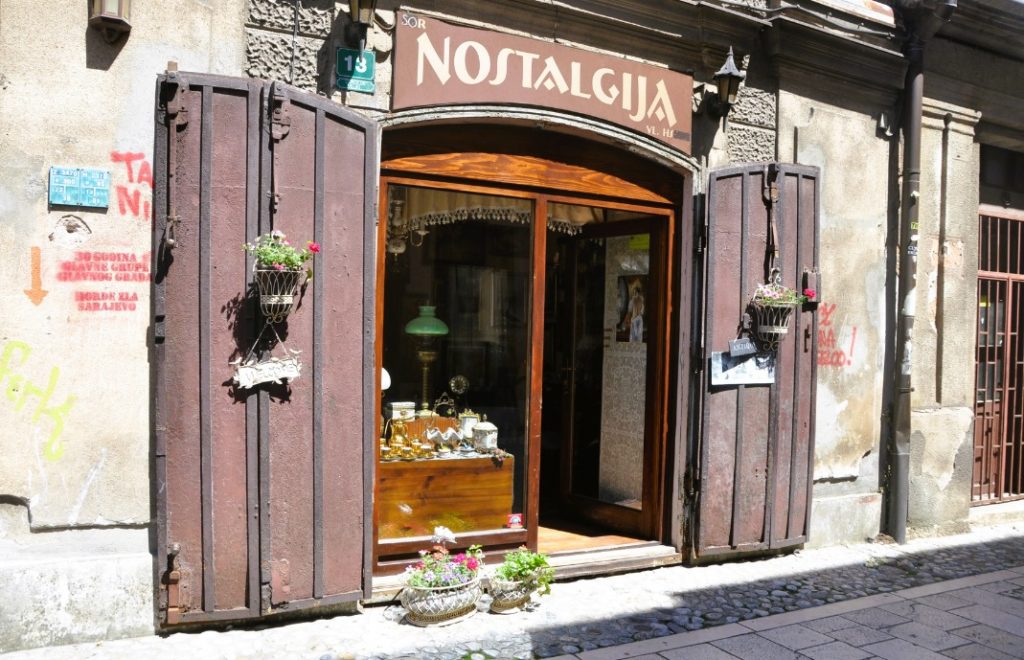
Few places in Europe carry the weight of history quite like Sarajevo. Founded in the 13th century and brought to prominence under Ottoman rule beginning in 1462, the city flourished for over four centuries as one of the largest, richest, and most beautiful cities in the empire. Today, the old town still reflects this heritage, with its distinctively oriental character – a captivating blend of mosques, bazaars, and cobblestone alleys.
But Sarajevo’s mark on world history runs even deeper. On June 28, 1914, the city became the flashpoint for global upheaval with the assassination of Archduke Franz Ferdinand and his wife, Sophie – an event that triggered World War I.
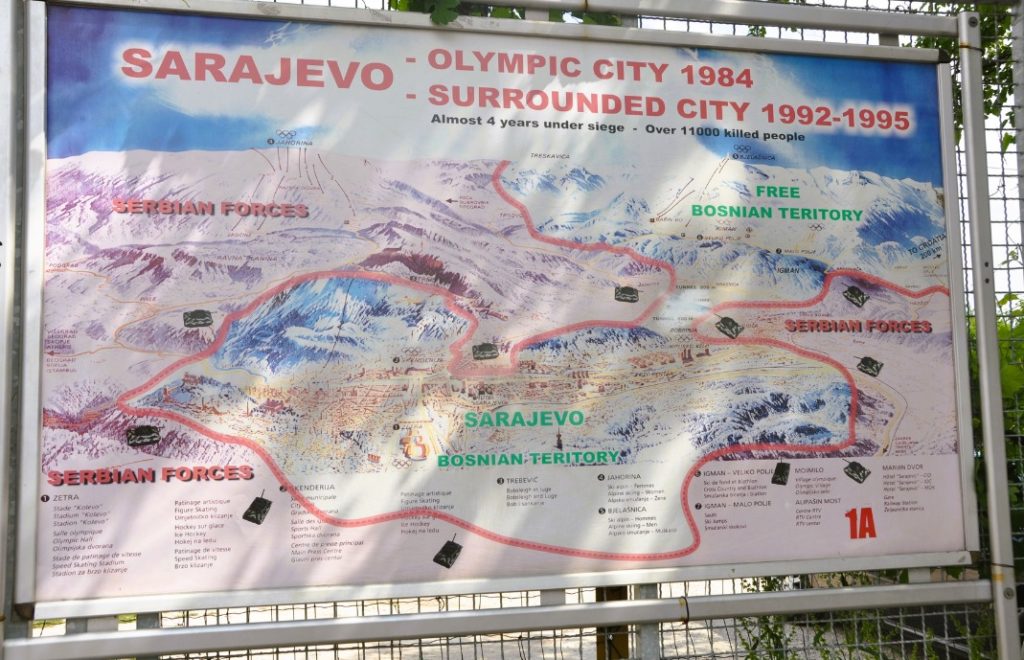
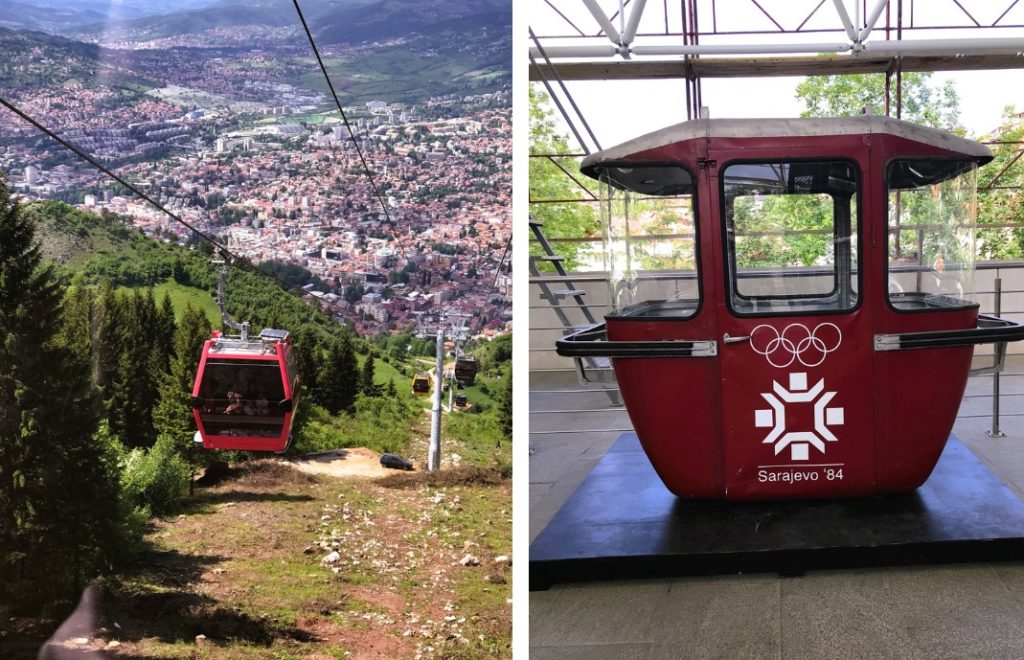
In brighter times, Sarajevo proudly hosted the 1984 Winter Olympics, an event hailed as extraordinary. Visitors today can still see remnants of the Olympic venues, many now faded but evocative reminders of a golden chapter in the city’s past.
Then came 1992. For 1,425 days, Sarajevo endured the longest siege in modern warfare, a harrowing ordeal that tested the city’s spirit to its limits. But Sarajevo endured. And today, it stands resilient and reborn, with memorials and monuments scattered throughout – silent witnesses to the past, and powerful symbols of a city that refuses to forget while courageously looking ahead.
2. The Old Bazaar – Baščaršija
At the heart of Sarajevo lies Baščaršija, the city’s beating soul and timeless treasure – a place where life has thrived since the late 15th century. This atmospheric bazaar isn’t just a market; it’s the cultural and historical epicenter of the city, and you’ll likely find yourself drawn back to its winding lanes again and again.
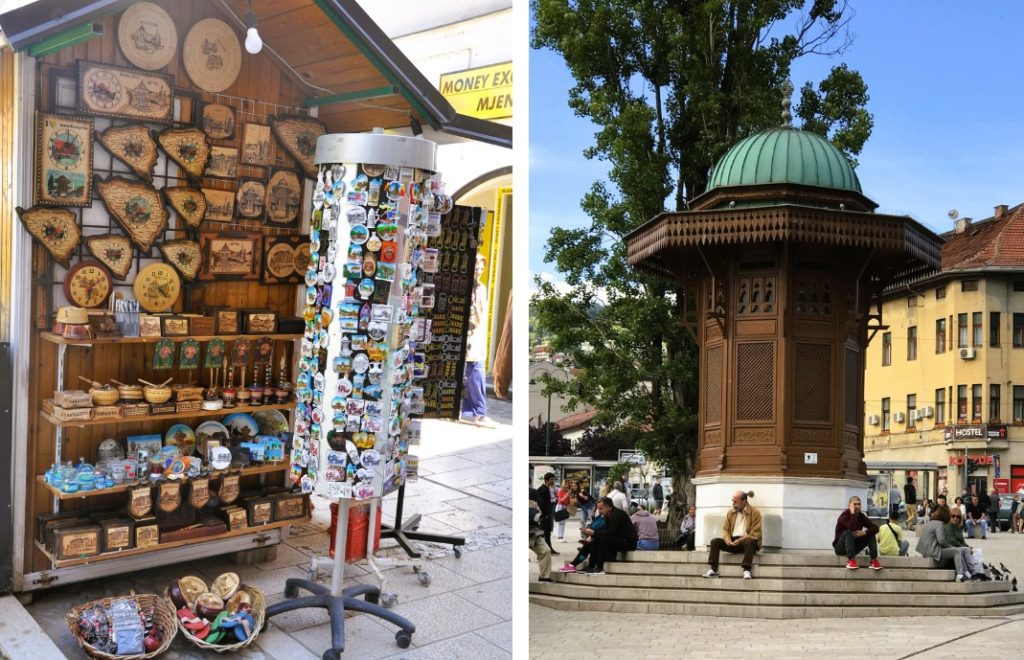
Wander through its narrow alleys and cobbled passageways, where tiny shops and cozy cafés spill out onto the streets. Here, centuries-old craftsmanship lives on, and every corner tells a story. You’ll encounter landmarks like the Gazi Husrev-beg Mosque, one of the finest examples of Ottoman architecture in the Balkans, and the Sebilj Fountain, a beautifully carved wooden kiosk that has become an icon of Sarajevo.
In its golden days, each street in the bazaar was devoted to a single craft – shoemakers, goldsmiths, potters, locksmiths, and more, each with their own traditions and techniques. That legacy still lingers, especially along Copper Street, where handcrafted copperware gleams in the sunlight, offering one-of-a-kind souvenirs and a glimpse into Sarajevo’s artisanal past.
When it’s time to take a break, head to Pigeon Square, the lively plaza at the center of the bazaar. Sip on a strong cup of bosanska kahva (Bosnian coffee), nibble on a local sweet, and watch as children (and adults) toss crumbs to the flocks of pigeons. In Baščaršija, history, culture, and everyday life blend into something utterly unforgettable.
3. Not too big, not too small – just right
One of Sarajevo’s greatest charms is its perfectly walkable size. It’s a city rich in sights, stories, and soul, yet compact enough to explore comfortably on foot over a long weekend.
Strolling through Sarajevo isn’t just a way to get from A to B – it’s an experience in itself. As you wander down narrow alleyways and charming backstreets, you’ll pass ornate facades, intricate stonework, and buildings etched with both beauty and history. Every corner feels like a quiet revelation.
The city’s main attractions are all within a few kilometers of one another, meaning you can soak up mosques, churches, museums, markets, and monuments without ever feeling rushed or overwhelmed.
And best of all? You won’t end the day with aching feet – just a heart full of impressions and a head full of stories.
In Sarajevo, the journey truly is part of the destination.
4. Escape to nature – just minutes from the city
Sarajevo isn’t just a city – it’s a city cradled in nature. Tucked into a valley and surrounded by rolling hills and majestic mountains, it offers the perfect balance between urban exploration and outdoor adventure.
To truly appreciate the setting, you’ll want to gain some elevation. And the best place to do that? Mount Trebević. The hike to the top winds through the city’s old neighborhoods, past abandoned homes still bearing bullet holes – a poignant reminder of Sarajevo’s past – before rewarding you with breathtaking, panoramic views over rooftops, spires, and distant peaks.
Not up for a long walk? No problem. The Sarajevo Cable Car offers a scenic, seven-minute ride straight to the summit, where you’ll enjoy a bird’s-eye view of the city unfolding below. It’s the fastest, easiest, and most beautiful way to see Sarajevo from above.
Whether you choose to hike or glide, escaping to the heights around Sarajevo reveals a whole new layer of the city’s beauty – and its resilience.
5. Chase an Olympic legacy
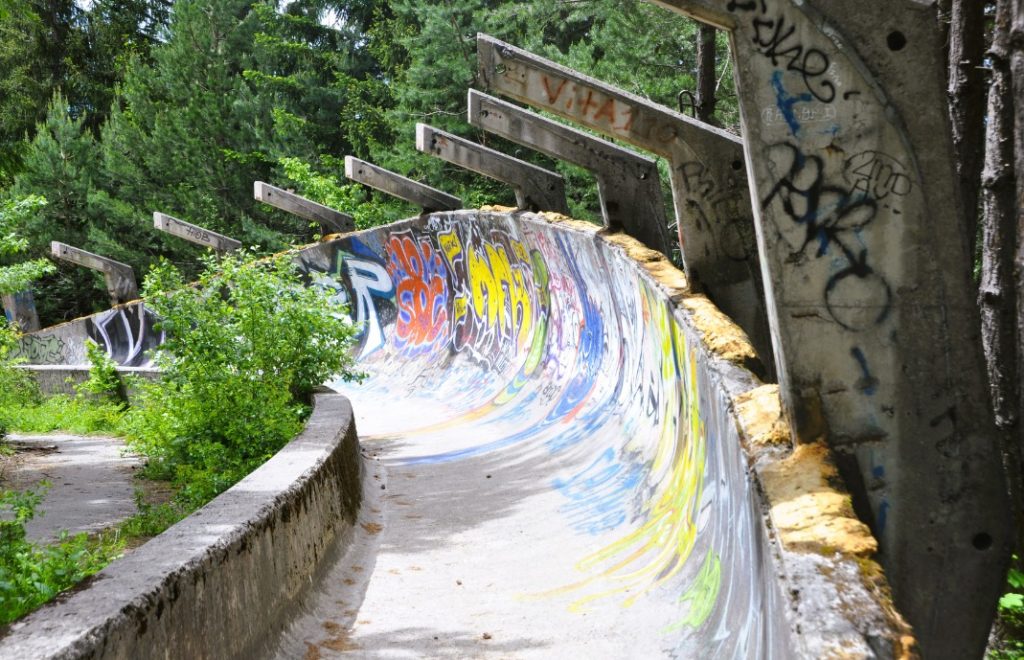
At the summit of Mount Trebević lies one of Sarajevo’s most haunting and fascinating landmarks: the abandoned bobsled track from the 1984 Winter Olympics. Once a symbol of international celebration and sporting excellence, the track now stands as a poignant, graffiti-covered relic of both triumph and tragedy.
During the war in the 1990s, it’s said that the bobsled run was repurposed by Bosnian Serb forces as a launching site for rocket attacks on the city. Today, it serves a very different role – as a memorial, open-air art gallery, and a powerful reminder of the city’s resilience.
You can no longer race down in a sled, but you can walk the entire length of the track, either from the top or bottom. Along the way, you’ll be greeted by vibrant street art that has transformed the crumbling concrete into a vivid canvas for creativity and remembrance.
It’s one of the most unique walks you’ll ever take – a path that winds through Olympic glory, wartime history, and modern expression, all in one unforgettable experience.
6. Savor the flavors of Sarajevo
Start your morning in Sarajevo the proper way – with a cup of bosanska kahva. Thick, dark, and strong, this traditional Bosnian coffee is more than a drink; it’s a ritual. Served in a small copper pot with a side of sugar cubes and Turkish delight, it’s the perfect slow start to a day of discovery.
As the day unfolds and your appetite grows, Sarajevo’s culinary scene steps up with rich, hearty flavors shaped by over 400 years of Ottoman influence. You’ll find dishes centered around lamb and beef, served alongside fresh, local vegetables – often organic and always full of flavor.
Among the must-try local specialties is ćevapi – small, grilled kebabs made of spiced minced meat. Watch as they sizzle on an open grill, then enjoy them served with raw onions, warm pita bread, and a dollop of sour cream.
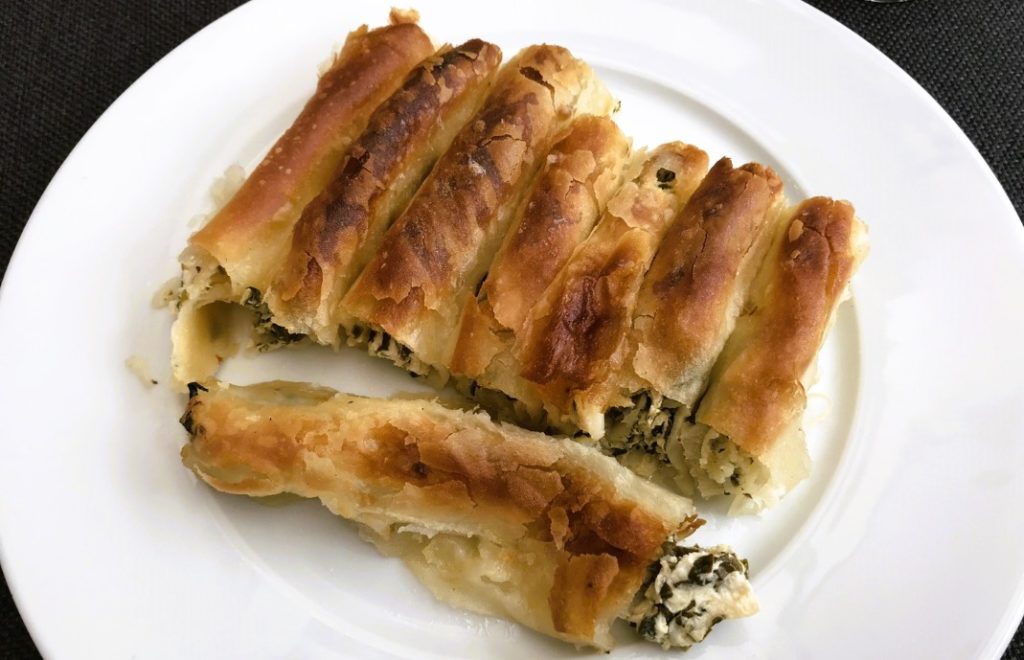
Craving something savory and flaky? Try burek, a delicious, spiral-shaped pastry filled with meat, cheese, or spinach. It’s comfort food at its finest.
And for those with a sweet tooth, Sarajevo doesn’t disappoint. Treat yourself to a piece of baklava, nibble on uštipci (fluffy doughnut-like fritters), or indulge in the uniquely Bosnian tufahije – a poached apple stuffed with walnuts, drenched in syrup, and crowned with cream.
In Sarajevo, every meal is an invitation to slow down, taste deeply, and connect with centuries of culinary tradition.
7. A safe city with a resilient soul
Sarajevo’s past is marked by deep scars – two world wars, and a brutal siege that left over half the city in ruins and claimed the lives of around 5,000 civilians. The remnants of that dark history are still visible in bullet-pocked buildings and quiet memorials scattered throughout the city.
And yet, despite its turbulent past, Sarajevo today is considered one of the safest capitals in Europe.
There are no specific neighborhoods that travelers are warned to avoid, and violent crime is rare. Like anywhere, it’s wise to stay on well-lit streets at night and keep an eye on your belongings, especially in busy areas where pickpockets may operate.
Use common sense, stay aware, and you’ll find Sarajevo to be incredibly welcoming, peaceful, and easy to explore. It’s a city that has endured the worst – and emerged with open arms and a hopeful heart, ready to share its beauty with the world.