
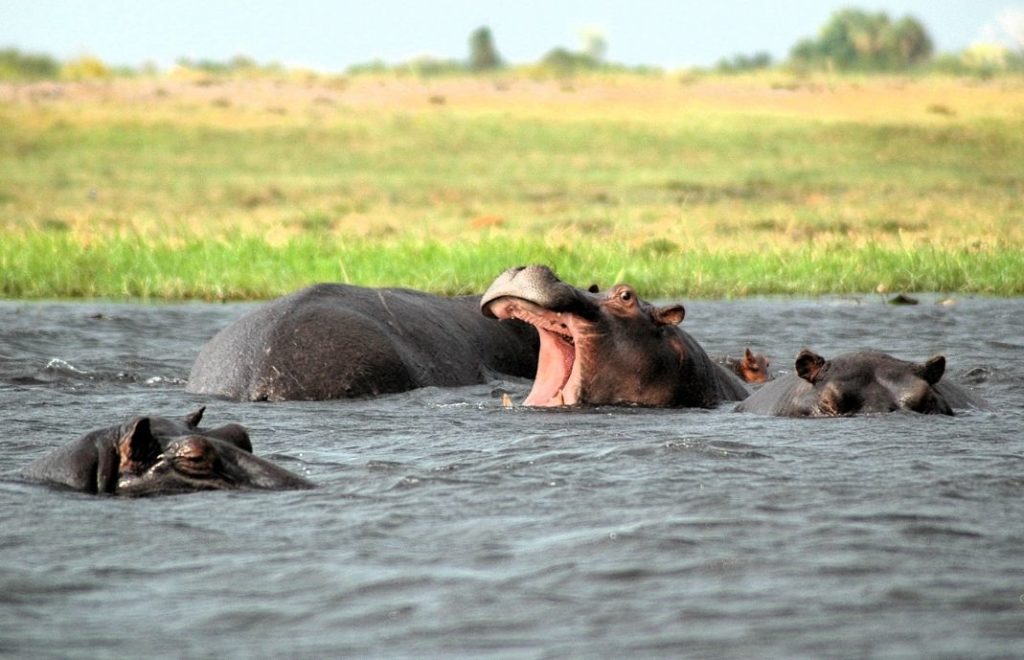
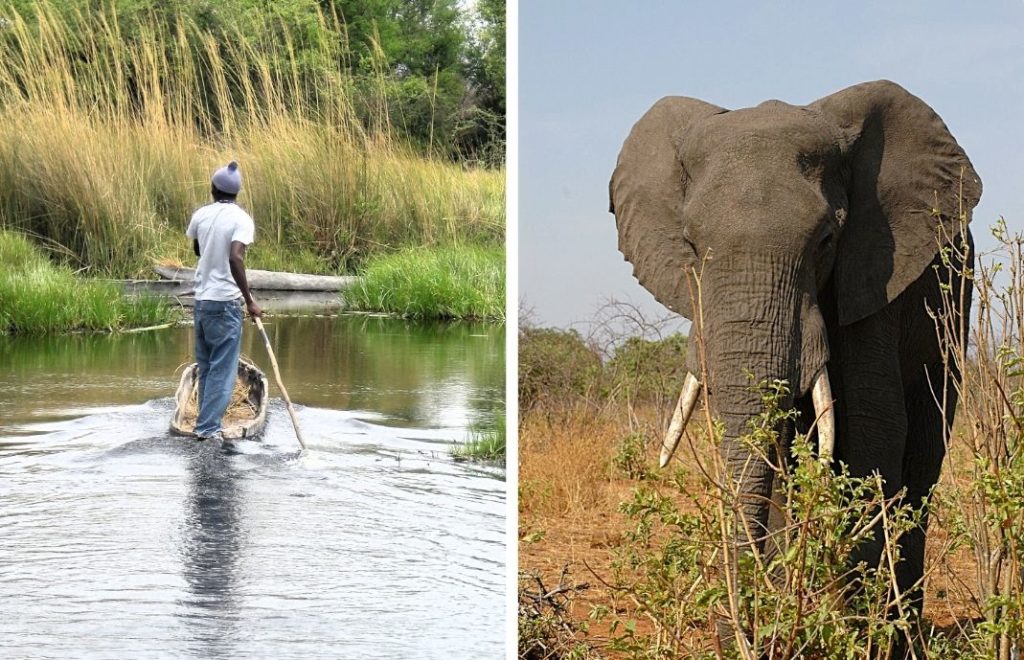
Botswana is a destination that takes your breath away – a land where nature itself commands the stage, and every moment feels like part of a grand, living theatre. Here, elephants march in great herds across endless plains, lions sprawl in the shade of acacia trees, and hippos splash in the golden light of the setting sun. In the Okavango Delta, mirrored waterways reflect the skies above as a mokoro canoe glides silently through reeds and water lilies – a paradise for birdwatchers and adventurous souls alike.
From the boundless stillness of the Kalahari Desert to the vibrant lifeblood of the Chobe River, Botswana offers some of Africa’s most unforgettable wilderness encounters. This is a country where the wild remains untamed, where you feel profoundly connected to something greater – an elemental rhythm that still governs life.
The time of year you choose to travel will shape the scenes you witness. Will you watch great herds gather at waterholes during the dry season, or would you rather experience the Okavango Delta at its most lush and spectacular, when rains transform the landscape into a green-and-blue paradise?
The timing of your journey defines the experience – and here is an overview of when to visit Botswana at its very best.
The following information is intended as a guide.
Climate in Botswana
Botswana’s climate is as dramatic and captivating as its landscapes. Landlocked in the heart of Southern Africa, the country is defined by striking contrasts between the dry season and the rains.
The dry season brings cloudless skies, crisp nights, and scarcely a drop of rain. This is when nature gathers around the life-giving waterholes, and safaris reach their most thrilling intensity. Grass lies flattened, trees shed their leaves, and wildlife becomes more visible than ever before.
Then the rains arrive, transforming the land. Showers often come in short, powerful bursts, reviving the parched earth in an instant. The landscape erupts in green, and millions of birds descend to revel in the flourishing wetlands. The Okavango Delta swells with water, awakening an entirely new ecosystem. While the rains can make certain roads trickier to navigate, this is the season when Botswana dazzles in its most lush and colorful form.
In essence, Botswana offers two utterly different yet equally magical worlds: the raw, dramatic wilderness of the dry season, and the life-filled, emerald adventure of the rainy season. Both reveal the country at its most authentic – the only question is which chapter of nature’s great story you wish to witness.
When is the rainy season in Botswana?
When the rains finally arrive in Botswana, it feels as though the land itself exhales and comes alive. From November to April, the parched plains transform into a lush green carpet, acacia trees burst into fresh shades of foliage, and the air fills with the scent of wet earth and blossoms. Showers are often brief yet powerful – dramatic bursts where the skies open wide before the sun returns, painting the landscape once more in golden light.
Wildlife moves in rhythm with the rains. Vast herds of zebra and wildebeest cross the open plains in their annual migration, while predators linger close, ready to seize the moment. The Okavango Delta slowly swells with life-giving waters, evolving into one of the world’s most extraordinary wetlands. For bird enthusiasts, this season is a spectacle – hundreds of thousands of migratory birds arrive, filling the horizon with wings and song.
The rainy season offers abundance, drama, and an electrifying sense of vitality. While some roads may be more challenging to navigate, the reward is a Botswana at its most colorful and pulsating – a time for those who long to experience the raw power of nature and see the wilderness at its most alive.
When is the dry season in Botswana?
From May to October, the rains retreat, and Botswana enters its most dramatic season. The sun blazes almost daily from a cloudless sky, and the landscape grows bare and open. Golden grasses lie flattened, waterholes shrink, and life gathers around the few remaining sources of water.
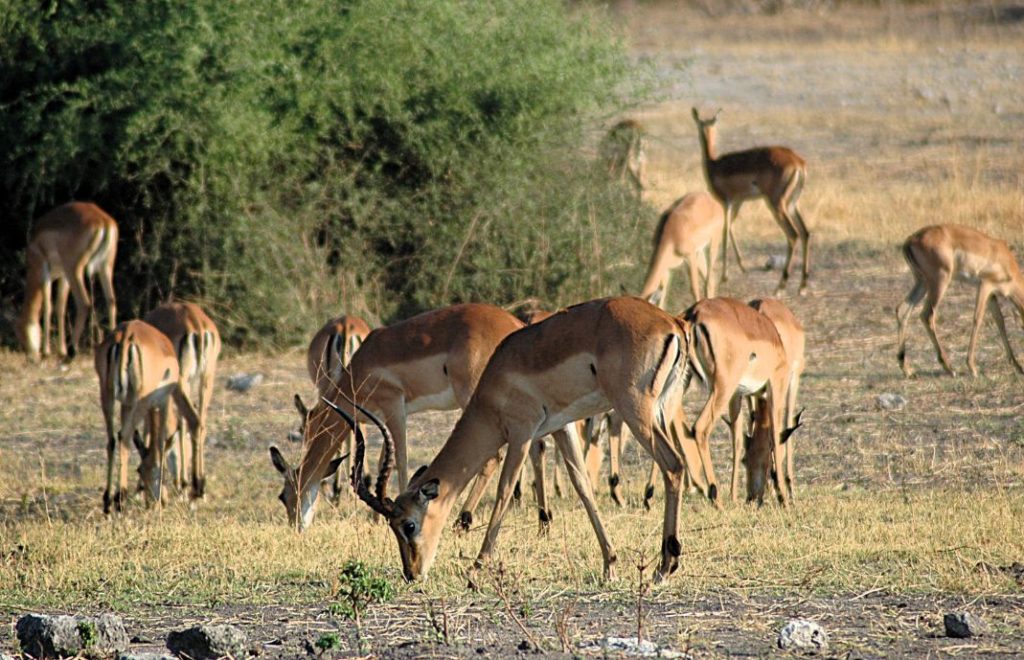
This is the time when safari experiences reach their peak. Towering herds of elephants, buffalo, and antelope converge on rivers and pans, and where prey congregates, predators inevitably follow. Lions and leopards become easier to spot, and the drama of the wilderness unfolds in its most raw and captivating form. Nights are cool and crisp, with star-studded skies glittering endlessly overhead.
The dry season is for those who dream of iconic safari moments – close encounters with abundant wildlife and nature’s unfiltered struggle for survival. Here, you witness Botswana at its wildest and most untouched.
Weather in the Okavango Delta
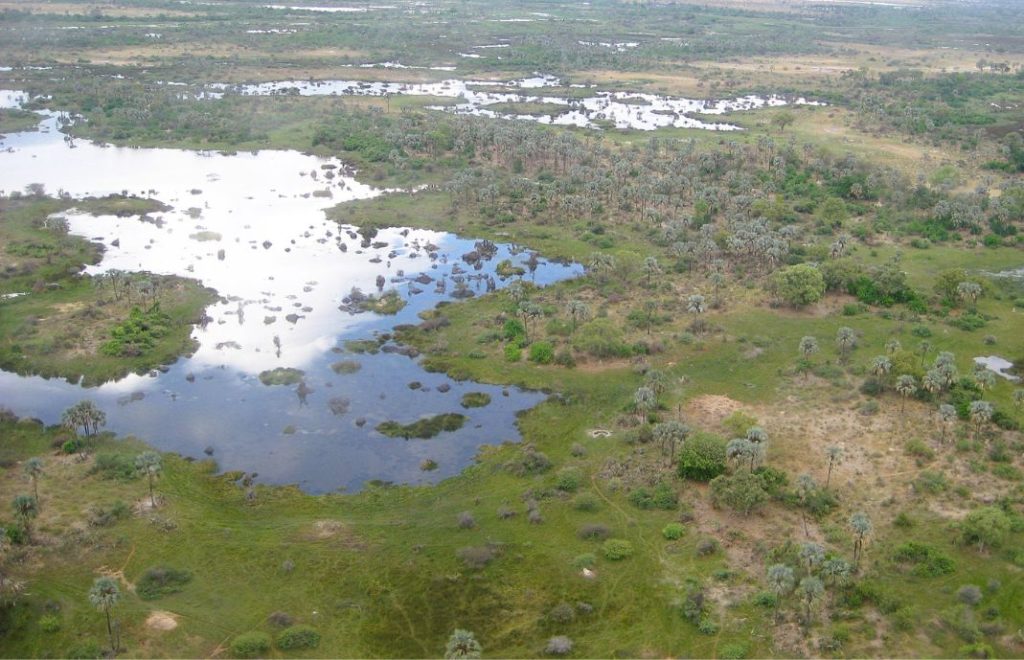
The Okavango Delta is one of Africa’s most spectacular natural wonders – a vast wetland paradise in the heart of the desert, where water dictates the rhythm of life. Its climate is defined by two distinct seasons, each offering a completely different, yet equally magical, experience.
Rainy season (November – April)
When the rains arrive, the delta transforms into a lush wonderland. Heavy but often short-lived downpours breathe life into the land, carpeting the plains in green and setting the landscape ablaze with blossoms. Humidity rises, and daytime temperatures often climb above 30°C.
This is also the high season for birdlife. Migratory species from across the globe gather here, turning the delta into a paradise for birdwatchers and wildlife photographers alike. While animals disperse more widely across the landscape, the Okavango reveals itself at its most vibrant and colorful.
Dry season (May – October)
When the rains fade and the skies turn clear and blue, the delta enters its most dramatic chapter. Water levels slowly recede, drawing wildlife toward the remaining river channels and lagoons. Safari experiences are at their most intense – vast herds of elephants, buffalo, and antelope congregate at the water’s edge, while predators linger close.
Days are warm and sun-filled, while nights can be cool, especially early in the season. This is the quintessential time for a classic safari, when wildlife sightings are at their peak and nature reveals itself in its rawest, most dramatic form.
Weather in Chobe National Park
Chobe National Park is one of Botswana’s most iconic safari destinations, famed for its immense elephant herds and abundant wildlife along the Chobe River. Like the rest of the country, the park follows two main seasons, each shaping the experience in its own distinct way.
Rainy season (November – April)
During the rains, Chobe dons a cloak of green. Powerful afternoon showers breathe life into the plains, and blooming vegetation transforms the park into a lush paradise. With water easily available, animals disperse more widely across the landscape, making them slightly harder to spot than in the dry season. Yet the reward is a more dramatic and vibrant wilderness experience – particularly for bird enthusiasts, as thousands of migratory species arrive to fill the skies with sound and color.
Temperatures typically range from 25°C to 35°C, paired with high humidity.
Dry season (May – October)
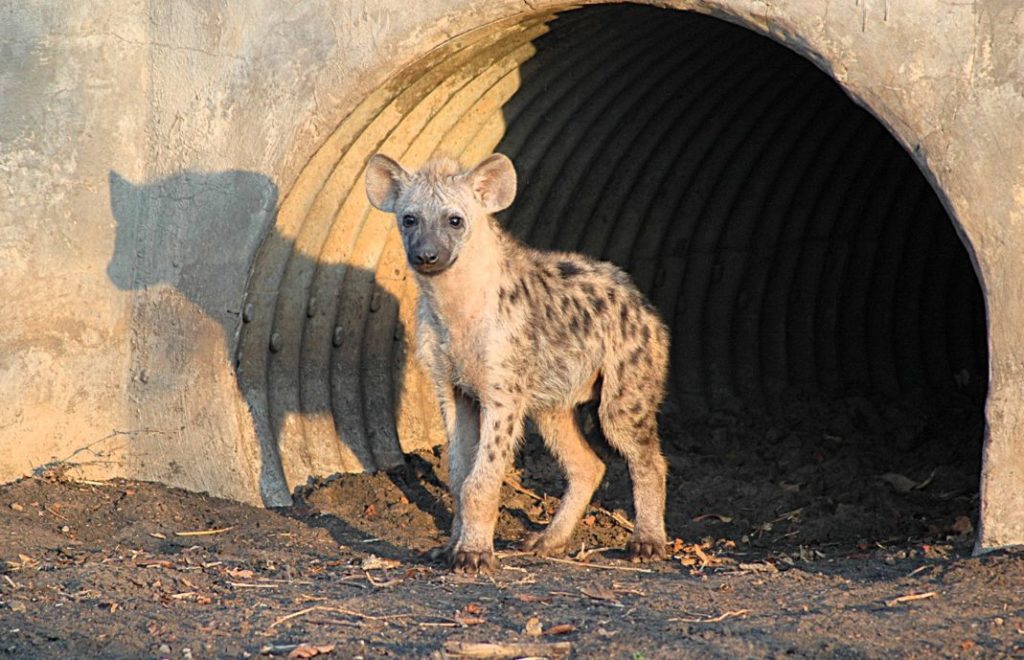
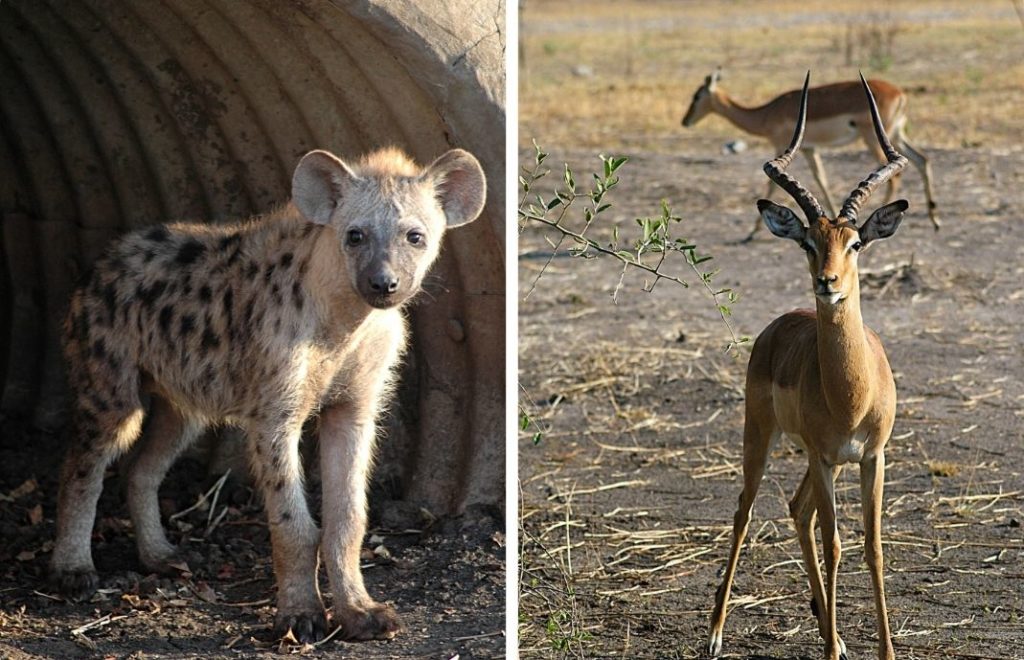
The dry months are Chobe’s most celebrated season. As the rains vanish and the plains turn dusty and bare, wildlife concentrates along the Chobe River. Here, you can witness some of Africa’s largest gatherings of elephants – herds of hundreds crowding the riverbanks. Lions, leopards, and hyenas follow close behind, and the intensity of predator-prey encounters is at its peak.
Days are pleasantly warm, though nights can be cool early in the season. By September and October, the heat intensifies, and the days can grow extremely hot – an intense yet fascinating time to experience the park at its most dramatic.
More inspiration to Chobe:
A guide to Chobe National Park
Safari in Chobe National Park
Okavango vs. Chobe – Which season is right for you?
Both the Okavango Delta and Chobe National Park promise unforgettable safari adventures, yet the rhythm of the seasons shapes each experience in its own way.
Rainy Season (November – April)
Okavango Delta: The landscape transforms into a lush, green paradise. Short but powerful showers breathe life into the plains, and birdlife flourishes at its peak. While animals spread out more widely, the reward is witnessing the delta in its most vibrant, blossoming glory.
Chobe National Park: The plains turn green, and the river mirrors dramatic skies after afternoon storms. Birdwatching here is equally spectacular, with countless migratory species arriving. Though wildlife is more dispersed than in the dry months, the park feels wild, dramatic, and alive.
Dry season (May – October)
Okavango Delta: As water levels recede, wildlife concentrates around the remaining channels and lagoons. Safaris are intense, with elephants, buffalo, and predators gathering in close proximity. Warm, sunlit days give way to crisp nights under dazzling starry skies.
Chobe National Park: This is Chobe at its finest – especially for elephant lovers. As the plains dry out, massive herds converge on the Chobe River, creating one of Africa’s most spectacular wildlife spectacles. Predators follow their prey, and dramatic encounters play out before your eyes.
In summary
- Choose the Okavango Delta in the rainy season if you long to witness nature’s transformation, world-class birdlife, and the delta’s lush, colorful beauty.
- Choose Chobe National Park in the dry season if you dream of seeing Africa’s largest elephant herds and the raw intensity of predator-prey encounters.
- Both destinations are extraordinary year-round – it simply depends on whether you’re drawn to the flourishing green abundance of the rains, or the dramatic survival theatre of the dry season.
More inspiration to Botswana:
Walking with the San People
Gliding silently in a mokoro
There’s a cheetah on the hood
