
Cuba is truly one-of-a-kind – a destination bursting with charm, character, and contrasts. No matter where you travel on this Caribbean island, you’re guaranteed to discover something new and unforgettable. It’s no surprise that the largest island in the Caribbean continues to captivate visitors with its dazzling diversity.
Your journey will most likely begin in Havana, and rightly so. Cuba’s capital is one of the most vibrant and fascinating cities in the world, where colonial elegance meets vintage chaos and Afro-Caribbean rhythm. You’ll want to spend a few days soaking in its layered history, crumbling beauty, and electric energy.
But to experience the real, raw Cuba, you’ll need to venture beyond Havana and into the provinces. That’s where the true magic unfolds. A treasure trove of untouched nature, breathtaking beaches, rural landscapes, and charming towns that paint a more intimate portrait of this endlessly surprising island.
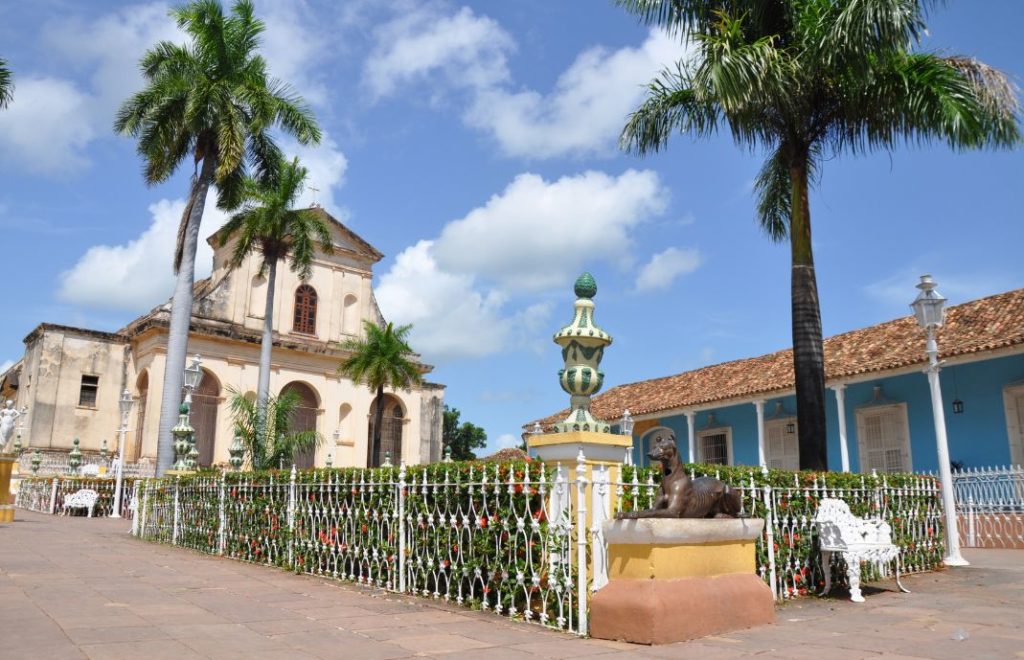
Havana
Cuba’s capital is a city that radiates charm, history, and faded grandeur – a place where beauty often wears the patina of time. It’s an intoxicating mix of crumbling colonial façades, soul-stirring music, and magnetic street life that will keep you wandering, wide-eyed and wonderstruck, from sunrise to well past midnight.
Here, the waves crash against the Malecón, the city’s iconic sea wall and promenade, glowing golden in the Caribbean light. Thanks to an ambitious restoration effort, many of Havana’s historic colonial buildings have been brought back to life, dazzling visitors with their renewed elegance.
Havana is a city of contrasts – both exhilarating and exhausting, full of paradoxes and undeniable presence. It’s a place that demands exploration beyond the postcard-perfect plazas. Venture past the tourist zones. That’s when you’ll discover the real Havana – gritty, poetic, and endlessly fascinating.
The heart and soul of the city is undoubtedly Old Havana (La Habana Vieja). This UNESCO-listed district feels like a living museum, where classic American cars cruise cobbled streets, music spills from every doorway, and daily life unfolds with color, rhythm, and unfiltered energy. It’s chaotic, captivating, and completely unforgettable.
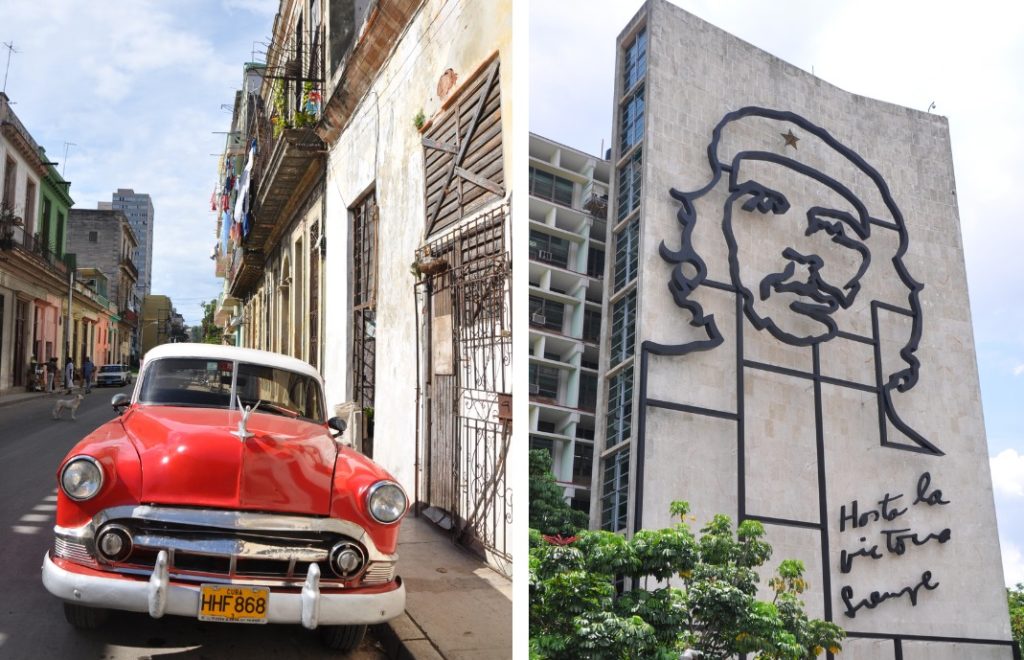
Viñales and Western Cuba
Welcome to one of Cuba’s most stunning, lush, and soul-soothing landscapes!
The island’s western province is a world of its own – where tobacco, bananas, and pineapples grow under the Caribbean sun, oxen still plow the fields, and you’re never too far from a powdery white beach.
This is Pinar del Río, a region that both looks and feels completely different from the rest of Cuba. The scenery is dominated by dramatic limestone hills known as mogotes, often shrouded in morning mist, rising like emerald sentinels above endless fields of green. Tobacco farms stretch as far as the eye can see, chickens and cows zigzag across the roads, and life unfolds slowly – often on a rocking chair on a shady porch, where worries seem to vanish with the breeze.
Viñales is the region’s heart and gateway, a charming little town surrounded by breathtaking countryside and offering a wide range of outdoor adventures:
- Horseback riding through the valleys
- Cycling past farms and mogotes
- Hiking to viewpoints with jaw-dropping panoramas
Viñales is also famous for its extensive cave systems, many of which you can explore with a local guide – venturing into underground rivers and caverns etched by time.
For a slower, greener, and more grounded slice of Cuba, Viñales is pure magic.
More inspiration: Western Cuba: Where past and present part ways
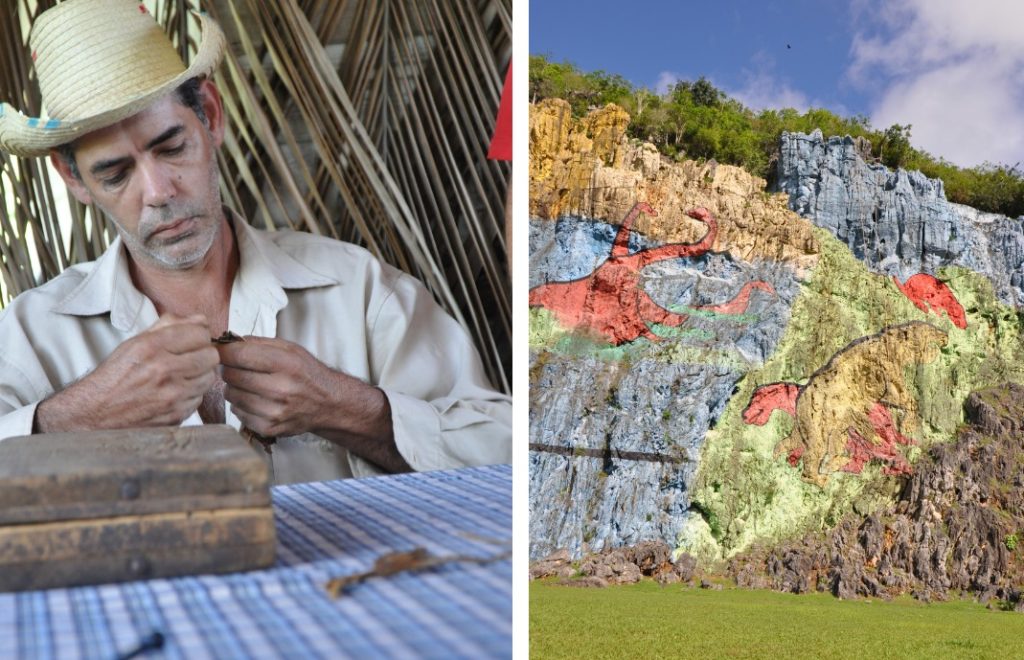
Varadero
Vamos a la playa!
If ever there was a phrase that captured the spirit of Varadero, this is it. Located in Matanzas, Cuba’s largest province, Varadero is the island’s premier beach escape. It’s famous for its powder-white sands, endless shoreline, all-inclusive resorts, and a wide selection of international-style restaurants and bars.
Let’s be honest: visitors don’t come here for culture or authenticity. They come for sun, sea, and stress-free living. And on that front, Varadero delivers.
The downside? A noticeable lack of Cuban atmosphere. The area is heavily geared toward tourists, and you’ll find few locals outside the service industry, which can leave the place feeling a bit manufactured and sterile compared to the rest of Cuba’s lively, character-rich towns.
But if your idea of a perfect getaway involves modern hotels with functioning air conditioning, pizzas and burgers on the menu, and rows of souvenir shops, then Varadero is your paradise. It’s Cuba’s most polished resort destination – made for lounging, swimming, and forgetting the world exists beyond the beach.
More inspiration: 5 fantastic beaches in Cuba
The Zapata Peninsula
Welcome to Cuba’s wild heart – a sanctuary for nature lovers and a stage for one of the Cold War’s most dramatic chapters. The Zapata Peninsula is a paradise for wildlife, home to an astonishing array of birds and animals, and a must-visit for those intrigued by Cuba’s natural wonders and historical depth.
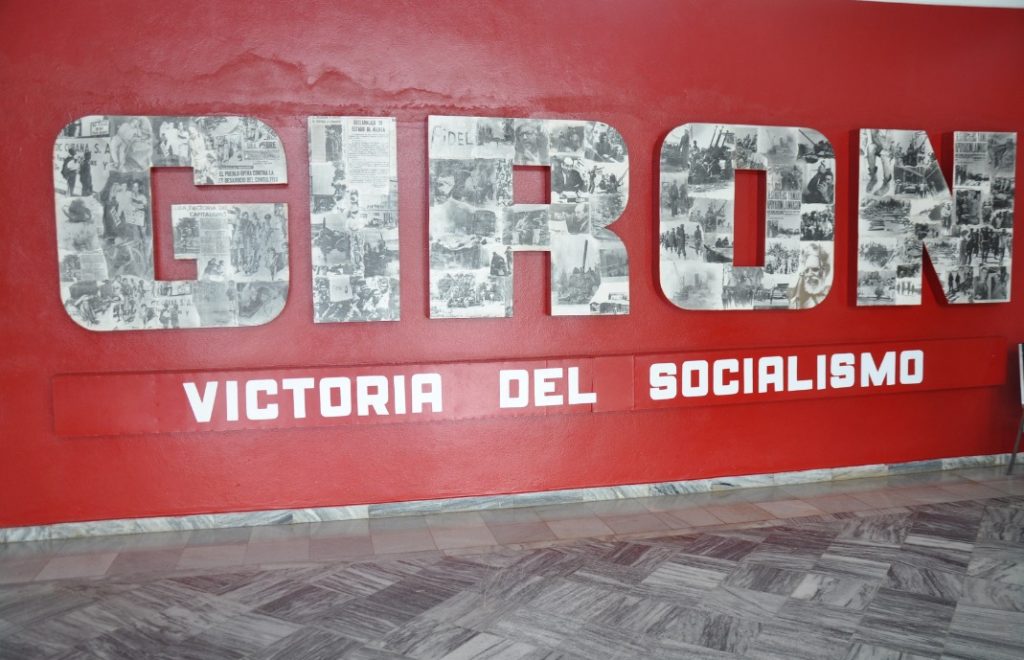
This is the setting for Playa Girón, forever etched into history as the site of the Bay of Pigs invasion in 1961, where the U.S.-backed effort to overthrow Fidel Castro ended in failure. Today, it’s a place for reflection – and birdwatching.
Zapata is not the place for city slickers. If you’re after buzzing nightlife or colonial streets, you’ll need to look elsewhere. But for those seeking peace, biodiversity, and a glimpse into Cuba’s ecological soul, this is the place.
The peninsula, named for its shoe-like shape (zapato means “shoe” in Spanish), is largely made up of wetlands and swamps, forming the Gran Parque Natural Montemar. Due to its incredible biodiversity, the region is recognized by UNESCO as a protected biosphere reserve.
Its biggest draw? Birdlife – with over 190 species, including many endemics found nowhere else on Earth. Bring binoculars and prepare to spot everything from colorful hummingbirds to the rare and iconic bee hummingbird, the world’s smallest bird.
In short, Zapata is Cuba unfiltered – raw, remote, and incredibly rich in life, both past and present.
Santa Clara
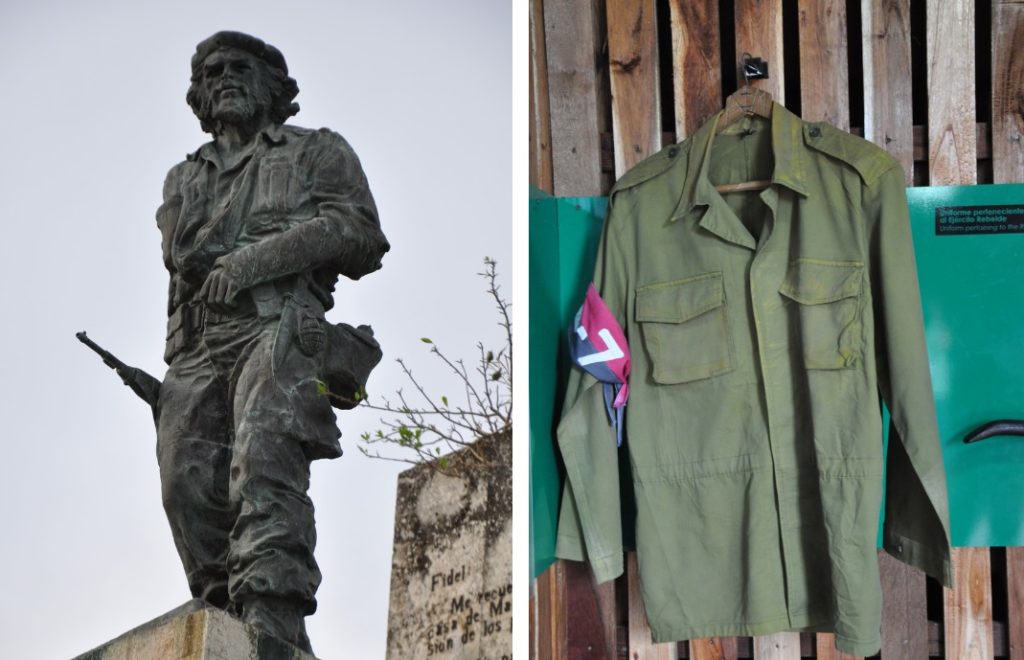
Santa Clara is a city steeped in revolutionary spirit – forever linked to the legacy of Che Guevara. Decades after his death, Che remains a national hero in Cuba, and for many visitors, a journey to Santa Clara is a pilgrimage into the heart of that legend.
The city is home to two major sites dedicated to Che:
Tren Blindado (Armored Train Monument)
This national monument and museum marks the site of the Battle of Santa Clara in 1958, when Che and his guerrilla fighters derailed and captured a train full of weapons and soldiers. This event helped seal the fate of Batista’s regime. Some of the original train cars remain, now transformed into exhibit spaces telling the story of that decisive moment.
Plaza de la Revolución Ernesto Guevara
This vast square is dominated by one of Cuba’s most striking revolutionary landmarks: the Monumento Che Guevara, a towering statue of the man himself, gazing resolutely into the distance. Beneath the plaza lies a small museum detailing Che’s life, and a mausoleum, where the remains of Che and 29 of his fellow fighters were laid to rest in 1997 after being recovered from Bolivia.
Beyond its revolutionary heritage, Santa Clara has a more relaxed side. Plaza Martí is the city’s cozy central square, where locals gather beneath shady trees and vintage buildings.
Fun fact: Santa Clara is the only city in Cuba with two churches on the same square, a unique quirk in a city known for breaking the mold.
Santa Clara offers a powerful blend of history, symbolism, and authenticity – a must-visit for anyone looking to understand Cuba’s revolutionary soul.
Trinidad
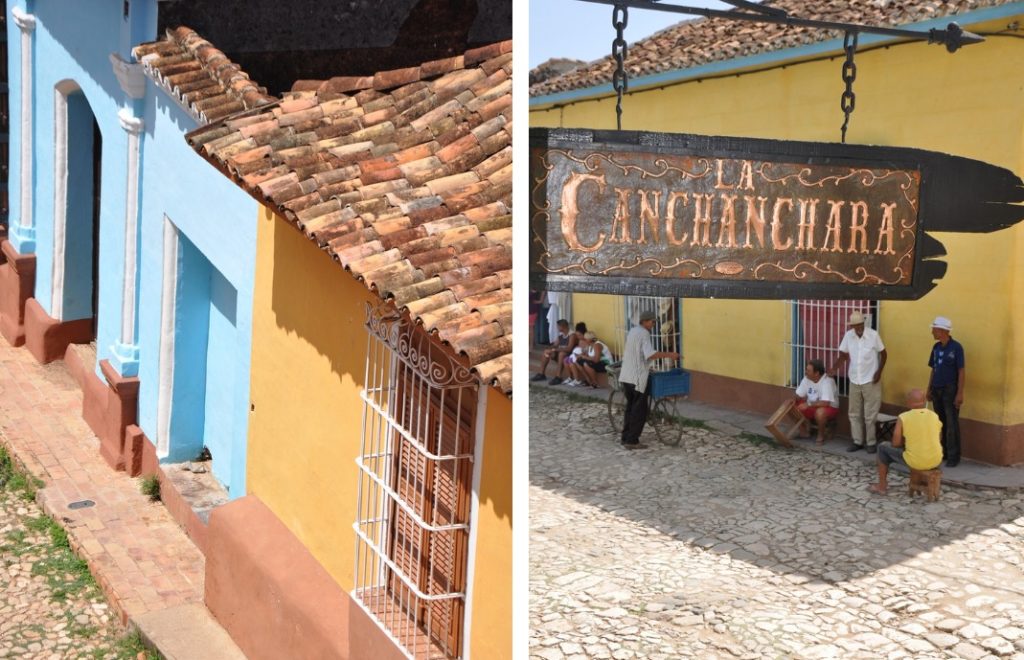
In a country filled with beauty, nowhere in Cuba is more enchanting than Trinidad. This colonial gem, draped in pastels and steeped in history, feels like a living museum. It’s no wonder its stunning 18th- and 19th-century architecture is protected by UNESCO World Heritage status.
Founded in the early 1500s, Trinidad is Cuba’s third-oldest city and undeniably one of its brightest treasures. With its cobblestone streets, colorful mansions, and a laid-back rhythm, the city effortlessly steals hearts. Wander its nearly car-free center at your own pace, soaking in the charm and tranquility of a bygone era.
But as night falls, the atmosphere shifts. Music and laughter spill into the streets, and the city comes alive with the pulse of Cuban nightlife – intimate bars, open-air venues, and spontaneous salsa dancing under the stars.
At the city’s core is Plaza Mayor, one of the most photographed squares in Cuba, framed by majestic buildings and graceful palm trees.
Looking for beach time? Just a short drive away lies Playa Ancón, a postcard-perfect stretch of white sand and calm turquoise waters – widely considered the best beach on Cuba’s southern coast.
For a taste of the island’s plantation past, explore Valle de los Ingenios (The Valley of the Sugar Mills). This vast, fertile valley is dotted with the remnants of sugar plantations, towering palms, and lush banana groves.
Don’t miss the Mirador de La Loma del Puerto, a scenic viewpoint offering sweeping panoramas over the valley’s green expanse – a reminder of the land’s rich, complex history.
Trinidad is a city that charms with every glance, offering a perfect blend of history, culture, and coastal beauty.
More inspiration: Trinidad – Cuba’s timeless jewel
Santiago de Cuba
Cuba’s second-largest city is its most vibrantly multicultural – a dynamic blend of Afro-Caribbean, Spanish, Haitian, and indigenous influences that make Santiago de Cuba a truly unique destination. Tucked between the shimmering waters of Santiago Bay and the lush slopes of the Sierra Maestra mountains, the city is as scenic as it is soulful.
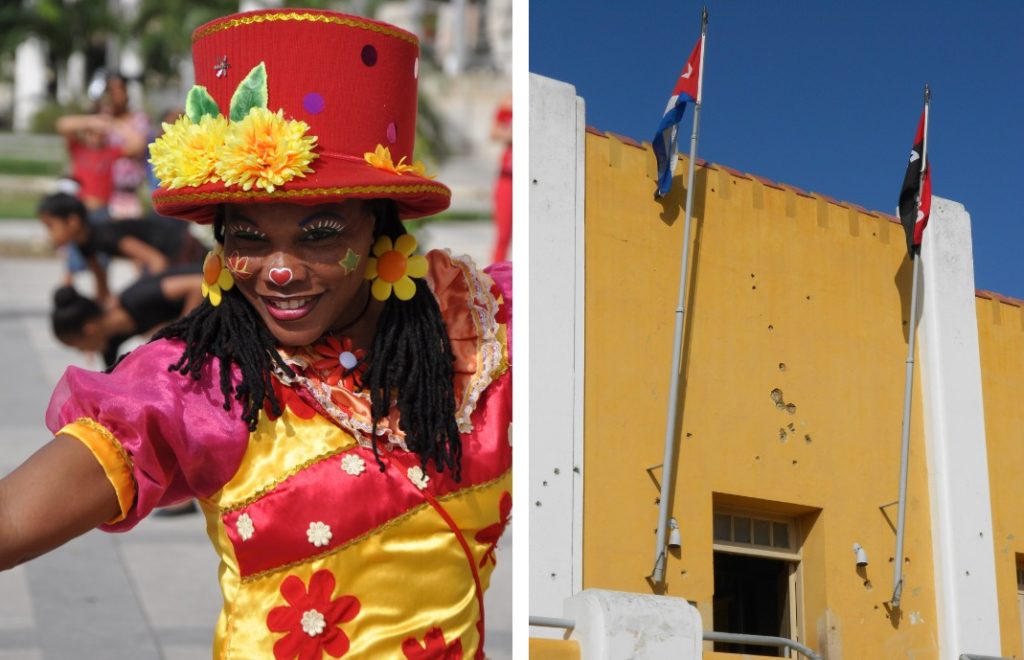
Known as the cradle of the Cuban Revolution, Santiago is steeped in history. At the Museo 26 de Julio, you’ll find chilling artifacts and bloodstained reminders of Fidel Castro’s 1953 assault on the Moncada Barracks – an event that marked the beginning of Cuba’s revolutionary path.
Despite the wear of time, the city still flaunts its colonial grandeur, with once-elegant palaces now draped in bougainvillea and buzzing with everyday life. Among its landmarks is the mausoleum of José Martí, Cuba’s beloved national hero, located in the city’s Santa Ifigenia Cemetery.
But Santiago is perhaps most alive in its music. This is the beating heart of Cuban rhythm, a birthplace of son, trova, and salsa. The streets pulse with live performances, and every evening holds the potential for a spontaneous concert. If you’re lucky enough to visit during Carnaval, prepare for an unforgettable explosion of color, drums, dancing, and raw joy.
Santiago de Cuba is bold, passionate, and unapologetically alive – a city that grabs you with its rhythm and doesn’t let go.
Cuba is authentic, genuine, beautiful, interesting and full of life. Everyone should visit the island at least once in their lifetime.
Here are many reasons to inspire you
