
Havana fades into the rearview mirror. The glossy American cars give way to oxen pulling wooden plows through rust-red fields. Colonial facades are replaced by swaying palm groves and mist-draped limestone hills. As we roll deeper into the countryside, emerald tobacco fields stretch out on either side, while chickens and pigs dart across the dusty streets of small towns.
Roughly 80 kilometers west of Havana lies Pinar del Río, a haven for nature lovers. Here, jungle trails lead to cascading waterfalls, rare orchids bloom in the wild, and birdwatchers revel in the symphony of wings and calls.
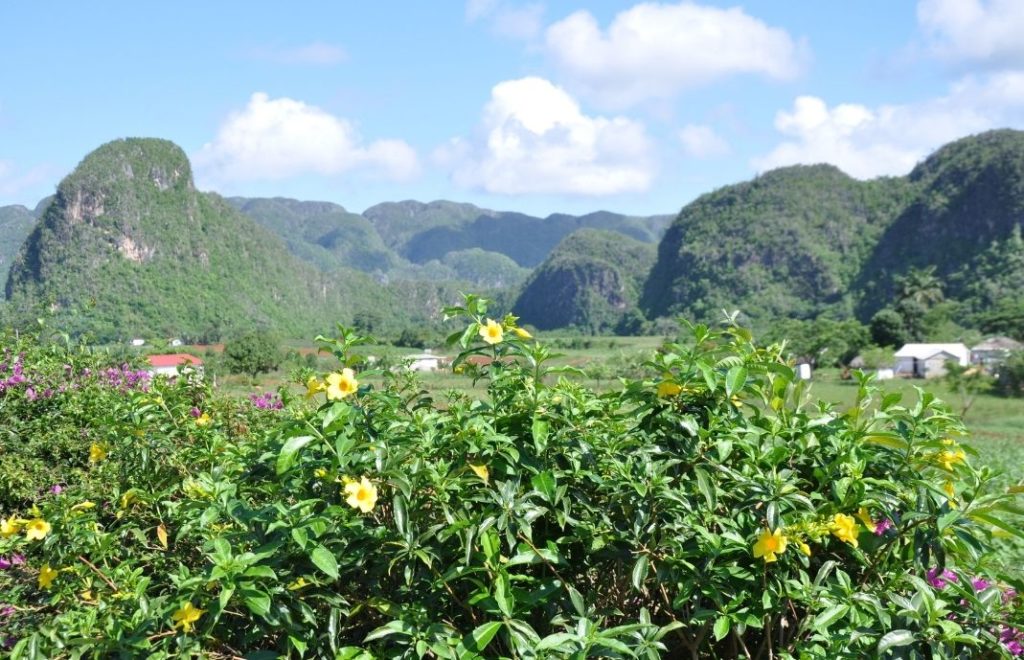
Even further west, the road winds into Viñales, a region blessed with a unique microclimate that produces what many call the finest tobacco on Earth. The landscape is otherworldly: massive, jungle-clad limestone formations known as mogotes rise dramatically from the valley floor, surrounded by carefully tended plots of copper-colored soil. These knobby, ancient hills lend the valley a dreamlike beauty that has captivated travelers from around the globe.
In western Cuba, time doesn’t just slow down. It seems to split in two, offering a rare glimpse into both the island’s rich past and its vibrant present.
Take a puff
Over the centuries, unique species of plants and animals have evolved here, indigenous peoples have performed sacred rituals, and runaway slaves and guerrilla fighters have found refuge in the region’s caves.
The city of Pinar del Río itself is a quiet gem. Along Calle Martí, stately buildings line the avenue, and a faint echo of former grandeur lingers in the neoclassical facades. There’s a relaxed, almost paused-in-time atmosphere – as if the city decided to slow down and never sped back up.
A stroll down the street reveals rows of pastel-colored homes. Like much of Cuba, the architecture here is an eclectic fusion of cultures: Moorish arcades, Greek columns, Gothic spires, and baroque flourishes all share space under the Caribbean sun.
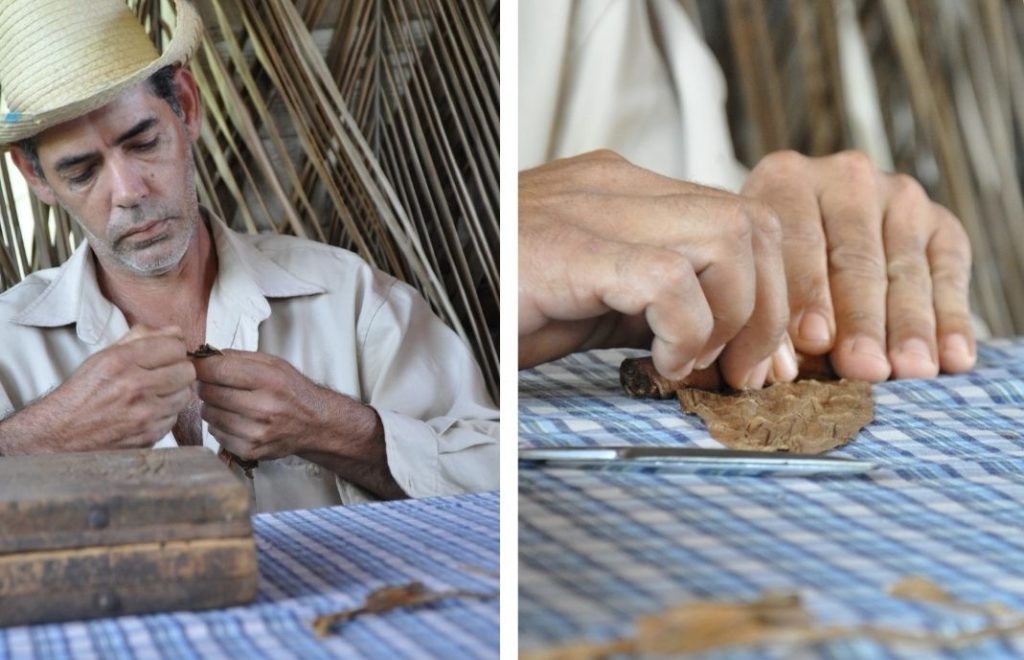
And of course, no trip to Cuba is complete without cigars. So we make our way to the Fábrica de Tabacos Francisco Donatién, a legendary local cigar factory.
Inside, expertly trained hands work with rhythmic precision, rolling one flawless cigar after another. The woman overseeing the sorting process beams proudly as she moves through her work – each cigar a small masterpiece.
These cigars are ultimately boxed under the label Vegueros, a widely available and more affordable brand found across the island.
Whether you light up or simply observe, the artistry behind Cuban cigar-making is pure cultural gold – a ritual as deeply rooted in the island as the tobacco fields themselves.
A rather out-of-place masterpiece
A vintage 1950s American car – held together with parts from several other decades – roars past the lush Cuban countryside. The driver, who doesn’t speak a word of English, grins contentedly as the engine growls. A faint whiff of gasoline drifts into the back seat. We stop at a roadside store for ice cream and bottled water. His smile grows even wider when he’s handed both.
The sun blazes across a brilliant blue sky, and we can’t help but revel in the simple joy of being in beautiful Cuba.
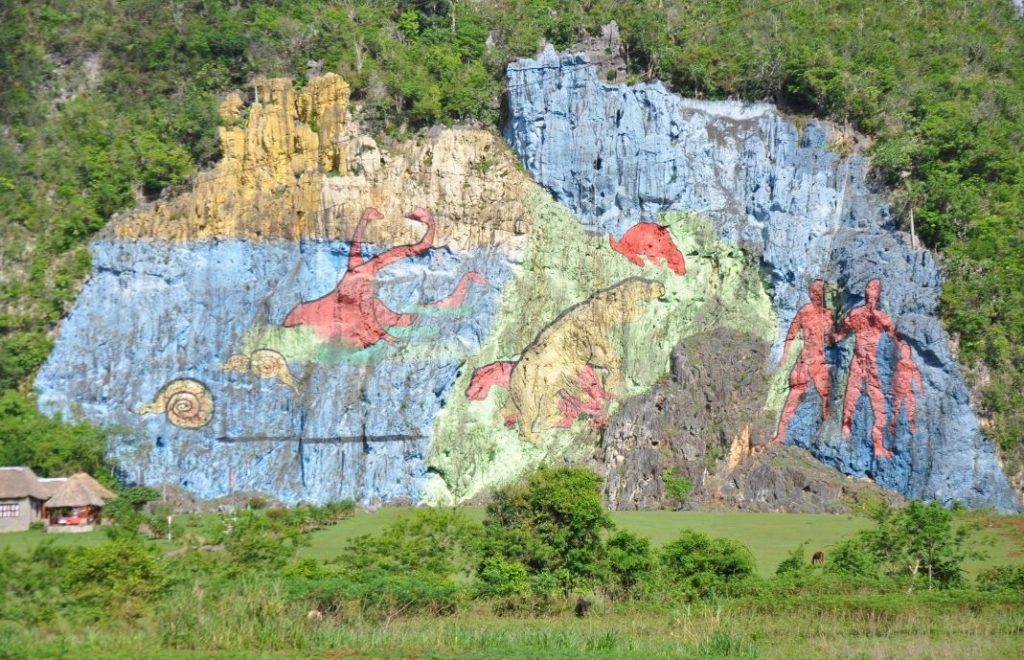
Then it appears before us: a massive mural, 120 meters high and 180 meters wide, boldly painted across the face of the Mogote Dos Hermanos cliff. This vibrant work of art, known as the Mural de la Prehistoria, features prehistoric creatures and early humans—but rather than blending with the natural splendor of the surroundings, it feels jarringly out of place.
It’s bright, it’s bold – and arguably, it disrupts the serene beauty of the landscape, where horses graze peacefully nearby.
Painted around 1960 by local farmers under the direction of Cuban artist Leovigildo González, the mural is certainly a curiosity worth visiting. If not for the artwork itself, then for the sheer oddity of its existence, and the spectacular scenery that surrounds it.
Here, among the towering mogotes – those strange, steep limestone hills that jut unexpectedly from the fertile earth – you’ll find a place where art, history, and nature collide in a way that only Cuba could pull off.
After taking in the scene, grab a seat at the on-site restaurant, where grilled and smoked pork is the house specialty. They also serve up excellent omelets and hearty comida criolla – Cuba’s beloved home-style fare.
Into the depths of the Earth
In the Valle de Viñales, time has carved a secret world beneath the surface. Vast subterranean cave systems that now lure curious travelers and thrill-seekers alike. There are many ways to explore these underground marvels.
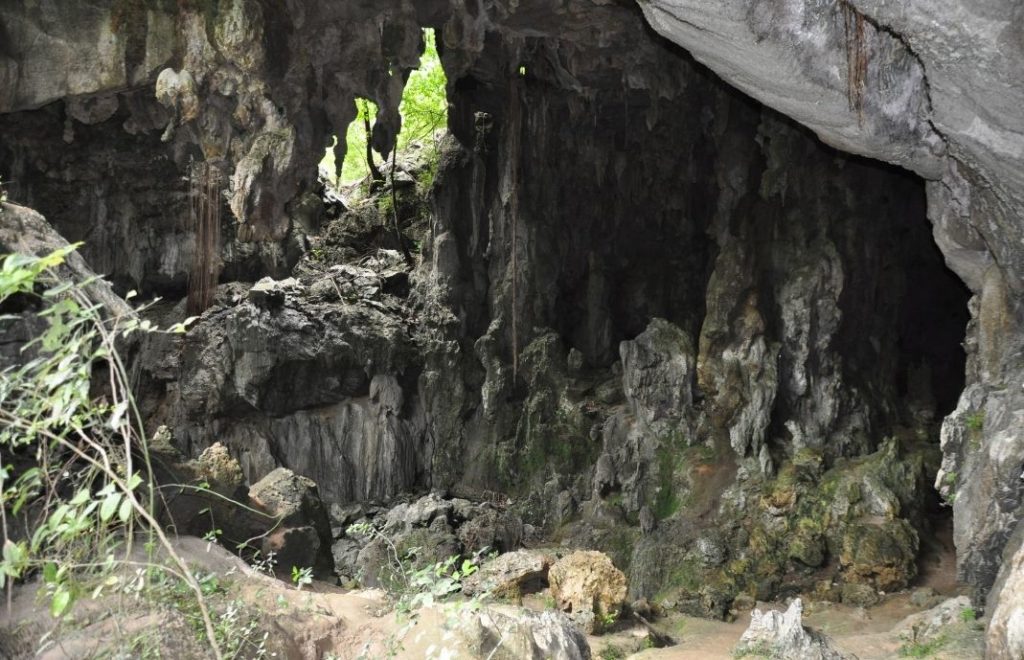
We began with a guided trek through Caverna de Santo Tomás, a natural labyrinth often described as an underground skyscraper, whose primary residents are bats. Wandering among ghost-like stalactite sculptures that resemble coral reefs and cathedral spires, we were completely enveloped in a world sculpted over millennia.
Stretching a staggering 46 kilometers across eight different levels, this is the third-largest cave system in Latin America. Selected areas are open to adventurous visitors.
At the entrance, an English-speaking guide handed out helmets equipped with headlamps and emphasized – quite seriously – the importance of keeping them on at all times.
We began the ascent to the cave’s mouth, hiking through lush, undulating terrain that felt like a journey into another realm. Inside, the world darkened dramatically. We climbed up and down through pitch-black passageways as the guide shared fascinating insights into geological formations and ongoing scientific research.
The mood lightened when he pointed to a colossal boulder, easily weighing several tons, perched ominously in the middle of one of the chambers.
“Now you see why helmets are important?” he said, pausing dramatically. “Imagine if this fell on you without one…”
The group chuckled quietly, fully aware that no helmet in the world could save you from that kind of impact. But when our normally cheerful guide turned serious, gesturing solemnly at the stone, we all nodded with equal gravity and echoed, “Yes, we understand.”
Welcome to the caves of Viñales – equal parts awe, adventure, and just the right touch of dark humor.
By boat through nature’s cathedral
From one underground adventure to the next.
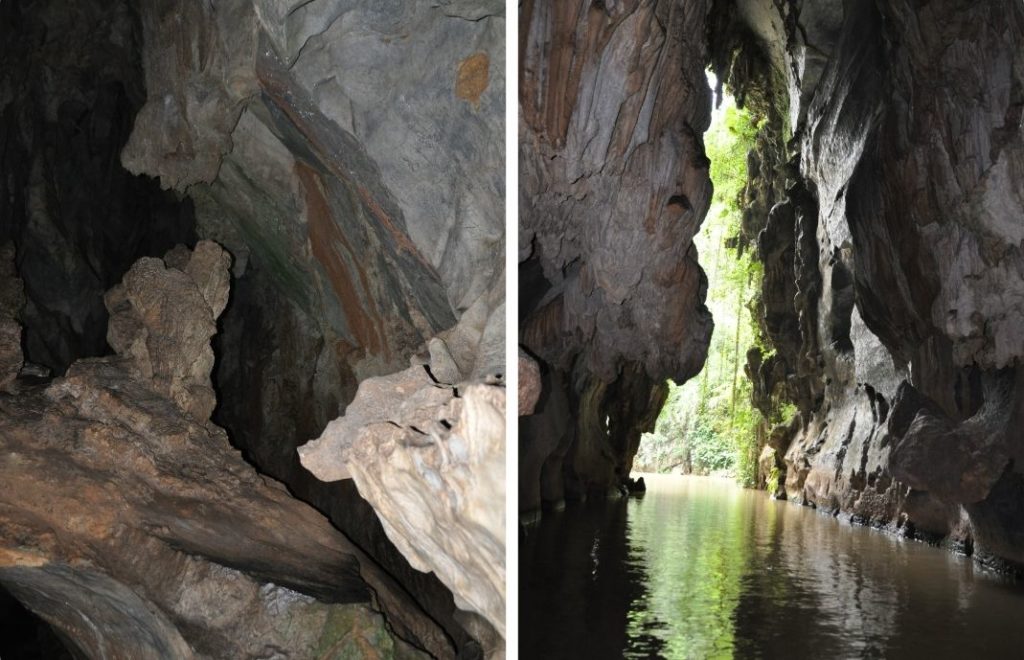
As we step into Cueva del Indio, it feels as though we’ve entered a jagged, cathedral-like chamber carved not by human hands, but by time and water.
A 300-meter-long corridor – and a very slippery staircase – leads us down to a small dock. From here, we board a motorboat that carries us deeper into the cavern, floating along an underground river that twists and turns between dramatic stalagmites and stalactites.
Our guide enthusiastically points out formations resembling turtles and ghosts. Though a bit of imagination is definitely required to see all the “creatures” he names.
Archaeologists have discovered human remains here, indicating the cave once served as a burial ground and refuge for the Guanahatabey people, who fled Spanish colonization centuries ago.
Back in the sunlight, we reward ourselves with a well-earned mojito at the charming nearby restaurant.
Because let’s be honest – when in Cuba, no adventure is truly complete without a mojito to toast the experience.
Back to the Stone Age
Our underground journey continues, and this next stop whisks us straight into a scene worthy of Fred Flintstone himself.
At the mouth of Cueva de San Miguel, we’re greeted by a rustic cave bar. A charming Stone Age-style tavern tucked beneath the rock. Cuban melodies rise to meet the echoing ceiling as local musicians pour their soul into the rhythm, turning the cavern into a living concert hall.
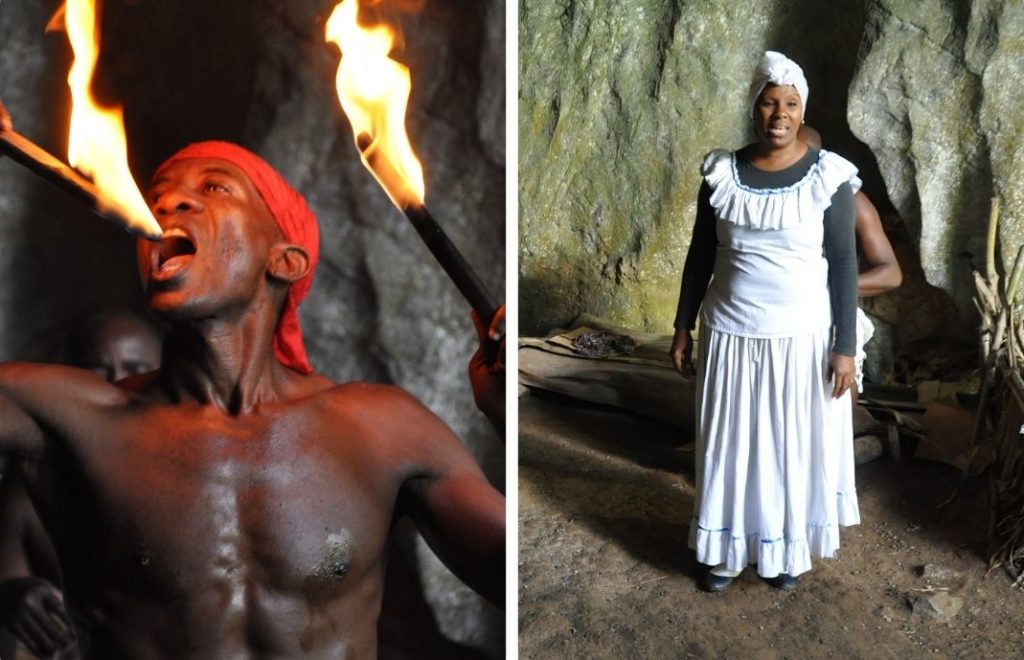
After a refreshing drink, we leave the bar behind and follow a winding stone corridor, where traces of former inhabitants still linger. Eventually, we arrive at El Palenque de los Cimarrones, a reconstructed settlement once used by escaped slaves. Scattered between the cliffs are tools and everyday objects that speak to the ingenuity and resilience of those who once hid here.
The visit culminates with a fiery finale: a high-energy dance performance, complete with a flame-swallowing showman who quite literally turns up the heat.
Back at the hotel, dinner is served as the sun dips below a horizon dotted with swaying palms and the iconic, dome-shaped mogotes of western Cuba.
Cuba is, in many ways, a journey through time. And nowhere is that time travel more palpable than here. We came in search of rural tranquility and found exactly what we were looking for.
This is Cuba as it was a hundred years ago – raw, rhythmic, and utterly unforgettable.
More inspiration to Cuba:
7 places you don’t want to miss in Cuba
5 fantastic beaches in Cuba
Trinidad – Cuba’s timeless jewel
Casa particulares – the soul of Cuba
