
Eastern Europe is a region with depth, soul, and a powerful sense of discovery. It is where painted monasteries sit beneath forested hills, old towns glow in the evening light, castles rise above misty valleys, and traditions still feel beautifully alive.
This is Europe with a slightly wilder edge. Less polished in places, more surprising in others, and full of destinations that reward curious travelers. Eastern Europe offers dramatic mountains, colorful cities, Black Sea beaches, medieval fortresses, wide rivers, rich food traditions, and a hospitality that often feels genuine and heartfelt.
It is a region for travelers who want more than the obvious. For those who enjoy wandering through atmospheric streets, finding beauty beyond the main tourist routes, and experiencing countries where history, culture, and landscape come together in unforgettable ways.
Welcome to Europe’s most underrated adventure.
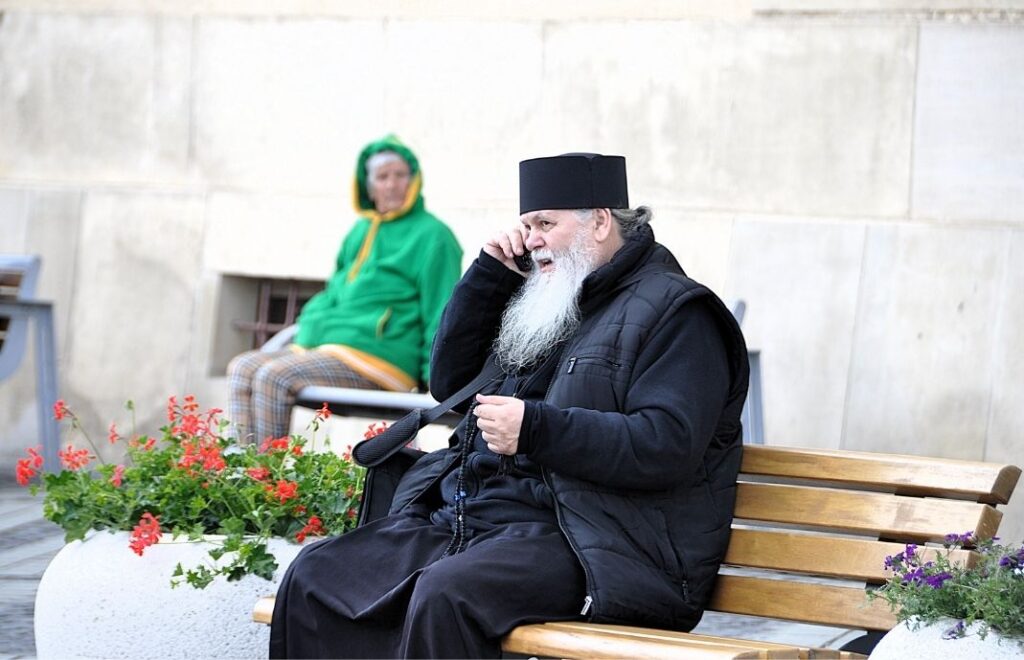
Belarus: Forests, fortresses, and Soviet-era grandeur
Belarus is a country of wide forests, peaceful lakes, historic castles, and grand Soviet-era avenues.
Minsk, the capital, is spacious, orderly, and monumental, with broad streets, impressive public squares, museums, and parks.
Outside the capital, Belarus reveals medieval castles, rural villages, national parks, and some of Europe’s oldest forest landscapes. Mir Castle and Nesvizh Palace are among the country’s architectural highlights, while Belovezhskaya Pushcha is known for its ancient woodland and wildlife.
For those interested in history, architecture, and lesser-known corners of Europe, Belarus remains a fascinating and complex country.
Travel to Belarus can involve restrictions and changing entry conditions, so it is a destination that requires careful planning.
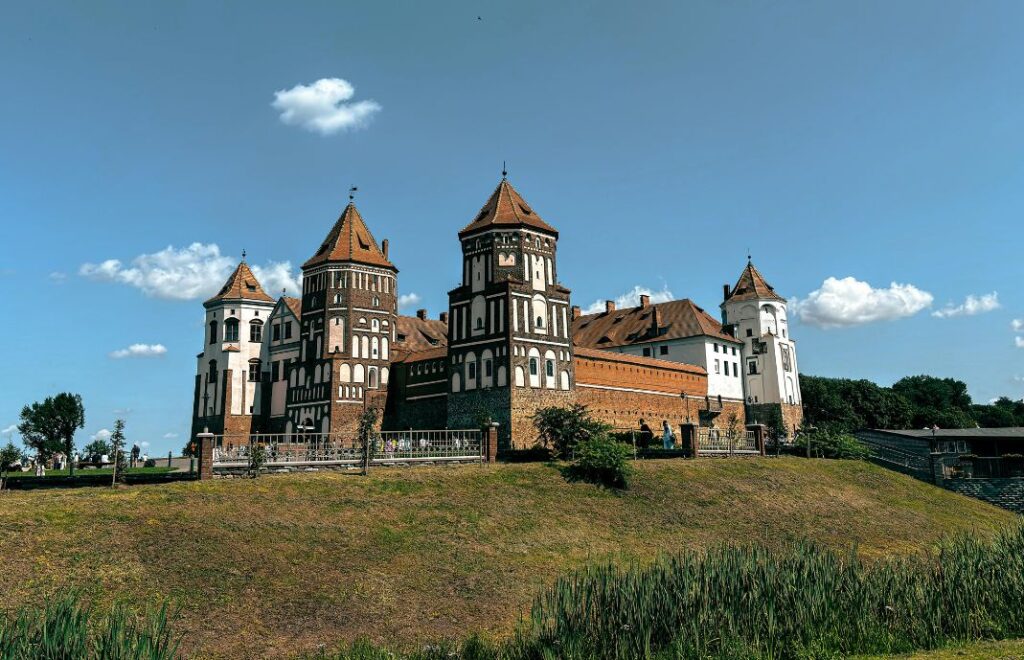
Bulgaria: Mountains, monasteries, and Black Sea beauty
Bulgaria is a country of contrasts and quiet surprises.
It has golden beaches along the Black Sea, rugged mountains, ancient ruins, colorful cities, and some of the most beautiful monasteries in Europe.
Sofia, the capital, mixes Roman history, Orthodox churches, leafy parks, and a relaxed café scene. Plovdiv, one of Europe’s oldest cities, is full of charm, with a beautifully restored old town, Roman remains, and creative modern energy.
Beyond the cities, Bulgaria becomes deeply scenic. The Rila Mountains offer hiking trails and alpine lakes, while Rila Monastery stands as one of the country’s great cultural treasures. Along the coast, towns like Nessebar combine sea views with old stone streets and centuries of history.
Bulgaria is affordable, diverse, and full of character – a destination that deserves far more attention.
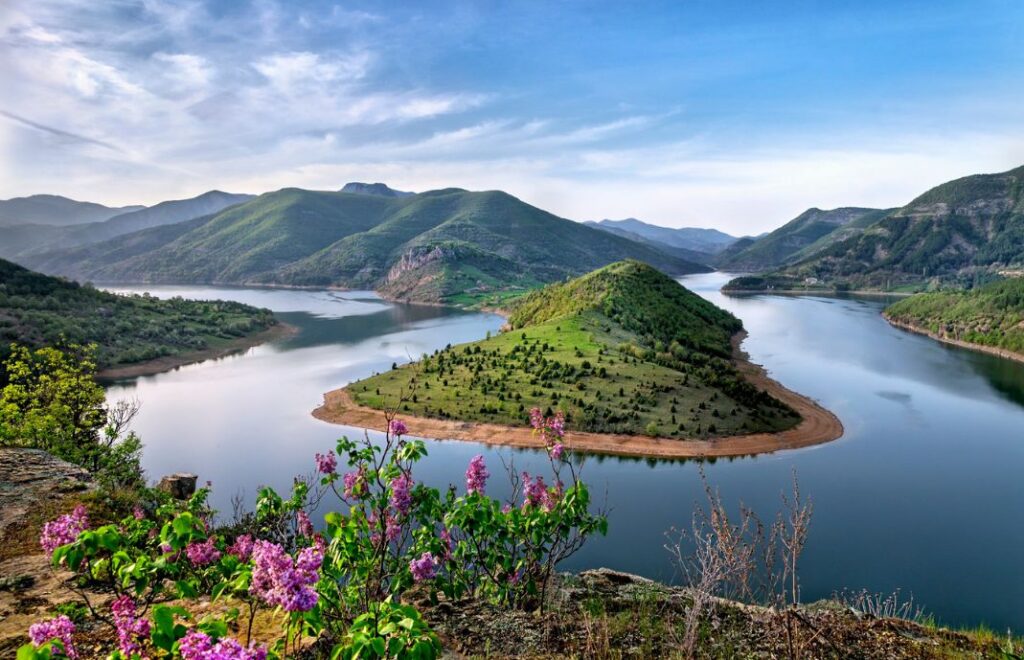
Hungary: Thermal baths, Danube views, and soulful city life
Hungary brings a rich and atmospheric layer to Eastern Europe, with grand architecture, deep-rooted traditions, warm hospitality, and one of the region’s most captivating capitals.
Budapest is the country’s unforgettable centerpiece, and is split by the Danube into historic Buda and vibrant Pest. The city offers castle views, elegant bridges, glowing riverfronts, grand cafés, lively markets, and famous thermal baths that turn relaxation into a cultural experience. It is romantic, energetic, and full of character.
Beyond Budapest, Hungary opens into vineyards, spa towns, peaceful countryside, and the wide waters of Lake Balaton, a favorite summer escape. Historic cities like Eger and Pécs add charm, color, and a slower rhythm, while the country’s wine regions reveal a proud and delicious side of Hungarian culture.
Hungary feels generous and soulful. This is a destination where history, flavor, music, and everyday beauty come together with effortless charm.
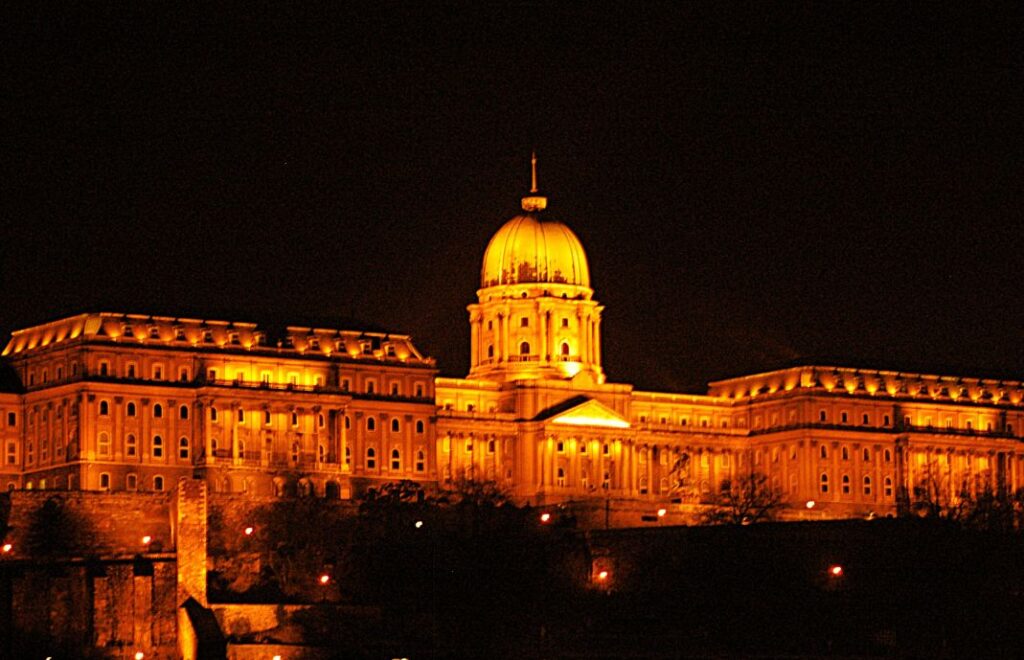
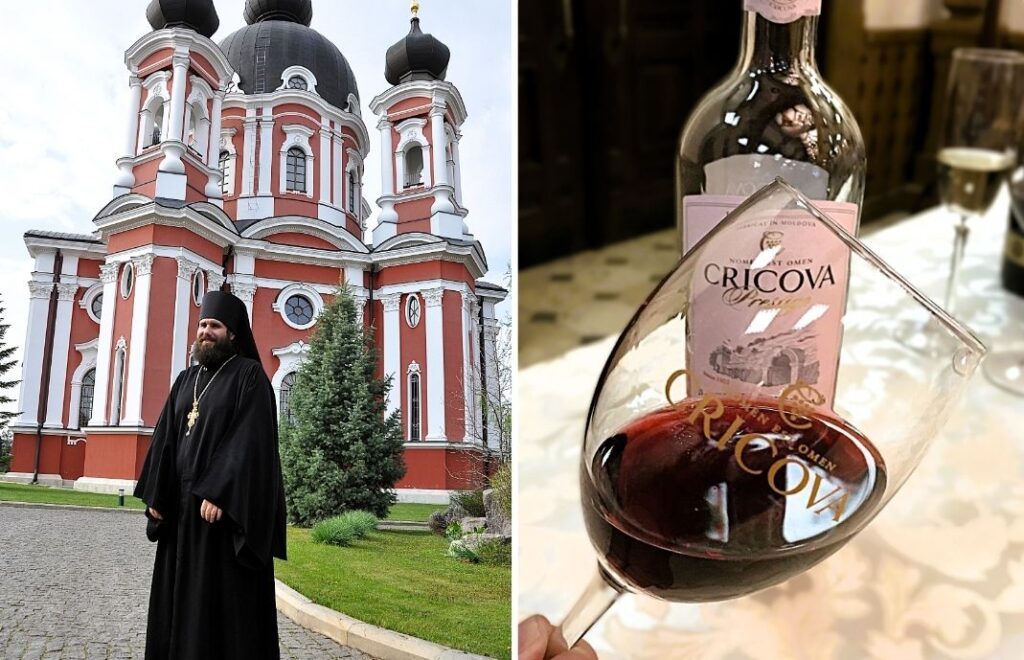
Moldova: Vineyards, monasteries, and quiet countryside
Moldova is one of Europe’s least-visited countries, which is exactly why it feels so intriguing. It is peaceful, rural, and deeply connected to wine, tradition, and simple pleasures.
The capital, Chișinău, has leafy boulevards, markets, Soviet-era architecture, and a calm, unpretentious atmosphere. Outside the city, Moldova opens into rolling vineyards, cave monasteries, small villages, and countryside landscapes that feel far removed from mass tourism.
Wine is one of Moldova’s great treasures. The country is known for vast underground wine cellars and long-standing winemaking traditions. For travelers who enjoy slow travel, local food, and off-the-beaten-path destinations, Moldova offers a gentle and memorable experience.
It is not flashy, but it is authentic – and that is exactly its charm.
Click here for more inspiration to visit Moldova
Romania: Castles, Carpathians, and storybook villages
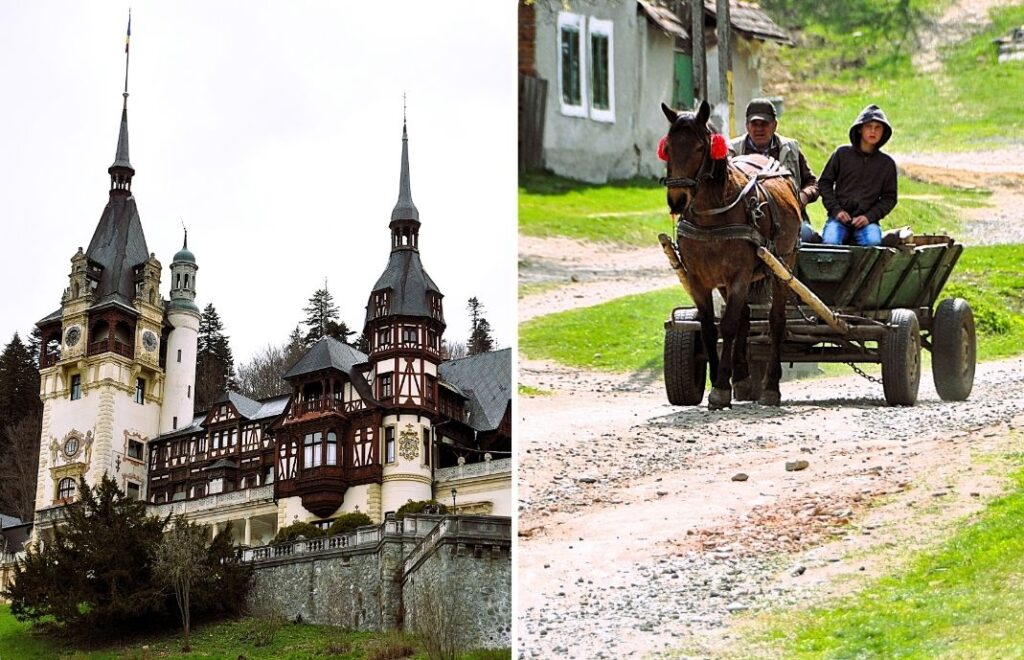
Romania is one of Eastern Europe’s most captivating countries. It has all the ingredients of a great adventure: mysterious castles, medieval towns, wild mountains, painted monasteries, forested valleys, and villages where traditional life still moves at a slower rhythm.
Transylvania is the name that captures the imagination, and it lives up to the legend. Towns like Brașov, Sibiu, and Sighișoara are filled with colorful houses, cobbled lanes, fortified churches, and mountain views. Bran Castle may be famous for its Dracula associations, but Romania’s real magic lies in the atmosphere of its old towns and countryside.
The Carpathian Mountains bring hiking, wildlife, scenic drives, and dramatic landscapes, while Bucharest offers grand boulevards, historic architecture, creative cafés, and a lively urban spirit.
Romania feels adventurous, authentic, and wonderfully rewarding.
Click here for more inspiration to visit Romania
Ukraine: Golden domes, wide landscapes, and resilient spirit
Ukraine is one of Europe’s largest and most culturally rich countries. It is a land of grand cities, deep traditions, fertile plains, historic churches, forested hills, and a powerful national identity.
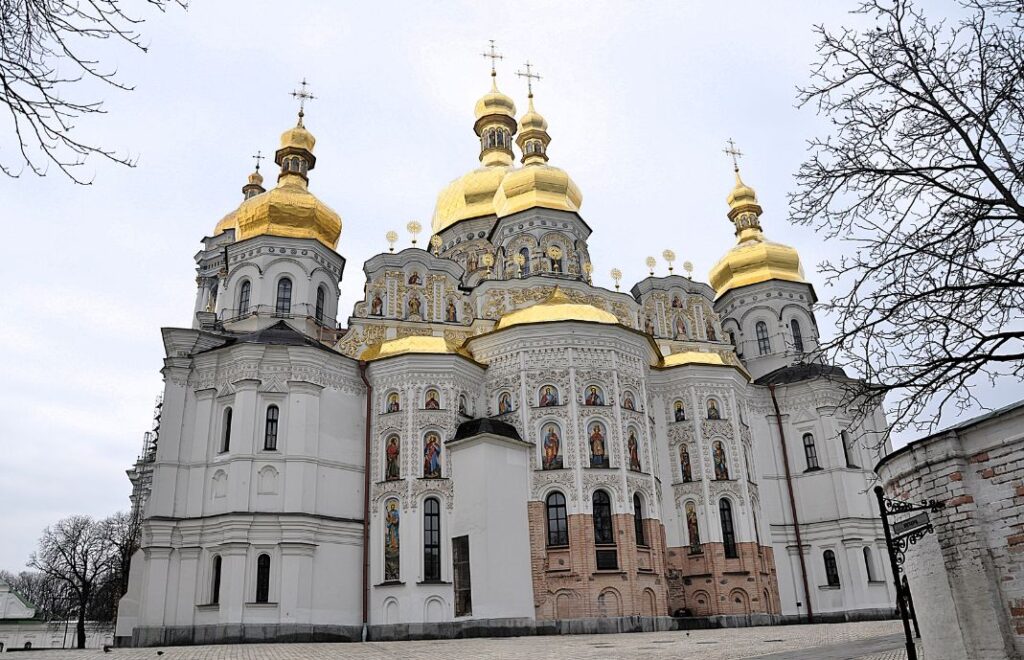
Kyiv is one of Eastern Europe’s most impressive capitals, known for its golden-domed churches, broad boulevards, historic monasteries, and riverside views. Lviv, in western Ukraine, is beloved for its café culture, elegant architecture, cobblestone streets, and Central European atmosphere.
Ukraine also offers the Carpathian Mountains, Black Sea coast, traditional villages, and a cuisine filled with comfort and warmth. It is a country with enormous beauty and emotional depth.
Because of the ongoing impact of war, travel conditions can change and many areas may not be suitable for tourism. Still, Ukraine remains an essential part of Eastern Europe’s cultural and historical identity – a country to understand, respect, and hopefully explore more freely in the future.
Why Eastern Europe deserves more attention
Eastern Europe is one of the most rewarding regions for travelers who want beauty with substance. It is not only about sightseeing. It is about atmosphere, memory, and the feeling of discovering places that still hold mystery.
This region offers some of Europe’s most underrated cities, wildest landscapes, richest traditions, and best-value travel experiences. It can be adventurous without being impossible, historic without feeling frozen in time, and beautiful in ways that are often unexpected.
Here, travel feels personal. It is a quiet monastery at sunrise. A mountain road through pine forests and a bowl of homemade soup after a long day of exploring. Admire a medieval square without crowds and take a train journey across open countryside. A conversation that stays with you.
Eastern Europe invites travelers to look deeper, travel slower, and embrace the unknown. For those willing to go beyond the familiar, it offers a version of Europe that is raw, romantic, resilient, and unforgettable.