
Humans have always sought fortune in the depths of the Earth – and Svalbard was no exception. While there was no glittering gold to be found here, the archipelago held something just as coveted at the dawn of the 20th century: coal. Often dubbed “black gold,” it became the fuel that would shape life in one of the world’s northernmost outposts of civilization.
The rush began in 1906, when adventurous prospectors, investors, and workers arrived on Svalbard, chasing dreams of wealth. The harsh polar environment did little to deter the hopeful. They weren’t seeking shiny nuggets, but rather the rich veins of coal hidden within Svalbard’s icy mountains – a commodity that would heat homes, power ships, and stoke the fires of industry for decades to come.
At the heart of this gritty history lies Gruve 3 (Mine 3), a former coal mine now open to visitors. It offers a raw, authentic glimpse into the tough conditions endured by miners who labored in narrow tunnels under the permafrost. Guided tours take you deep inside the mountain, through dark passageways where the air is cool and the history palpable.
The history of mining – how coal built Svalbard
Today’s Longyearbyen, the bustling capital of Svalbard, owes its very existence to one man: John Munro Longyear, an American entrepreneur who arrived in the early 1900s. Drawn north by the promise of coal, he founded Mine No. 1, later nicknamed “the American Mine.” This marked the beginning of a new era – one that would transform the Arctic wilderness into a year-round, inhabited community.
It was coal that shaped Svalbard’s destiny. Mining activity officially began in 1916, and over the decades, it gave rise to mining towns, infrastructure, and eventually a permanent population. Soot-covered miners, transport lines, and the hum of machinery once defined the rhythm of life here. And even though the heyday has passed, the legacy of mining is still etched into the landscape.
You’ll still find:
- Old cableway towers scattered between buildings in Longyearbyen.
- The remnants of a railway between Grumant and Coles Bay.
- Abandoned Soviet-style mining towns like Pyramiden – eerie echoes of a booming past.
Want to dig deeper?
Join a guided tour of Mine 3 in Longyearbyen – an immersive experience that takes you into the heart of Svalbard’s industrial history. Descend into the darkness, feel the chill of the rock, and discover what life was like for the miners who helped build the foundation of modern Svalbard.
Their stories – of hardship, resilience, and determination – echo through the tunnels, whispering of a time when survival meant digging deep into the Arctic ground.
What to expect from a visit to Mine 3
It’s hard to truly grasp what a day in the life of a coal miner was like – but a visit to Mine 3 offers a rare and immersive glimpse into their world, deep inside the mountain.
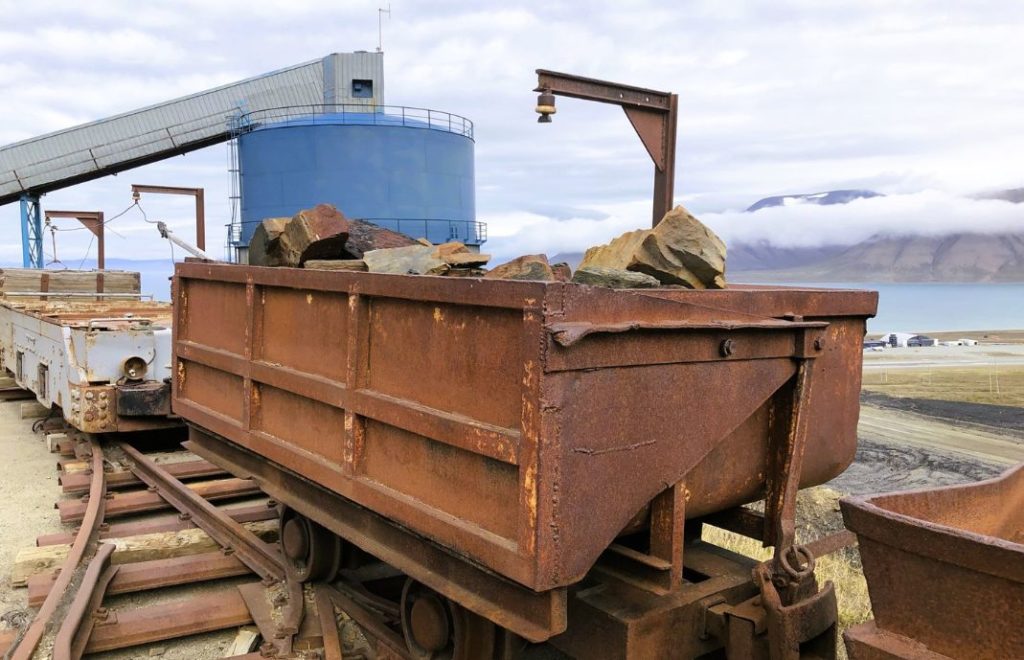
Abandoned coal carts and rusting machinery line the tunnels, silent witnesses to a once-thriving era. With a knowledgeable guide at your side, you’ll journey through over a century of mining history, beginning with the mine’s origins in the early 1900s.
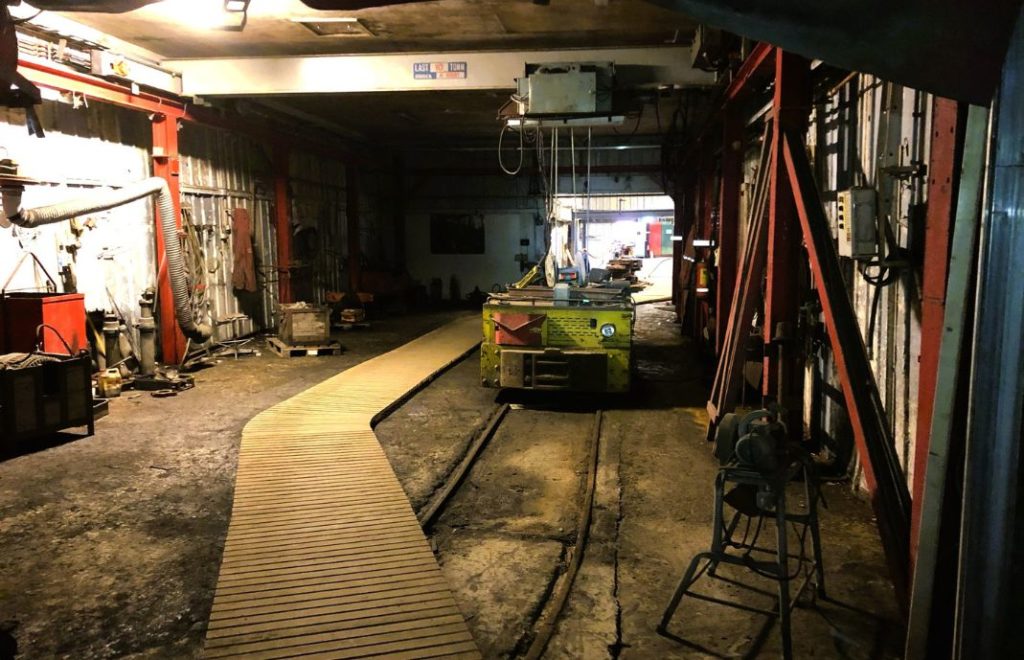
Before descending underground, you’ll pass through the office building and communal dining hall – echoes of the everyday routines that once filled these now-quiet spaces.
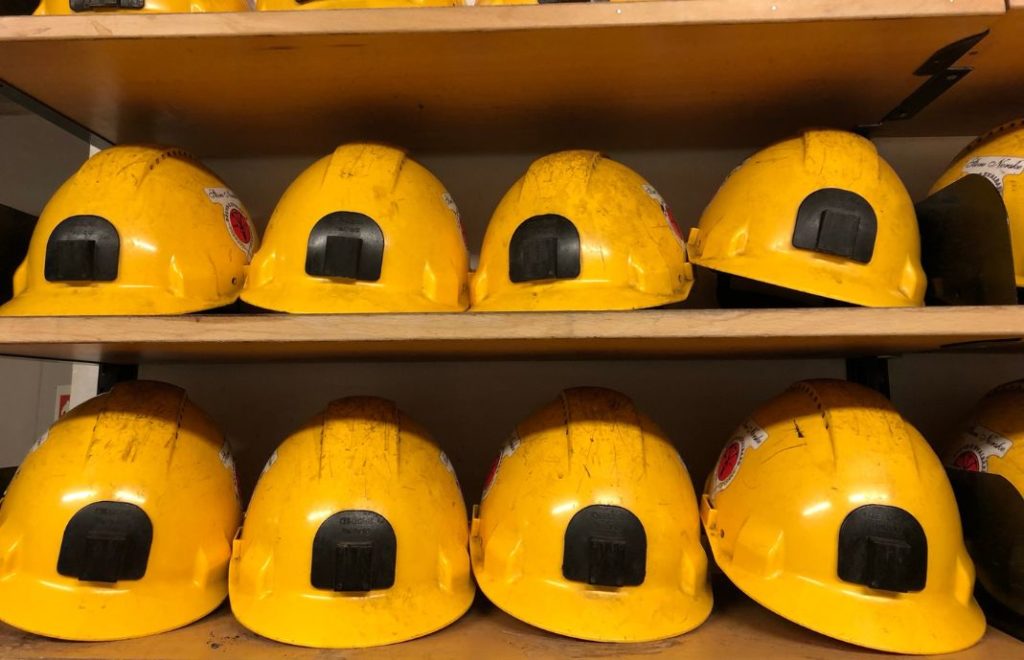
Each visitor is outfitted with a miner’s suit and a helmet equipped with a headlamp. From there, you step into the heart of the mine. The goal is to give guests a genuine sense of the working life of the gruvebus, the hardy miners of Longyearbyen’s final low-production coal mine.
As you enter the facility, the temperature drops sharply – a stark reminder that this is no ordinary tourist site.
When operations ceased in 1996, the entire site was left intact. None of the equipment could be repurposed for Mine 7 or the Svea mine, leaving everything behind. The result is a hauntingly authentic atmosphere, as if the workers simply vanished mid-shift.
Thanks to the untouched machinery and preserved surroundings, the experience is strikingly real – a walk through industrial history frozen in time.
The Underground Tour of Mine 3
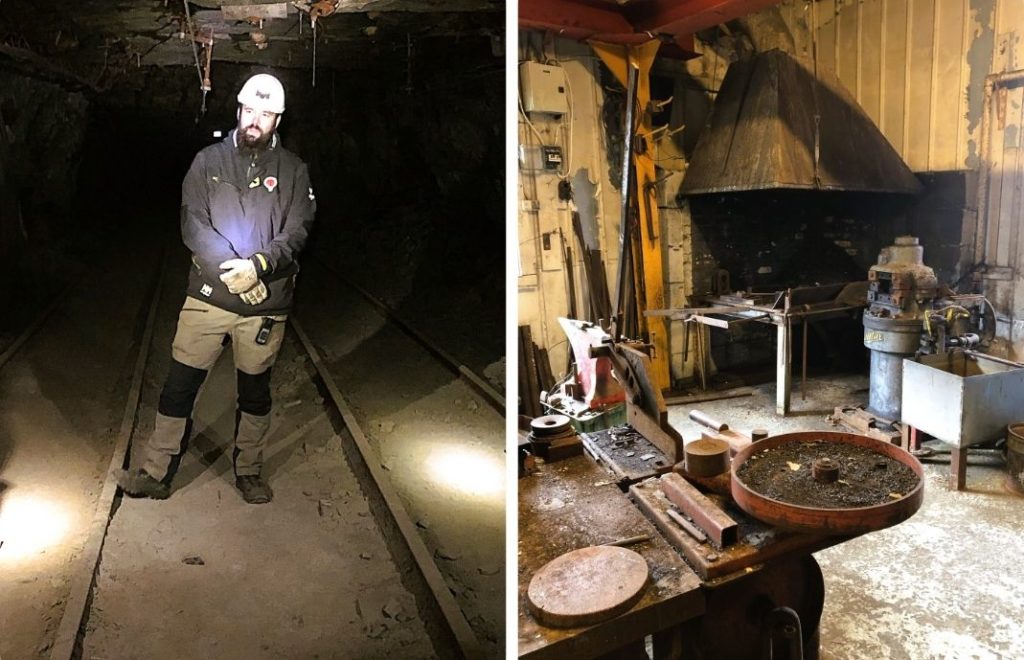
Led by your guide, you’ll meander through a dimly lit mine – past machines that once roared with life but now lie silent, relics of a bygone era. Narrow passages lead the way to the old blacksmith’s workshop, where, for a brief moment, the ceiling rises above you. A sharp turn to the right takes you deeper into the darkness, until you arrive at a main tunnel excavated in the 1970s.
Your guide brings the mine to life with stories. Tales of labor in the shadows, gritty working conditions, and quirky anecdotes about the miners who once called this underground world their workplace. Delivered with passion and flair, the narration adds depth and color to an already captivating experience.
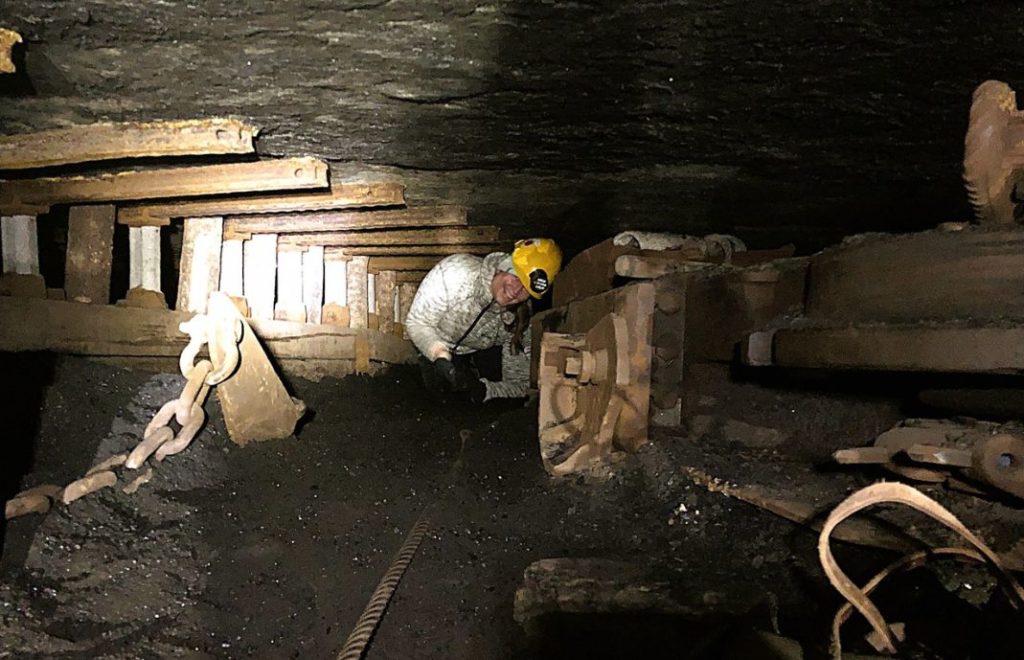
One of the most striking moments comes when you experience the shockingly low ceilings under which the miners toiled. In some sections, the clearance is just 60 to 90 centimeters – redefining the meaning of “low overhead.” It was this restricted height that necessitated the use of traditional, low-yield mining techniques to extract the coal.
The most thrilling – and for some, claustrophobic – part of the tour is the chance to crawl into one of the narrow side tunnels. While the height remains minimal, the space widens just enough to let you turn around, sparing you from the need to wriggle backwards out.
A word of warning: it’s easy to bump your head (hence the helmet!), and the air is thick with coal dust -something you’re likely to carry with you for a while, both literally and metaphorically.
Your respect for the men and women who spent entire shifts here, year after year, will grow exponentially after this experience.
This part of the tour is entirely optional – you choose whether or not to enter the tunnel.
The journey concludes with a walk through another tunnel carved out in the 1970s, before you ascend back to daylight.
But don’t forget to take a piece of Svalbard’s mining legacy with you – a chunk of coal, a simple yet symbolic souvenir from the Arctic depths.
Good to know before visiting Mine 3
Mine 3 is located about a ten-minute drive from Longyearbyen, and can only be explored on a guided tour. Conveniently, transportation to and from your hotel is included.
All guests are provided with a helmet equipped with a headlamp, as well as a lomp – a miner’s coverall -which is especially recommended if you plan to crawl into the narrow tunnel.
Temperatures inside both the facilities and the mine are cold year-round, so dress warmly. A thick jacket and pants are essential, ideally with woolen base layers, sturdy warm shoes, gloves, and a hat.
Most tours are conducted in English, though some are available in Norwegian and other Scandinavian languages.
The minimum age for visiting Mine 3 is 12 years.
The experience is suitable for most people in average physical condition, but you should be able to walk approximately 1.5 kilometers through moderately uneven terrain.
The site is unfortunately not wheelchair accessible.
More inspiration to visit Svalbard:
Woof, woof in the Arctic wilderness
Svalbard Museum – Ice, history, and tradition
The Svalbard Code of Conduct
Check-In: Svalbard Hotell Polfareren
Pyramiden – The Ghost Town of the Arctic
