Travel is often associated with peak seasons – perfect weather, long days, and bustling destinations filled with energy. But some of the most rewarding travel experiences happen outside those busy windows. Traveling in the low season offers a different perspective: quieter streets, more authentic encounters, and the chance to experience a destination without the pressure of crowds or inflated prices.
Low-season travel is about slowing down and connecting more deeply with a place. It allows you to see destinations as locals do and appreciate landscapes without distraction. You also get to enjoy a sense of space that is increasingly rare in popular travel hotspots. From cultural cities to natural wonders, many destinations reveal their true character when the crowds thin out.
Let’s explore why traveling in the low season isn’t a compromise but often an upgrade. Whether you’re looking for better value, deeper experiences, or simply a more relaxed way to explore the world, low-season travel may be exactly what you’ve been overlooking.
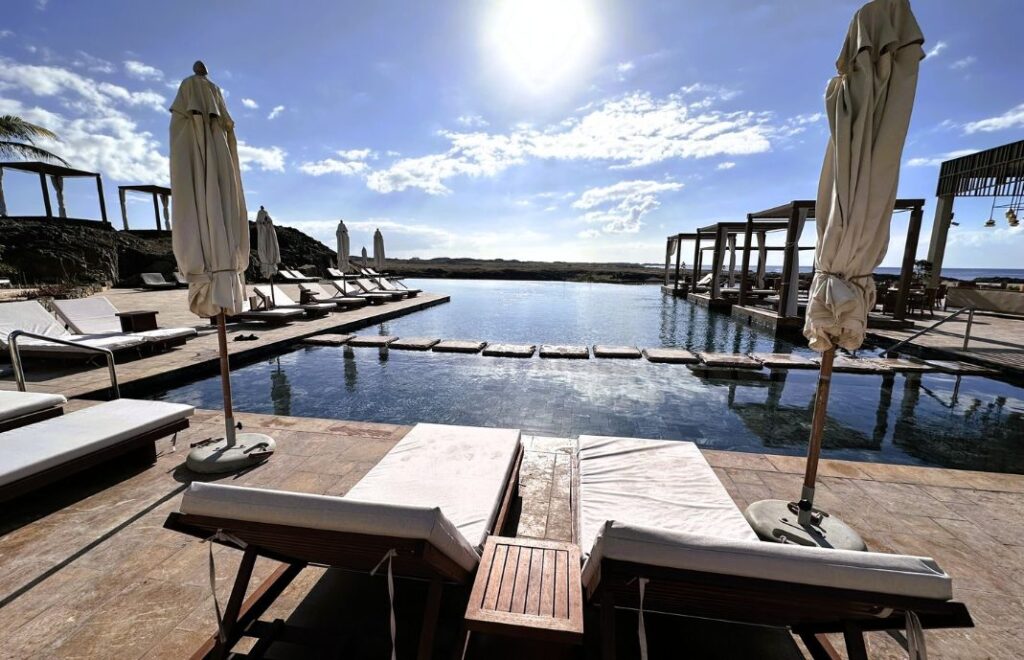
High season vs. low season
Understanding the difference between high season and low season is key to planning smarter, more enjoyable trips. These terms describe when a destination is most and least popular, and they directly affect prices, crowd levels, availability, and the overall travel experience.
High season
High season refers to the time of year when a destination receives the largest number of visitors. This usually coincides with the best weather, school holidays, major events, or peak natural attractions.
During high season, you can generally expect:
- Higher prices for flights, accommodation, and tours
- Crowded attractions and busy transport
- Limited availability unless booked well in advance
- A lively atmosphere, but often a faster, more rushed pace
High season can be ideal if weather conditions are critical for your plans or if you enjoy a vibrant, energetic travel environment. However, it often comes with higher costs and less flexibility.
Low season
Low season is the opposite. It’s the period when fewer travelers visit a destination. This may be due to cooler or hotter weather, off-school periods, or reduced tourist demand.
Traveling in the low season typically means:
- Lower prices and better value for money
- Fewer crowds at popular sights
- More accommodation choices and flexibility
- A calmer, more local-feeling experience
While some services may operate on reduced schedules and weather can be less predictable, many destinations remain just as rewarding – sometimes even more so – without the pressure of peak-season tourism.
Why this difference matters
Choosing when to travel is just as important as choosing where to go. High season emphasizes convenience and predictability, while low season prioritizes authenticity, value, and space. Knowing the difference allows you to align your travel plans with what you value most – whether that’s perfect weather, fewer crowds, or a deeper connection with the destination.
This distinction sets the foundation for understanding why low-season travel can be such a powerful and rewarding choice.
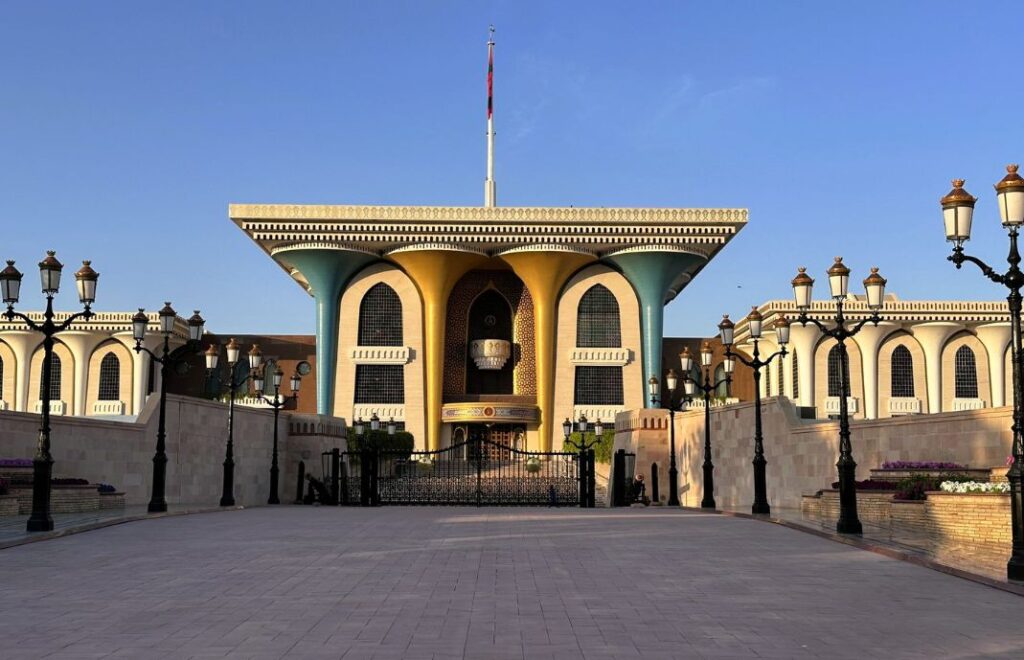
5 reasons to travel in the low season
Traveling outside peak periods can completely change the way you experience a destination. These five reasons highlight why the low season often offers a richer, more enjoyable way to explore the world.
1. Fewer crowds, better experiences
Traveling in the low season means popular sights are no longer overwhelmed by visitors. You can explore at your own pace, enjoy quieter moments, and experience destinations without long lines or constant noise.
2. Better value for money
Flights, accommodation, and tours are often significantly cheaper outside peak periods. This allows you to either save money or upgrade your experience – staying longer, choosing better hotels, or adding unique activities to your trip.
3. A more authentic local atmosphere
With fewer tourists around, destinations tend to feel more genuine. You’re more likely to interact with locals, discover everyday life, and experience places as they truly are rather than as they’re presented during peak season.
4. Greater flexibility and spontaneity
Low season travel offers more availability and fewer fully booked accommodations or tours. This flexibility makes it easier to change plans, extend stays, or make last-minute decisions without stress.
5. A slower, more relaxed pace
Without the rush of high season, travel becomes less about ticking off highlights and more about enjoying the journey. Low season encourages mindful exploration, deeper connections, and a calmer, more rewarding travel experience.
Together, these benefits show that traveling in the low season isn’t about settling for less – it’s often about experiencing more.