
Bread is occupying the most honorable place in the hearts of the Lithuanian people – and the country’s culture. It is not just a daily food item, but a symbol of the nation. A symbol of life, respect, and continuity.
For centuries, bread has stood at the center of Lithuanian culture, woven deeply into traditions, rituals, and everyday life. To this day, it carries a meaning that goes beyond nourishment, representing home, hard work, and a strong connection to the land.
In a country shaped by agriculture and long, demanding winters, bread was never taken for granted. It was earned through physical labor, patience, and respect for nature’s rhythm. Every loaf told a story. Of the fields it came from, the hands that prepared it, and the family it was meant to feed. This deep appreciation is still visible in how bread is treated in Lithuanian households: it is never wasted, never placed carelessly, and often greeted with quiet reverence.
Bread has also played an important role in Lithuanian customs and celebrations. It welcomes guests, blesses important life moments, and marks transitions such as weddings, harvests, and holidays. Offering bread is a gesture of goodwill and hospitality, a way of saying that someone is truly welcome. Even today, this simple act carries emotional weight and cultural pride.
Understanding the importance of bread in Lithuania offers a meaningful glimpse into the country’s values – respect for tradition, gratitude for nature, and a strong sense of community. In many ways, to understand Lithuanian culture is to understand why bread has always been, and still remains, at its heart.
The origins of bread
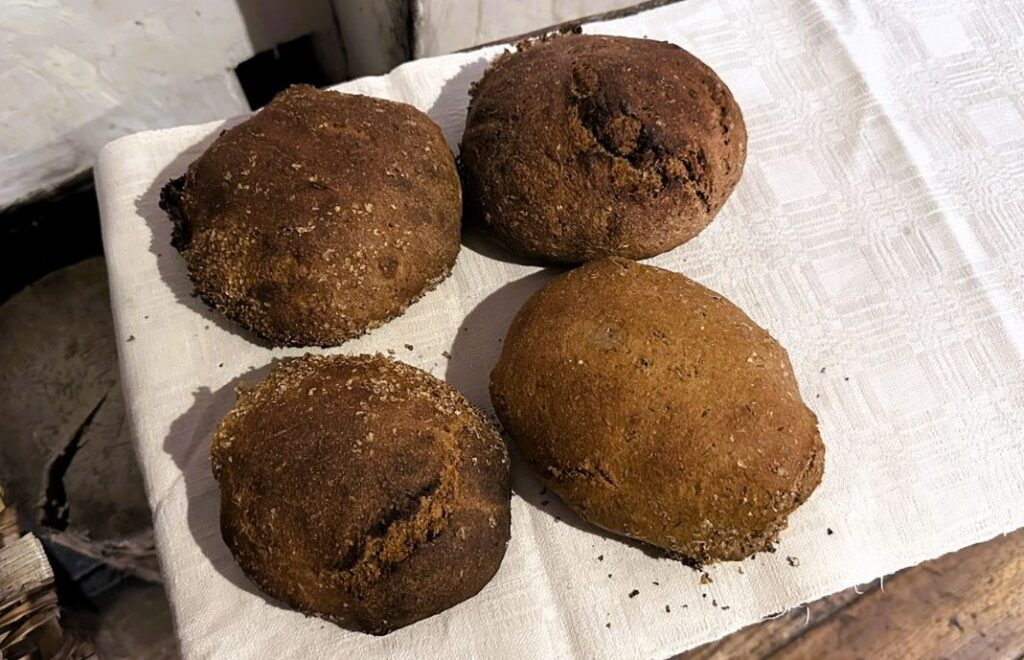
The story of bread in Lithuania begins long before written history, rooted in the lives of early Baltic tribes who depended closely on the land for survival. Farming communities settled in the region thousands of years ago, cultivating hardy grains such as rye and barley that could withstand the cold climate and poor soils. Over time, these grains became the foundation of everyday nourishment – and bread became essential.
Rye, in particular, shaped Lithuanian bread culture. Unlike wheat, rye thrived in local conditions and produced dense, filling loaves that could sustain families through long winters. Early bread was simple and slow to make, often baked in communal ovens and meant to last for days. It was not food for indulgence, but food for survival – practical, reliable, and deeply valued.
Breadmaking knowledge was passed down through generations, mostly by women, becoming a quiet but powerful form of cultural continuity. Each household developed its own methods, sourdough starters, and baking rituals. These techniques were rarely written down, preserved instead through observation and practice, reinforcing bread’s role as both sustenance and tradition.
As Lithuania evolved through pagan times, Christian influence, and later historical upheavals, bread remained constant. It adapted in form but never lost its importance. Even during periods of hardship – wars, occupations, and shortages – bread symbolized resilience. Having bread meant stability. To share it meant trust and community.
What began as a necessity slowly became a symbol – one that still carries the weight of history in every slice.
The symbolism of bread
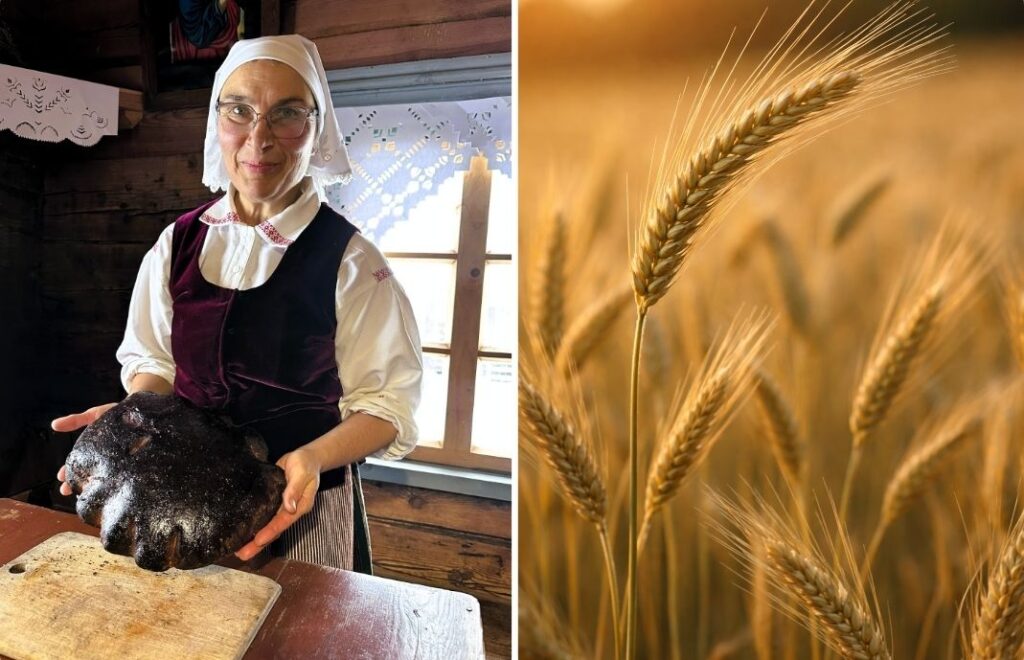
In Lithuania, bread is a powerful symbol that represents far more than food. It stands for life itself – a quiet reminder of survival, stability, and the effort required to sustain a household. Because bread was historically earned through hard physical labor and careful use of land, it came to embody respect for work and gratitude for what the earth provides.
Bread is also closely tied to the idea of home. For many Lithuanians, the smell of freshly baked bread evokes safety, warmth, and family. It represents the center of daily life, where people gathered, shared meals, and connected with one another. Having bread on the table meant security; to lose it meant uncertainty. This emotional connection has endured across generations.
Another key meaning of bread is respect. Traditionally, bread is never thrown away, stepped over, or treated casually. If a piece of bread fell to the ground, it was often picked up and kissed – a small but telling gesture of reverence. These customs reflect a mindset shaped by scarcity, where wasting bread was seen not only as careless but deeply disrespectful.
Bread also symbolizes hospitality and goodwill. Offering bread to a guest is a sign of welcome, trust, and openness. It communicates generosity without words, expressing a wish for well-being and abundance. In important moments – such as welcoming visitors, celebrating milestones, or marking life transitions – bread becomes a meaningful presence rather than a simple dish.
At its core, bread in Lithuania symbolizes continuity. It connects past and present, ancestors and modern life, daily routine and cultural identity. Even as lifestyles change, bread remains a quiet constant – grounding, familiar, and deeply respected.
The benefits of bread in Lithuanian life
Bread in Lithuania has long been valued not only for its symbolism, but also for its practical benefits. Traditionally baked bread, especially rye bread, played a crucial role in sustaining people through demanding physical labor and long winters. Dense, filling, and nutritious, it provided long-lasting energy and formed the backbone of daily meals for generations.
From a nutritional perspective, traditional Lithuanian bread offers important benefits. Rye bread is rich in fiber, helping with digestion and providing a feeling of fullness that lasts. It is also a natural source of essential minerals and nutrients, making it a reliable and balanced food rather than an empty staple. The use of sourdough fermentation further enhances these benefits, improving digestibility and preserving bread naturally without additives.
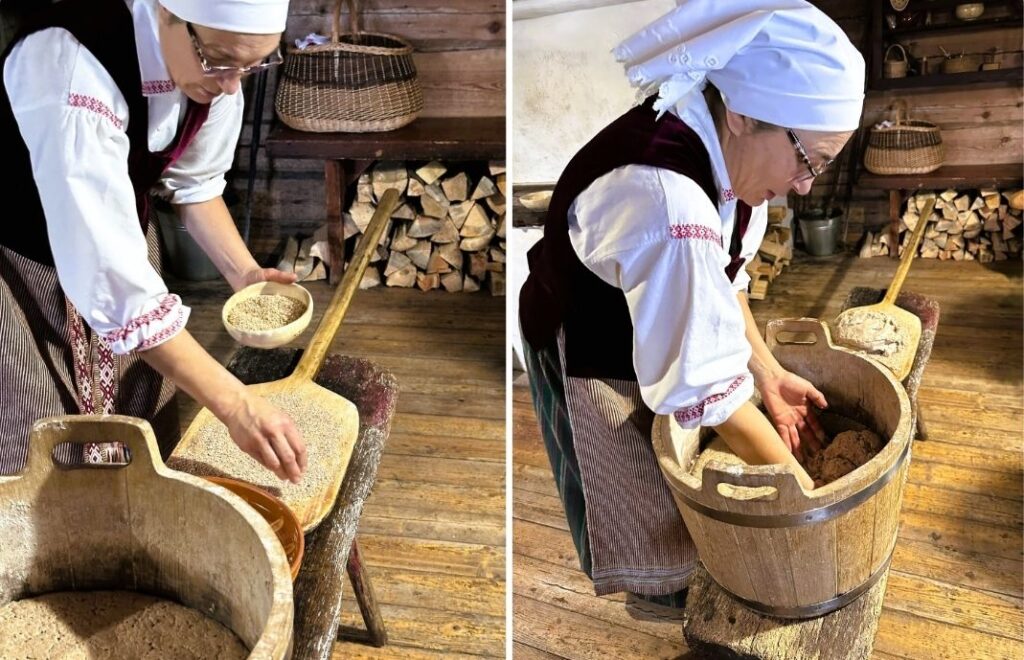
Beyond physical nourishment, bread also offers emotional and social value. Baking bread at home has historically been a grounding routine – one that required time, patience, and care. This process encouraged a slower rhythm of life and strengthened family bonds, as bread was often prepared for the household rather than individual consumption. Even today, bread retains this sense of comfort and familiarity.
Bread also promotes a culture of mindfulness and appreciation. Because it was never considered disposable, it encouraged responsible consumption and respect for food. This attitude aligns closely with modern ideas of sustainability, long before they became global conversations.
In Lithuania, the benefits of bread extend well beyond the table. It nourishes the body, supports tradition, and reinforces values of respect, balance, and continuity. The combination makes it as meaningful today as it was centuries ago.
Bread customs in Lithuania
In Lithuania, bread is surrounded by customs that reflect deep respect and long-standing tradition. These practices developed during times when bread was essential for survival, and many of them are still remembered – and in some homes, still observed – today.
One of the most important customs is the respectful treatment of bread. Bread is never placed upside down, stepped over, or thrown away. If a piece falls to the ground, it is traditionally picked up and kissed before being eaten or set aside. This small gesture symbolizes gratitude and acknowledges the effort and resources involved in producing it.
Bread also plays a central role in hospitality. Welcoming a guest with bread is a sign of openness and goodwill, offering not just food but a sense of belonging. Sharing bread at the table reinforces trust and connection, whether among family members or visitors. In this context, bread becomes a social bridge rather than a simple meal.
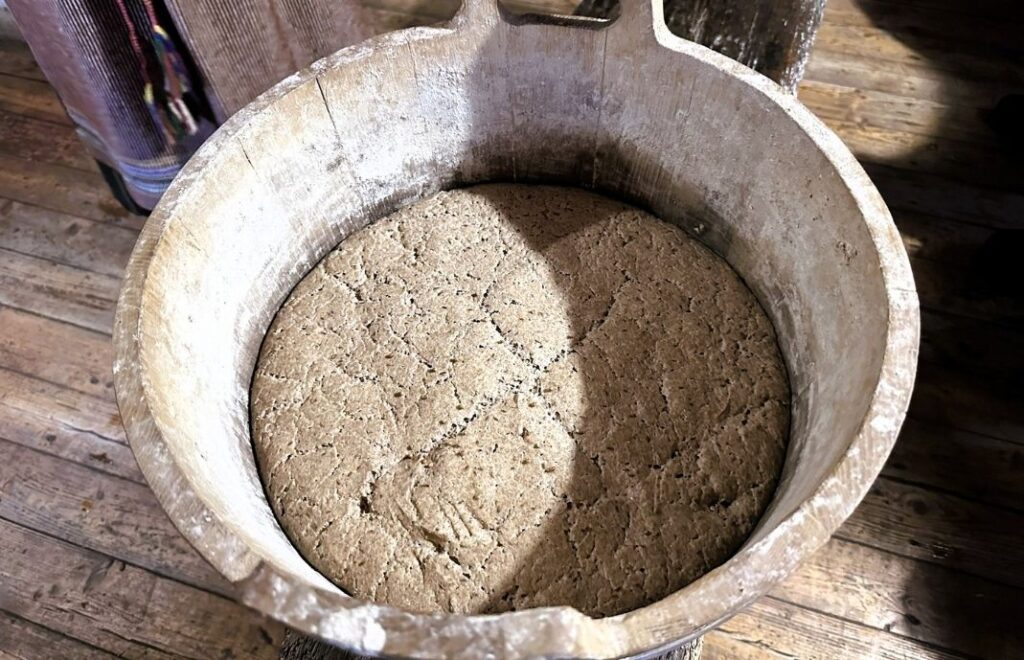
Baking bread itself has long been surrounded by quiet rituals. Traditionally, it was baked on specific days, often in larger quantities, and treated with care throughout the process. The act of baking was accompanied by calm focus, as bread was believed to absorb the mood and intentions of the baker. This belief added a spiritual layer to an otherwise practical task.
Bread is also present during important moments in life. It has traditionally been used in celebrations, blessings, and transitions, symbolizing abundance, protection, and continuity. Whether during harvest time or family milestones, bread served as a reminder of stability and shared roots.
These customs show that in Lithuania, bread is not just eaten – it is honored. Through everyday actions and meaningful rituals, bread continues to reflect values of respect, community, and gratitude that remain deeply embedded in Lithuanian culture.
Types of bread
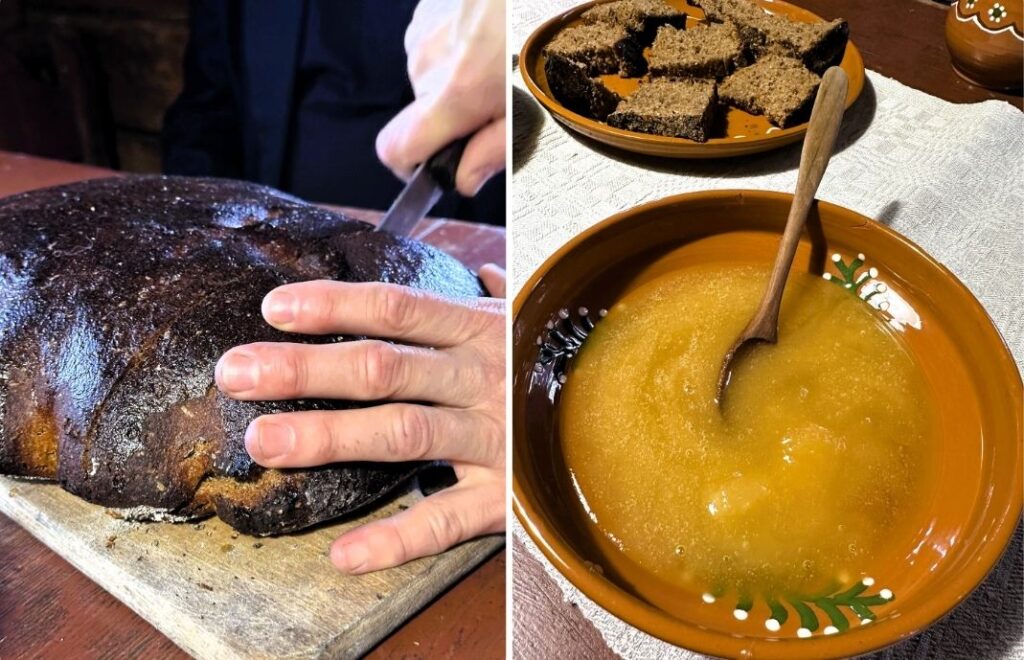
Bread in Lithuania comes in many forms, each reflecting local ingredients, regional preferences, and long-standing baking traditions. While modern bakeries offer a wide variety, traditional breads remain deeply rooted in everyday life and cultural identity.
Rye bread is the most iconic and widely consumed type. Dark, dense, and slightly sour, it has been a staple for centuries due to rye’s ability to grow in Lithuania’s climate. This bread is typically made with natural sourdough and baked slowly, resulting in a rich flavor and long shelf life. For many Lithuanians, rye bread is considered the true taste of home.
Another traditional variety is sweet rye bread, often enriched with malt, honey, or dried fruits. This type of bread is especially associated with celebrations and festive occasions. Its slightly sweet taste and aromatic profile make it distinct from everyday rye bread, while still maintaining its hearty character.
Wheat bread became more common later in Lithuania’s history, as wheat cultivation expanded and baking techniques evolved. Lighter in texture and milder in flavor, it is often seen as a more modern alternative. While popular today, it does not carry the same symbolic weight as rye bread.
Regional and homemade variations also play an important role. Some loaves are baked with seeds such as caraway, sunflower, or flax, while others differ in shape, crust thickness, or fermentation time. These subtle differences often reflect family traditions passed down through generations rather than formal recipes.
Together, these bread types tell the story of Lithuania itself – practical, resilient, and shaped by the land. Whether dark and dense or light and mildly sweet, Lithuanian bread remains a defining element of the country’s culinary and cultural landscape.
A tradition shaped by fire
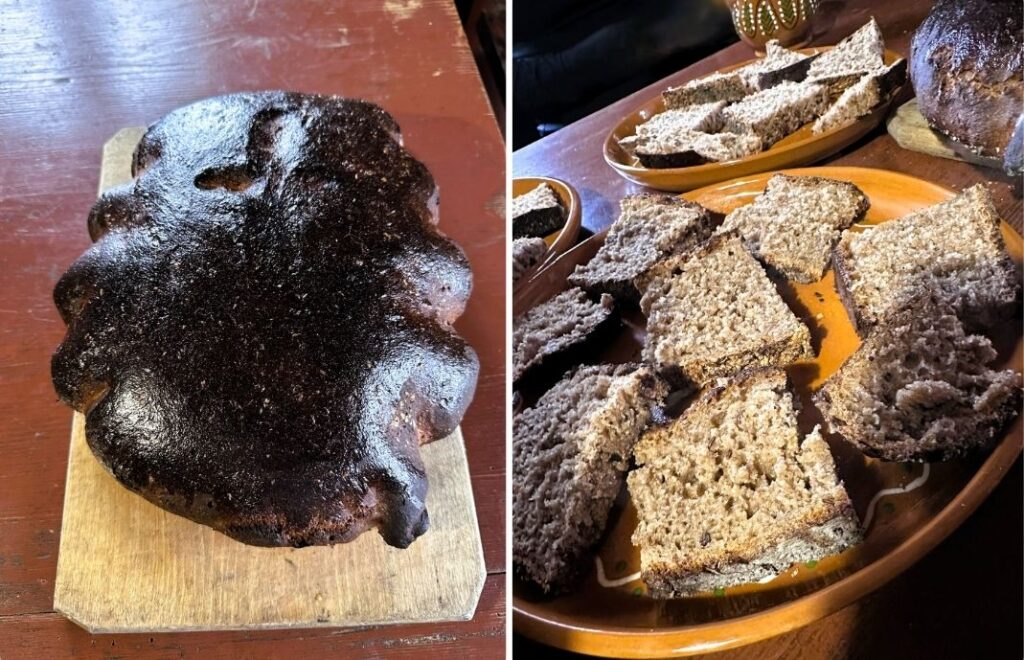
In traditional Lithuanian worldview, bread was closely connected to fire – and fire itself was sacred. This connection is embodied in Gabija, the ancient Goddess of Fire and the protector of the household hearth. Since bread was baked in the hearth, Gabija became indirectly but powerfully linked to bread and its well-being.
The hearth was the heart of the home. It provided warmth, protection, and nourishment, and it was where bread was baked – transforming grain into life-sustaining food. Because of this, the fire used to bake bread was treated with great respect. Fire was never abused, and ashes were handled carefully, as they were believed to carry spiritual weight. Gabija was thought to live in the fire itself, watching over the household and ensuring harmony within the home.
February 5 holds special significance as the day traditionally dedicated to Gabija. On this day, people honored fire by keeping it clean, calm, and protected. Loud behavior, disrespect, or careless treatment of the hearth were avoided. In some traditions, no bread was baked on this day – not out of neglect, but out of reverence. It was a pause, a moment to acknowledge that bread did not exist without fire, and fire did not exist without care.
This relationship highlights how bread in Lithuania was never seen as a standalone product. It was part of a sacred cycle involving land, grain, fire, and human effort. Honoring Gabija was also a way of honoring bread – recognizing the invisible forces and responsibilities behind every loaf.
Even though these beliefs belong to pre-Christian traditions, their influence can still be felt today. The deep respect for bread, the careful handling of food, and the symbolic importance of the hearth all echoes a time when baking bread was not just a task. It was a sacred act tied to the protection of home and family.
