
Gorilla trekking is so much more than a walk through the forest. It is a journey filled with anticipation, mud, and steep trails. Then there is the growing feeling that something extraordinary is waiting for you.
The trek can be physically demanding, but the emotional reward is far greater than the challenge. Every step through the rainforest builds suspense. Suddenly, the forest opens and you find yourself standing near a family of mountain gorillas. In that moment, tired legs, heavy breathing, sweaty clothes, and muddy boots are forgotten.
Gorilla trekking is about effort, patience, and respect. But above all, it is about connection. With nature and being so close to these incredible animals. It is a rare privilege to be allowed into the mountain gorillas’ world. Even if it is only for one hour. Imagine, you are close enough to hear them breathe. Don’t forget: You are a visitor to their forest.
Here are some factors you need to consider before you embark on gorilla trekking.
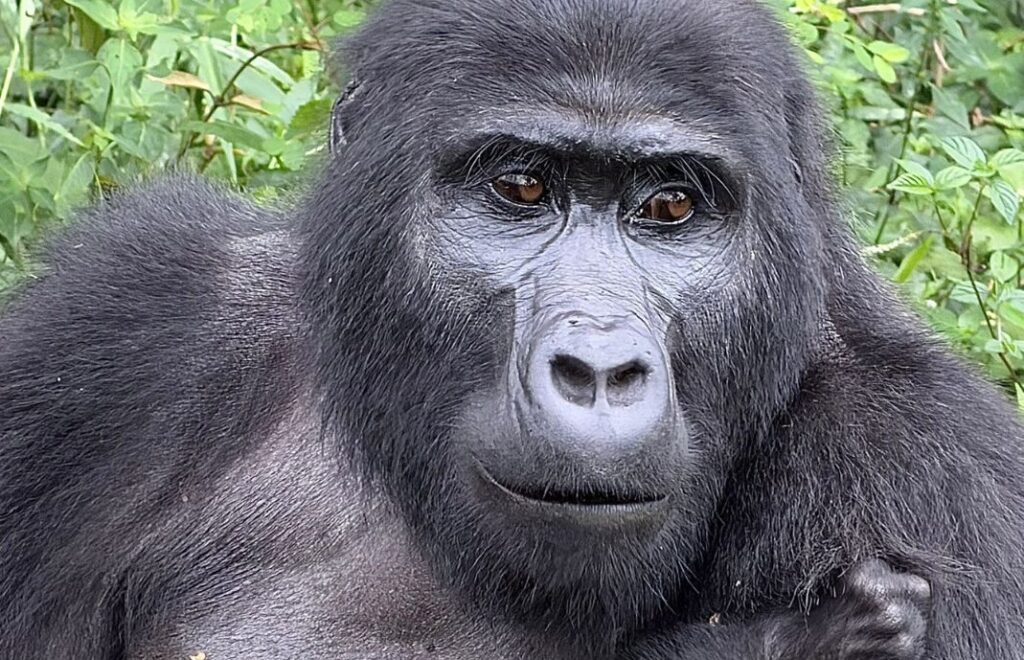
1. Duration
Gorillas are constantly on the move, and following their tracks is the whole idea of this adventure. It is also an unpredictable one.
You will trek until you make contact with the mountain gorilla family you have been assigned to visit. Gorilla trekking can take anything from one hour to several hours, depending on where the gorillas are on the day of your trek. They move freely through the forest, so no two treks are the same.
Some gorilla groups may be found relatively close to the starting points, while others require a longer hike through steep, muddy, and dense terrain. This makes the experience so intense. You are not walking towards a fixed attraction; you are entering a living forest and following the gorillas’ footsteps.
Prepare yourself mentally (and physically), with an open mindset and readiness to trek however long it takes. The reward of seeing the gorillas is so worth it all.
Once the gorillas are located, you can spend one precious hour with them. After searching, climbing, waiting, and wondering, that hour feels both incredibly short and completely full.
It is advised that you are medium fit and healthy. It is also advised that you hire a porter to help with your backpack and through the difficult areas.
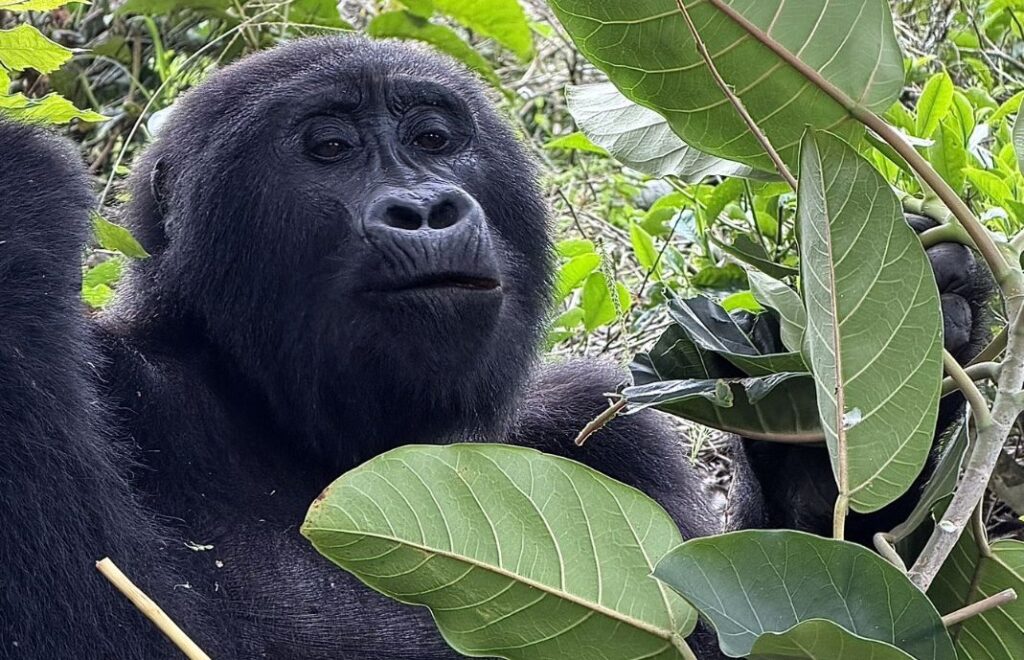
2. Terrain and altitude
Let’s make one thing clear: They are called mountain gorillas for a reason.
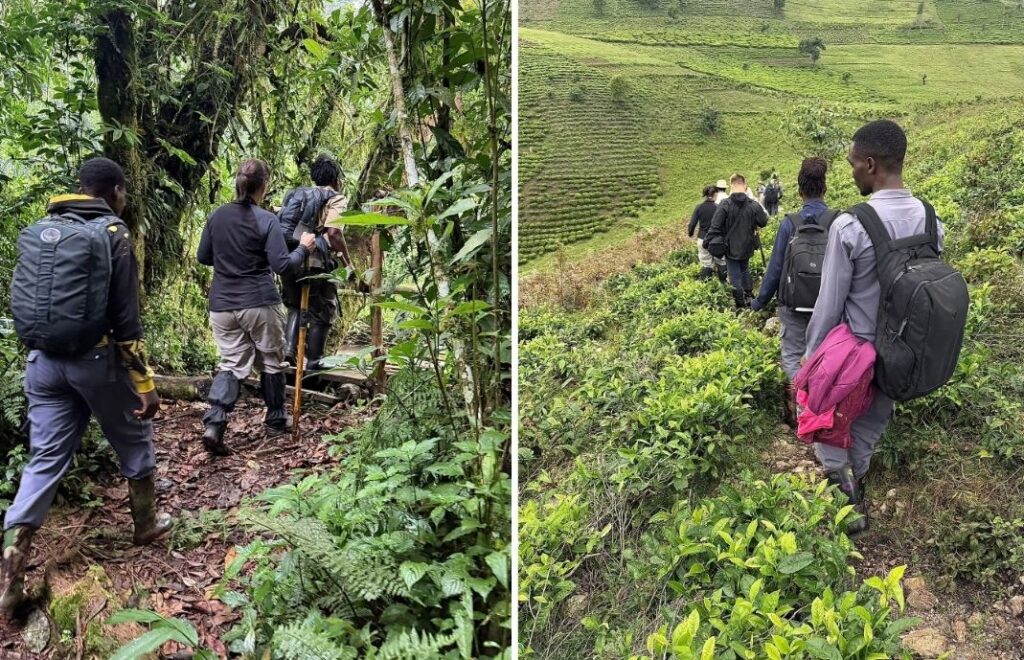
The terrain is one of the main reasons gorilla trekking can feel challenging. Mountain gorillas live in dense rainforest, often on steep slopes. Be prepared for a trail that is narrow, muddy, slippery, and tangled with roots, vines, and thick vegetation.
This is not a polished hiking path. Some parts may feel like a slow climb through living, breathing forest, where every step requires focus. The ground can change quickly, especially after rain, and even a short distance can take time when the forest is wet and steep.
Altitude can also make the trek feel harder. Gorilla trekking takes place in highland areas, where the air may feel thinner than expected. You don’t need to be an athlete, but a reasonable level of fitness helps, especially when the gorillas are higher up in the forest.
At the same time, the pace is usually steady and guided. Rangers and trackers are used to different fitness levels, and there is time to pause, breathe, and take in the surroundings. The forest may test your legs, but it also builds the sense of anticipation with every step.
3. Weather
Weather plays a big role in how difficult gorilla trekking feels. Mountain gorillas live in the rainforest, and the forest rarely follows a perfect schedule. Even during the drier months, the forest can be wet, misty, muddy, and unpredictable.
The best time to go gorilla trekking is during the dry season, which lasts from June to September and December to February. During this period, it is easier to deal with other factors without having your tracking delayed due to heavy rain.
There are some cons for gorilla trekking during the dry seasons. Permits are more expensive than in the rainy season, harder to access and the parks are more crowded.
The rainy season, which is May to April and November, can offer slippery trails, heavier vegetation, and the climb is more demanding. At the same time, mist and rain are part of the atmosphere. They give the forest its mysterious, almost unreal feeling.
The weather can also change quickly. A cool morning may turn warm and humid once you start moving, while higher areas can feel chilly, especially when you stop. This is why layers are important, along with a light rain jacket, good hiking shoes, and clothing that can handle mud.
4. Cost of gorilla permits
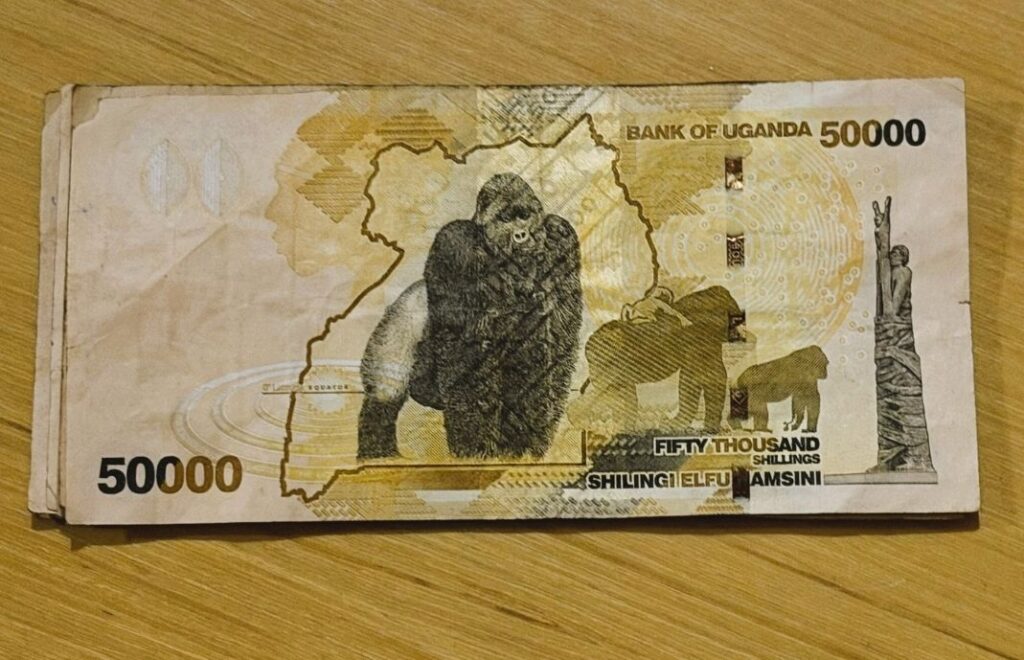
Gorilla trekking is not a cheap experience, and the permit is usually one of the biggest costs of the trip. Uganda’s official tariff for 2026 lists the cost at USD 800 for foreign non-residents. Prices vary by country and visitor category, so it is always worth checking the latest official rates before booking.
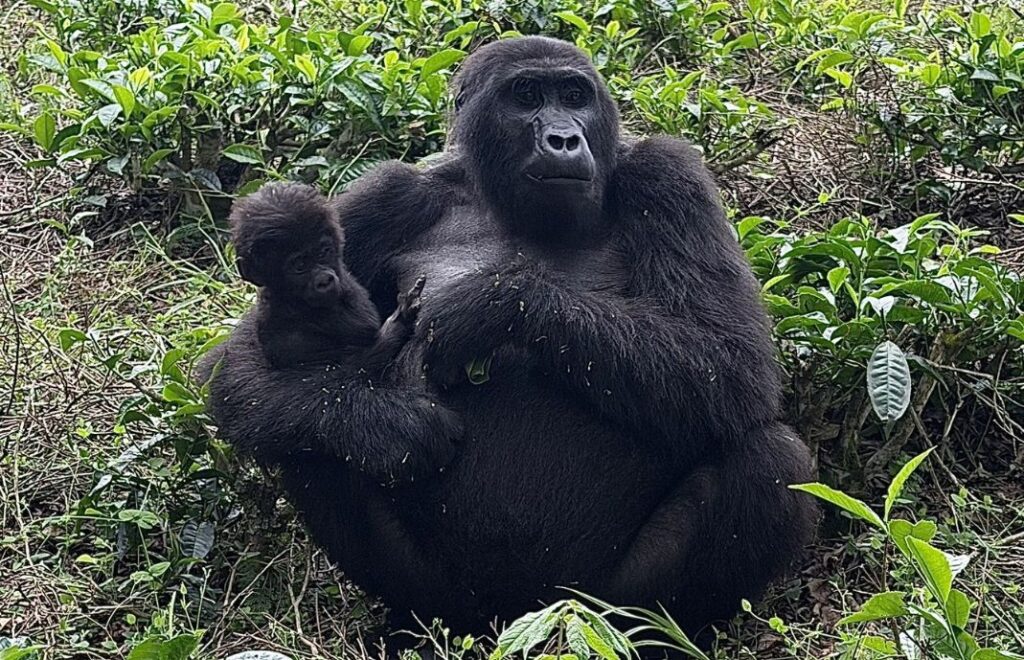
But the high price is not only about exclusivity. Gorilla trekking permits help control the number of visitors and protect the gorillas from too much human pressure. They also fund the work that makes the experience possible in the first place. Behind each trek are rangers, trackers, researchers, veterinary teams, anti-poaching patrols, and local communities living close to the forest.
In many ways, the permit is part of the conservation story. It helps give mountain gorillas an economic value alive and protected, rather than being threatened by habitat loss, poaching, or conflict. That does not make the price less noticeable, but it does make it easier to understand why this is a carefully managed and expensive wildlife experience.
5. Unexpected behavior of gorillas
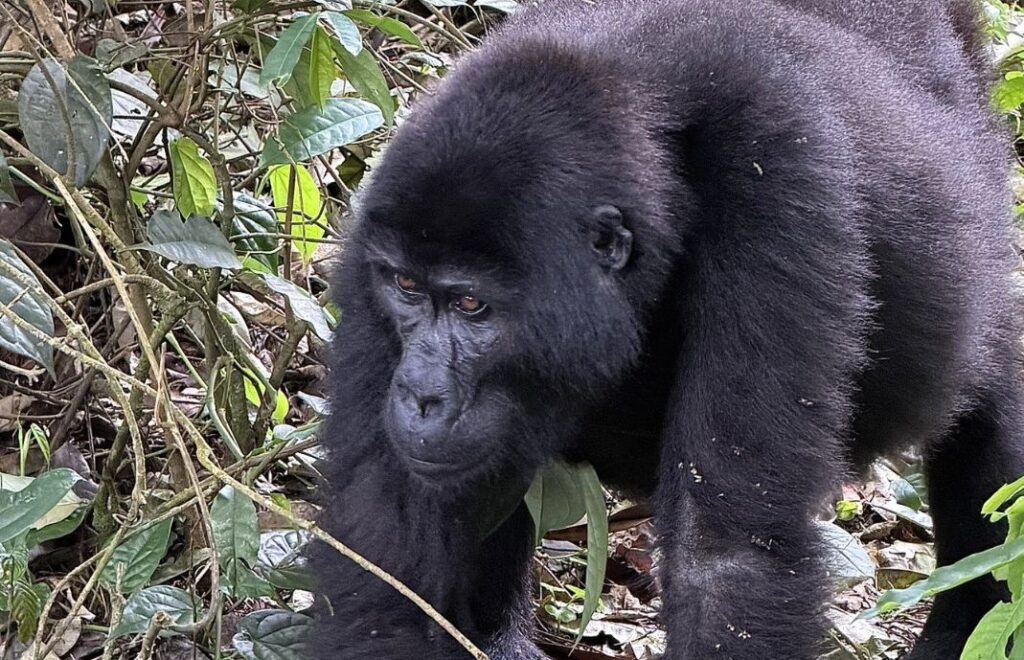
Even though gorilla trekking is carefully managed, mountain gorillas are still wild animals. They may be calm, curious, playful, sleepy, or completely focused on feeding. Most encounters are peaceful, but their behavior can never be fully predicted.
A young gorilla can tumble close to you, a silverback may suddenly move past, or the family decide to shift deeper into the forest while you are watching them. Sometimes they ignore visitors completely. Other times, they seem very aware of your presence.
This unpredictability is part of what makes the experience feel so powerful. You are not watching a performance. Instead, you are standing quietly in their home and accepting that the gorillas decide the rhythm of the encounter.
Visitors are to stay at least ten meters away from the gorillas and must always follow the instructions of the rangers. They are trained to read gorilla behavior and will tell you what to do if a gorilla comes close, moves suddenly, or shows signs of irritation. The most important thing is to stay calm, keep your distance, and avoid sudden movements.
You are here for the gorillas – not the other way around!
Conclusion
There are many variables to consider before you do a gorilla trek, and you need to do some preparations, both mentally, physically, and financially, beforehand. But the result makes it all worth it, and you are left with an unforgettable adventure.
Gorilla trekking can be challenging, but it is not only about fitness. The difficulty depends on the terrain, the weather, the altitude, and where the gorillas happen to be on the day of your trek. Some walks are relatively short, while others demand more patience, effort, and determination.
Most people worry about the hike, but people of all fitness levels have made it. Your strenuous hike leads to one extraordinary moment: standing near mountain gorillas in their world. That moment does not feel the end of a difficult hike. It feels like being trusted with something rare.
