
As beautiful as Krakow, as dynamic as Warsaw. Wrocław is a splash of color in the south that’s impossible not to fall in love with.
Once viewed as grey and somber, Wrocław has blossomed in recent years, earning its reputation as Poland’s answer to Venice. With its winding waterways, picturesque bridges, and vibrant culture, the city pulses with new life and creative energy.
Its designation as a European Capital of Culture is a symbol of this renaissance – a revival fueled largely by a thriving student population and an abundance of concerts and open-air performances that light up the summer months.
But Wrocław’s story is also one of sorrow and resilience. When World War II ended, nearly 200,000 Germans still lived in what was then called Breslau. With borders redrawn almost overnight, many were forced westward, and countless trains carried Polish families from the eastern territories into this new, unfamiliar city.
Today, Wrocław is on the rise. Go now – before the world catches on.
1. Old Town
Wrocław’s Old Town is anything but a relic. It’s alive, vibrant, and pulsing with energy.
Painstakingly rebuilt after the devastation of World War II, this historic quarter isn’t some frozen monument or museum backdrop. It’s an integral, inviting part of city life, brimming with restaurants, cafés, bars, and boutique shops that spill out into the streets.
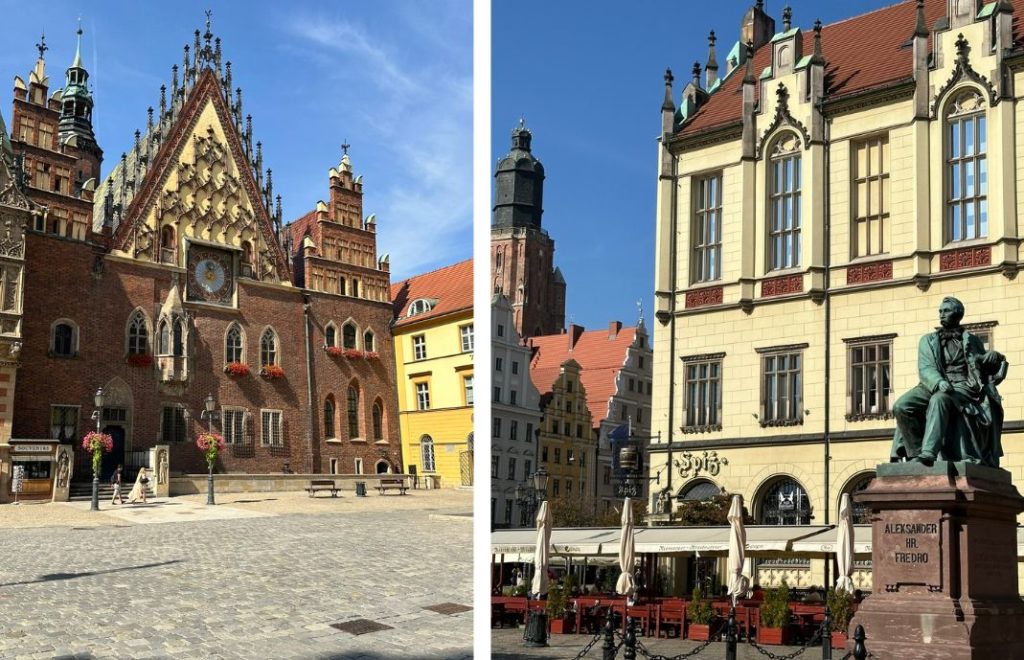
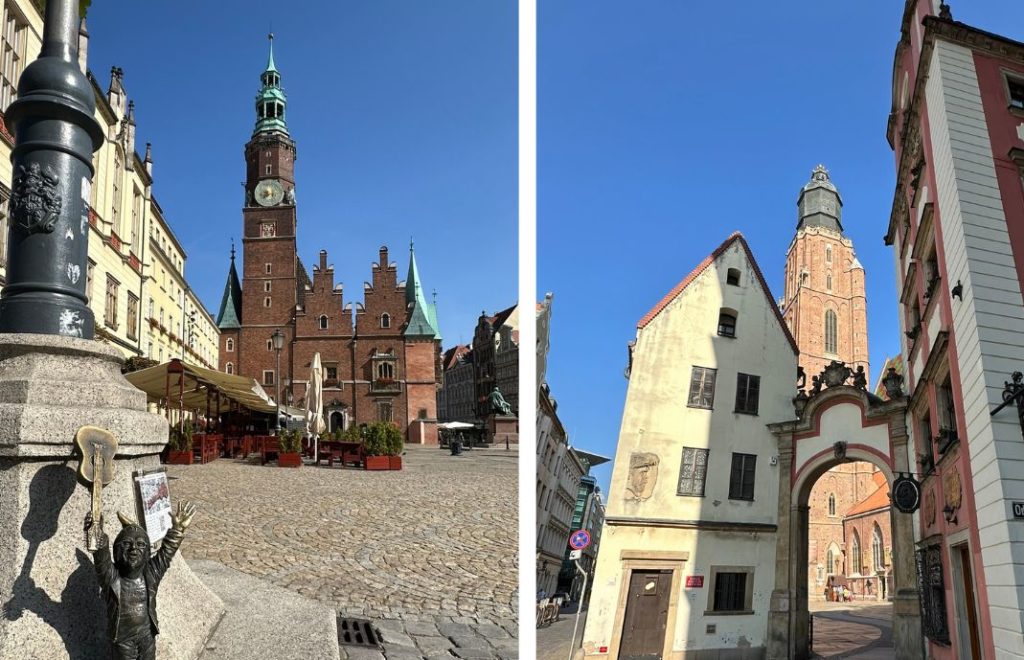
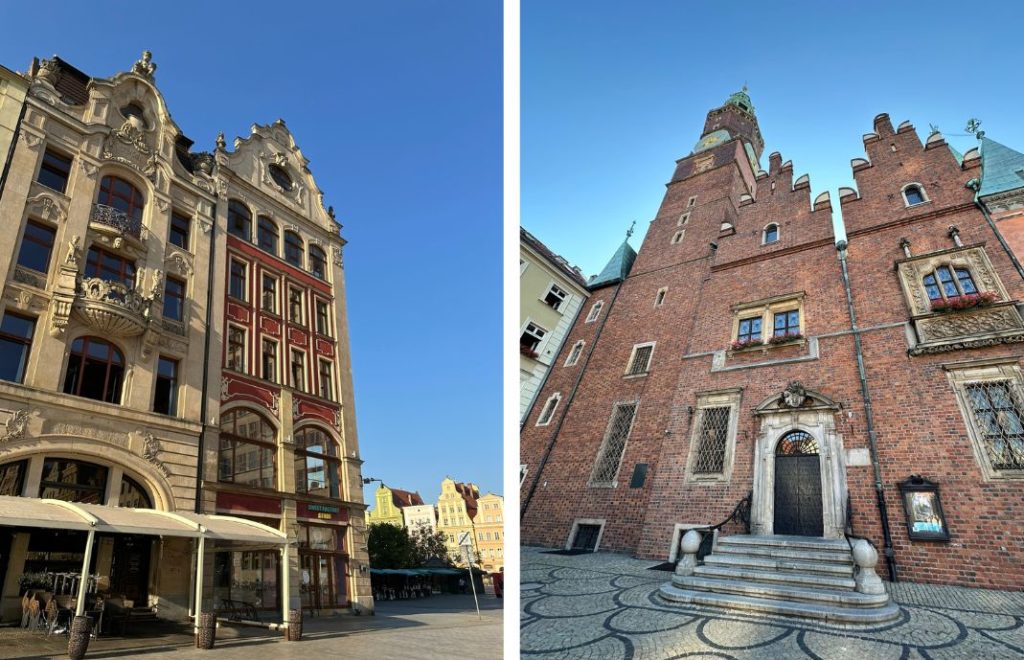
At its heart lies the Rynek, one of the largest town squares in Europe, where a kaleidoscope of façades – ranging from Gothic to Art Nouveau to Renaissance – showcases the city’s architectural splendor.
The square’s undeniable centerpiece?
The baroque Town Hall, a showstopping masterpiece that commands attention and admiration.
2. Architectural grandeur
Wrocław was nearly reduced to rubble during World War II. Over 70 percent of the city’s buildings were destroyed.
Yet, like a phoenix rising from the ashes, the city was reborn.
Patriotic architects turned to Poland’s historic design traditions for inspiration, leaning heavily into baroque influences to breathe life back into the ruins. The result? Wrocław’s city center isn’t a purist’s time capsule – but it is stunning. It stands today as a dazzling mosaic of styles that blend seamlessly into a vibrant urban tapestry.
Stroll through the streets and you’ll encounter an eclectic mix of architectural eras: Gothic spires, baroque splendor, Art Nouveau curves, and modernist innovation all coexisting in surprising harmony.
Some structures, remarkably, survived the war untouched. When Steven Spielberg needed authentic period settings for scenes in Bridge of Spies, he found exactly what he was looking for in Nadodrze, one of Wrocław’s character-rich districts.
Gothic: The Cathedral of St. John the Baptist, crowned with twin towers, looms with gravitas. Step inside, and the cool, shadowy interior instantly evokes the solemnity of centuries past.
Baroque: The main building of Wrocław University is a baroque masterpiece. Its crown jewel is the Aula Leopoldina, a ceremonial hall adorned with magnificent frescoes and intricate stucco work—a true feast for the eyes.
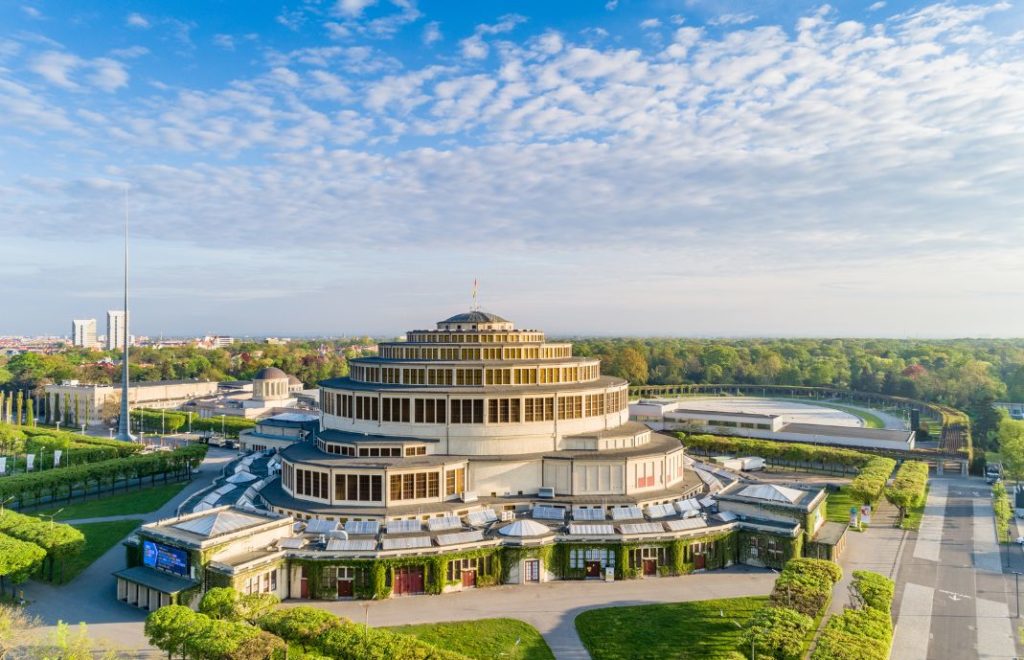
Modernist: Architect Max Berg’s visionary Centennial Hall is a bold departure into modernism. Built to commemorate the 100th anniversary of Napoleon’s defeat at the Battle of Leipzig (October 16-19, 1813), the structure has earned a well-deserved place on UNESCO’s World Heritage List.
3. A cultural crossroads
Over the centuries, Wrocław has been shaped by a rich tapestry of peoples. Poles, Jews, Czechs, Austrians, and Germans – all leaving their unique imprint on the city’s soul. This extraordinary fusion of cultures and ever-shifting regimes has earned Wrocław its reputation as the quintessential Central European city.
Its strategic location on the banks of the Oder River made Wrocław a historic hub of trade and commerce. But it’s the city’s multicultural population that has truly defined its character, infusing daily life with a diverse blend of traditions, languages, customs, art, and cuisine.
Wrocław pulses with cultural vitality. The city is home to a wealth of theaters, galleries, museums, and concert halls – an artistic epicenter that culminated in its selection as European Capital of Culture in 2016.
Among the city’s cultural crown jewels: the grand Wrocław Opera, the iconic Centennial Hall, the stirring sounds of the Wrocław Philharmonic, the modern brilliance of the National Forum of Music, the thought-provoking Wrocław Contemporary Museum, and the architecturally captivating Four Domes Pavilion.
4. Green havens and waterways
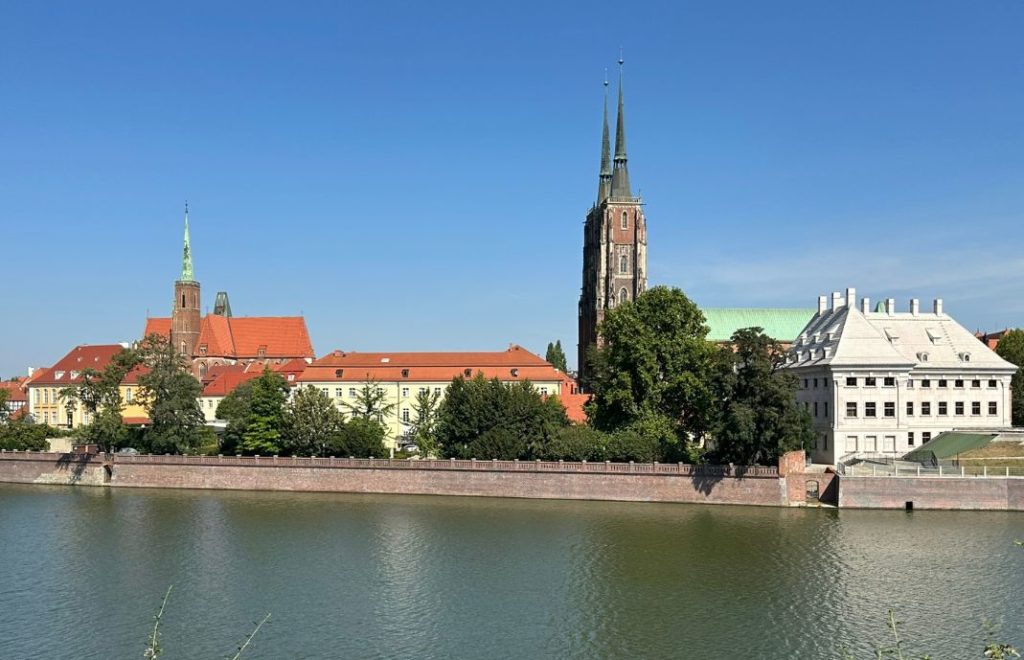
With the Oder River winding through the city and lush green spaces at every turn, Wrocław feels like a living, breathing oasis – a place where urban energy meets serene, natural beauty. It’s a city that invites you to slow down, take a deep breath, and let your thoughts drift as freely as the river that flows through it.
For such a large city, Wrocław offers an almost unbelievable dose of unspoiled charm. Birdsong, leafy canopies, and blooming lilacs on Cathedral Island soothe the soul like nature’s own lullaby.
Cross the romantic Tumski Bridge, where colorful padlocks – tokens of everlasting love – cling to the railings in vibrant clusters. Wander through the Botanical Garden, a fragrant sanctuary filled with hidden nooks that seem made for quiet reverie. Pack a picnic and escape to Szczytnicki Park, the city’s largest, or step into the Japanese Garden, where every path and pond looks as if it were painted by Monet himself.
Often called the “Venice of Poland,” Wrocław’s many bridges and riverside trails reveal the city from a whole new perspective. Hop on a boat tour, paddle a kayak through its waterways, or simply savor a slow meal at one of the riverside restaurants as the sun melts into the water.
5. Fascinating museums
Wrocław’s museums are veritable treasure troves, offering rich journeys through art, history, science – and more than a few surprises along the way.
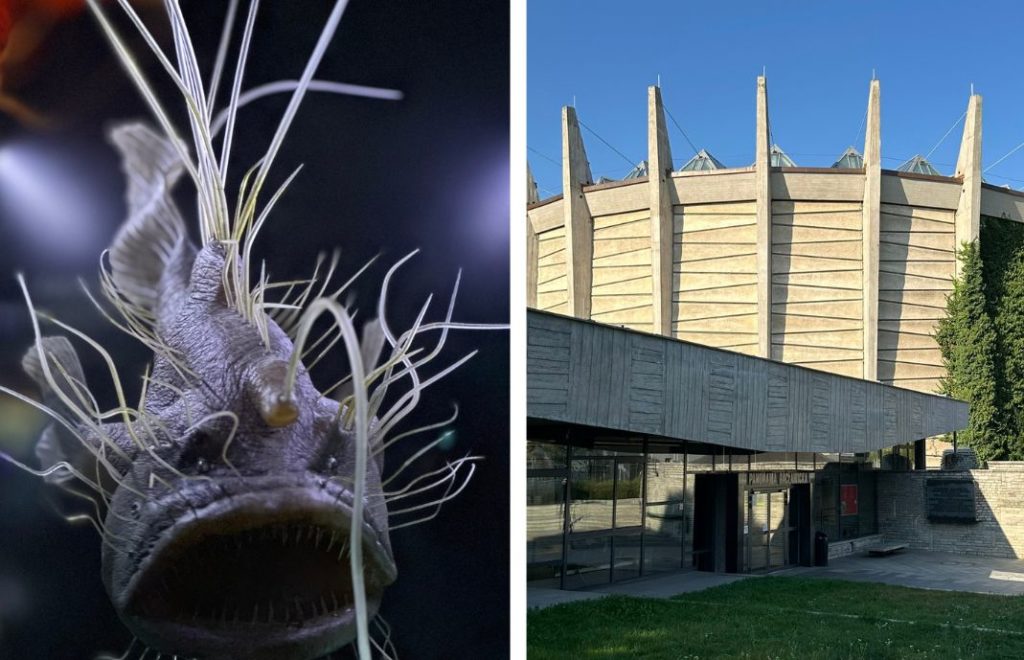
Among its most unique attractions is Hydropolis, a cutting-edge center dedicated entirely to water and marine life. Here, education meets innovation through immersive multimedia displays, creating an engaging, interactive experience that’s as fun as it is enlightening.
Art lovers will be drawn to The National Museum, home to an impressive collection of Polish masterpieces. The exhibitions span centuries – from medieval icons to contemporary canvases – offering a sweeping view of the nation’s artistic soul.
For design enthusiasts, the Museum of Architecture is a hidden gem. Housed in a former monastery, it’s the only museum in Poland devoted exclusively to the country’s architectural legacy, blending sacred stonework with sleek design narratives.
Step into history at the Panorama of the Battle of Racławice, where a colossal 360-degree painting immerses visitors in the dramatic 1794 battle against Russian forces. Displayed in a purpose-built rotunda, the lifelike scale and detail bring the battlefield roaring back to life.
Cinephiles won’t want to miss Movie Gate Wrocław – a museum entirely devoted to the magic of cinema. Wander through original props, costumes, and set pieces from blockbuster legends like James Bond and Star Wars, and relive the wonder of the silver screen, one scene at a time.
6. Meet the city’s smallest residents
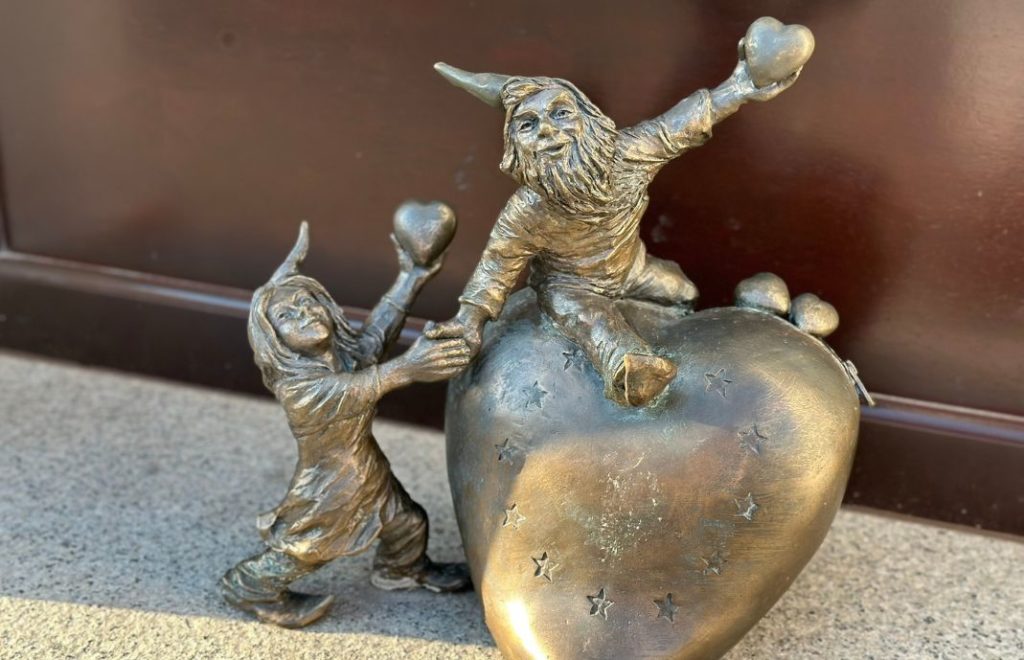
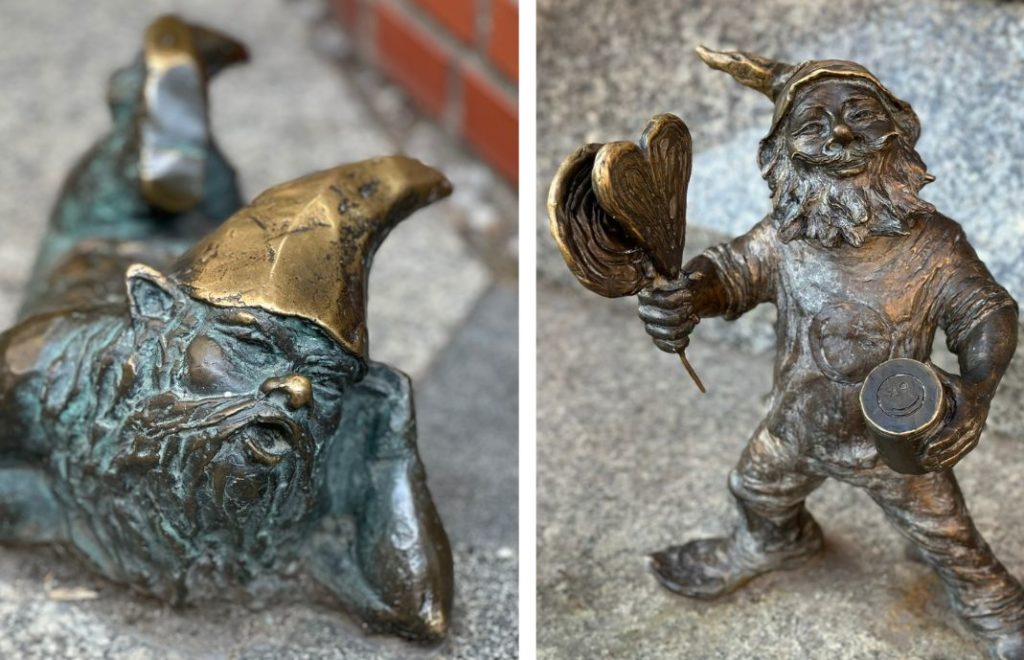
They’re tiny, a little cheeky, utterly charming – and cast in bronze. Wrocław’s dwarfs (krasnale) have become the city’s most beloved celebrities, each with a quirky personality and story of their own.
What started as a form of anti-communist protest in the 1980s has since transformed into Wrocław’s most iconic – and endearing – tourist attraction. Scattered across the Old Town, these miniature statues can be found lounging, working, playing, and even misbehaving in the most unexpected places.
Since the arrival of the very first dwarf, their numbers have multiplied dramatically. Today, Wrocław is home to around 1200 dwarfs, and they’re far from shy. They’re more than happy to pose for photos with curious visitors.
To join in the fun, grab a dwarf-hunting map from any souvenir shop or download a dedicated app to guide you through this whimsical treasure hunt. Whether you stumble upon a sleepy scholar outside the university, a baker wielding a croissant, or a daredevil on a motorbike, each one offers a playful window into the city’s creative spirit.
Want to dive deeper into their story?
Check out Meet the Dwarfs of Wrocław or get tips and tricks for your own Dwarf hunting in Wroclaw.
7. A taste of Wroclaw
Polish chefs have mastered the art of blending time-honored culinary traditions with bold, global innovation – and Wrocław is one of the best places to savor this delicious fusion.
The city’s dining scene is a feast for the senses, with an exciting array of restaurants, cafés, and pubs that invite your taste buds on an adventure of their own. From rustic Polish classics to international fare and inventive street food, there’s something here for every palate.
One standout ingredient that’s close to the culinary heart of Wrocław is the humble beetroot. Revered in both upscale kitchens and humble street stalls, this vibrant root plays a starring role in many local dishes. Low in fat and rich in folate – which helps combat fatigue – it’s the perfect superfood for fueling a day of urban exploration.
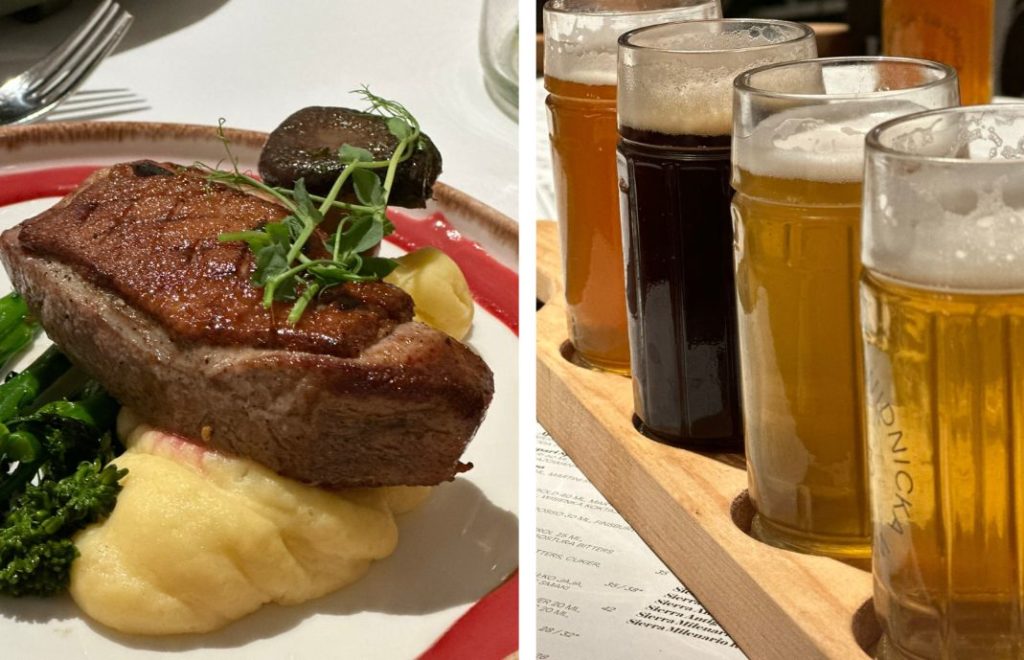
For a truly historic dining experience, book a table at Piwnica Świdnicka, reputedly the oldest restaurant in Poland – and quite possibly in all of Europe. Serving meals since 1273, this legendary cellar beneath the Market Square has hosted centuries of feasts beneath its vaulted ceilings.
And then there’s the beer. Wrocław is deeply proud of its brewing heritage. Poland ranks sixth in the world for beer consumption per capita, and in this city, brewing isn’t just a craft – it’s a tradition. Locals claim the first pint was poured here in 1332, and today, that legacy lives on in dozens of pubs and microbreweries.
One of the top spots to sample the city’s finest brews is Spiż, a beloved brewpub known for its wide selection of freshly tapped beers. Whether you prefer a crisp lager or a malty dark ale, you’ll find the perfect pour to toast your Wrocław adventure.
For the history enthusiast
Festung Breslau
Before World War II, Wrocław was known as Breslau – a city that became, for a time, a shining example of the Nazi regime’s ideals. During the 1933 elections, an astonishing 200,000 citizens cast their votes for Hitler, cementing the city’s reputation as a loyal stronghold.
Despite the horrors of Nazi rule, Breslau was relatively spared in the early years of the war compared to much of the rest of the Third Reich. This perceived safety drew large numbers of people seeking refuge within its borders.
But that would change drastically. In August 1944, as Soviet forces closed in, the city was transformed into a sealed military stronghold – Festung Breslau. It was to be held at all costs.
Civilians weren’t ordered to evacuate until January 19, 1945. By then, the surrounding infrastructure had been destroyed, and the brutal winter offered no mercy. Thousands were forced to flee on foot, trudging through snow and ice in temperatures plunging to –15°C. Chaos reigned, and the human cost was staggering. An estimated 100,000 people died, their bodies left frozen along the roads for years after.
On February 15, Soviet troops encircled the city. What followed was a nearly three-month-long siege – desperate, hopeless, and unimaginably bloody. Breslau did not surrender until May 6, 1945, five days after Berlin had already fallen. By then, 170,000 civilians were dead, and 70 percent of the city lay in ruins.
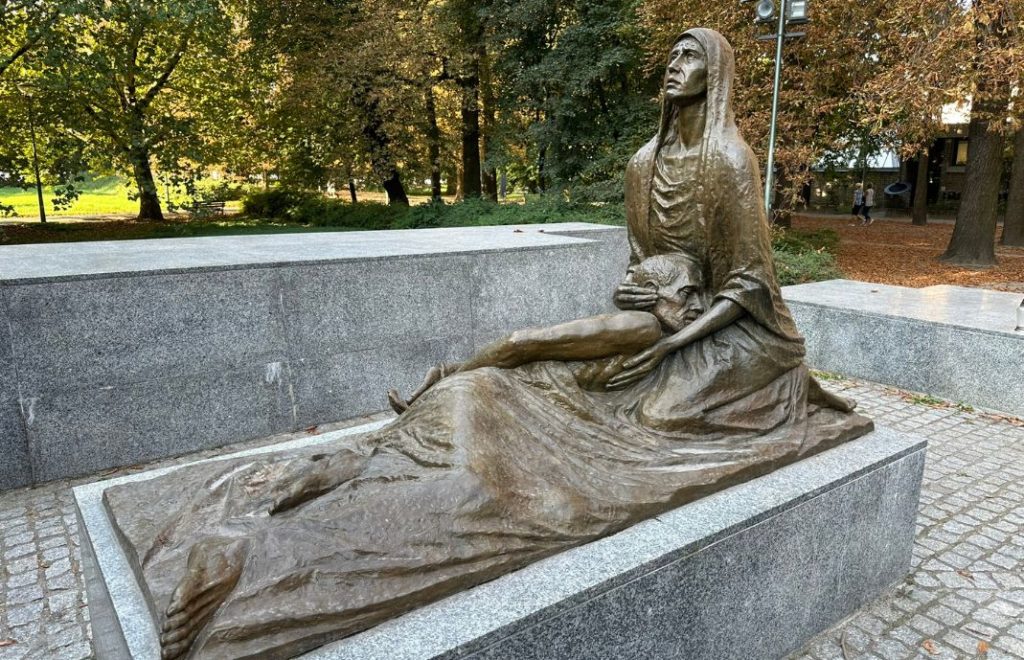
Today, after an extraordinary effort to rebuild, little remains of that devastation. Only books, photographs, and memorials bear witness to the brutality of Breslau’s not-so-distant past. But for those who seek to understand the deep scars of history, the echoes are still there – quiet, but undeniable.
Wroclaw – The city of many names
Name any Central European nation, and chances are it once held sway over what is now known as Wrocław. Few cities in Europe have worn so many names – up to 50 over the centuries – including Vratislavia, Breslau, and Wrotizla.
From its earliest Slavic settlements, Wrocław’s identity has been anything but fixed. Around the year 990, the Polish prince Mieszko I conquered Silesia from the Czech ruler Vratislav – a figure who likely inspired the city’s Latin name, Vratislavia.
In 1241, Wrocław – like much of Eastern and Central Europe – was swept up in the Mongol invasion, a tsunami of destruction that changed the region forever. When the last king of the Polish Piast dynasty died in 1336, Silesia passed into the hands of the Bohemian crown.
Fast forward to 1945, and the map of Europe was redrawn in the aftermath of war. In line with the Yalta Agreement, Wrocław – then called Breslau and part of Germany – was returned to Polish control after more than 600 years. With its new political identity came a new (yet ancient) name: Wrocław.
The transition was anything but peaceful. German residents who survived the war were forced to relocate westward, and the city was repopulated by Poles from former eastern territories – especially from Lwów (now Lviv in Ukraine), which had been absorbed into the Soviet Union.
Wrocław’s many names tell the story of a city at the crossroads of empires, cultures, and ideologies – a place where history is etched into every stone.
A heartfelt thank you to Polska Organizacja Turystyczna, Poland Convention Bureau, Polish Conference and Congress Association SKKP, Wrocław Convention Bureau, and LOT Polish Airlines for inviting me to experience Wrocław. My flights, accommodation, meals, transportation, and activities were kindly covered as part of this trip. There were no obligations from the hosts regarding posts or promotion on social media. As always, all opinions and photos (nless noted) are entirely my own.
More inspiration to visit Wroclaw:
11 reasons Wrocław is Poland’s best-kept secret
Poland is one of my favorite countries – here you’ll find lots of inspiration to visit!
