
Warsaw is a city shaped by loss and renewal, where layers of history sit side by side with a confident, contemporary energy. Almost entirely destroyed during World War II, it rebuilt itself with determination, creating a capital that feels both deeply reflective and forward-looking.
Spending 48 hours here offers more than a checklist of sights. It provides a sense of how a city remembers, adapts, and lives.
From meticulously reconstructed old streets to vibrant neighborhoods filled with cafés, museums, and green spaces, Warsaw rewards curiosity. The city moves at a pace that allows for both exploration and pause, making it possible to experience its complexity without feeling rushed.
Two days in Warsaw won’t cover everything, but they are enough to understand why this city continues to surprise those who take the time to look beyond first impressions.
DAY 1
Your first day in Warsaw is about understanding the city’s foundations – its history, resilience, and cultural depth. From royal heritage and reconstructed streets to powerful remembrance and music, the day offers a thoughtful introduction to the city’s layered identity.
Begin with The Royal Castle
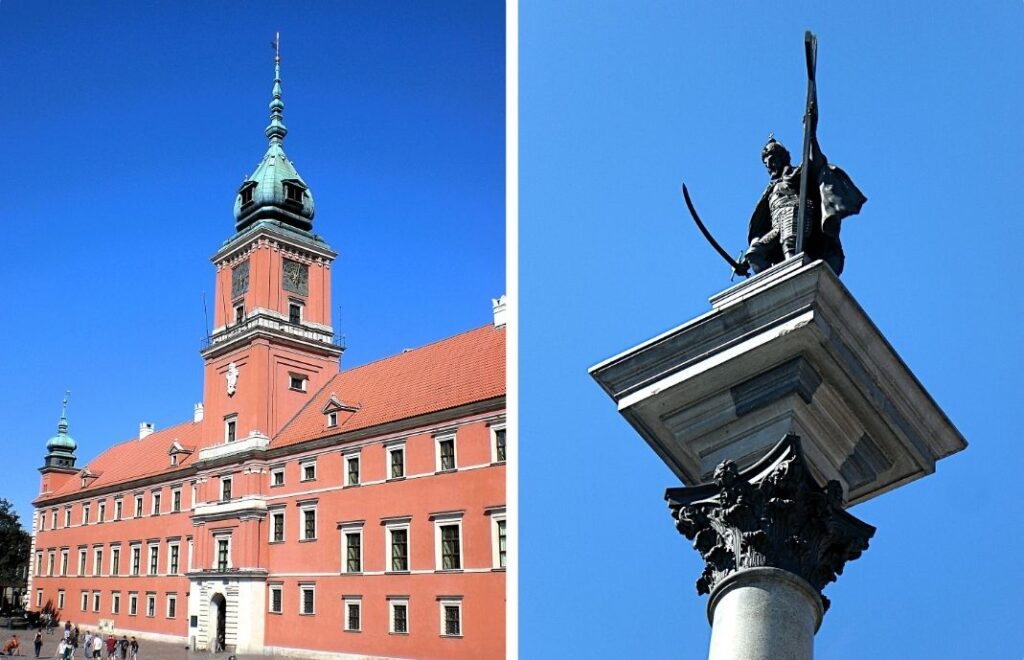
Your visit to Warsaw should start at The Royal Castle. It’s a place that embodies both the city’s royal past and its extraordinary resilience. Once the seat of Polish kings, the castle stands at the entrance to the Old Town, overlooking Castle Square and the Vistula River. Its location alone makes it a natural starting point for understanding Warsaw’s historical heart.
The building you see today is a meticulous reconstruction, rebuilt after being deliberately destroyed during World War II. Inside, richly decorated chambers, artworks, and ceremonial rooms reflect Poland’s former political and cultural life. Knowing that every detail was restored from paintings, photographs, and memory adds emotional depth to the visit.
What makes the Royal Castle especially meaningful is what it represents beyond architecture. It is a symbol of national identity and determination, illustrating how Warsaw chose restoration over erasing.
In front of the castle stands a 22-meter-high column, commemorating King Sigismund III Vasa. In 1596 he moved Poland’s capital from Krakow to Warsaw.
Walking through the Old Town
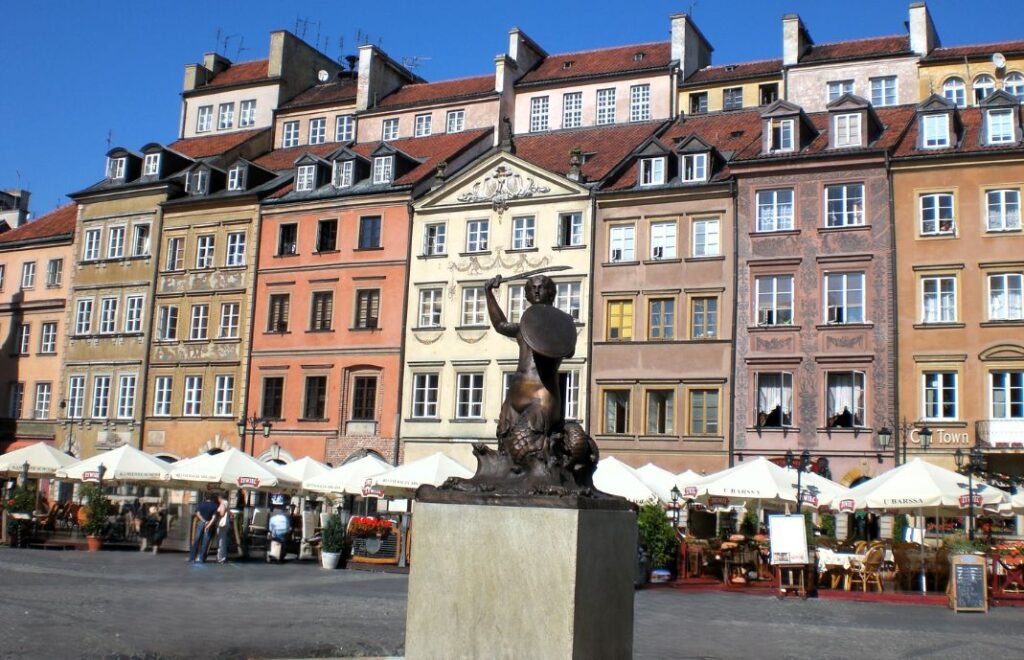
From the Royal Castle, step directly into Warsaw Old Town, where the city’s story unfolds street by street. At first glance, the colorful facades, cobblestone lanes, and lively squares feel timeless. Keep in mind that nearly everything here is the result of postwar reconstruction, rebuilt with remarkable precision and care.
Walking through the Old Town is less about rushing between landmarks and more about absorbing atmosphere. Small details matter: uneven stones underfoot, hidden courtyards, quiet side streets that open suddenly onto bustling squares. Cafés spill onto plazas, church towers rise above rooftops, and the rhythm of daily life softens the weight of history.
What makes this walk especially meaningful is the knowledge of what was lost and intentionally restored. The Old Town is not preserved nostalgia, but an act of cultural resilience. Spending time here allows you to experience Warsaw’s ability to honor its past while remaining fully alive in the present. It gives you an essential introduction to the city’s character.
Polish cuisine for lunch
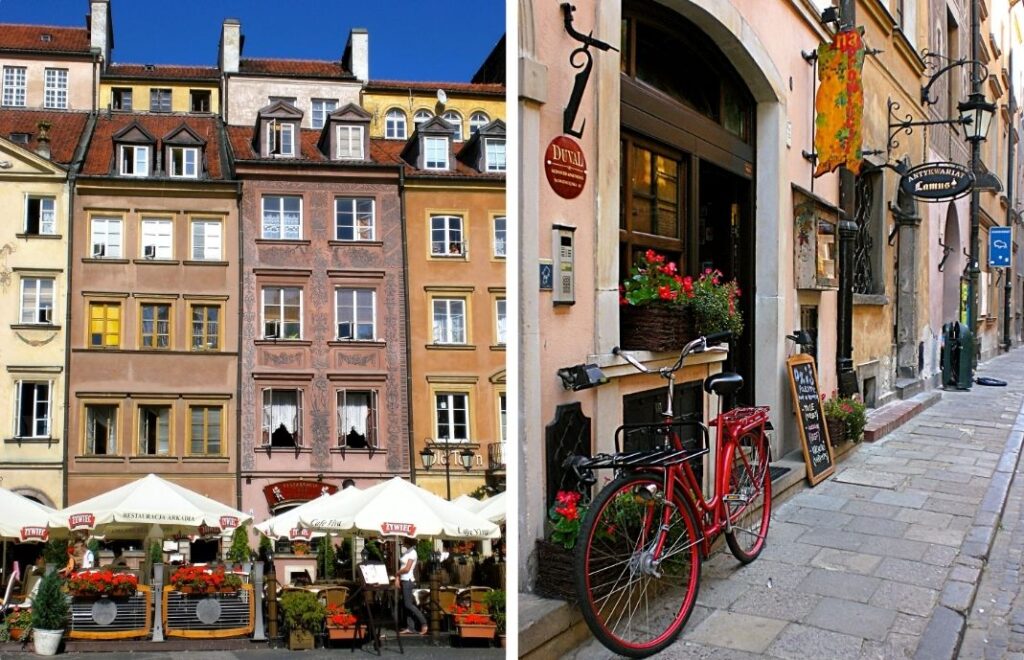
After exploring the Old Town on foot, lunch is a chance to slow the pace and experience Warsaw through its food. Choosing a local restaurant introduces you to Polish cuisine at its most comforting. These are dishes rooted in tradition, shaped by seasons, and meant to be enjoyed without hurry. Portions are generous, flavors are honest, and meals tend to linger.
This is a good moment to sit down, reflect on the morning, and observe daily life around you. Whether tucked into a quiet side street or facing a small square, local restaurants offer a sense of continuity between past and present. Lunch in Warsaw isn’t just a break in the day. It’s part of understanding how the city lives, eats, and gathers.

Warsaw Rising Museum
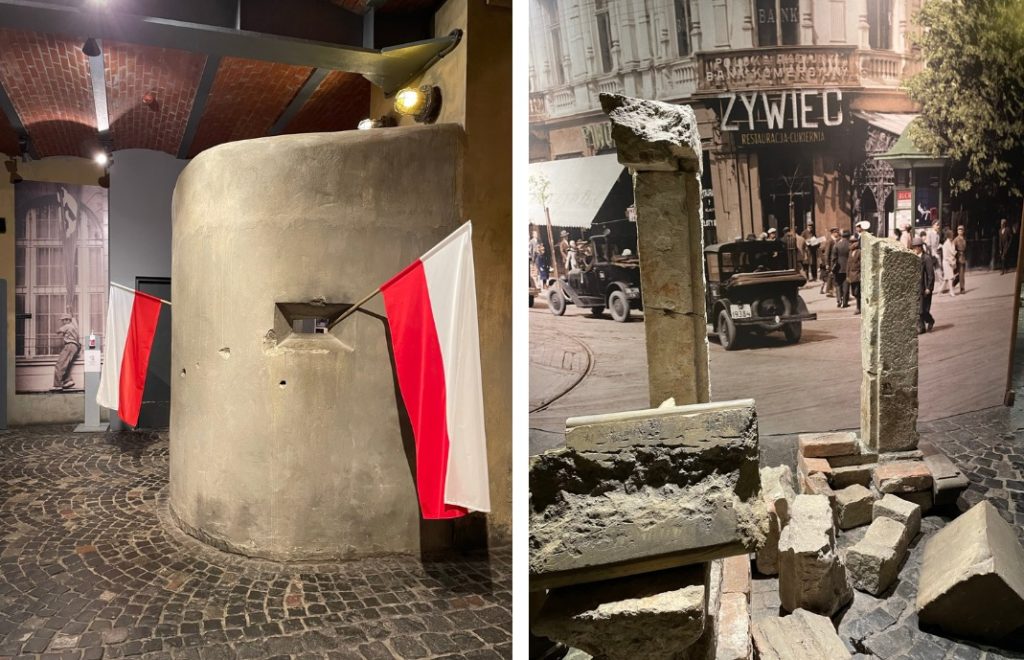
After lunch, head to The Warsaw Rising Museum. This amazing museum offers one of the most powerful and emotionally demanding experiences in the city. It is dedicated to the 1944 Warsaw Uprising. The museum tells the story of a city that chose resistance in the face of near-certain destruction. Visiting here adds essential depth to any understanding of Warsaw.
The exhibition is immersive and carefully structured, combining photographs, personal testimonies, film, sound, and artifacts to convey both the scale of the uprising and the individual lives caught within it. Rather than presenting history at a distance, the museum places visitors inside the atmosphere of wartime Warsaw, making the experience intense but deeply human.
This is not a museum to rush. It invites reflection, empathy, and respect, offering insight into the courage and sacrifice that shaped modern Warsaw. Visiting the Warsaw Rising Museum helps explain not only what the city endured, but why remembrance remains such a central part of its identity today.
More inspiration: Warsaw Rising Museum
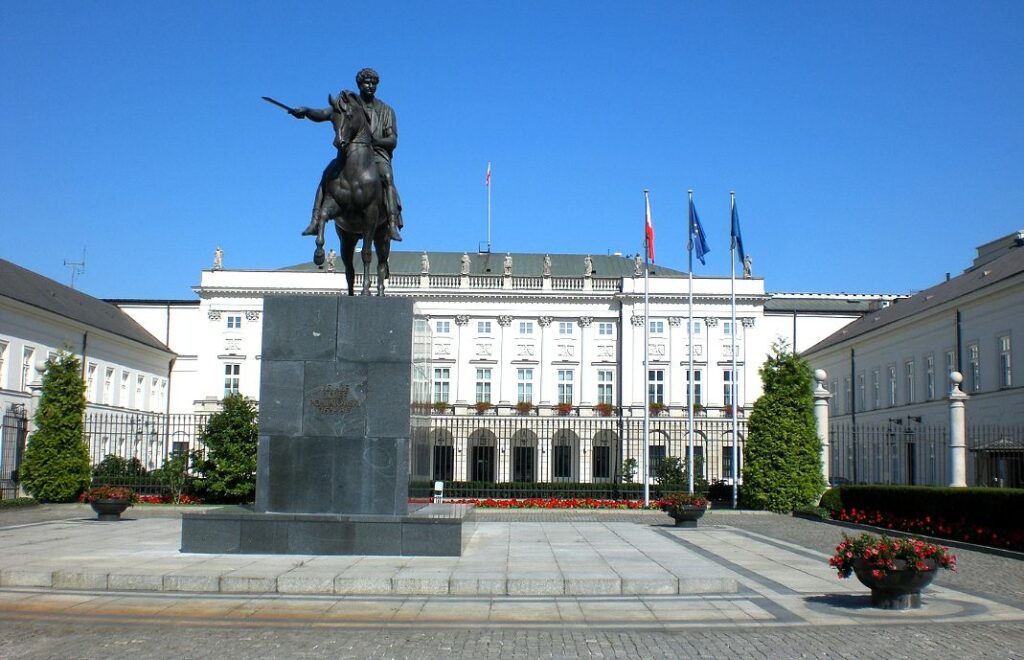
Walk along the Royal Route
After the intensity of the museum, a walk along the Royal Route offers a gentler way to reconnect with the city. This historic avenue links many of Warsaw’s most important landmarks, stretching from the Old Town southward through elegant streets shaped by centuries of political and cultural life.
The Royal Route reveals a different side of Warsaw – more spacious, formal, and reflective. Palaces, churches, and historic buildings line the way, but the experience is just as much about movement as monuments. Tree-lined sections invite a slower pace, while cafés and benches offer places to pause and watch the city unfold.
Walking here helps tie the day together. It connects royal history, wartime memory, and modern life into a single, continuous path. As evening approaches, the route feels especially atmospheric, allowing Warsaw’s layered identity to emerge quietly, step by step.
Dinner at a modern restaurant
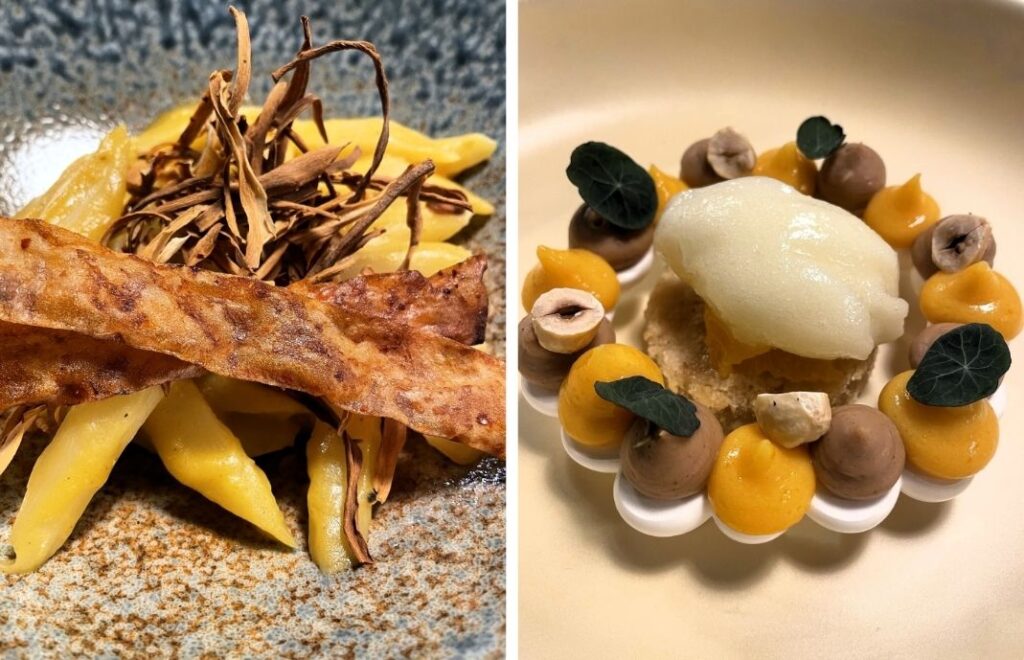
As evening settles in, dinner is a chance to experience Warsaw at its most relaxed. The city’s dining scene blends tradition with modern creativity, offering everything from classic Polish dishes to contemporary interpretations rooted in local ingredients. Meals tend to be unhurried, inviting conversation and reflection after a full day of walking and discovery.
Choosing a restaurant in the central district allows you to feel the city’s nighttime rhythm. Locals meet friends, soft light spills onto sidewalks, and a calm energy that contrasts with the day’s historical intensity.
Dinner in Warsaw isn’t about formality; it’s about comfort, warmth, and ending the day with a sense of ease before continuing the journey the next morning.
Attend a classical concert
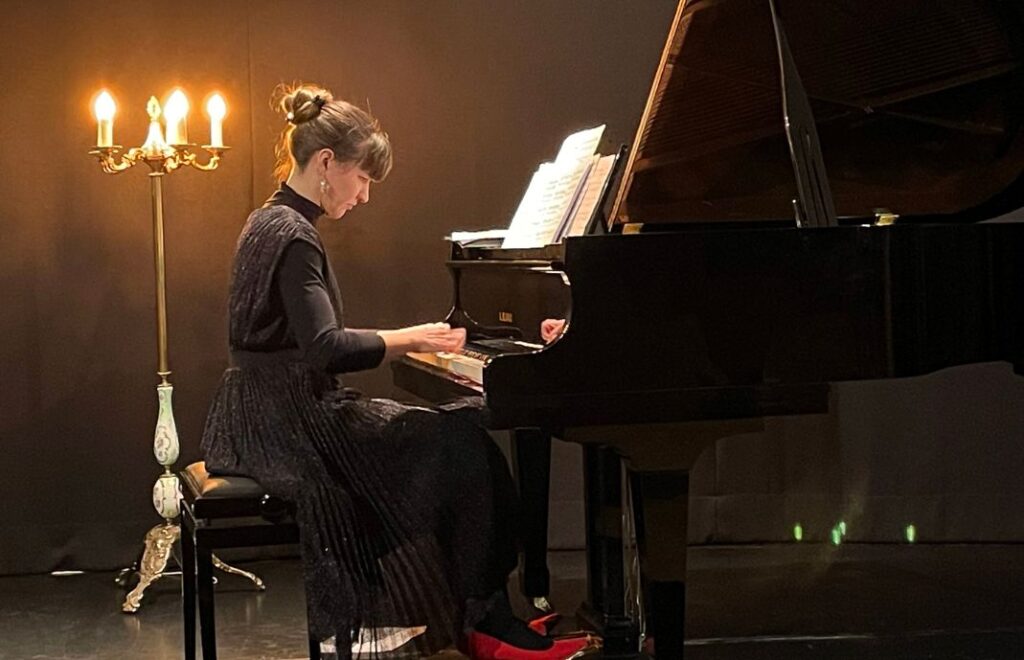
Ending the day with a classical concert adds a quiet sense of elegance to your time in Warsaw. Music has long been central to the city’s cultural identity. Attending a performance offers a moment of calm reflection after a day shaped by history and movement. The experience feels intimate rather than formal, inviting listeners to slow down and simply be present.
Venues such as the National Philharmonic continue a tradition that connects Warsaw to composers, performers, and audiences across generations. The atmosphere is respectful but welcoming, and the music provides emotional balance. It’s something contemplative rather than demanding.
A classical concert is a fitting close to Day 1. It allows the city’s stories to settle, offering beauty without explanation and reminding you that Warsaw’s resilience is expressed not only through memory and architecture, but also through art that continues to live and evolve.
DAY 2
Your second day in Warsaw offers a more local and contemporary perspective on the city. Today you are moving beyond the historic core to explore culture, everyday life, and living neighborhoods. It’s a day shaped by contrast, reflection, and a deeper sense of how the city continues to evolve.
Polish Vodka Museum
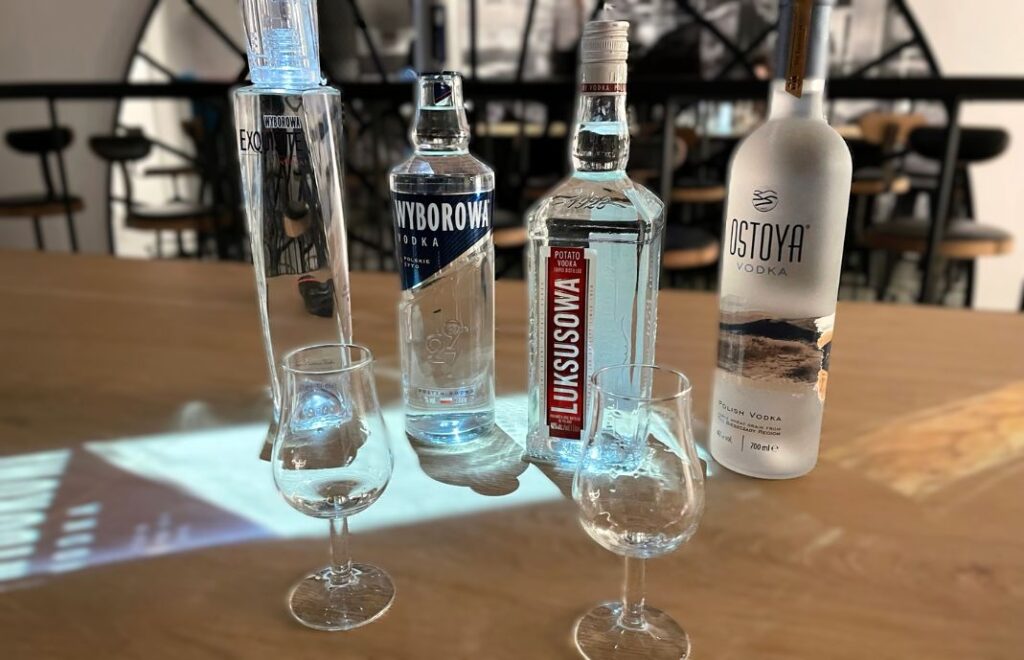
Begin your second day at the Polish Vodka Museum, a place that offers insight into an often-misunderstood part of Polish culture. Located in a revitalized former industrial area, the museum explores vodka not as a stereotype, but as a product shaped by history, agriculture, craftsmanship, and tradition.
The exhibitions trace vodka’s role in Polish society over centuries, from rural production to national identity and global recognition. Through multimedia displays and historical context, the museum explains how vodka became embedded in social rituals, celebrations, and everyday life. The tone is informative rather than promotional, making the experience accessible even for those with limited prior interest.
More inspiration: The history of Polish Vodka
Lunch in Praga
You should opt for lunch in Praga, one of Warsaw’s most characterful neighborhoods. Long overlooked and now quietly revitalized, Praga feels rawer and more lived-in than the city center, with a strong local identity and creative edge.
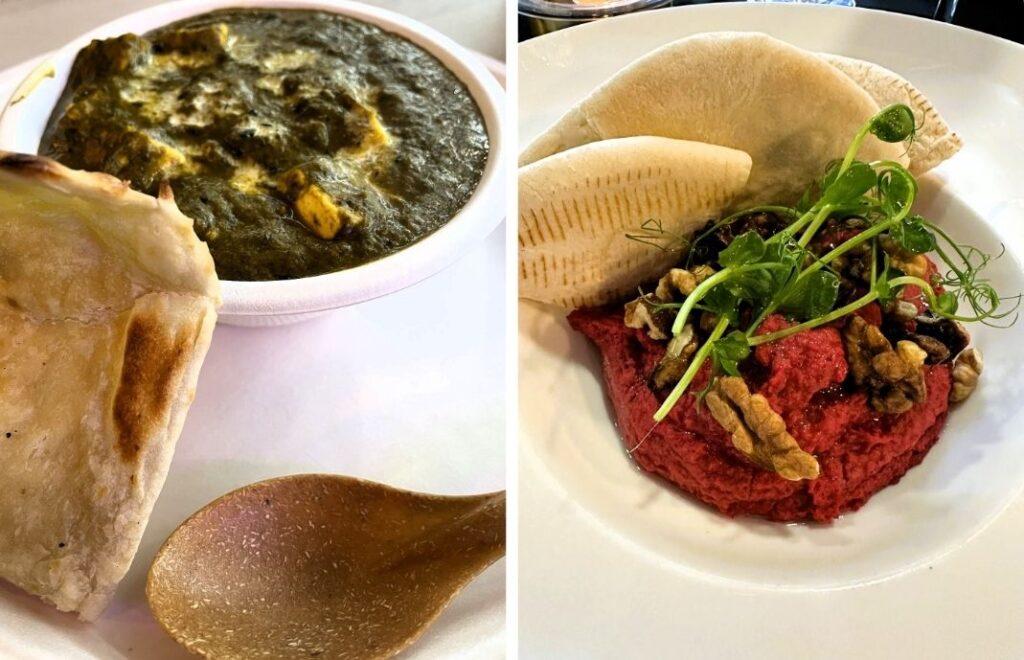
Eating here offers a different perspective on Warsaw. Restaurants and cafés tend to be informal, community-focused, and rooted in everyday life rather than tourism. It’s a chance to slow down, observe local rhythms, and experience the city beyond its reconstructed core. You will get an authentic pause that adds balance and depth to your second day.
Honoring the Jewish history
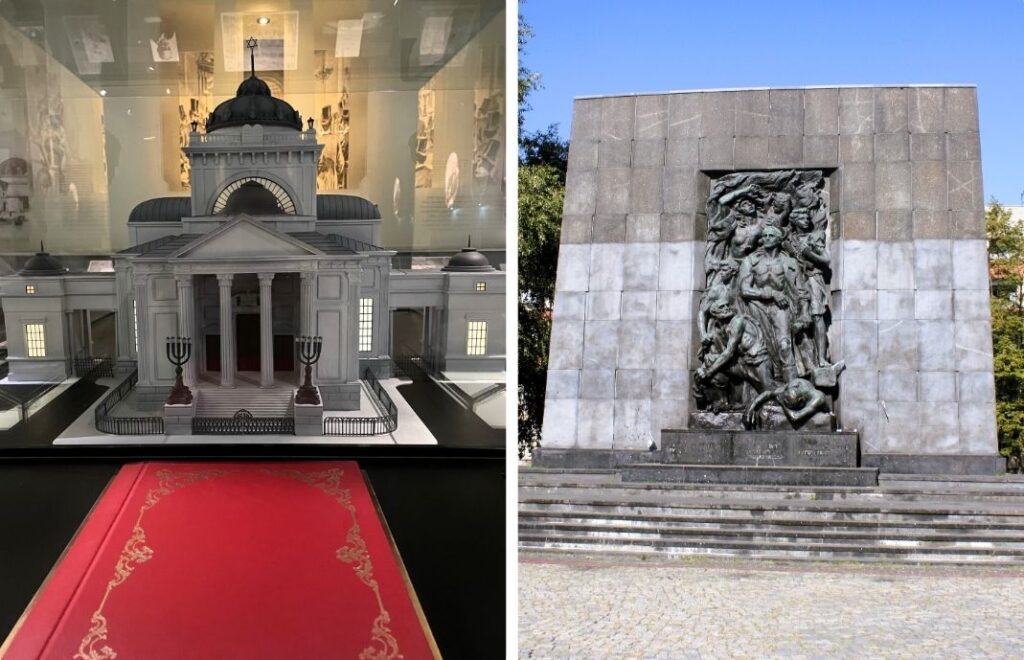
The POLIN Museum of the History of Polish Jews offers one of the most comprehensive and thoughtful museum experiences in Warsaw. Rather than focusing solely on tragedy, the museum traces a thousand years of Jewish life in Poland. You will be exploring culture, religion, everyday life, and coexistence alongside persecution and loss. The exhibitions are immersive and narrative-driven, encouraging understanding through context rather than shock.
Just outside the museum stands the Monument to the Ghetto Heroes, commemorating the Jewish resistance during the 1943 uprising. The monument’s stark presence contrasts with the museum’s interior storytelling, grounding historical knowledge in a physical place of remembrance.
Visiting these two sites together creates a powerful dialogue between life and loss, memory and continuity. It is a sobering but essential experience. One that deepens your understanding of Warsaw and reinforces how central remembrance is to the city’s identity.
Dinner at Hala Koszyki
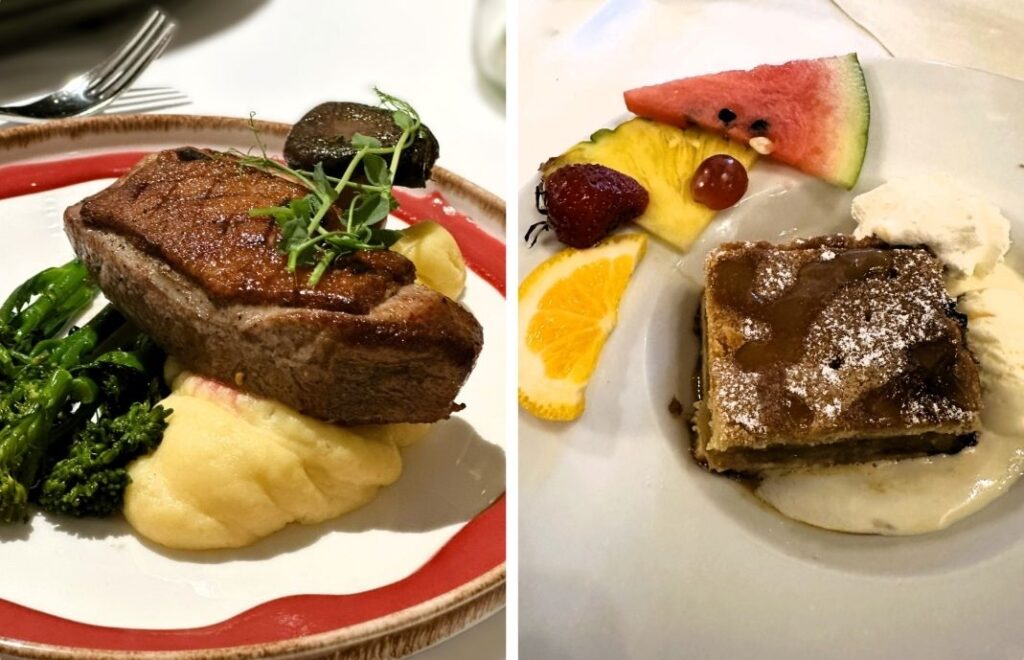
For your last dinner in Warsaw, you should head to Hala Koszyki. This restored historic market hall has become one of the city’s most popular gathering places, blending food, conversation, and urban energy under one roof. The atmosphere is lively but relaxed, making it easy to settle in after a day of reflection and exploration.
The strength of Hala Koszyki lies in its variety. Different cuisines sit side by side, allowing you to choose based on mood rather than commitment. Locals gather here after work, friends linger over shared tables, and the space hums with everyday city life rather than curated spectacle.
Ending the day here highlights Warsaw’s balance between past and present. After museums and memorials, Hala Koszyki offers a sense of continuity – proof that the city is not only shaped by history, but actively lived in, social, and forward-looking.
Finish with a drink above the city
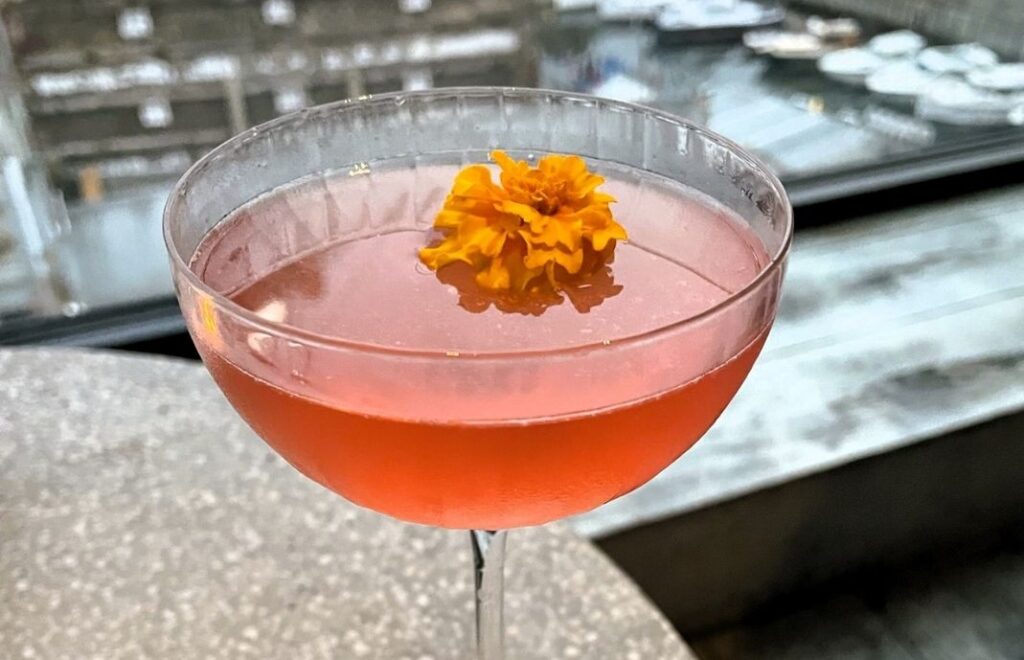
End your 48 hours in Warsaw by seeing the city from above. A drink at one of the capital’s rooftop bars offers a different perspective. One that places church towers, modern skyscrapers, and wide streets into a single view. As evening settles in, the city feels calmer, reflective, and quietly confident.
From up here, Warsaw’s contrasts are easy to read. Old and new exist side by side, not competing but coexisting. It’s a fitting way to close your visit: unhurried, observant, and slightly removed, allowing everything you’ve experienced over two days to settle into context.
Conclusion
Spending 48 hours in Warsaw offers more than an introduction. It provides a sense of the city’s character. History, remembrance, creativity, and everyday life intersect in ways that feel honest and unforced.
Warsaw doesn’t reveal itself through spectacle, but through moments of understanding, making it a city that stays with you long after you leave.
