
Belgrade is a city where surprises await at every corner. It’s a place where history and modernity intertwine, where the Danube and Sava rivers meet, and where the energy never fades. Serbia’s vibrant capital has long been a crossroads of cultures, empires, and ideas. Today it stands as one of Europe’s most dynamic yet underrated destinations.
Here, crumbling fortresses overlook buzzing riverside bars, centuries-old streets hum with cafés and galleries, and a nightlife scene keeps the city awake until dawn. Belgrade is not polished in the way of Western Europe’s capitals – and that is precisely its charm. It is raw, real, and endlessly fascinating.
Whether you come for history, food, culture, or pure adventure, Belgrade offers experiences that linger long after you leave. This is a city that doesn’t try to impress – it simply does.
Here are 8 good reasons to visit Belgarde – the beating heart of the Balkans.
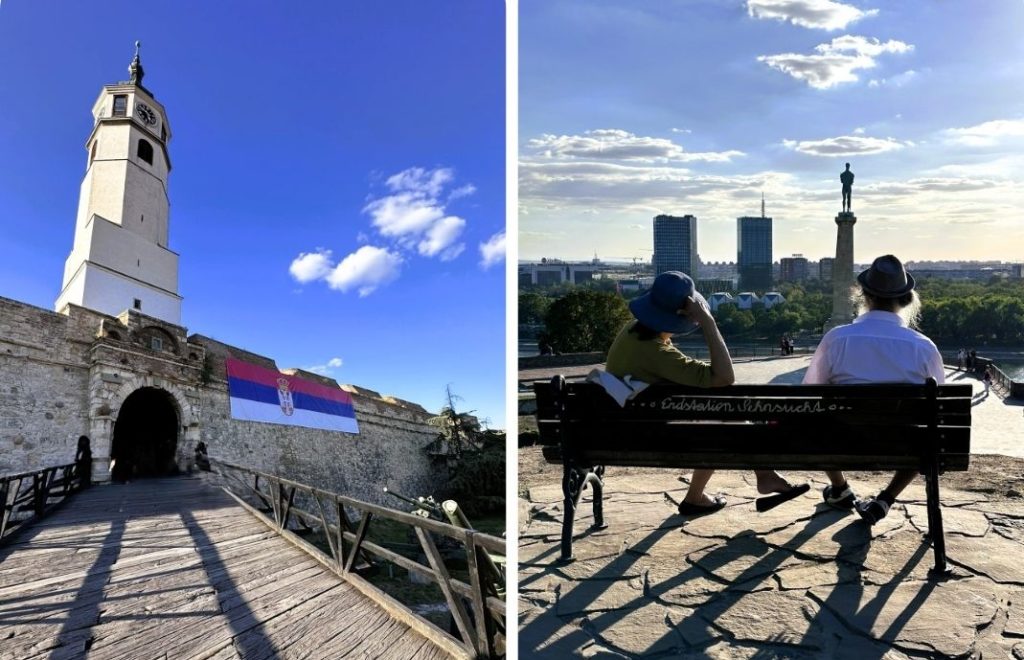
1. The historic Belgrade Fortress
At the very heart of the city stands the mighty Belgrade Fortress, a living reminder of the city’s turbulent history and resilience. Overlooking the confluence of the Danube and Sava rivers, this ancient stronghold has witnessed the rise and fall of empires, from Romans and Byzantines to Ottomans and Austro-Hungarians. Today, it is not only a historic landmark but also a beloved gathering place for locals.
Walking through its gates, visitors discover layers of history in old walls, medieval towers, and hidden underground passages. The fortress is also home to Kalemegdan Park, a green oasis. Here families stroll, street performers entertain, and sunsets paint the sky in unforgettable colors. Few places in Europe capture such a seamless blend of history, daily life, and panoramic beauty as Belgrade Fortress.
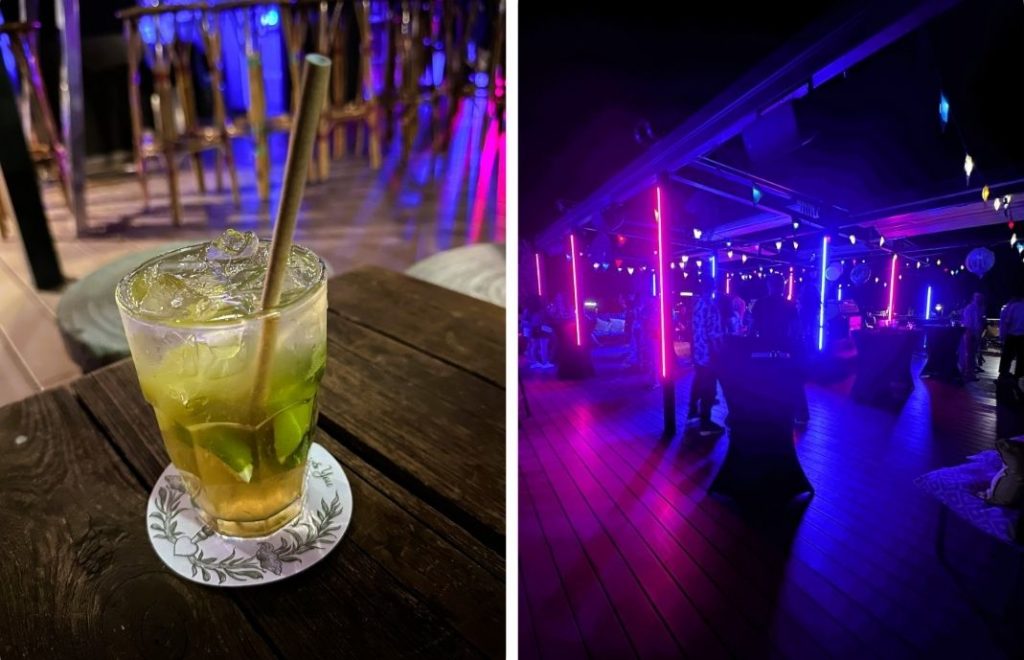
2. A nightlife that never sleeps
Belgrade has earned a reputation as one of Europe’s ultimate party capitals – and for good reason. The city truly comes alive after dark, with a nightlife scene as diverse as it is vibrant. From sleek cocktail bars and underground clubs to live music venues and traditional kafanas, there is something for every mood and taste.
What makes Belgrade unique is its famous splavovi – floating river clubs anchored along the Danube and Sava. These venues transform into pulsating hubs of music and energy, where locals and visitors dance until sunrise with the city skyline as a backdrop. The atmosphere is electric, yet welcoming, as Belgraders are always eager to share their city’s love for life and celebration.
Whether you want to sip rakija in an intimate bar or lose yourself to DJ sets on the water, Belgrade’s nightlife is more than entertainment. It’s a cultural experience, a reflection of the city’s spirit and its unstoppable energy.
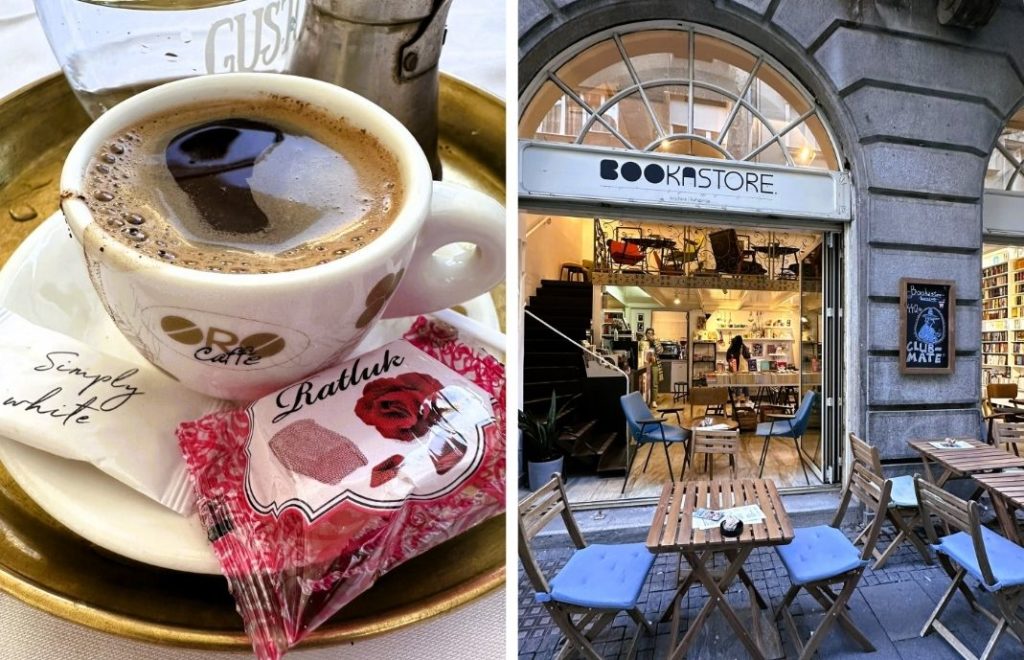
3. A café culture that defines the city
In Belgrade, life often unfolds around a coffee table. The city has one of the richest café cultures in Europe. Cafés are not just places to grab a drink, but social hubs where conversations linger and time slows down. Whether it’s a charming sidewalk café in Dorćol, a leafy terrace in Vračar, or a modern spot in Savamala, every neighborhood has its own rhythm and favorite gathering places.
Coffee here is more than a drink – it’s a ritual. Traditional Turkish-style coffee sits comfortably alongside cappuccinos and cold brews, served with the same emphasis on slowing down and connecting. Spend an afternoon people-watching from Knez Mihailova Street or sipping coffee in Skadarlija, the city’s bohemian quarter. No matter where you sit, you’ll quickly understand that Belgrade’s warmth is as much about its people as it is about its spaces.
The locals’ openness makes it easy for visitors to feel at home. A simple chat over coffee can turn into an invitation to explore the city, share a meal, or even join a night out. In Belgrade, hospitality is genuine – and it starts with a cup of coffee.
More inspiration: Serbia’s coffee culture: Every cup tells a story
4. A food scene full of flavor and tradition
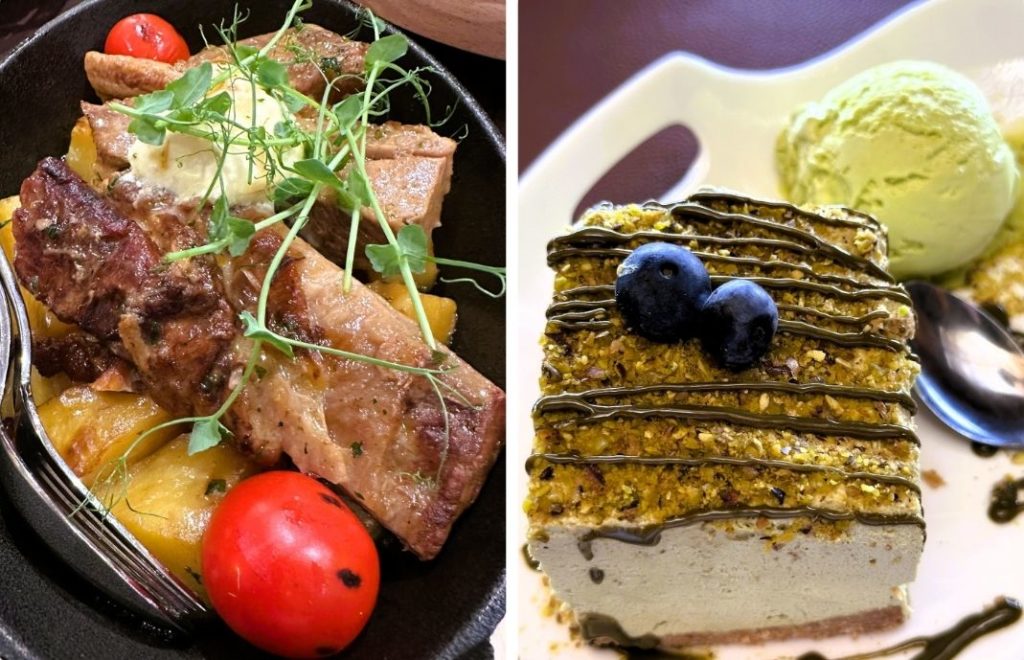
Belgrade is a feast for the senses, and nowhere is this more evident than in its food culture. Rooted in centuries of Balkan, Ottoman, and Central European influences, the city’s cuisine is hearty, flavorful, and always served with a sense of generosity.
Start with a visit to a traditional kafana, where rustic interiors and live folk music set the stage for an authentic Serbian meal. Here you can try specialties like ćevapi (grilled minced meat), sarma (cabbage rolls stuffed with meat and rice), or freshly baked bread served with kajmak, a creamy local delicacy. Pair it with a glass of homemade rakija, and you’ve tasted the true spirit of Serbia.
For those seeking variety, Belgrade also boasts a modern culinary scene, with innovative chefs blending tradition with contemporary flair. Food markets like Kalenić offer another dimension, with stalls overflowing with fresh produce, cheeses, honey, and spices that reflect the richness of the region.
In Belgrade, food is never just about eating – it’s about community, culture, and celebration. Every meal feels like a gathering, every dish a story.
5. A crossroads of history and culture
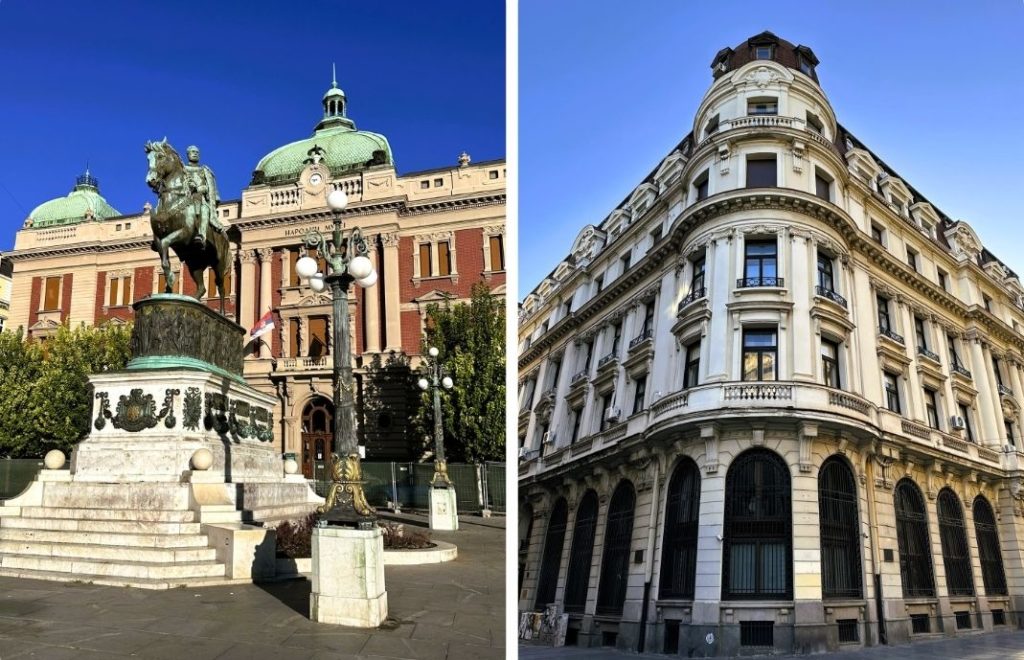
Belgrade has stood at the meeting point of East and West for centuries, and its layered history is visible in every street and square. Empires have risen and fallen here – Roman, Byzantine, Ottoman, Austro-Hungarian – each leaving behind architecture, traditions, and influences that make the city a living museum of cultural encounters.
Walking through Belgrade is like walking through time. Ottoman-era mosques stand near Orthodox cathedrals, while Habsburg-style facades line up beside Brutalist concrete blocks. The city’s museums tell the stories of these transformations, from the National Museum’s vast collection of art and archaeology to the Nikola Tesla Museum, celebrating Serbia’s most famous inventor.
But history in Belgrade is not frozen in time. It is alive in the rhythm of everyday life – in festivals that celebrate music and film and in murals and street art that reflect the city’s modern voice. But most of all – in neighborhoods where tradition and innovation coexist.
Belgrade’s diversity makes it a place where every traveler can find a connection, whether through art, architecture, or simply by experiencing the cultural mosaic that has defined the city for centuries.
6. Life along the rivers
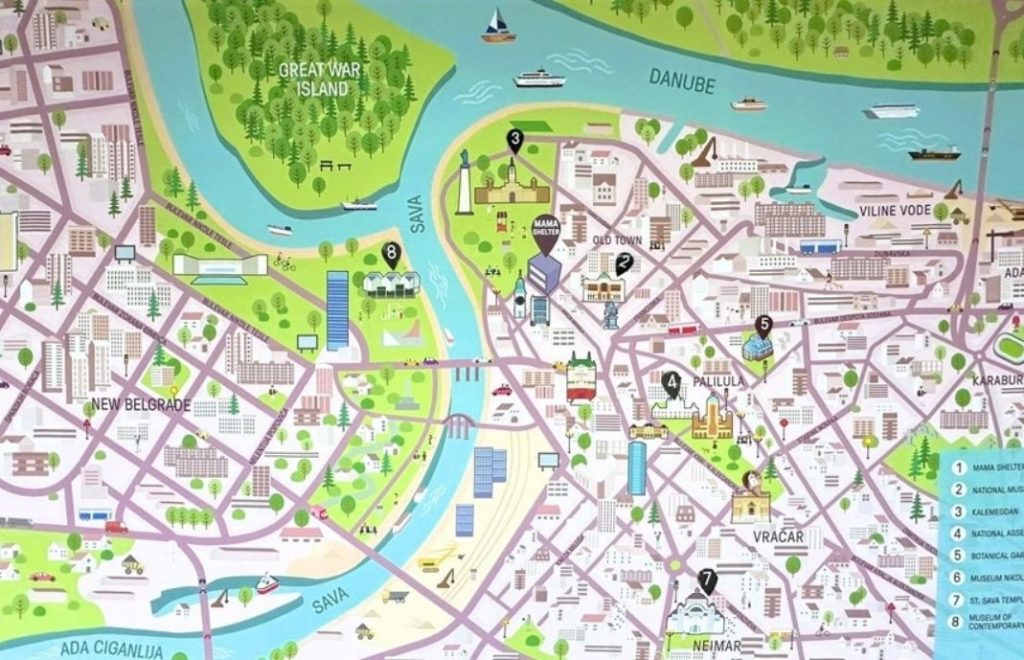
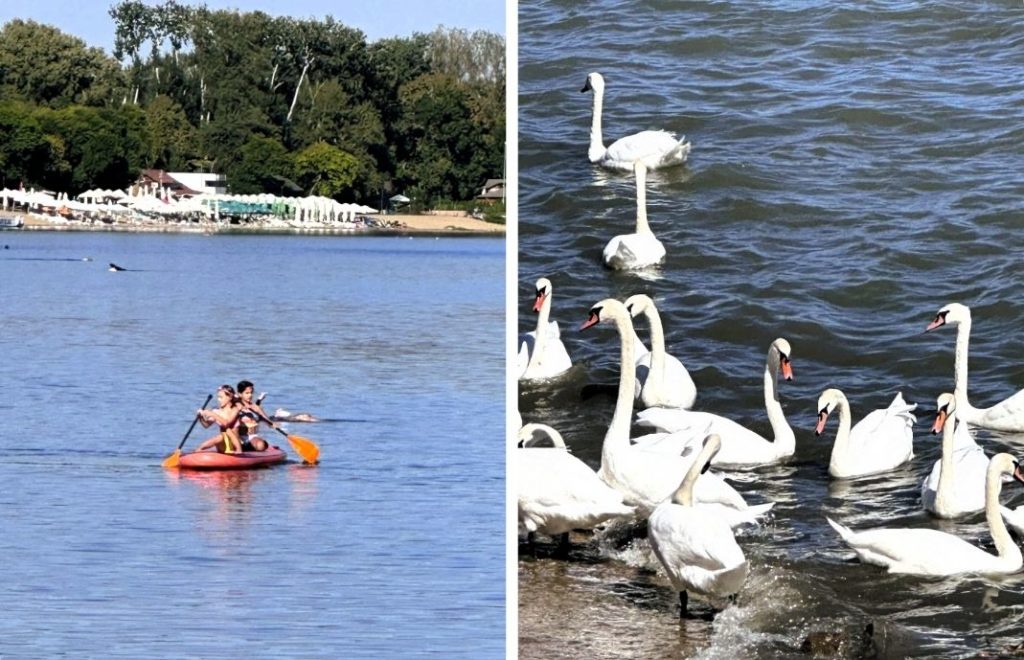
Belgrade is one of the few European capitals defined by not one, but two great rivers – the Danube and the Sava. Their confluence at Kalemegdan Fortress has shaped the city’s identity for millennia. Today the rivers remain at the heart of Belgrade’s lifestyle and charm.
In summer, the riversides become the city’s playground. Ada Ciganlija, often called “Belgrade’s Sea,” is a vast river island transformed into a recreational haven. Here you’ll find beaches, bike paths, water sports, and lively cafés. Locals flock here to swim, sunbathe, and socialize, creating a vibrant atmosphere just minutes from the city center.
The riverbanks are also lined with floating restaurants and bars, where you can savor grilled fish, sip local wine, and watch the sunset over the water. Boat cruises offer another perspective, revealing Belgrade’s skyline from the gentle flow of the Danube or Sava.
The rivers are not just a backdrop – they are part of the city’s rhythm. They invite visitors to slow down, enjoy the outdoors, and embrace Belgrade’s balance of energy and ease.
7. The majestic Temple of Saint Sava
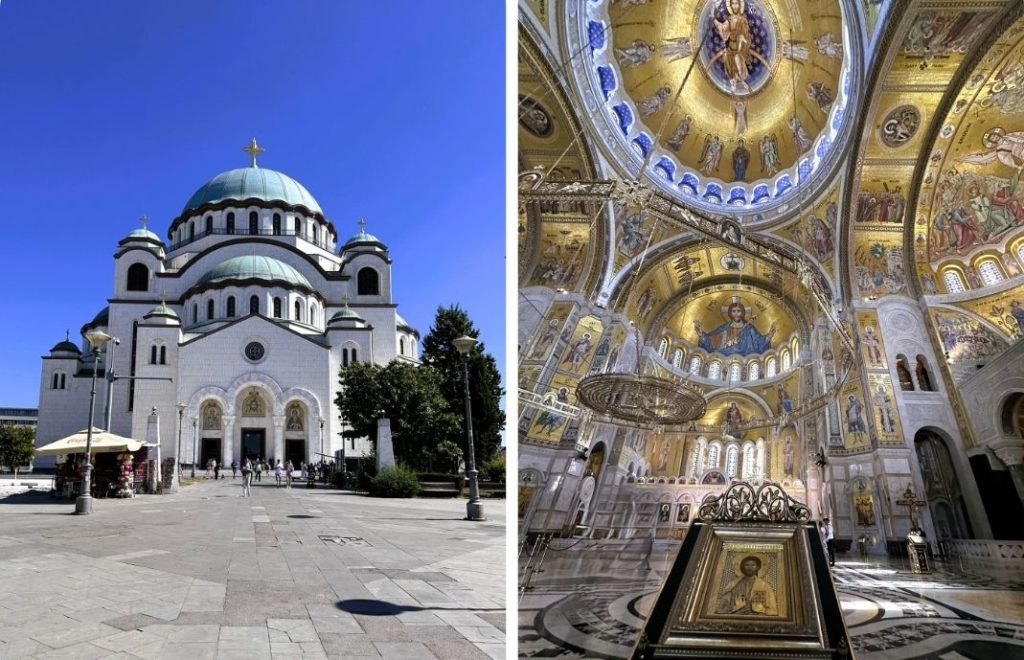
Dominating Belgrade’s skyline, the Temple of Saint Sava is one of the largest Orthodox churches in the world and a symbol of Serbian faith and identity. Its gleaming white marble and massive dome rise above the city, making it a landmark visible from afar and an unmissable stop for any visitor.
The temple is dedicated to Saint Sava, the founder of the Serbian Orthodox Church. Its construction has spanned decades, reflecting both devotion and perseverance. Step inside, and you are greeted by soaring ceilings, shimmering mosaics, and an atmosphere of reverence. The lower crypt, with its golden frescoes and ornate detail, leaves a lasting impression of grandeur and spirituality.
Beyond its religious significance, the Temple of Saint Sava is a place of cultural pride. It stands as a reminder of Serbia’s enduring traditions while welcoming visitors from around the world to admire its beauty and significance. Whether you come for faith, architecture, or simple curiosity, the temple offers a moment of awe and reflection in the heart of Belgrade.
More inspiration: Belgrade’s icon: The Temple of Saint Sava
8. Vibrant local markets full of life
To truly feel the pulse of Belgrade, you need to visit its bustling local markets. These are not just places to shop. They are windows into everyday life, brimming with colors, aromas, and the warmth of human connection.
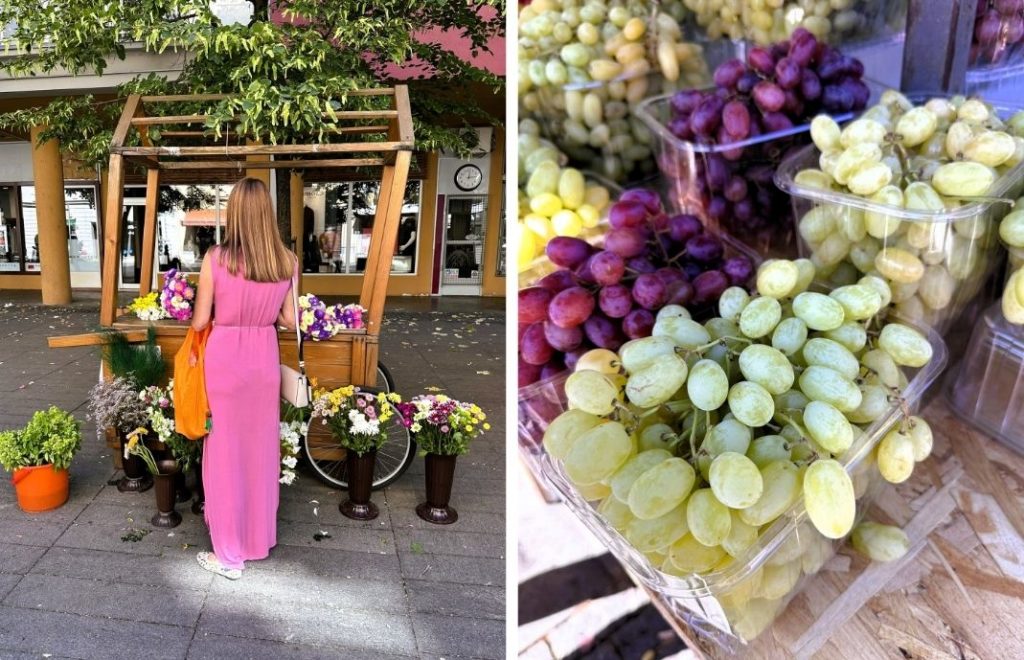
Kalenić Market, the city’s largest and most famous, is a sensory feast. Stalls overflow with fresh fruits, vegetables, homemade cheeses, honey, spices, and flowers – all so tempting. Friendly vendors proudly share stories about their produce while you look for your next purchase. A walk through the aisles feels like stepping into the heart of Serbian hospitality, where conversations are as important as the goods on display.
Smaller neighborhood markets, like Zeleni Venac near the city center, offer their own charm, with vibrant energy and views of daily routines unfolding around you. Here, visitors can sample seasonal delicacies, discover traditional products, and connect with the rhythms of local life.
Belgrade’s markets are more than shopping spots – they are cultural landmarks where tradition thrives, authenticity is celebrated, and travelers can taste the city in its purest form.
A warm thank you to Aviareps Norway, the National Tourism Board of Serbia and Air Serbia for inviting me to explore Belgrade. There were no requirements from the partners regarding posts or promotion on social media. All opinions and photos are, as always, entirely my own.
More inspiration: 48 hours in Belgrade
Where to stay in Belgarde: Check-in: Mama Shelter Belgrade
