
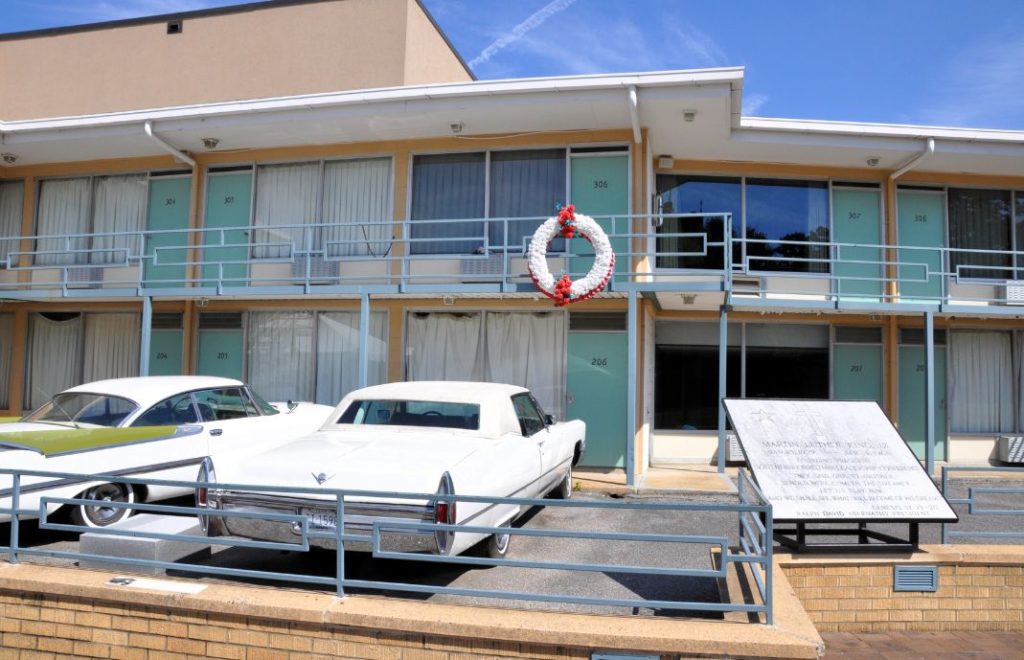
Memphis is home to the National Civil Rights Museum, one of the United States’ most important memorials to the struggle for equal rights. Housed within the historic Lorraine Motel – the site where Martin Luther King Jr. was assassinated in 1968 – the museum has, since its opening in 1991, stood as a powerful symbol of grief, hope, and transformation.
The National Civil Rights Museum takes visitors on a moving journey through the African American civil rights movement. It traces the story from the origins of slavery to the fight for voting rights and on to the ongoing challenges of today. Exhibitions combine authentic artifacts, interactive installations, films, and personal stories, bringing history vividly to life.
A visit here is both profoundly educational and deeply emotional. It is a place that encourages reflection while also inspiring change – a reminder that individuals can indeed reshape the world.
Whether you are passionate about history or simply curious about America’s social heritage, the National Civil Rights Museum is an essential stop on any journey through Memphis.
The history of the National Civil Rights Museum
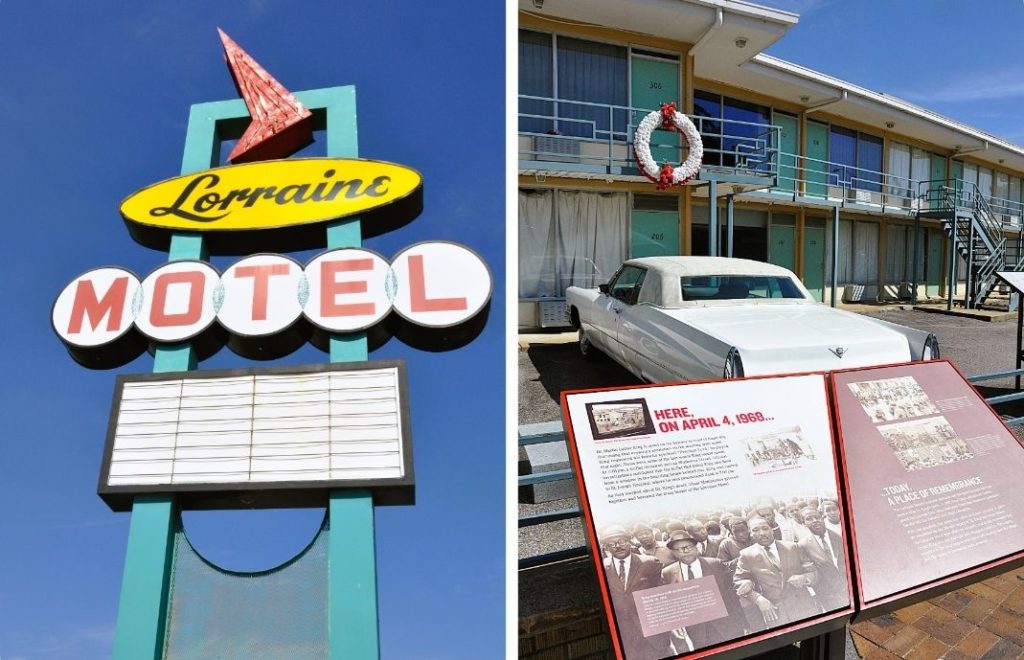
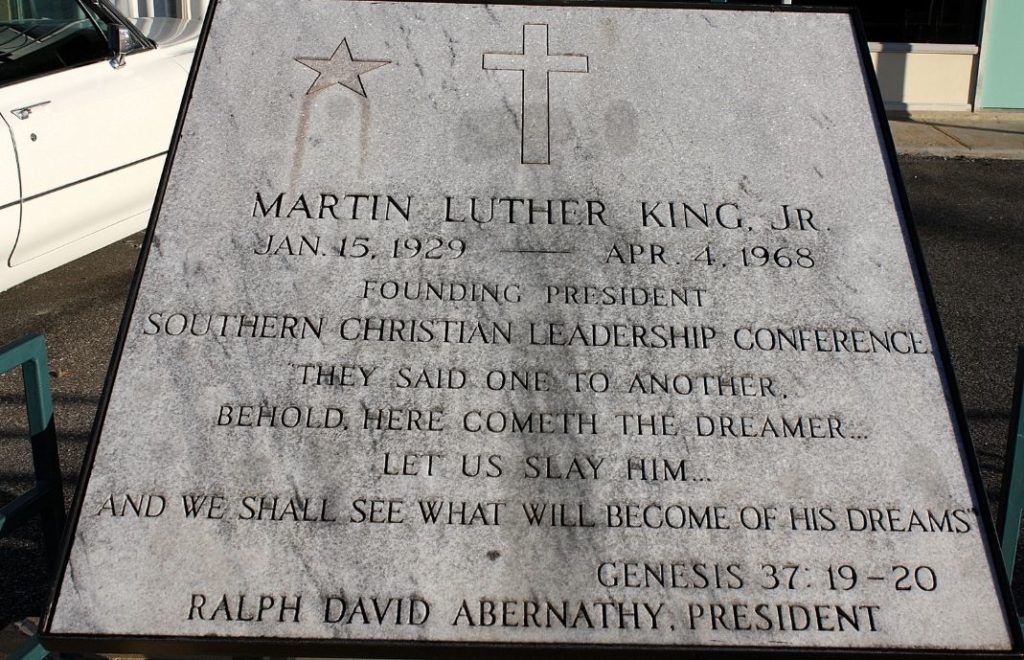
The National Civil Rights Museum opened in 1991 within the historic Lorraine Motel – the very site where Martin Luther King Jr. was assassinated on April 4, 1968. It was established to preserve the memory of the civil rights struggle in the United States and to honor the legacy of those who sacrificed their lives for freedom and justice.
During the segregation era, the Lorraine Motel served as an important gathering place for African Americans. After King’s assassination, it became a powerful symbol of the fight for equality, and transforming the building into a museum was a natural step toward preserving this vital chapter of American history.
Over the years, the museum has expanded to include not only the Lorraine Motel but also several adjacent buildings, including the boarding house from which James Earl Ray fired the fatal shot.
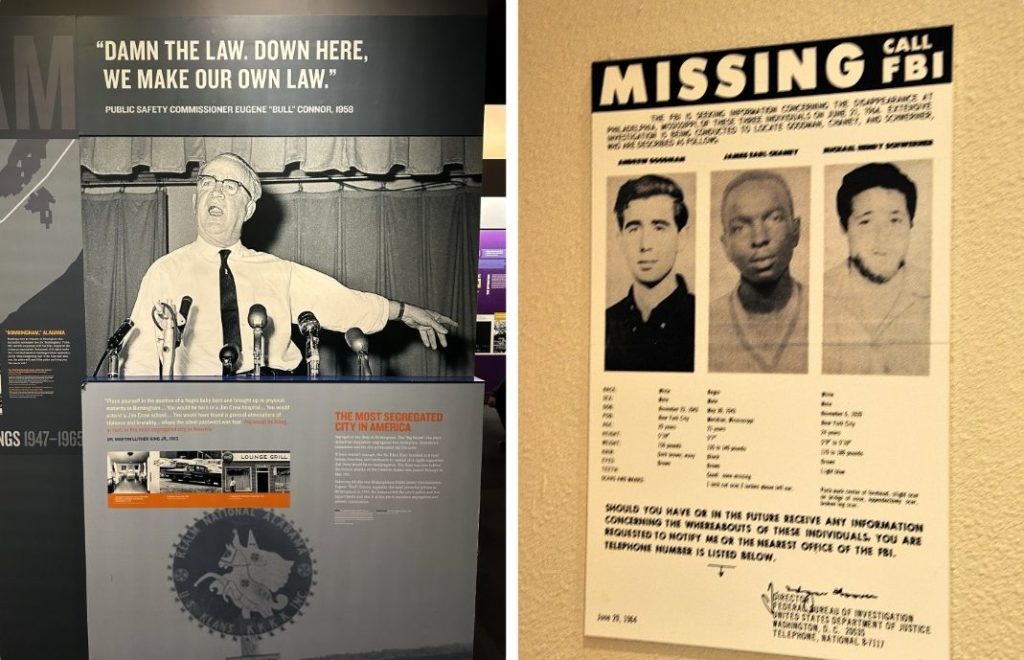
The exhibitions trace African American history from the era of slavery in the 1600s through Jim Crow, the civil rights movement of the 1950s and ’60s, and into the ongoing struggles for social justice today.
Today, the museum is recognized as one of the most significant of its kind in the United States. It serves as a historical institution, a center for research, and a place of reflection. Millions of visitors from around the world have been moved by its exhibits, which stand as a reminder that the fight for justice and equality is far from over.
National Civil Rights Museum – Key milestones
From the tragedy at the Lorraine Motel to becoming one of the most significant museums in the United States.
Here are the milestones that shaped the National Civil Rights Museum:
- April 4, 1968 – Martin Luther King Jr. is assassinated at the Lorraine Motel in Memphis.
- 1970s – The Lorraine Motel continues to operate as a guesthouse but struggles financially.
- 1982 – The building is saved from demolition thanks to civil rights advocates.
- 1987 – The Lorraine Civil Rights Museum Foundation is established to preserve the site.
- 1991 – The National Civil Rights Museum opens, built into the former Lorraine Motel.
- 2002 – Expansion includes the boarding house from which James Earl Ray fired the fatal shot.
- 2014 – The museum reopens after extensive renovations, featuring modern exhibitions and interactive elements.
- Today – Recognized as one of the most important civil rights museums in the U.S., attracting hundreds of thousands of visitors each year.
Visiting the National Civil Rights Museum
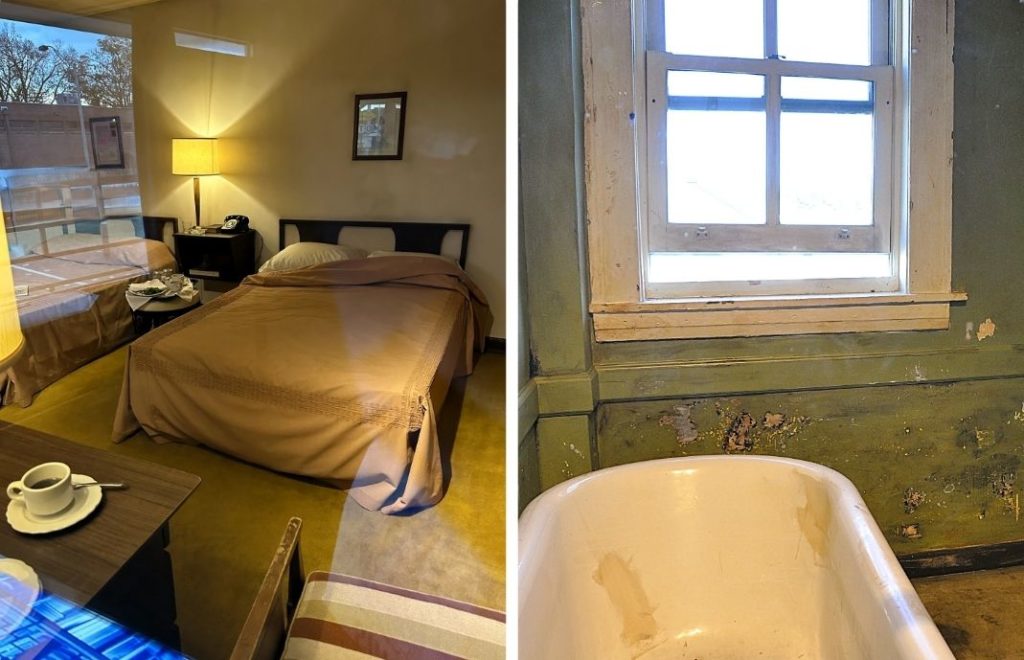
Room 306 lies on the upper floor of the National Civil Rights Museum, preserved exactly as it was that fateful day. It was on the balcony outside this very room that Dr. Martin Luther King Jr. was shot and killed by a single bullet fired by James Earl Ray on April 4, 1968.
A visit here is a powerful and moving experience, guiding you through more than 400 years of African American history. The museum combines authentic artifacts, interactive exhibits, audio recordings, and film clips that bring the past vividly to life.
The journey begins with exhibitions that reveal the brutal beginnings of slavery in the 1600s. From there, you move through the Civil War, Reconstruction, and the Jim Crow era, before reaching the civil rights movement of the 1950s and ’60s.
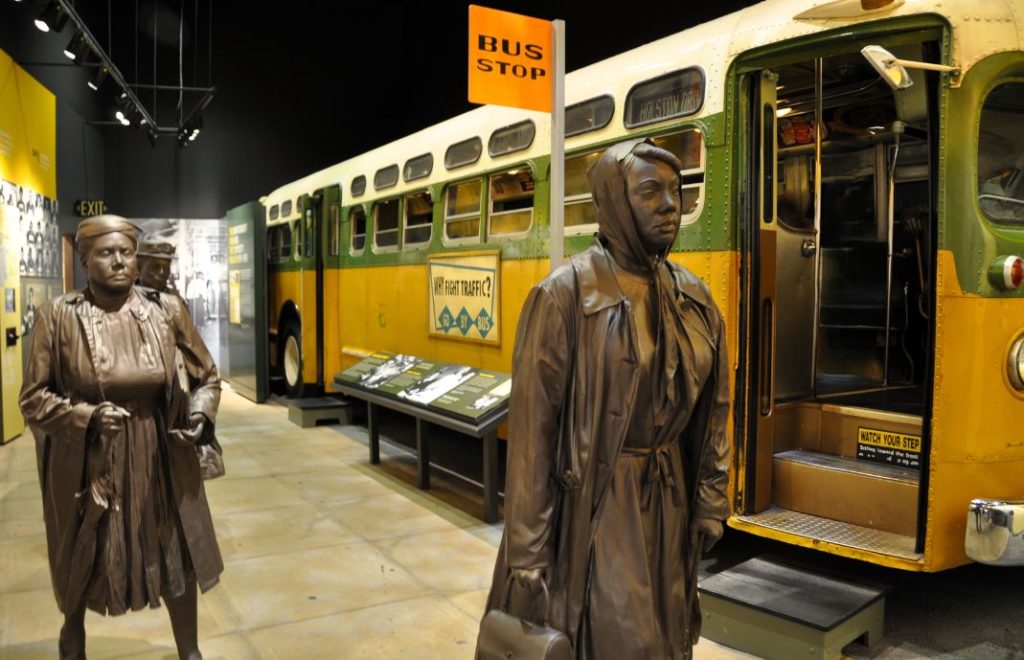
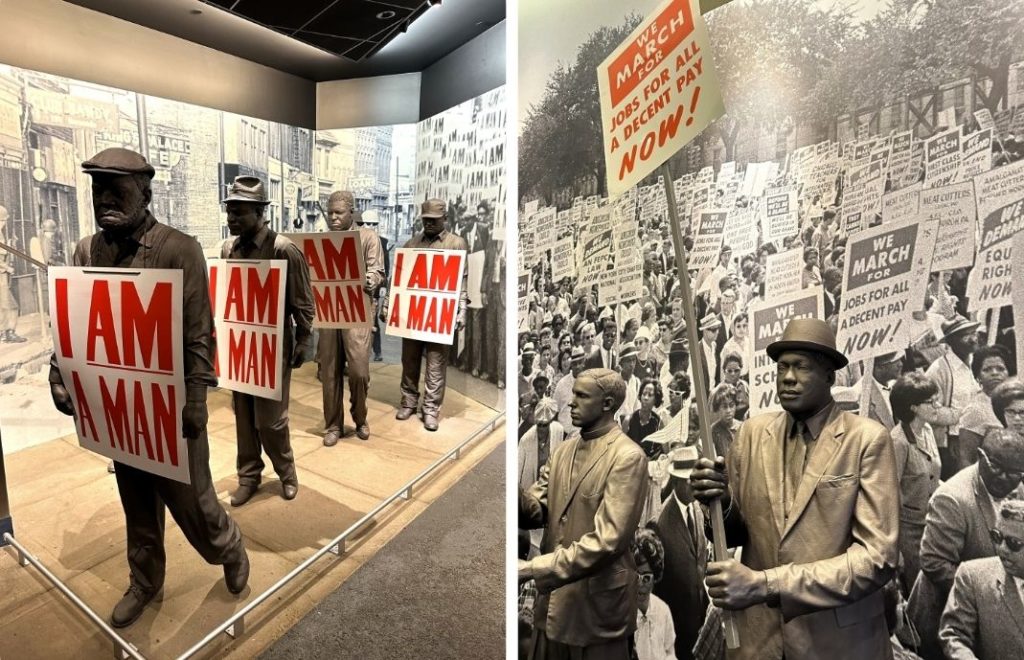
Highlights include the reconstructed bus where Rosa Parks refused to give up her seat and the sit-in exhibits that let you experience the courage of demonstrators at segregated lunch counters. The museum also illustrates the fight for voting rights, education, and economic equality.
The visit culminates in the most poignant space of all: Room 306 of the Lorraine Motel, where Dr. King spent his final hours. Preserved exactly as it appeared in April 1968, it looks out onto the balcony where he was shot.
Across the street, you can step into the boarding house from which the fatal shot was fired. The building offers exhibitions covering the investigation and the aftermath.
The atmosphere of the museum is both solemn and inspiring. You leave with a deeper understanding of the fight for freedom and equality – and a profound reminder that this history still resonates in today’s world.
If you can’t vote, then you’re a slaveReverend Hosea Williams, SCLC director of voter registration
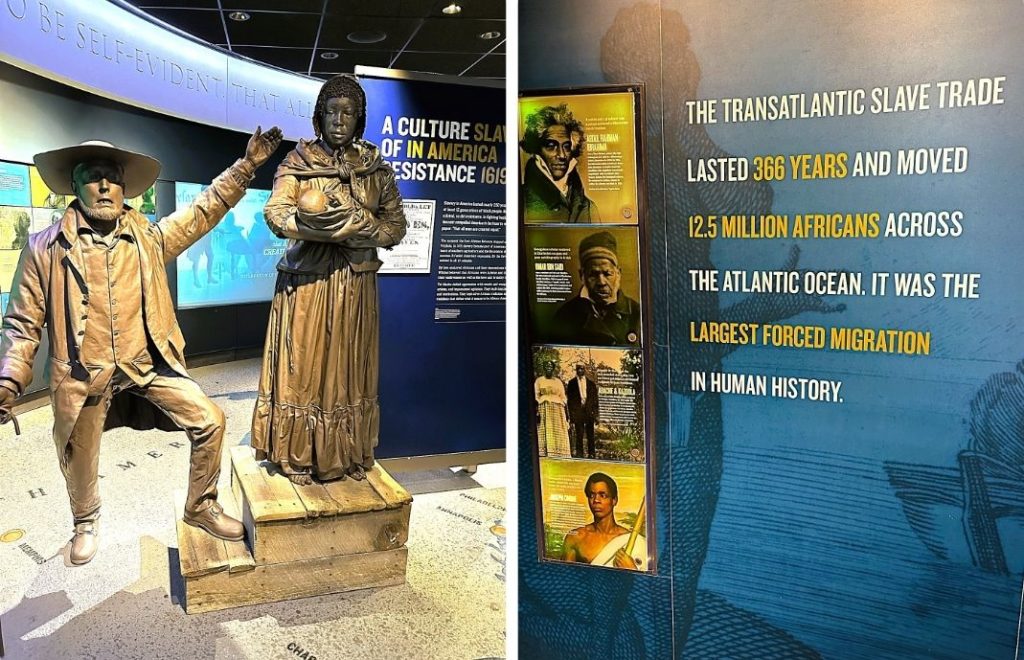
The exhibition A Culture of Resistance
Your journey through the National Civil Rights Museum begins with the thought-provoking exhibition A Culture of Resistance – Slavery in America 1619 -1861. This exhibit casts light on slavery and reveals how African Americans, across centuries, used culture, faith, community, and creativity as powerful weapons against oppression.
It illustrates how music, literature, art, religion, and social movements served as both comfort and resistance in the face of slavery, racism, and discrimination. From early spirituals and gospel hymns to the protest songs of the 1960s, the exhibition demonstrates how culture became a force that could never be silenced.
A Culture of Resistance reminds us that the fight for freedom and equality was not only waged in the streets or the courts. It also unfolded in the quiet strength of everyday acts and in the cultural expressions that gave people courage and hope.
Visitors leave with a profound realization: culture is both a mirror of its time and a catalyst for change – a legacy that continues to inspire new generations.
The exhibition Standing Up by Sitting Down
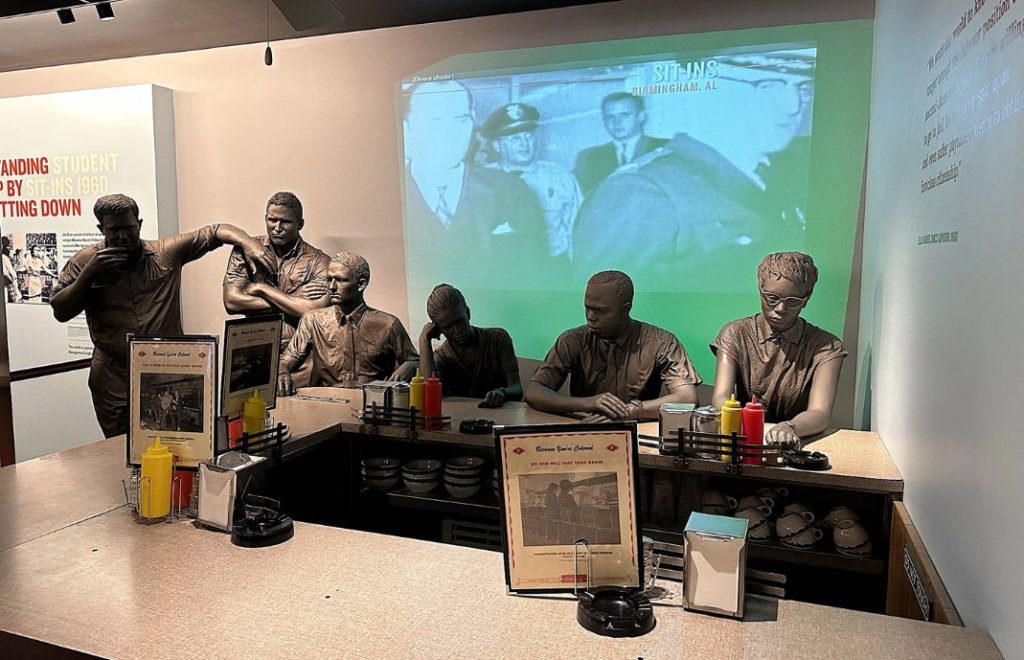
One of the most powerful exhibitions at the National Civil Rights Museum is Standing Up by Sitting Down, which takes you back to the sit-in movement of the 1960s. Here, you experience how young African American students courageously seated themselves at segregated lunch counters in the South. An act that seemed simple, yet became a powerful symbol of resistance.
The exhibition features authentic artifacts and photographs, while interactive installations allow you to sense what the demonstrators endured. You hear the taunts, feel the tension, and are reminded of the extraordinary courage it took to remain calm in the face of harassment and violence.
Standing Up by Sitting Down highlights how civil disobedience and peaceful protest became pivotal turning points in the civil rights movement. It serves as a reminder that even the smallest actions can create immense change – and that stillness and quiet resolve can sometimes be the most powerful weapons in the fight for justice.
Facts about the Sit-In Movement:
- Start: February 1, 1960, in Greensboro, North Carolina.
- Initiators: Four African American students from North Carolina Agricultural and Technical College.
- Action: They sat at a “whites only” lunch counter and refused to give up their seats.
- Spread: Within months, the protests had reached more than 55 cities across the South.
- Significance: The sit-ins became a turning point in the civil rights movement, intensifying the pressure to abolish segregation.
The exhibition The Year They Walked
One of the most inspiring sections of the National Civil Rights Museum is The Year They Walked, which tells the story of the Montgomery Bus Boycott of 1955-56. The movement was sparked when Rosa Parks refused to surrender her seat to a white passenger – an act of quiet defiance that ignited one of the most significant protests in the civil rights movement.
The exhibition reveals how African Americans in Montgomery collectively chose to boycott the city’s buses for over a year, instead walking or organizing carpools. Through authentic photographs, documents, and interactive displays, you gain an intimate glimpse into the daily lives of those who participated, and how their persistence and solidarity became a decisive victory against racial segregation.
The Year They Walked is a powerful reminder that real change requires both courage and endurance. It shows how an entire community stood together in peaceful protest – and how their movement not only transformed Montgomery but helped reshape the entire United States.
Facts about the Montgomery Bus Boycott
- Years: 1955–1956
- Duration: 381 days
- Sparked by: Rosa Parks’ arrest on December 1, 1955
- Key leaders: Martin Luther King Jr., E.D. Nixon, and Jo Ann Robinson
- Action: African Americans boycotted the city’s buses, organizing carpools and community solidarity instead.
- Outcome: The U.S. Supreme Court ruled bus segregation unconstitutional – a landmark victory for the Civil Rights Movement.
Practical information – National Civil Rights Museum
Here’s the key information you need to plan your visit:
- Address: 450 Mulberry Street, Memphis, Tennessee, USA.
- Opening hours: Typically open Tuesday–Sunday, 9:00 a.m.–6:00 p.m. (closed on Mondays, Thanksgiving, Christmas Eve, and Christmas Day).
- Tickets: Available on-site or via the museum’s official website. Discounts offered for children, students, and seniors.
- Duration: Allow at least 2–3 hours to fully experience the museum.
- Accessibility: Fully wheelchair accessible.
- Transport: Easy to reach from downtown Memphis on foot, by car, bus, or taxi/Uber. Parking available nearby.
More inspiration to Memphis:
Must-do experiences in Memphis
The best museums in Memphis
A guide to Graceland
Your guide to Sun Studio
