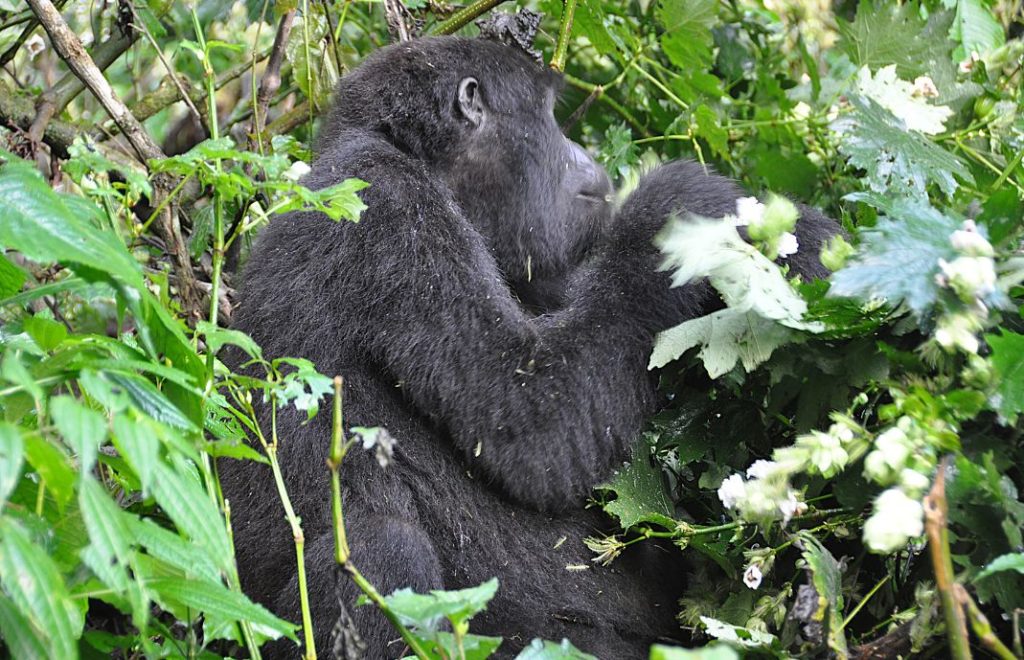
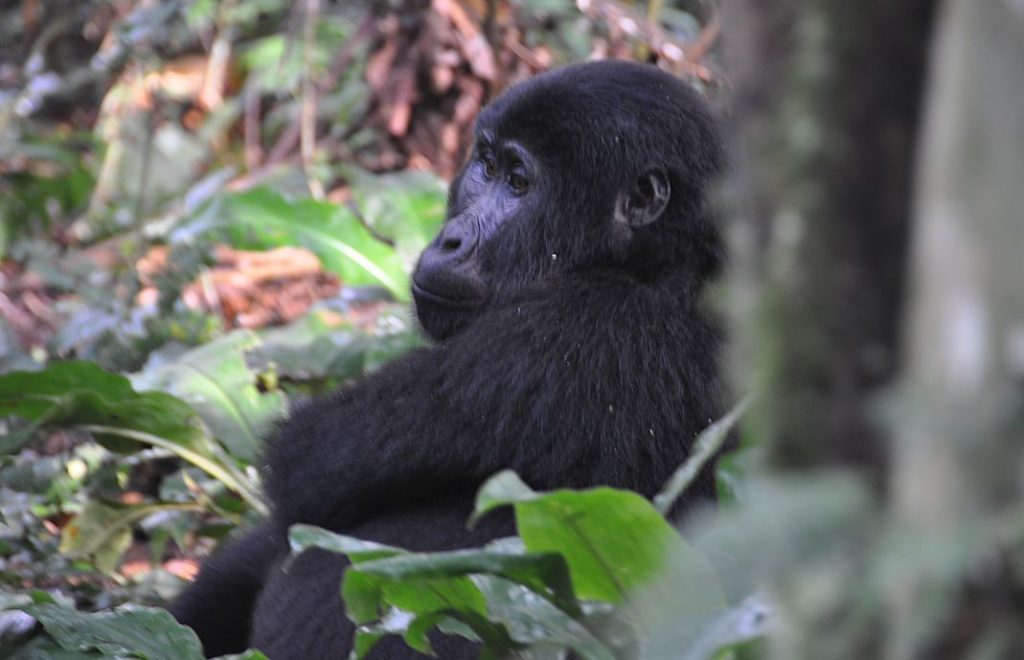
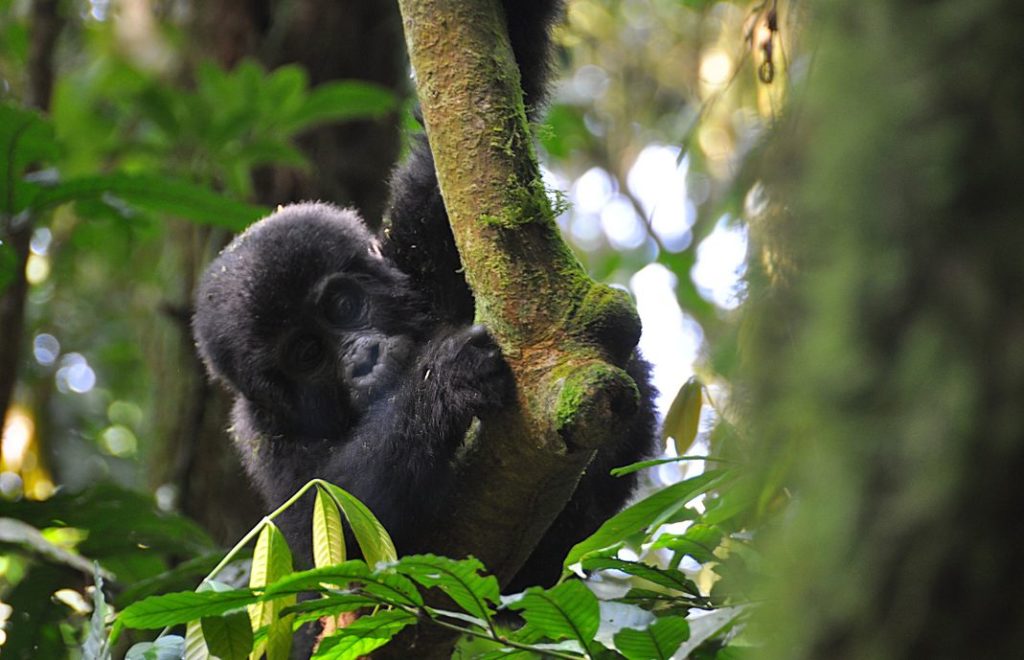
The forest reverberates with a deep, primal sound. A silverback beats his massive chest in a rhythmic display of power, while youngsters tumble and chase in carefree abandon. Nearby, a mother rests with her hand draped over her eyes, dozing lightly but never losing track of the smallest one as it clambers curiously up a tree. For now, the family has paused, settling into the quiet hum of the jungle.
You’ve just spent hours hiking through the dense tropical rainforest for this very moment. Your emotions swirl – a cocktail of exhaustion, awe, and pure, unfiltered joy. The steep climb, the tangled vines, the sweat-soaked struggle – they’ve all faded into insignificance as you stand within arm’s reach of one of Earth’s most extraordinary creatures: the mountain gorilla.
Encountering these critically endangered giants is among the greatest wildlife experiences on the planet. With only about 1,000 individuals left in the wild, every meeting is both a privilege and a responsibility. Their stronghold lies in the misty mountains of Uganda, Rwanda, and the Democratic Republic of Congo, where lush forests cradle these gentle titans in a sanctuary of green.
When to go
Gorilla trekking is possible year-round – after all, the gorillas are always there, deep in their emerald kingdoms. Sunshine graces the forests more often than not, and temperatures are pleasantly mild, rarely climbing above 29°C, with an average hovering around 26°C.
The rainy seasons – March to May and October to November – are considered low season. November and December see lighter showers, making the trails slick but not impossible. These months can also make permits easier to secure, as fewer travelers brave the mud for a chance at magic.
The dry seasons, from December to February and June to September, are peak months. Trails are easier to navigate, and skies often stretch clear and blue above the misty mountains, making the trek more comfortable.
What doesn’t change?
The raw thrill of the experience. Only the path to reach these gentle giants shifts – sometimes firm, sometimes a quagmire of roots and rain – but always leading to the same unforgettable encounter.
Permits and planning
Gorilla trekking is one of the most strictly regulated wildlife experiences in the world – and for good reason. To protect these endangered giants and minimize human impact, access is tightly controlled:
- Uganda issue 8 permits per gorilla group per day, ensuring your encounter is intimate and unhurried.
- In Rwanda, the limit is firmly set at 8 visitors per group.
- In the Democratic Republic of Congo, only 6 visitors are allowed when trekking to see the elusive lowland gorillas.
When should you book?
Well in advance – at least three months before departure, though earlier is even better, especially if you’re aiming for the dry season when demand peaks.
Your chances of seeing gorillas?
Exceptionally high. You’d need a streak of truly bad luck to walk away empty-handed. Occasionally, the gorillas may keep their distance, but skilled trackers rarely fail. Your experience will depend on the type of gorilla (mountain or lowland) and where the family happens to be that day, but the odds are overwhelmingly in your favor.
How long does it take to find the gorillas?
Mountain gorillas roam freely through vast swaths of forest, and each family covers an impressive territory. When you receive your permit, it’s linked to a specific family, and a ranger will guide your group toward them.
How long does that take? It depends entirely on where the gorillas decide to settle that day. Sometimes, luck is on your side and you’ll meet them within an hour. Other times, the trek can stretch to four hours before the magical encounter unfolds.
Behind the scenes, a team of expert trackers – known as trekkers – heads out at dawn. They scour the jungle for signs: crushed foliage, half-eaten plants, the imprints of massive knuckles in the earth. They trace the gorillas’ trail from their night nests, shadowing their movements until they spot the family. Then, they radio your ranger, who leads you into the heart of the rainforest for that once-in-a-lifetime moment.
And when you finally find them? You have exactly one golden hour. Sixty precious minutes to watch, photograph, and marvel as these magnificent beings live out their day, unbothered by your awe.
In total, the trek can last anywhere from three to eight hours round-trip, winding through thick jungle, up slippery slopes, and across tangled roots. It’s a challenge – but the reward is beyond measure.
How to behave around gorillas
When it comes to gorilla trekking, your safety – and theirs – depends on respect. Before the trek, your guides will give you detailed instructions, and it’s essential to follow them to the letter. The golden rule? Silence and stillness. No loud voices, no sudden movements. You are stepping into their world, and the less disruptive you are, the more natural and magical the experience will be.
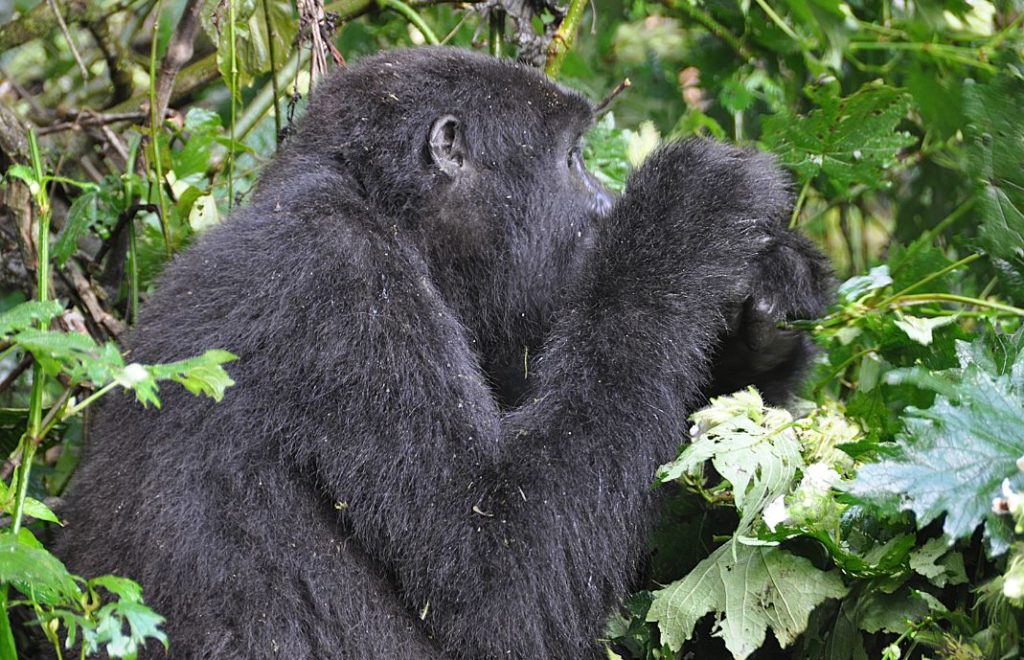
If an adult gorilla approaches, do not panic. Sit completely still, crouch low, and avert your gaze. This submissive posture signals non-aggression, which is especially important if a dominant silverback comes close. Remember, he’s the king of this jungle – you’re just a guest.
The most critical issue, however, is one you can’t see: disease transmission. Gorillas share about 98% of our DNA, which makes them dangerously vulnerable to human illnesses. Even a common cold could be fatal for them. The risk goes both ways, but it’s the gorillas who pay the higher price.
That’s why strict measures are in place:
- Maintain a minimum distance of ten meters at all times.
- Masks are mandatory during your precious hour with them.
- Anyone showing signs of illness can be denied entry on the spot by park authorities.
And while you’ll want to capture every second of this experience, flash photography is strictly forbidden. Learn your camera settings beforehand so you can switch off the flash without fumbling in the forest. This is not just about rules – it’s about respect, and ensuring that future travelers can stand in awe of these gentle giants too.
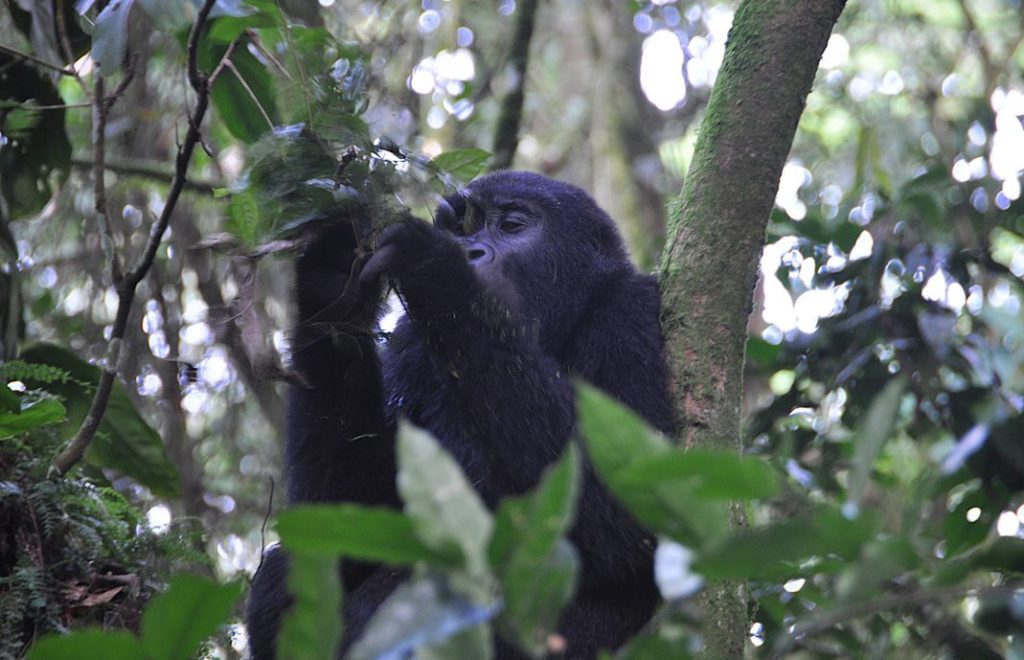
Uganda or Rwanda?
Gorilla trekking doesn’t come cheap – but think of it as an investment in an experience you’ll carry for the rest of your life. It’s also a direct contribution to conservation, helping protect these magnificent creatures and the fragile ecosystems they call home.
In Rwanda, permits are priced at USD 1,500 per person, reflecting the country’s emphasis on high-value, low-impact tourism.
In Uganda, the cost is USD 800 per person, making it a more affordable option for many travelers. During low season (April, May and November) the cost is USD 600 per person.
Where can you see them?
In Uganda, gorilla trekking takes place in Bwindi Impenetrable National Park and Mgahinga National Park. Your choice usually depends on where permits are available.
In Rwanda, all treks happen in the lush landscapes of Volcanoes National Park, part of the legendary Virunga Mountains.
Whichever destination you choose, the reward is the same: a front-row seat to one of the most intimate and humbling wildlife encounters on Earth.
Who can go gorilla trekking?
Gorilla trekking isn’t for everyone – but if you meet a few basic requirements, this life-changing experience is within your reach.
First, there’s an age limit of 15 years, a rule designed for both safety and conservation. You’ll also need to be in good health and in reasonable physical condition, as the trek can be demanding. Early mornings are part of the deal, and the hike itself involves navigating rugged trails, muddy slopes, and unpredictable weather in dense rainforest.
That said, you don’t have to be an elite athlete or a seasoned adventurer. Even travelers who shy away from strenuous treks have successfully made it to the gorillas. One big reason? Porters. These local helpers carry your backpack and offer steady hands on steep or slippery sections. For a modest fee – plus tips, which are deeply appreciated – you not only lighten your load but also support the local community. Many visitors hire a porter even if they’re fit; it’s an invaluable way to connect with locals while giving back.
And here’s a relief: altitude sickness isn’t a concern on gorilla treks. The challenge lies in the terrain, not the height. So as long as you’re prepared for a bit of mud and muscle work, the reward at the end is nothing short of extraordinary.
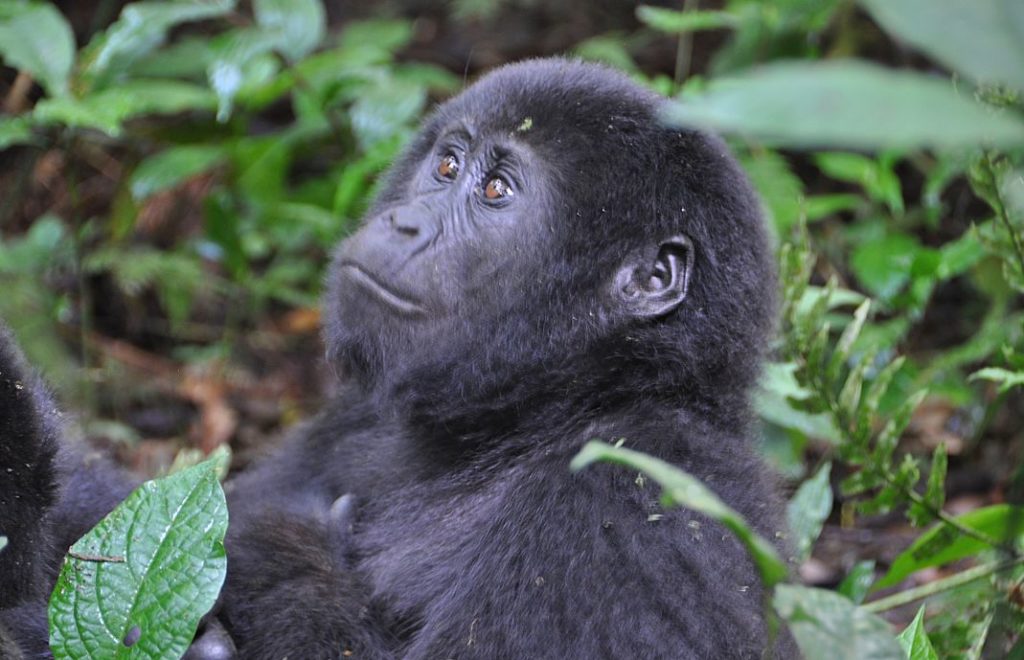
Where to stay
Accommodation options near gorilla trekking areas range from mid-range lodges with excellent standards to luxury properties offering top-notch comfort in the heart of nature. Many of these lodges are nestled on the edge of Bwindi Impenetrable National Park or scattered along its misty periphery, blending rustic charm with warm hospitality.
Booking your stay – and your trekking permit – through a trusted tour operator is highly recommended. Why? Because logistics matter here. Some lodges are several hours’ drive from the trailheads, and a reputable operator will ensure you’re based close to your designated starting point, sparing you long pre-dawn drives and letting you save your energy for the real adventure.
What to wear for gorilla trekking
Packing for a gorilla trek isn’t about style – it’s about practicality and comfort in some of the most challenging terrain you’ll ever walk.
Here’s what works best:
- Layer up: Early mornings can be chilly, but the heat builds as you climb. Dressing in layers lets you adapt quickly as conditions change.
- Cover up: Long sleeves and full-length pants are essential for pushing through dense undergrowth armed with stinging nettles and thorny vines.
- Choose breathable, quick-dry fabrics: You’ll sweat— – and there’s always a chance of rain – so opt for moisture-wicking clothes that dry fast.
- Stick to neutral tones: Earthy colors like gray, green, and black blend best with the forest environment. Bright hues (red, pink, blue, yellow) and stark white are not recommended – they get dirty fast and may draw unwanted attention from wildlife.
- Protect your hands: Lightweight gloves are a smart addition to fend off scratches and thorns.
- Invest in quality footwear: Sturdy, waterproof hiking boots with excellent grip are non-negotiable. The trails can be steep, muddy, and unpredictable.
- Be Rain-ready: A breathable, lightweight rain jacket is a lifesaver in sudden downpours. Also, protect your gear with a waterproof bag or rain cover – especially cameras and electronics.
With the right gear, you’ll be ready to face the elements and enjoy the trek without worrying about discomfort.
What to bring on a gorilla trek
A gorilla trek can last anywhere from a few hours to most of the day, so it pays to be prepared for the unexpected.
Here’s what should be in your daypack:
- Water and snacks: Staying hydrated and keeping your energy up is essential, especially if the trek stretches longer than expected.
- A small backpack: Light and comfortable, just big enough for the essentials.
- Insect repellent: The rainforest is home to plenty of buzzing companions – keep them at bay.
- Camera gear: Whether it’s a DSLR, mirrorless, or a simple action cam, make sure it’s fully charged and pack extra batteries and memory cards.
- Flash-free photography: It’s absolutely forbidden to use flash near the gorillas, so know your camera settings before you set off.
- Passport and cash: Don’t forget your passport and some cash to tip the ranger, trekkers and porter.
With these basics on hand, you’ll be ready to capture the magic and enjoy your trek without a hitch.
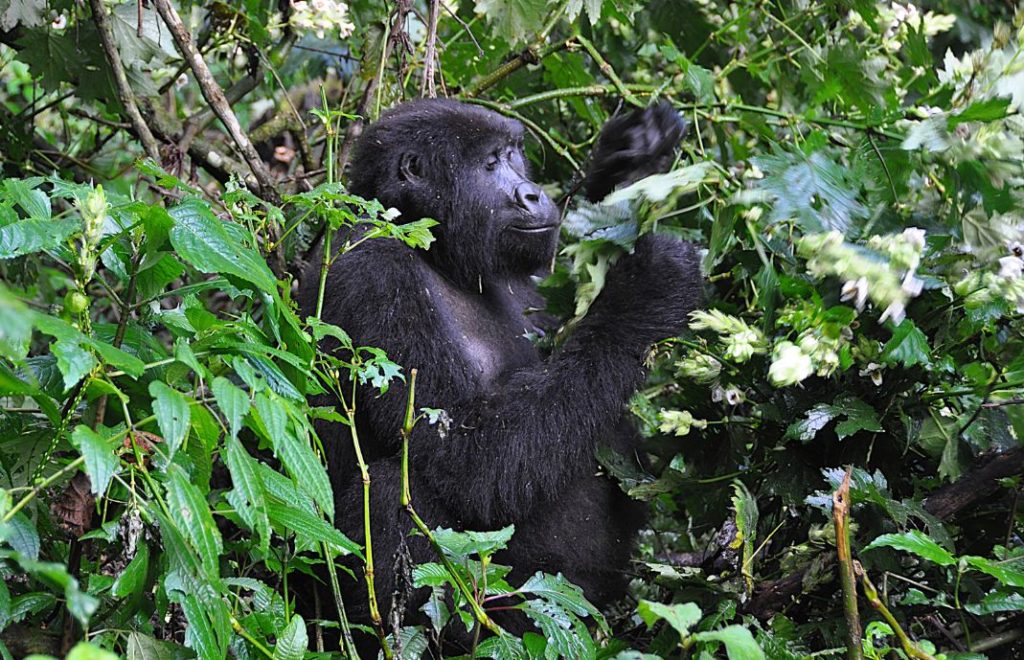
Guidelines for gorilla trekking
Protecting mountain gorillas is paramount, and that means strict rules for every visitor. These aren’t mere suggestions – they’re essential for the safety of both humans and gorillas:
- Keep your distance: Stay at least 7 meters away from the gorillas at all times.
- No illness allowed: If you have flu, a cold, or any contagious disease, you cannot participate.
- Limited time: Each visit is capped at one hour once you reach the gorillas.
- Small groups: Maximum 8 people per group, with only one group per gorilla family per day.
- Stay together: The group moves as one – from start to finish.
- Masks required: You must wear a mask the entire time you’re near the gorillas, and bring your own.
- Absolutely no spitting: It’s strictly forbidden in the park.
- Cover your cough: If you need to cough, turn away and cover your mouth.
- Keep voices low: Whisper if you must speak.
- Avoid sudden movements: These can alarm the gorillas.
- If a gorilla approaches: Stay calm, remain still, avert your eyes, and follow your guide’s instructions.
- No flash photography: Ever. Learn your camera settings before the trek.
- Leave no trace: Take everything you brought with you – don’t litter.
- Respect nature: Do not remove rocks, plants, or anything else from the park.
These rules exist to ensure an unforgettable yet responsible encounter – one that preserves this extraordinary experience for generations to come.
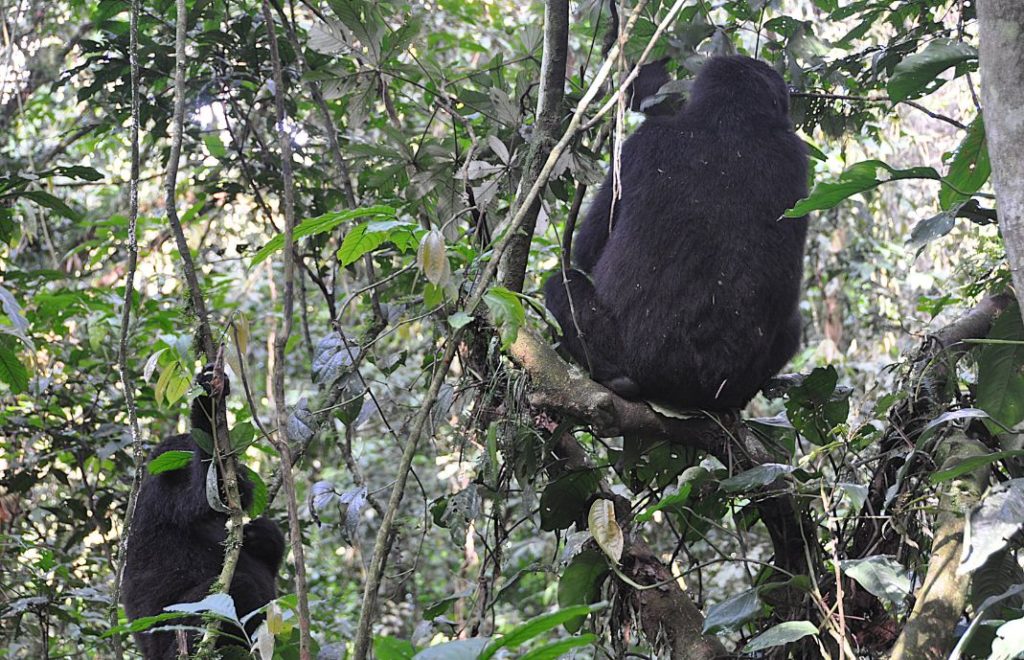
Practical information
If your budget allows, consider booking two gorilla treks instead of one. The first encounter often feels like a whirlwind – over before you can fully absorb the magic. A second trek gives you the chance to truly observe these incredible creatures: their social dynamics, their quirks, and their distinct personalities. No two families are alike; each has its own rhythm, hierarchy, and stories written in their eyes.
On arrival at the park, you’ll need to register and present your passport. After that, visitors are divided into small groups, and your ranger will give a short briefing on the rules and what to expect during the trek.
For a deeper appreciation of what this experience means – not just for you, but for the species – read Gorillas in the Mist by legendary zoologist Dian Fossey (or watch the film adaptation). Her life’s work laid the foundation for the conservation efforts that make gorilla trekking possible today.
More inspiration: Gorilla trekking in Bwindi Impenetrable National Park